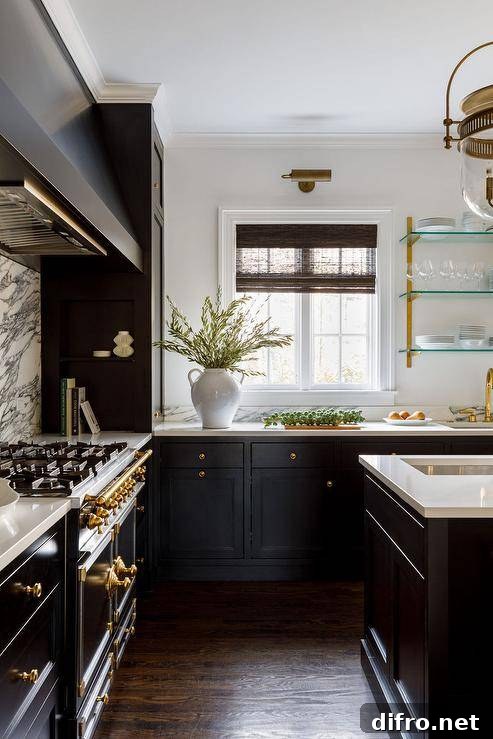
The kitchen is often called the heart of the home because it’s where we cook, eat, and gather. When planning a remodel or upgrade, it’s tempting to chase the latest trends or splurge on dramatic features. But not every upgrade ages well. Below are ten commonly regretted kitchen upgrades and practical guidance to help you make choices that are beautiful, functional, and enduring.
Built-in Appliances
Built-in appliances can give a kitchen a seamless, high-end look, but they often come with higher upfront costs and more complicated repair or replacement. If you choose built-in units, understand the long-term implications on serviceability and resale value.
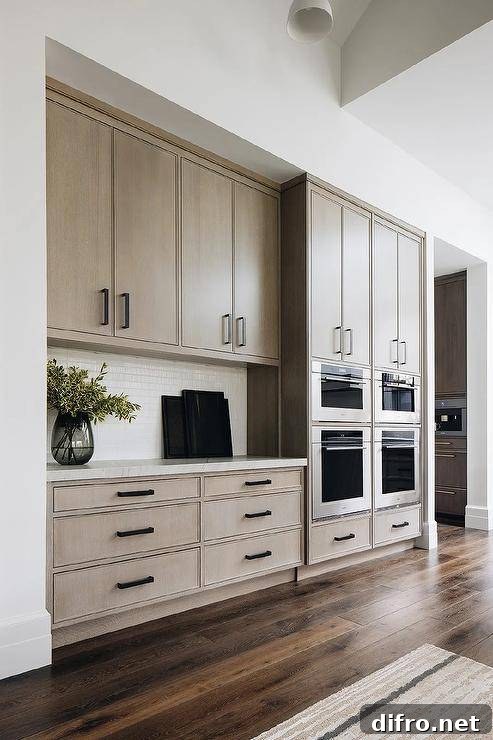
Consider these points when deciding between built-in and freestanding appliances:
- Built-in units create a cohesive, custom look and work well in open-plan spaces where appliances are on display.
- They typically cost more and may require custom cabinetry and fittings, increasing replacement complexity and expense.
- Freestanding appliances are usually less expensive, easier to replace, and simpler to install. They offer flexibility if you like rearranging or plan to move.
- Functionally, built-in and freestanding appliances can offer similar features; choose based on budget, serviceability, and design priorities.
Trendy Backsplashes
Backsplashes can transform a kitchen’s personality, but trend-driven patterns or bold colors can date quickly. Opt for classic materials and restrained patterns to ensure longevity and better resale appeal.
Why choose classic backsplash options:
- Timelessness: Simple subway tile, stone, or glass tends to remain stylish, unlike niche patterns that fall out of favor.
- Versatility: Neutral or classic designs adapt easily when you refresh countertops, cabinets, or hardware.
- Resale value: Buyers prefer neutral, enduring choices that won’t need immediate replacement.
- Durability: Materials like ceramic, porcelain, and stone are easy to clean and maintain for everyday cooking.
Use trendier tiles as small accents—an inset behind the range or inside a shelving niche—so updates later are less costly.
Bold Colored Cabinets
Strong cabinet colors can be eye-catching in showrooms but overpower a home after time. If you love color, balance it with neutral cabinetry or reserve vivid hues for an island or open shelving.
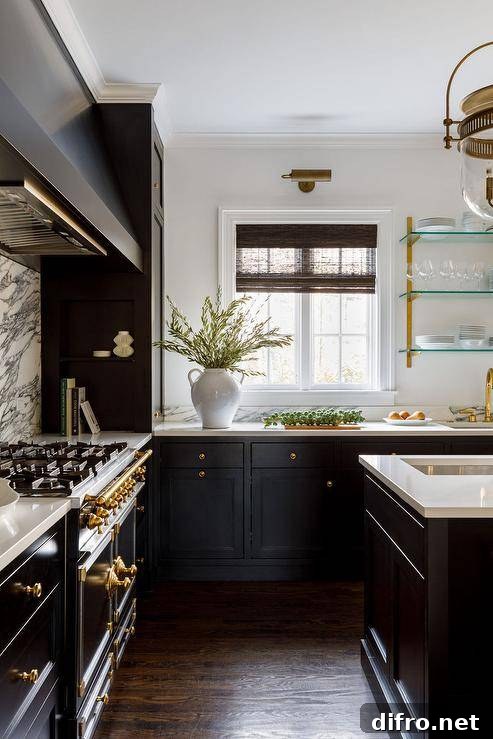
- If you prefer bold cabinets, limit the use to one area and keep surrounding finishes neutral.
- Neutral cabinetry—white, cream, gray—offers flexibility and an easier path to refresh with paint or hardware down the road.
- Add color with accessories, tile, or a single painted island rather than every cabinet door.
Open Shelving
Open shelving looks stylish in photos, but it requires careful curation and constant upkeep. Dust, grease, and clutter make open shelves impractical for many households. Closed cabinets provide a cleaner, lower-maintenance solution.
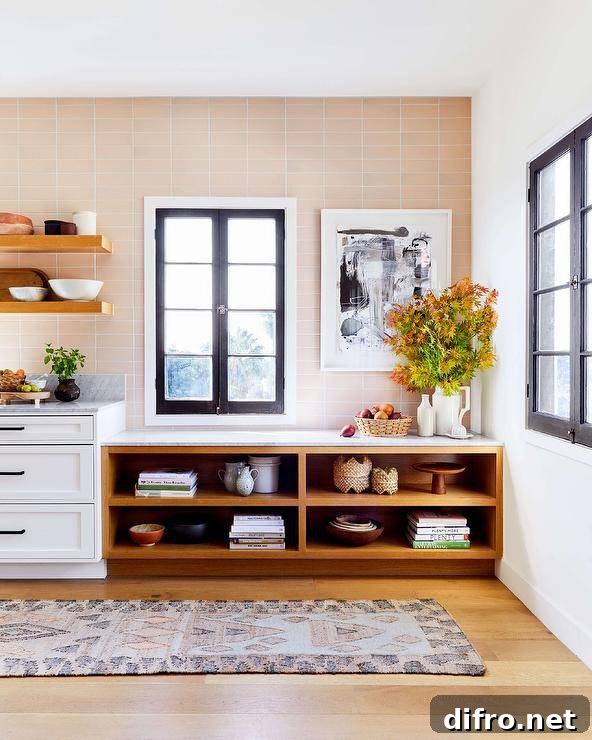
- Less visual clutter: Closed cabinets hide mismatched dishes and small appliances, creating a calmer look.
- Protection: Doors keep contents cleaner and reduce grease and dust buildup.
- Safety: Cabinets reduce the risk of items falling, which matters in homes with children or pets.
If you want openness, consider glass-front cabinets or a mix of closed storage with a few styled open shelves for curated display items.
Mixed Metals
Combining metal finishes can add depth, but too many contrasting metals create a chaotic effect. Limit your palette to one or two complementary finishes and use a dominant metal to tie the room together.
- Choose one primary metal for larger elements like faucets or lighting, and a secondary accent metal for hardware.
- Match metal undertones (warm vs. cool) to maintain cohesion.
- Introduce texture—brushed vs. polished—to create interest without clutter.
Over-the-Top Lighting
Lighting should balance form and function. Multiple oversized statement fixtures can overwhelm a space and reduce flexibility. Instead, layer ambient, task, and accent lighting and install dimmers to control mood and brightness.
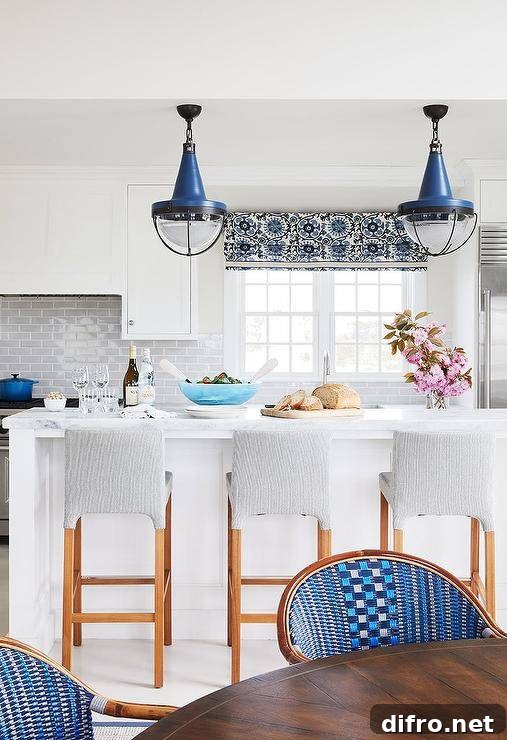
- Define lighting needs per area: bright task lighting for prep zones, softer ambient light for dining.
- Use appropriately sized fixtures and layer lighting for flexibility.
- Dimmer switches extend functionality and create atmosphere.
Excessive Tile
Tile can be a beautiful focal point, but covering too many surfaces with busy tile can feel heavy and dated. Reserve tile for a backsplash, an accent wall, or the floor, and choose a restrained palette and scale to keep the space balanced.
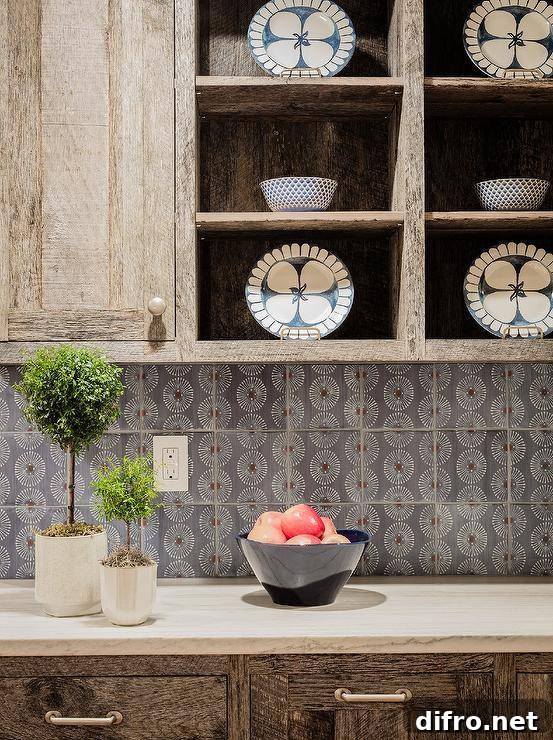
Consider tile size and finish—large-format tiles open up space, while smaller mosaics add detail. Factor maintenance into your choice: porcelain and ceramic are low-maintenance; some natural stones need resealing.
Over-the-Top Range Hoods
A range hood should suit the scale of the cooktop and the room. Oversized or ornate hoods can dominate a kitchen and might not match the overall aesthetic. Prioritize ventilation performance, appropriate size, and noise level over purely decorative features.
- Match hood width to the cooktop for effective ventilation.
- Choose materials that coordinate with the kitchen and are easy to clean.
- Evaluate ducting needs and sound ratings to avoid surprises during installation.
Heavy Countertops
Thick, heavy stone countertops can be dramatic, but they are costly and may require reinforced cabinetry. Consider lighter, durable materials—engineered quartz, solid-surface, or thinner stone slabs—that offer easier installation and similar visual appeal.
- Look for materials that balance durability, maintenance, and cost.
- Natural stone offers beauty but often needs sealing and care.
- Eco-friendly options like recycled glass or reclaimed wood can be attractive alternatives.
Over-the-Top Islands
An island should enhance workflow and fit the room’s scale. Oversized or overly elaborate islands can crowd circulation paths. Plan the island’s function first—prep, storage, seating—and size it to preserve comfortable traffic lanes and sightlines.
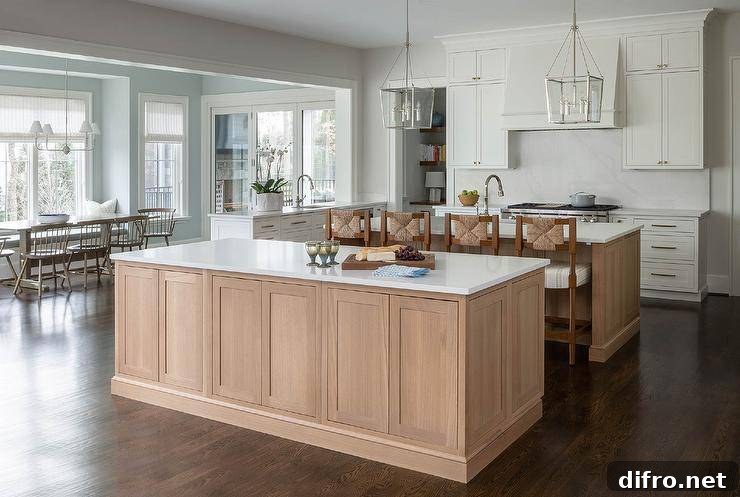
- Measure clearances: aim for at least 42–48 inches around the island for comfortable movement.
- Integrate storage and utilities thoughtfully to make the island truly useful.
- Consider multi-use islands that combine prep, seating, and storage without dominating the room.
In short, prioritize functionality, maintenance, and timeless design over fleeting trends. Choose a few intentional statement elements, then balance them with neutral, practical finishes to create a kitchen you’ll appreciate year after year.
Subscribe to our newsletter for practical kitchen design tips, renovation insights, and ideas to help you plan upgrades that last.