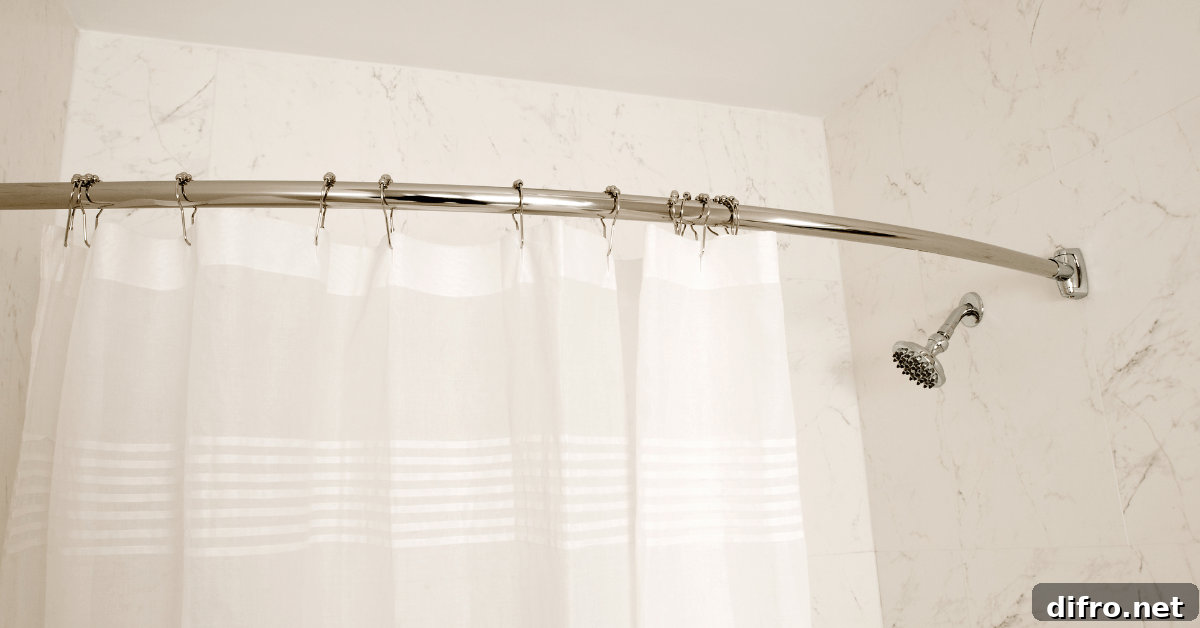
Choosing the right standard shower curtain size is an important step in creating a bathroom that is both functional and attractive. The correct curtain ensures privacy, prevents water from escaping the shower area, and contributes to the overall decor. Whether you have a conventional tub-shower or a nonstandard configuration, understanding common shower curtain sizes and how to measure for the right fit will help you pick a curtain that looks great and performs well.
Understanding Standard Shower Curtain Sizes
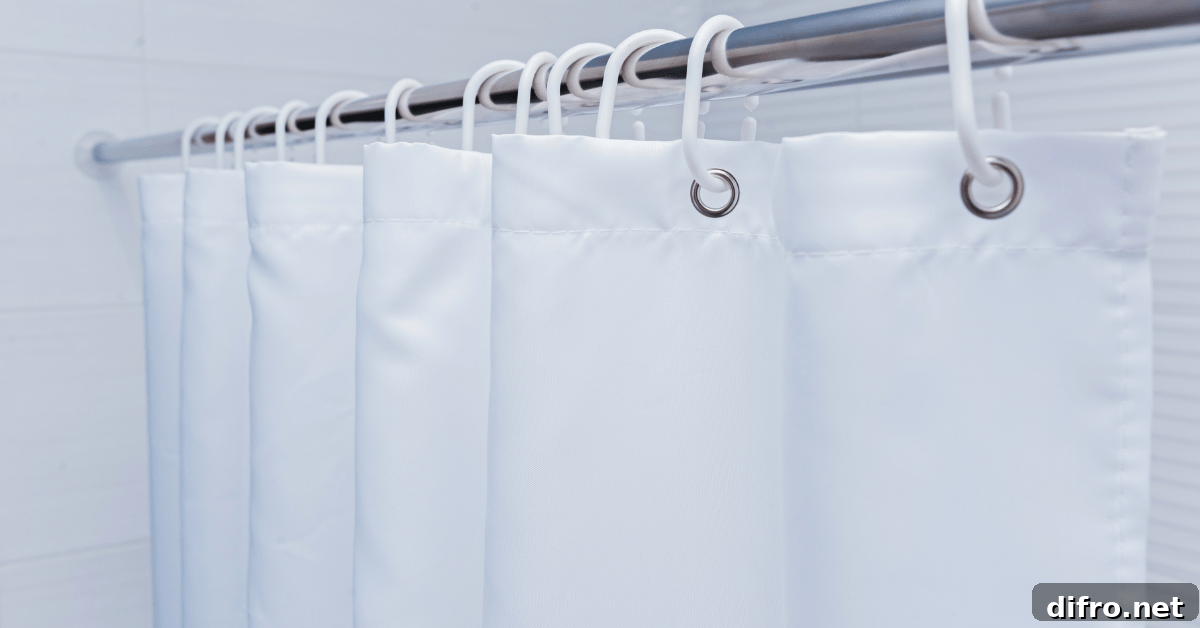
Most shower curtains follow a few common dimensions that fit the majority of tubs and shower enclosures. The typical standard size is 72 inches by 72 inches, which works well for most full-size bathing areas. You will also encounter slightly different standard sizes such as 70 x 70 inches or 70 x 72 inches to suit narrower or less tall openings. If your shower is taller, wider, or uniquely shaped, extended and custom sizes are available to ensure proper coverage.
Choosing the Right Size for Your Shower
Accurate measurement is the first step to choosing the right curtain size. Measure the width of the shower rod from one end to the other and the height from the rod to the floor or tub edge. For width, consider leaving some extra curtain width so the fabric can gather and form folds; a curtain that is the same width as the rod will appear flat and may not seal as well. For height, consider whether you want the curtain to hang inside the tub to prevent splashes, or just reach the top edge. Always factor in the height that curtain rings or grommets add to the overall drop.
Material Matters: Best Fabrics for Shower Curtains
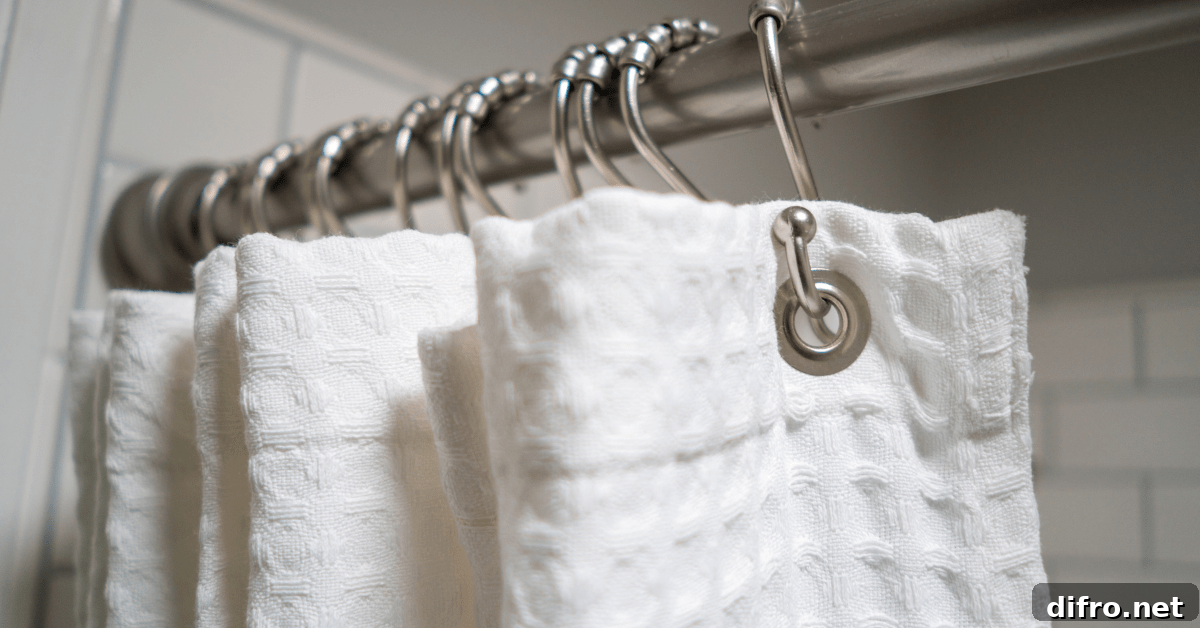
Shower curtains come in a range of materials, each offering different benefits. Polyester is commonly chosen for its durability, quick-drying properties, and resistance to mildew. Cotton and cotton blends provide a soft, stylish look but usually need a waterproof liner to prevent water damage. Linen brings a textured, upscale appearance but requires more care. Vinyl and PEVA are water-resistant and easy to clean, making them practical for high-moisture bathrooms. When selecting a material, balance aesthetics, maintenance needs, and moisture resistance.
Color Guide: Selecting the Perfect Shade
Color and pattern play a big role in shaping the mood of your bathroom. Neutral tones and subtle patterns create a calm, cohesive backdrop and make smaller bathrooms feel more open. Bold colors or graphic prints can become a focal point and express personal style. When choosing color, consider the bathroom’s existing finishes—tile, paint, and fixtures—and opt for a curtain that complements them. Also choose colors or patterns that are forgiving of water spots and minor stains to keep your shower curtain looking fresh longer.
Customizing Your Shower Curtain
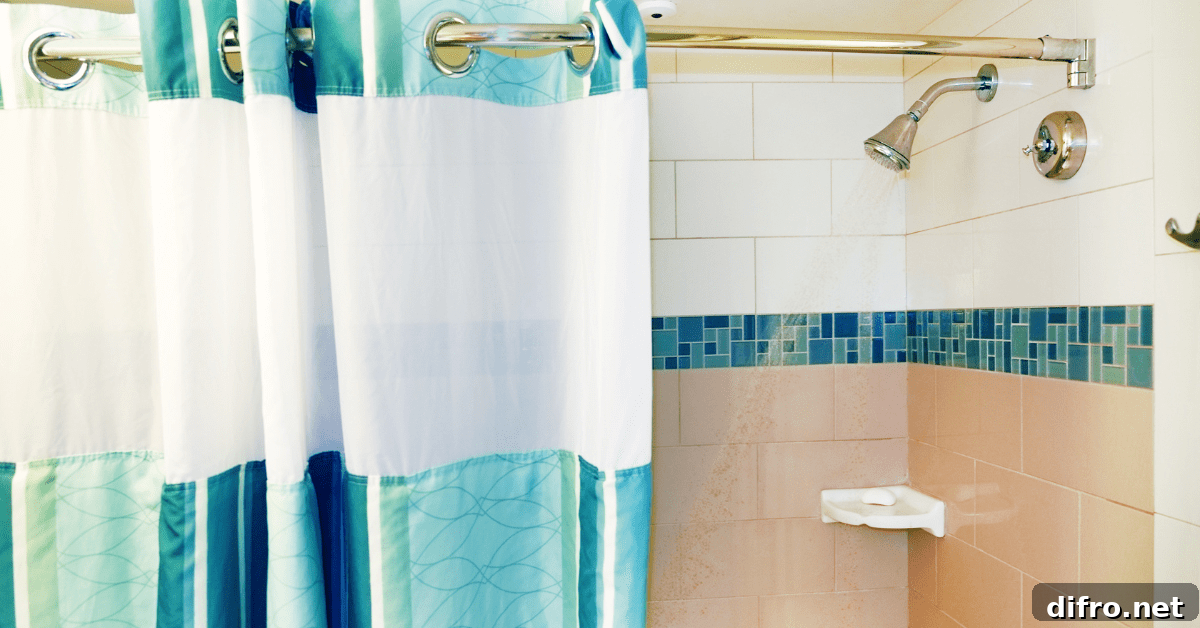
Customizing your shower curtain is an easy way to personalize your bathroom. Simple DIY techniques—stenciling, fabric paint, or sewn trim—can refresh a plain curtain. Many suppliers also offer custom printing, letting you choose images, patterns, or dimensions for an exact fit. Customization is especially useful when you need nonstandard sizes or want a coordinated look across textiles and decor.
Eco-Friendly and Sustainable Shower Curtain Options
Eco-conscious shoppers can find several sustainable curtain options. Organic cotton and hemp reduce reliance on synthetic fibers, while bamboo-based fabrics offer a natural, breathable alternative. Some waterproof barriers and liners are now made from safer, chlorine-free materials such as PEVA rather than PVC. Opting for durable, washable materials extends a curtain’s lifespan and reduces waste.
Installing and Maintaining Your Shower Curtain
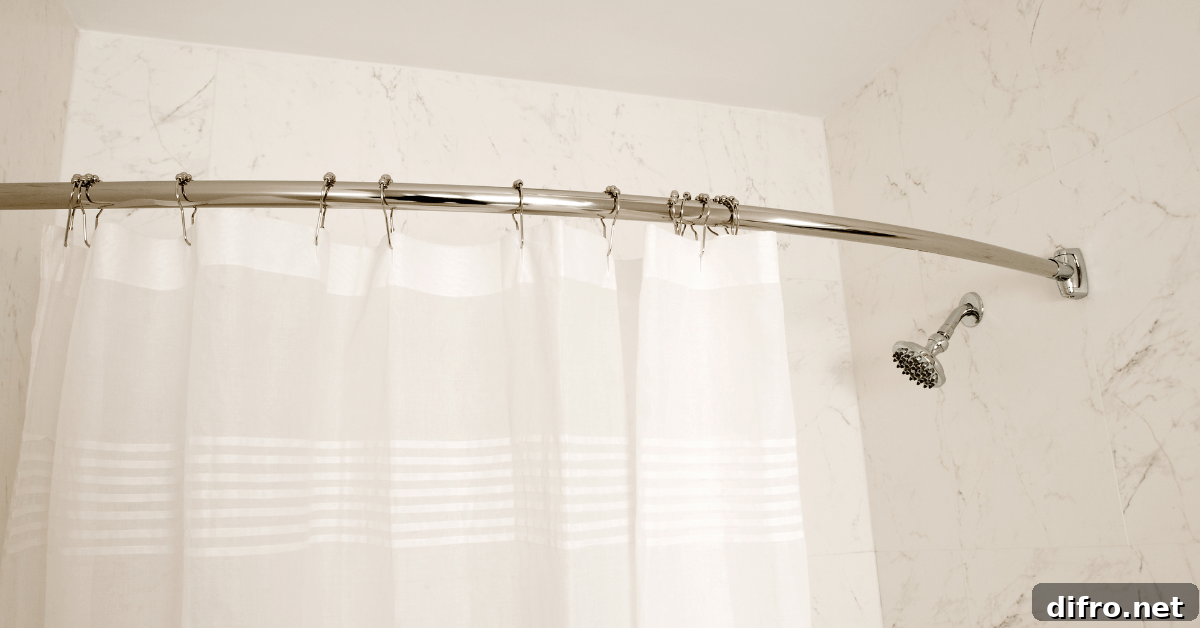
Hanging a shower curtain is generally straightforward: most curtains have grommets or reinforced holes that work with standard hooks or rings. Use a tension rod or a fixed curtain rod rated for the length you need. For maintenance, follow the manufacturer’s cleaning instructions—many fabric curtains can be machine-washed, while vinyl and PEVA liners are easily wiped or rinsed. Regularly airing and drying the curtain helps prevent mold and mildew buildup.
Finding the Right Shower Curtain Size for Odd-Shaped Showers
If your shower is irregular—curved, corner-style, or extra roomy—you have several practical options. Curved rods increase elbow room without requiring a wider curtain. Corner or wraparound curtains and extra-long panels accommodate nonstandard openings. For unusual dimensions, custom-made curtains provide a precise fit and the best performance. Adjustable rods and modular curtain systems can also adapt to atypical layouts while maintaining style and water protection.
Other Articles You Might Enjoy:
- Small Bathroom Toilet Paper Holder Solutions
- The Paint Colors You Should Never Use in a Bathroom
- Pure Elegance: Fall In Love With Marble Bathrooms
Selecting the right shower curtain involves measuring your space, choosing a suitable material, and deciding on color and maintenance needs. Whether you pick a standard 72 x 72 curtain or order a custom-sized panel, the right choice will keep your bathroom dry, comfortable, and visually pleasing. Thoughtful selection and simple upkeep will help your shower curtain last longer and continue to enhance your bathroom’s design.