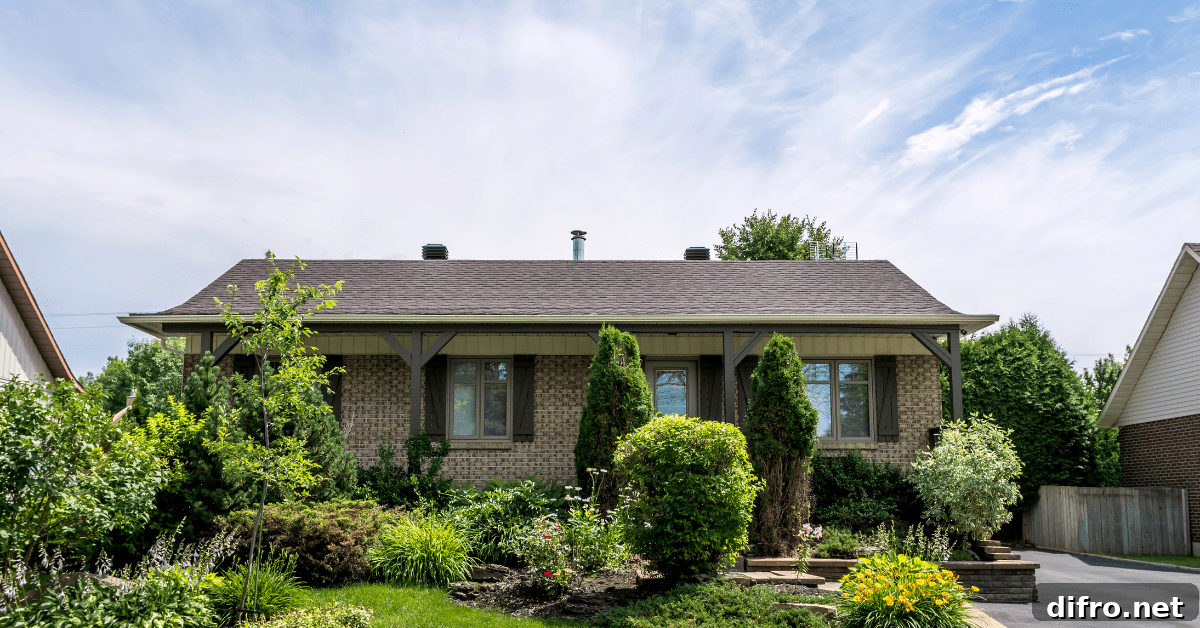
Bungalow houses possess a timeless appeal that continues to attract homeowners who value comfort, simplicity, and a strong connection to the outdoors. Characterized by their single-story layouts and generous porches, bungalows marry practical living with a distinct architectural charm.
This article explores bungalow architecture, interior design, the benefits of bungalow living, and practical approaches to renovation and decoration. Whether you are a prospective buyer, a decor enthusiast, or a homeowner planning updates, the following guidance highlights ways to preserve and enhance the unique qualities of bungalow homes.
Architectural Features and Evolution of Bungalow Houses
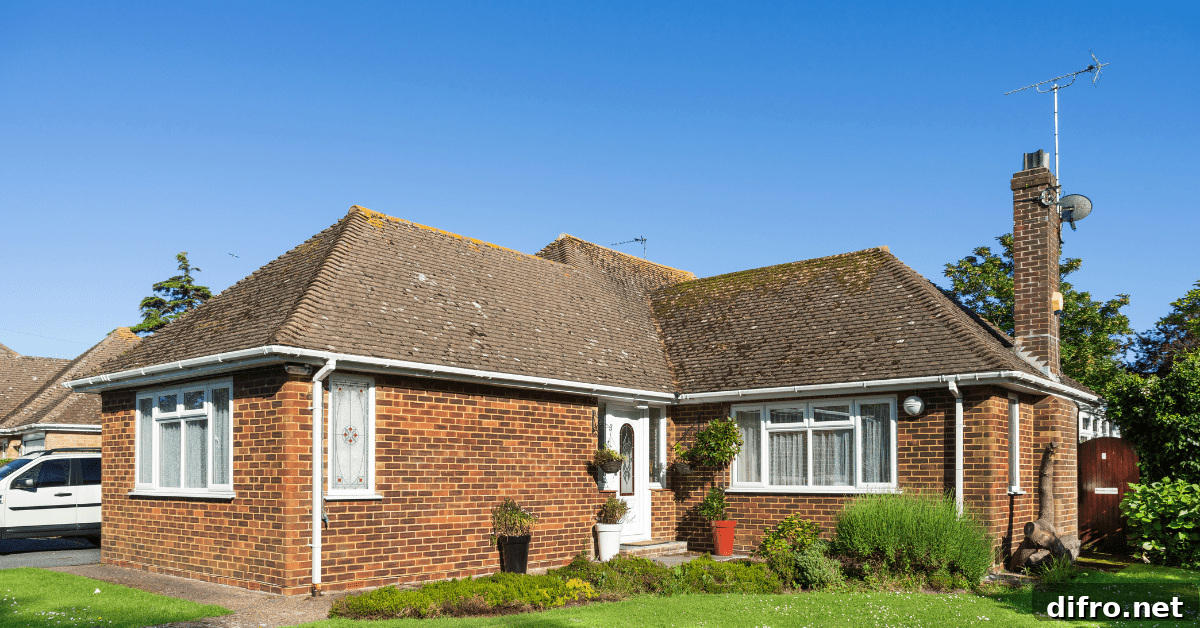
The bungalow form emerged from modest, low-slung dwellings originally named “bangala” on the Indian subcontinent. Western architects adapted and popularized the style in the late 19th and early 20th centuries. Today’s bungalow houses typically feature a single story (sometimes with a partial attic or loft), low-pitched roofs, wide overhanging eaves, and broad porches that extend the living area outdoors.
Natural materials—wood, stone, and brick—play a prominent role in bungalow architecture, reinforcing the style’s emphasis on craftsmanship and harmony with the landscape. Open floor plans, well-proportioned rooms, and built-in cabinetry support efficient use of space, helping small families and downsizers enjoy a comfortable and functional home.
Interior Design Elements and Cozy Aesthetics
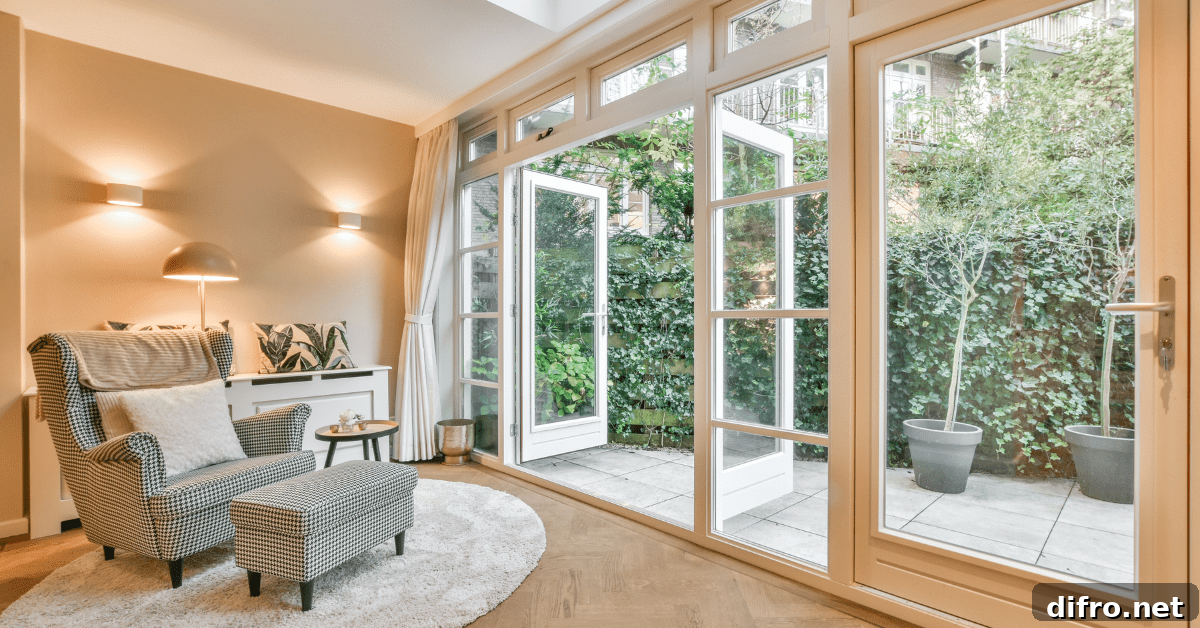
Inside, bungalow houses favor warm, earthy palettes and natural textures that create an inviting atmosphere. Wood floors, exposed beams, and handcrafted details add character while maintaining a relaxed, lived-in feel. Built-in shelving, window seats, and multipurpose furniture help maximize usable space without cluttering the layout.
Lighting design is important in bungalow interiors: layered light sources—ambient, task, and accent lighting—accentuate architectural features and create comfortable zones for reading, dining, or entertaining. Thoughtful choices in textiles and finishes can further reinforce the bungalow’s balance of comfort and simplicity.
Living in a Bungalow: Comfort, Accessibility, and Lifestyle
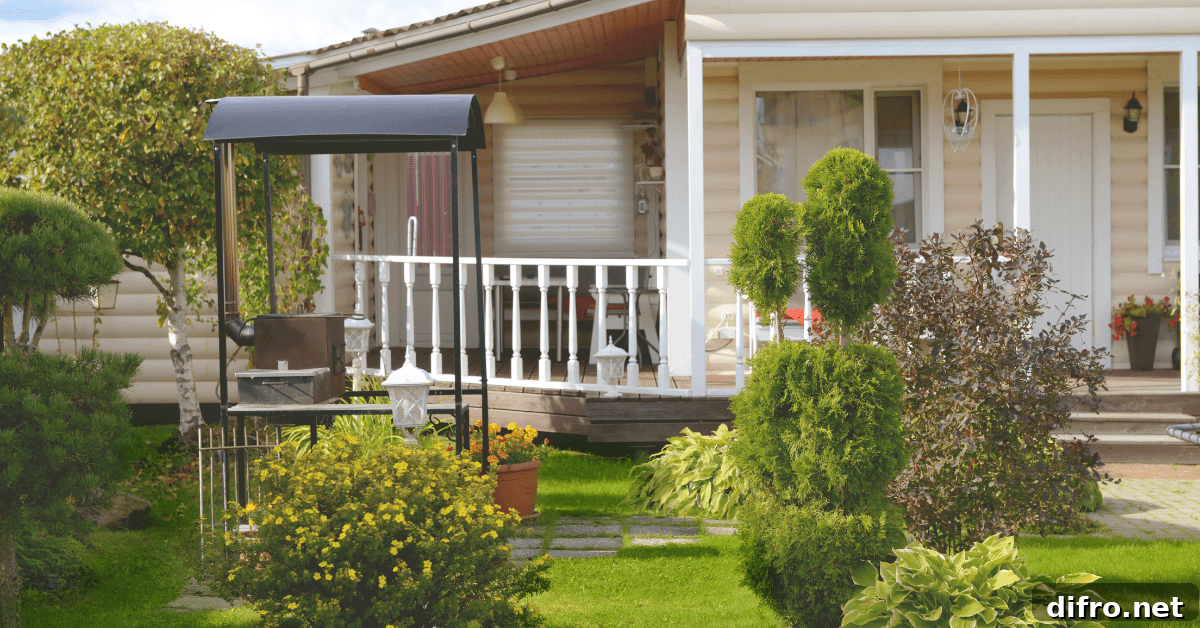
Bungalow living is particularly appealing for those seeking single-level convenience. The absence of stairs simplifies daily routines and improves accessibility for seniors and people with mobility needs. At the same time, the layout supports open, adaptable living spaces that are easy to reconfigure as household needs change.
The strong indoor-outdoor relationship—through porches, verandas, and French doors—encourages outdoor living and makes it easier to bring natural light, fresh air, and garden views into the home. This connection to nature can enhance wellbeing and provide simple, year-round opportunities for relaxation and socializing.
Renovating and Restoring Bungalow Houses
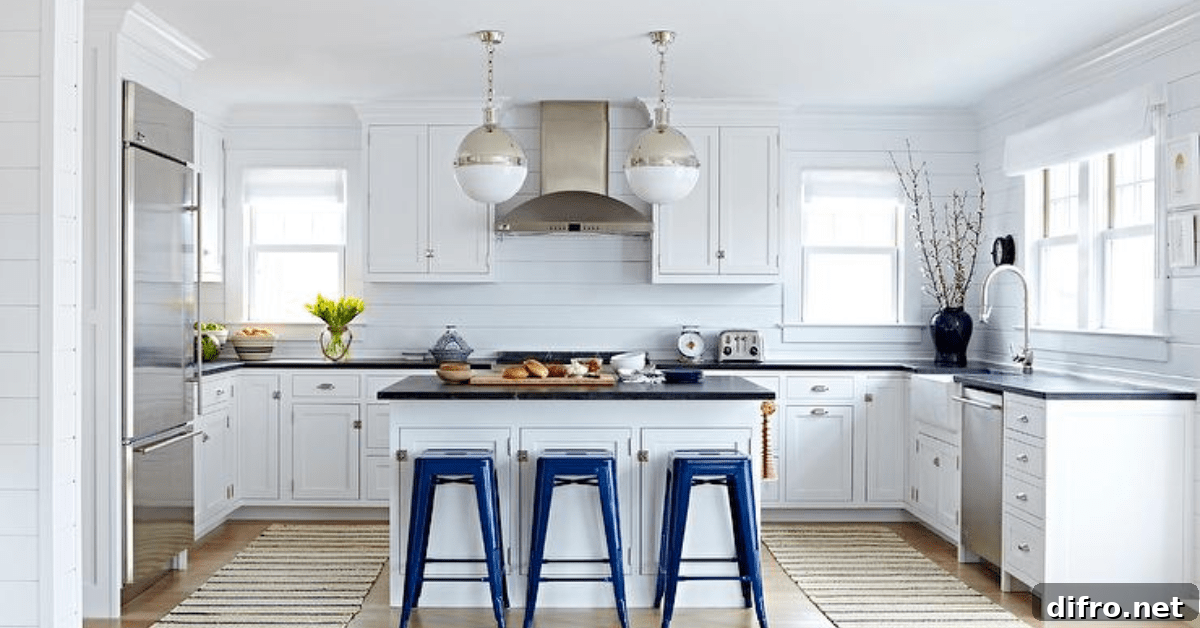
Renovation offers an opportunity to preserve a bungalow’s historic features while updating systems and finishes for modern living. Common projects include restoring original hardwood floors, repairing or replacing windows with period-appropriate styles, and modernizing kitchens and bathrooms for improved function and energy efficiency.
When renovating, prioritize actions that protect the home’s character—such as retaining trim profiles and built-in cabinetry—while upgrading insulation, plumbing, and electrical systems to meet current codes and comfort expectations. A careful balance between preservation and modernization ensures the home remains authentic and practical for contemporary life.
Decorating and Furnishing Bungalow Houses
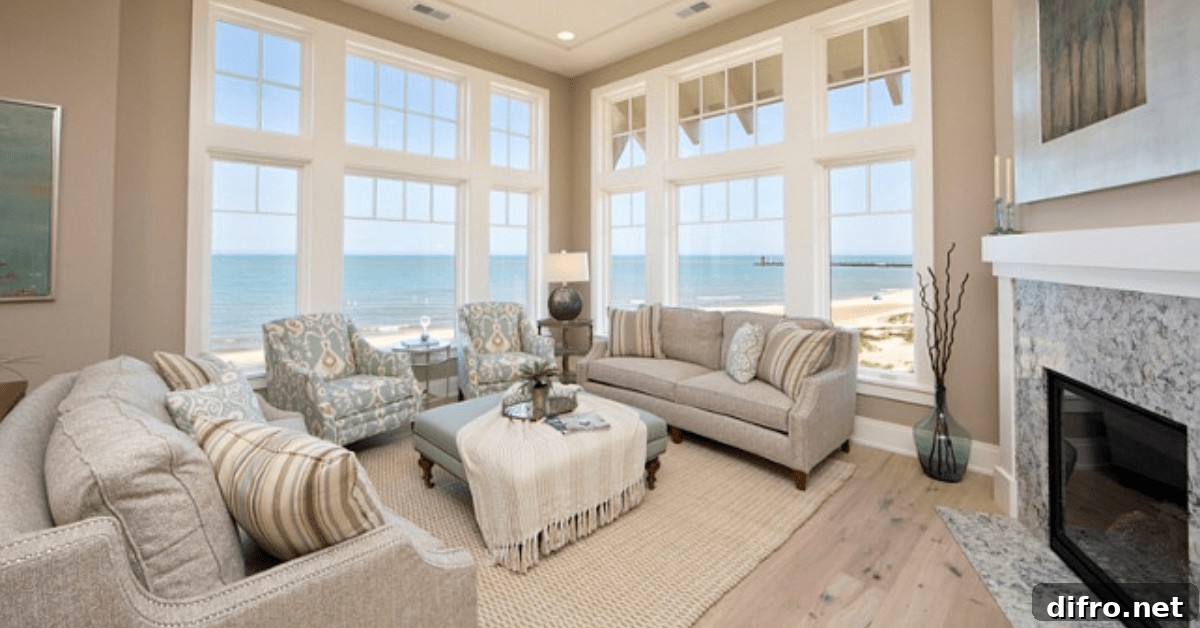
Decor for a bungalow should enhance its cozy proportions and handcrafted feel. Mix vintage and contemporary pieces to keep the home feeling fresh without erasing its history. Low-profile sofas, sturdy wooden tables, and artisanal textiles can anchor rooms while flexible storage solutions preserve clean sightlines and maintain openness.
Accent features—such as a statement fireplace, gallery wall, or a collection of ceramics—offer personality without overwhelming compact rooms. Aim for a cohesive palette and layered textures that emphasize warmth and tactile comfort.
Creating Outdoor Retreats for Bungalow Houses
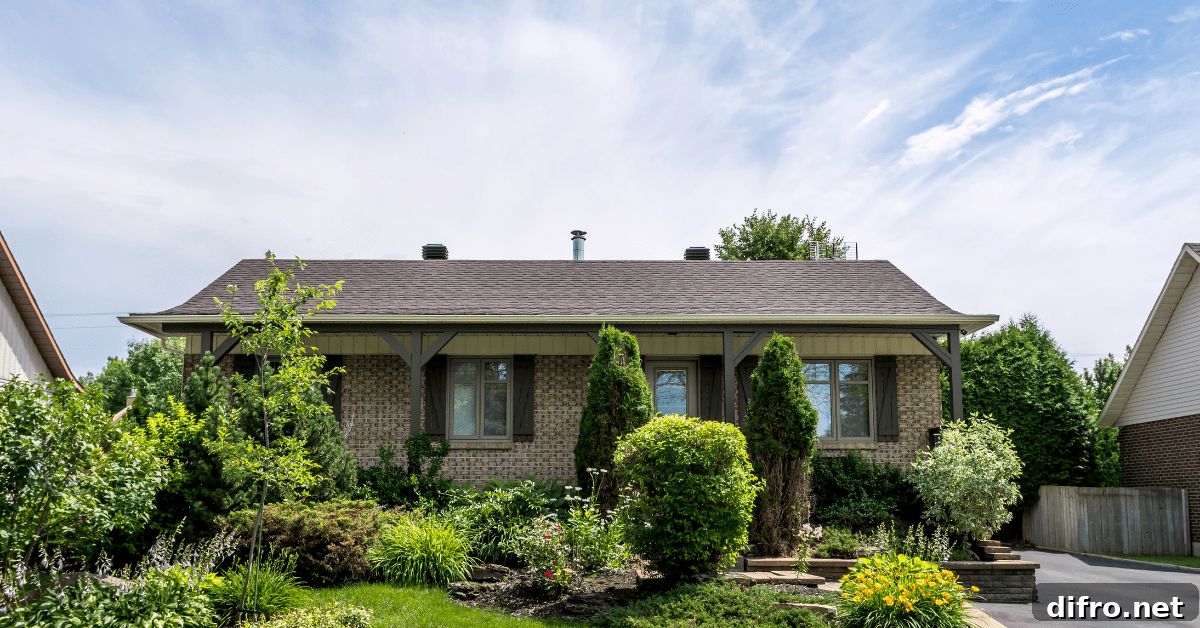
Bungalow porches and patios are ideal for extending living space outdoors. Simple seating arrangements, potted plants, and weather-resistant textiles can turn a porch into an all-season retreat. Consider adding planters, a small herb garden, or an outdoor dining area to make the exterior as inviting as the interior.
Design choices that connect the garden with indoor spaces—such as consistent flooring materials or coordinated color schemes—strengthen the sense of continuity and expand usable square footage for leisure and gatherings.
Related Articles
- Hamptons Bungalow: Luxurious Weekend Retreat with Inviting Outdoor Escapes
- Dull Federation Bungalow in Melbourne Gets a Bright, Modern Extension
- Concealed Californian Bungalow Renovation in Beach-Side Melbourne Suburb
Bungalow houses continue to offer an attractive blend of accessibility, craftsmanship, and connection to the outdoors. By respecting original architectural details while thoughtfully updating interiors and systems, homeowners can preserve the character of these homes and adapt them to modern lifestyles. With careful decorating, functional renovations, and meaningful outdoor design, bungalow living can provide a comfortable, inspiring home that endures across generations.