When planning a room makeover, many homeowners concentrate on paint, floors and furnishings—but the ceiling is often overlooked. As the room’s “fifth wall,” a thoughtfully designed ceiling can transform a space, add visual interest and reinforce your overall design style. Below are practical and creative ceiling design ideas you can use to elevate bedrooms, living rooms, kitchens and bathrooms.
Painted Ceilings
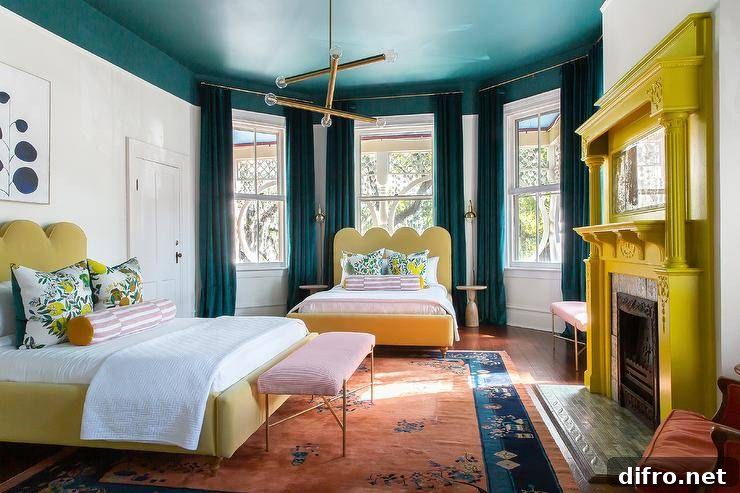
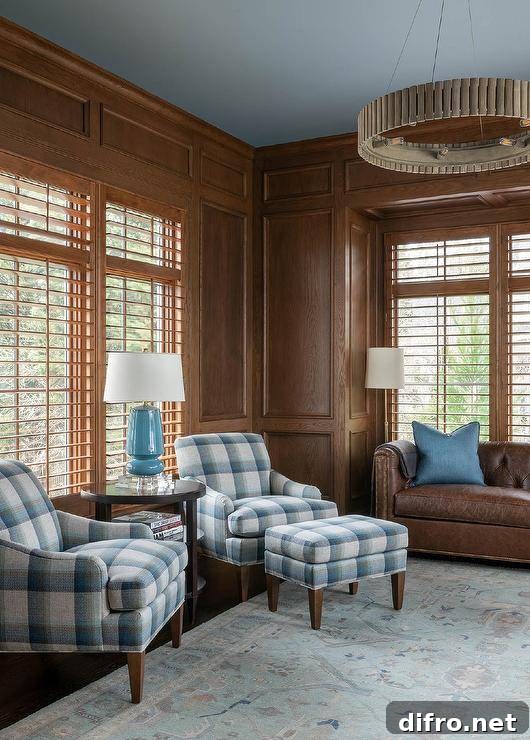
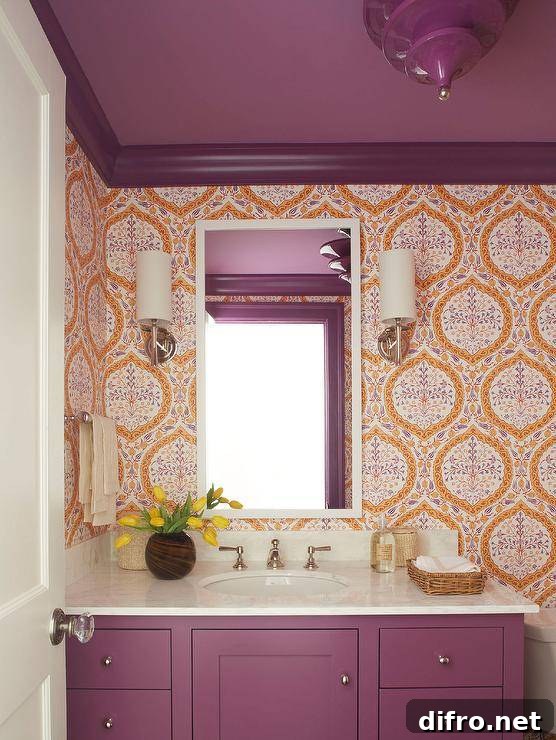
Painting the ceiling is one of the simplest, most cost-effective ways to introduce personality. A light, neutral color helps a small room feel more open, while a deeper hue can make a large room feel cozy and grounded. Consider painting just an inset area, a tray ceiling, or the ceiling above a bed or dining table to create a focal point. Stripes, color blocking or a subtle ombre can add drama without overwhelming the space. When choosing paint, pick a finish that complements the room’s lighting—flat or matte hides imperfections, while eggshell or satin reflects more light and is easier to clean.
Ceiling Beams
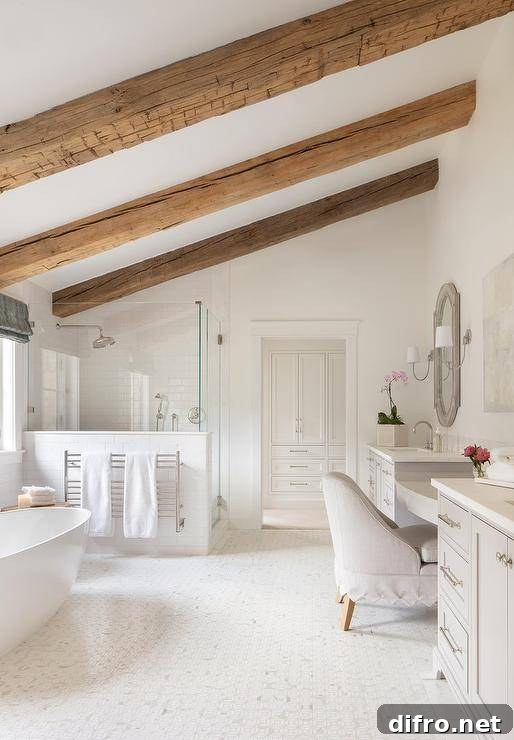
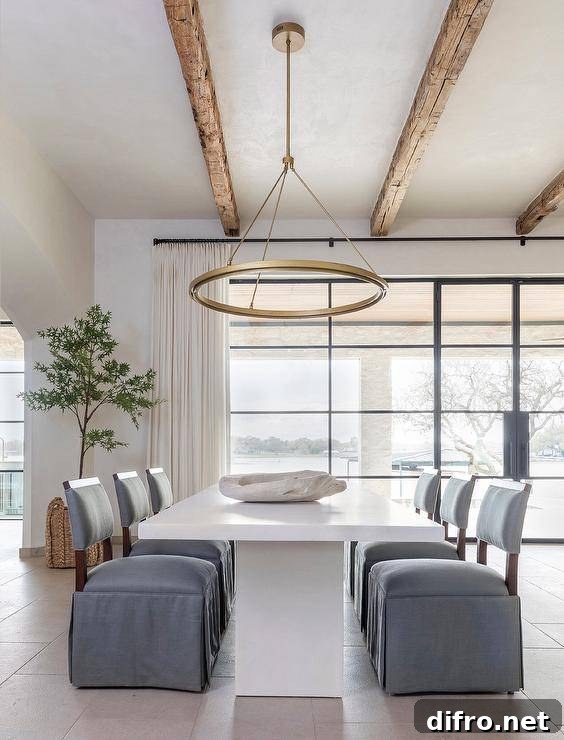
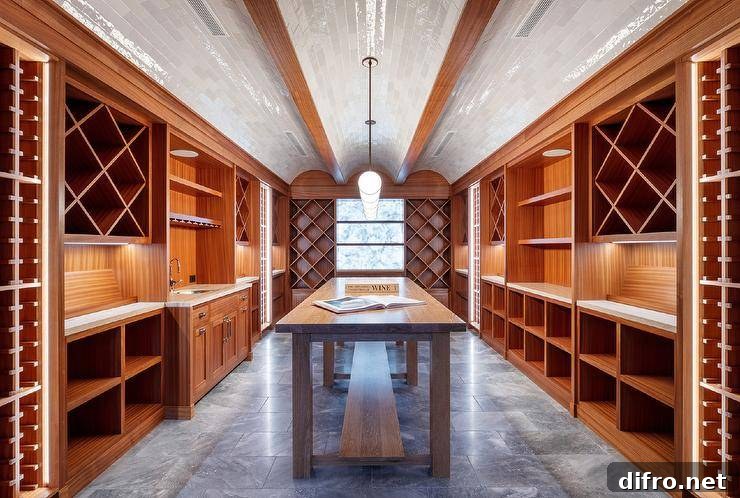
Exposed or faux beams bring warmth and architectural interest to a room. Solid wood beams emphasize a rustic or farmhouse aesthetic, while painted or whitewashed beams suit coastal and cottage interiors. Metal or painted faux beams can feel more modern and are often lighter and easier to install. Beams also help define open-plan spaces by visually separating zones—kitchen from dining area, or living from entry—without closing off sightlines. When selecting beams, consider scale: thicker beams suit high or vaulted ceilings, while slimmer beams work well in standard-height rooms.

Coffered Ceilings
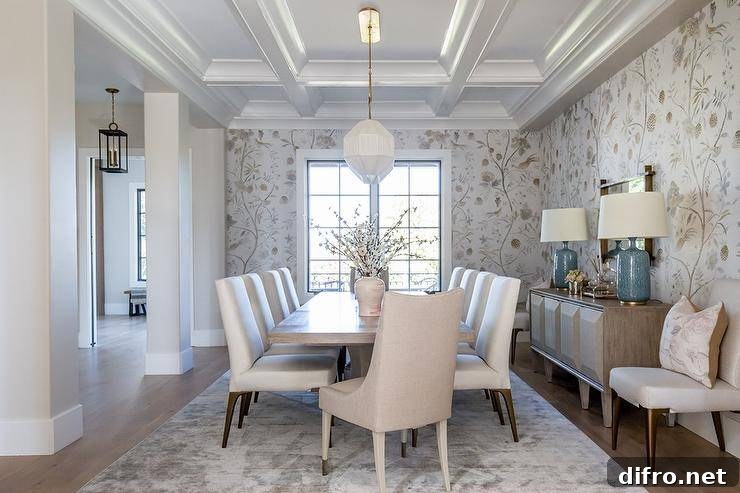
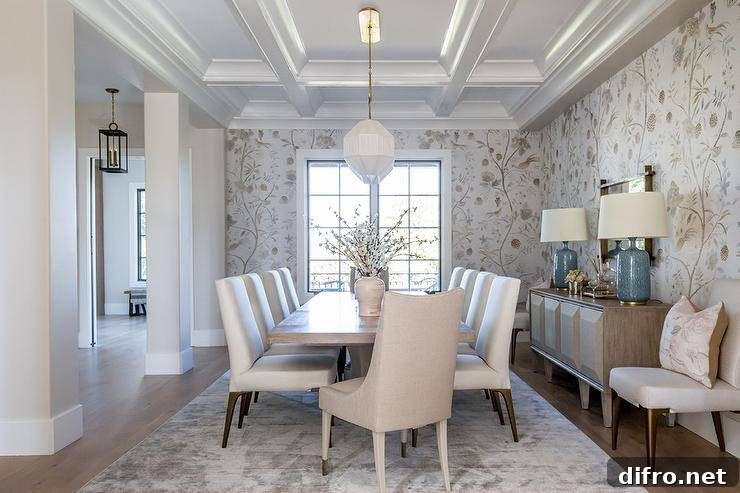
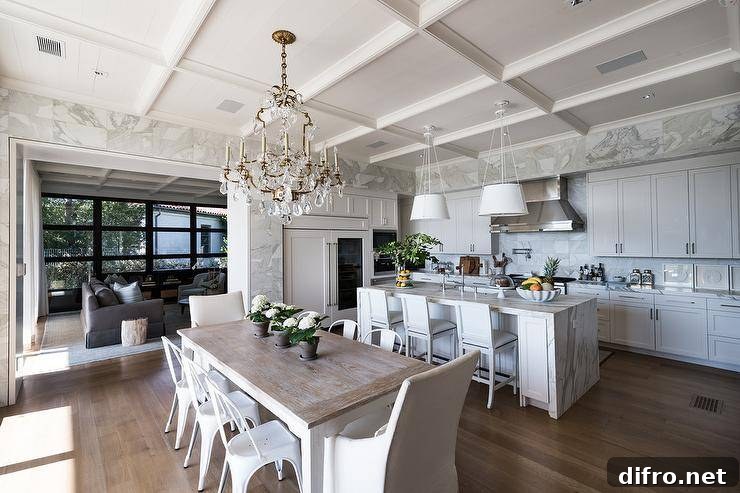
Coffered ceilings add refined depth and rhythm through a grid of recessed panels. Traditional coffered patterns are square or rectangular, but modern versions can be elongated, asymmetrical or even hexagonal. These ceilings work well in dining rooms, entry halls and family rooms where you want a sense of formality and scale. Materials range from classic wood to plaster or lightweight MDF that can be painted to match or contrast the room. Pair a coffered ceiling with layered lighting—recessed lights in the coffers plus a central chandelier—to emphasize the pattern and create a warm, layered atmosphere.
Wallpapered Ceilings
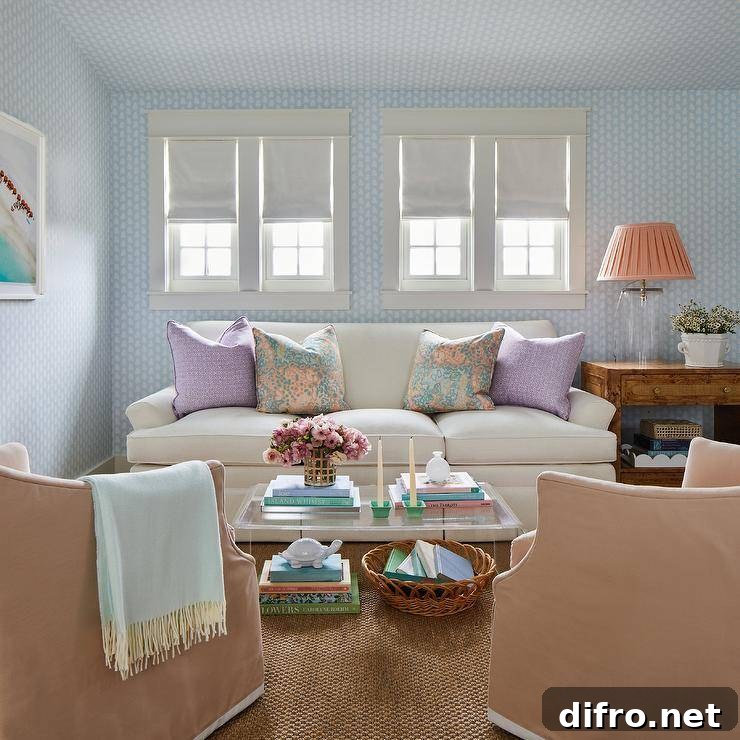
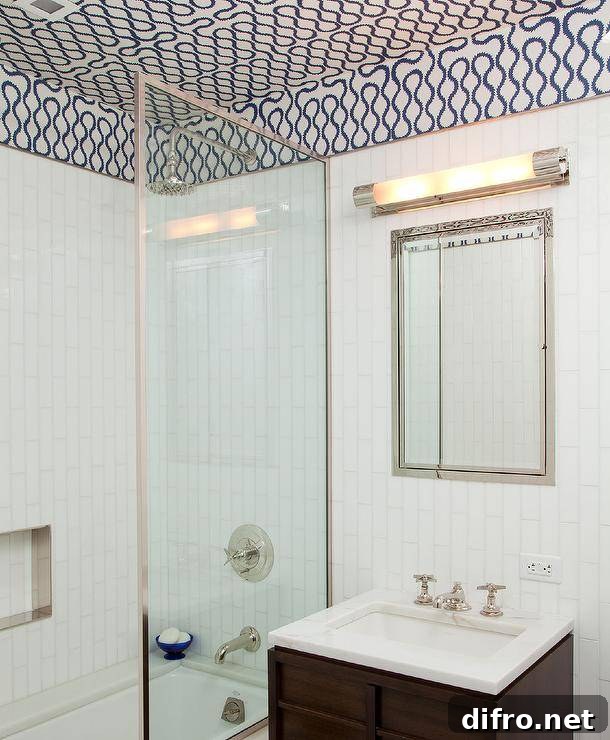
Wallpaper on the ceiling is an unexpected way to introduce pattern and texture. A bold print can lend energy to a neutral room, while a metallic or grasscloth finish adds sophistication and subtle shimmer. Wallpaper works particularly well in powder rooms, bedrooms and alcoves where the ceiling is visible and becomes part of the room’s story. For humid spaces like bathrooms, choose a durable, moisture-resistant paper or a vinyl-backed option to prevent peeling.
Ceiling Medallions
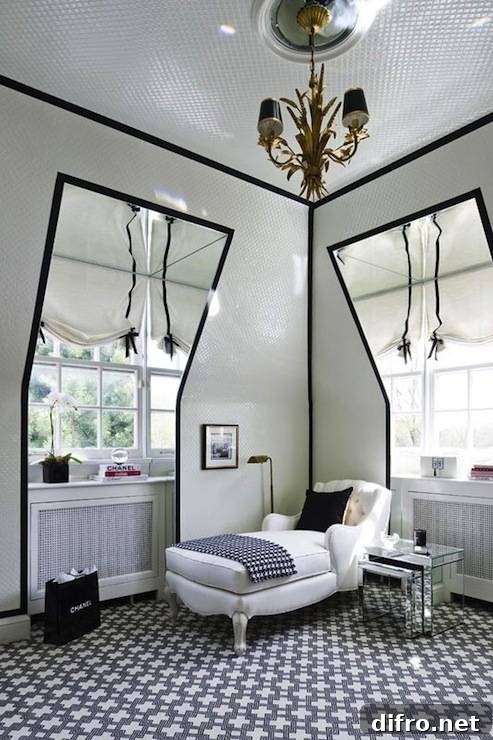
Ceiling medallions provide an elegant finishing touch around light fixtures, chandeliers or ceiling fans. Available in plaster, resin or lightweight polyurethane, medallions come in traditional, ornate patterns and in clean, modern designs. They help anchor a central light and introduce detail to otherwise plain ceilings. Paint medallions to match the ceiling for a subtle effect, or highlight them in a contrasting color to make them a focal point.
Textured Ceilings
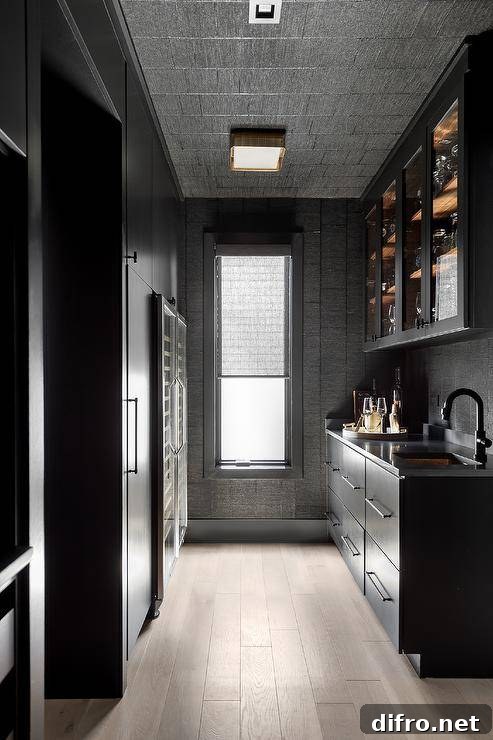
Textured ceilings can conceal minor imperfections and add tactile interest. Options range from subtle skim-coat textures and knockdown finishes to more pronounced effects like barrel vaults or tiled ceilings in specialty rooms. Match the texture to the overall style—smooth, minimal textures for modern interiors and richer, more artisanal textures for traditional or rustic schemes. Keep maintenance in mind: smoother finishes are typically easier to clean and repaint.
Designing your ceiling is an opportunity to elevate the entire room—whether through color, texture, architectural detail or lighting. Start by considering the room’s purpose, ceiling height and existing finishes, then choose a solution that enhances the space without competing with other elements. Small changes like a painted inset, a medallion around a light, or a strip of wallpaper can make a big visual impact. For larger transformations, work with a contractor or designer to ensure structural elements like beams or coffers are properly engineered and installed. Look up—the right ceiling treatment can complete your room and make the space feel truly finished.