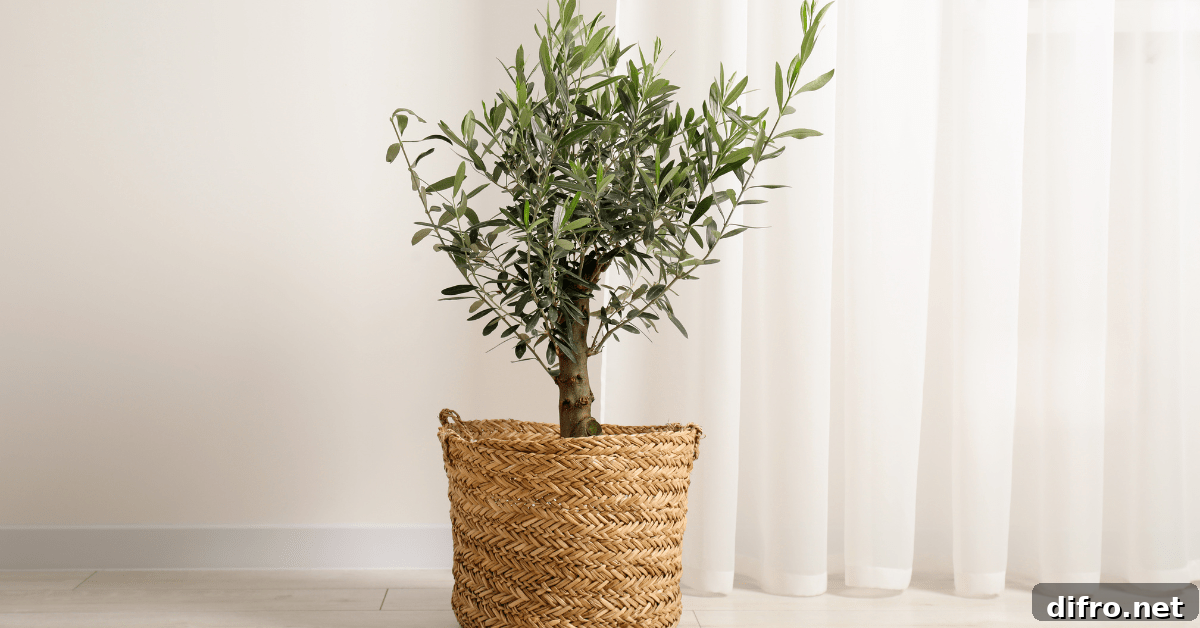
Indoor gardening continues to rise in popularity, and among the most elegant choices for the home is the olive tree. With its slender, silvery-green leaves and timeless silhouette, an olive tree brings Mediterranean charm and a sense of calm to any interior. This comprehensive guide explains how to choose, plant, and care for olive trees inside your home, covering varieties, containers, light, water, feeding, pruning, pest management, winter care, and harvesting.
The Allure of Indoor Olive Trees: Aesthetic and Symbolic Value
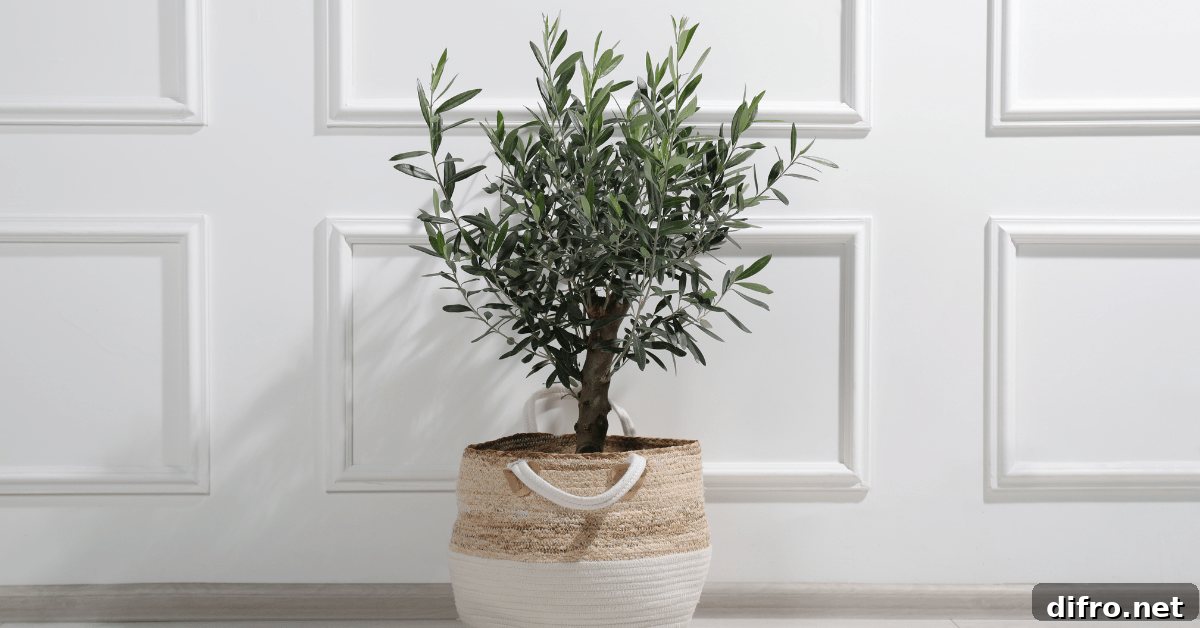
Olive trees are prized not only for their visual appeal but also for their cultural associations with peace, wisdom, and abundance. They provide year-round foliage, a refined focal point in living rooms, entryways, or sunrooms, and complement a wide range of interior styles from modern minimalism to rustic Mediterranean. For many indoor gardeners, an olive tree offers both a decorative element and a living reminder of the outdoors.
Selecting the Right Variety: Vital for Indoor Cultivation
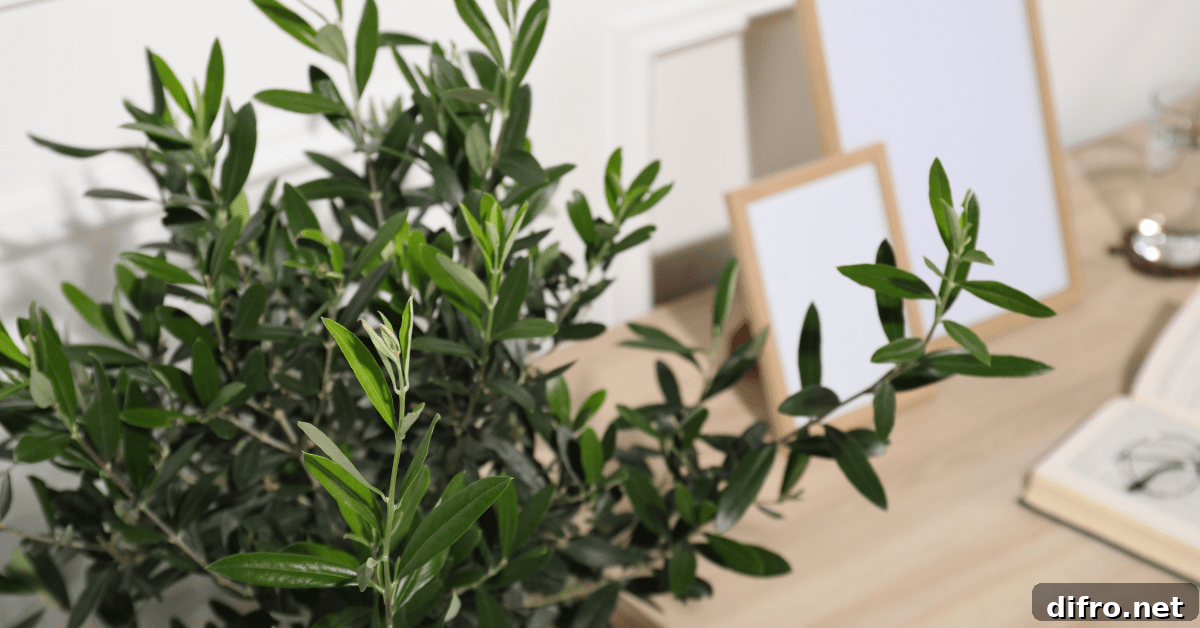
Not every olive variety adapts well to indoor life. Look for dwarf or patio cultivars that stay compact and respond well to container culture. These varieties are more likely to maintain a manageable size while still producing healthy foliage and, in some cases, fruit. When buying a plant, check for a strong central trunk, healthy bark, and a root system that fits the pot without being root-bound.
Choosing the Optimal Container: Key to Successful Growth
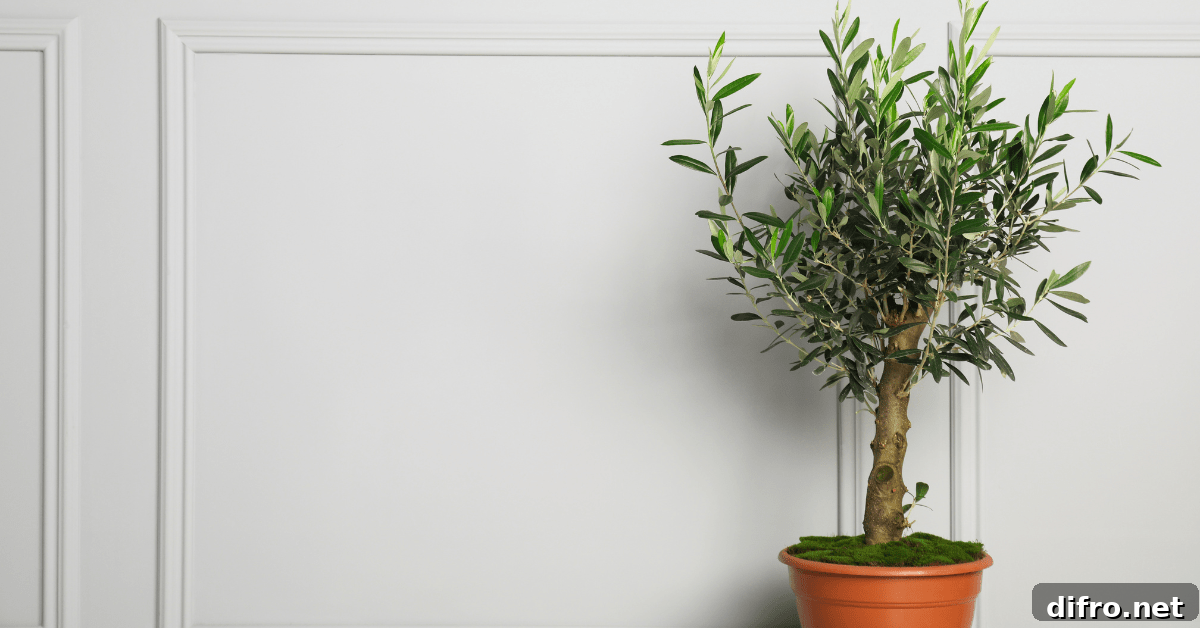
Pick a pot with good drainage—olive trees dislike standing water. Terracotta and unglazed ceramic are excellent options because they breathe, helping the root zone dry appropriately between waterings. Ensure the container is large enough for root development but not so oversized that the potting medium stays overly wet. A well-draining potting mix blended for Mediterranean or cactus-type plants will help prevent root rot.
Providing Ample Sunlight: Essential for Thriving Olive Trees
Olive trees are sun lovers. Place yours where it will receive bright, direct light for several hours each day—ideally near a south- or west-facing window. If natural light is limited, supplemental grow lights can provide the intensity and duration olive trees need to stay vigorous and, possibly, set fruit. Rotate the pot periodically so the canopy develops evenly.
Understanding Watering Needs: Vital for Health and Growth
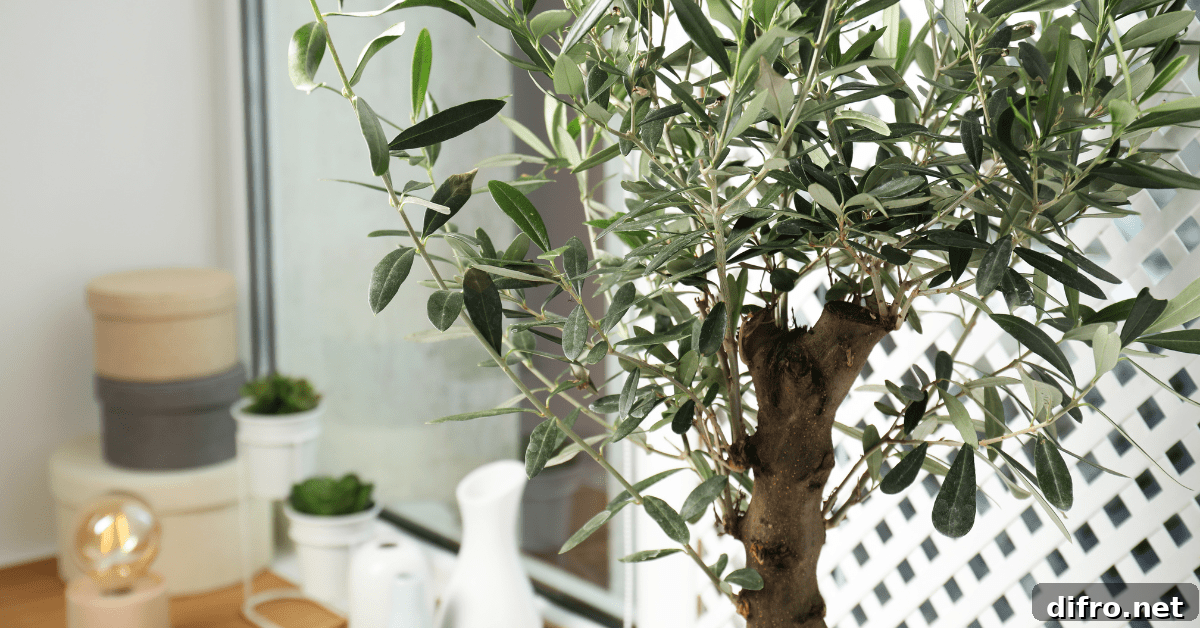
Water sparingly but consistently. Olive trees tolerate short dry periods better than waterlogged roots. Allow the top inch or two of soil to dry before watering again, and water thoroughly so excess drains from the pot. Overwatering is the most common cause of indoor olive problems—keeping a simple schedule based on soil moisture rather than fixed days will give better results.
Fertilizing for Growth and Fruit Production: Nourishing Indoor Olive Trees
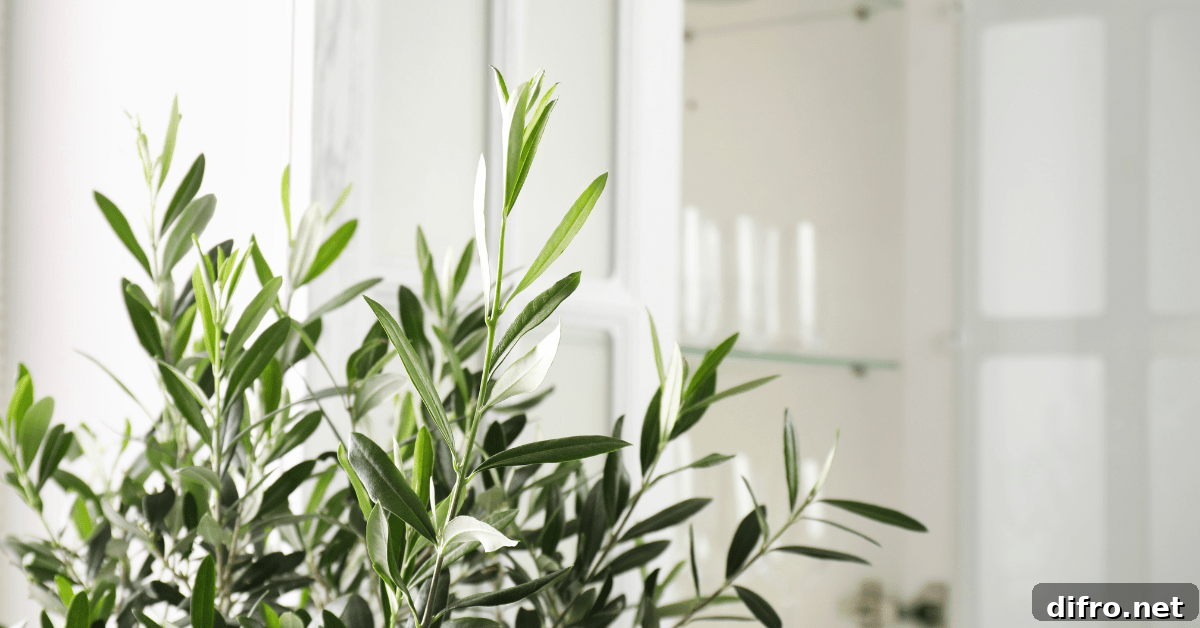
Feed your indoor olive tree during the active growing season with a balanced, slow-release fertilizer formulated for fruiting trees or container plants. Follow label directions for dosage and timing. Appropriate feeding supports leaf health and, for some varieties, encourages flowering and fruit set. Avoid heavy feeding in late fall and winter when growth slows.
Pruning and Shaping: Essential Maintenance Practices
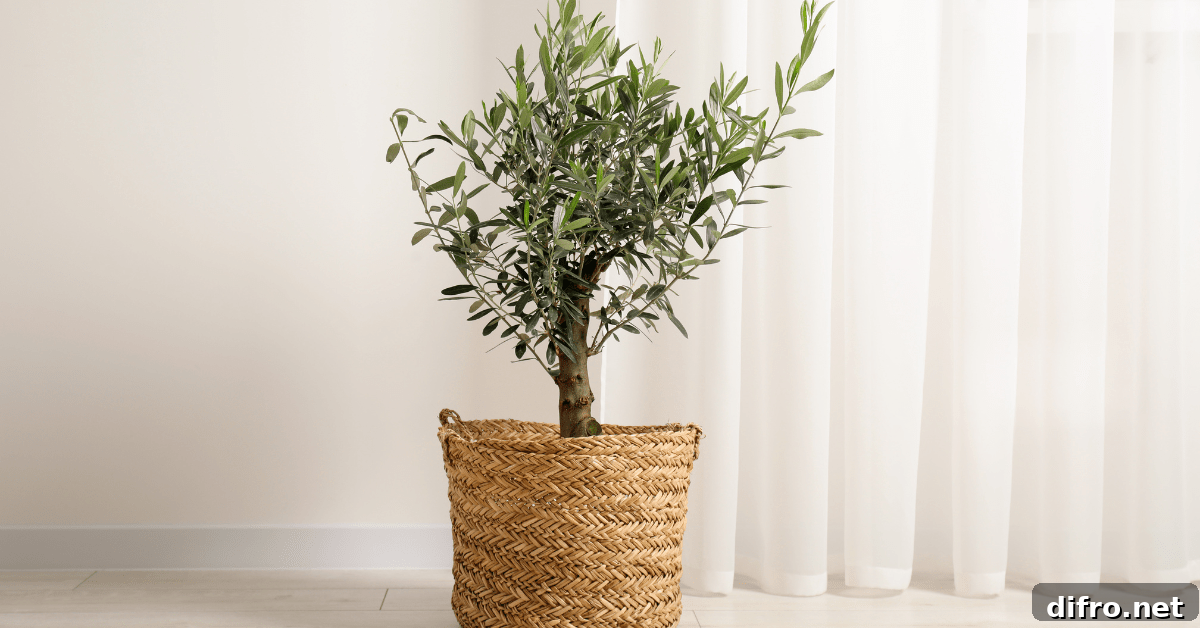
Pruning keeps an indoor olive tree attractive and prevents it from becoming top-heavy. Remove dead, damaged, or crossing branches and thin the canopy to promote air circulation and light penetration. Light shaping can be done year-round, but major pruning is best carried out in late winter or early spring before new growth starts.
Monitoring for Pests and Diseases: Ensuring Health and Vigor
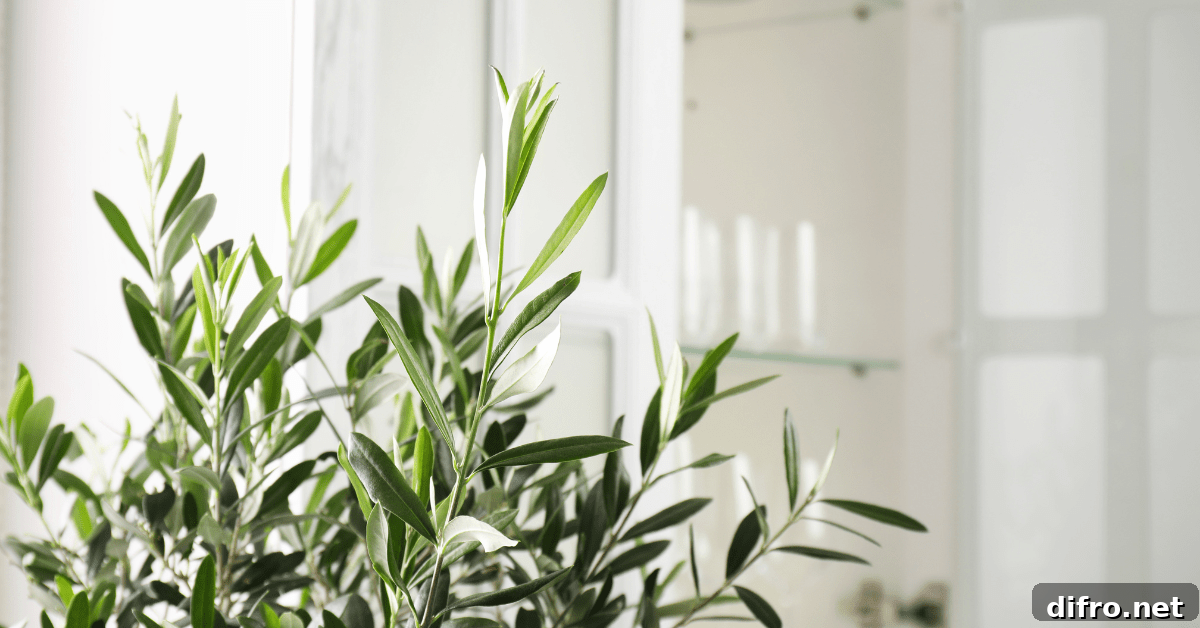
Common indoor pests include scale, spider mites, and mealybugs. Inspect foliage and stems regularly for sticky residue, webbing, or tiny insects. Treat infestations early with gentle, plant-safe controls such as insecticidal soap or horticultural oil. Maintaining good air circulation, appropriate humidity, and cleanliness around the pot reduces disease pressure.
Overwintering Considerations: Ensuring Winter Survival
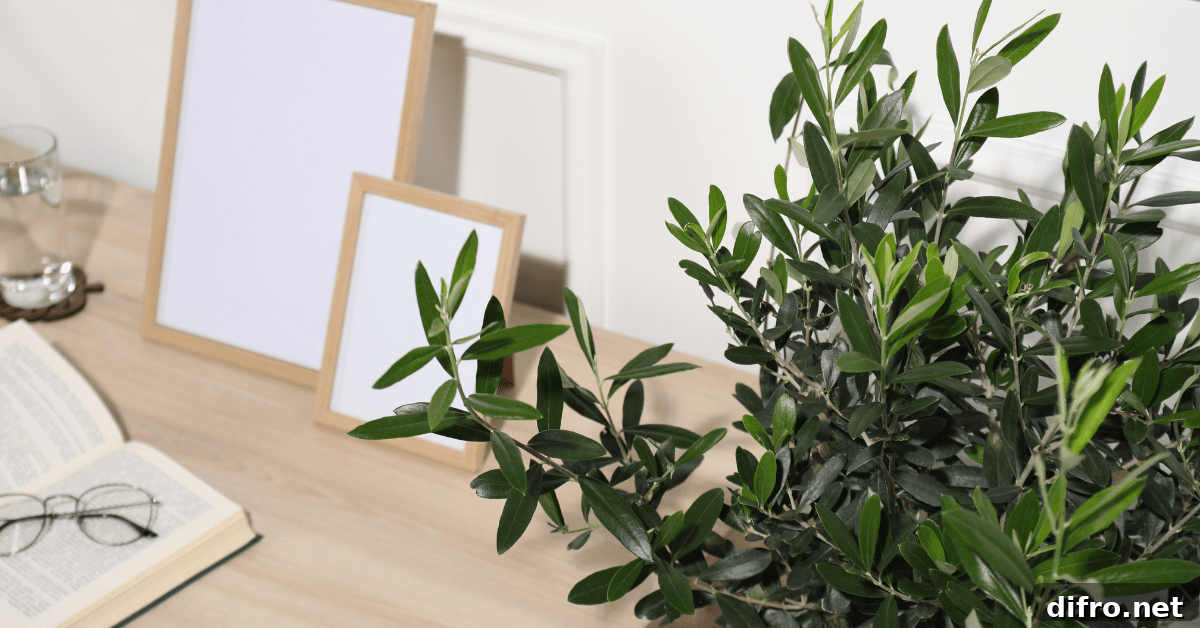
Indoor olive trees generally prefer cool, stable winter temperatures and slightly reduced water. Keep them away from cold drafts, heating vents, and rapid temperature swings. If indoor heating causes dry air, provide gentle humidity with a tray of water or a humidifier to prevent leaf drop.
Harvesting and Enjoying Olives: A Rewarding Experience
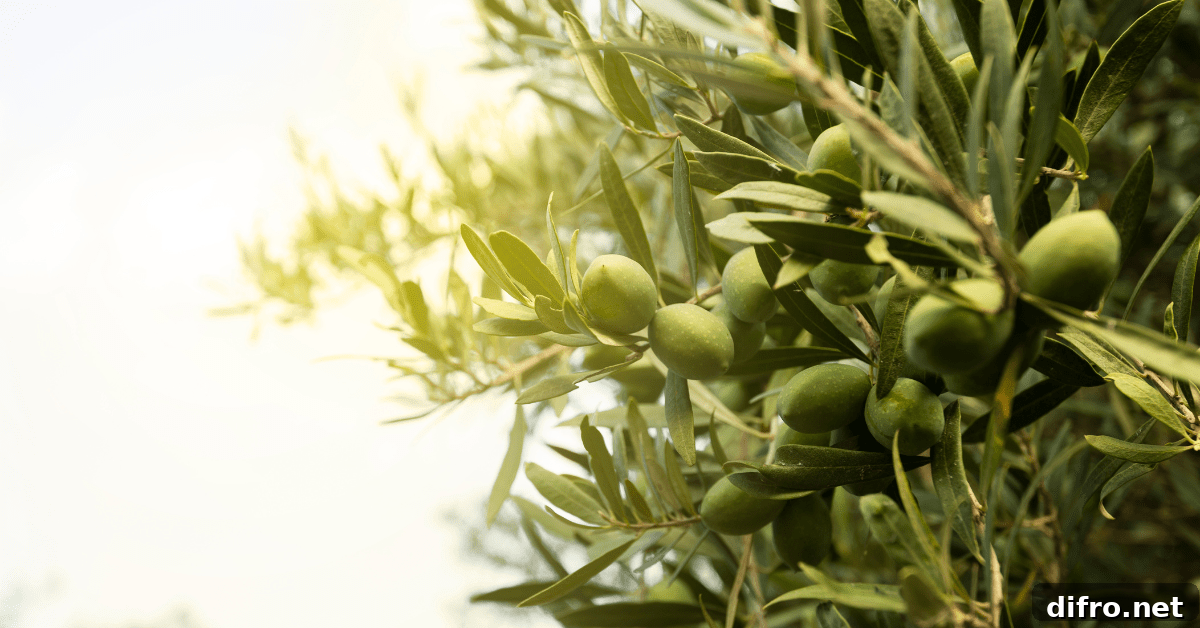
Although indoor olive trees typically produce fewer olives than outdoor trees, a healthy plant can still yield a small harvest. Pick fruit when it reaches the desired size and color for your intended use. If you do harvest olives, learn simple curing and brining techniques to turn them into a delicious snack or ingredient.
Other articles you might enjoy:
- 12 Best Low-Maintenance Indoor Houseplants
- Explaining the Difference Between Direct and Indirect Sunlight for Houseplants
- 10 Plants for the Bedroom That Can Help You Sleep Better
Growing an olive tree indoors can be a deeply satisfying project. With the right variety, a well-draining container, abundant light, careful watering, and attentive pruning, you can cultivate an attractive, long-lived tree that enhances your home. Regular inspections for pests and seasonal adjustments keep the plant healthy year-round. Whether you are a seasoned indoor gardener or trying your first container tree, an indoor olive tree rewards patience with beauty, texture, and a touch of Mediterranean character.