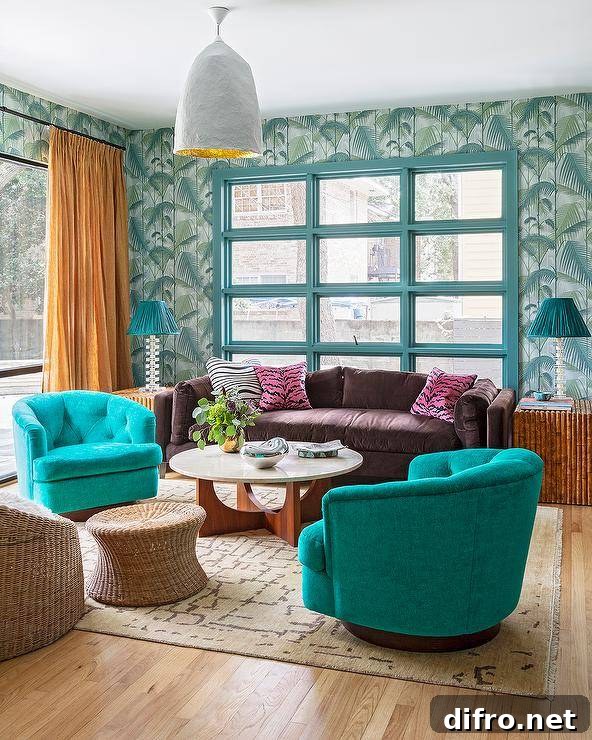
Colors That Go With Teal: A Practical Decorating Guide
Teal is a striking, versatile color that can transform any room with depth and personality. While it shares qualities with both blue and green, teal is a distinct shade that evokes oceanic calm and tropical lushness. If you’re wondering which colors pair best with teal or how to use it in your home, this guide covers the psychology of the color and practical combinations that work in interiors.
What Is Teal and Why Use It?
Teal is a medium-to-deep green-blue hue created by mixing blue and green with a neutral base. It blends blue’s soothing stability with green’s refreshing energy, producing a balanced, restorative tone. Teal can range from vivid, saturated shades to softer, muted versions close to aqua. Its range and depth make it suitable for everything from tranquil bedrooms to bold accent walls.
Psychology of Teal
Teal carries a subtle elegance. The blue element brings tranquility and calm, while the green side adds positivity and renewal. Because teal sits between blue and green on the color spectrum, the human eye finds it easy and restful to look at. Many people find teal calming yet invigorating—ideal for spaces intended for relaxation, meditation, or restorative routines. Dark, saturated teals read as luxurious and moody, while lighter teals feel airy and spa-like.
Best Ways to Use Teal at Home
Use teal where you want balance and relaxation: bedrooms, living rooms, and bathrooms are natural choices. If a full room of teal feels too intense, try a single accent wall. Teal works beautifully in textiles—throws, cushions, rugs—and in small architectural details like cabinetry or bookcase interiors. In bathrooms, teal paint or tile creates a spa-inspired atmosphere; in kitchens teal backsplashes or painted islands add lively personality without overwhelming the space.
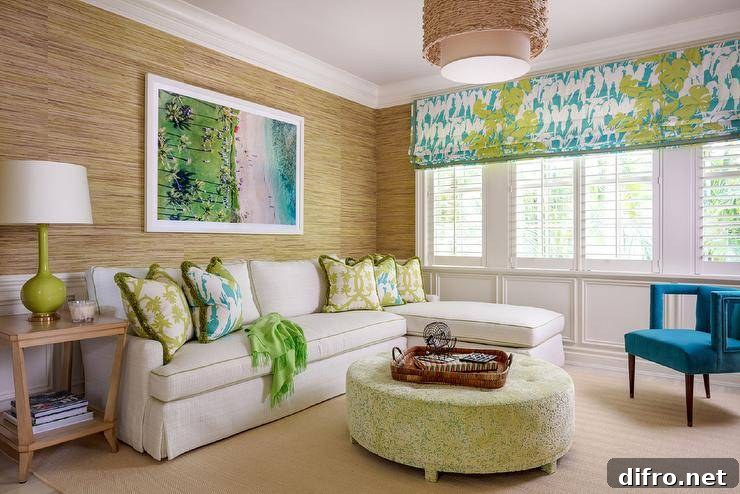
Using the Color Wheel to Pair Teal
The color wheel helps you understand where teal sits and what pairs harmoniously with it. Teal lies between blue and green. You can shift it warmer or cooler by altering the balance of blue and green, or by adding cyan for a bluer tone. Knowing teal’s position on the wheel makes it easier to select complementary, analogous, or contrasting hues for your palette.
Teal + White
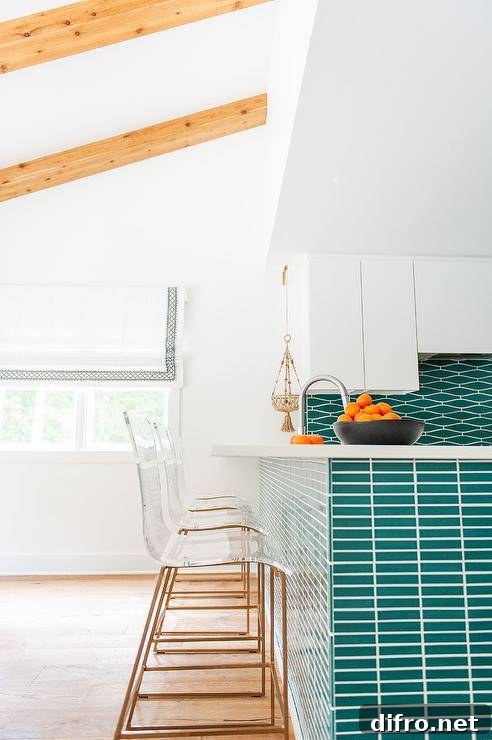
White and teal create a fresh, timeless combination. White brightens teal and keeps spaces feeling open and clean, making this pairing ideal for bathrooms, kitchens, and bedrooms. Consider teal tile against white counters, teal-painted cabinetry with white trim, or a teal accent coupled with white walls to achieve a crisp, balanced look.
Teal + Yellow
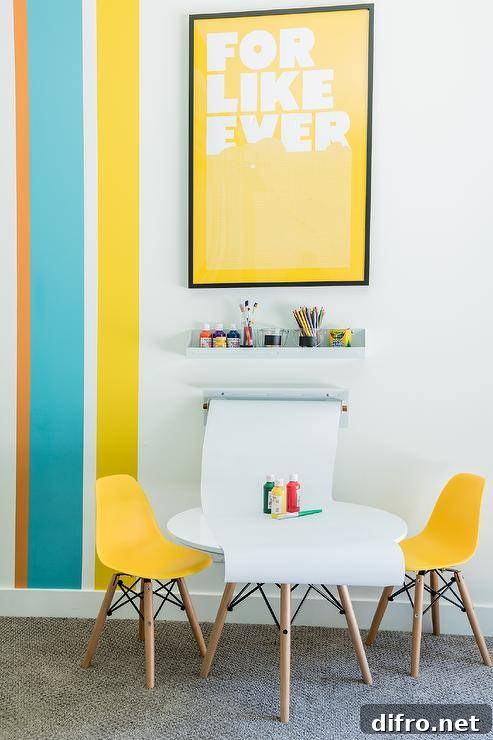
Yellow is a natural complement to teal’s blue undertones. Because yellow is energizing, use it sparingly—accessories like pillows, lamps, or artwork are perfect. Canary yellow chairs or small accent pieces paired with teal upholstery or rugs create cheerful contrast and visual interest.
Teal + Orange
Orange and teal form a vibrant, energetic contrast. Use orange as an accent to offset teal’s coolness—a teal sofa with orange cushions or a teal rug against orange-painted walls can look striking. For a more subtle approach, introduce orange through smaller decor items or patterned textiles.
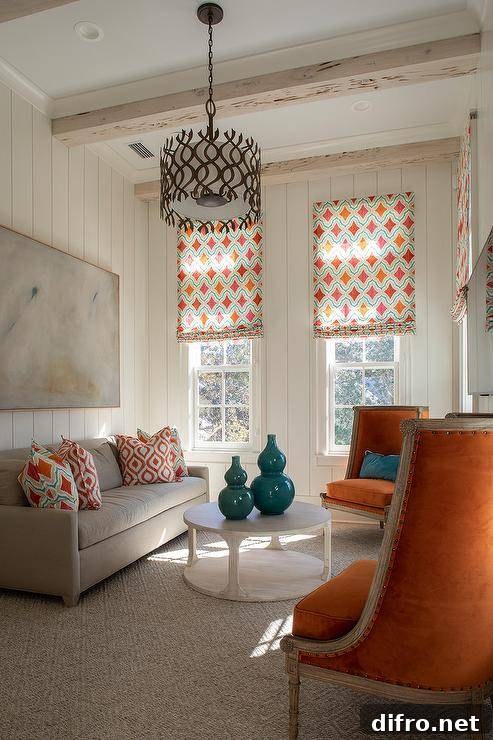
Teal + Red
Teal and red are complementary and bold together. To avoid visual clash, use neutrals to anchor the palette and limit one of the colors to accent status. A red rug underneath teal seating or teal accessories on red furniture reads curated and eclectic rather than chaotic.
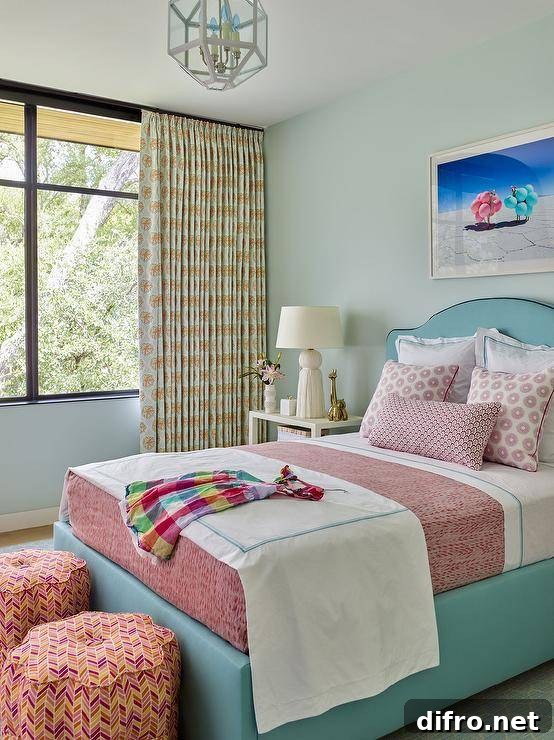
Teal + Pink
Soft pinks pair surprisingly well with teal, offering a balanced, slightly feminine look. Lighter shades of both colors combined with warm neutrals produce a calm, elegant room. For more drama, choose brighter pinks and deeper teals for statement furniture and accessories.
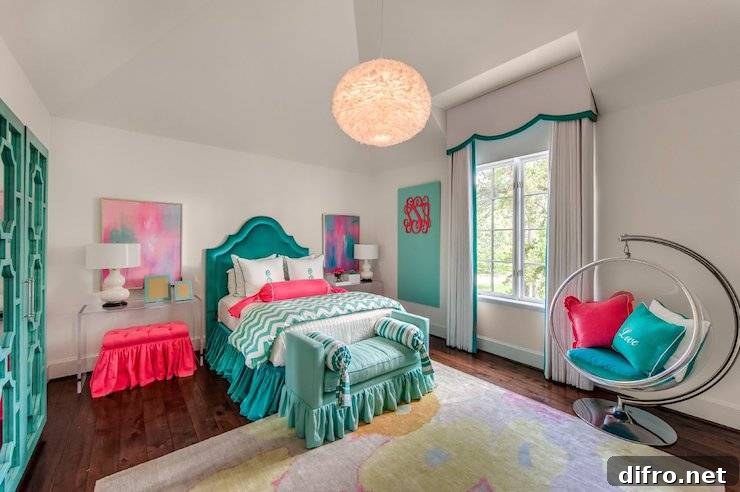
Teal + Purple
Because both teal and purple lean toward blue, they harmonize naturally. Purple can overpower, so use it as an accent using the 60-30-10 rule: 60% neutrals, 30% teal, 10% purple. Pale lilac softens teal for a delicate look; deep jewel tones produce a dramatic, luxurious result.
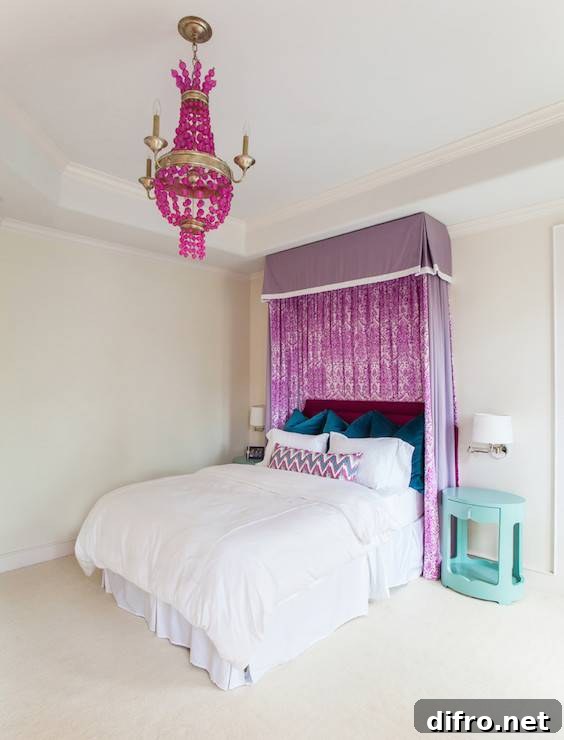
Teal + Brown
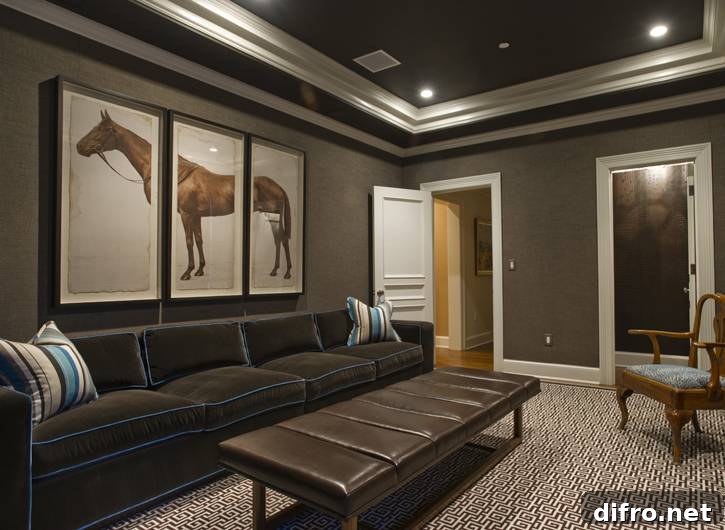
Warm browns ground teal, creating a balanced, earthy palette. Teal softens the weight of heavy wooden furniture and leather, so try teal textiles, rugs, or painted walls in rooms with brown furnishings to brighten and refresh the space.
Teal + Gold
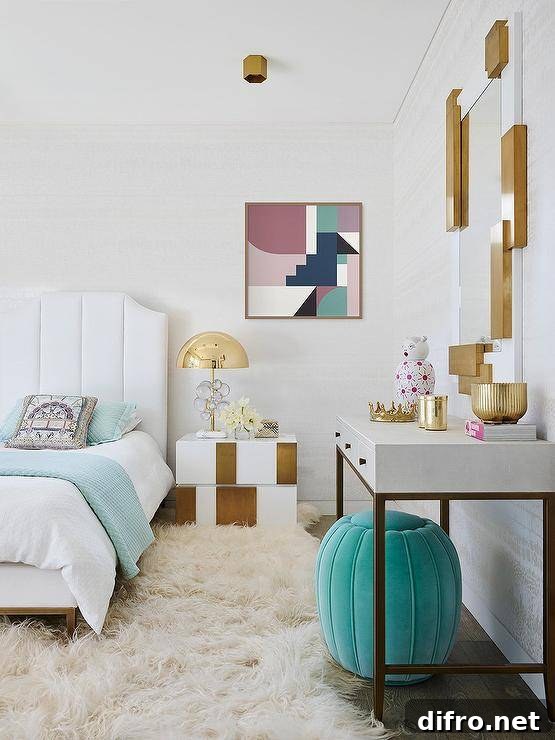
Teal and gold create an elegant, luxurious pairing. Minimal gold accents read modern and polished; ornate gold pieces add a glamorous, bohemian touch. Velvet teal upholstery with gold-framed mirrors or metallic lighting elevates a room’s sense of style.
Teal + Beige
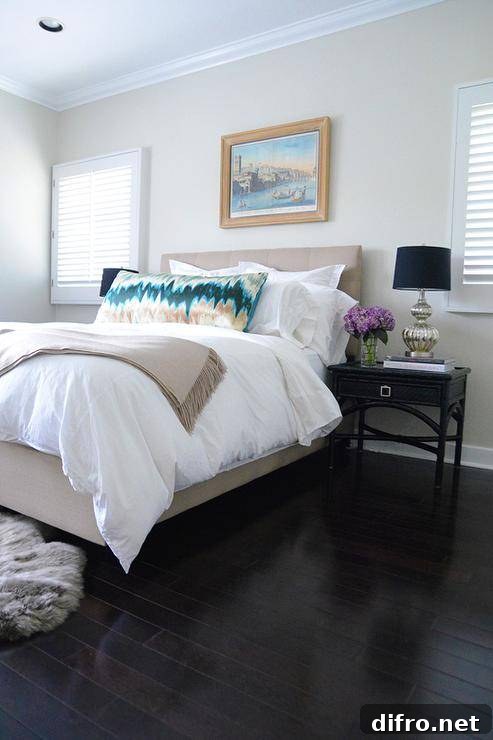
Beige and teal make a classic, neutral-forward pairing that still feels fresh. Start with a beige backdrop—walls, floors, or large furniture—then introduce teal through pillows, throws, lamps, or rugs to enliven the space without overpowering it.
Teal + Black
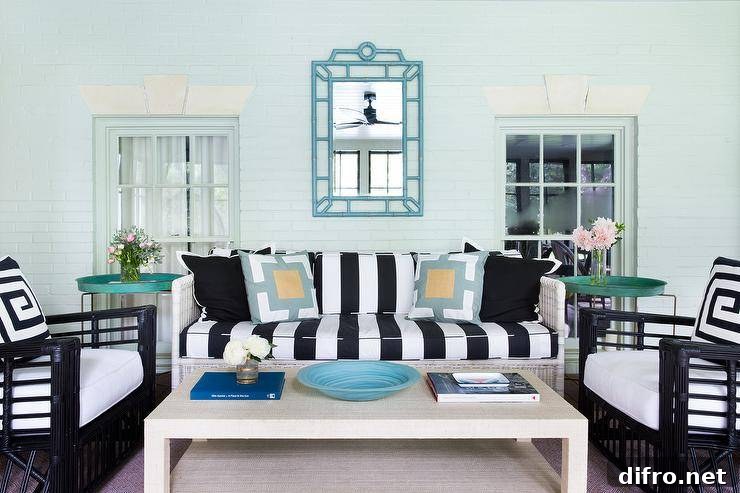
Teal and black together feel modern and dramatic. Dark teal with black creates a moody, sophisticated room; lighter teal with black provides contrast and clarity. This pairing works especially well in kitchens and bathrooms—think teal tiles with black hardware—or as accents in living areas to break up monochrome schemes.
Frequently Asked Questions (FAQs)
What color works best with teal?
Teal pairs beautifully with bright white, cream, navy, warm browns, soft pinks, and metallics like gold and silver. The best partner depends on the mood you want—white and beige for calm, yellow or orange for vibrancy, and gold for a luxurious feel.
Do gray and teal go together?
Yes. Cool gray complements teal’s blue undertones and creates a sophisticated, contemporary palette. To add warmth, introduce accents like mustard or burgundy alongside gray and teal.
What neutralizes teal?
Warm neutrals—cream, tan, beige, and chocolate—help soften teal’s coolness. Gray and gray-taupe preserve teal’s cool mood while still offering balance. Layering textiles like rugs and throws in neutrals is an effective way to neutralize or balance teal in a room.
Is teal outdated?
Not at all. Teal is widely regarded as a fresh, timeless color in interior design. While it has cycled in popularity over the years, it remains a versatile and contemporary choice for modern homes.