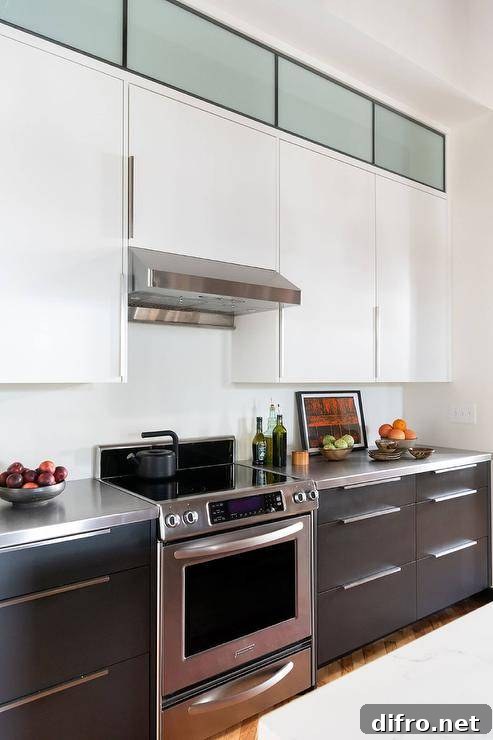
Pairing black and white kitchen cabinets is a popular design choice that delivers a refined, timeless look. The clear contrast between black and white creates visual drama while maintaining a clean, versatile backdrop for countertops, backsplashes, fixtures and accessories. This two-tone approach works across styles—from classic and transitional to modern and minimalist—making it a practical option for homeowners who want a kitchen that feels both current and enduring.
When done thoughtfully, a black-and-white kitchen balances boldness with brightness: black brings depth and anchor points, while white opens the room and keeps it feeling fresh. The palette also allows you to layer texture, pattern and accent colors without overwhelming the space. Below are practical strategies for pairing black and white cabinets to create a high-impact, livable kitchen.
Balance Is Key
Successful two-tone kitchens use proportion and placement to maintain visual balance. One common approach is to place white cabinets on upper walls and darker cabinets below to keep the room feeling light while grounding it with black or deep charcoal at eye level. Alternatively, a black perimeter with a white island creates a strong focal point and an inviting gathering spot. Consider sight lines, natural light and the room’s scale when deciding which tone gets more square footage.
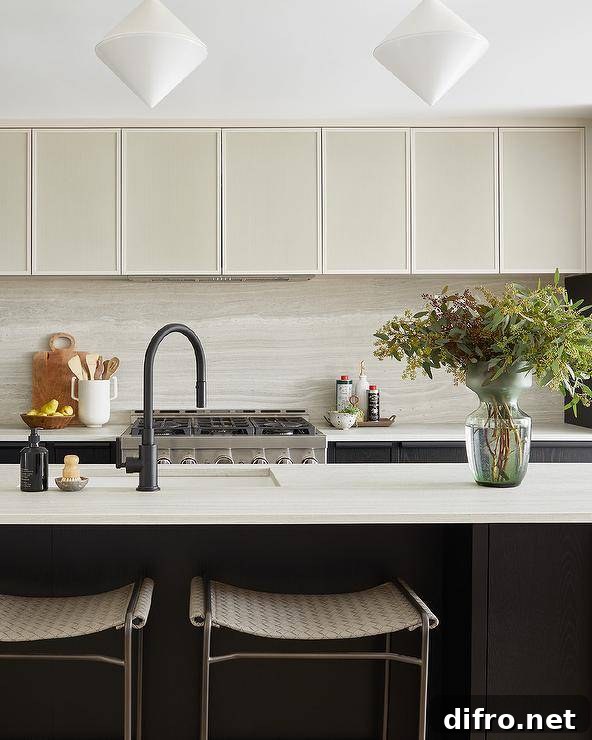
Add Texture
A black-and-white palette can read flat if textures are missing. Layer materials—honest wood grain, honed or veined stone, textured tiles, open shelving and woven seating—to add depth and warmth. A textured backsplash, fluted cabinet panels, or a marble countertop with visible veining all bring interest while preserving the monochrome scheme. Textures also help hide wear and create a tactile, lived-in feel that makes the kitchen more welcoming.
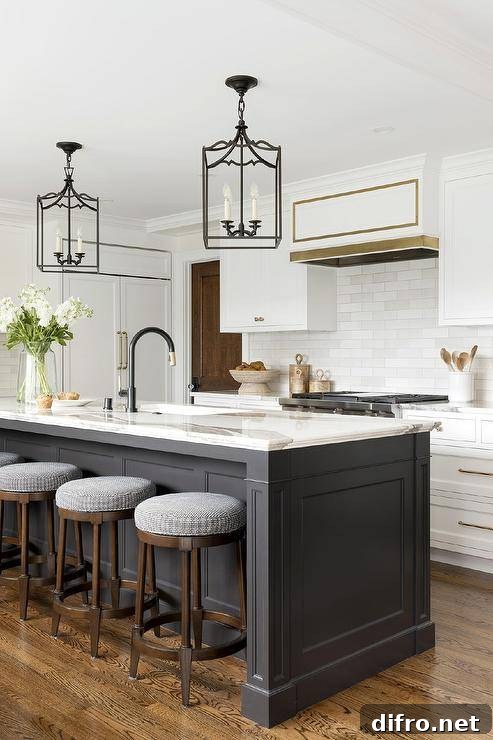
Use Lighting to Your Advantage
Lighting can dramatically influence how black and white tones read. Under-cabinet lighting highlights countertops and backsplash materials, while pendant lights above an island create focal drama. Warm light softens stark contrasts; cool light reads crisp and modern. Consider layered lighting—ambient, task and accent—to ensure both functionality and atmosphere, especially where darker cabinetry may absorb more light.
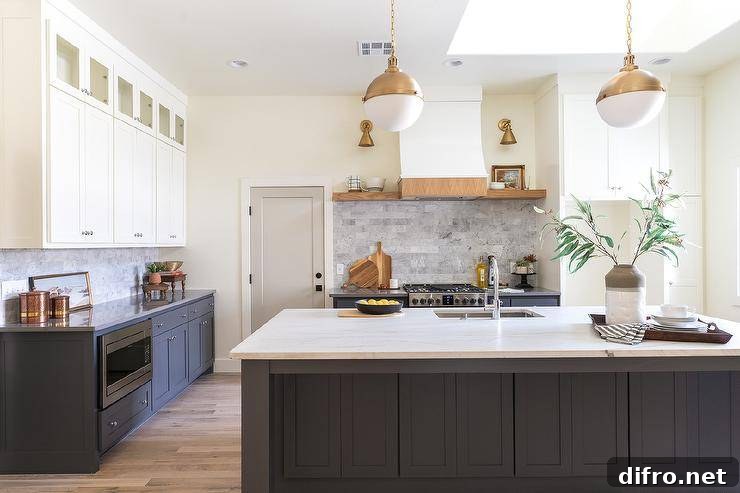
Consider the Hardware
Hardware is an easy way to unify black and white cabinetry. Contrasting pulls—black hardware on white doors and light or metallic hardware on dark doors—reinforce the two-tone scheme. Alternatively, choose a single metal finish throughout (brass, black, nickel) to tie both cabinet colors together and maintain cohesion. The finish you select will influence the style: polished metals read dressier, while matte black or brushed finishes feel more modern and understated.
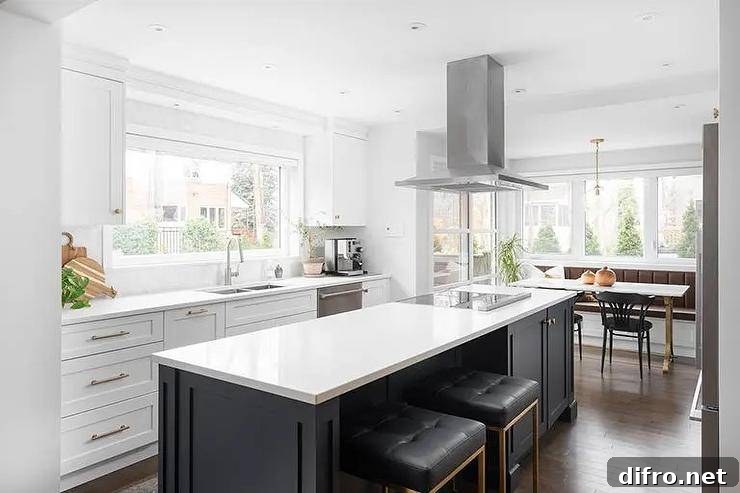
Play with Patterns
Patterns introduce personality and visual movement. A black-and-white patterned tile backsplash, geometric floor tile, or a graphic runner can add rhythm and a distinct style voice. Keep patterns intentional and limited so they complement rather than compete with the cabinetry. Using a consistent grout color and repeating one accent pattern elsewhere in the room helps create unity.
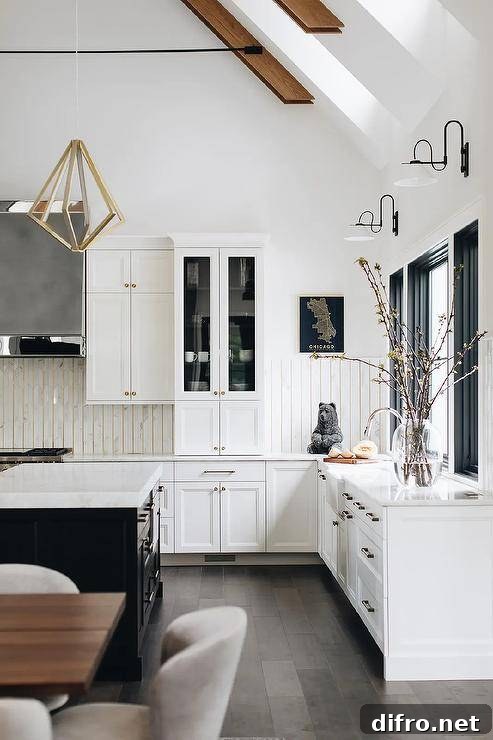
Add Pops of Color
Introducing small bursts of color enlivens a monochrome kitchen. Accessories such as a bright kettle, colorful barstools, plants or artwork add visual warmth and a personal touch without dominating the design. Choose one or two accent colors and repeat them in textiles or small appliances to maintain a cohesive appearance.
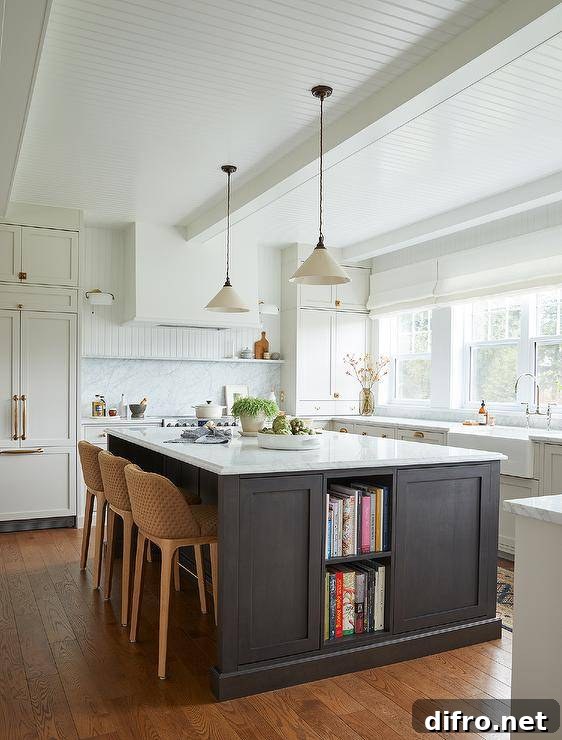
Keep It Simple
Minimalism can be powerful in a black-and-white kitchen. Limiting trims, simplifying cabinetry profiles and choosing clean surfaces allow the high-contrast palette to shine. A streamlined approach also ages well; a classic, uncluttered design reduces the risk of trends feeling dated and makes maintenance easier over time.
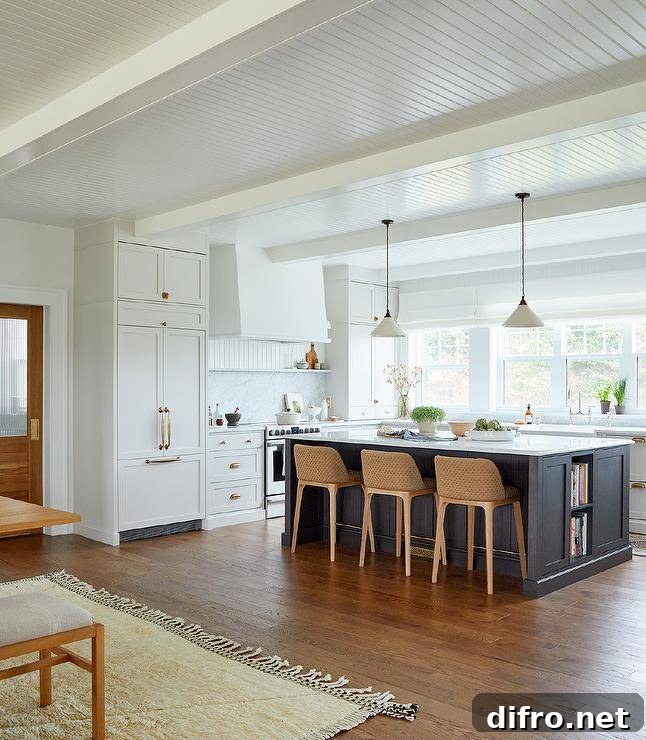
Frequently Asked Questions (FAQs)
How do I combine black and white cabinetry in my kitchen?
Common strategies include white upper cabinets with black lower cabinets, a white perimeter with a black island, or alternating tones on opposite walls. Choose the layout that best responds to natural light, sight lines and how you use the space.
What type of countertop works best with black and white cabinets?
Neutral stones like white or gray marble, quartz with subtle veining, or warm-toned granite work well. Select a countertop that bridges both cabinet tones—introducing a hint of gray or beige can help integrate black and white harmoniously.
Can I add wood cabinets to the mix?
Yes. Wood brings warmth and texture. Lighter or medium wood tones balance dark cabinets and prevent the space from feeling too stark. Use wood as an accent—open shelving, a prep island top or lower cabinets—to keep the palette grounded.
Should I use black or white hardware?
Either can work. Contrasting hardware reinforces the two-tone look, while a single metal finish across all cabinets creates unity. Consider the overall style: brass or warm metals for a classic feel; matte black or brushed nickel for modern looks.
How do I make sure the black and white cabinets don’t clash?
Create cohesion with consistent materials, finishes and a limited accent palette. Repeat a material—such as brass, wood or marble—across the room to visually tie both colors together and ensure a cohesive result.
What type of flooring works best?
Neutral flooring—wood, large-format tile or stone—complements black and white cabinetry. Choose a tone that provides contrast without competing with the cabinets; mid-tone wood often works well to warm the space.