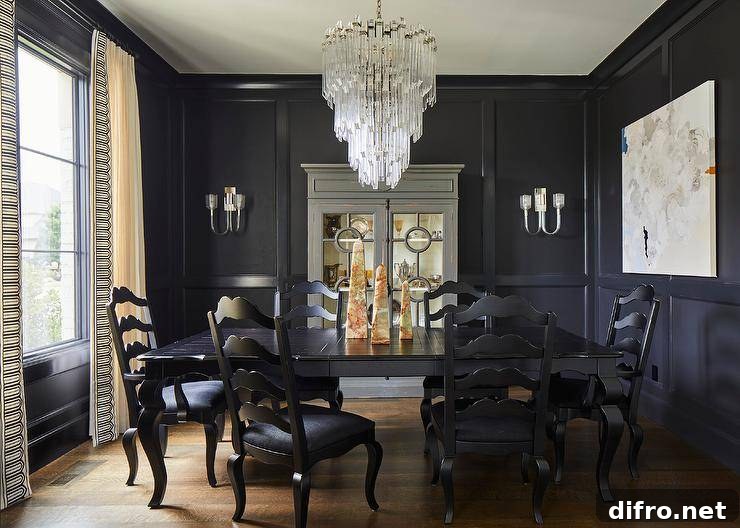
Interior design has evolved well beyond matching furniture sets and strict adherence to a single era. Today, many homeowners embrace a creative, personalized approach that blends styles, textures, patterns, and periods. Known as modern eclectic interior design, this flexible aesthetic allows you to build a distinctive home that reflects your tastes while remaining balanced and cohesive.
In this guide, we explain what modern eclectic interior design means, outline its core elements, and offer practical tips to help you create an eclectic space that feels deliberate, comfortable, and stylish.
What Is Modern Eclectic Interior Design?
Modern eclectic interior design mixes elements from different design periods, cultures, and aesthetics to form a unified, original interior. The style embraces contrasts—combining vintage pieces with contemporary furniture, global artifacts with minimalist lines, or bold patterns with soft neutrals. The goal is not randomness but a curated, thoughtful blend where each element contributes to an overall sense of harmony.
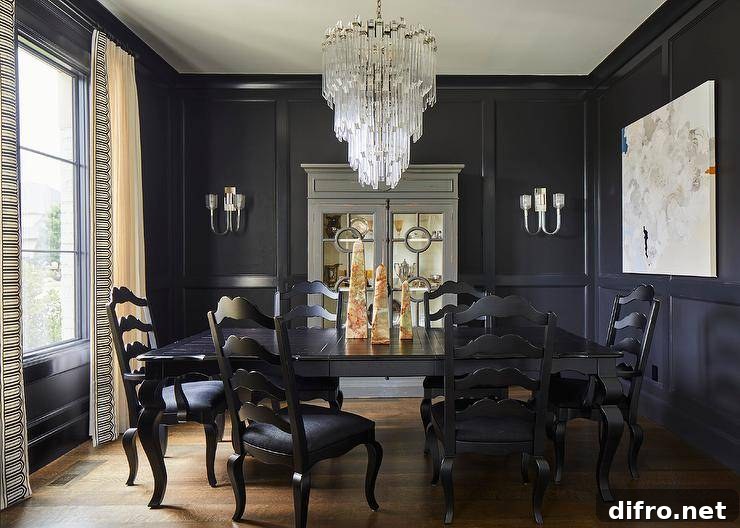
Modern eclectic design is flexible. You can pursue a minimalist eclectic aesthetic with a few standout pieces, or a more maximalist approach layered with color and texture. The key is balance—too many competing elements can feel chaotic, while too few can feel flat.
Key Elements of Modern Eclectic Interior Design
Successful modern eclectic rooms typically share several design strategies. Keep these core elements in mind as you plan or refresh a space.
- Mix and match furniture: Pair items from different eras—an antique cabinet next to a contemporary sofa, or a mid-century table combined with modern shelving. Contrast in form and finish creates visual interest.
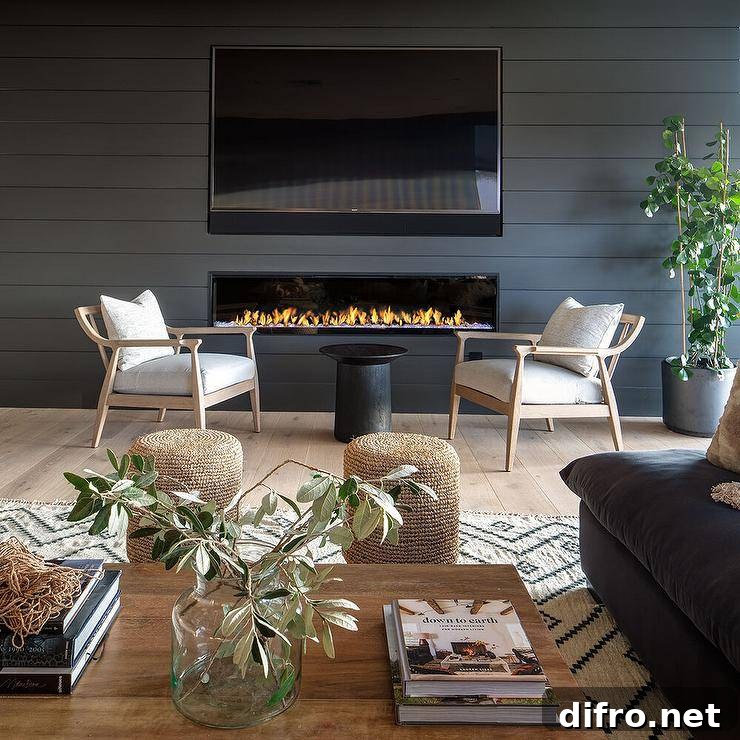
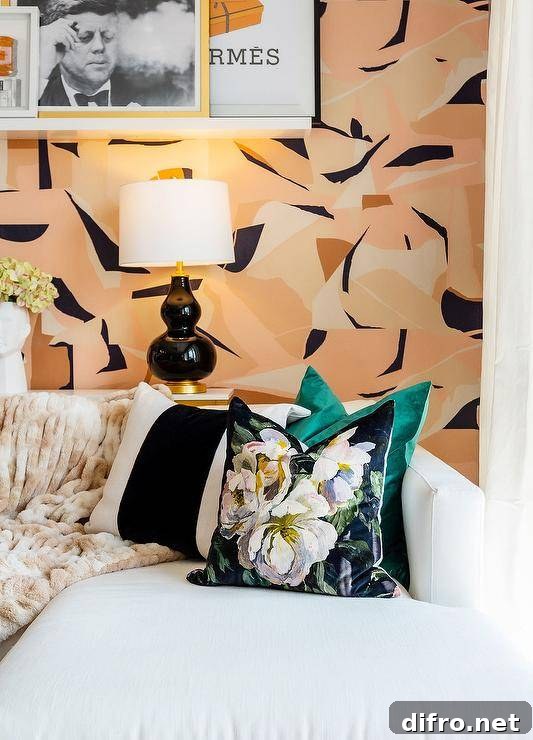
- Incorporate patterns and textures: Layer patterns and tactile materials—plush velvet, woven jute, smooth metals, and textured wallpaper—to add depth. Mixing a geometric print with a softer floral or a textured rug beneath a sleek sofa enhances warmth and complexity.
- Use color to unify: Color ties disparate elements together. Choose a dominant neutral palette, then add recurring accent colors across pillows, art, or accessories to create cohesion.
- Add art and accessories: Personal items—artwork, sculptures, vintage finds, and textiles—give an eclectic room its character. Curate objects that resonate with you rather than collecting for its own sake.
Practical Tips for Creating a Modern Eclectic Interior
Use the following practical steps to design an eclectic space that feels curated rather than cluttered.
- Start with a neutral base: Neutral walls, flooring, and large furniture pieces act as a calm backdrop for eclectic accents. A neutral foundation prevents the room from feeling overwhelming.
- Mix high and low: Combine investment pieces with affordable finds. A designer light fixture can anchor a room filled with thrifted tables and budget-friendly textiles.
- Create a focal point: Anchor the room with one strong element—a dramatic artwork, a striking rug, or a statement chandelier—to orient the eye and organize surrounding pieces.
- Layer textures: Introduce varying textures across rugs, throws, pillows, and furniture to give the room depth and tactile appeal.
- Edit ruthlessly: Curate continually. Remove items that don’t contribute to the theme or balance. Editing refines the look more effectively than adding more pieces.
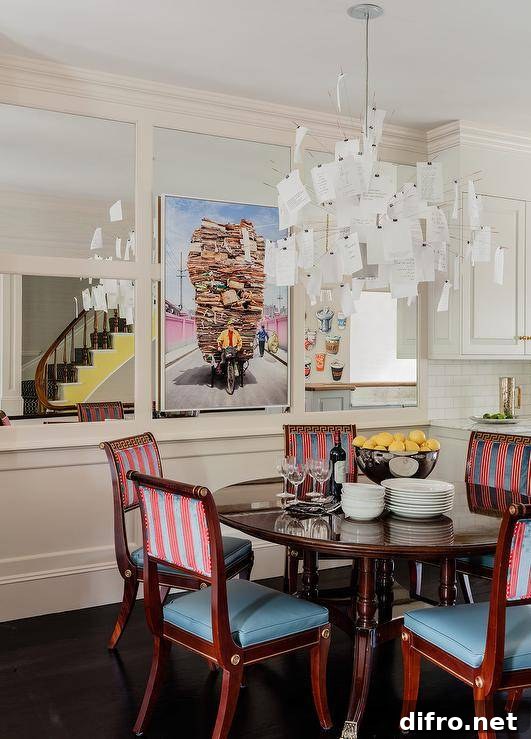
Common Questions About Modern Eclectic Design
What is modern eclectic interior design?
It’s a design approach that blends elements from different eras, styles, and cultures to create a personalized, cohesive interior. It emphasizes thoughtful contrasts, layered textures, and a curated collection of furniture and accessories.
How do I incorporate it into my home?
Start with a few key pieces that reflect your style, then layer in complementary patterns, colors, and textures. Mix old and new items and refine the composition until the room feels balanced and intentional.
Which colors work well?
Both bold and subtle schemes can succeed. Many eclectic spaces use a primarily neutral palette with recurring accent colors, but you can also mix complementary hues for a more vibrant look. The important thing is to repeat or echo at least one color across multiple elements to unify the room.
What materials are common?
Eclectic interiors often combine wood, metal, glass, and natural fibers. Mixing finishes—polished brass, aged wood, matte black metal, woven textiles—adds richness and character.
Can eclectic design work in small spaces?
Yes. Small rooms benefit from selective, well-scaled pieces and a restrained color palette with a few striking accents. Avoid overcrowding by prioritizing multipurpose furniture and curated decor.
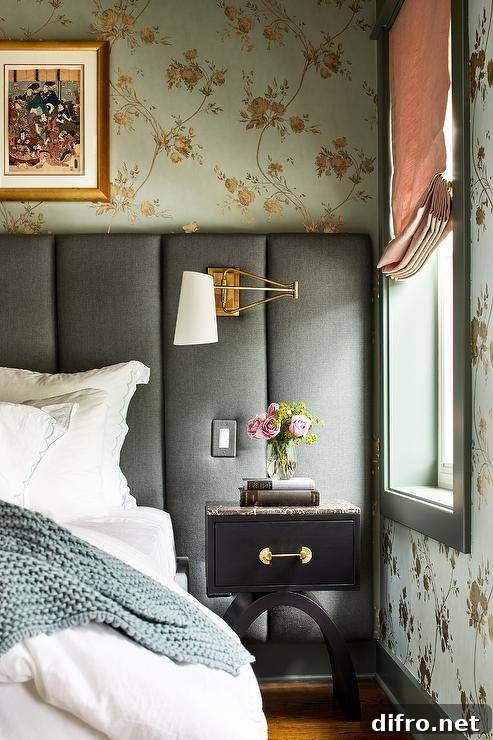
Modern eclectic interior design is about celebrating variety while maintaining harmony. With a neutral base, thoughtful color repeats, layered textures, and a curated sense of contrast, you can create a home that feels unique, welcoming, and well composed.