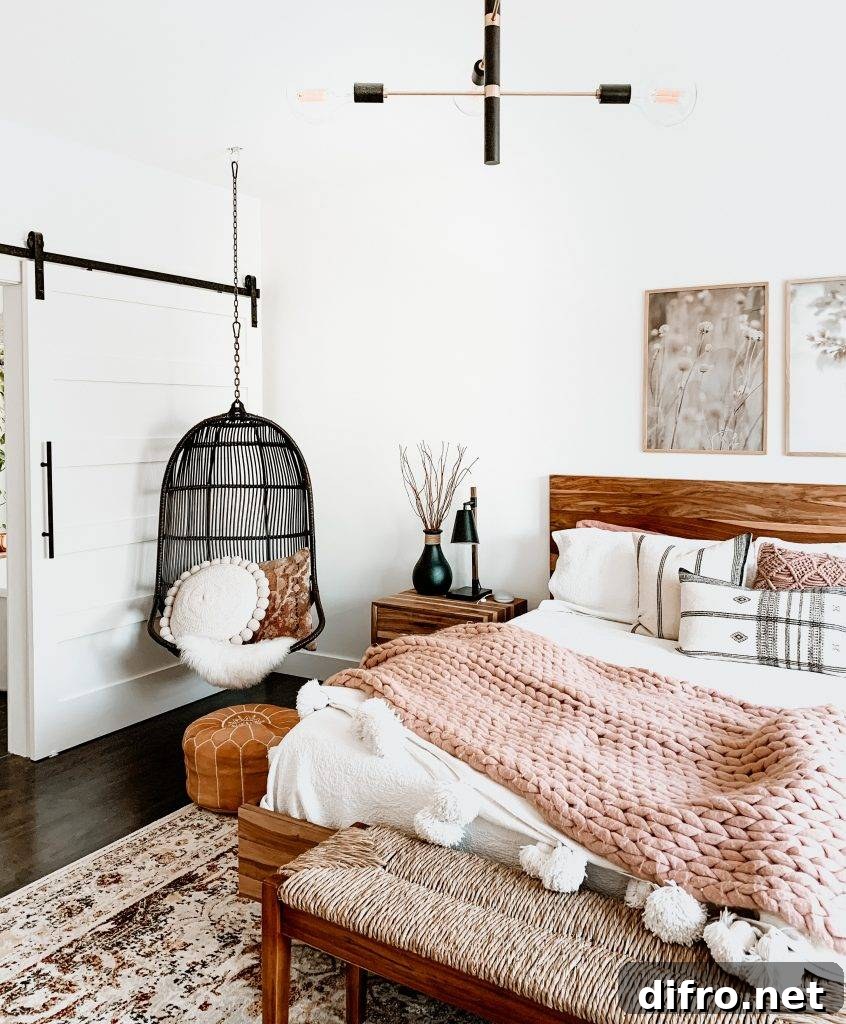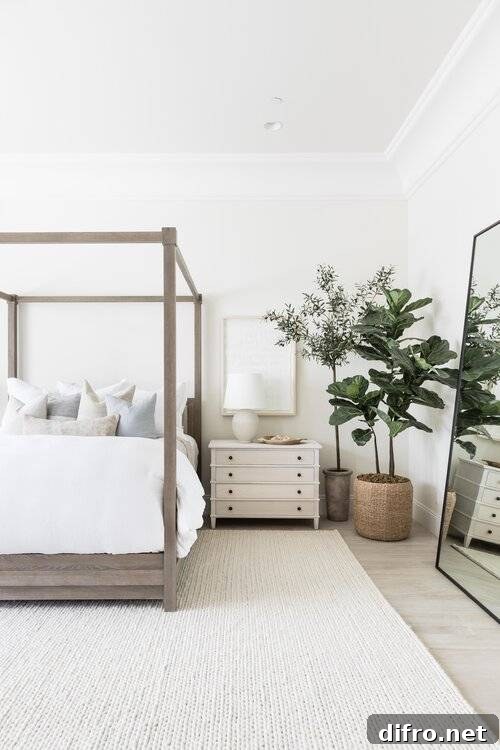
Designing your home with Zen principles creates a calm, restorative atmosphere that helps you unwind after a busy day. A Zen interior doesn’t rely on strict rules or strict minimalism; instead it focuses on balance, simplicity, and comfort. The goal is a space that reduces stress, encourages mindful living, and supports restful routines.
Declutter
Visual clutter overstimulates the senses and increases stress. Begin your Zen transformation by decluttering: remove items you no longer use, sort belongings into keep, donate, and recycle piles, and designate a home for every object. Use closed storage and baskets in high-traffic areas to hide essentials while keeping surfaces clean. Set a simple daily or weekly routine to put things back in place—small habits preserve the calm you create.
Use natural elements
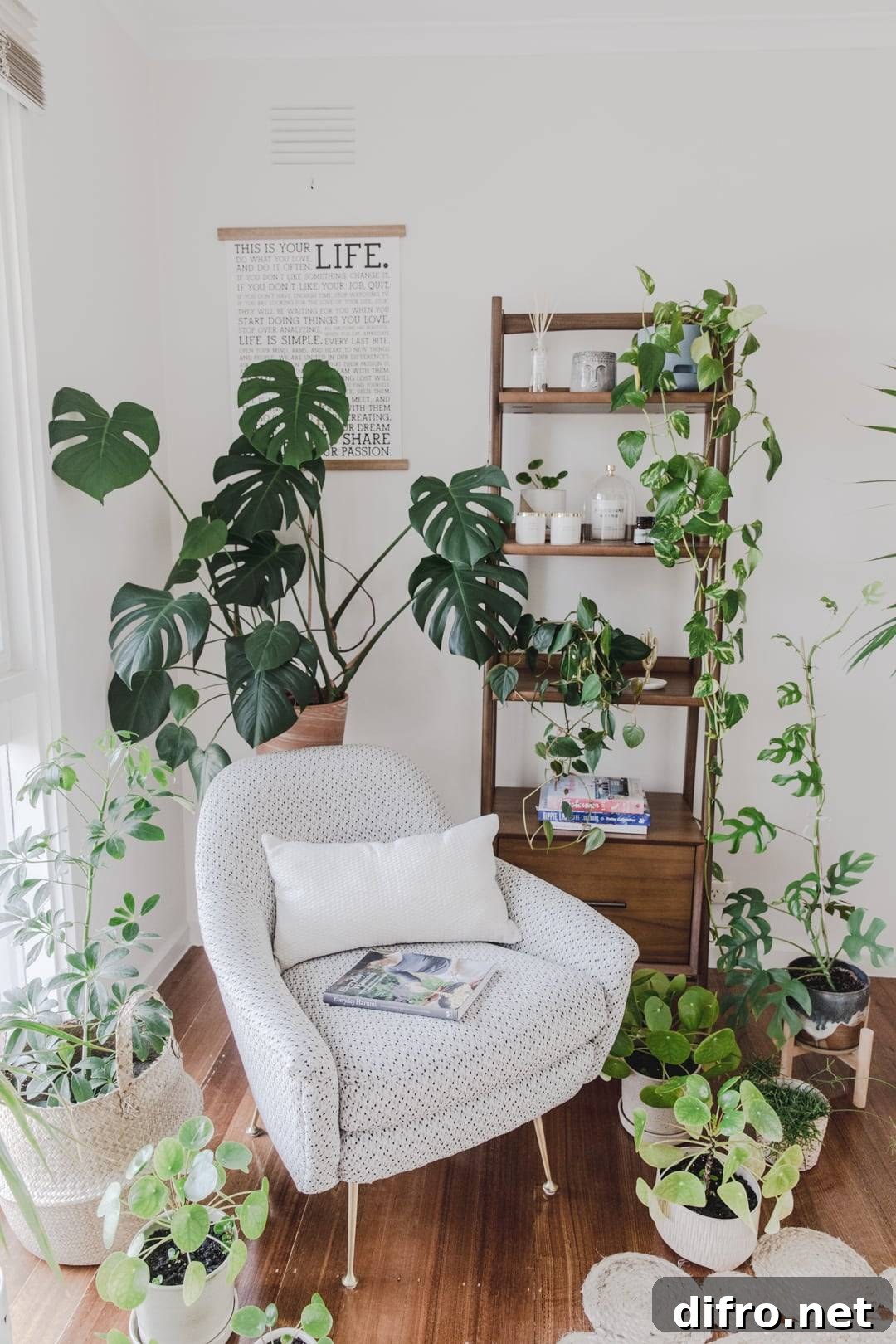
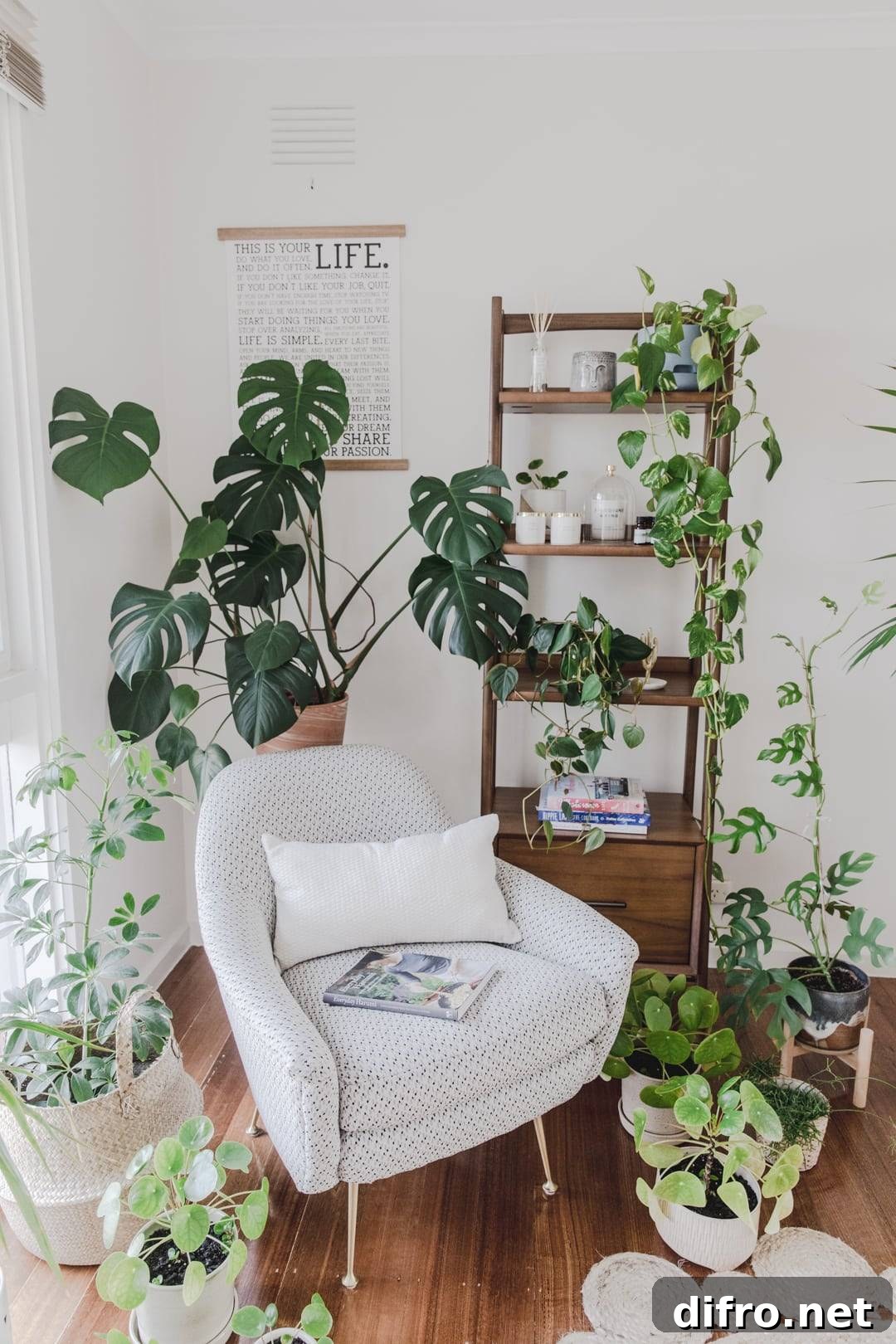
Bringing nature indoors calms the mind and softens the interior. Introduce natural materials like unfinished wood, rattan, stone, and linen to add warmth and texture. Houseplants—easy varieties such as pothos, snake plants, or ZZ plants—offer green visual relief and improve the atmosphere. Group plants in simple pots or woven baskets and use a mix of heights to create a living vignette that feels intentional and soothing.
Designated relaxation area
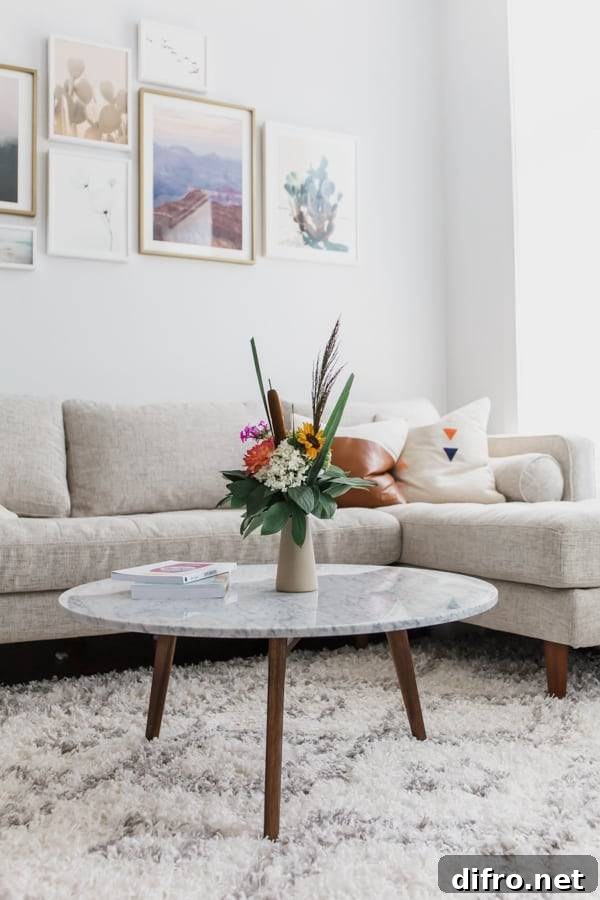
Reserve a quiet corner of your home as a relaxation zone—a reading nook, meditation spot, or tea corner. Choose a comfortable chair or floor cushion, add a small side table, and keep the area free from work-related items. Soft lighting, a small stack of favorite books, and a cozy throw make this space a reliable personal retreat. Make it technology-free when you need true rest and reflection.
Earthy palette
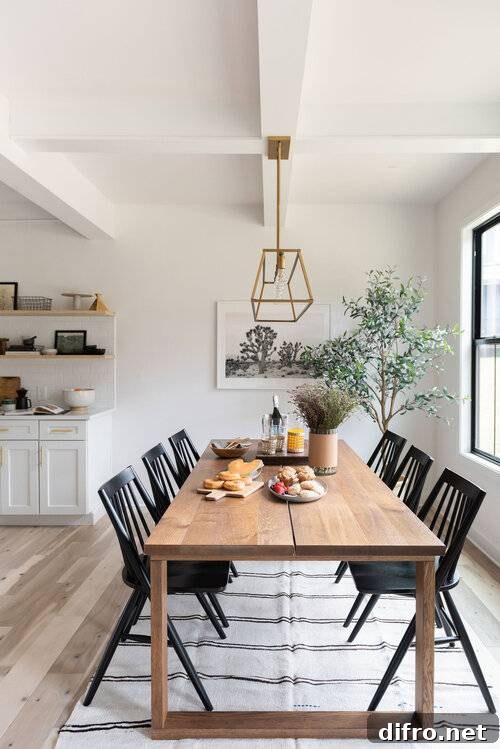
An earthy, neutral color palette supports a tranquil mood. Choose warm whites, ivories, beiges, soft browns, and muted greens to create a cohesive backdrop. Use these tones on walls, large furniture pieces, and textiles, then add subtle contrast with natural wood grains or a single darker accent. This approach helps rooms feel unified and peaceful rather than busy and fragmented.
Add a touch of softness
To avoid a sterile or showroom-like feel, layer soft textiles for comfort. Plush cushions, knitted throws, and low-pile rugs soften hard surfaces and invite you to relax. Choose natural fabrics—cotton, wool, or linen—in simple patterns or solids that complement your earthy palette. Softness underfoot and at seating areas makes the space welcoming and tactile.
Enhance natural lighting
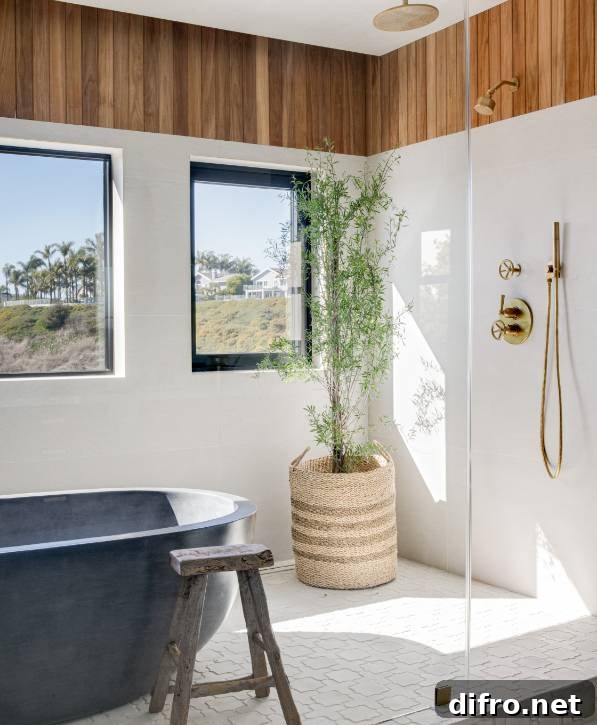
Natural light brightens mood and makes interiors feel open. Maximize daylight by keeping windows clear: replace heavy drapes with sheer curtains or sliding panels that diffuse light without blocking it. Position mirrors to reflect sunlight into darker corners and use warm, dimmable lamps, candles, or fairy lights for gentle evening illumination. Layered lighting lets you shift the atmosphere from bright and active to soft and restorative.
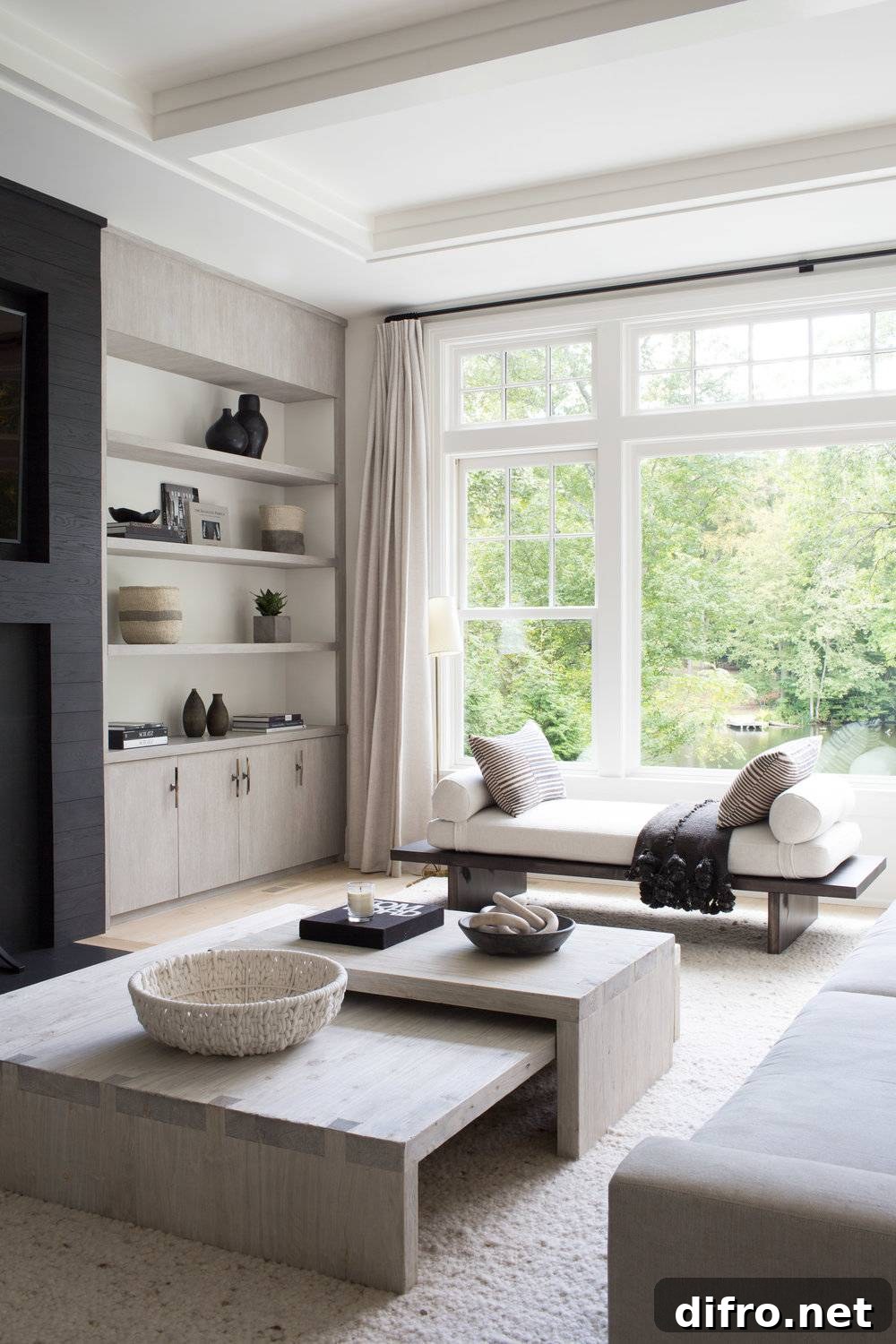
Keep decor minimal
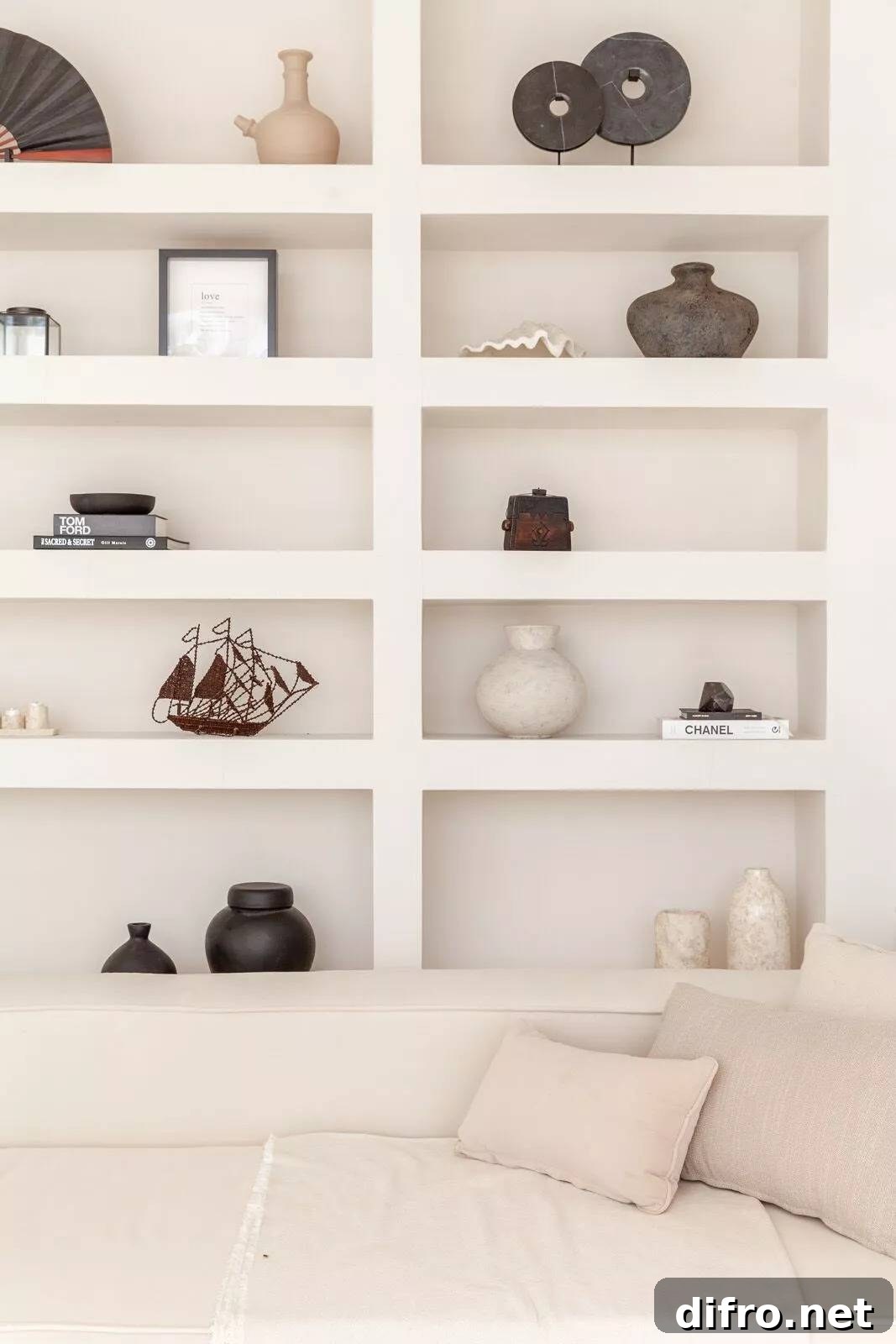
Mindful simplicity keeps a Zen space calm. Choose fewer, more meaningful objects rather than many small items. Select one or two focal pieces per room—a large plant, a single artwork, or a sculptural vase—and let negative space around them create balance. Rotate or edit decor seasonally to maintain freshness without accumulating visual noise.
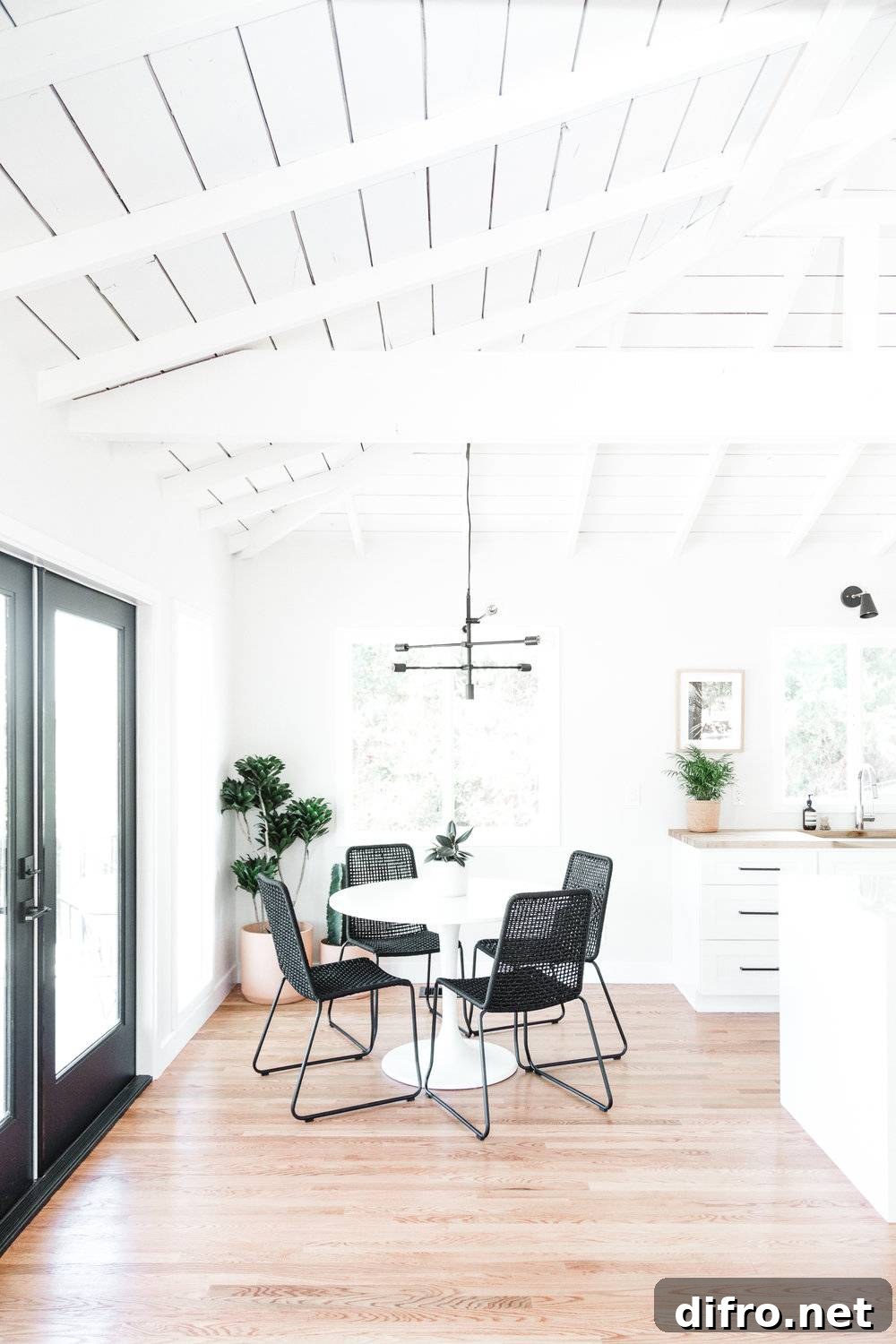
Limit or conceal electronic devices
Electronics can disrupt a restful environment. Create tech-free zones, especially in bedrooms and relaxation areas, and conceal TVs and devices in cabinets or behind panels when not in use. Tidy cables and chargers into drawers or cord organizers to keep surfaces clean. Making deliberate choices about where and when to use technology helps preserve the quiet, restorative quality of a Zen home.