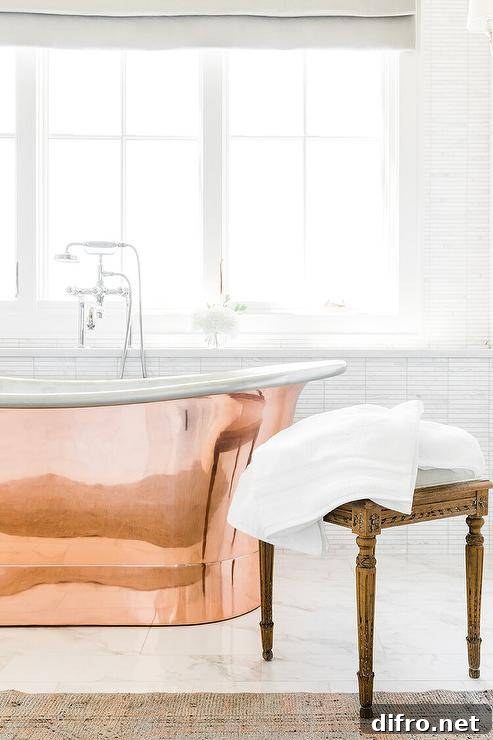
If you are planning a bathroom remodel, replacing or adding a bathtub is one of the most effective ways to refresh the space. Depending on your budget, layout, and aesthetic, you can choose from many bathtub styles—but freestanding tubs remain among the most popular for adding a spacious, elegant, and luxurious feel.
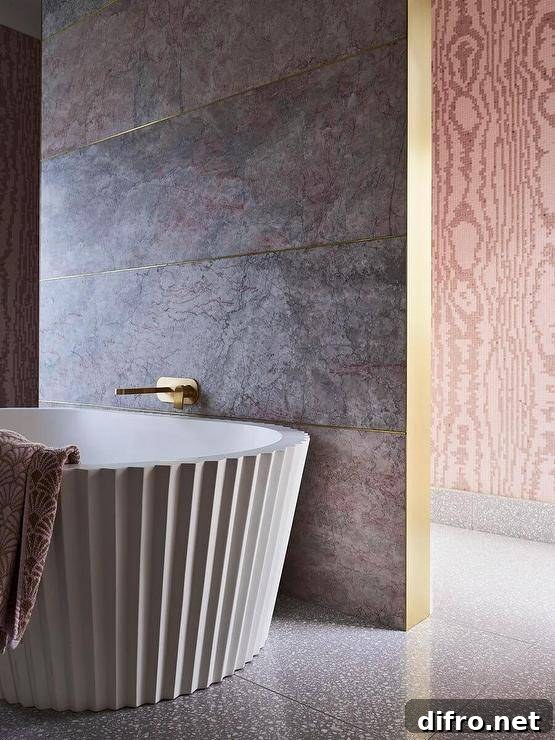
Freestanding bathtubs are designed to sit independently, not built into an alcove or sunk into the floor. They offer flexibility in placement and a strong visual statement, whether you want a modern centerpiece or a vintage claw-foot look.
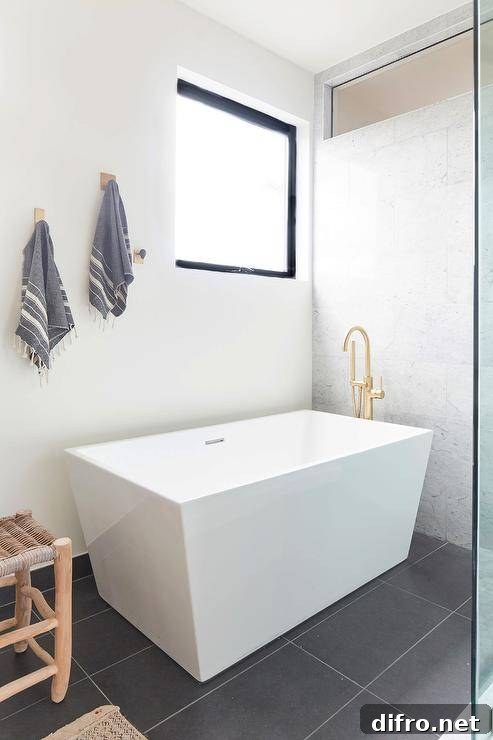
Freestanding Bathtub Size and Design Ideas
Freestanding bathtubs come in a wide range of shapes and sizes. Common styles include pedestal tubs, which are slightly raised for a sculptural look, and deep soaker tubs with a sloped interior for long, relaxing baths. If you often bathe with a partner, look for an extra-wide, deep model designed for two. Always measure your floor area and entry doors to ensure the tub you choose fits both the room and the path to installation.
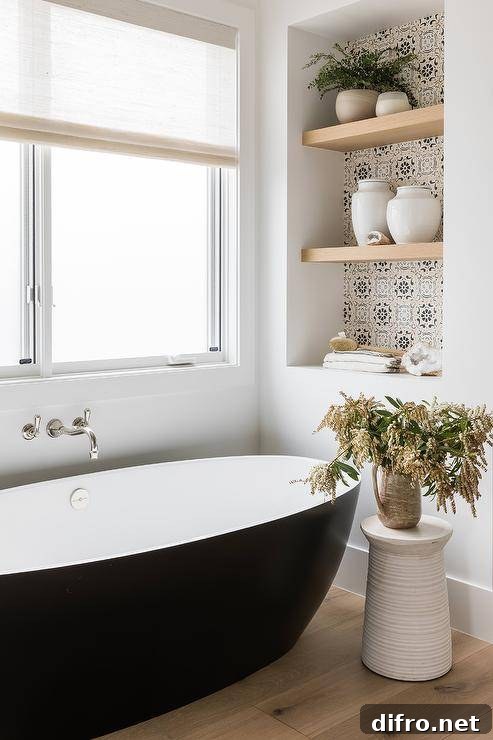
Decide early whether your priority is soaking depth, overall length, or a compact footprint. If you plan to locate the tub away from existing plumbing, factor in the cost of routing supply and drain lines. For a tub placed near a window, ensure privacy and consider thermal comfort while soaking.
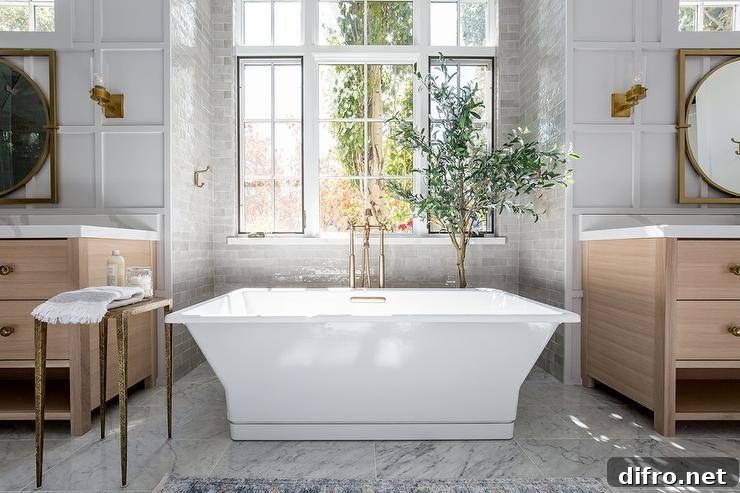
Difference Between a Freestanding and a Built-In Tub
Built-in tubs are typically installed within an alcove with walls on three sides and often include integrated surrounds or tile. Freestanding tubs sit independently and offer more flexibility in placement and stronger design impact. Each has pros and cons: freestanding tubs make a bold statement and can create a luxurious, vintage, or modern focal point, but they can be more challenging to clean around and may cool faster than a built-in tub. Built-ins often conserve space, conceal plumbing, and can retain heat longer.
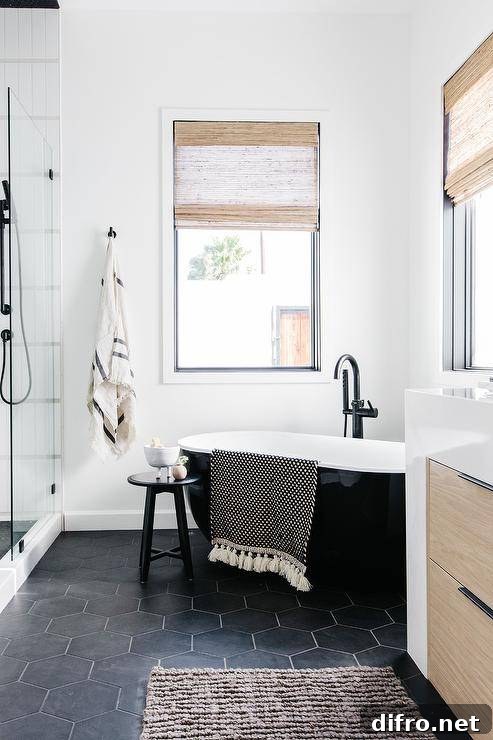
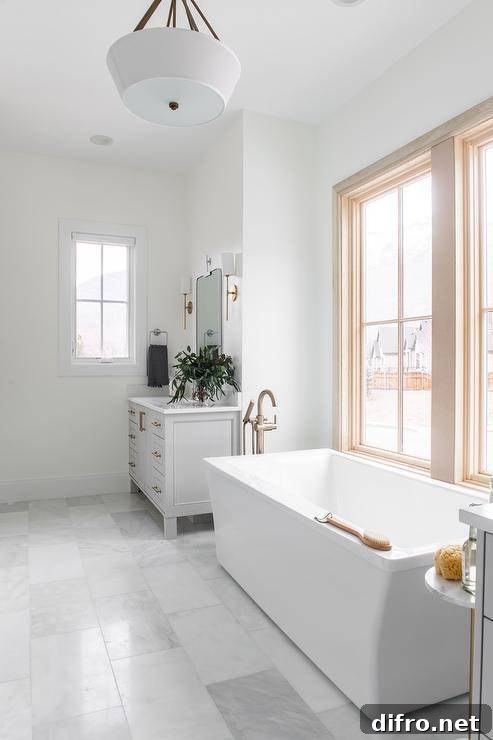
Try out tubs in a showroom to check comfort: test length and back support by sitting or reclining in display models where possible. Consider whether you want a floor-mount or wall-mount filler and ensure there is adequate clearance for plumbing and faucet placement.
Placement and Practical Considerations
Freestanding tubs can be placed almost anywhere with reasonable access to plumbing. For a dramatic effect, center a tub in the room, place it under a window for a view, or position it beside a glass shower for a spa-style suite. Leave at least 6 inches of clearance around the tub to avoid a cramped appearance and to provide access for cleaning and maintenance. If a tub sits against a wall, protect the wall surface around it with tile or another waterproof material.
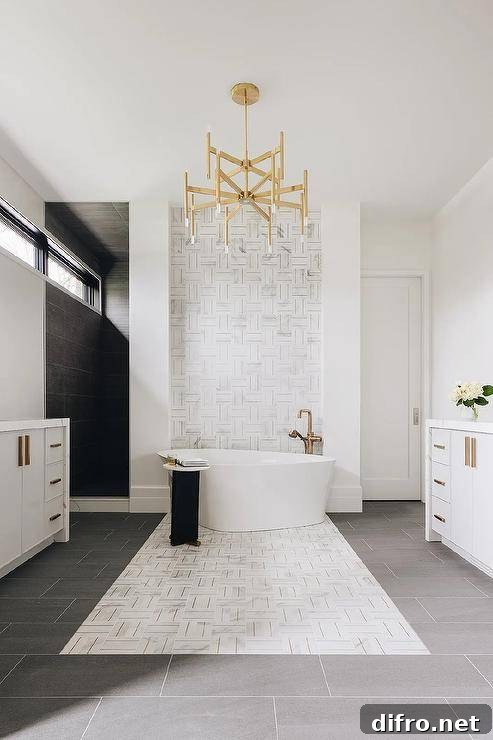
Freestanding Bathtub Design Ideas: What Materials to Choose
Freestanding tubs are made from a variety of materials, each with different advantages and price points. Match your material choice to your budget and the style you want to achieve.
Fiberglass
Fiberglass is inexpensive and lightweight, and it’s repairable when scratched or chipped. It’s less durable than many other options and prone to surface wear over time.
Acrylic
Acrylic tubs are lightweight and affordable. They often contain fiberglass reinforcement but can scratch and may not last as long as heavier materials.
Ceramic Tile
Ceramic tile shells or tiled surrounds can be built on-site for a custom size and look, but they require more maintenance and may feel less smooth against bare skin than other surfaces.
Cast Iron
Cast iron with an enamel finish is extremely durable and resists scratches and damage, but it is heavy and more expensive. Installation typically requires strong subfloor support.
Porcelain on Steel
Steel with porcelain enamel is an affordable, durable choice that is easy to clean and resists stains.
Natural Stone
Stone tubs—marble, granite, basalt, sandstone—offer a high-end, spa-like look. They are costly and heavy but create a luxurious focal point.
Copper and Brass
Copper tubs provide warm tones and natural antimicrobial properties, while brass offers striking durability and a long-lasting metallic finish. Both materials are premium choices that add character and value but come with higher price tags.
Wood
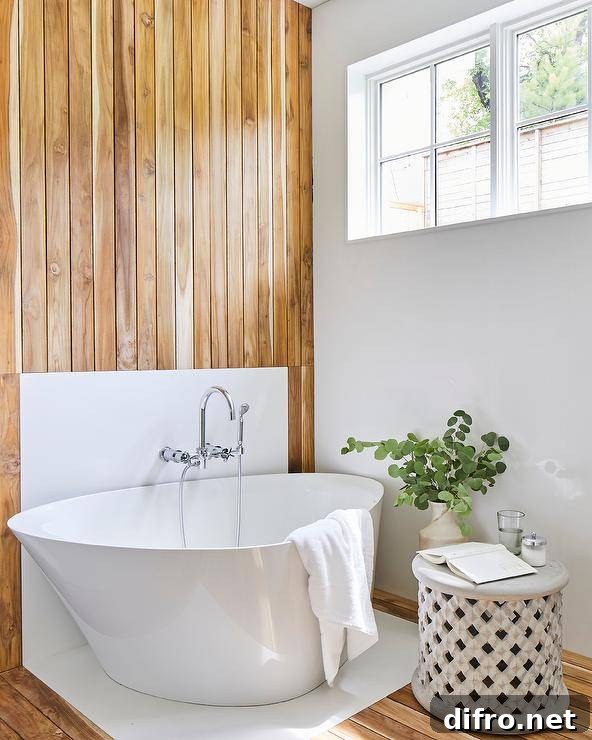
Treated wood tubs deliver an exceptionally warm, organic look. Proper treatment and sealing are essential to make them fully waterproof and long-lasting.
For lower budgets, consider acrylic, fiberglass, porcelain-on-steel, or ceramic options. Larger budgets can accommodate cast iron, natural stone, copper, brass, or custom wood tubs. Align the material with your intended décor—wood and copper for cozy warmth, stone and cast iron for spa or industrial styles, and acrylic or fiberglass for contemporary, budget-friendly designs.
Frequently Asked Questions (FAQs)
What can you place next to a freestanding tub?
Functional and decorative items that work well include pillar candles, vases, wall art or mirrors, towel baskets, a small lounge chair or stool, and plants. Choose items that complement the tub’s style without crowding the space.
Do you need to tile the walls around a freestanding tub?
Tiling is not strictly necessary, but if the tub is against a wall you should protect that surface from splashes. Tile, waterproof panels, or any durable backsplash material are good options.
How much room do you need around a freestanding bathtub?
Plan for at least 6 inches of clearance around most angles of the tub to avoid a cramped appearance and allow cleaning access. If you have a floor-mount faucet at the tub end, ensure adequate clearance for the fixture and for comfortable use.
Are freestanding tubs still in style?
Yes. Freestanding tubs continue to be a popular feature in modern bathroom design, appreciated for their flexibility and visual impact.
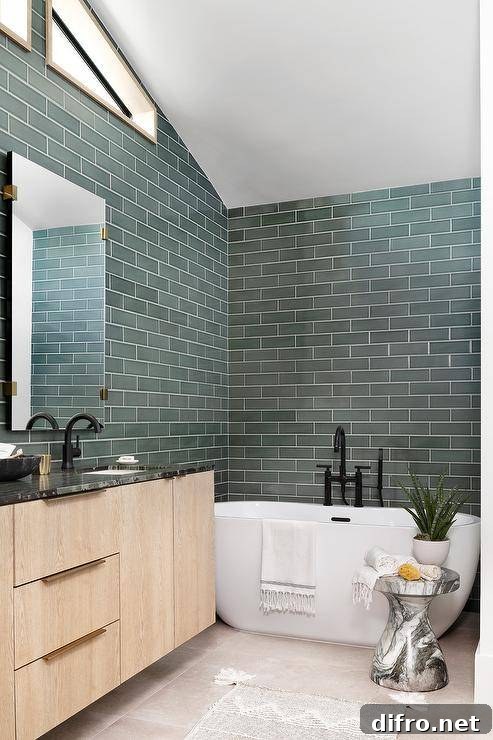
Choosing the right freestanding bathtub involves balancing design, comfort, material, and budget. With careful measurement and thoughtful placement, a freestanding tub can become the defining element of your bathroom for years to come.