Turning an attic into a spa-like bathroom is a smart way to add comfort and value to your home. An extra bathroom not only improves everyday living but also makes your property more attractive to buyers. While sloped ceilings and compact footprints can feel limiting, the right layout and thoughtful design choices can transform an attic into a luxurious, functional retreat. This guide walks through color choices, solutions for sloped ceilings, storage ideas, natural light options, and the potential return on investment.
Choosing the right colors
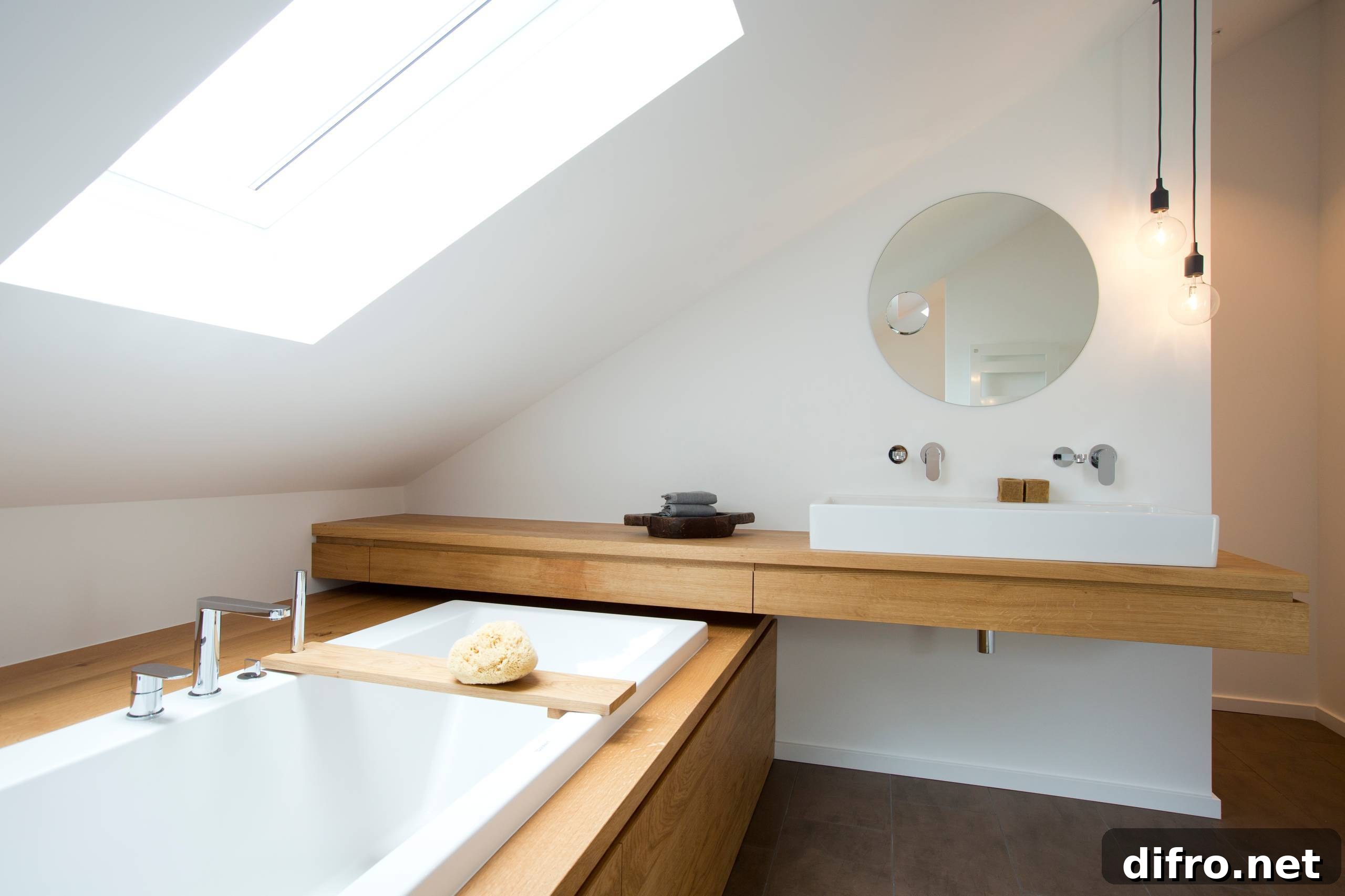
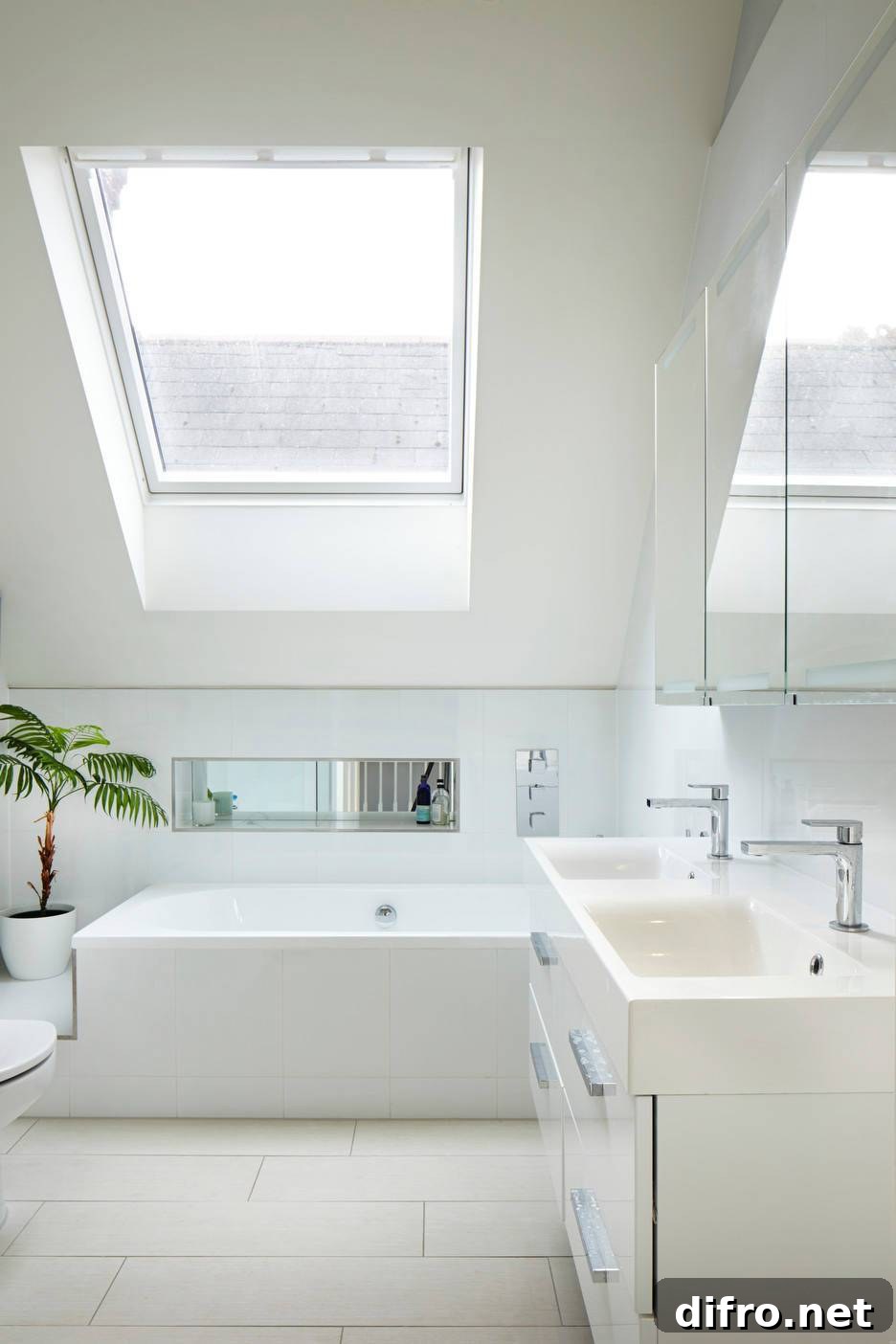
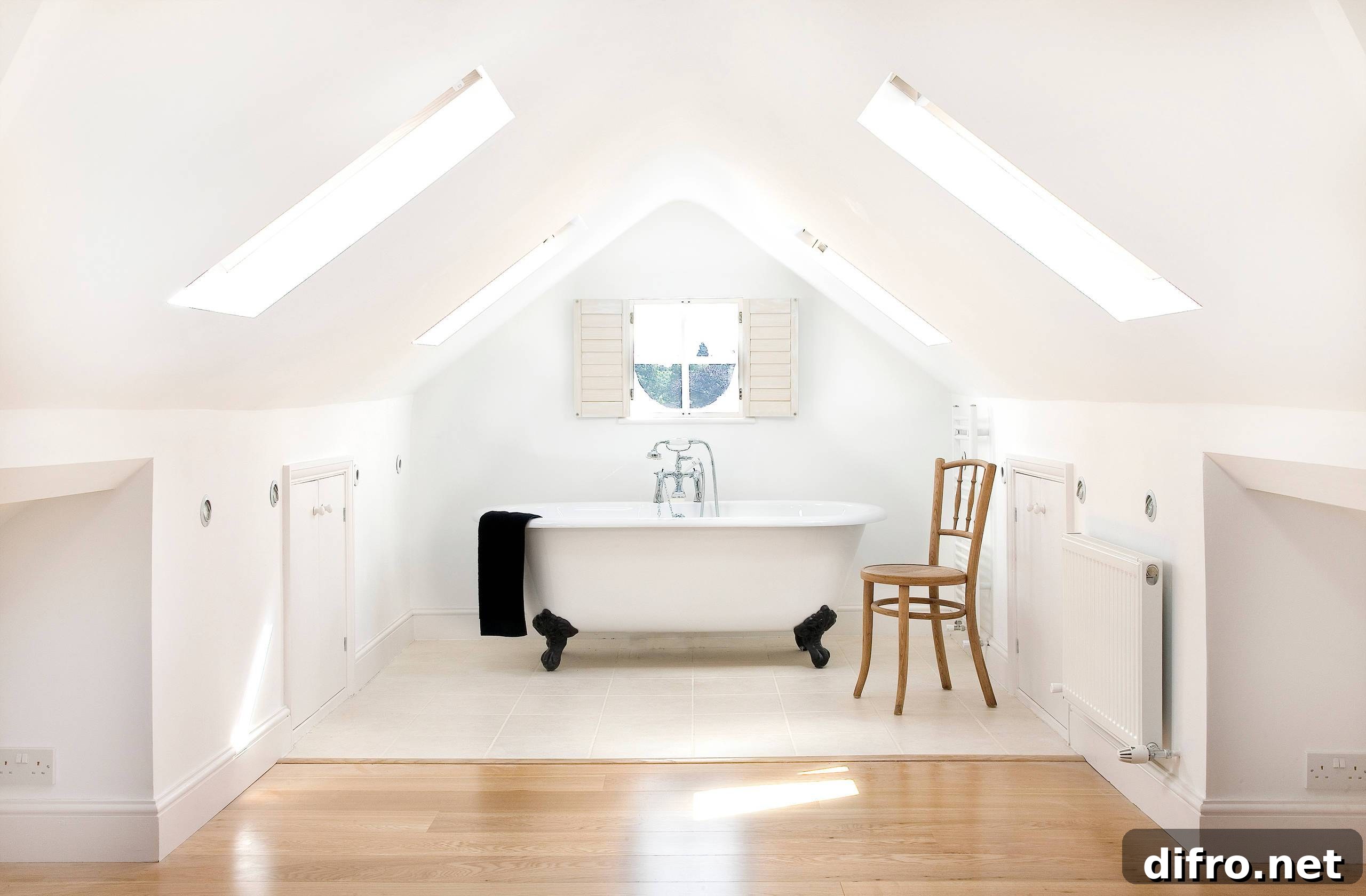
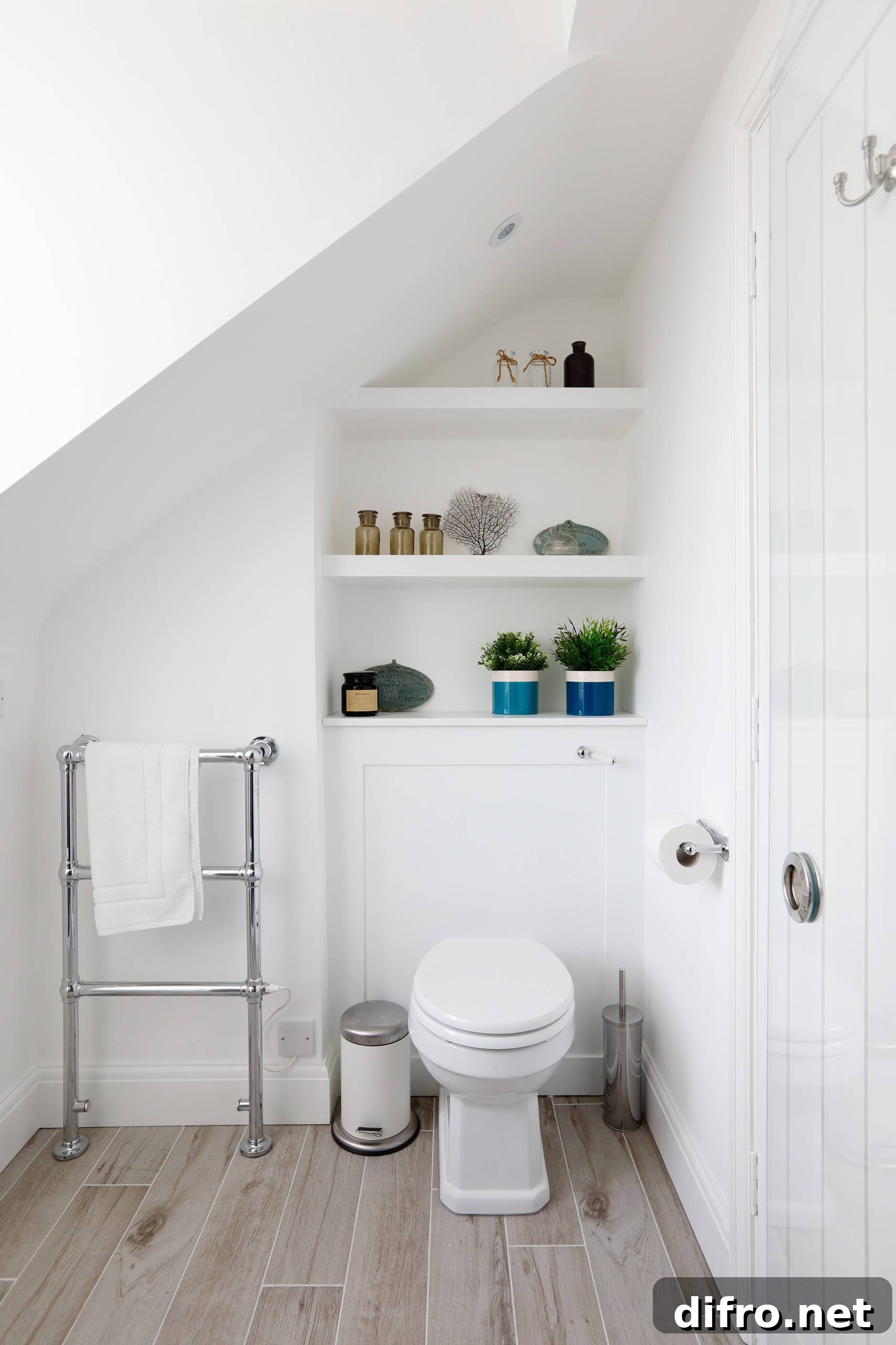
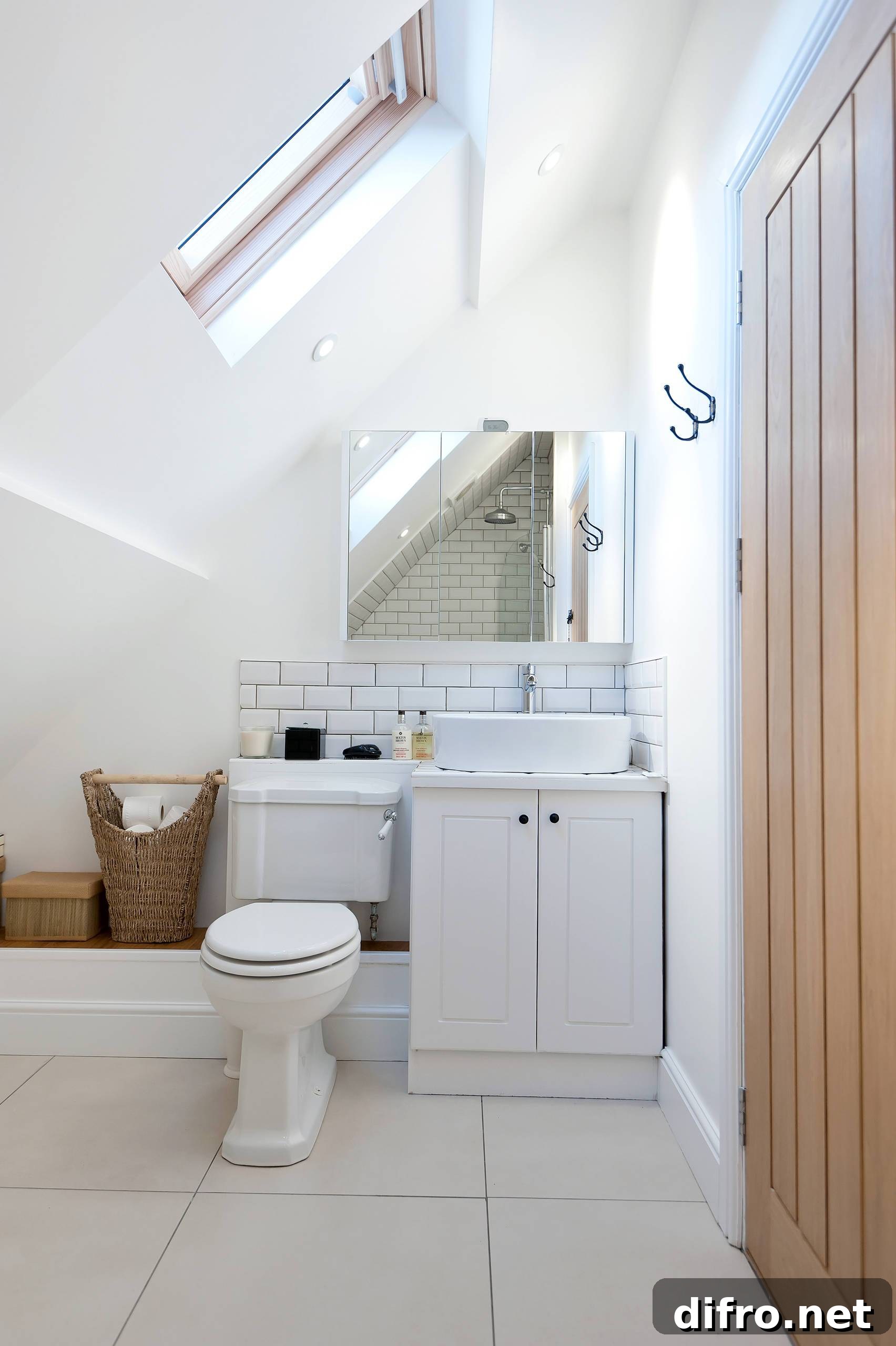
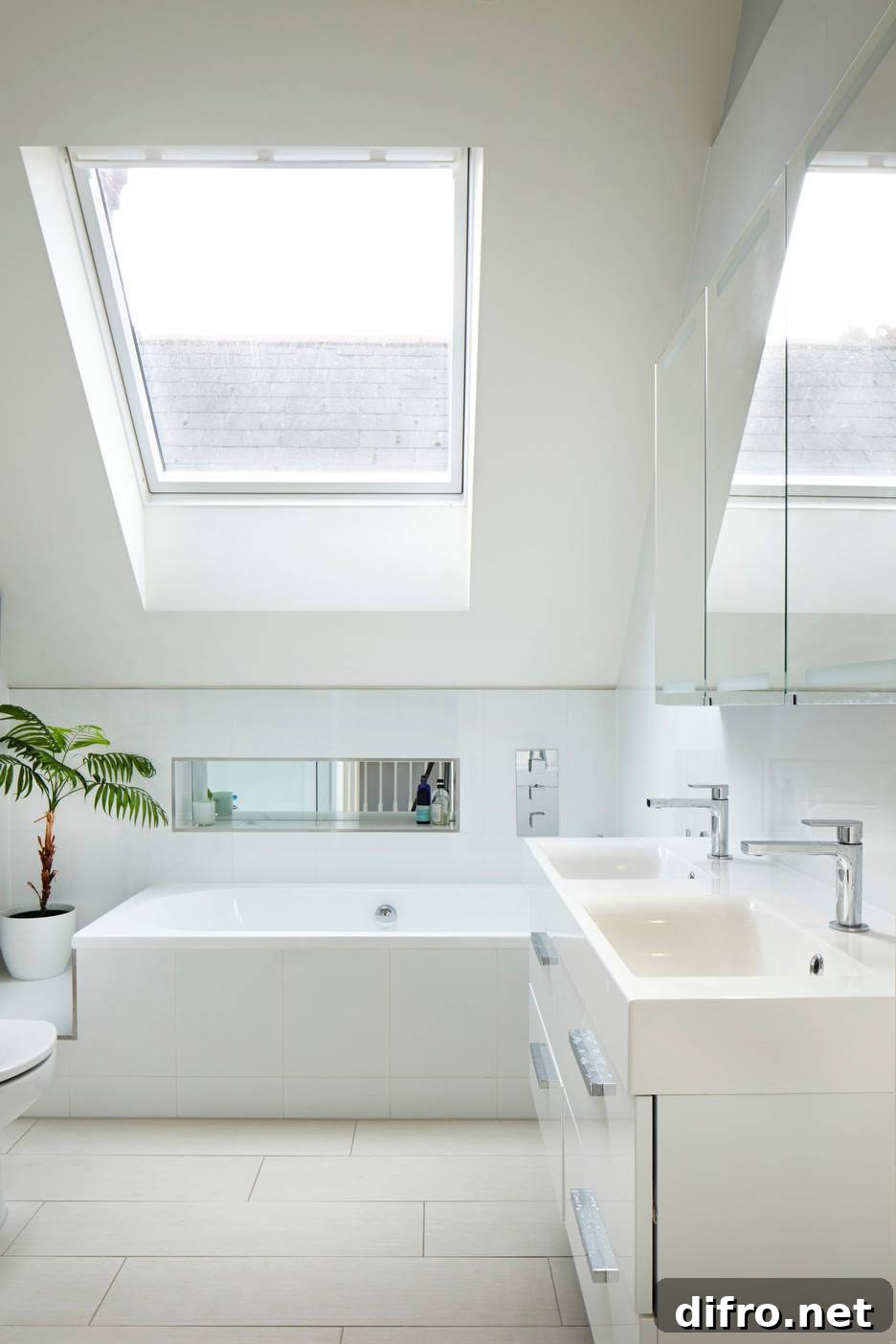
Low ceilings, limited floor area, and few windows are common challenges in attic bathrooms. One of the most effective design strategies to visually expand the space is to use light colors. White and off-white reflect more light, helping the room feel brighter and more open.
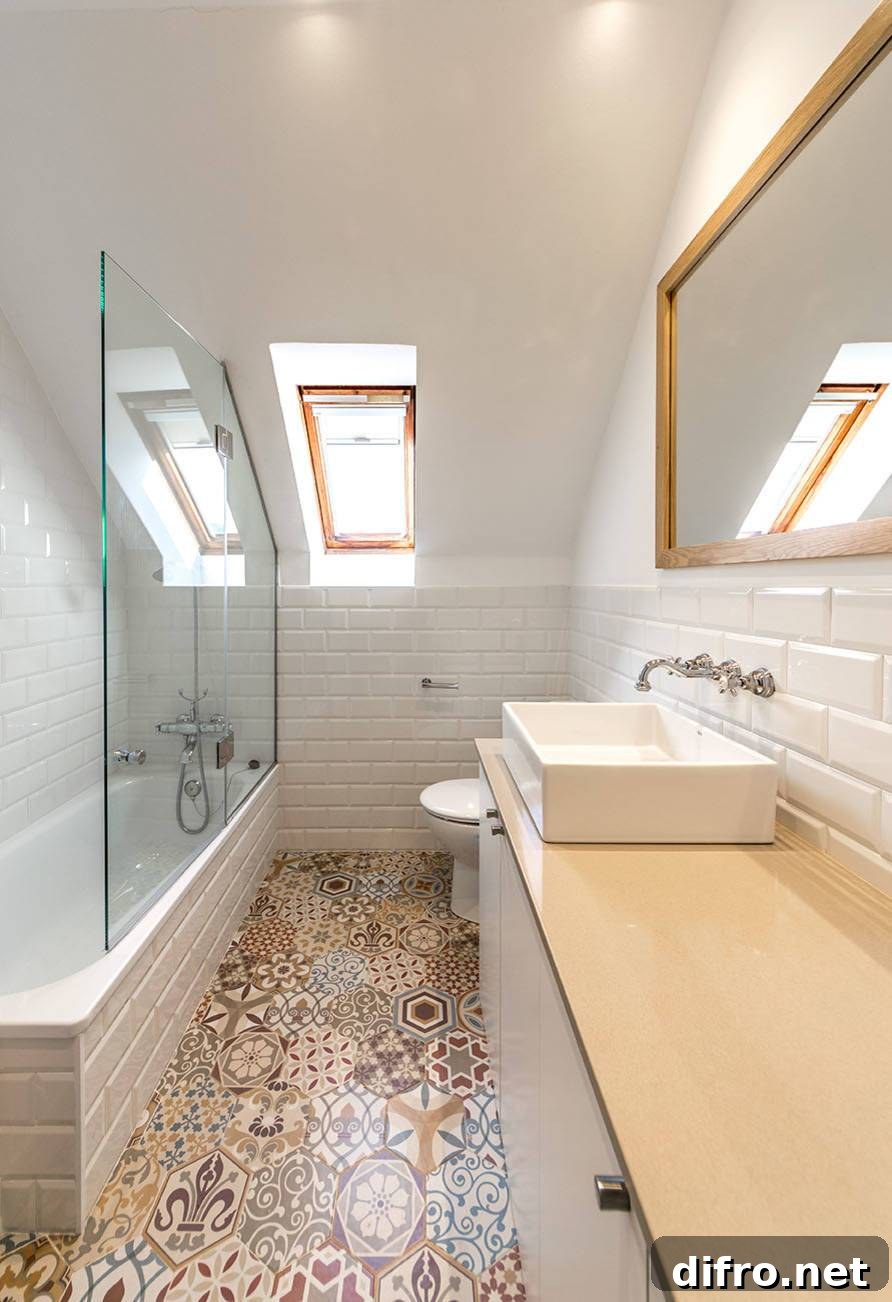
Choosing white does not mean the space must feel cold or clinical. Warm whites and soft creams add a cozy atmosphere while maintaining brightness. Textured tiles, matte finishes, or subtle patterned ceramics can introduce visual interest without overwhelming the small space.
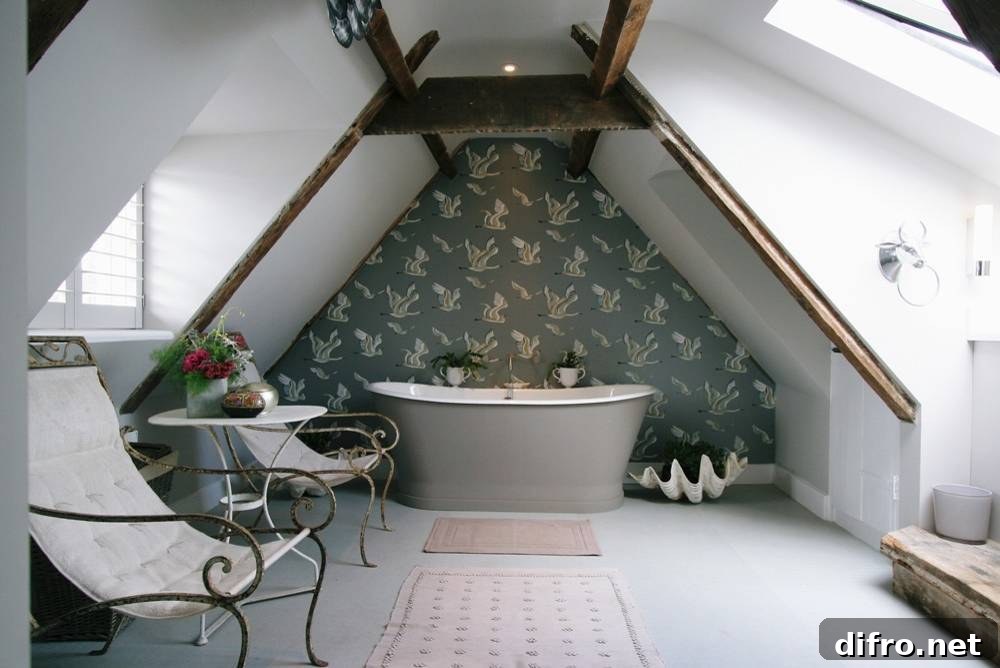
If you prefer bolder aesthetics, a single accent wall or patterned wallpaper can create depth and become a focal point—especially when placed behind a freestanding tub or vanity. A carefully chosen pop of color can highlight architectural features and give the attic bathroom personality while keeping the overall palette light and airy.
How to design around sloped ceilings
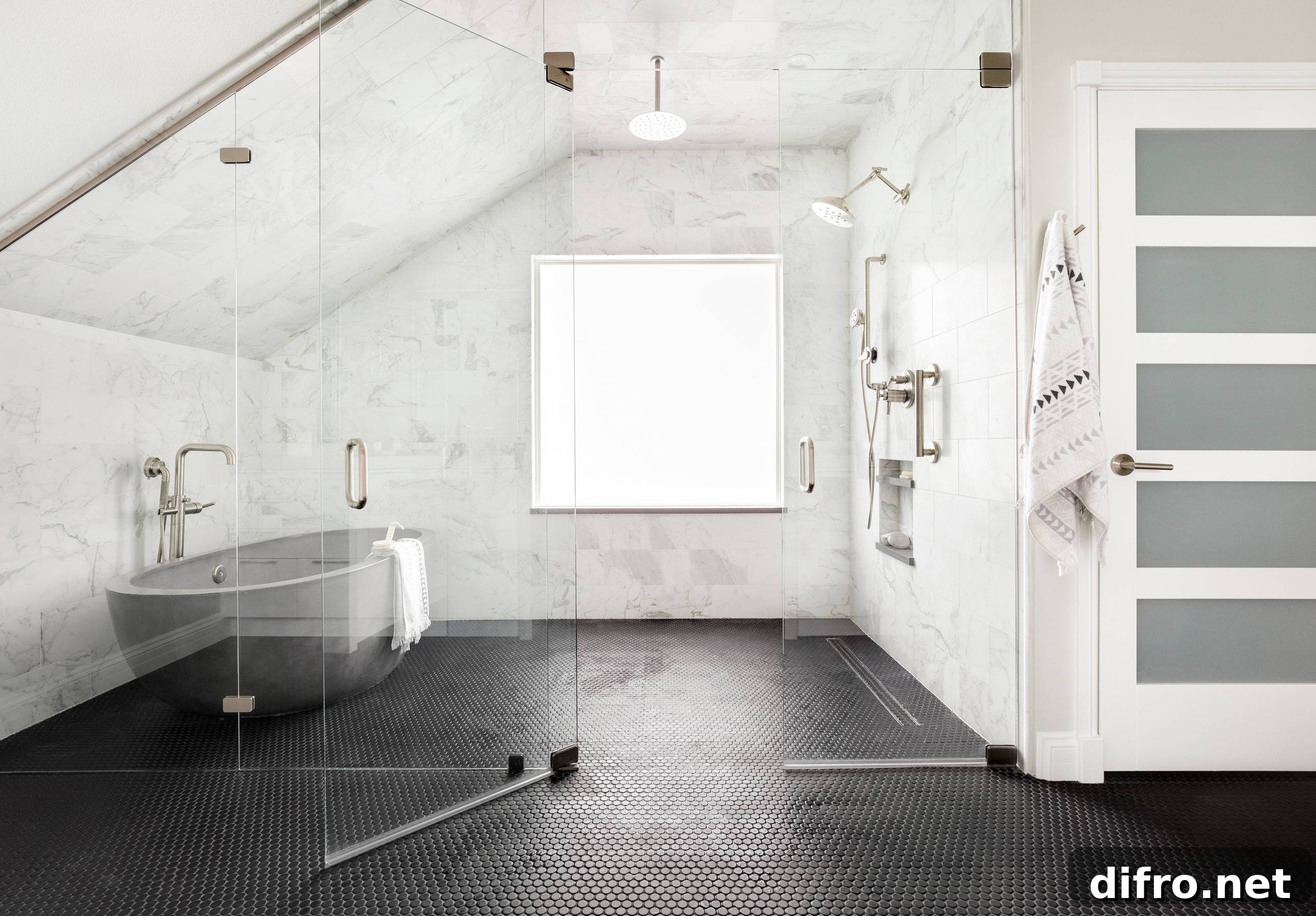
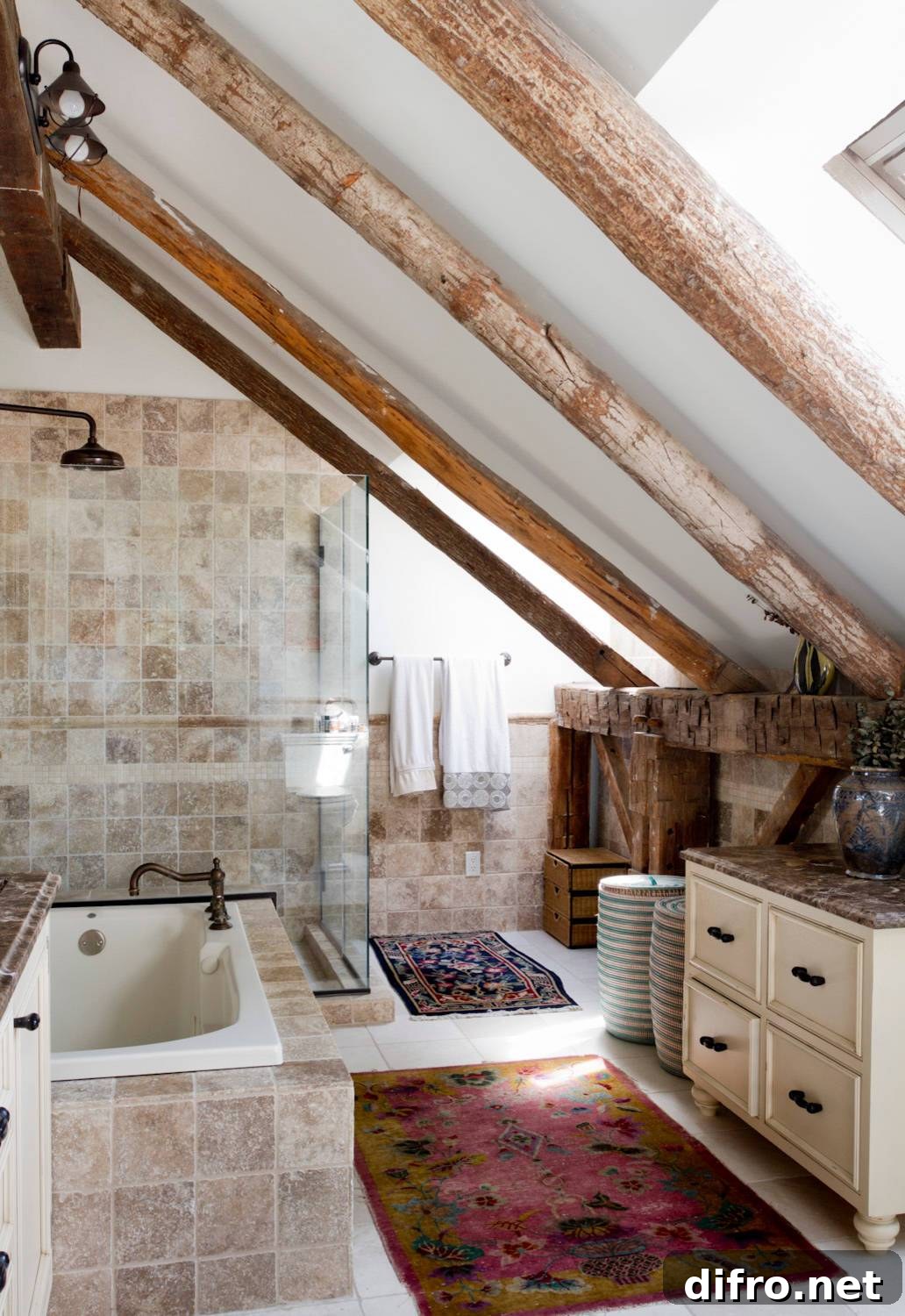
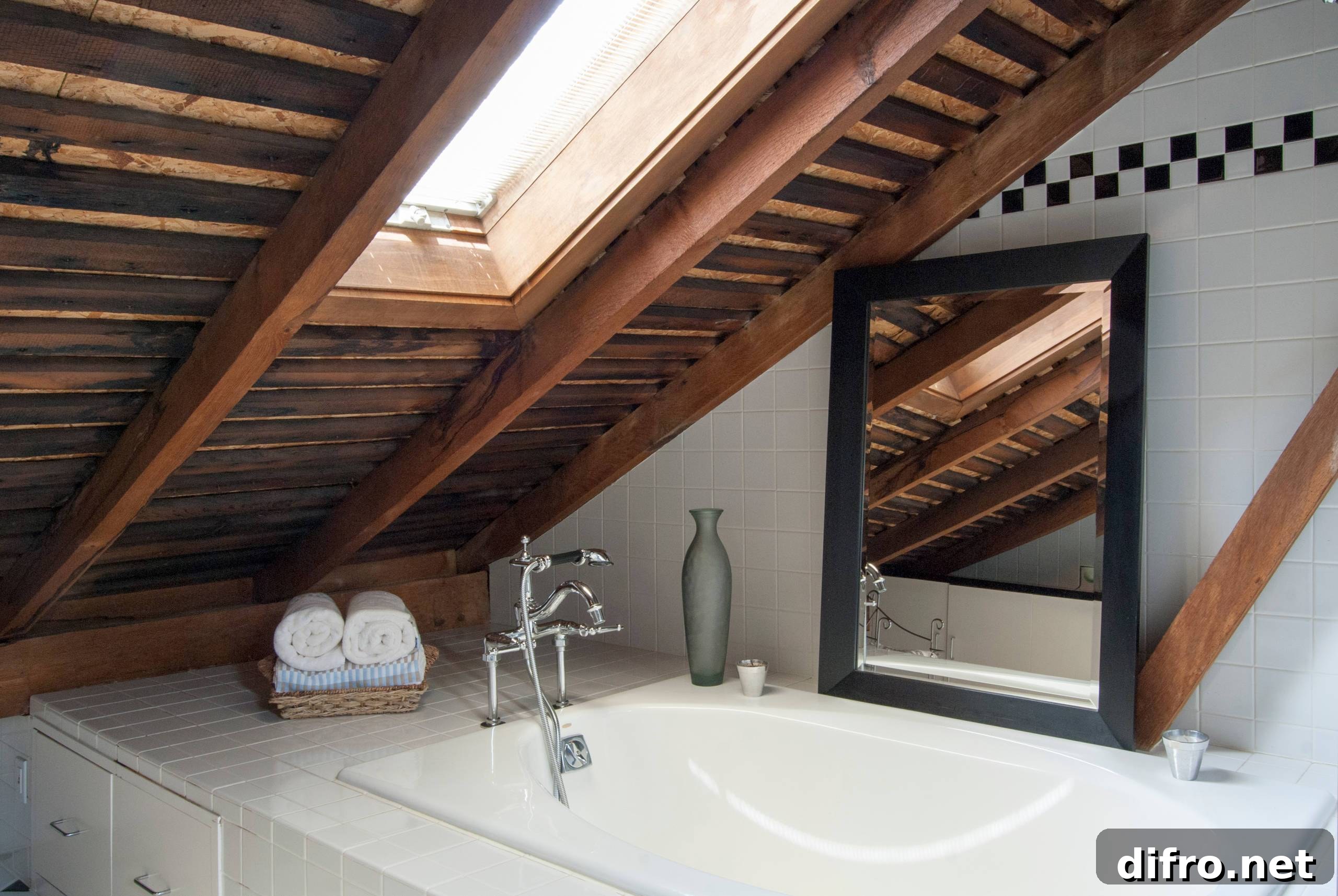
Sloped ceilings require creative planning, but they also offer opportunities to create intimate, spa-like nooks. The shallow area beneath a slope is perfect for a soaking tub or built-in bench, turning an awkward shape into a relaxing focal point. Positioning a tub in a recessed roofline makes the slope feel intentional rather than restrictive.
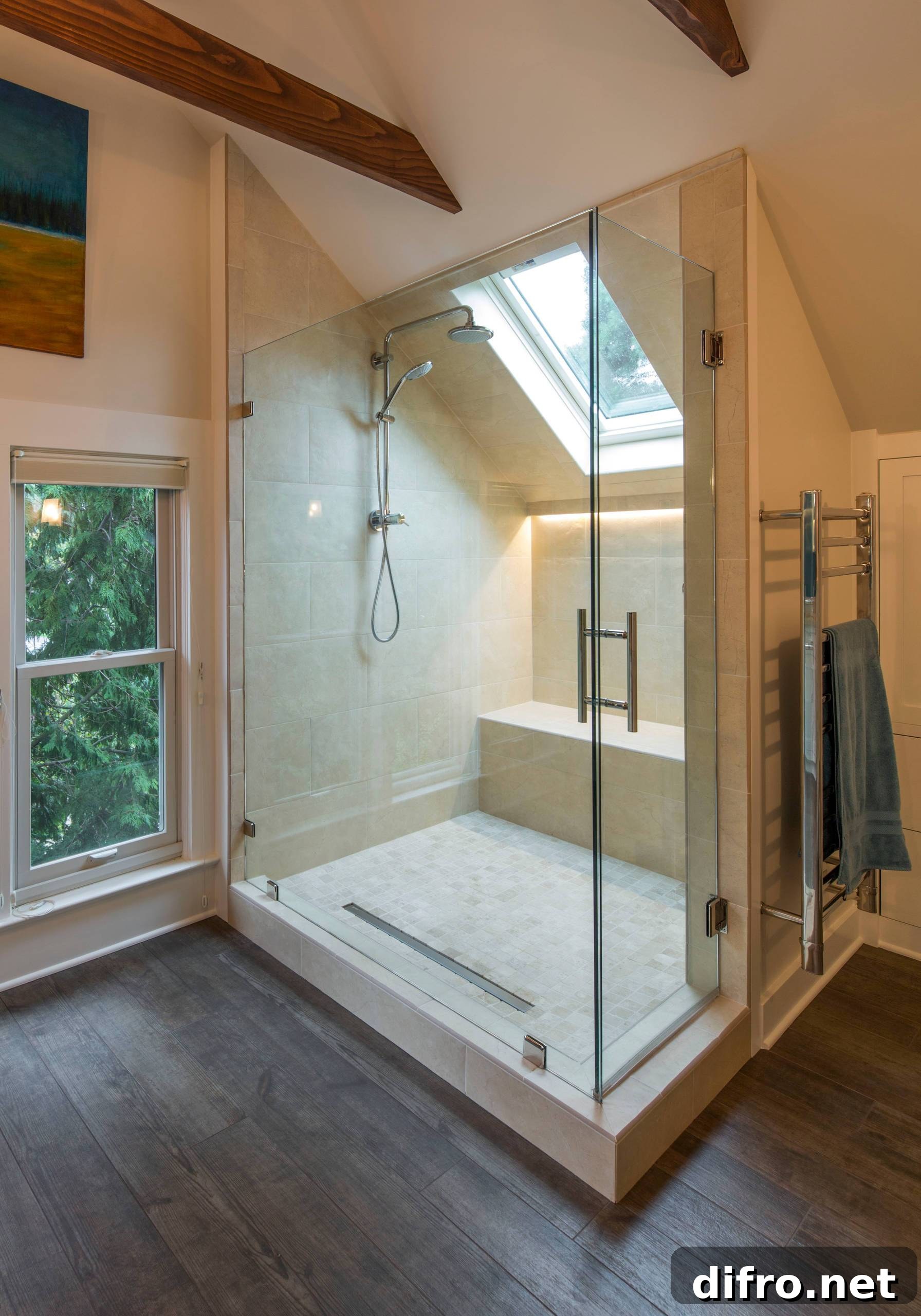
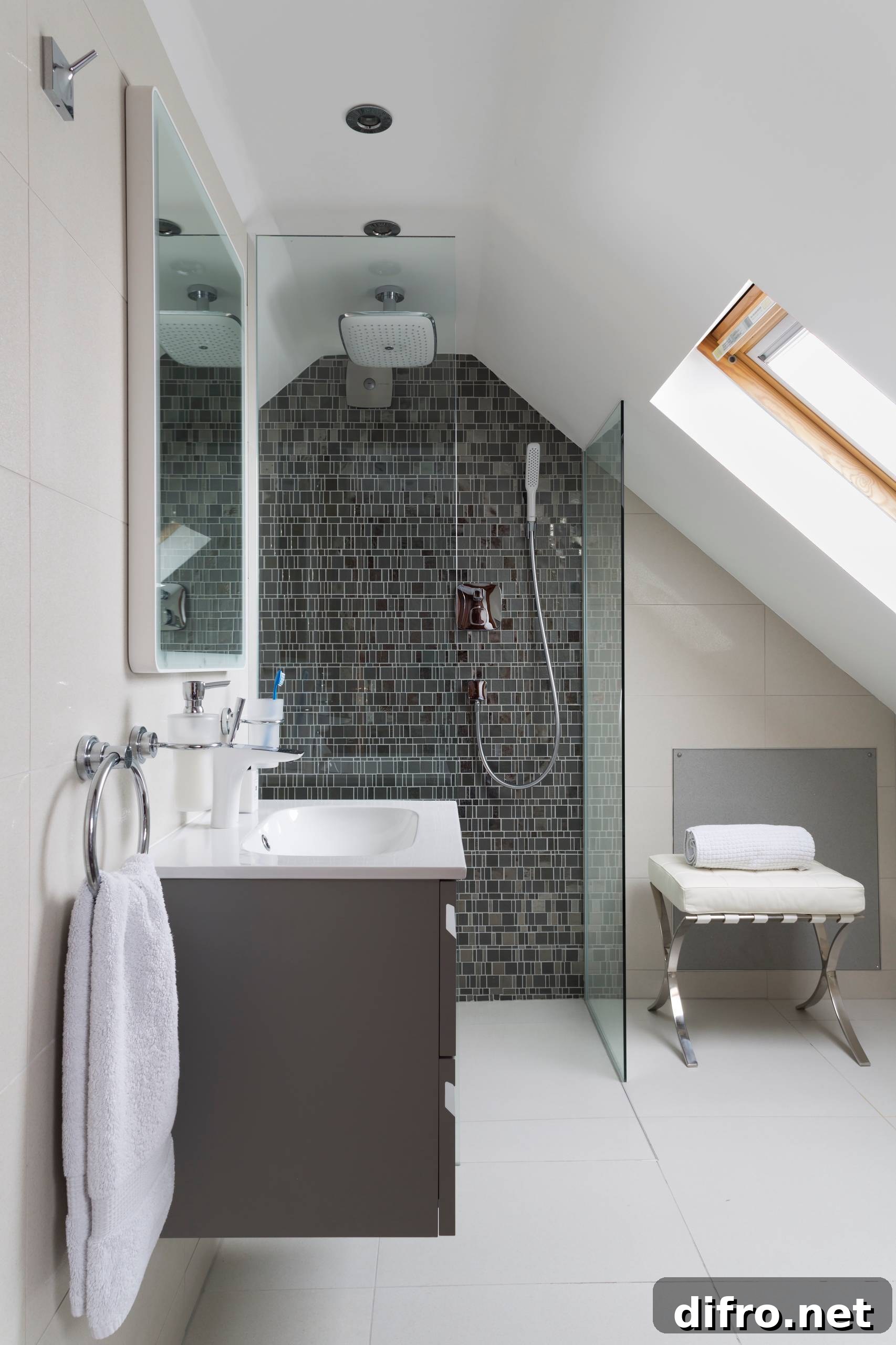
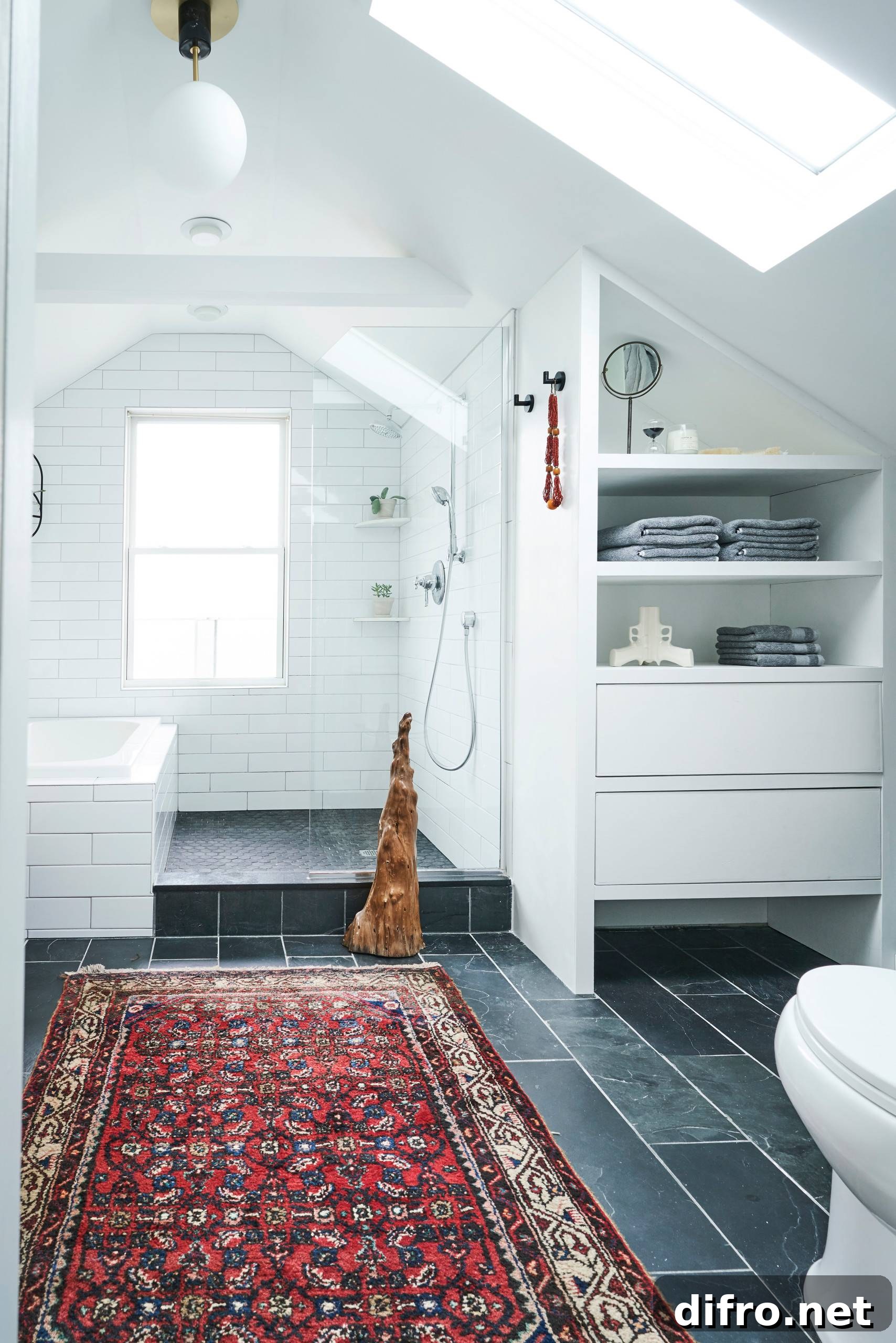
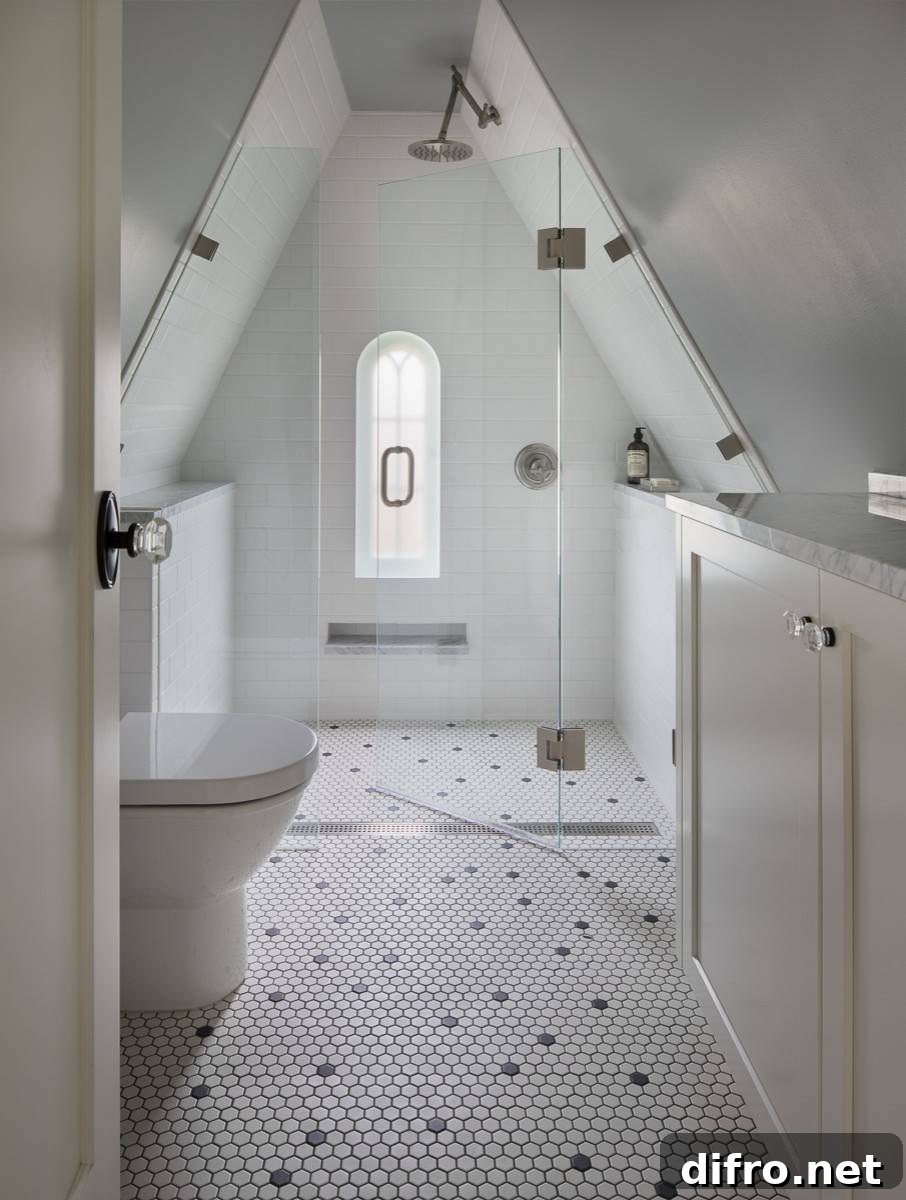
When standard fixtures don’t fit, custom solutions are often the best route. A bespoke walk-in shower can be tailored to the dimensions of your attic, with glass panels and precise tile work that follow the roofline. Glass walls preserve sightlines and create a sense of openness by avoiding visual barriers.
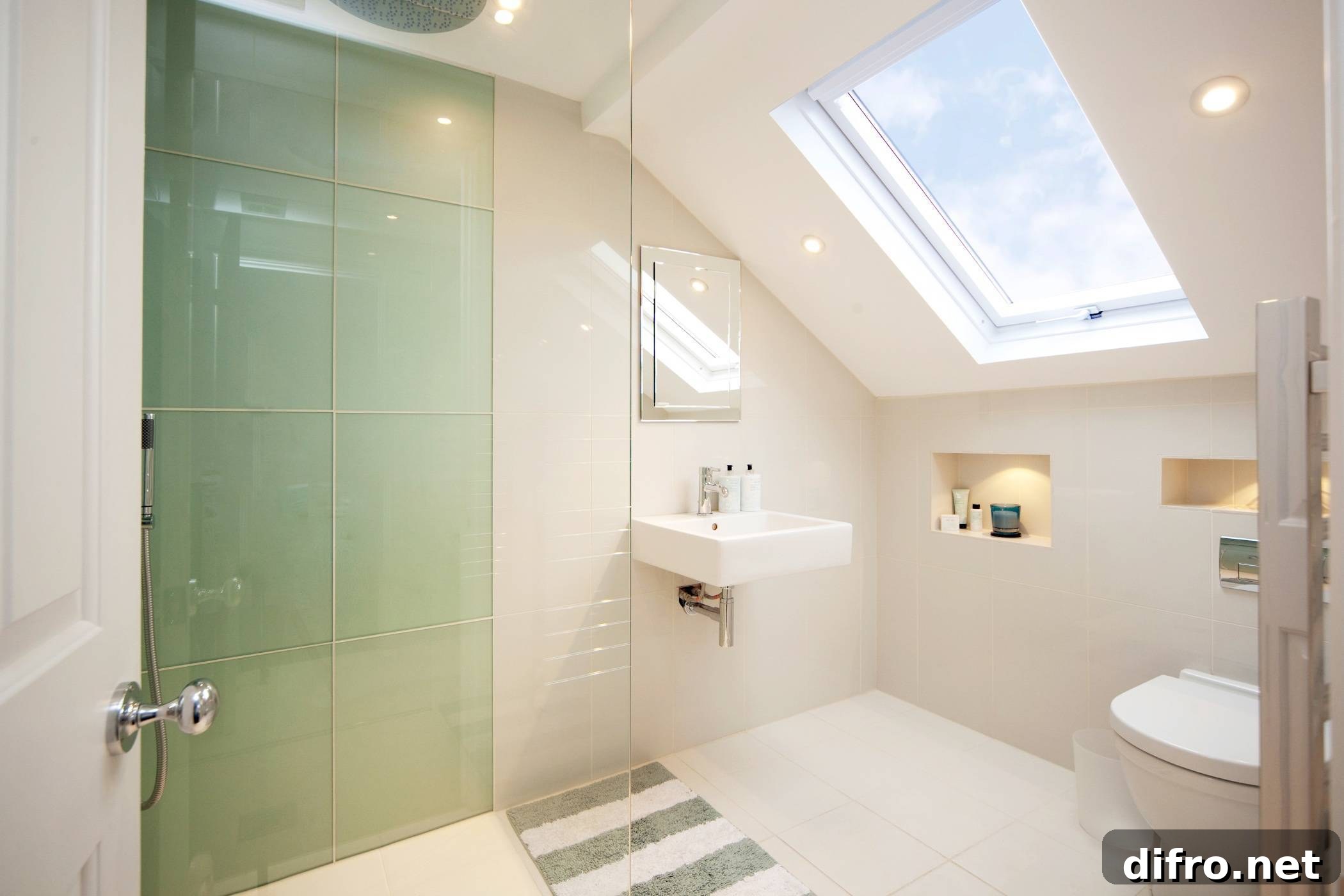
Doorless or partially walled showers are another practical option for tight spaces. They reduce the need for custom-sized doors and can be designed to direct water efficiently to a drain—planning the floor slope and waterproofing in advance is essential for a doorless layout to work well.
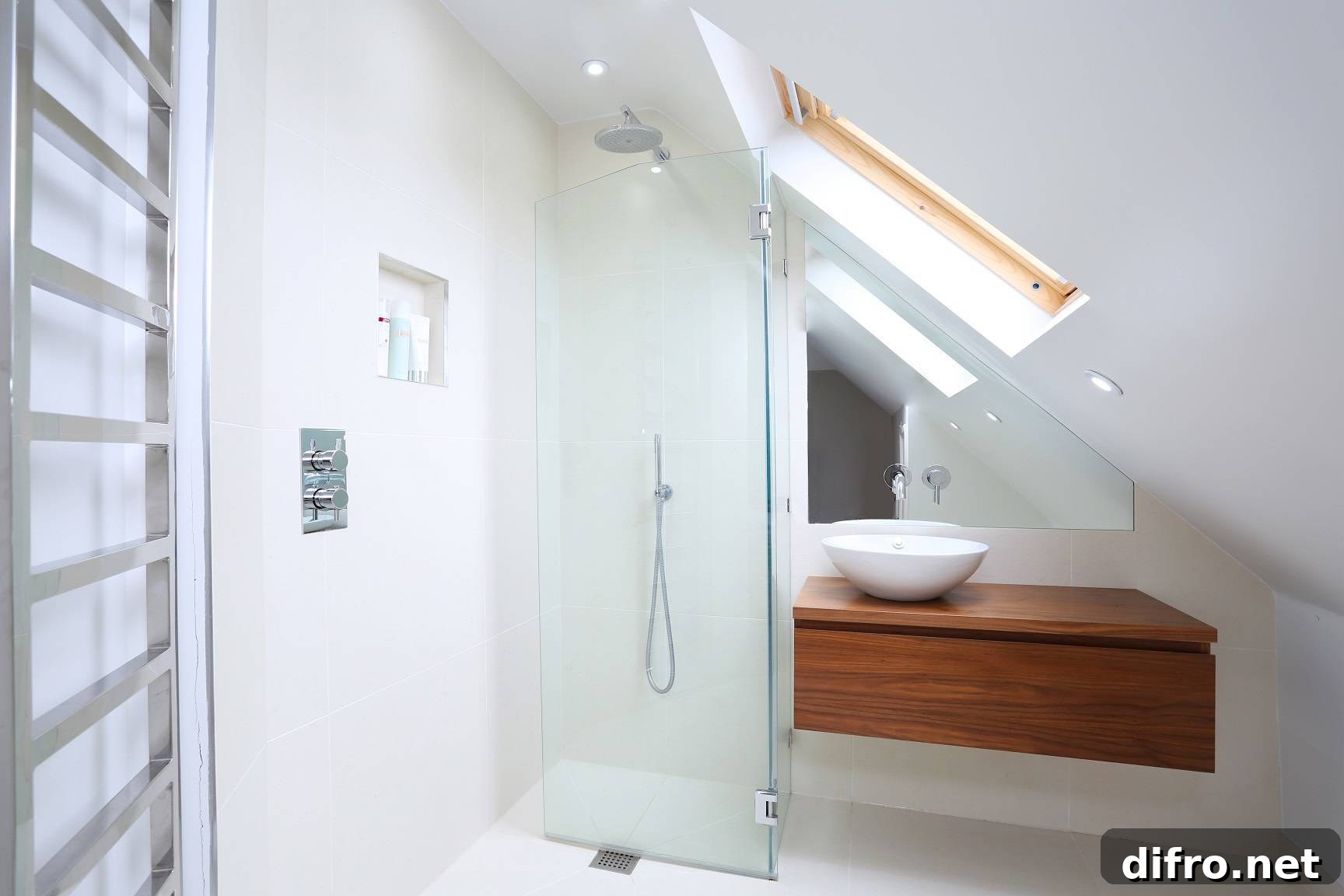
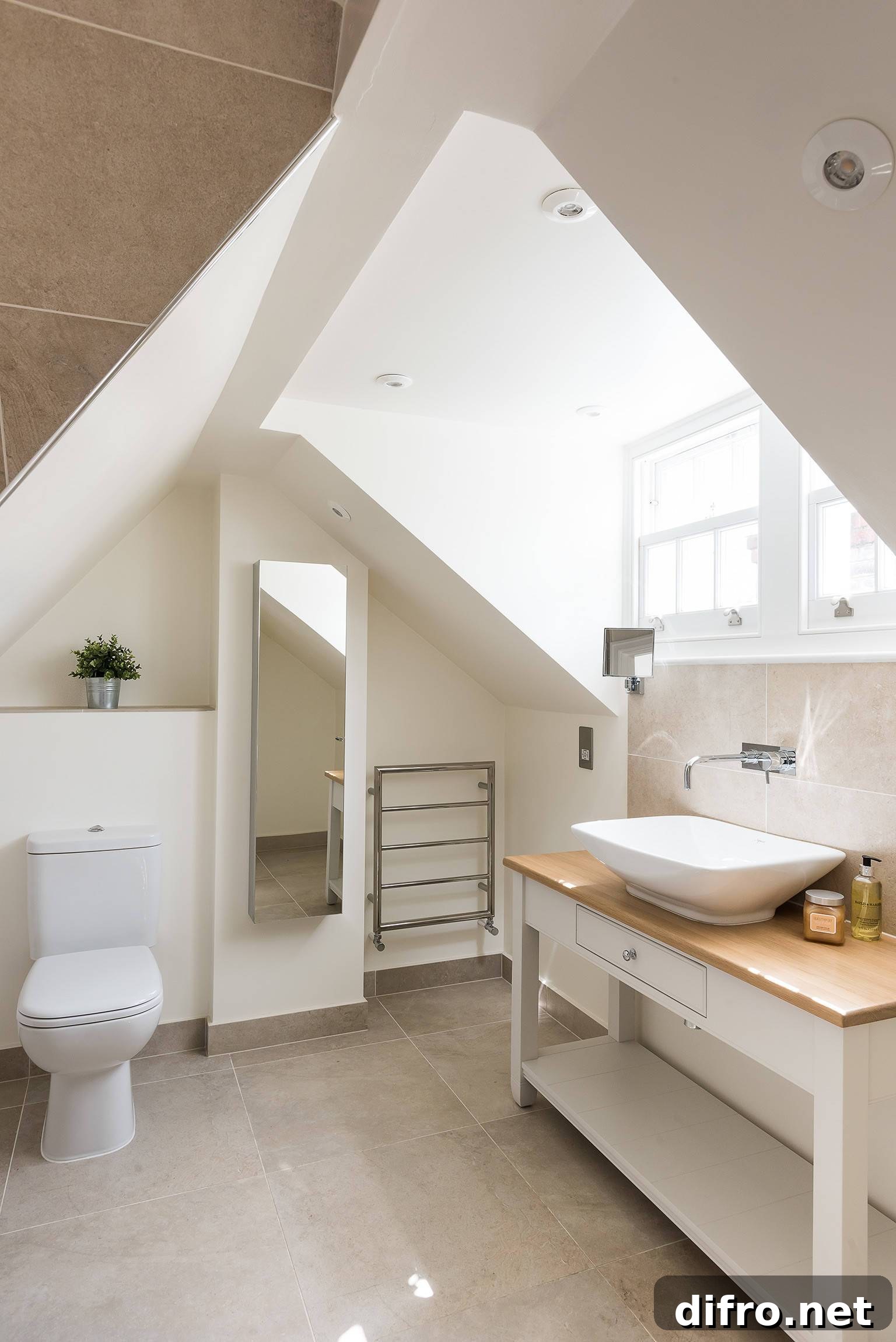
Storage can be a challenge in sloped areas, but it’s also an opportunity for clever built-ins. Use the lowest parts of the slope for recessed cabinets, pull-out drawers, or open shelving tailored to towels and toiletries. Custom cabinetry maximizes usable space and keeps the floor area uncluttered.
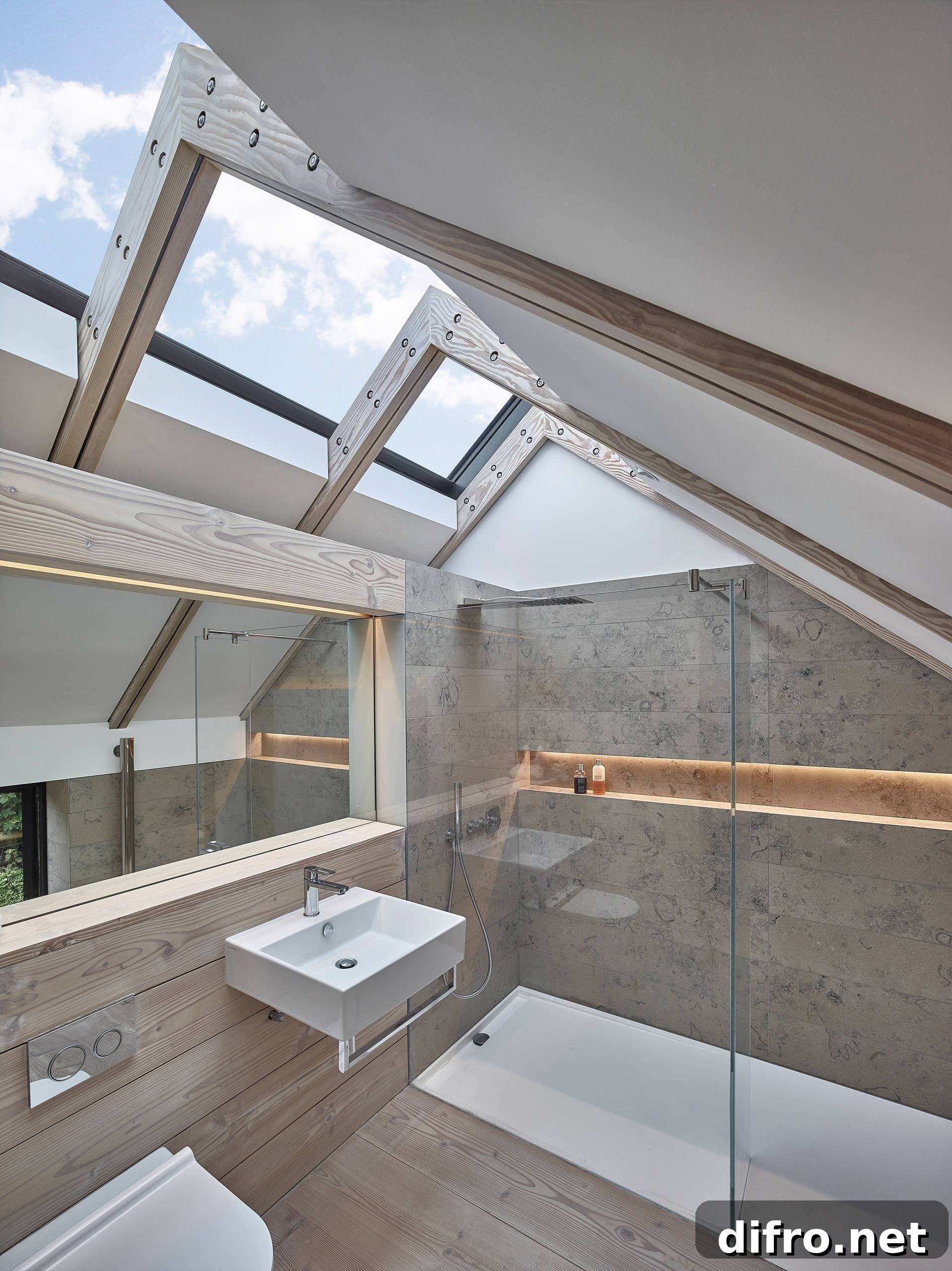
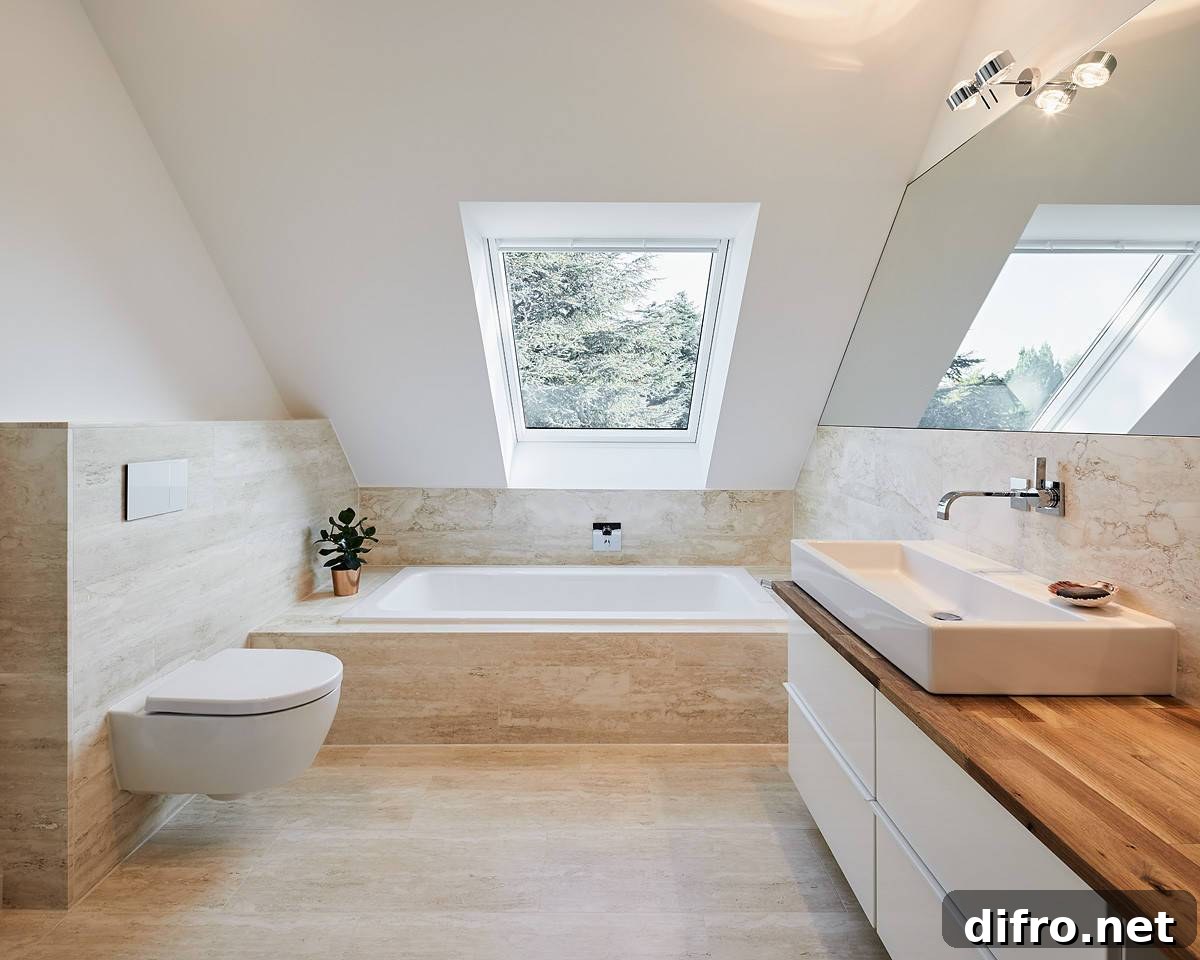
Skylights or sloped windows, when feasible, dramatically improve an attic bathroom by bringing abundant natural light and ventilation. A window over the tub or shower highlights features and creates an airy, spa-like atmosphere. Even a modest skylight can reduce the need for artificial light during the day and make the room feel larger.
Does the extra bathroom add value to your home?
Adding an extra bathroom usually increases a home’s appeal and can boost resale value. In many markets, an additional bathroom can increase property value by roughly 10% to 20%, depending on location, the quality of the renovation, and how well the new space integrates with the rest of the home.
Costs vary widely. A simple powder room without a shower is typically the most affordable option, with ballpark estimates from $5,000 to $10,000 or more depending on finishes and plumbing complexity. A full bathroom renovation will be more expensive; the original article cited an average figure of around $47,000, which can rise significantly with high-end fixtures, custom cabinetry, or complex plumbing runs.
Popular upgrades that increase both comfort and value include double sinks, a tub-and-shower combination, high-quality tiles, and efficient ventilation. When planning an attic bathroom, factor in potential structural work, plumbing access, insulation, and ventilation—these elements help ensure the space remains comfortable and durable.
With careful planning and the right design choices, an attic bathroom can become a peaceful, spa-like retreat that makes excellent use of otherwise wasted space. Prioritize light, tailored fixtures, smart storage, and ventilation to create a comfortable, stylish bathroom that enhances daily life and adds measurable value to your home.