
Selling a home is a major life event, and doing it well can save time and increase your return. Avoiding common mistakes helps your property show better, attract more buyers, and close more smoothly. Below are six key pitfalls sellers often make—and practical steps to avoid them.
1. Not staging your home
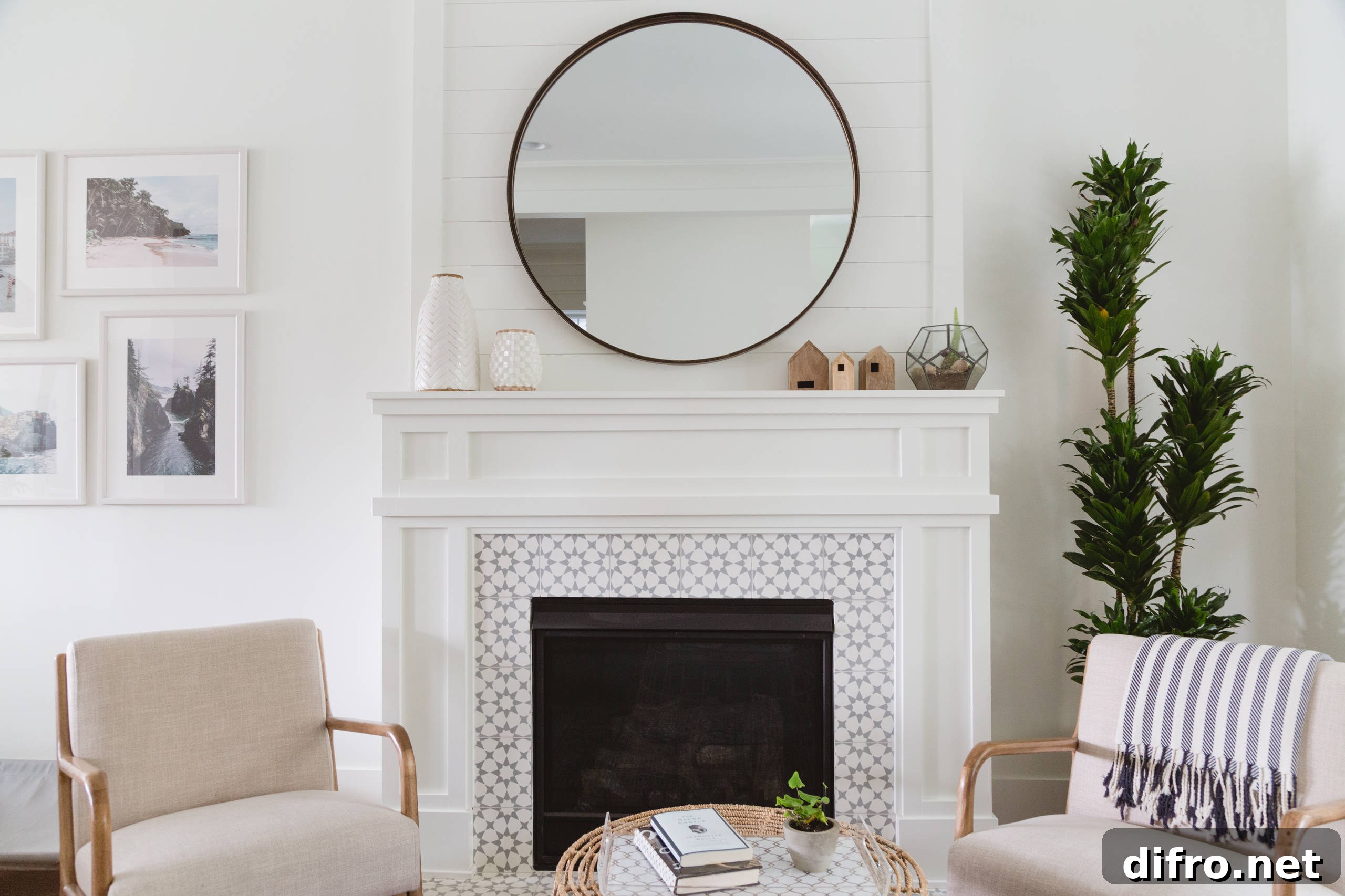
Staging makes a strong first impression and helps buyers visualize living in the space. A clean, well-lit, and decluttered home photographs better and usually sells faster and for more money. Start by removing personal photos, excessive knick‑knacks, and stacks of paperwork so visitors can imagine the property as their own. Clear counters, organize closets, and tuck away laundry, children’s toys, and pet items.
Small staging touches go a long way: use neutral textiles and artwork, open curtains to maximize natural light, and arrange furniture to highlight each room’s purpose and flow. If you’re unsure where to begin, consider hiring a professional stager or asking your agent for staging recommendations—this is often a cost‑effective investment when weighed against a stronger sale price.


2. Ignoring minor repairs
Buyers notice small flaws and often use them to justify lower offers. Fixing easy, low‑cost issues—like leaky faucets, cracked tiles, scuffed paint, loose cabinet handles, burned‑out light bulbs, and squeaky doors—reduces friction during negotiations and improves perceived value. If DIY isn’t an option, hire a handyman to take care of routine repairs before listing.
Addressing visible maintenance now can prevent costly renegotiations after inspection and makes your listing photos and showings look polished and move‑in ready.

3. Neglecting curb appeal
The exterior is the first thing buyers see—don’t underestimate its impact. Simple, affordable steps can dramatically improve curb appeal: mow and edge the lawn, trim overgrown branches, remove debris, refresh mulch, clean gutters, and power‑wash siding or walkways. A new or freshly painted front door, a clean welcome mat, and a well‑placed potted plant can make the entrance feel inviting.
Good landscaping and a tidy exterior set your home apart in listings and in-person tours, and they help justify your asking price to prospective buyers.


4. Pricing the home unrealistically
Setting the right price is crucial. Overpricing can leave your listing stagnant and deter motivated buyers, while underpricing may cost you thousands. Use a comparative market analysis (CMA) to evaluate similar homes recently sold in your neighborhood and account for differences in condition, updates, lot size, and amenities.
Work with a knowledgeable real estate agent or appraiser to set a data‑driven price that reflects current market conditions. Consider timing, demand, and your own need for a quick sale. If you want to attract more showings quickly, a competitive price combined with excellent presentation often yields stronger offers.

5. Overlooking contingencies in offers
When offers arrive, don’t focus solely on the headline price. Review contingencies carefully—these are conditions that must be satisfied before the sale closes and they affect the transaction’s timeline and certainty. Common contingencies include financing, appraisal, inspection, and the buyer’s need to sell their current home.
An offer with a slightly lower price but fewer contingencies or a buyer who is preapproved for a mortgage may be more reliable than a higher offer loaded with strings. Discuss each offer with your agent, weigh the risks and timelines, and factor in repair requests or credits that could affect your net proceeds.
6. Allowing lingering odors
Unpleasant smells can turn buyers away faster than most visual issues. If your home has odors from pets, smoking, cooking, or mildew, address the source: clean carpets and upholstery, steam or replace rugs, wash walls and ceilings if needed, and have HVAC ducts cleaned. Professional deep cleaning and odor removal services can be worthwhile for stubborn smells.
Avoid masking odors with heavy air fresheners—buyers can detect them and may worry about what’s being concealed. Instead, aim for a neutral, fresh scent by airing out the house before showings and maintaining cleanliness throughout the listing period.


In summary, successful home selling combines careful presentation, reasonable pricing, timely repairs, and attention to details like curb appeal and odors. Take the time to prepare your property, consult professionals when needed, and review offers thoroughly so you can sell confidently and for the best possible outcome.