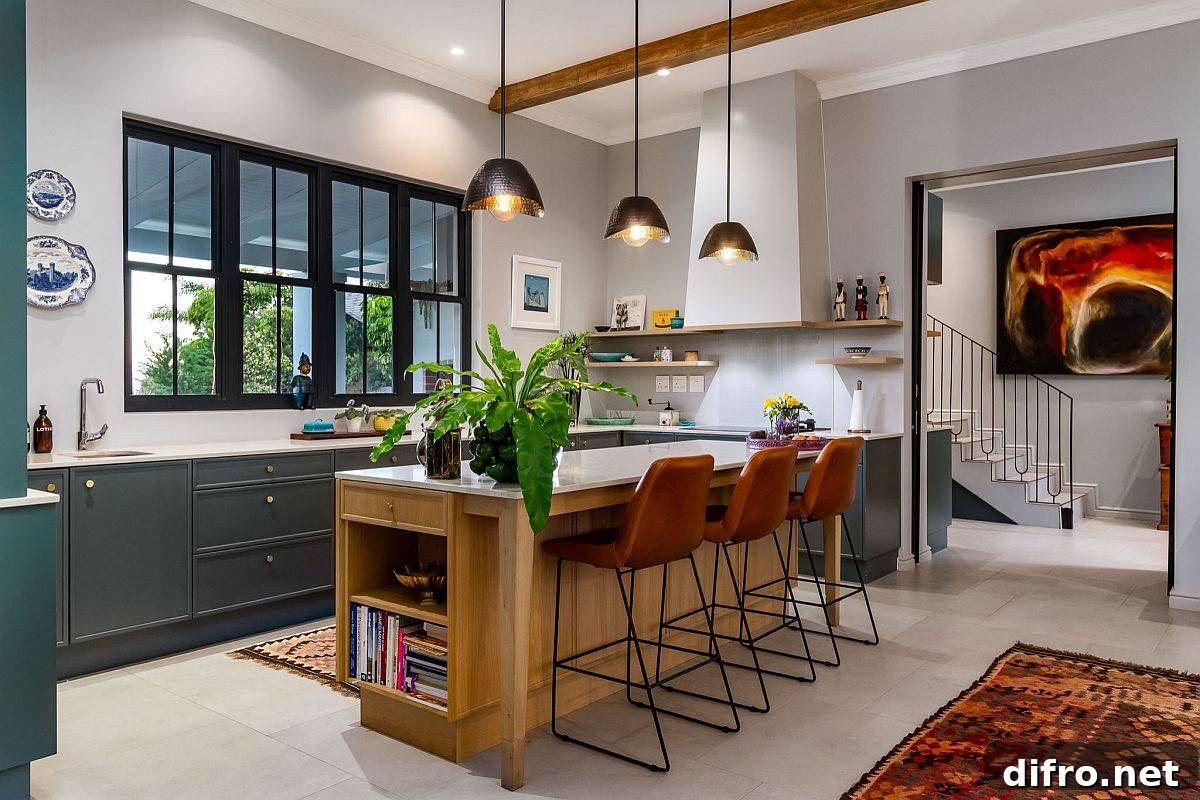
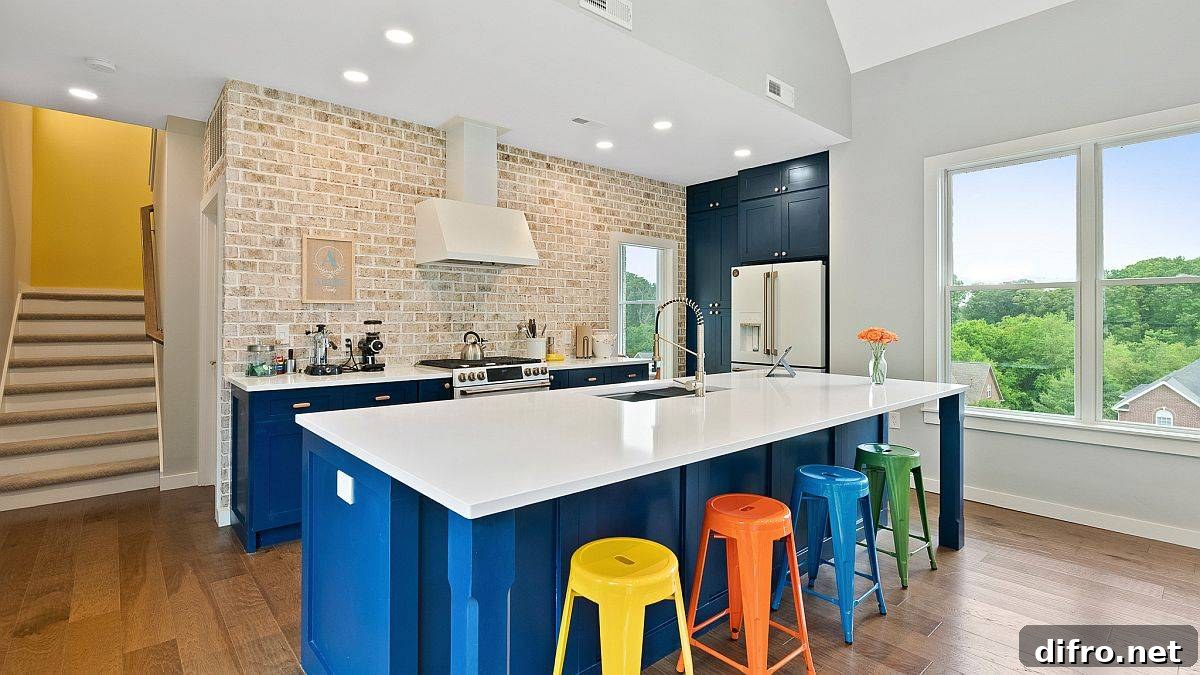
Any casual observer of home design trends will have noticed a clear shift in kitchen layouts over the past year. As homeowners reevaluate how they live and use their spaces, many are trimming away the unnecessary and focusing on cleaner, more functional interiors. The global pandemic accelerated this change, prompting people to prioritize organization and purpose in every room, especially the kitchen. One of the most visible outcomes of this rethink is the growing move away from traditional upper cabinets. By removing them, kitchens—both large and small—feel airier and more intentional.
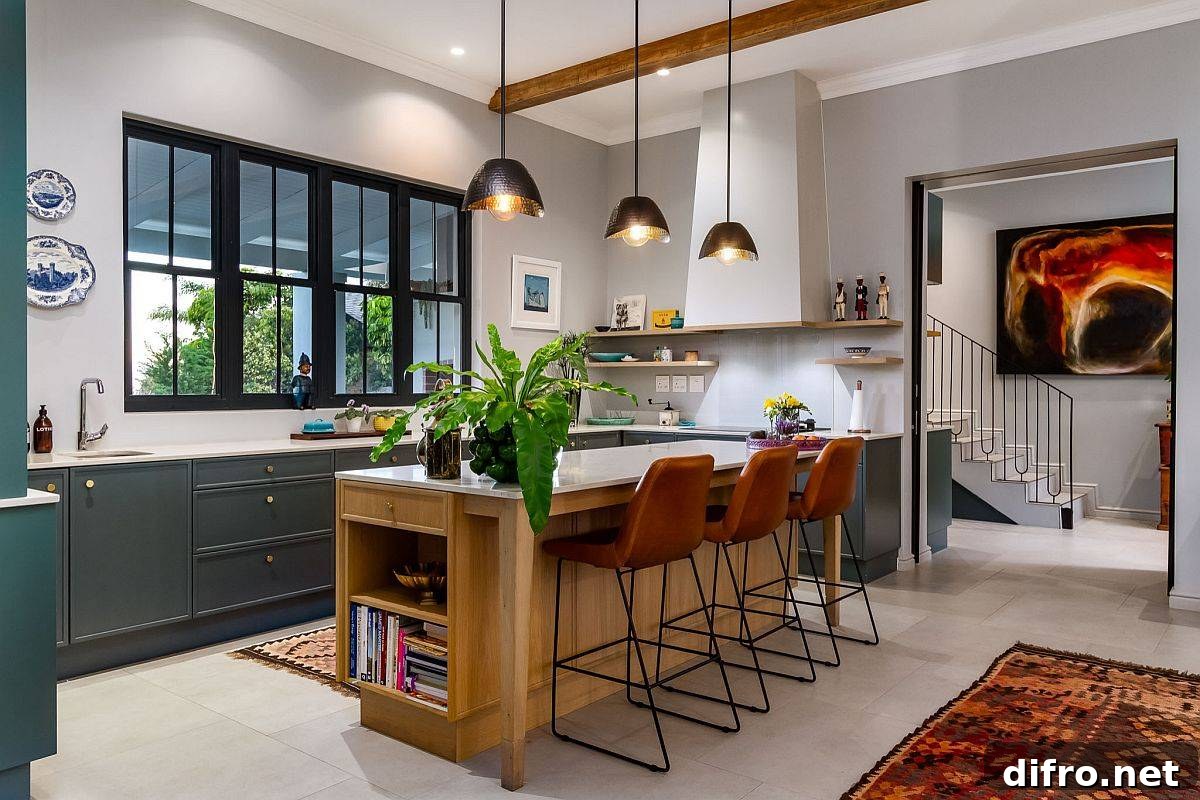
Many of the recent kitchen images you’ve seen show backsplashes, windows or floating shelves where upper cabinets once stood. If you’re considering this look as you refresh your kitchen heading into spring, there are important functional choices to make before you remove cabinetry. Below is a practical, easy-to-follow guide for removing upper cabinets while maintaining storage, improving organization and keeping your kitchen beautiful and efficient.
Get Those Open Shelves
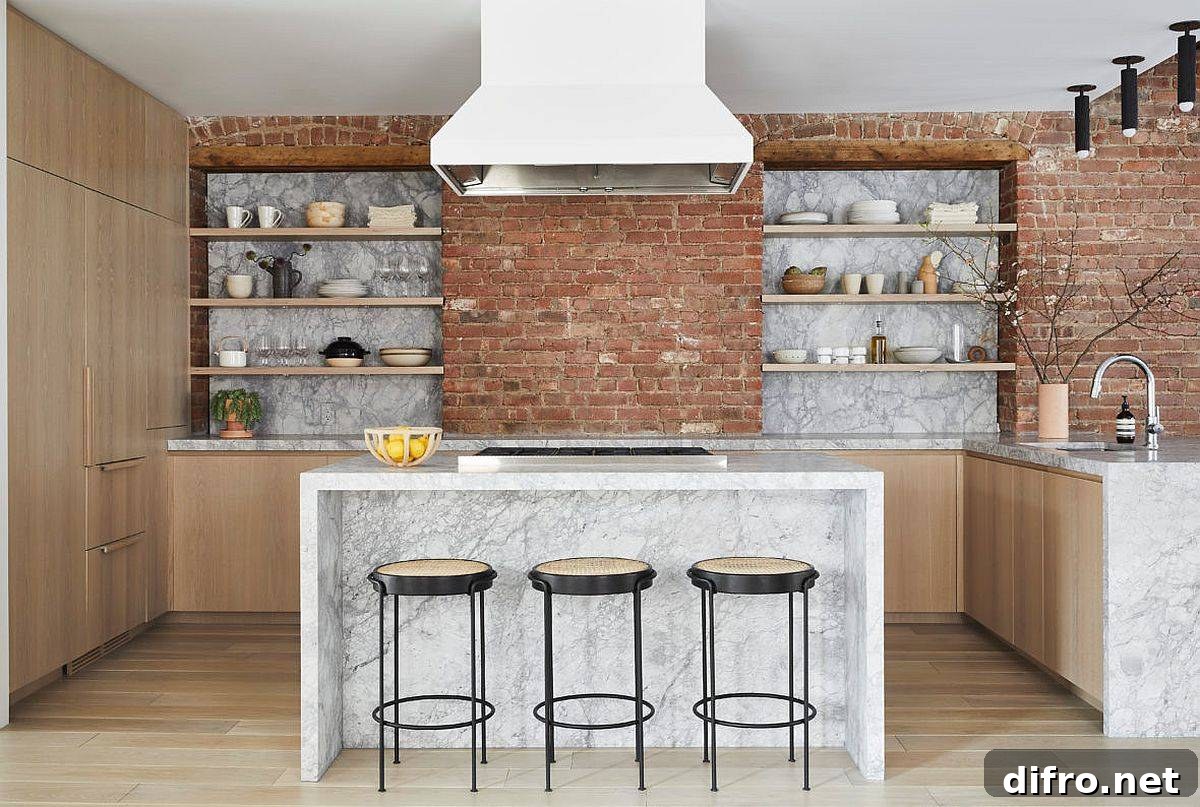
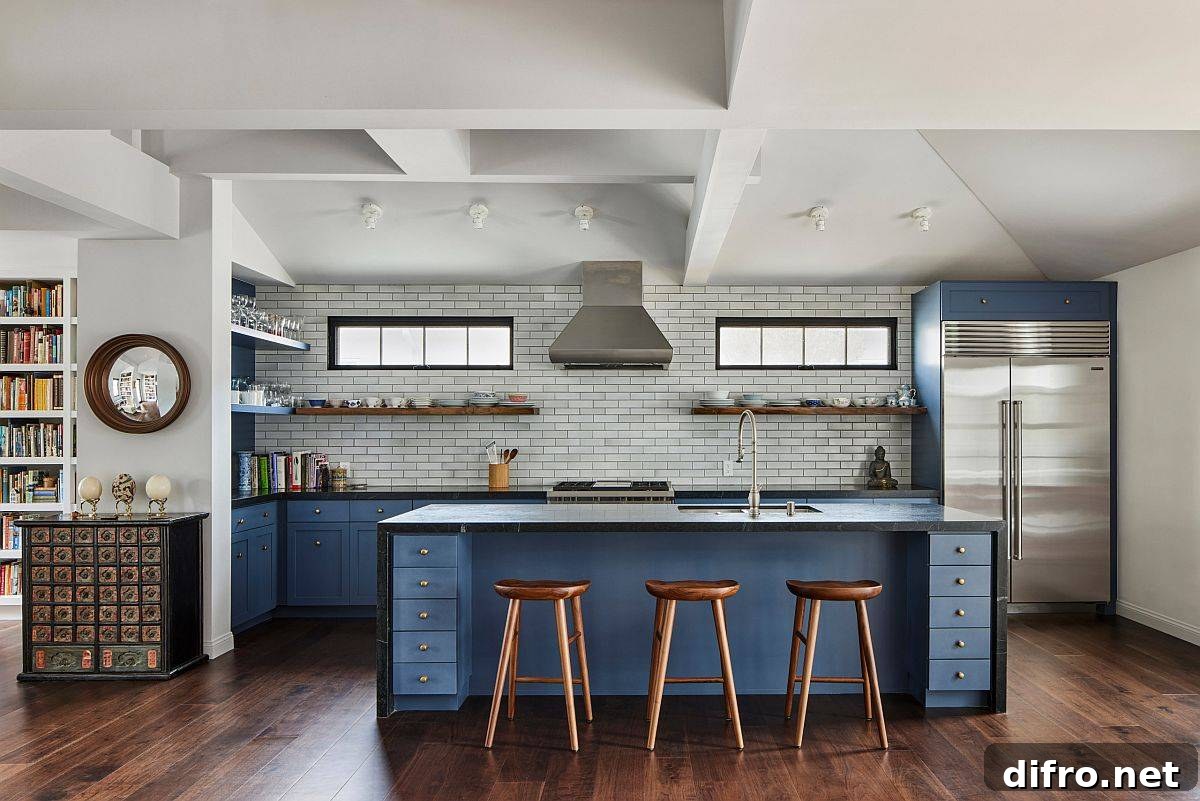
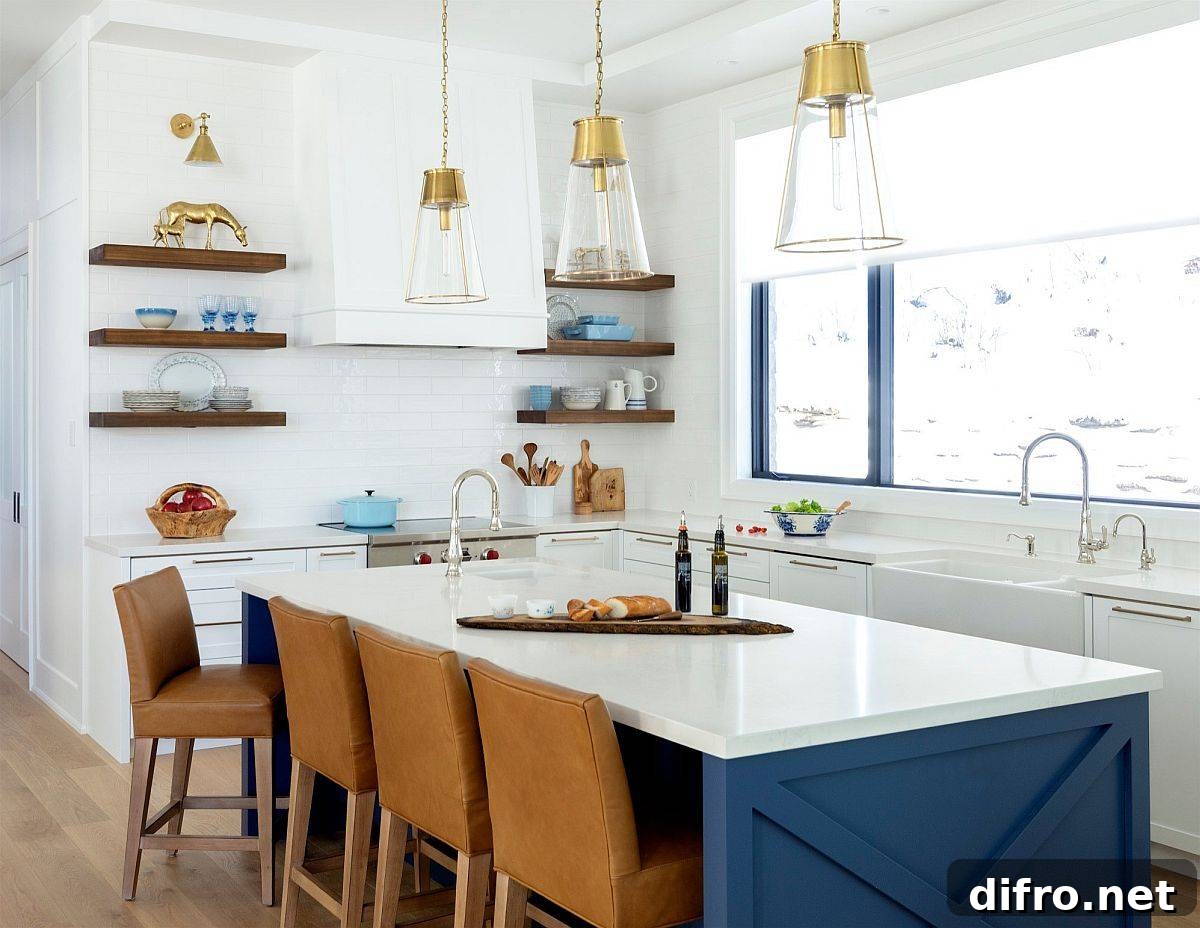
One of the simplest replacements for upper cabinets is the open, floating shelf. Open shelving preserves much of the storage you rely on while creating a lighter, more decorative backdrop for your kitchen. Floating shelves are ideal for staging everyday dishes, cups and cookware you use regularly, and they encourage a curated, minimalist approach—keeping only what you need within arm’s reach. Wood and mixed-material shelves remain a popular choice for kitchens wanting warmth and texture.
Avoid Attachment!
Letting go of unused items is one of the most practical steps you can take before removing upper cabinets. If a pot, pan or gadget hasn’t been used in a year and you don’t foresee needing it soon, consider donating, selling or recycling it. Reducing kitchen clutter reduces the need for extra storage and helps you design a layout that serves your daily routine rather than storing seldom-used items. This intentional editing makes open shelving and minimalist counters much easier to maintain.
Make Space for a Pantry
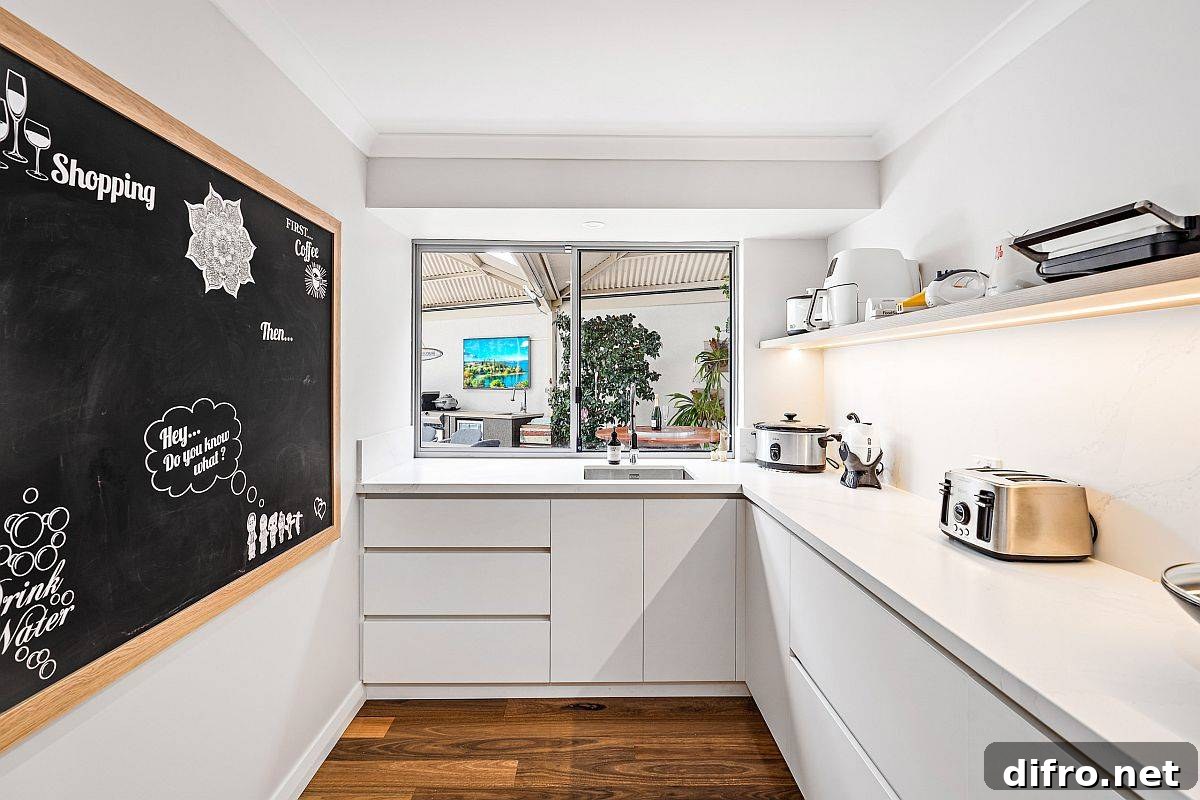
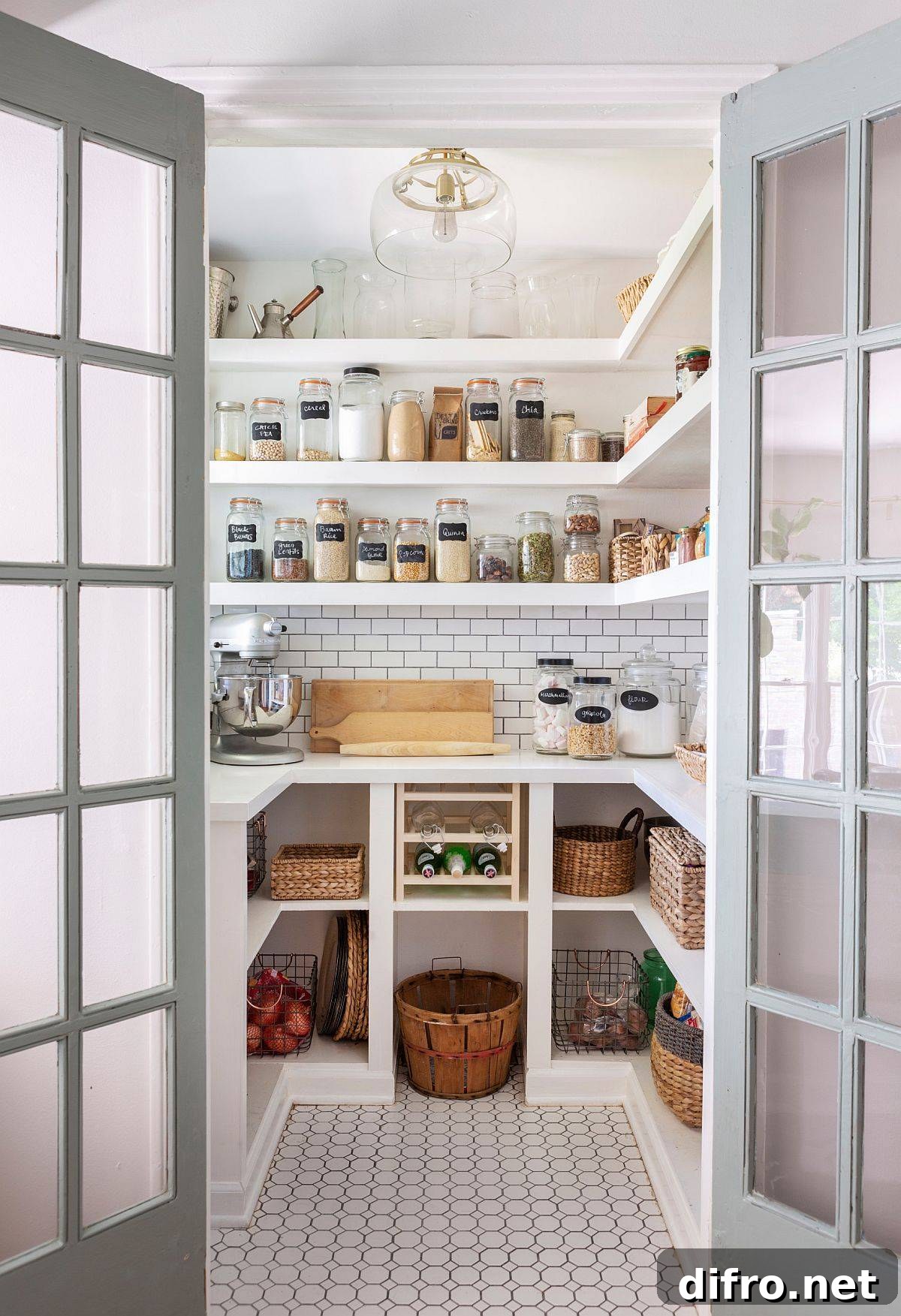
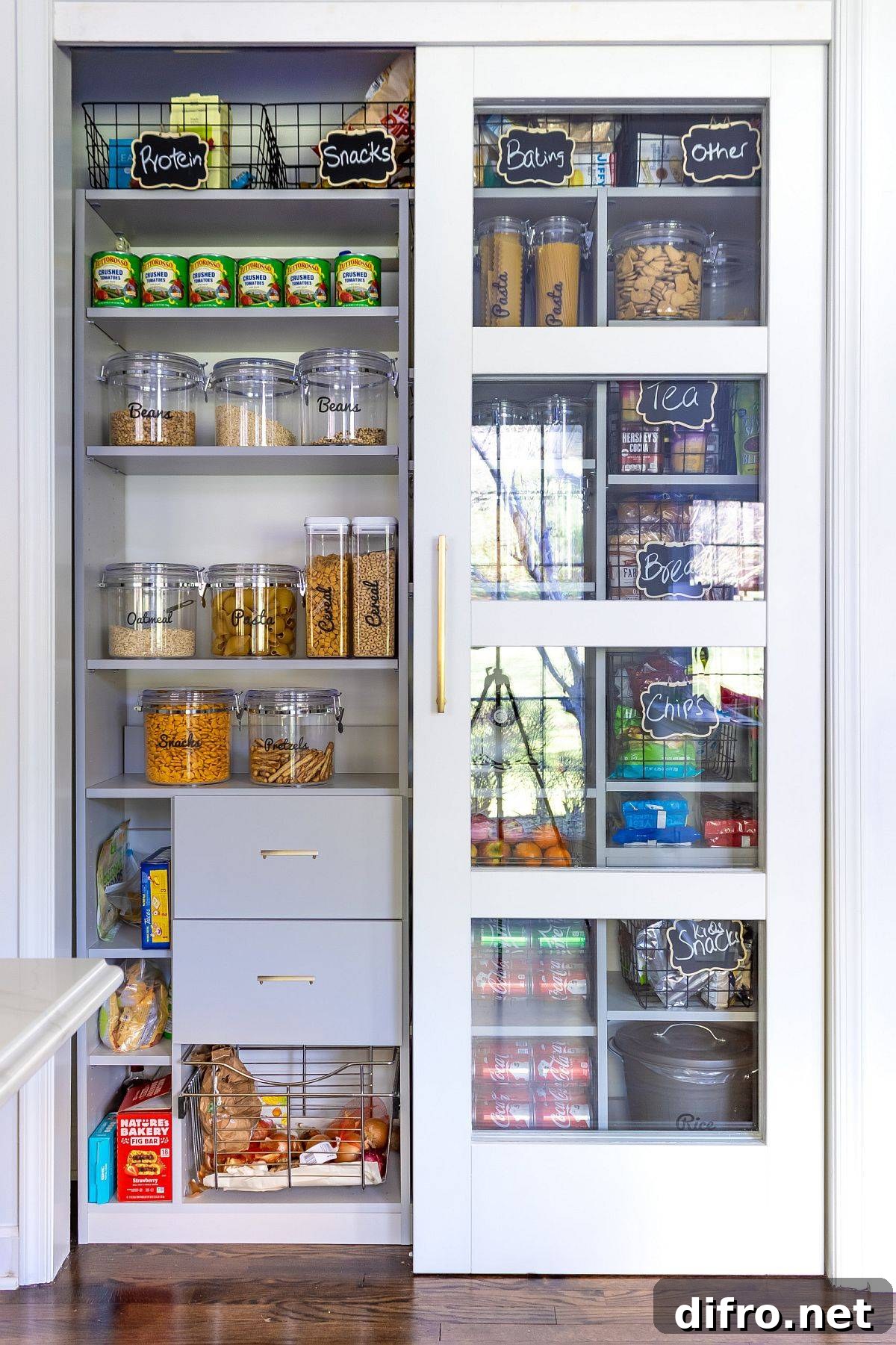
If you want to reduce upper cabinet storage without losing capacity, a well-planned pantry is an excellent solution. A pantry consolidates bulk goods, small appliances and rarely used items, letting you keep only daily essentials near the stove and sink. Pantries can be tailored to any kitchen size—a tall, narrow cupboard, pull-out shelving, or a nearby closet can all serve as effective replacements for upper cabinets. Smart pantry design is a key strategy for maintaining storage while achieving a cleaner visual aesthetic.
Sort and Organize
Removing upper cabinets transforms the look of your kitchen, but maintaining order becomes more important than ever. Take time to inventory what you use daily and what can move to the pantry or another storage area. Group items by function—baking, everyday dishes, spices—and use clear containers, labels and drawer organizers to keep frequently used pieces accessible and visible. Open shelving rewards thoughtful curation; a tidy, intentional display looks better and is far easier to keep clean.
Move Cabinets Somewhere Else
If you still need closed storage, consider relocating cabinets instead of keeping them above the counter. Base cabinets, an extended kitchen island, or a tucked-away corner can offer substantial capacity without crowding the room visually. A well-designed island with cupboards or drawers provides generous storage while acting as a focal point for prep work and socializing. Likewise, under-counter pull-outs and deep drawers can store heavy cookware more ergonomically than high upper cabinets.
Enjoy the Many Benefits
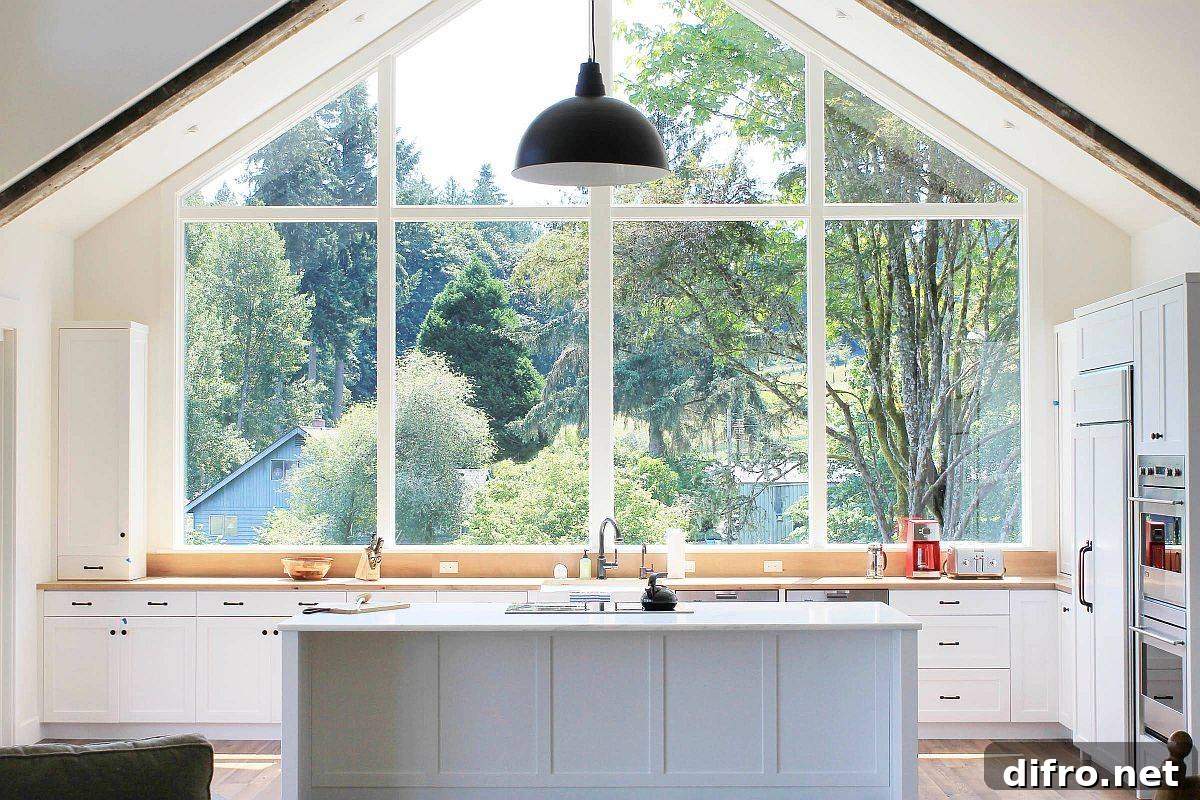
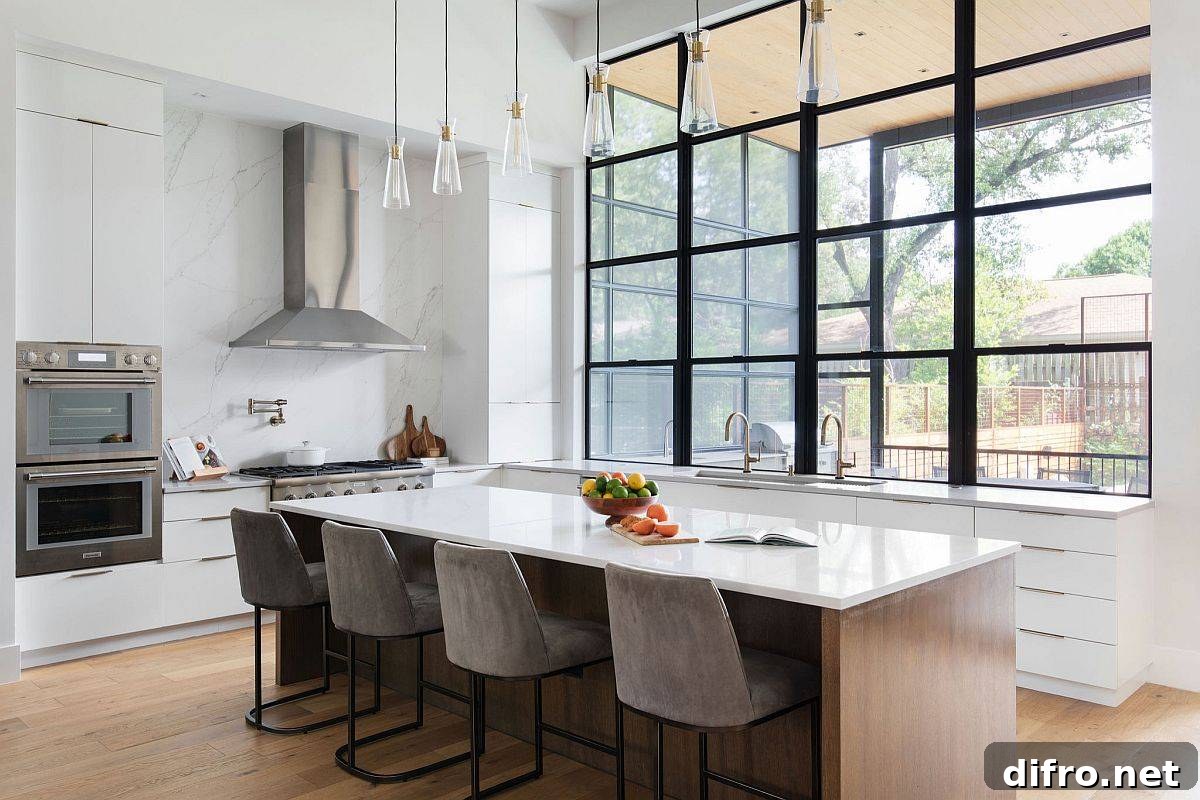
Once you remove or reduce upper cabinets, your kitchen can gain several advantages beyond aesthetics. Open space above the counters allows for extended backsplashes that become a striking design feature, large windows that bring in natural light, or slim floating shelves that showcase curated pieces. Visually, the room feels taller and more spacious. Functionally, targeted storage solutions—pantries, islands and well-organized lower cabinets—can make daily tasks easier and more enjoyable.
Removing upper cabinets is not simply a trend; it’s a design choice that encourages clearer thinking about what you need and how your kitchen should function. With careful planning—adding open shelving, building a smart pantry, relocating closed storage, and thoughtfully editing possessions—you can create a kitchen that feels modern, spacious and tailored to the way you live.