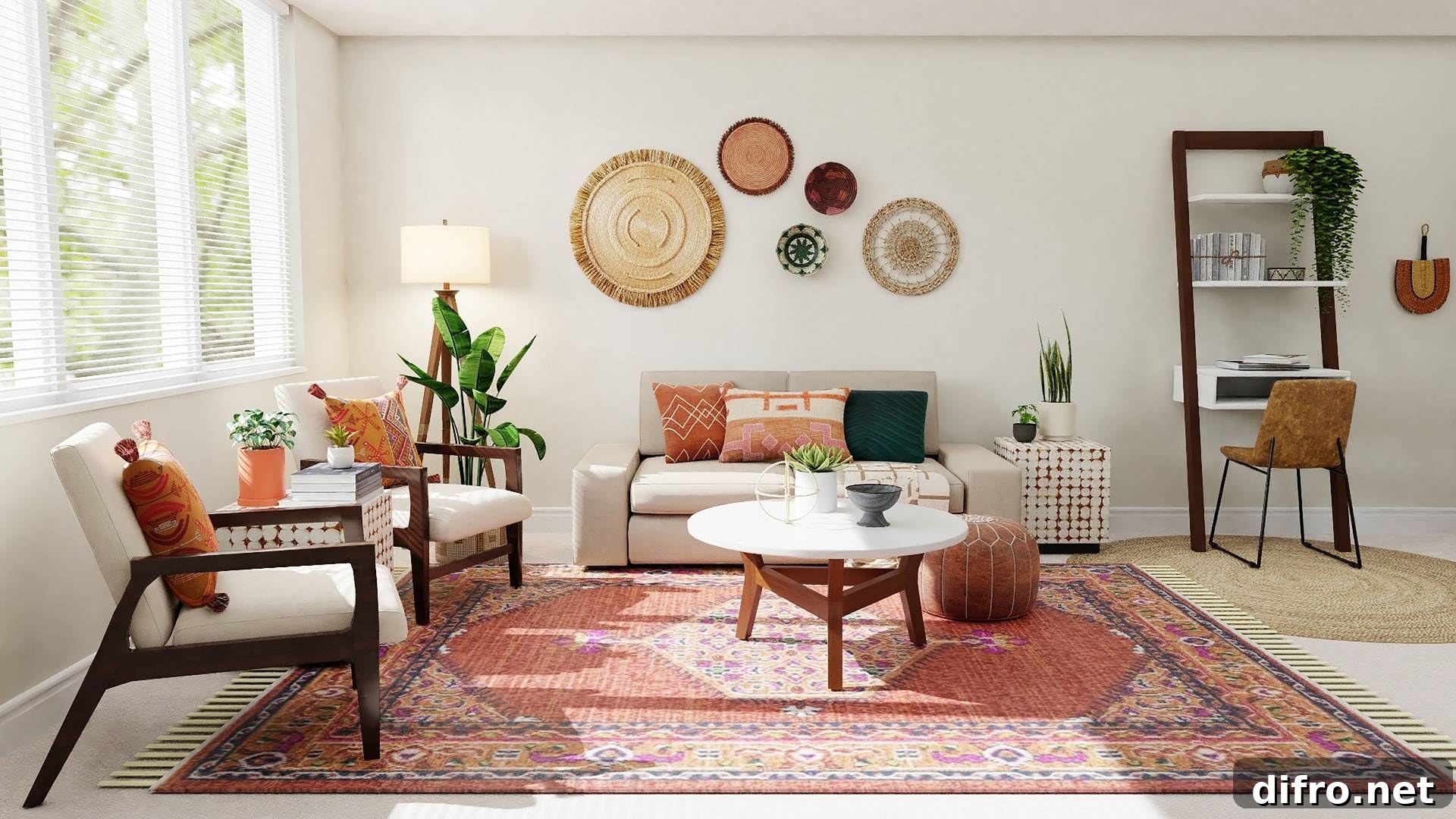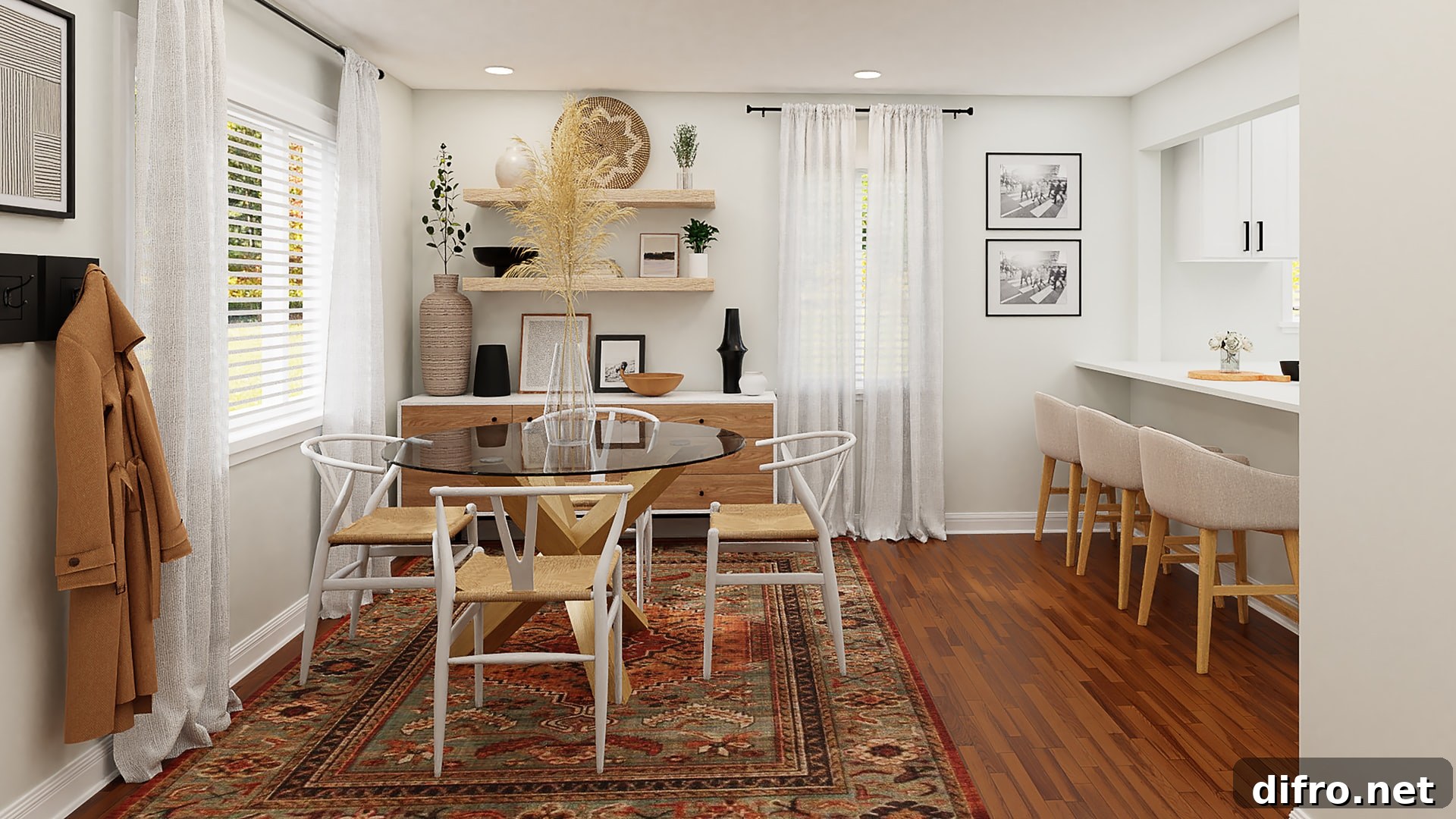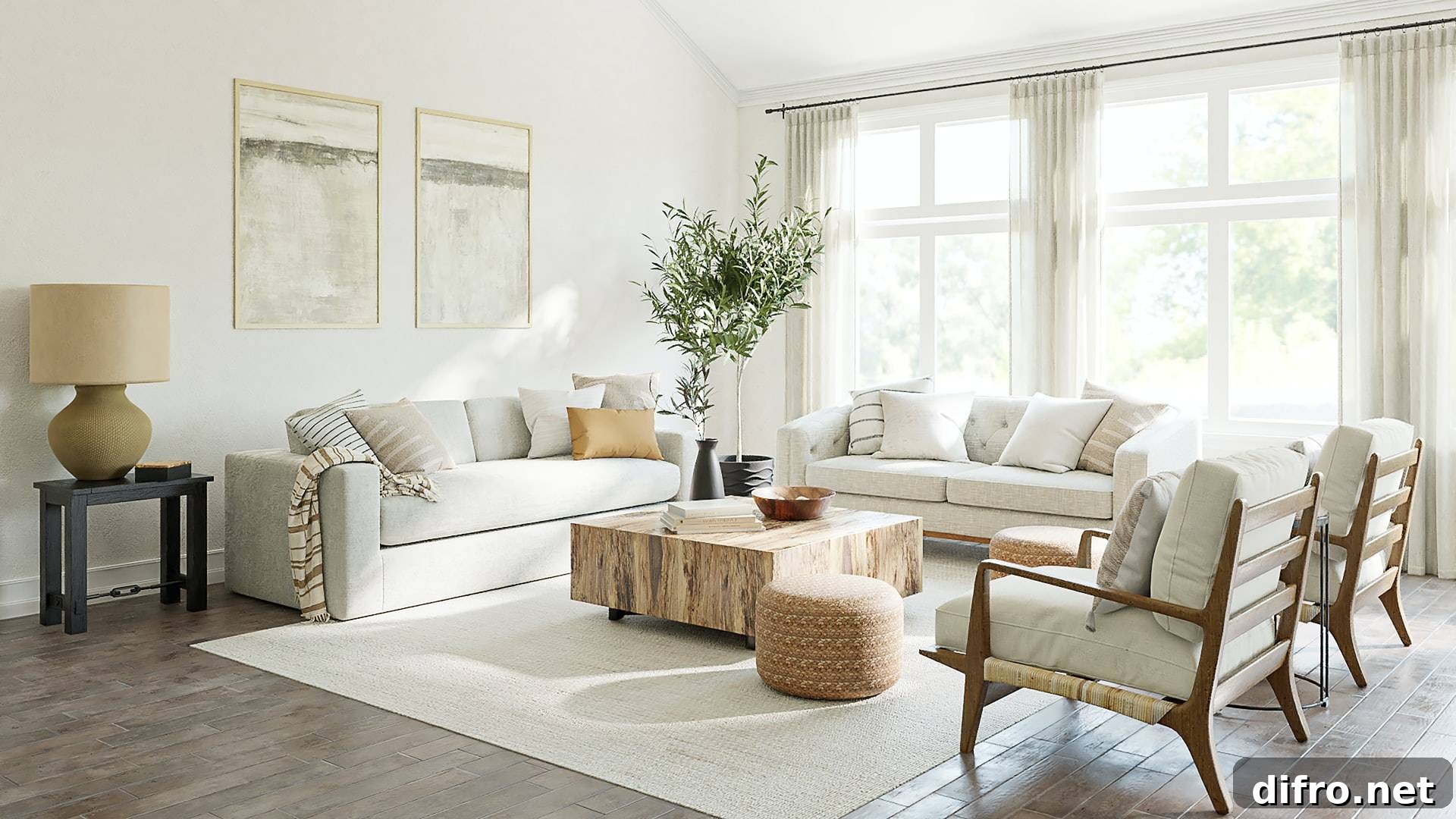
Designing your dream home takes more thought than browsing pictures and picking furniture. The process can feel exciting at first, but it’s easy to become overwhelmed and overlook practical details. Small mistakes—choosing the wrong materials, neglecting scale, or missing a clear purpose—can undermine both the look and the everyday usability of a room. Use these essential design steps to approach your room like a pro and avoid common pitfalls.
Consider your needs
Good design balances beauty with practicality. Your rooms should reflect your personal taste but must also suit the way you live. Consider who uses the room, how often, and what activities take place there. A fabric that looks elegant can quickly become a burden if you have children or pets; in those cases, choose durable, easy-to-clean materials and finishes.
Comfort and functionality matter as much as style. A sleek sofa may look perfect in photos but could be uncomfortable for daily use. Test seating for comfort, and think about how often you’ll need to maintain or replace pieces. Prioritizing materials and furnishings that match your lifestyle will keep the space attractive and practical for years.
Purpose
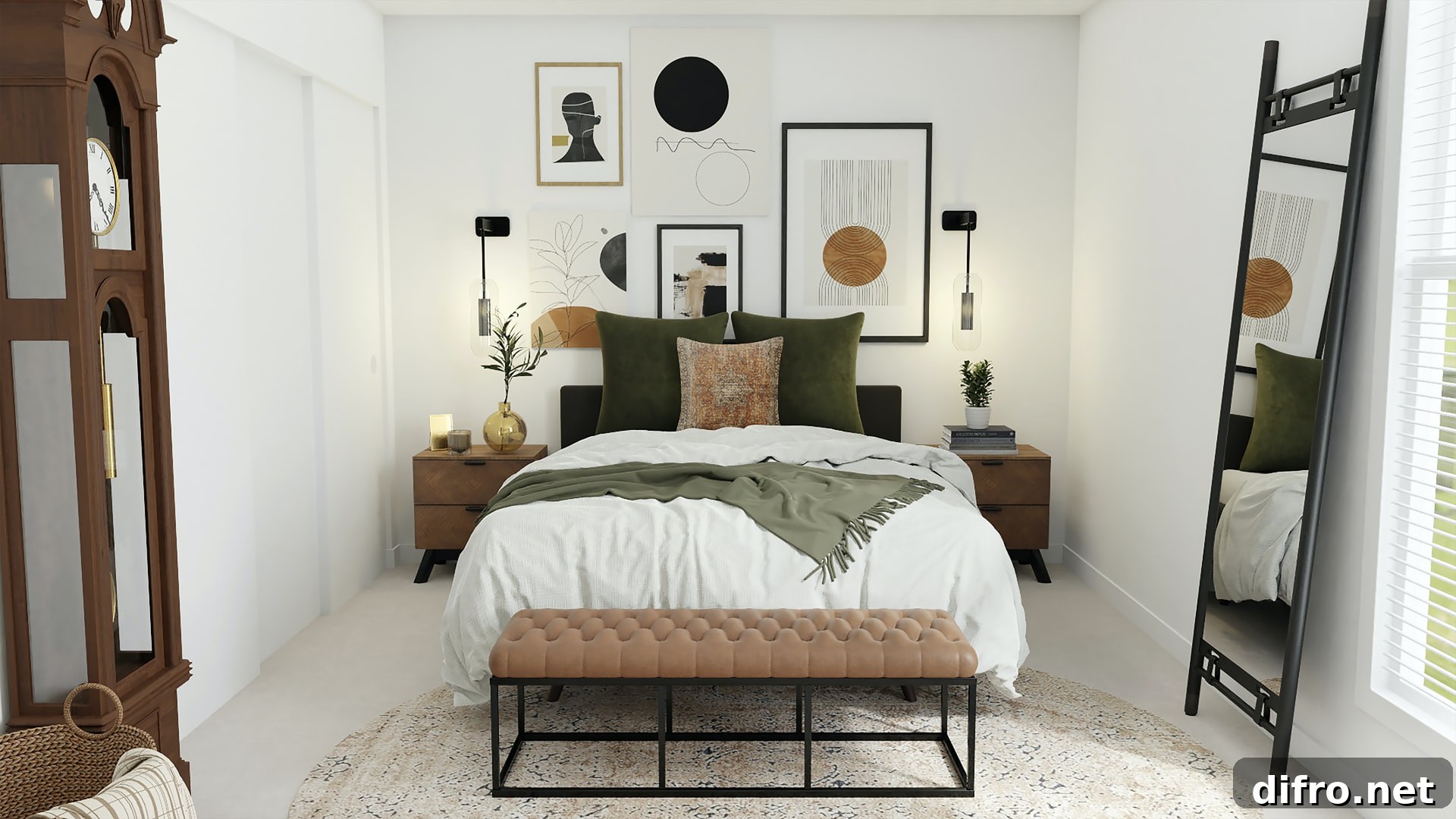
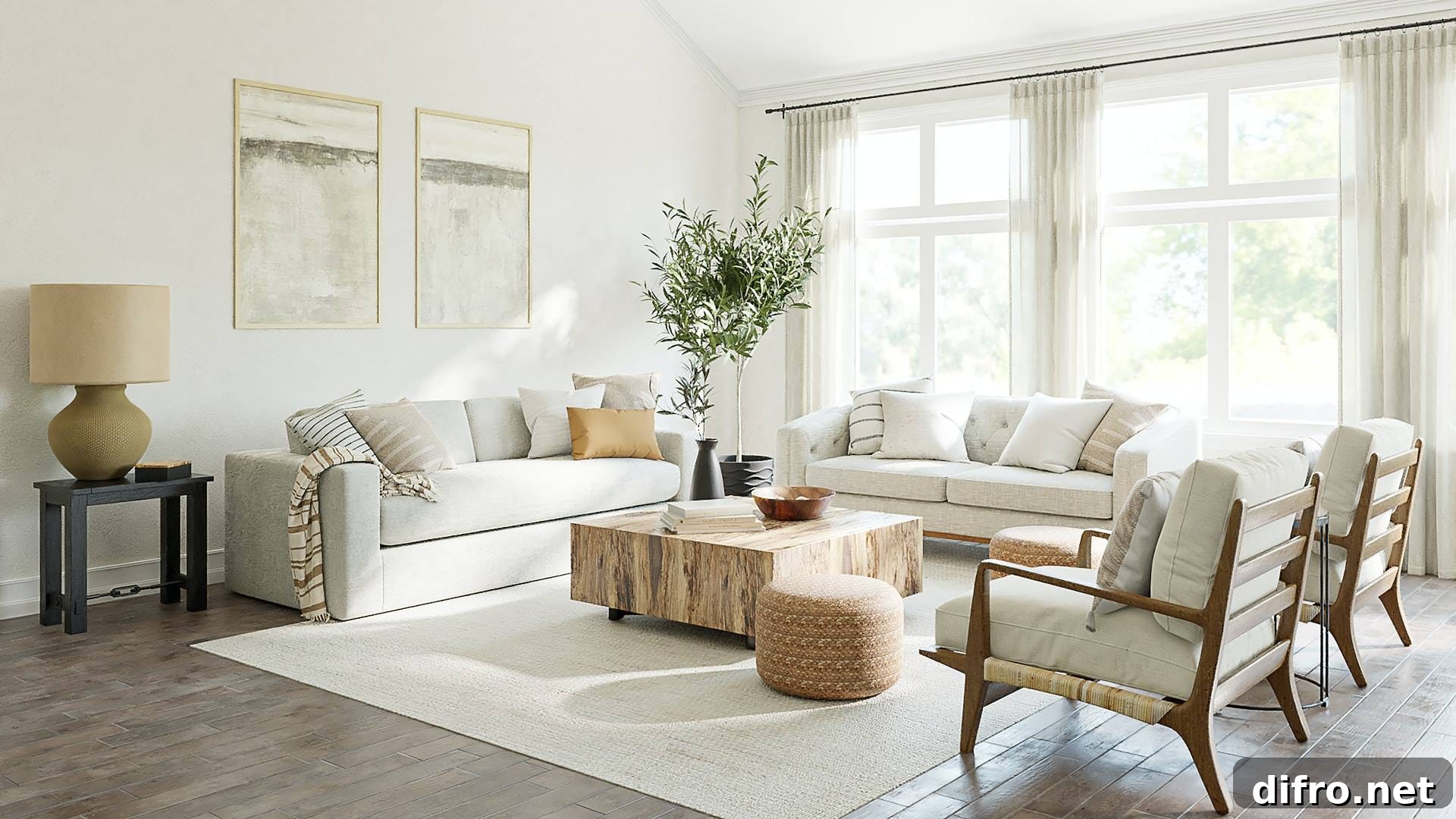
Defining the primary purpose of each room is essential to shaping its layout and choices. A family room should offer enough seating and flexible arrangements to accommodate everyone while supporting entertainment and social interaction. In smaller homes, rooms may need to serve multiple functions—a calm bedroom can also double as a quiet home office, for instance—so plan furniture and storage solutions accordingly.
Think about traffic flow and how you naturally move through the space. Place furniture so that it supports activities without blocking access points or creating awkward circulation paths.
Find inspiration
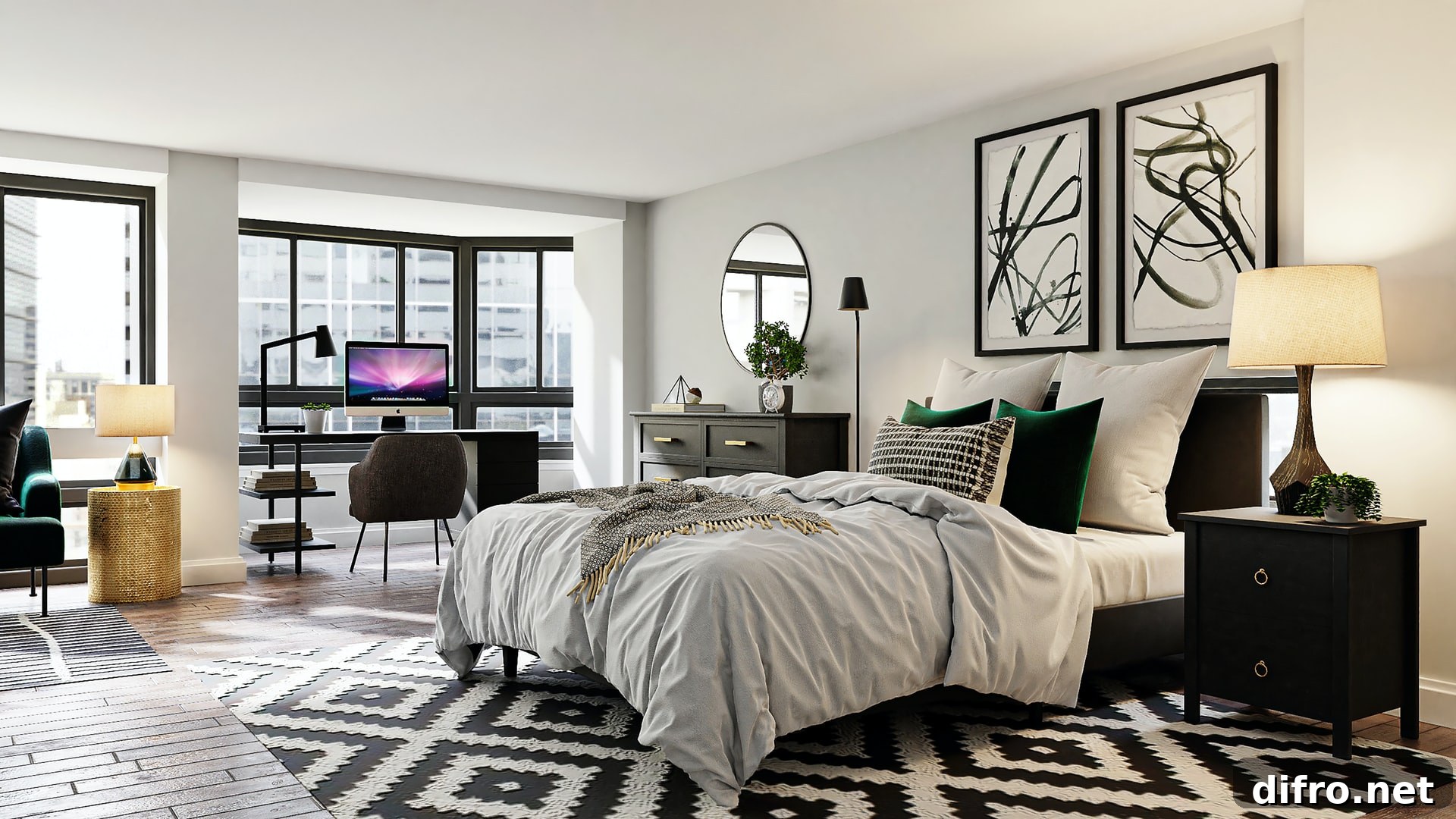
Collecting visual inspiration is an important step that should guide your overall direction. Use magazines, design books, social media, and saved images to compile a mood board of rooms and elements you like. Focus first on the general mood—light and airy, dark and moody, minimalist, or eclectic—rather than copying individual pieces.
Look closely at the images you save and identify the specific aspects that appeal to you: the layout, color balance, use of texture, or the way light is handled. Designers often ask for these references to understand the style and atmosphere you want. Once you know what draws you to certain photos, you can adapt those features to suit your own home and preferences.
The right proportions
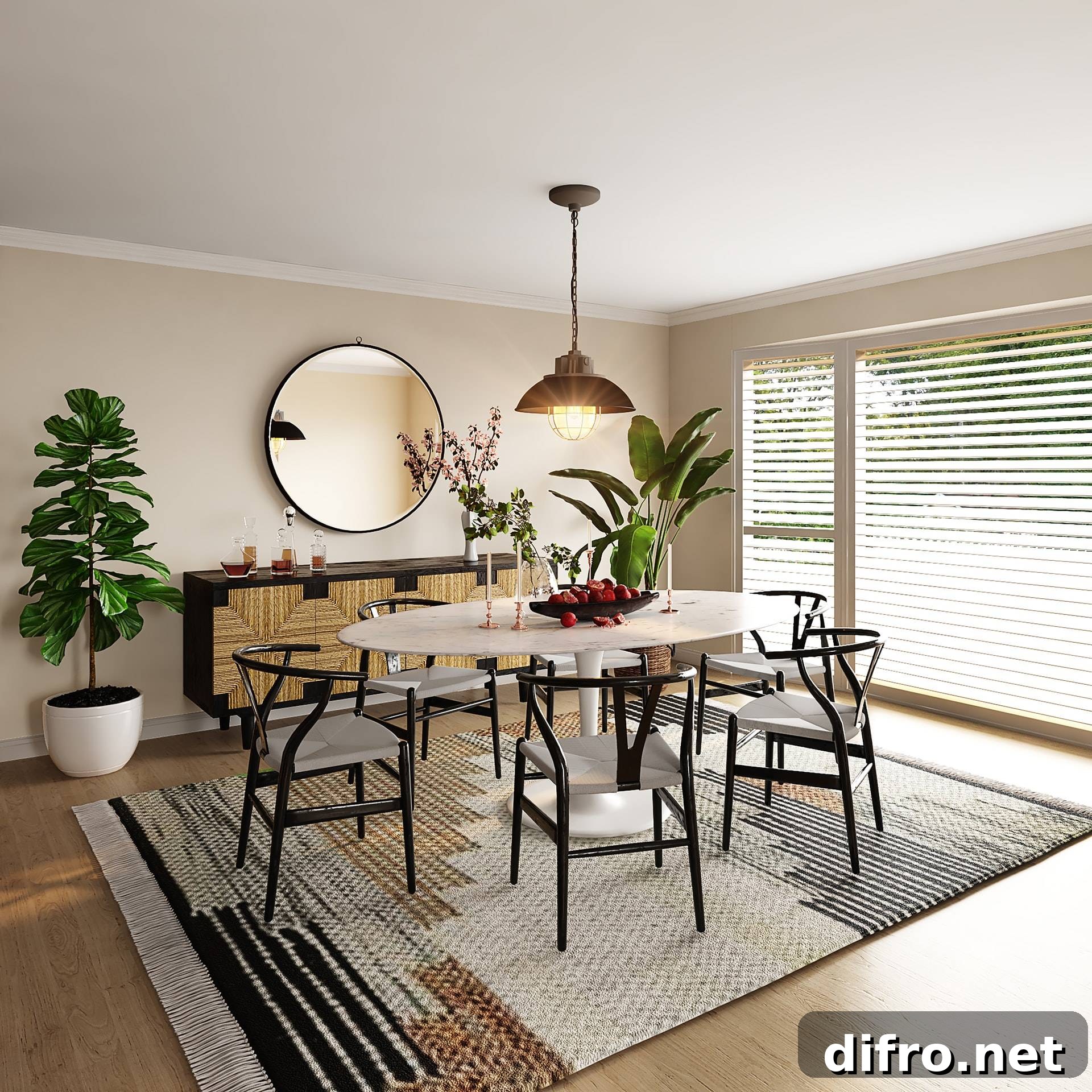
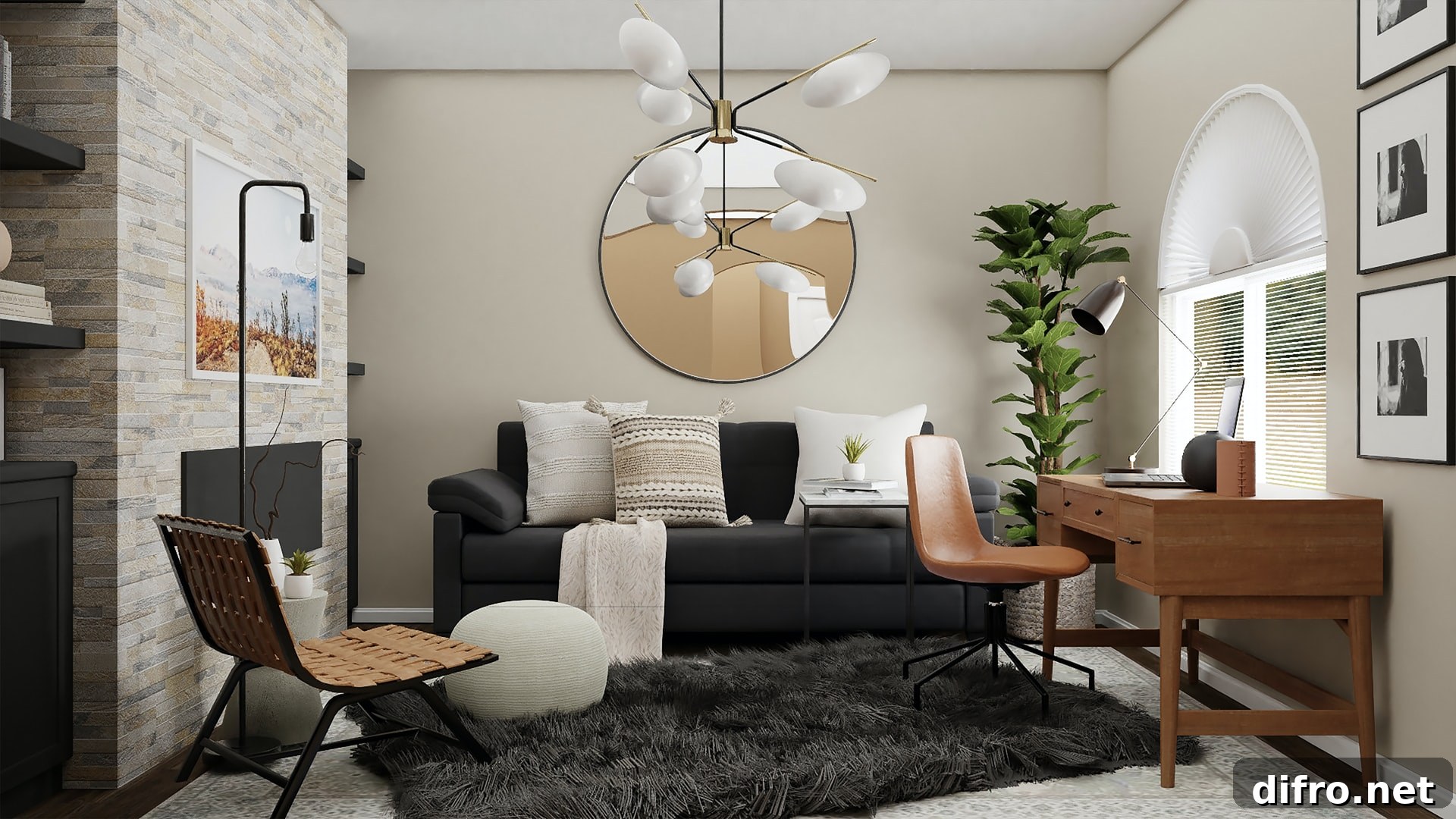
Scale and proportion are key to a well-composed room. Choosing furniture that’s too large will make a space feel cramped; pieces that are too small can leave a room feeling sparse and out of balance. Always measure before you buy. Use a tape measure, floor plan, or temporary floor markings to visualize how a sofa, table, or bed will sit in the space.
Consider circulation and spacing: leave clear paths for movement, maintain comfortable spacing between seating and tables, and allow room for cabinet or door swing. Planning ahead helps avoid the costly mistake of returning or reworking major pieces once they’re in place.
Cohesiveness
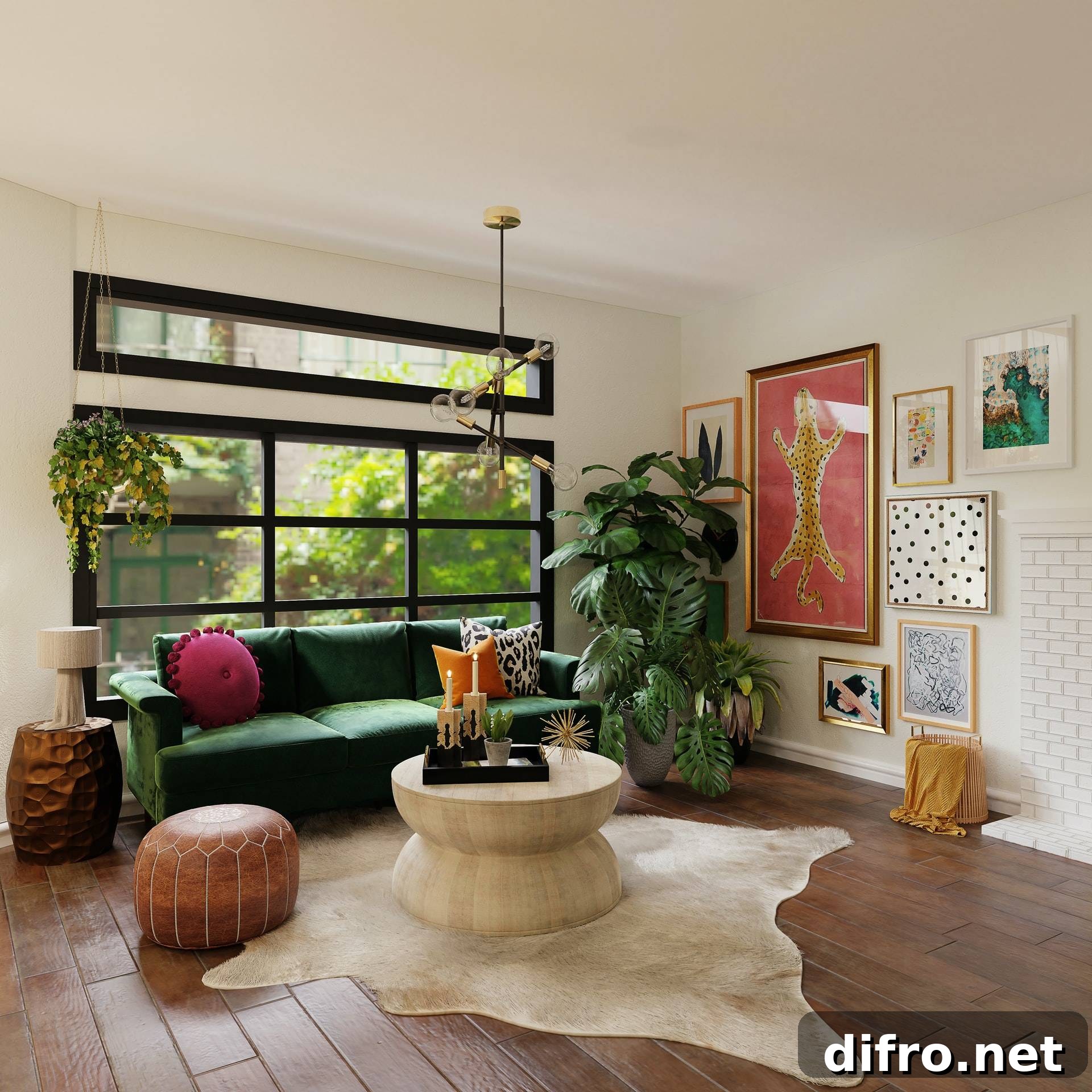
A consistent style and color palette across rooms creates a unified, intentional home. That doesn’t mean every room must look identical; rather, establish a connecting thread—a core palette, repeated textures, or recurring shapes—so the overall scheme feels harmonious. Vary the intensity of colors and the scale of patterns to add interest while maintaining continuity.
Don’t get too “matchy”
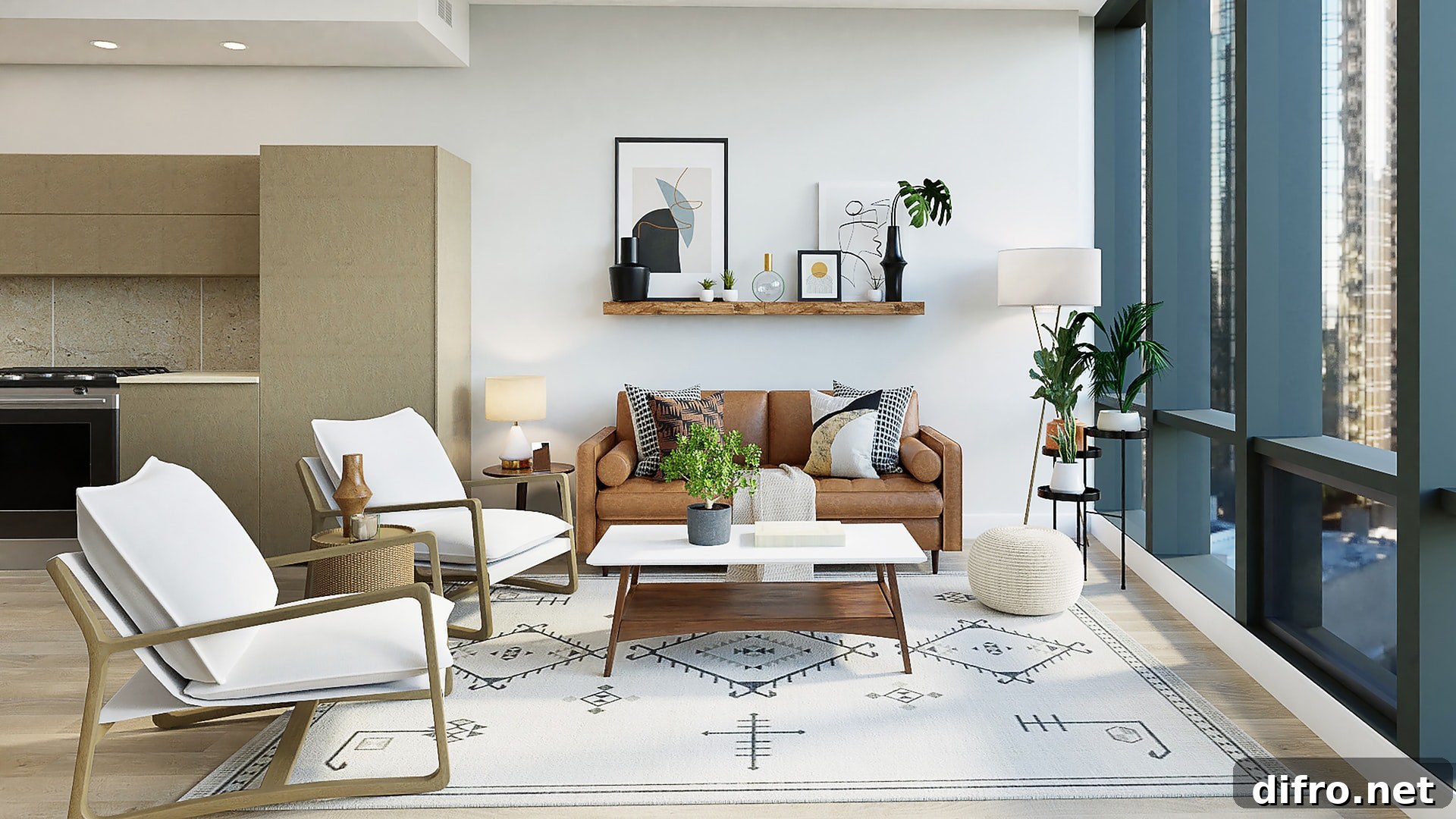
While matching furniture sets are convenient, they can make a room feel manufactured and lifeless. Instead, mix pieces from different sources to add personality: combine new items with vintage finds, thrifted treasures, or unique accent pieces. This curated approach creates depth and visual interest while reflecting your individual style.
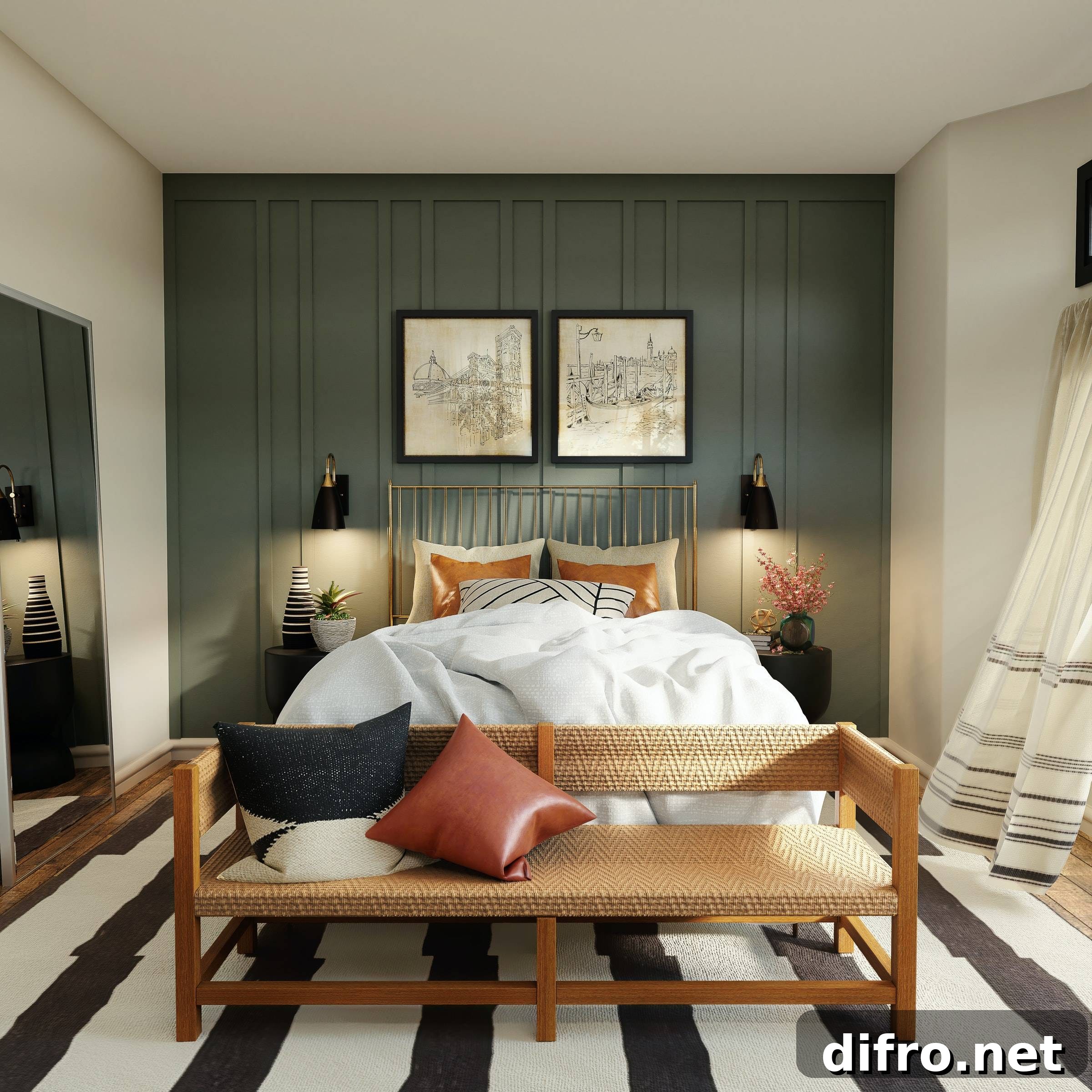
Use focal points—an accent wall, bold artwork, or a standout light fixture—to anchor a room and give it character. For small spaces, a bold focal point can make the area feel intimate and thoughtfully designed rather than cramped.