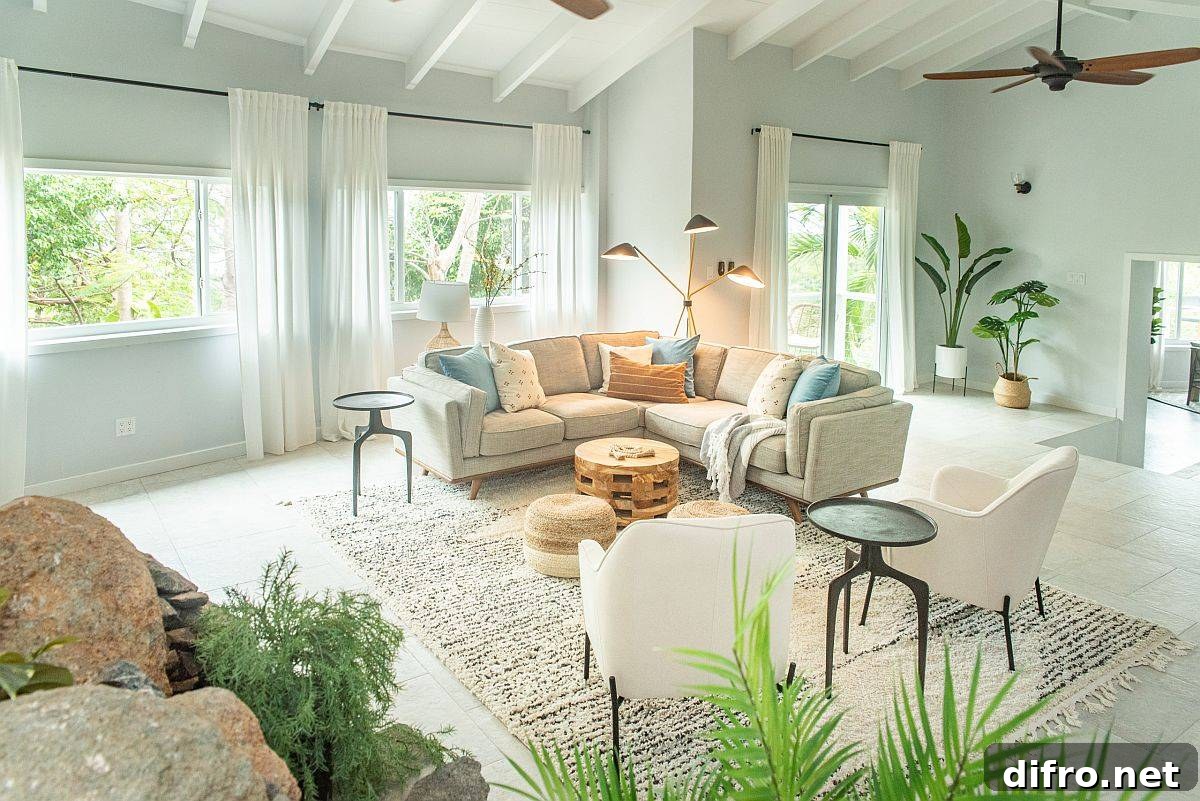
When it comes to home updates, kitchens often lead the list, but the living room still makes the strongest impression. A small change in the living area can influence the rest of the house—especially in open-plan homes—prompting updates to dining and kitchen spaces as well. For 2022, a fresh set of living room decorating trends blends influences from recent years with new directions. These trends aim to refresh interiors while prioritizing comfort, natural materials and flexible layouts that support modern lifestyles.
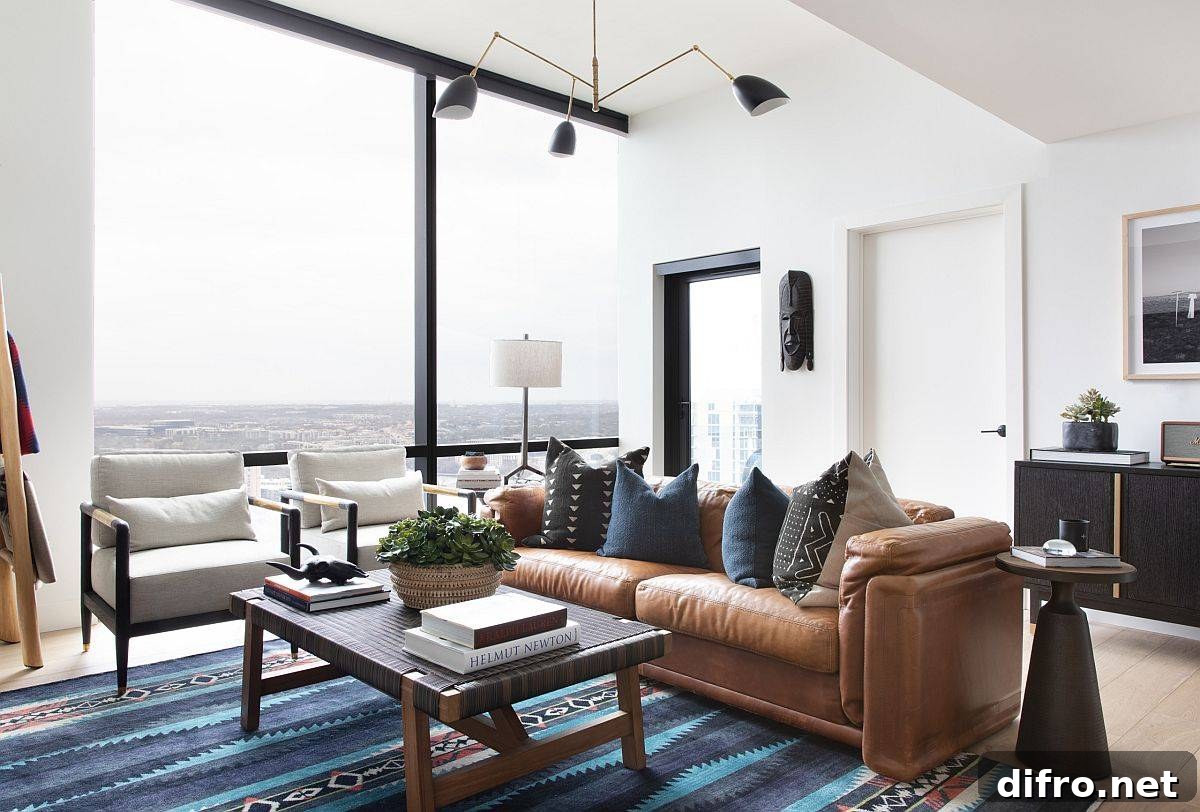
Design tends to evolve organically: each season borrows from previous ideas while introducing new favorites. This year, several key trends stand out—curved forms, multifunctional spaces, stronger indoor-outdoor connections, a return to green, and inventive uses of glass. Below is a concise forecast of the living room directions most likely to shape interiors over the next 12 months.
Curvy Furniture and Softer Lines
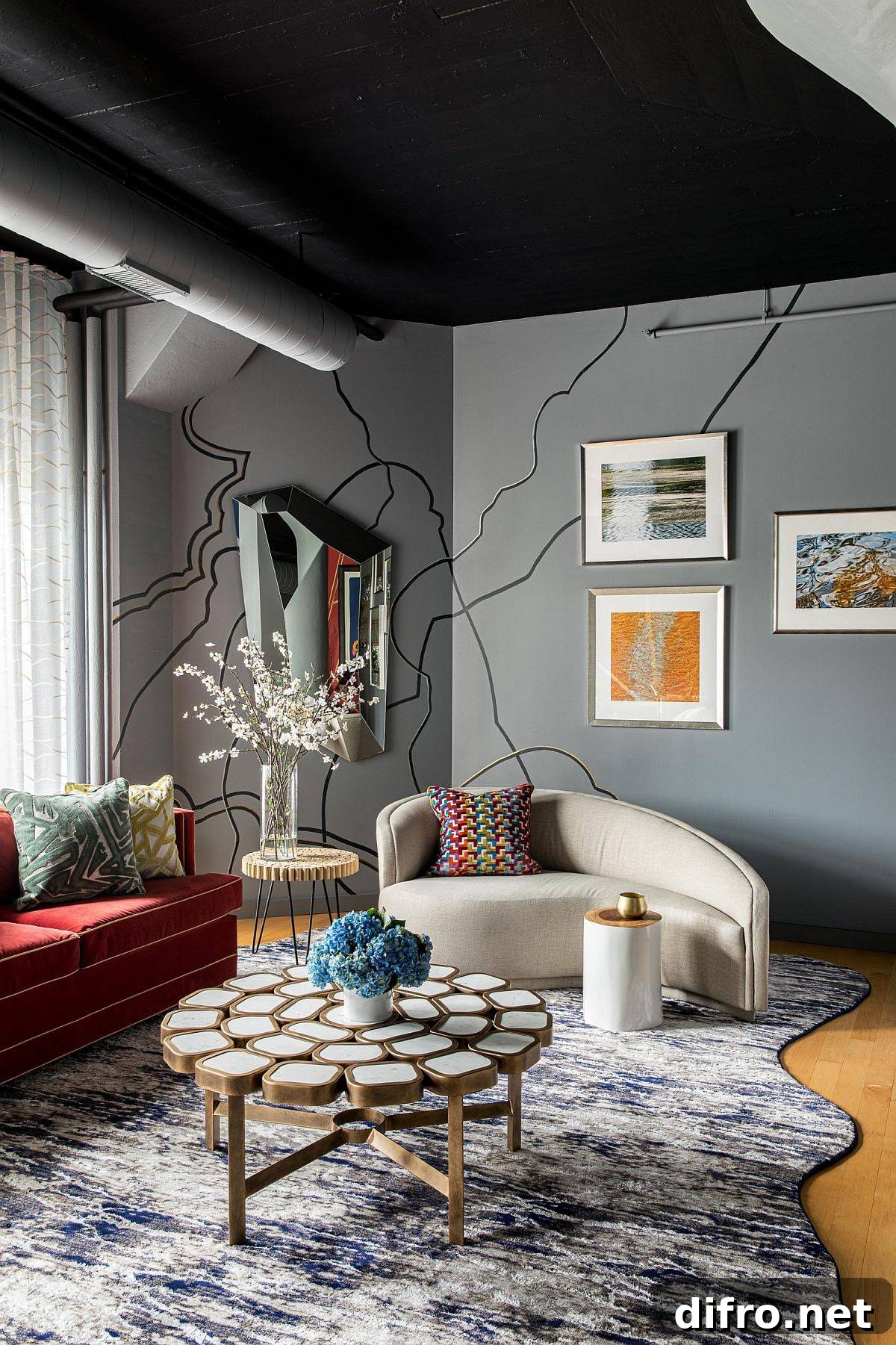
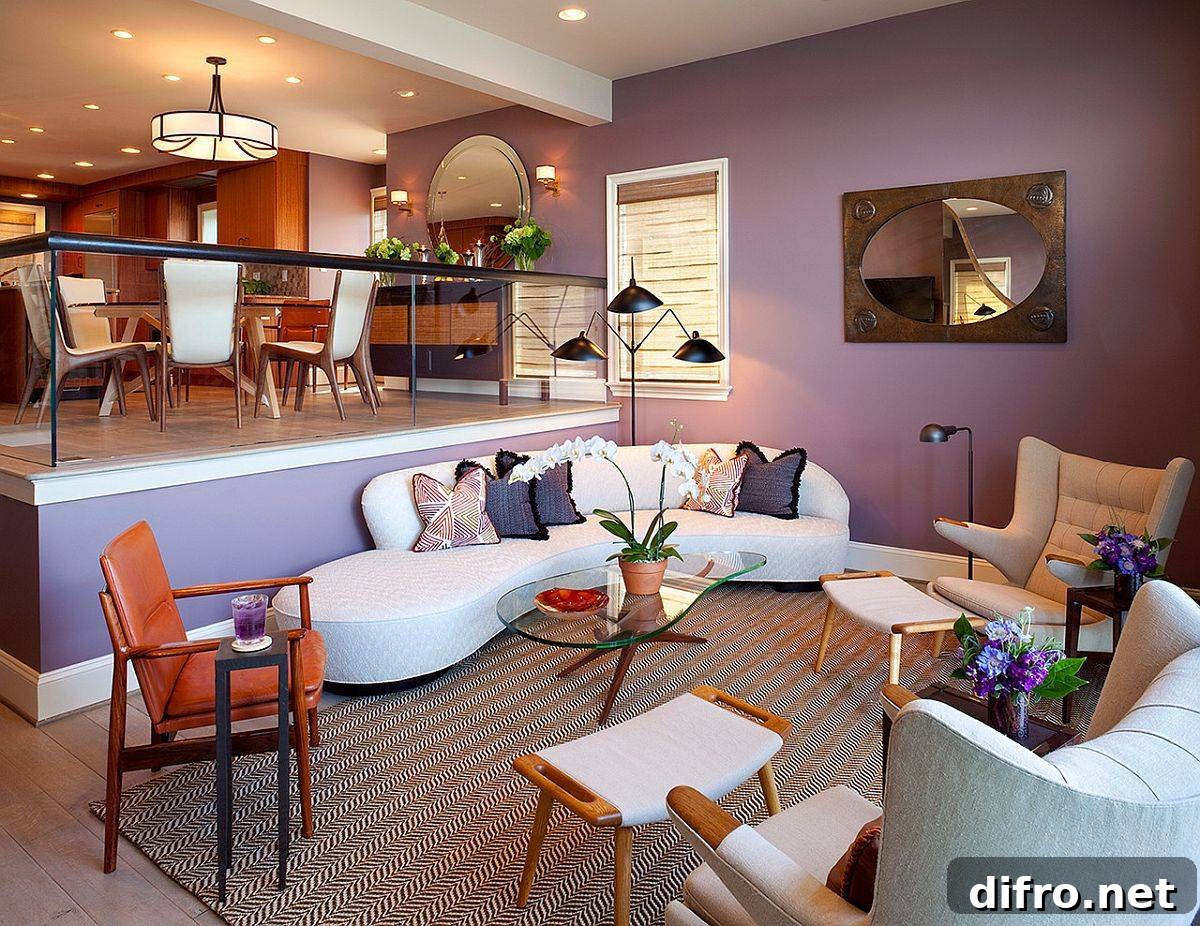
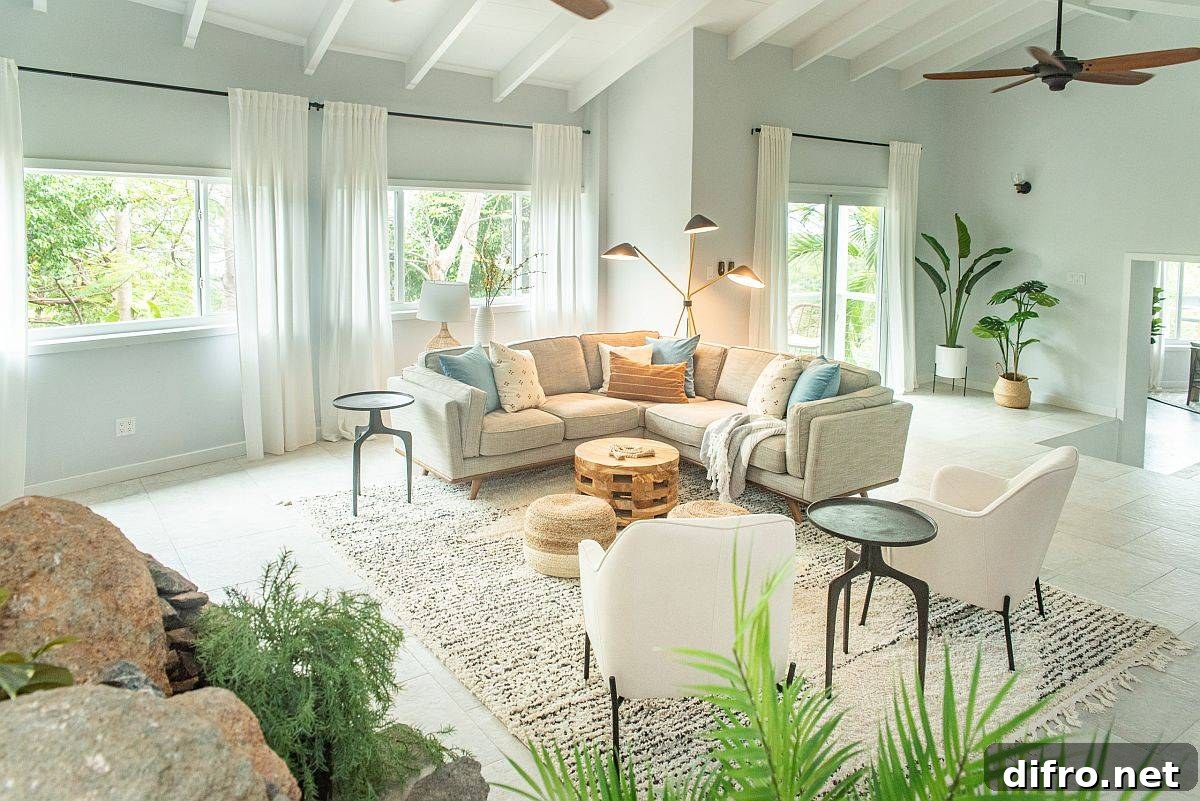
Clean, straight lines still have their place, but curvilinear shapes are gaining momentum. Sofas, chairs, coffee tables and accent pieces with rounded edges create a welcoming, relaxed atmosphere. Paired with warm materials such as wood and rattan, these softer silhouettes move interiors away from overly rigid, manufactured looks and toward a more tactile, comfortable aesthetic. Curved forms also help delineate informal conversation areas in open layouts, making rooms feel intimate without heavy partitions.
Adaptable Living Spaces
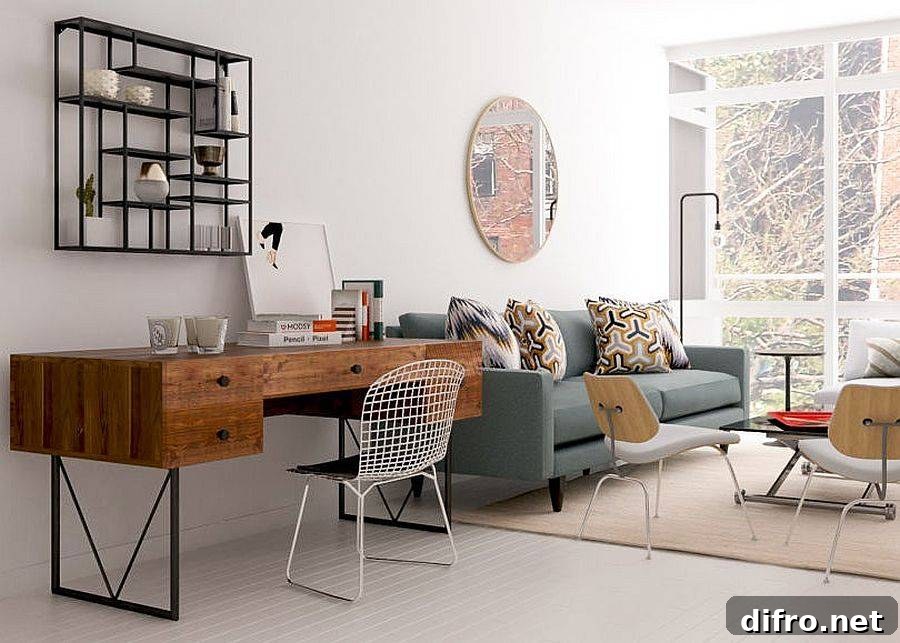
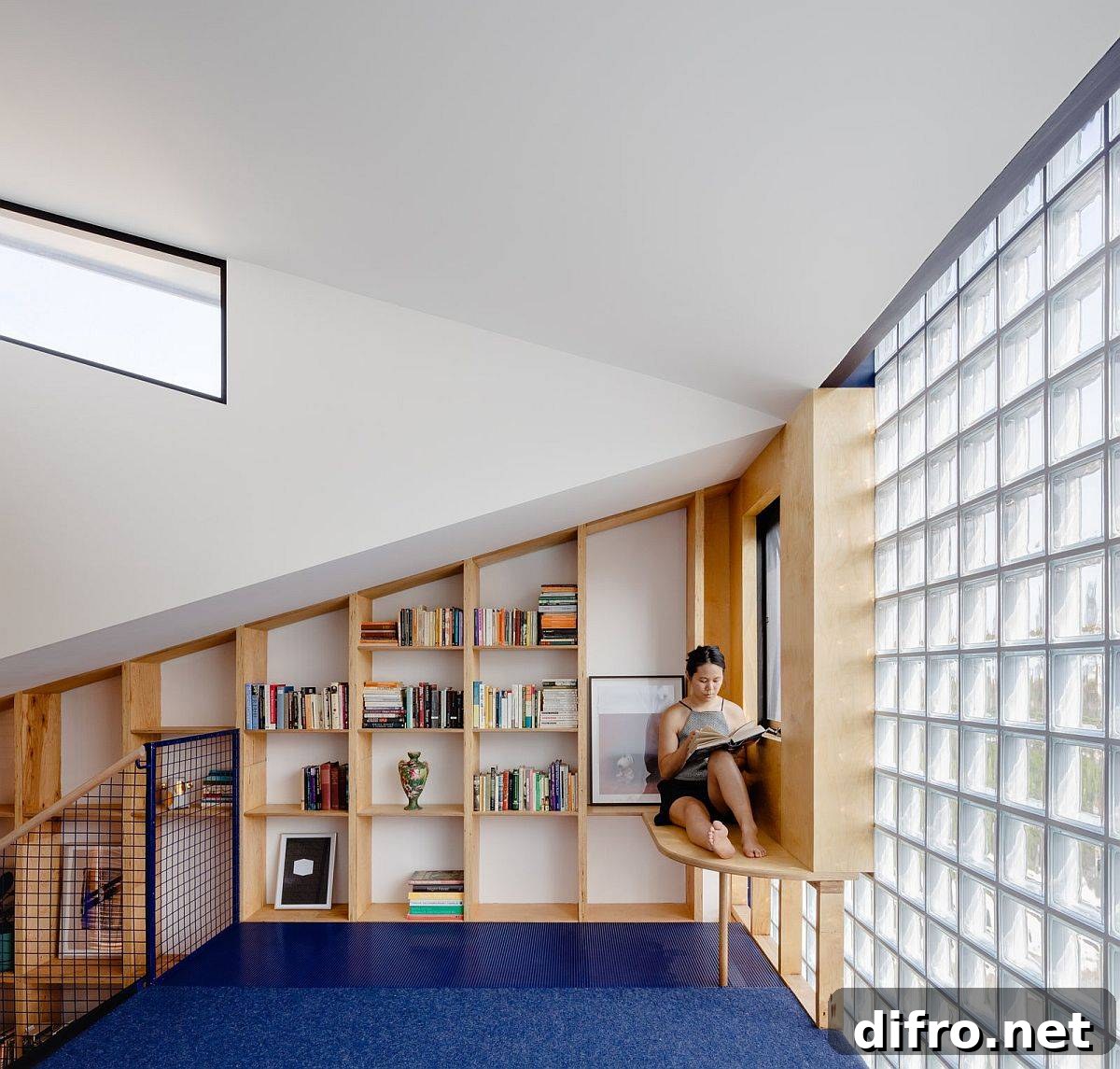
The pandemic accelerated the need for flexible interiors that support work, study, play and relaxation. Living rooms are evolving into multifunctional hubs: a compact home office tucked into a corner, a reading nook integrated into a bookshelf, or a play area that can be tidied away quickly. Plants and natural light are central to these spaces, improving air quality and creating a calmer mood. In short, modern living rooms now balance aesthetics with practical zoning to support varied daily routines.
Bringing Deck and Garden Indoors
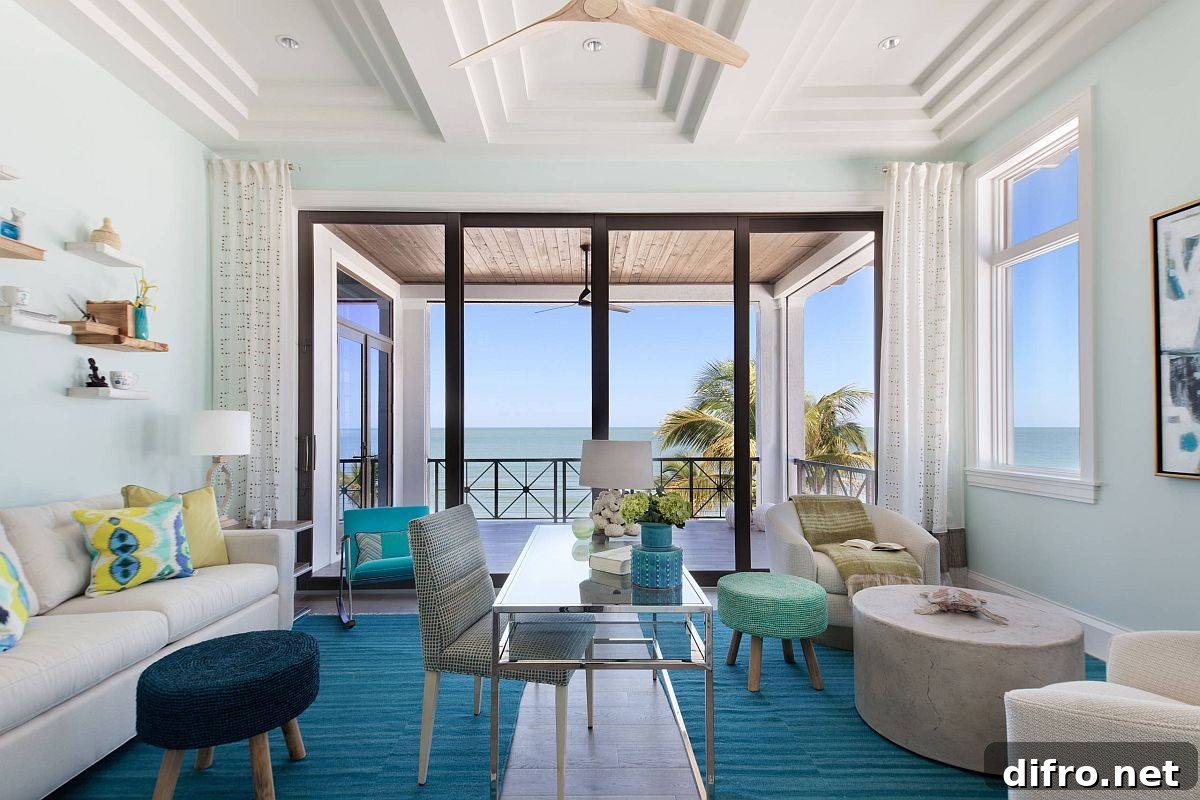
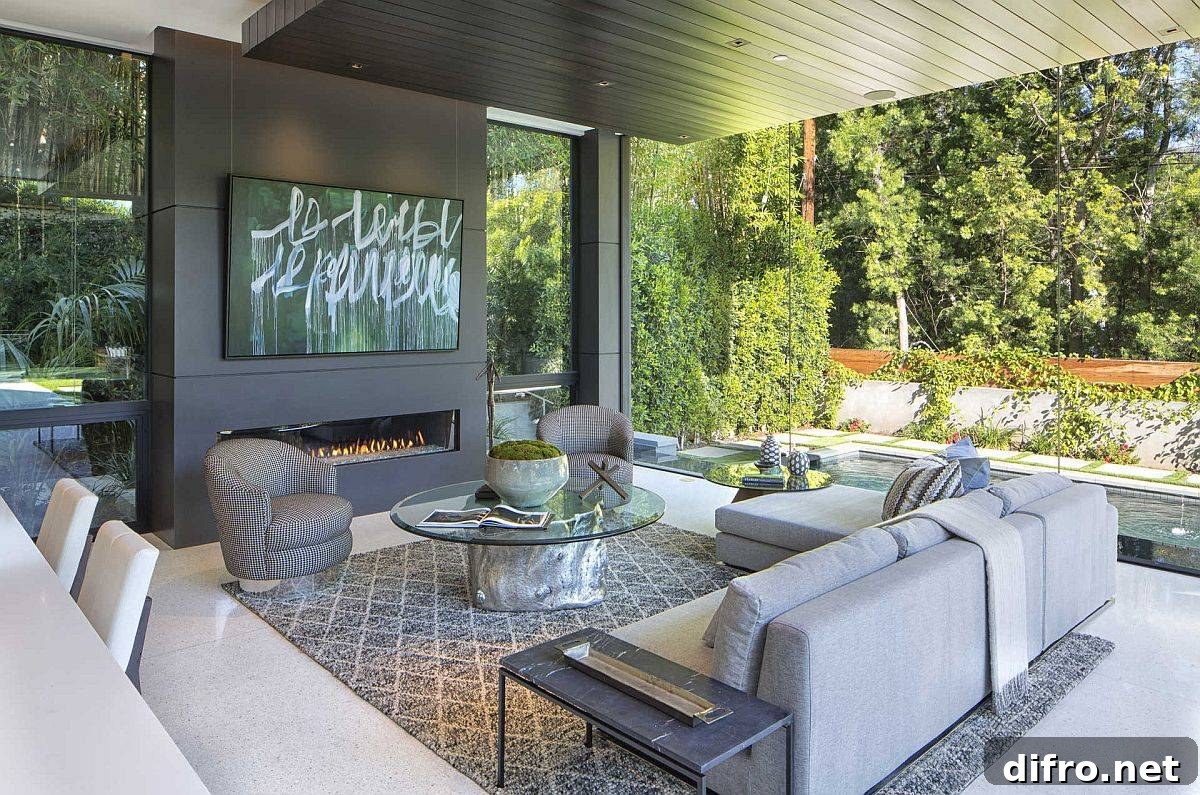
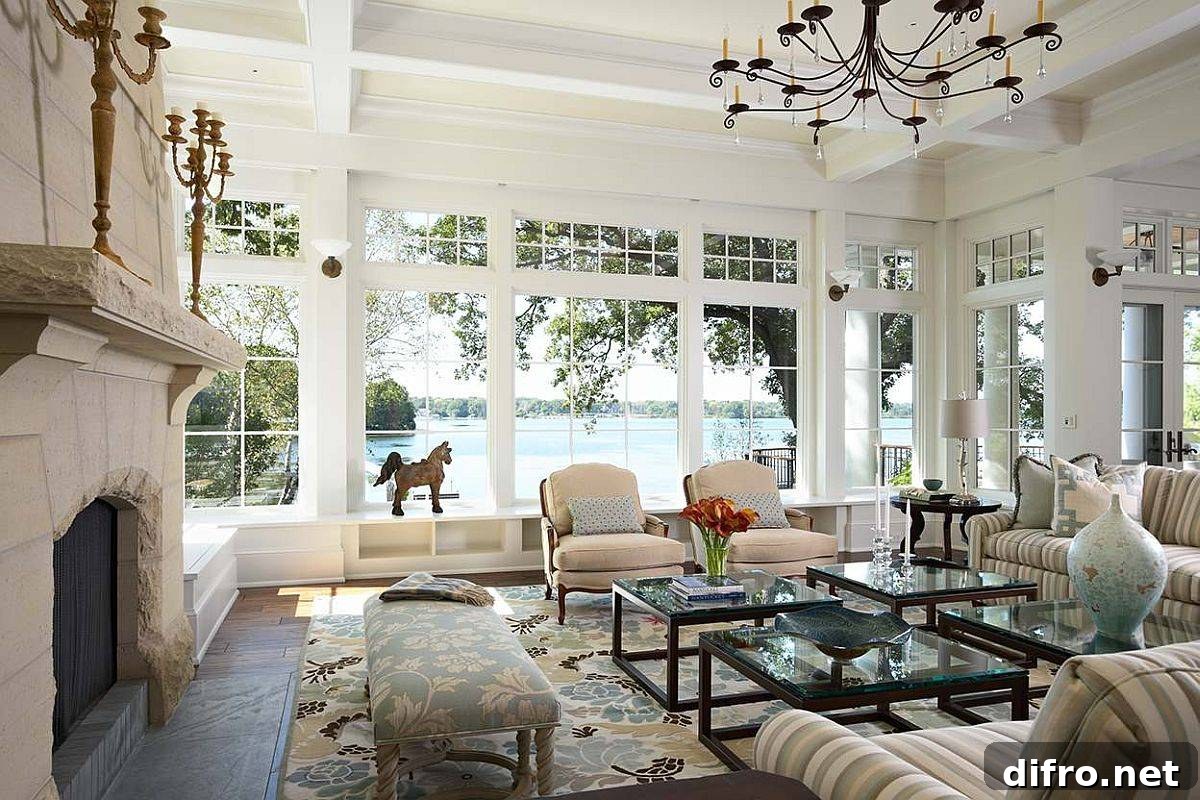
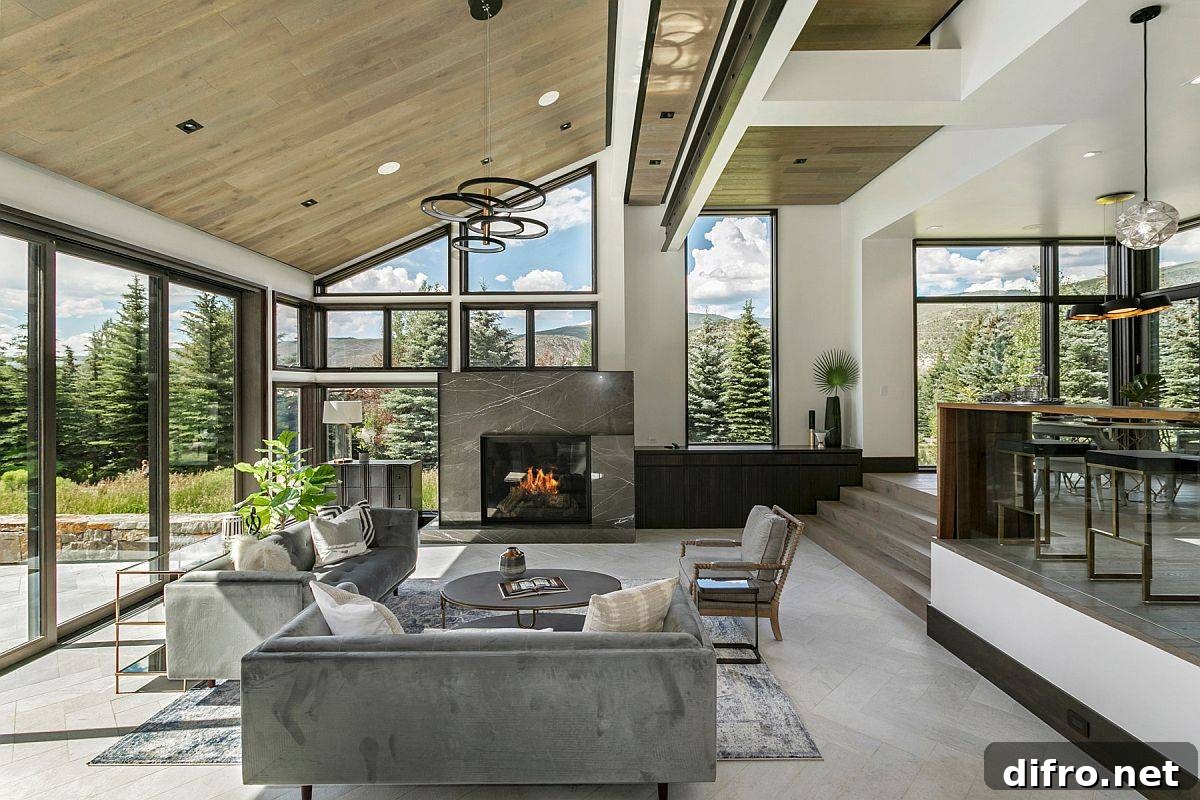
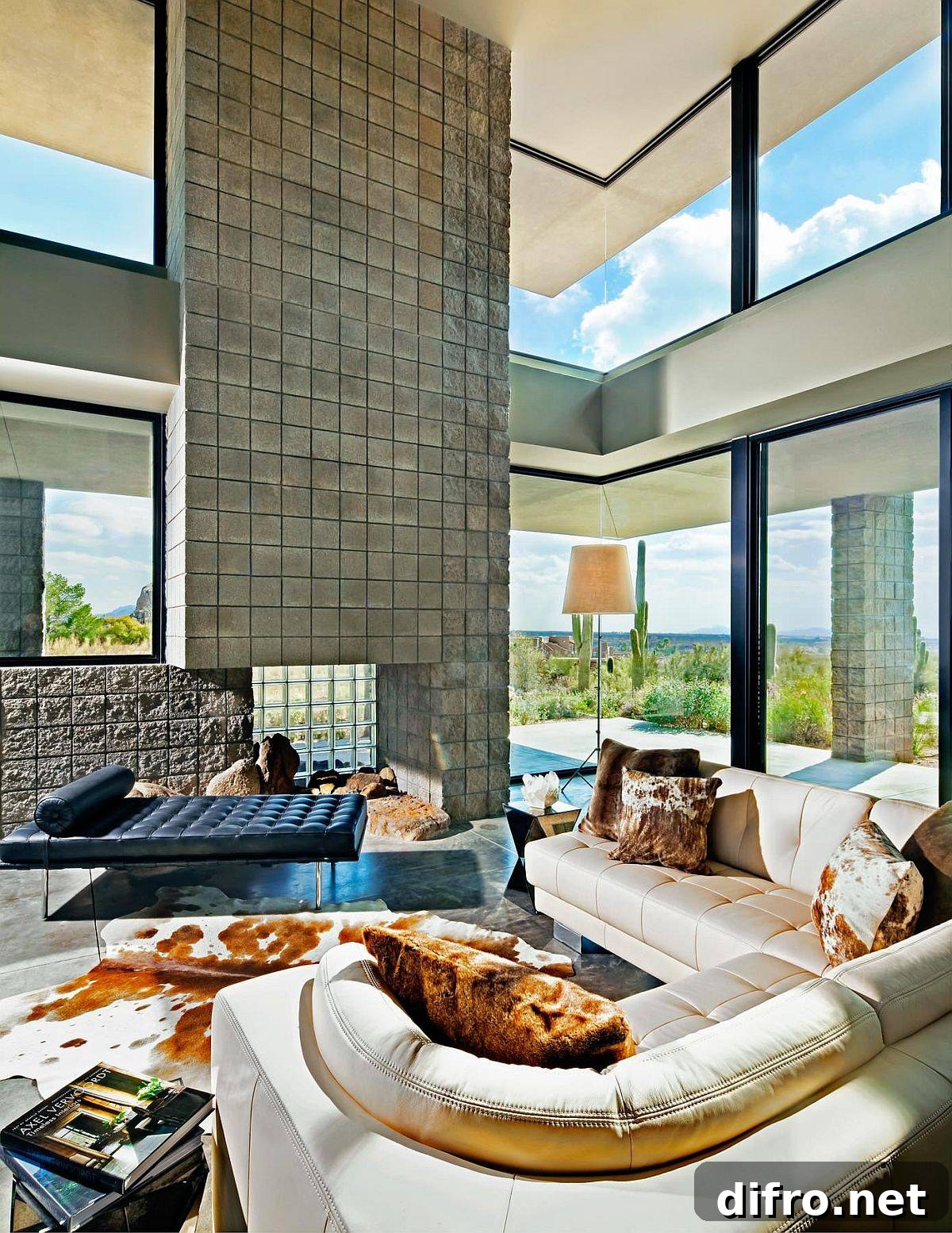
Many homeowners are reconnecting with outdoor spaces by blurring the line between inside and outside. Large sliding or folding glass doors, floor-to-ceiling windows and well-placed openings create visual continuity with decks, patios and gardens. This approach increases natural light, expands perceived living space, and encourages a stronger relationship with nature—qualities that greatly enhance daily wellbeing and make interiors feel airier and more tranquil.
Find Refuge in Green
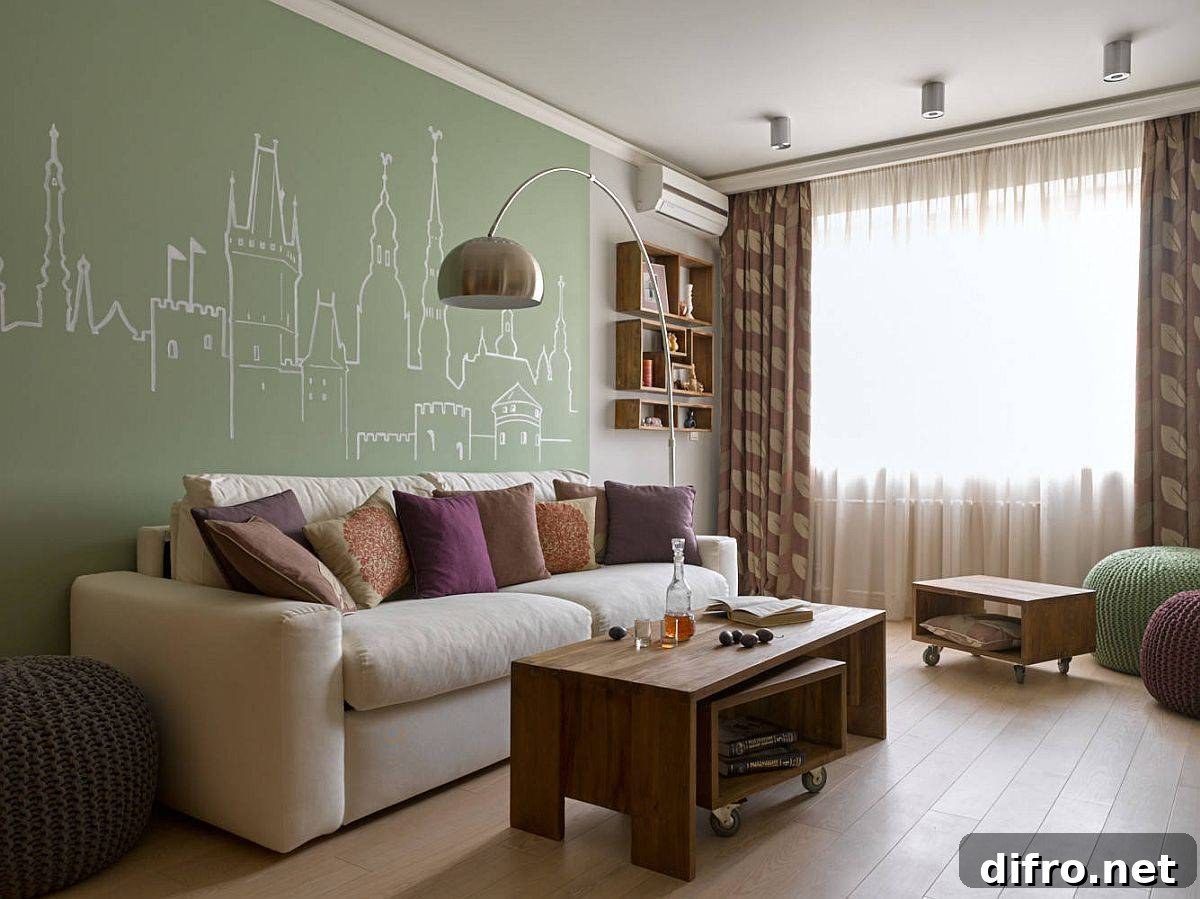
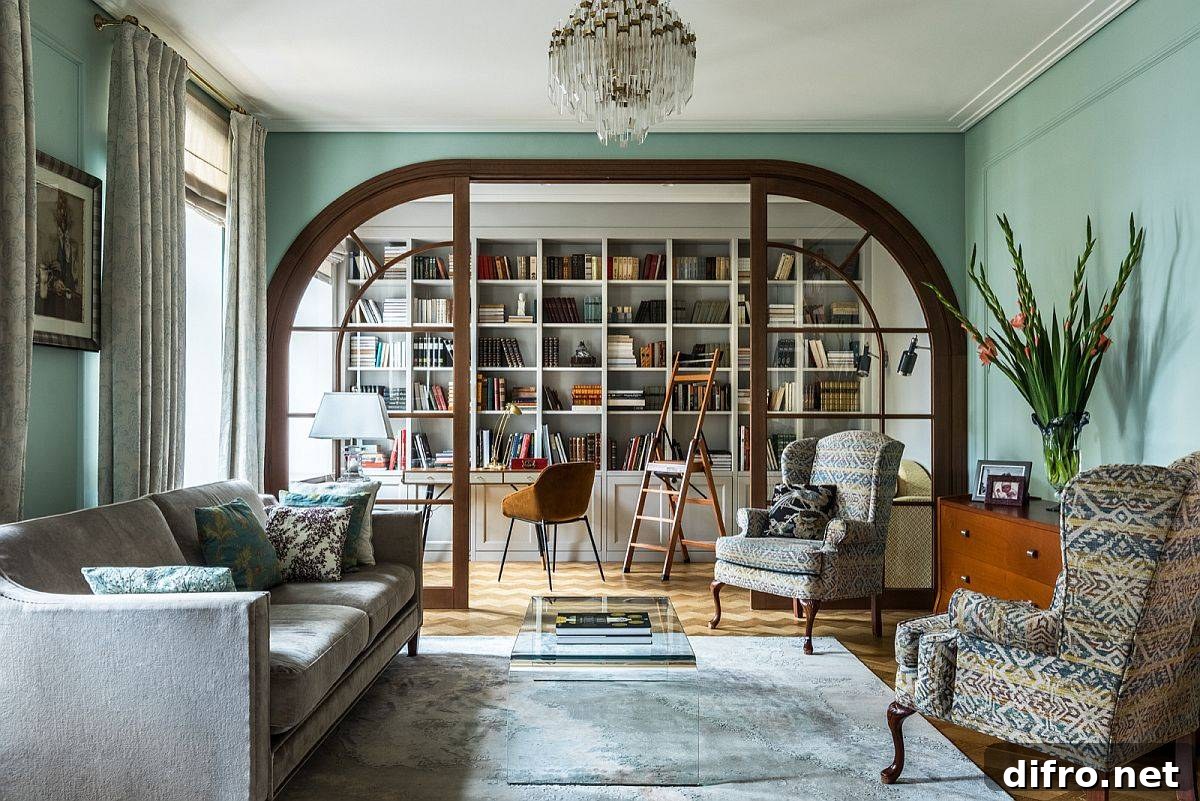
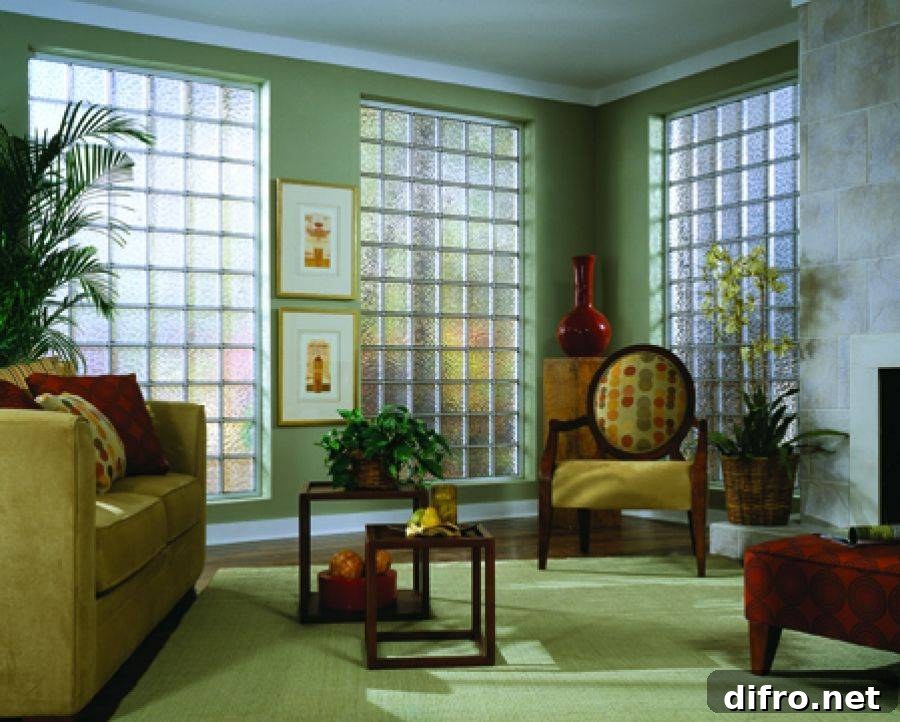
Green is emerging as a dominant color choice across interiors. From deep, moody tones to soft, beach-inspired greens, the palette brings a sense of calm and a connection to nature. If you’re unsure about committing to a full repaint, start with accents—pillows, throws, a feature wall or strategic greenery. For those ready to take the next step, a light green backdrop can create a serene, sophisticated setting that pairs well with warm woods and textured fabrics.
Glass with a Difference
Glass remains central to contemporary living rooms, but fresh approaches are appearing. Glass blocks—once common in mid-century spaces—are returning as a creative alternative to plain glass walls. They diffuse sunlight, add texture and privacy, and create striking visual features without sacrificing light. Used for partitions or accent windows, glass blocks offer a softer, more tactile approach to bringing filtered daylight into interiors.
These trends emphasize comfort, natural materials and greater flexibility—principles that help living rooms function better and feel more inviting. Whether you adopt a single idea, like a curved sofa or a green accent wall, or combine several trends for a broader refresh, the goal remains the same: create a living space that looks great and supports the way you live today.