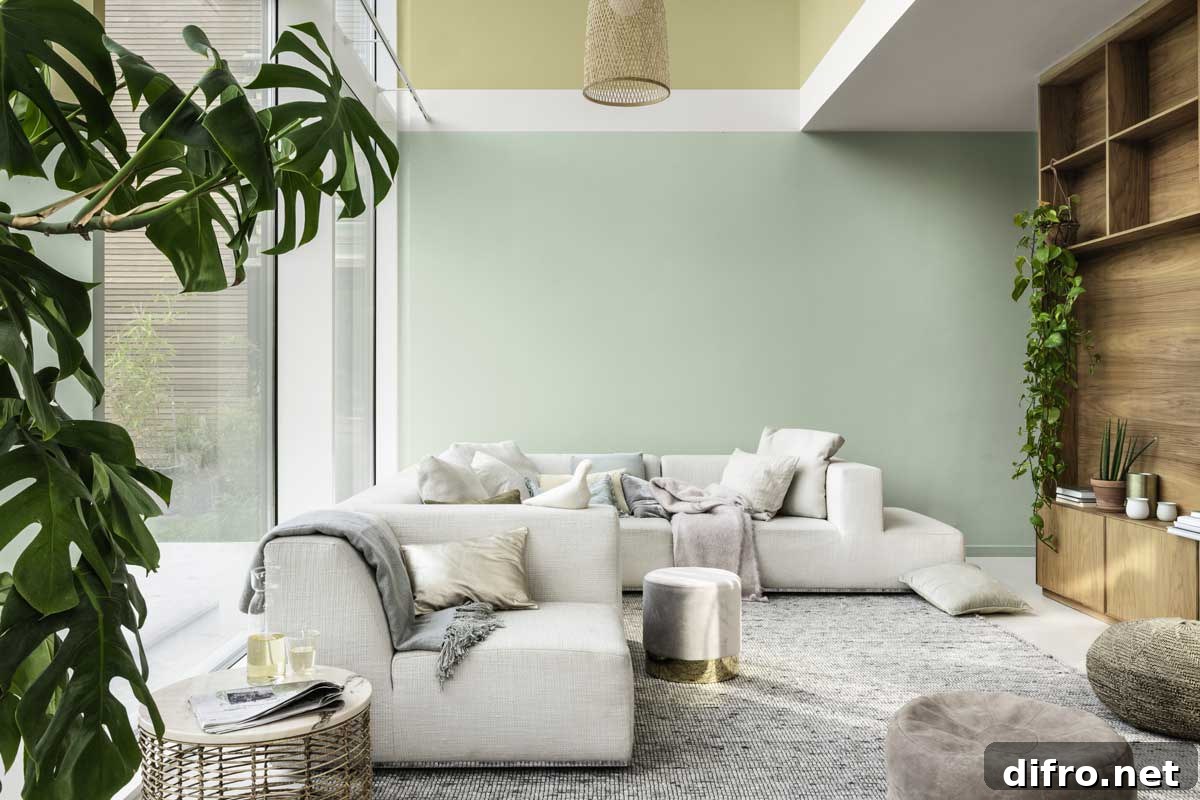
The pistachio shade—a soft, pale green with a hint of warmth—has become a welcome trend in interior design. Its fresh, understated tone works across styles, from contemporary minimalism to relaxed cottage and Scandinavian interiors. Pistachio brings a natural, calming quality without overpowering a room, making it an excellent choice for statement pieces or subtle accents.
Whether you prefer a bold feature or a restrained touch, pistachio adapts easily. Below are practical ideas and styling tips to help you introduce this versatile hue into your home while keeping balance, texture and longevity in mind.
Sofa
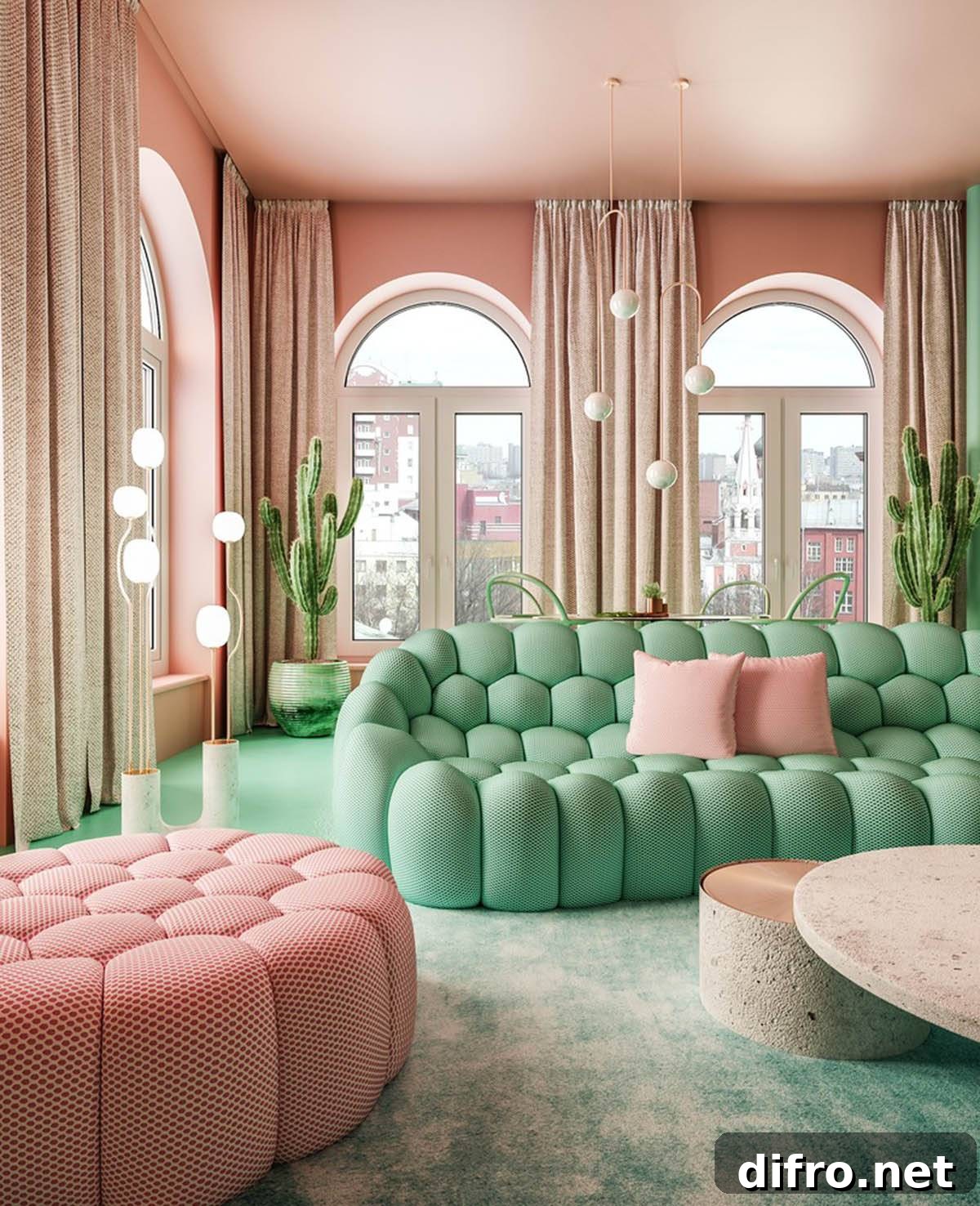
A pistachio sofa makes an elegant focal point. In living areas, pairing the sofa with complementary pastels or sharper contrasts creates personality: soft pinks or blush tones lend a romantic, contemporary vibe, while deeper accents like charcoal, navy or warm terracotta add depth and sophistication. Velvet or brushed linen upholsteries show off the color beautifully—velvet for a luxe feel, linen for a lighter, airy look.
When styling, anchor the sofa with neutral rugs, warm wood tones and mixed textiles (throw cushions in varied textures, a woven throw) to avoid a flat appearance. Consider scale: a large pistachio sofa works best in rooms with good natural light or balanced darker elements to prevent the space from feeling washed out.
Armchair
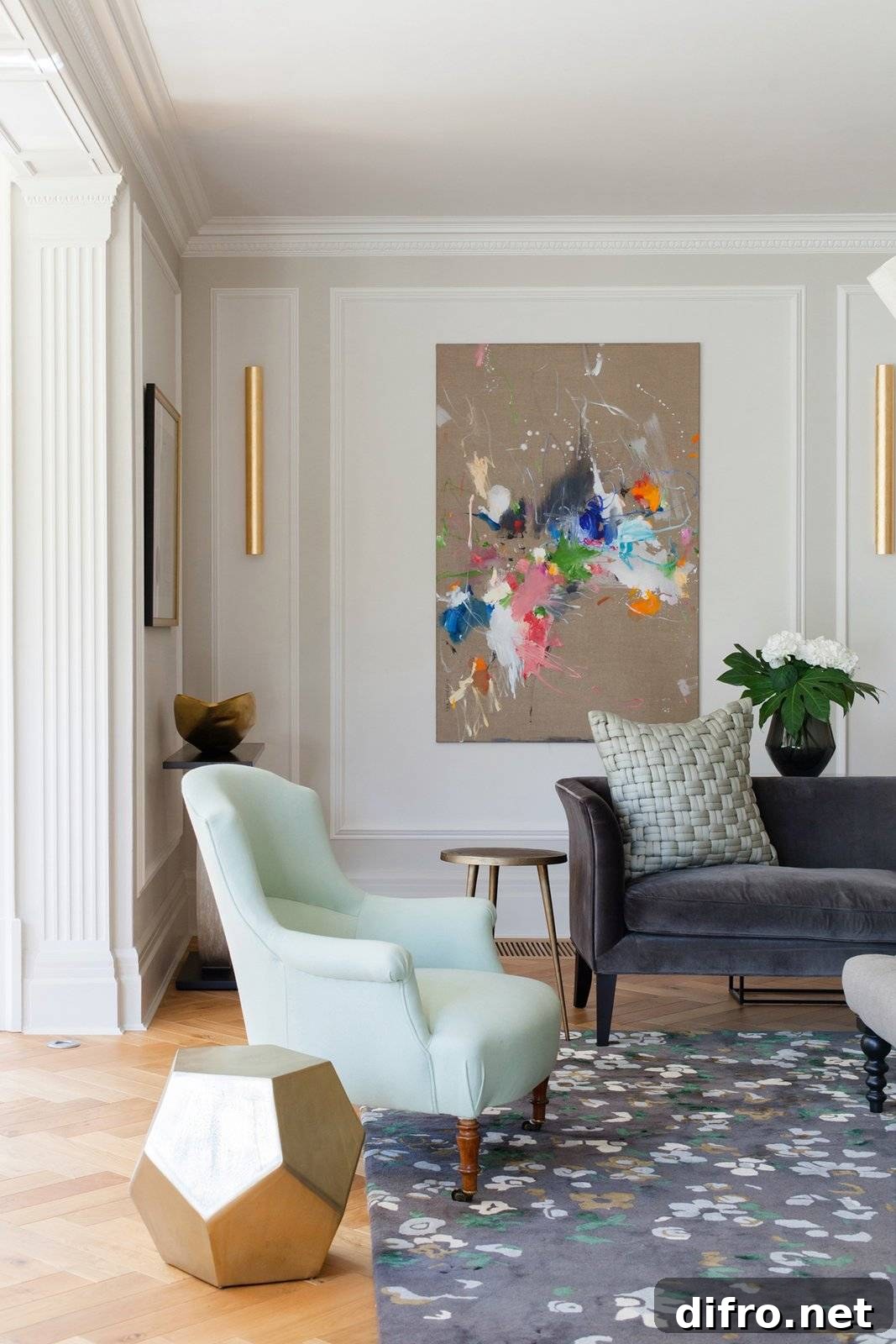
If committing to large furniture in a new color feels risky, start with a pistachio armchair. It offers a measured way to test the hue while bringing a fresh accent to seating zones or reading corners. An armchair allows you to experiment with pattern and texture—pair it with a patterned rug, a brass floor lamp, or a small side table to create a curated vignette.
Place the chair where it can be appreciated from several angles: near a window, beside a fireplace, or facing into conversation areas. If the shade feels too light, ground it with darker surrounding tones or a textured throw.
Kitchen
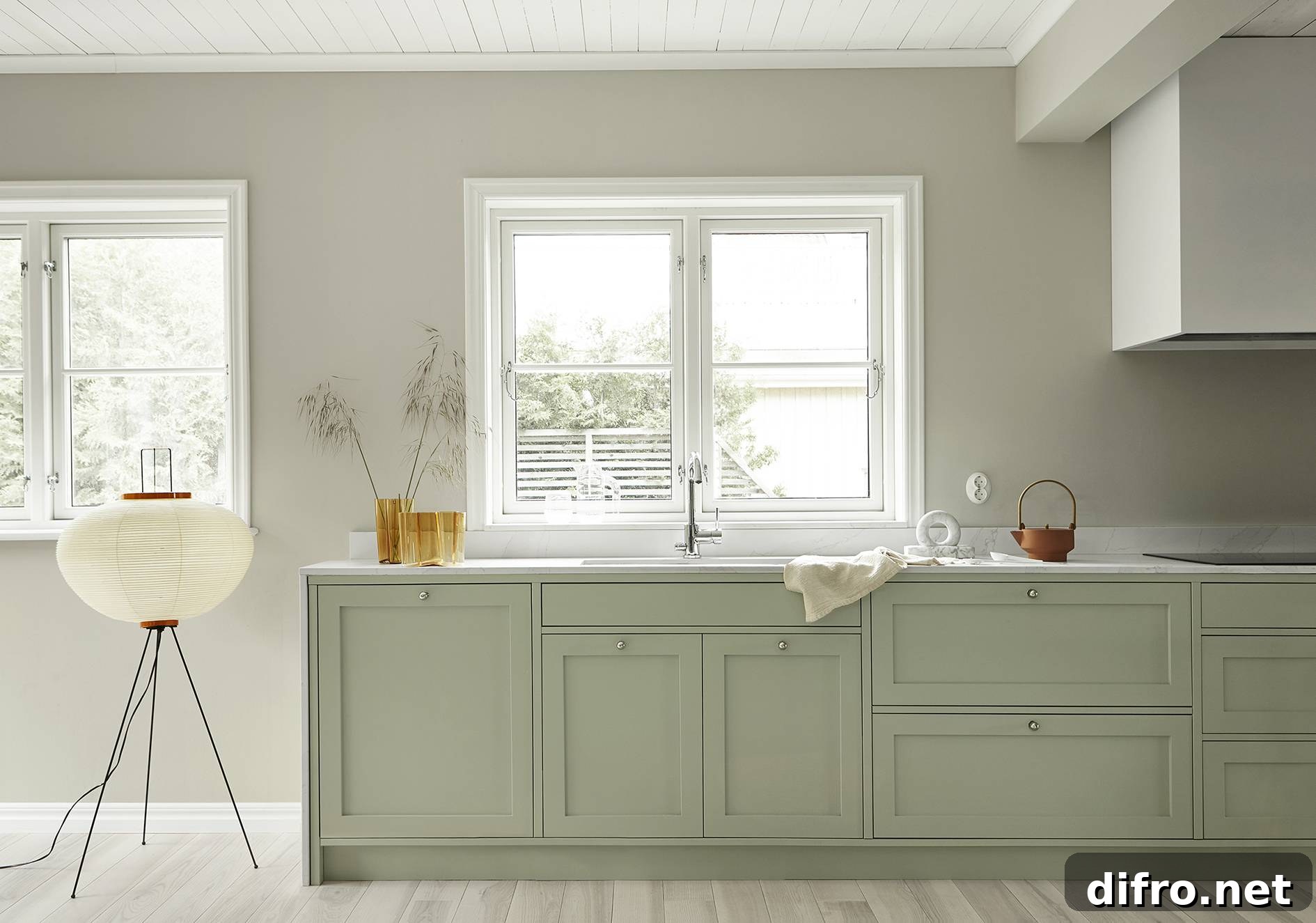
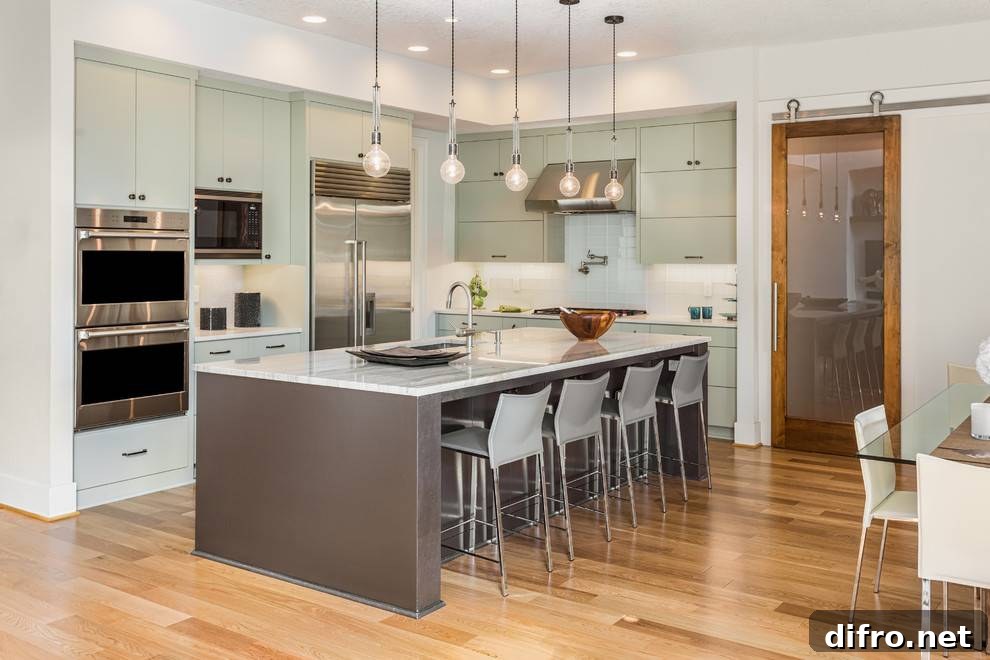
Pistachio cabinetry introduces a bright, airy yet refined atmosphere in kitchens. Used on base cabinets or full-height units, it softens the space while maintaining a contemporary edge. Pair pistachio with white or warm neutrals for a fresh, Scandinavian-inspired palette, or combine it with matte black hardware and brass fixtures for a modern, elevated look.
When painting cabinets, test a sample on a single door and view it at different times of day to gauge how natural and artificial light affect the tone. For durability, choose a paint finish suited to kitchens—satin or eggshell often balance ease of cleaning with a pleasing sheen.
Dresser
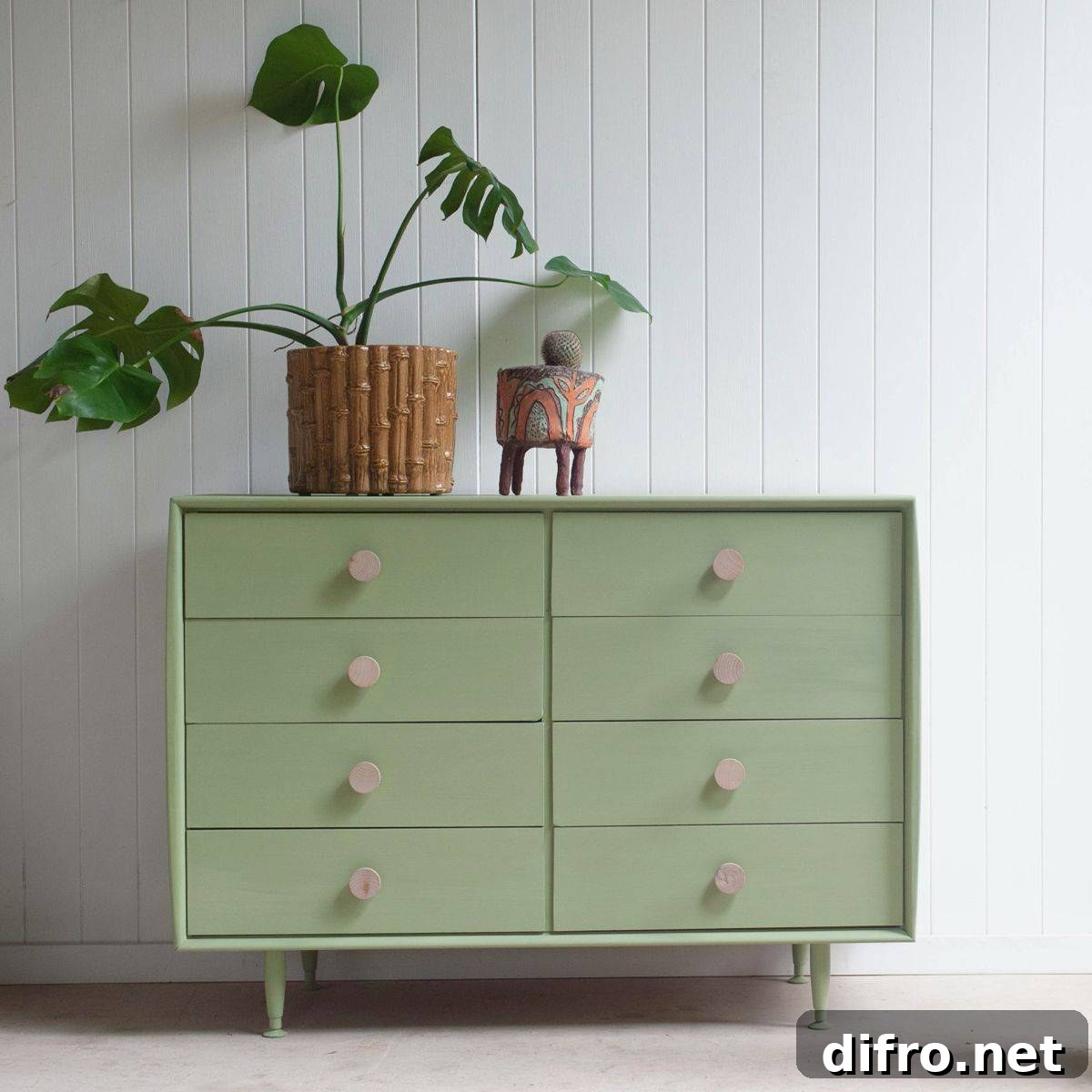
A pistachio dresser makes a subtle but effective bedroom accent. Painted furniture adds color without overwhelming a room and can be styled with a mix of greenery, decorative objects, and layered mirrors or artworks. For a cohesive bedroom, introduce pistachio on a single dresser or nightstand and carry the color through with smaller elements—linen cushions, a throw, or a bedside lamp.
Consider finish and hardware: matte paint with warm wooden or brass pulls creates a balanced, modern look, while distressed finishes suit cottage and vintage styles.
Accent wall
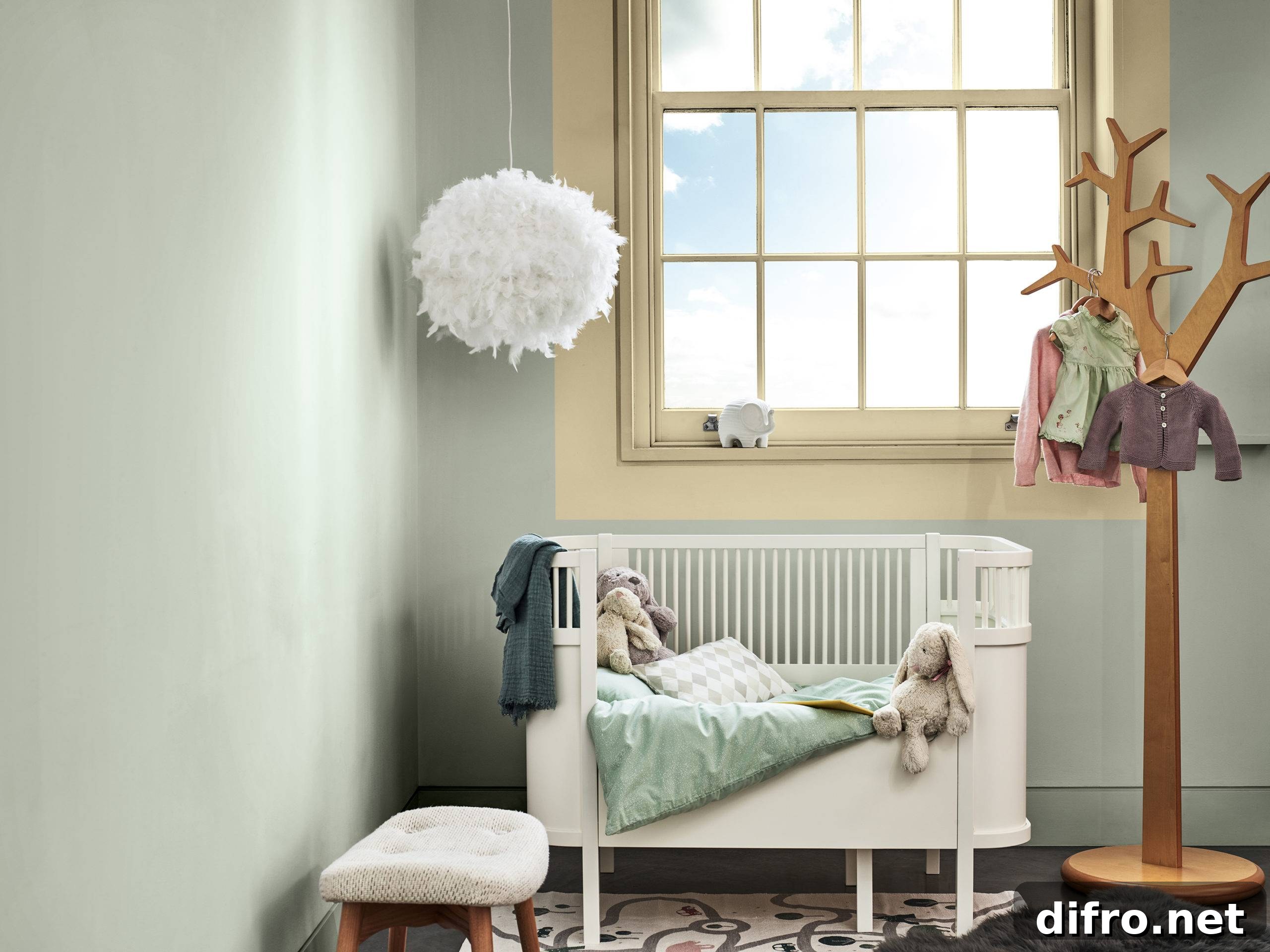
Painting an accent wall in pistachio is an accessible way to introduce color without permanent commitment. It creates a focal point that feels calm and inviting, especially in living rooms, bedrooms or nurseries. Pistachio encourages a sense of serenity and pairs well with natural textures—wicker, rattan, light oak, jute and linen—to enhance an organic, modern aesthetic.
For a gender-neutral nursery, pistachio offers a soft backdrop that supports a variety of décor themes. Balance the wall with neutral bedding and a few colorful toys or artworks. In living rooms, add framed prints, a narrow console or shelving to the accent wall to increase visual interest without clutter.
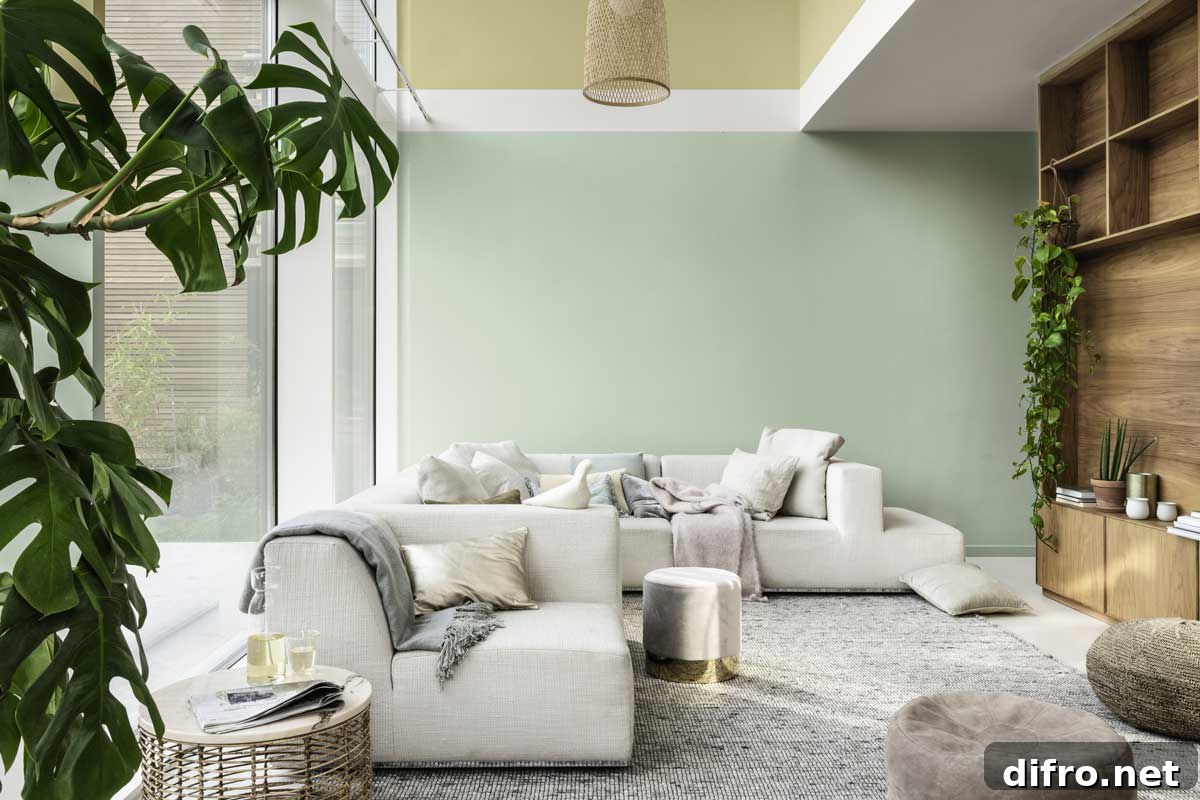
Pistachio works best when you consider lighting: cooler north-facing rooms will show a slightly bluer cast, while sunlit south-facing rooms bring out warmer, creamier undertones. Test paint and fabric samples in the intended room and view them throughout the day to ensure the shade reads as you expect.
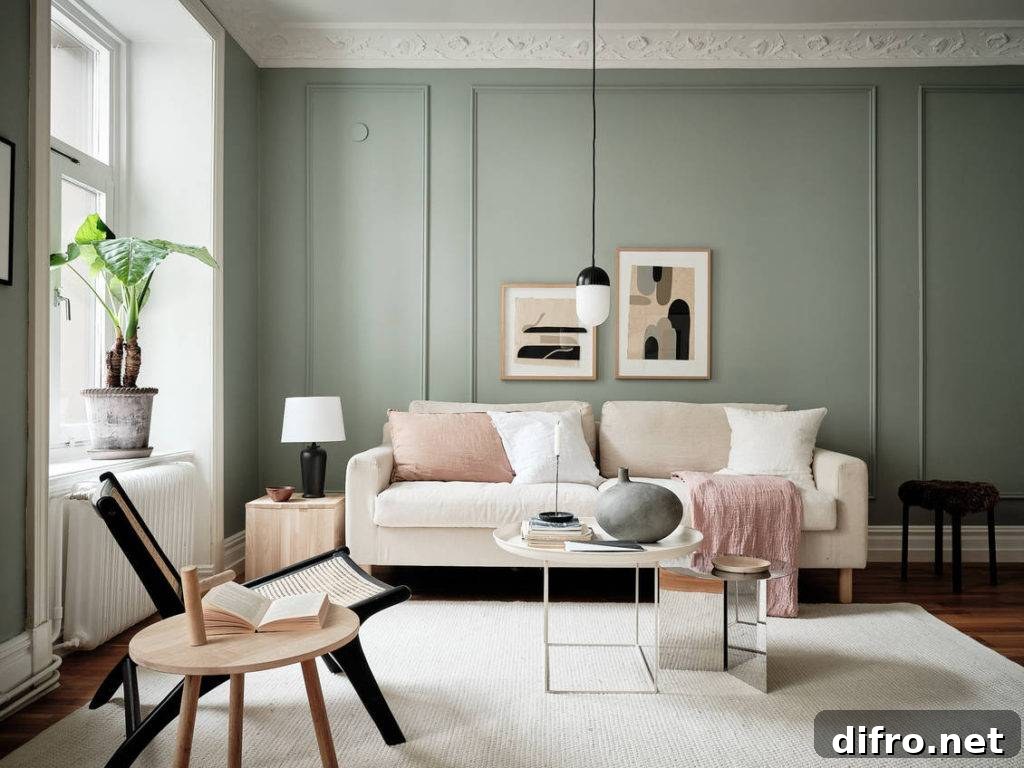
In summary, pistachio is a flexible color that can refresh furniture, cabinetry and walls while remaining calming and stylish. Start small if you prefer low commitment—an armchair or dresser—then expand to larger elements if the tone suits your home. Thoughtful pairings, attention to finishes and testing samples in natural light will ensure your pistachio accents feel intentional and timeless.