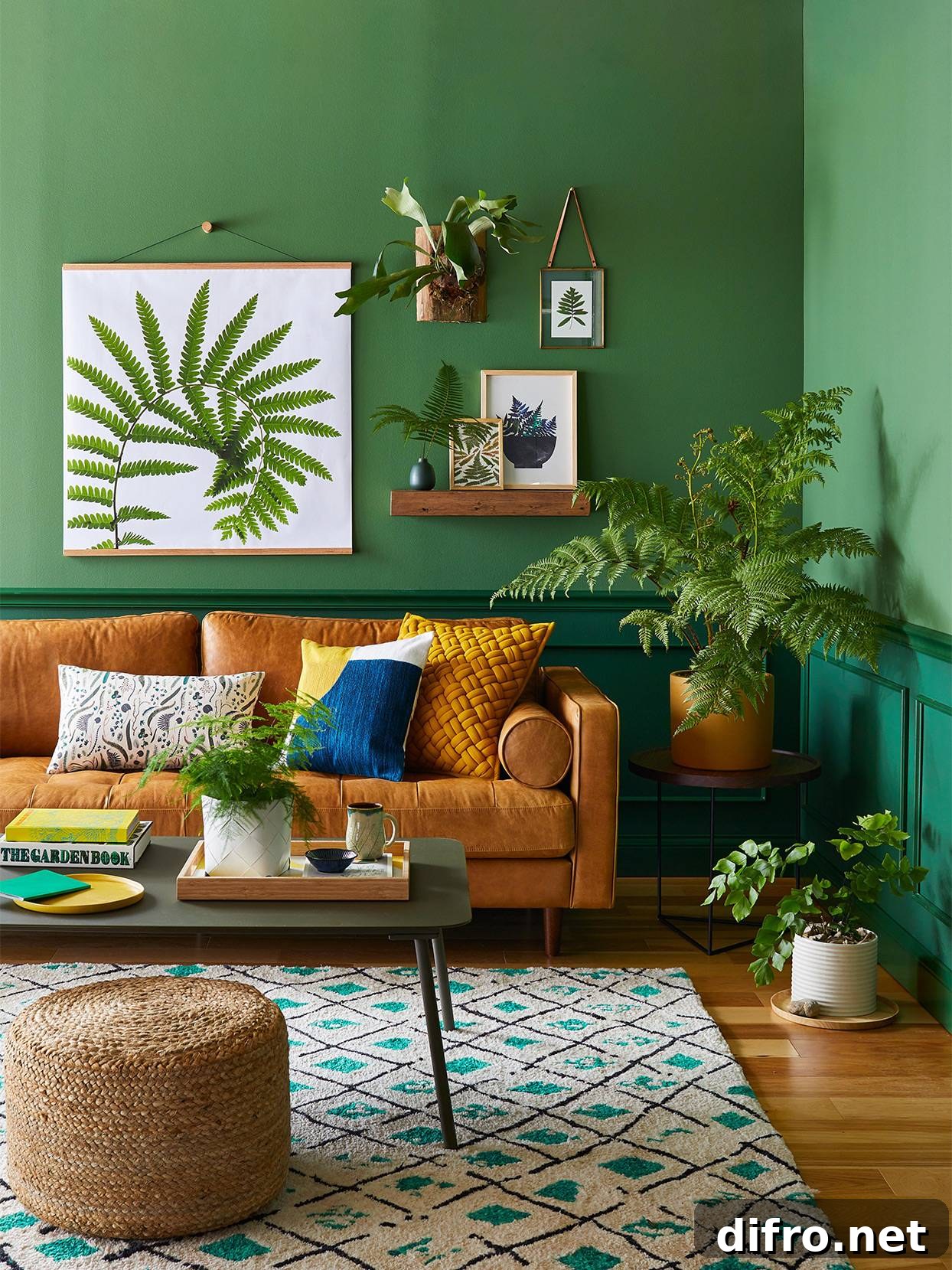
The organic modern decor style merges contemporary minimalism with natural materials and timeless craftsmanship. It favors clean lines, warm textures, and a restrained palette to create interiors that feel both modern and lived-in. Sustainable choices, biophilic touches, and thoughtfully selected furniture produce calming, functional spaces where nature and design coexist.
This guide outlines the defining elements of organic modern decor and offers practical ideas to bring the look into your home.
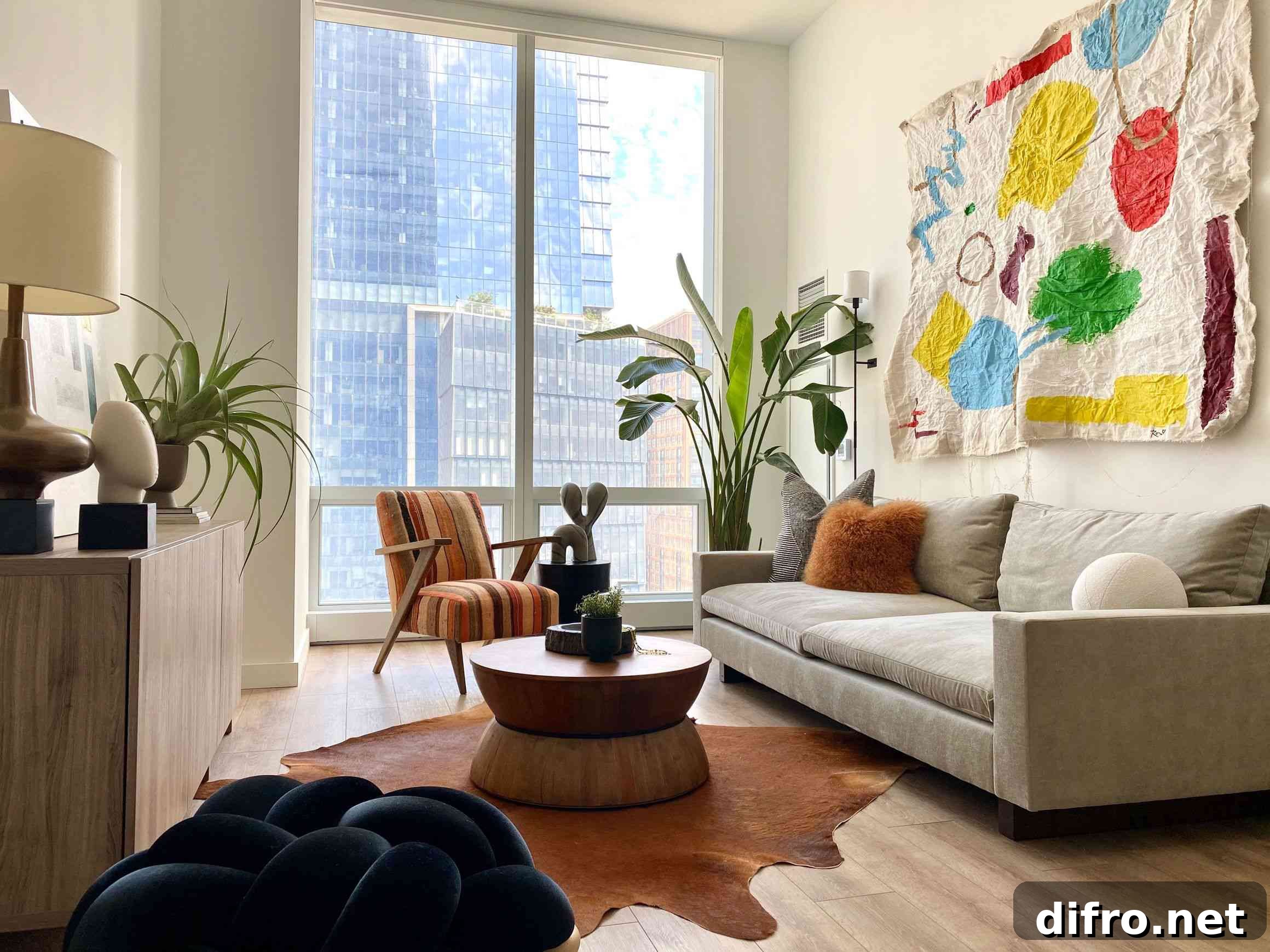
Below are practical traits and design strategies to help you design organic modern rooms that feel balanced, inviting, and contemporary.
What Is Organic Modern Design?
Organic modern design blends the simplicity and geometry of modernism with natural textures, soft shapes, and sustainable materials. The result is a warm, minimalist interior that prioritizes comfort, daylight, and tactile finishes.
Thermal Control Materials
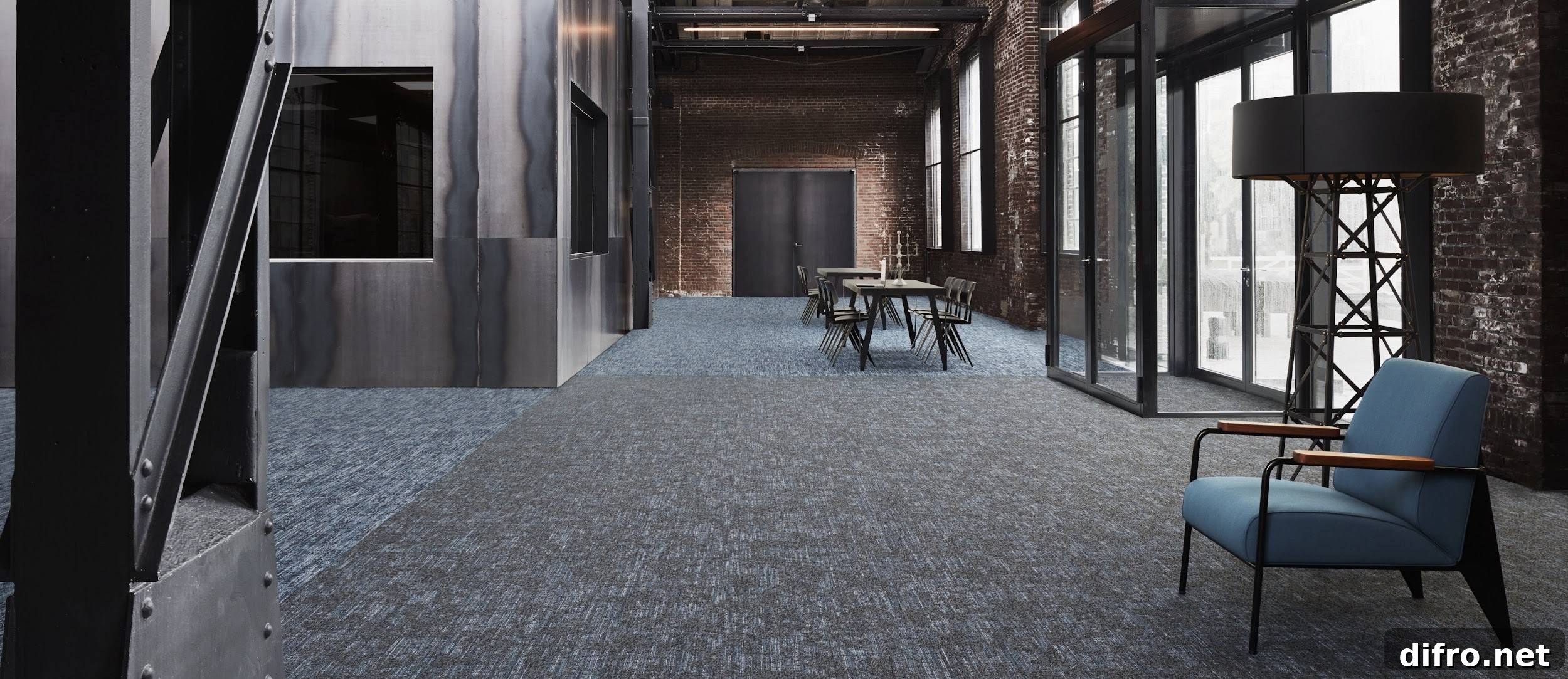
Consider architectural elements that improve comfort and efficiency. Large operable windows, stone walls, and layered textiles help regulate temperature and light. Rugs and carpets also contribute to insulation and acoustic warmth, enhancing the room’s cozy feel.
Round, Smooth Shapes
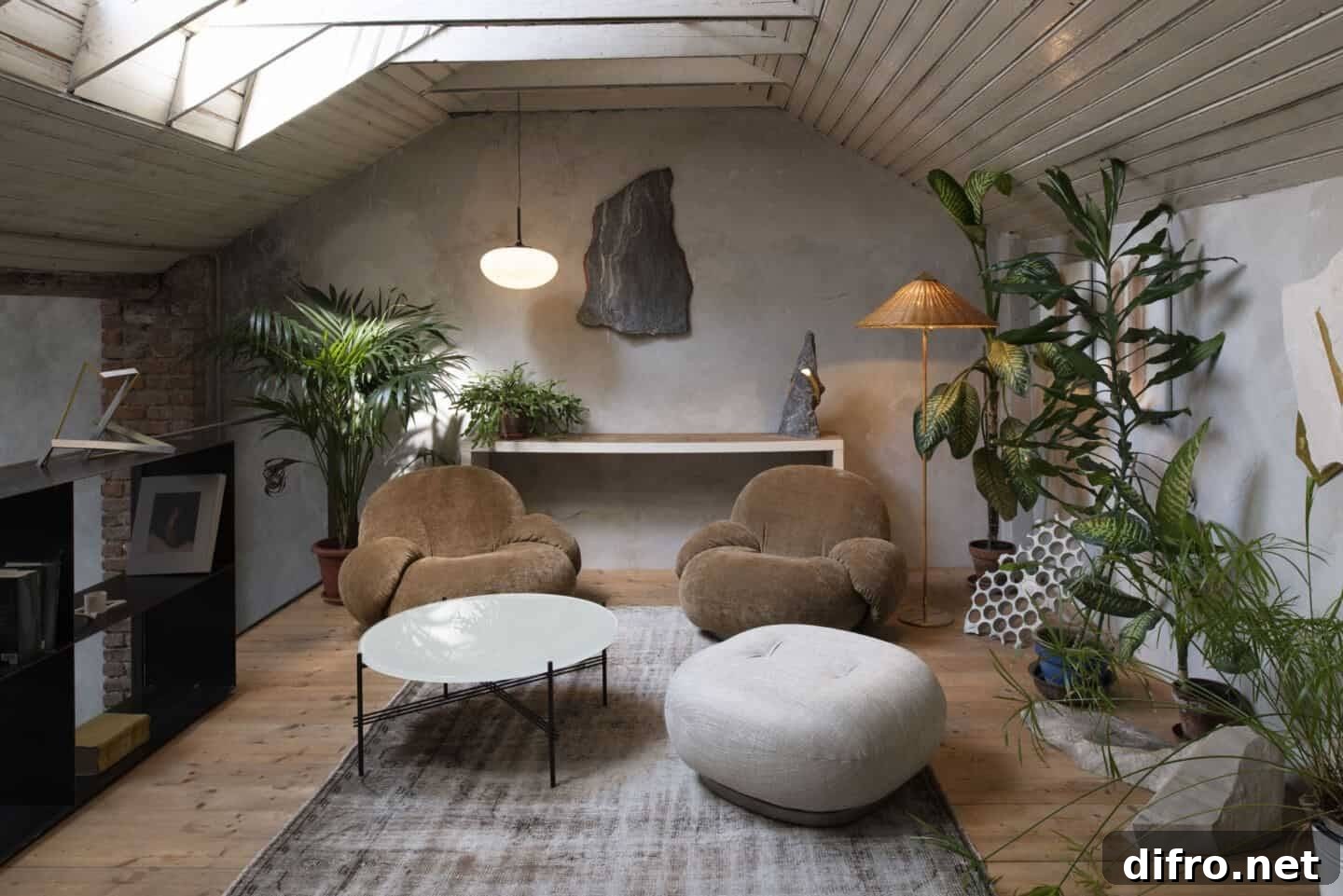
Curved furniture and soft silhouettes introduce a sense of calm and shelter. Rounded sofas, sculptural chairs, and organic coffee tables contrast angular architecture and add a tactile, human scale to minimal spaces.
Natural Materials
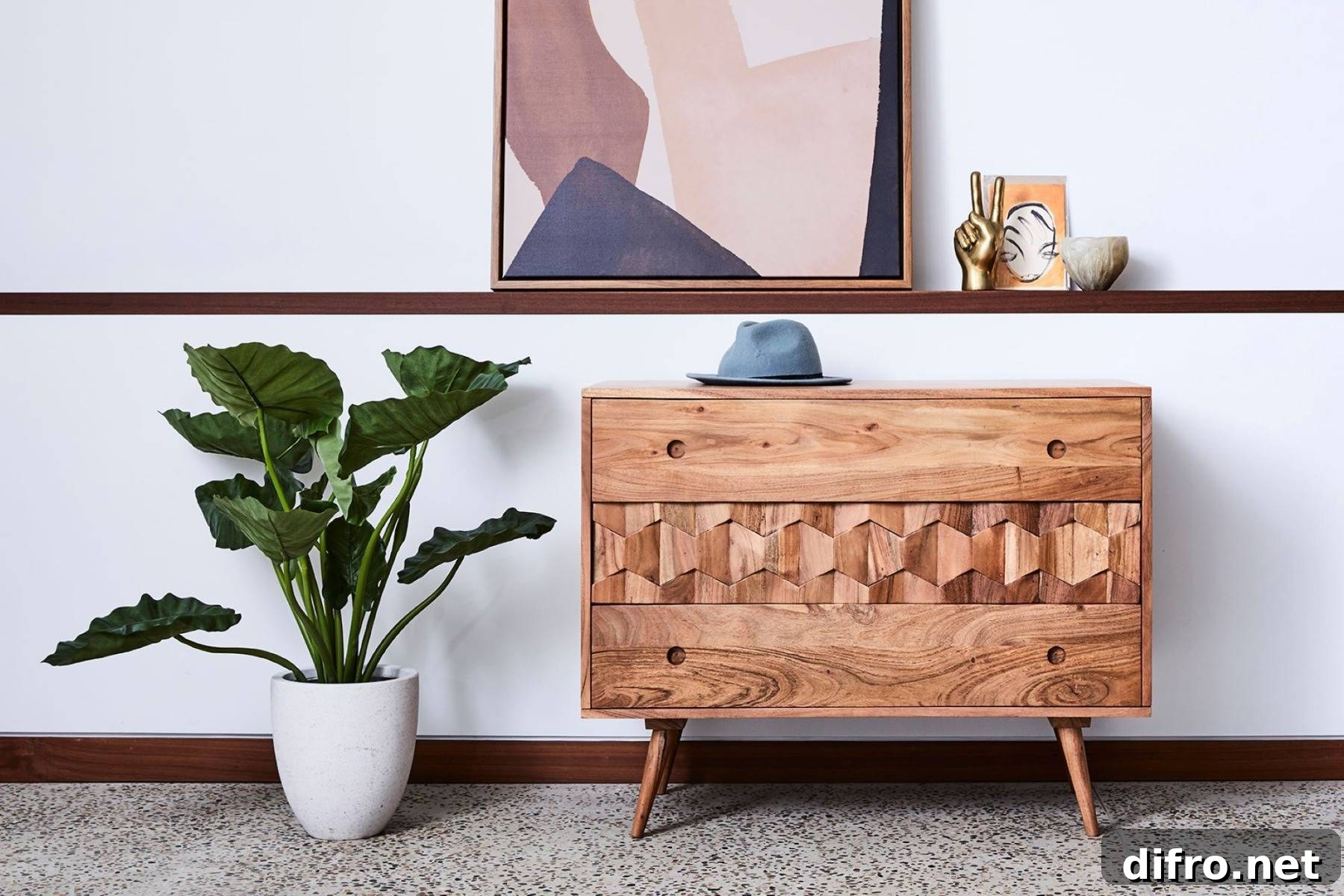
Wood, stone, linen, rattan, and woven fibers are central to the organic modern aesthetic. These materials add texture and depth without overwhelming the space. Mixing refined surfaces—polished wood or stone—with rawer finishes creates a balanced, authentic look.
Green Living
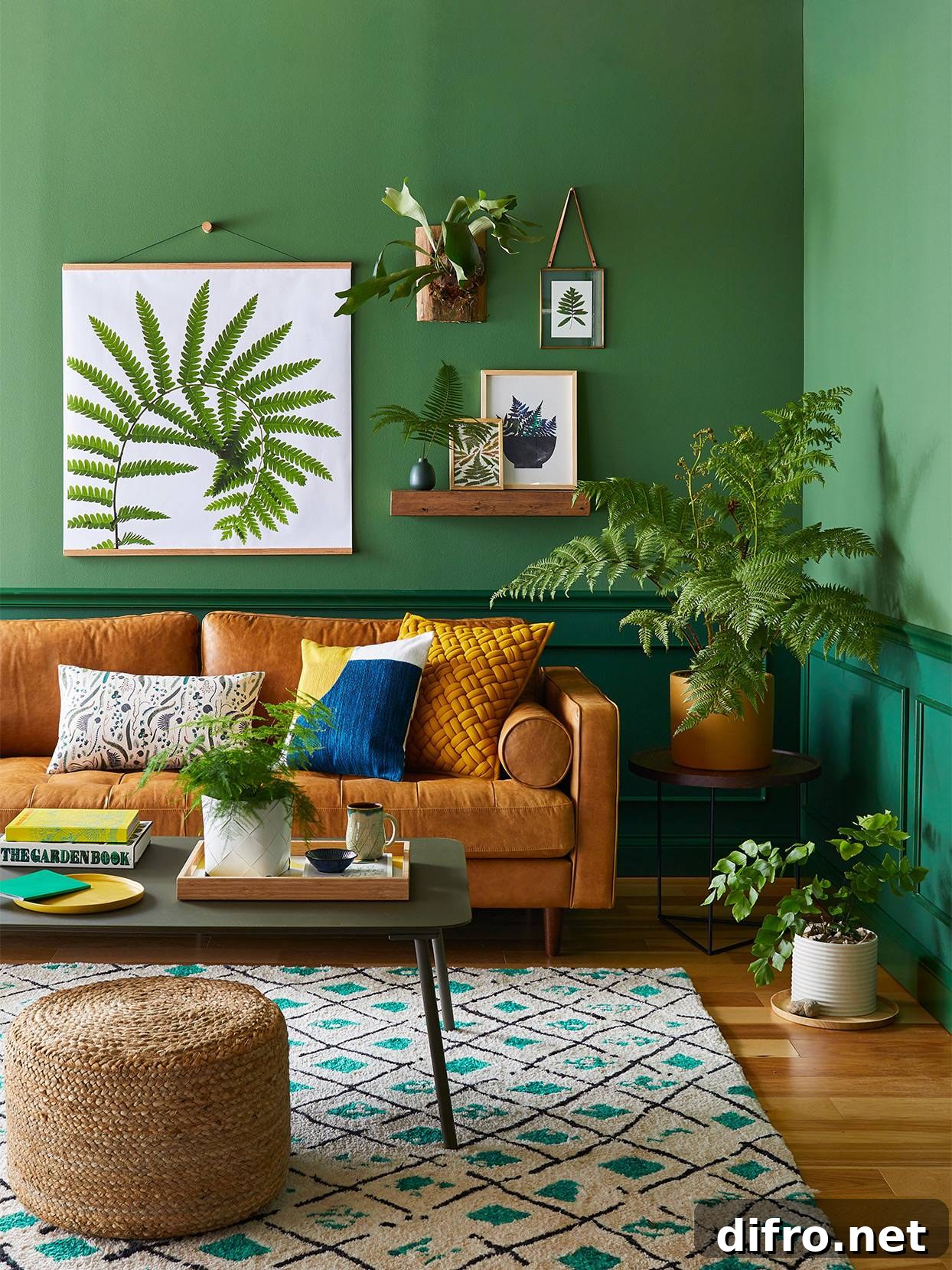
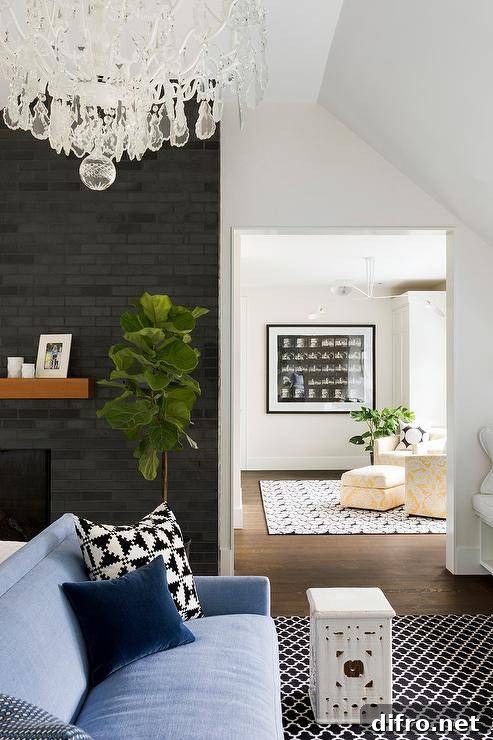
Plants are a hallmark of organic modern interiors. From sculptural potted trees to clusters of succulents, greenery brings color, improves air quality, and reinforces the connection to nature. Use plants of varying heights and textures to create layered, living compositions.
Natural Stone Details
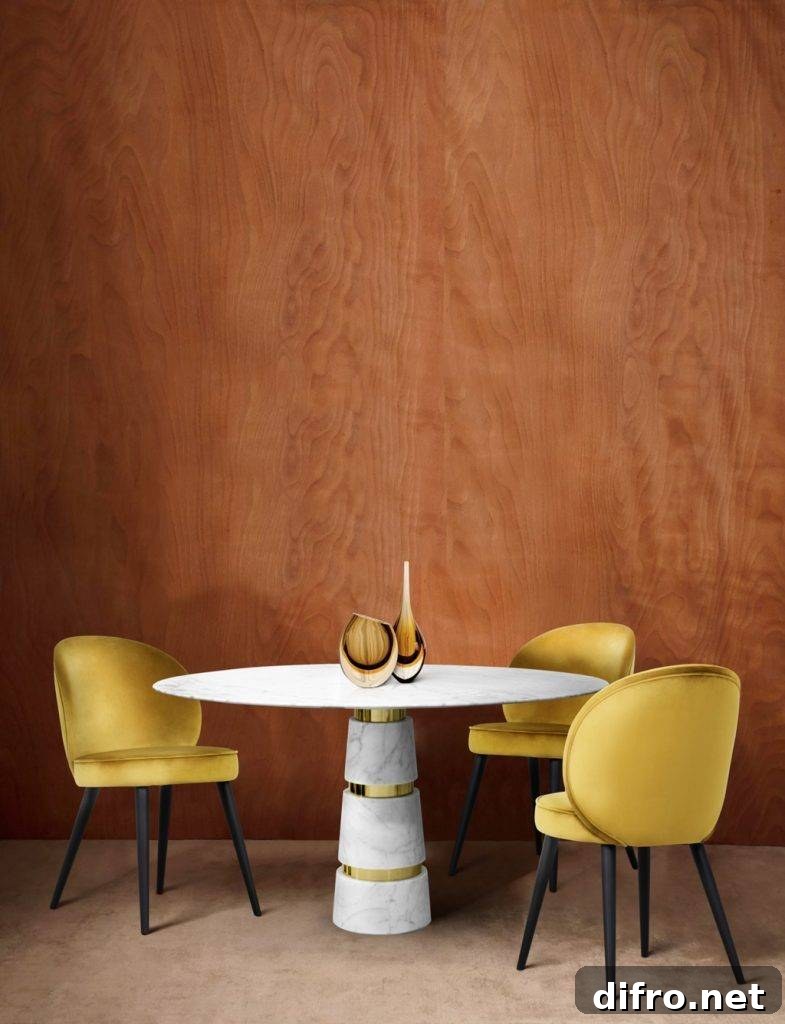
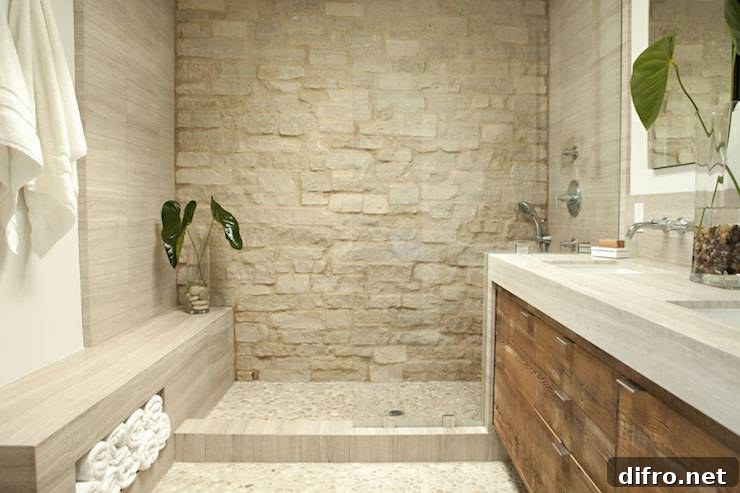
Stone elements—marble, granite, or textured slate—add permanence and visual interest. A stone accent wall, a sculptural fireplace surround, or a small marble-topped table can elevate a room without dominating it. For budget-conscious updates, consider stone-look finishes or limited accent pieces.
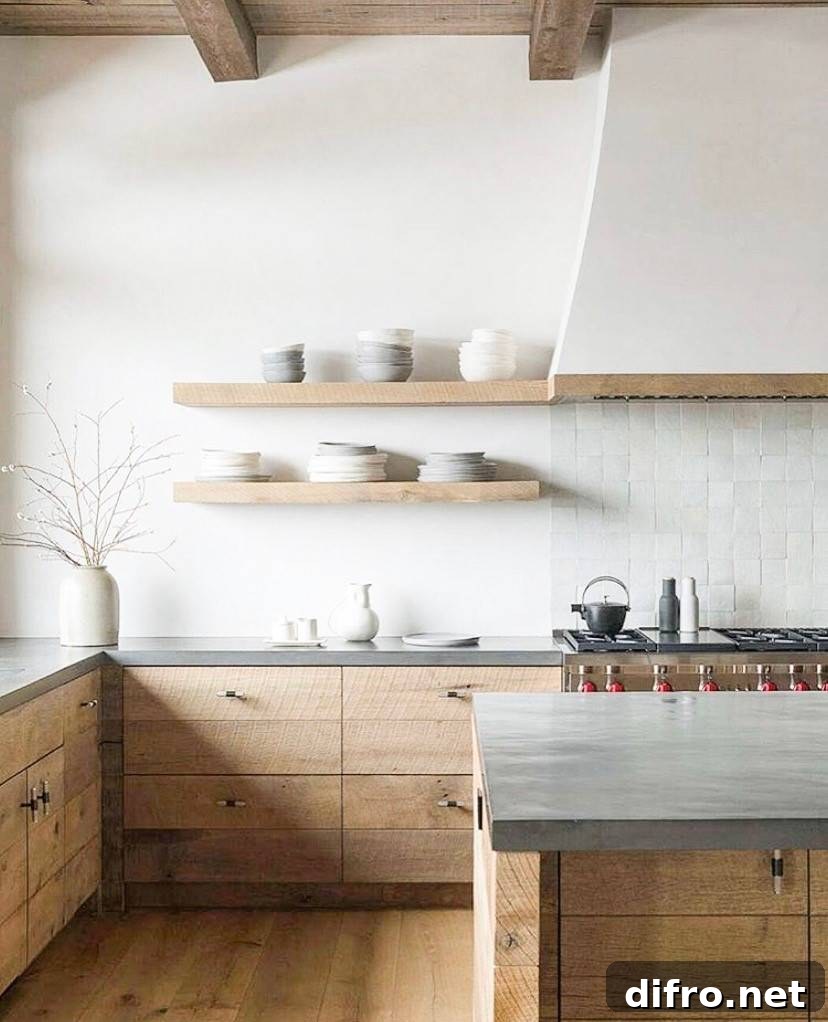
Add Polished Wood and Metal
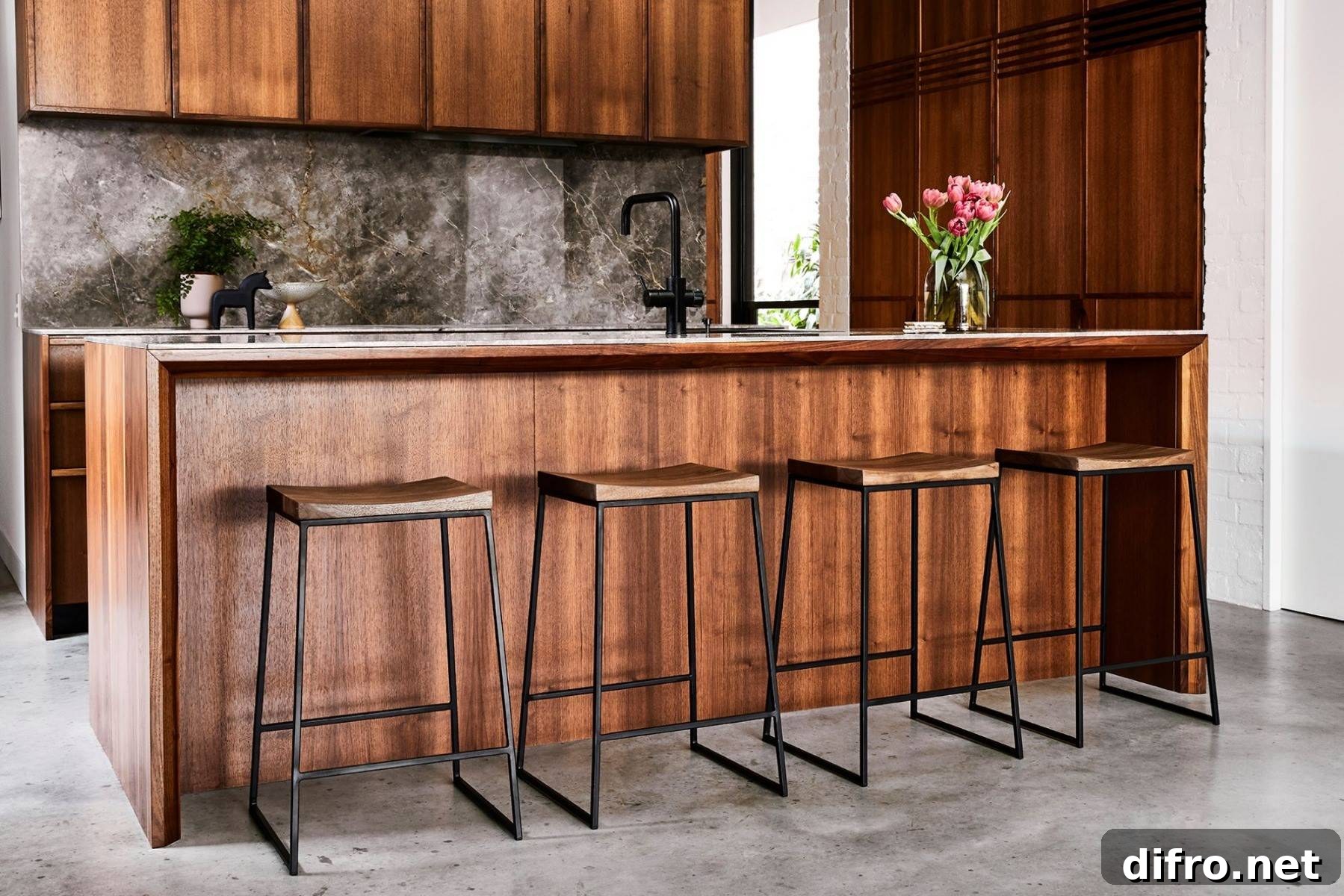
Balanced pairings of warm wood and matte or brushed metal introduce contrast while keeping the palette natural. In kitchens and dining areas, wood cabinetry with metal hardware and stone backsplashes create an environment that feels crafted and contemporary.
Japandi Influence
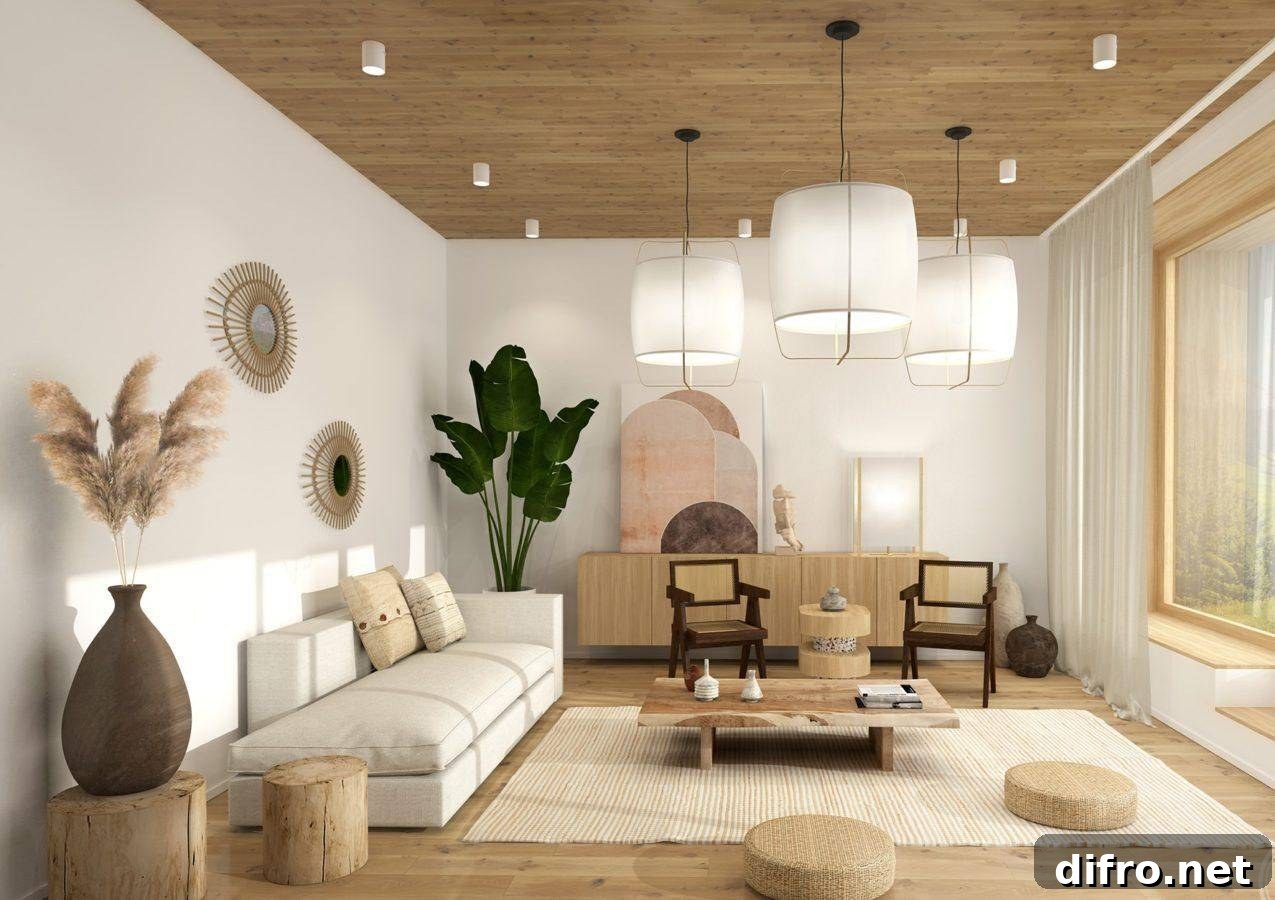
The Japandi overlap—fusing Japanese restraint and Scandinavian warmth—fits naturally within organic modern decor. Think low-profile furniture, muted tones, handcrafted ceramics, and a focus on function and simplicity.
Linen and Textiles
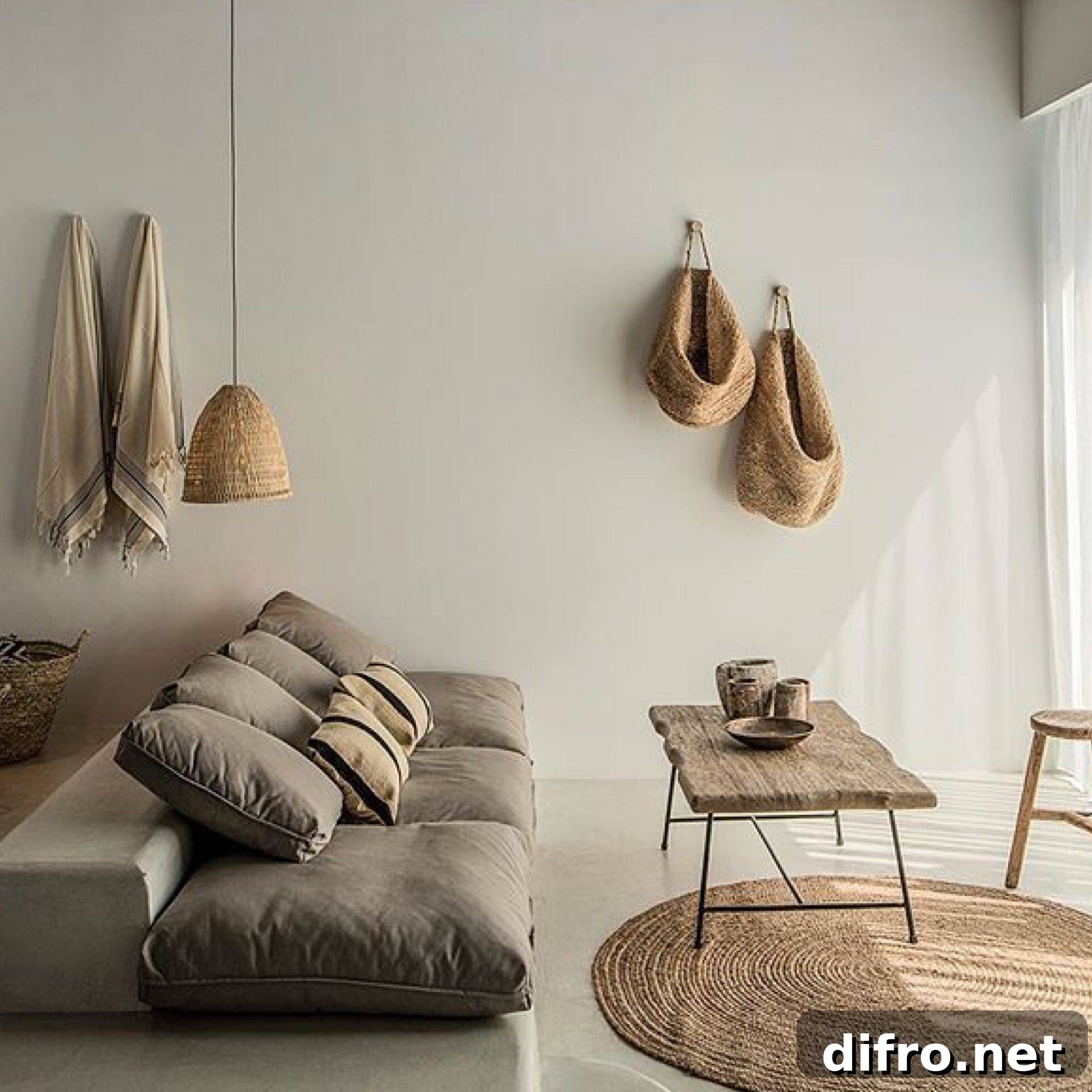
Linen, cotton, and natural weaves bring subtle texture and a relaxed, timeless quality. Faded or vintage-looking wood paired with handcrafted baskets and woven accents enhances the sense of history and craftsmanship.
The Right Light
Natural daylight is essential. Pair it with layered lighting—overhead fixtures, sculptural pendants, and soft task lamps—to highlight materiality and create different moods. Sculptural lighting becomes both an artful focal point and functional illumination.
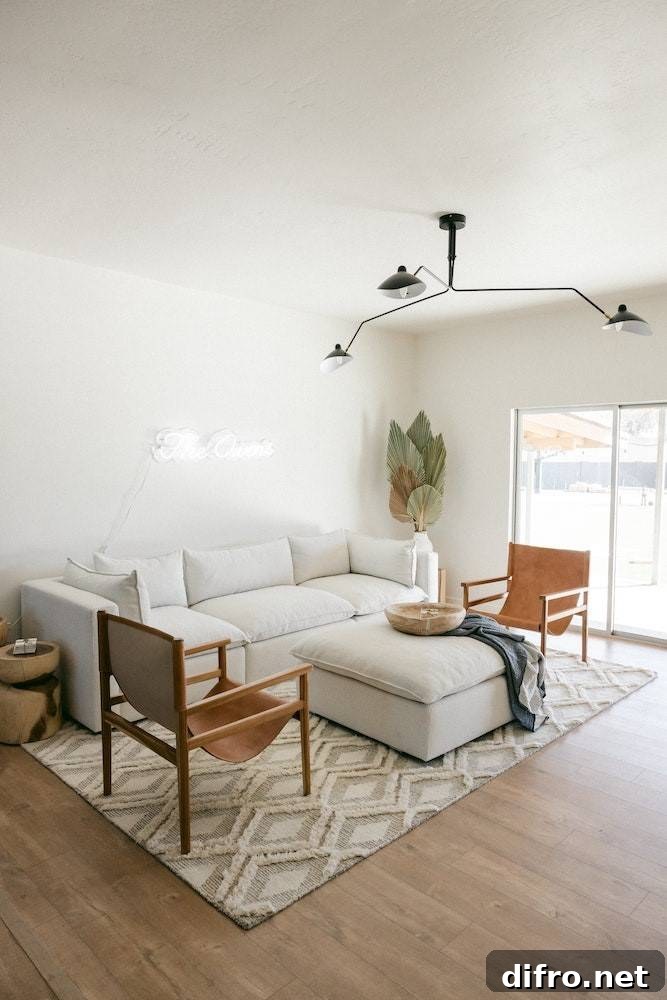
Shelving and Storage
Open shelving in fine-grained wood or mixed materials keeps displays minimal and curated. Aim for a balance of functional storage and a few thoughtfully arranged objects to maintain serenity and visual flow.
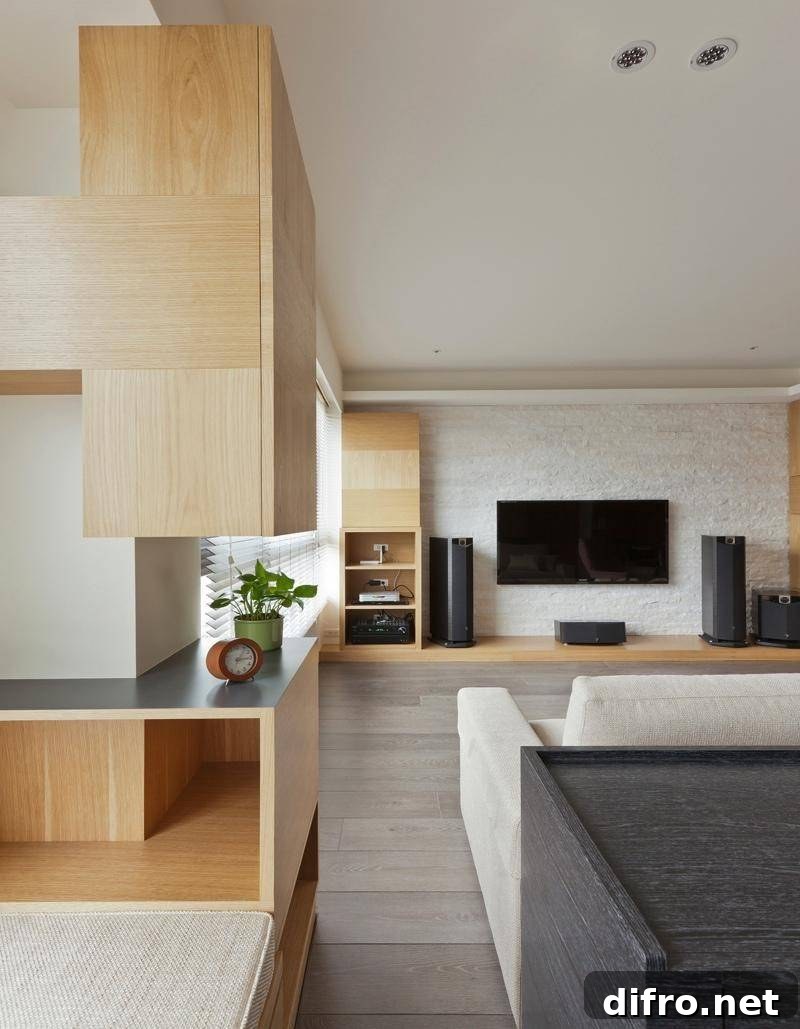
Natural Color Palette
Organic modern spaces rely on a grounded palette: warm whites, creams, taupes, soft greens, and rich wood tones. These neutrals create a tranquil backdrop that lets materials and form take center stage.
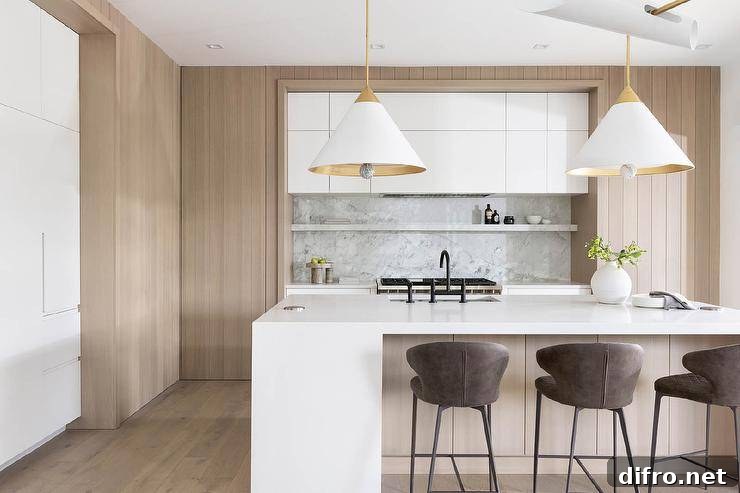
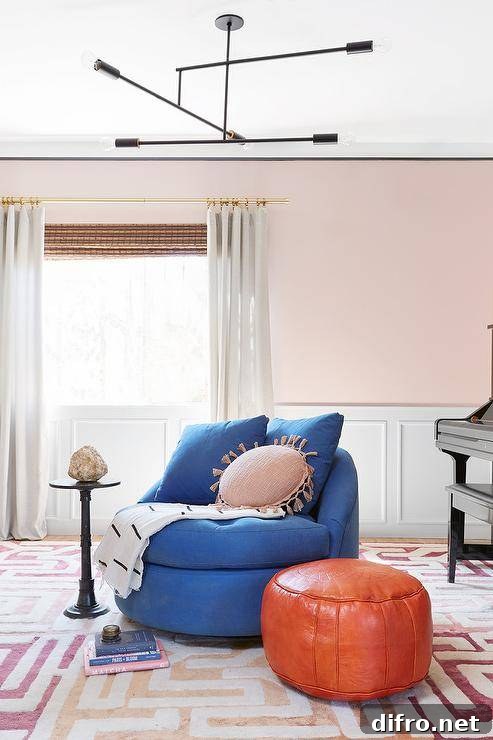
Accents in muted tones or a single saturated color can be introduced sparingly to add personality while preserving harmony.
Minimalist Furniture
Choose furniture with simple proportions and honest materials. Low, streamlined profiles and unadorned finishes allow texture—wood grain, stone veins, or woven fibers—to be the focal point rather than ornamentation.
Concrete Elements
Concrete introduces an industrial-modern edge that pairs well with organic textures. Use it selectively—planters, countertops, or an accent wall—to anchor lighter materials while keeping the overall feel grounded.
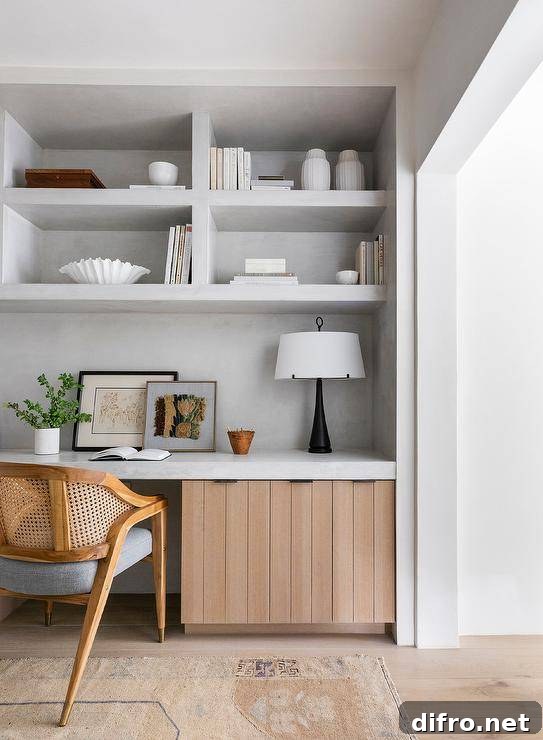
Modern Decor and Geometry
Modern decor within this style emphasizes restraint—clean silhouettes, geometric forms, and purposeful objects. Geometric patterns and shapes in furniture or floor tiles can add contemporary rhythm without disrupting the organic character.
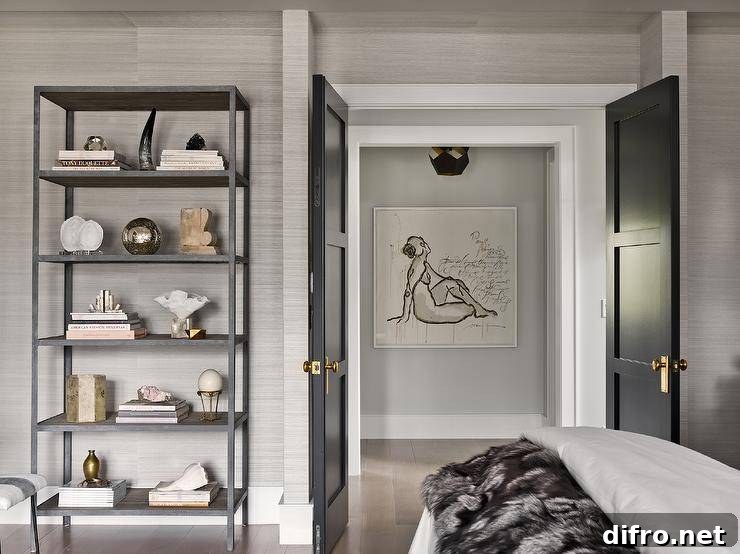
Sculptural Lighting
Lighting doubles as art in organic modern interiors. Choose fixtures that reference natural forms or geometric curves to add sculptural presence while delivering soft, layered illumination.
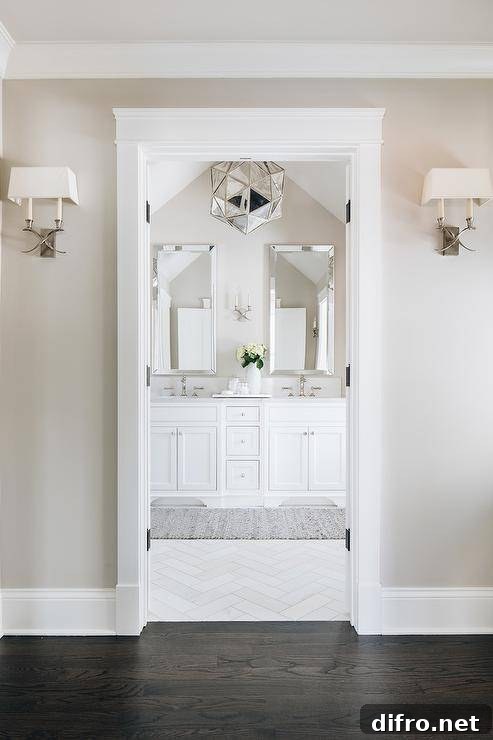
Artwork with Organic Themes
Select art that complements the material story—abstract landscapes, botanical studies, or textured wall pieces in muted tones. Artwork should reinforce the calm, nature-inspired mood rather than compete for attention.
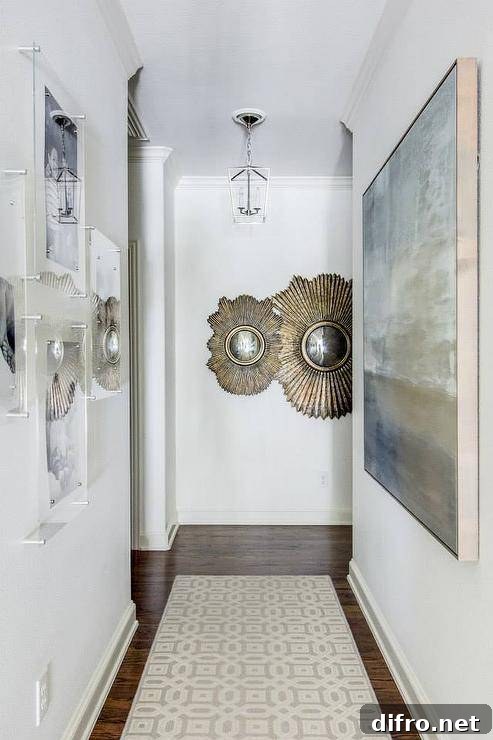
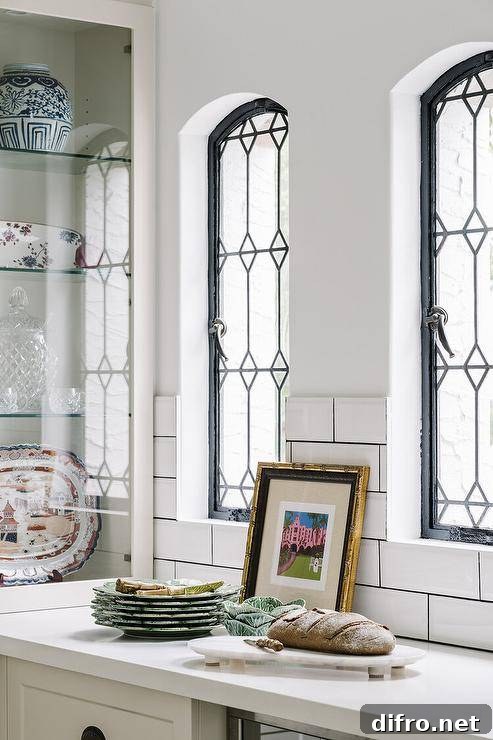
Unadorned Windows
Leaving windows simple—bare or with very light treatments—maximizes daylight, frames outdoor views, and contributes to the uncluttered aesthetic. The result is a bright, open interior that feels connected to its setting.
Clean Line Fireplace
A minimalist fireplace with simple proportions complements organic modern rooms by offering warmth without visual clutter. Choice of surround—stone, plaster, or matte metal—can anchor the room while maintaining a contemporary silhouette.
Frequently Asked Questions (FAQs)
What is organic modern decor style?
It is a design approach that pairs modern simplicity with natural materials and biophilic elements to create warm, functional interiors.
What are the key features?
Look for neutral, nature-inspired palettes, honest materials (wood, stone, linen), uncluttered furniture, and abundant natural light.
How can I start at home?
Begin with a neutral base, introduce textured natural materials, add a few plants, choose streamlined furniture, and layer soft lighting.
Which colors work best?
Earth tones, warm neutrals, muted greens, and soft creams create the calm, organic backdrop typical of this style.