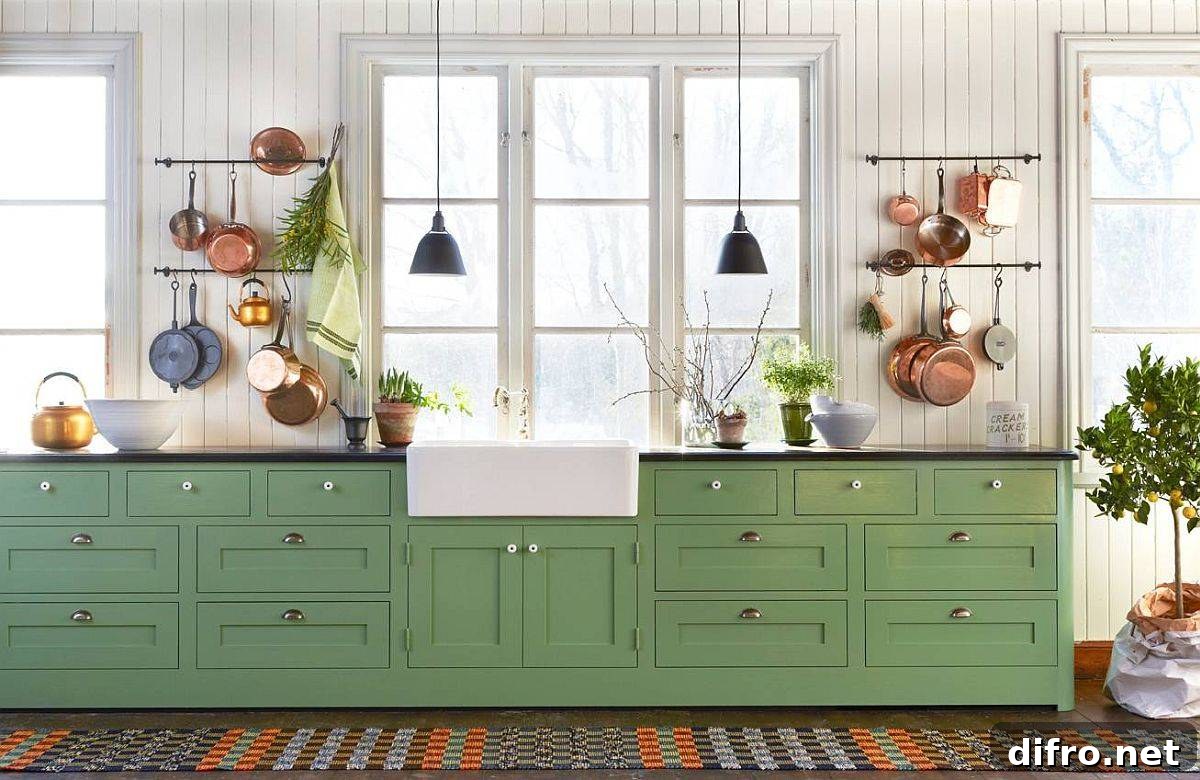
The kitchen is the one room in the house that almost always needs more storage. A poorly organized kitchen becomes a maze of clutter and slows every task, turning simple cooking into a time-consuming chore. From floating shelves and corner drawers to Lazy Susans and multifunctional islands, there are many ways to maximize space in a small kitchen. One solution that blends utility and style is classic and timely: hanging pots and pans in plain sight with pot racks and utility rails.
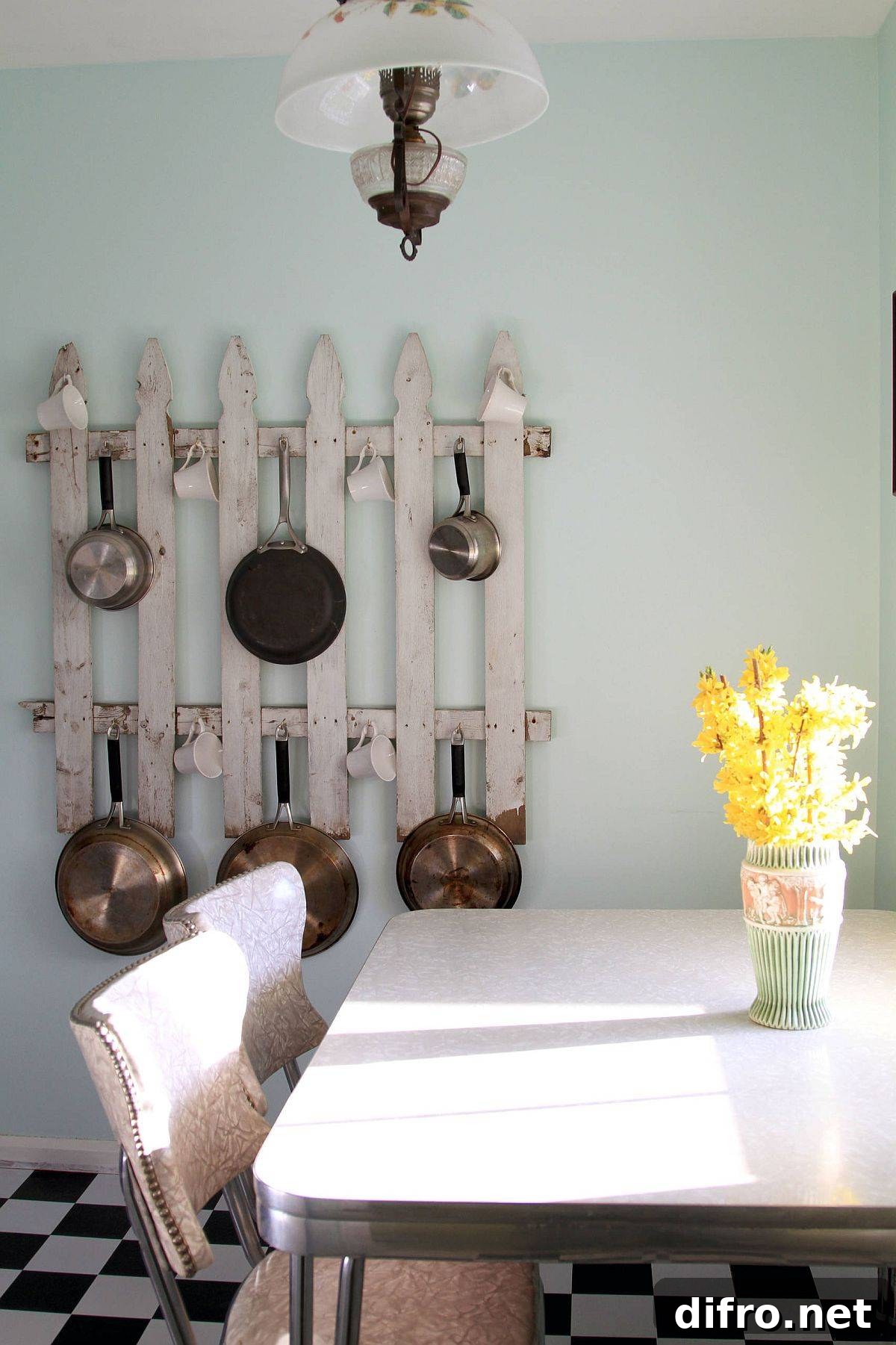
Pot racks and utility rails have long been an alternative to fully enclosed cabinets. Although the 1980s and 1990s favored hiding kitchenware behind closed doors and frosted glass, recent years have seen a resurgence of open, practical solutions. Modern homeowners increasingly choose pot racks to store and display cookware, turning practical storage into a visual focal point without a major remodel.
Utility Rails: Practical and Stylish Kitchen Storage
Utility rails offer a compact, low-maintenance alternative to open shelving. Unlike shelves that collect dust and require constant upkeep, a simple rail keeps frequently used pans and utensils within easy reach. Visible storage reduces time spent searching through lower cabinets, while a metal rail adds a bright accent—brass, copper, or stainless steel can complement many kitchen palettes without the expense of a renovation.
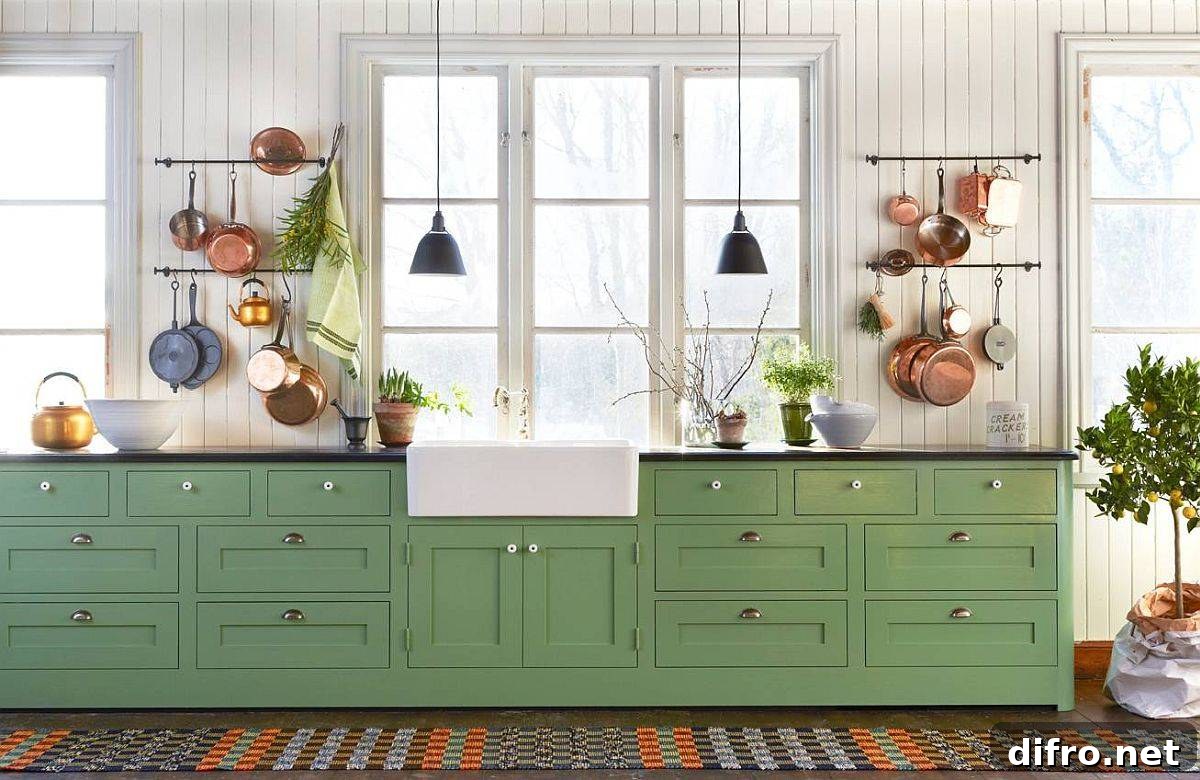
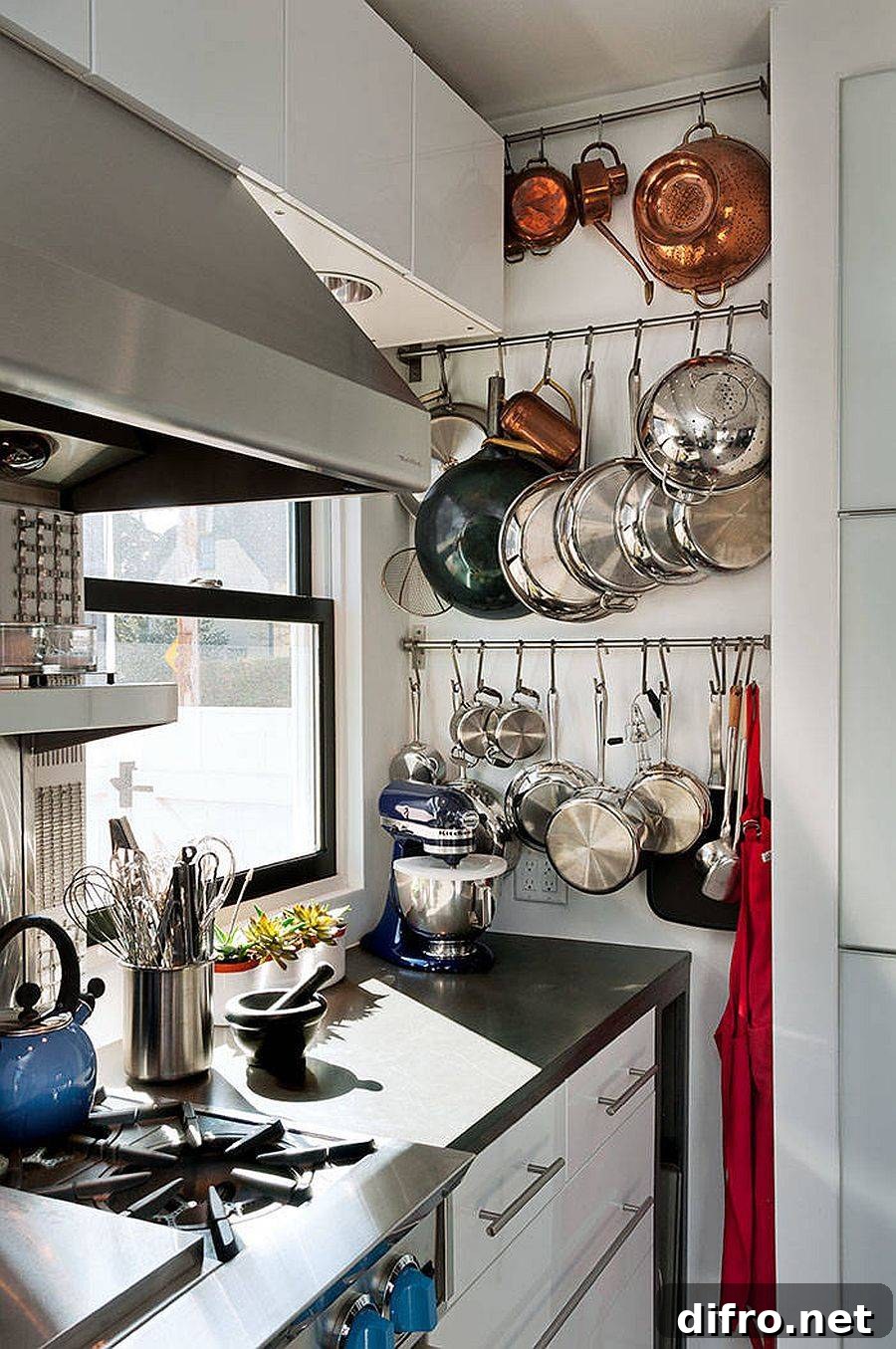
Utility rails are flexible: install a full run across a backsplash, mount a small rail under cabinets, or combine rails with magnetic strips and hooks for utensils, lids, and frequently used tools. They work in minimalist, traditional, and industrial designs, adapting to different finishes and layouts.
Suspended Pot Racks: Use Vertical Space Above Islands
Suspended pot racks are a hallmark of industrial and farmhouse-style kitchens, and they have become popular in contemporary designs as well. Hanging a pot rack above an island makes excellent use of vertical space, keeps pots within arm’s reach, and creates a dramatic visual centerpiece. These racks come in many shapes and sizes—rectangular frames, round rings, and multi-tiered grids—so you can choose one that suits the scale and style of your kitchen.
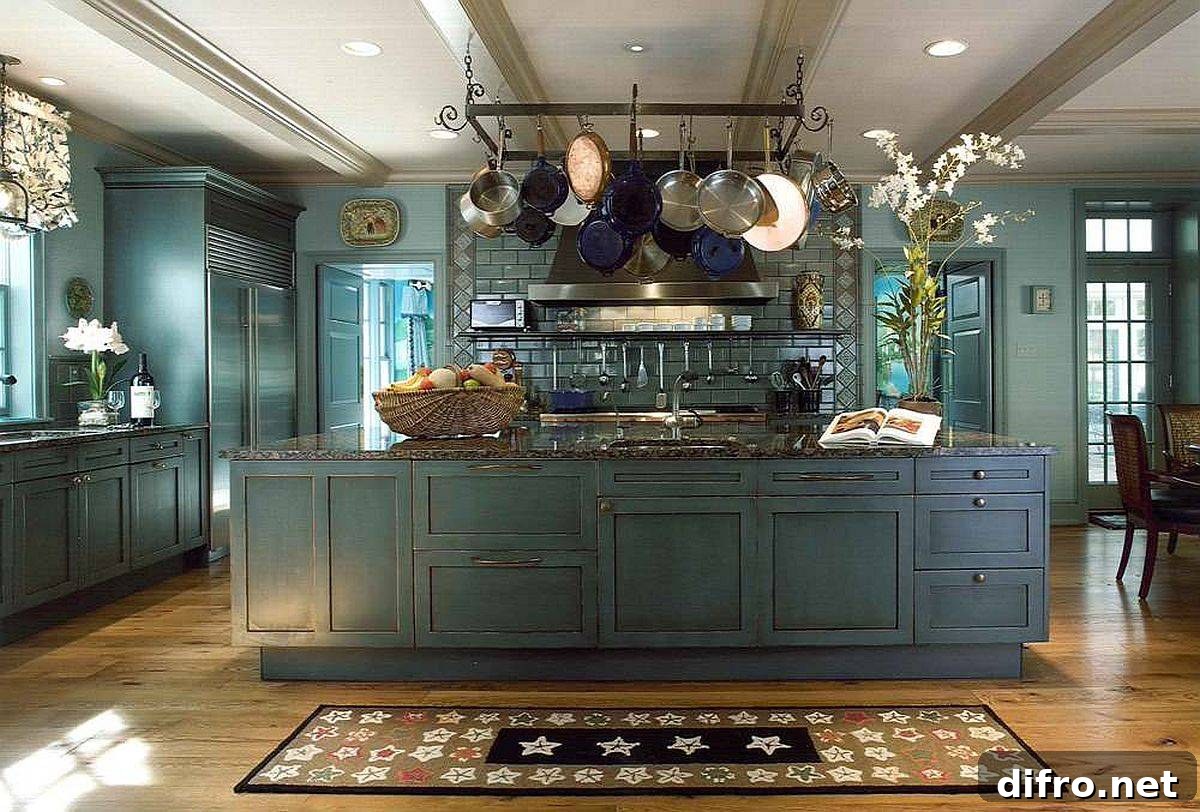
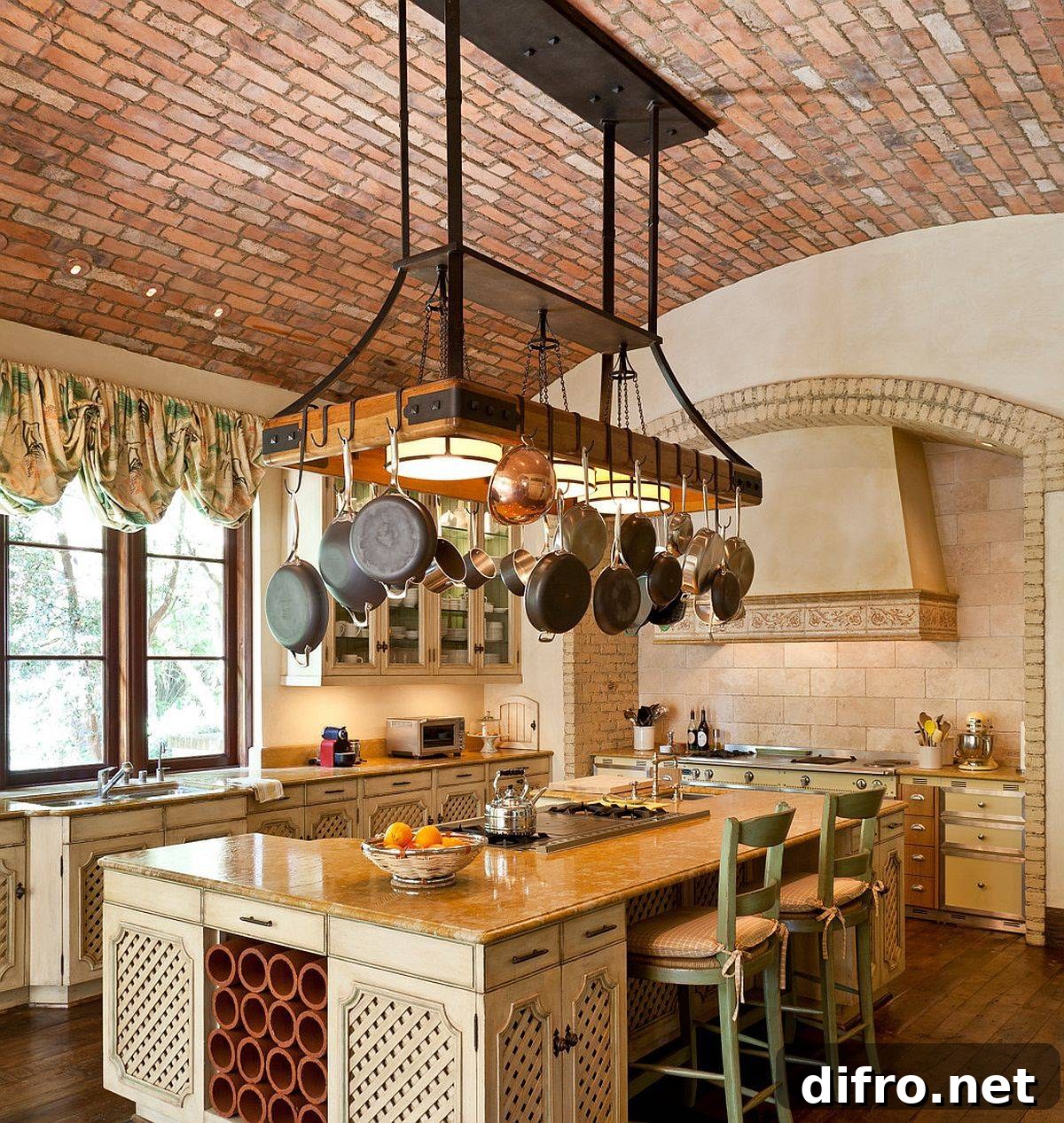
The key to a successful suspended rack is proper placement. Hang it low enough to reach comfortably but high enough to avoid bumping heads or obstructing sightlines. Consider the rack’s weight capacity and anchor it securely to ceiling joists. Many designs also incorporate lighting, turning the rack into a combined storage and task-lighting solution.
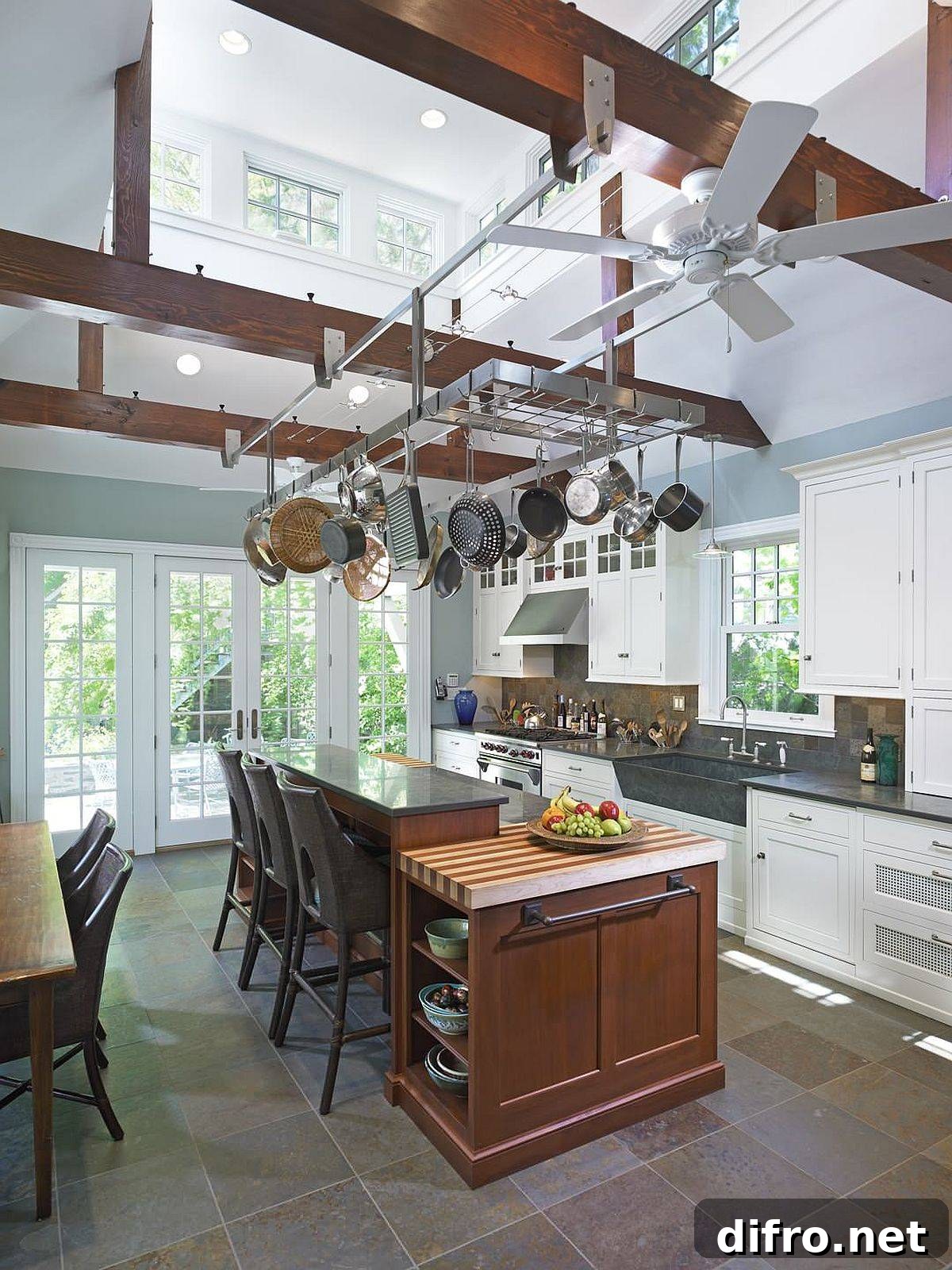
Custom and Compact Solutions
Not every kitchen needs a full run of rails or a large hanging rack. Tailor your approach to your space and cooking habits. A single corner rail can hold daily essentials without overwhelming a compact kitchen. Shelf-style rails combine open shelving with hanging hooks for a dual-purpose storage solution. For creative layouts, some people mount a small rack beneath an island countertop, freeing up upper space while keeping cookware accessible.
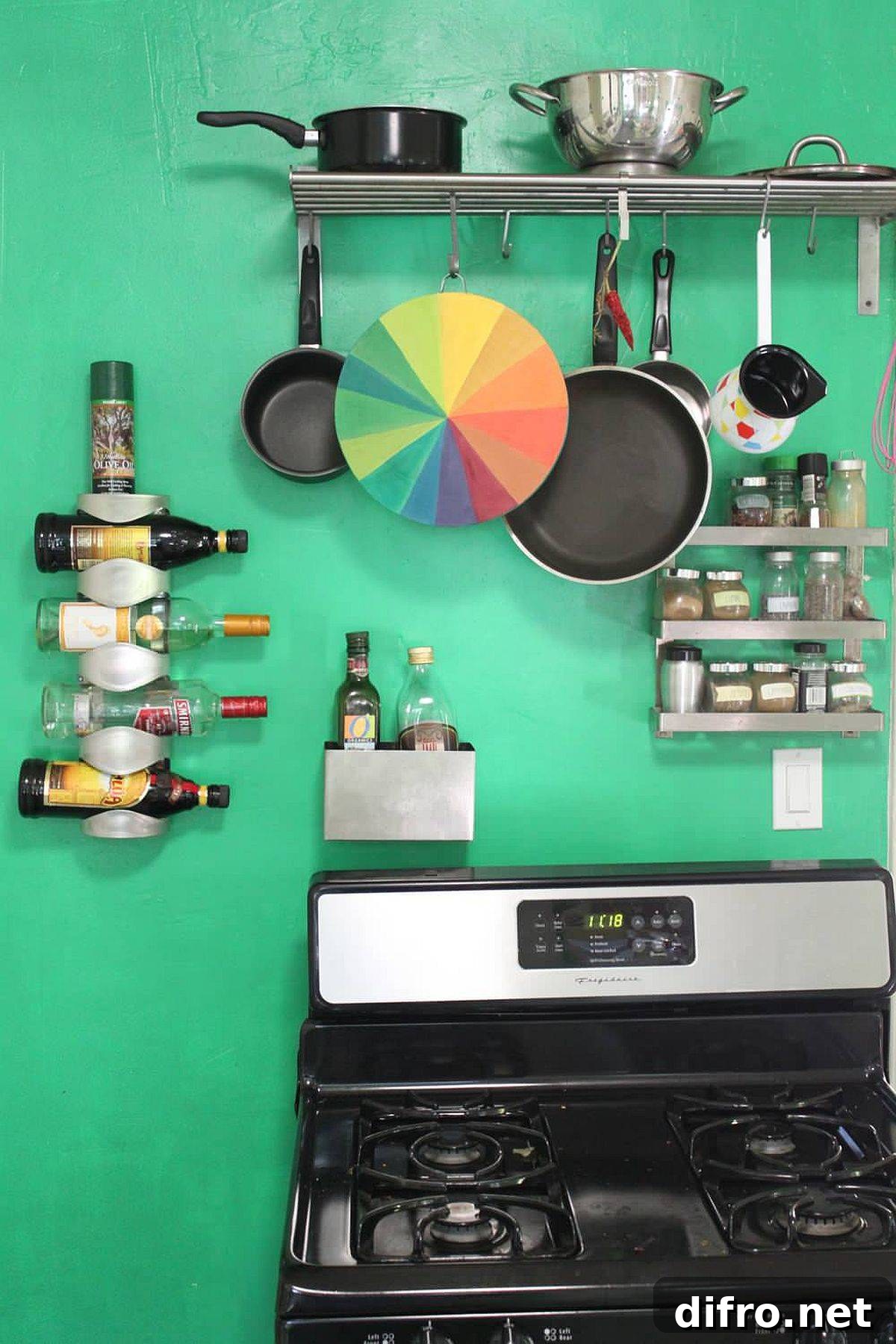
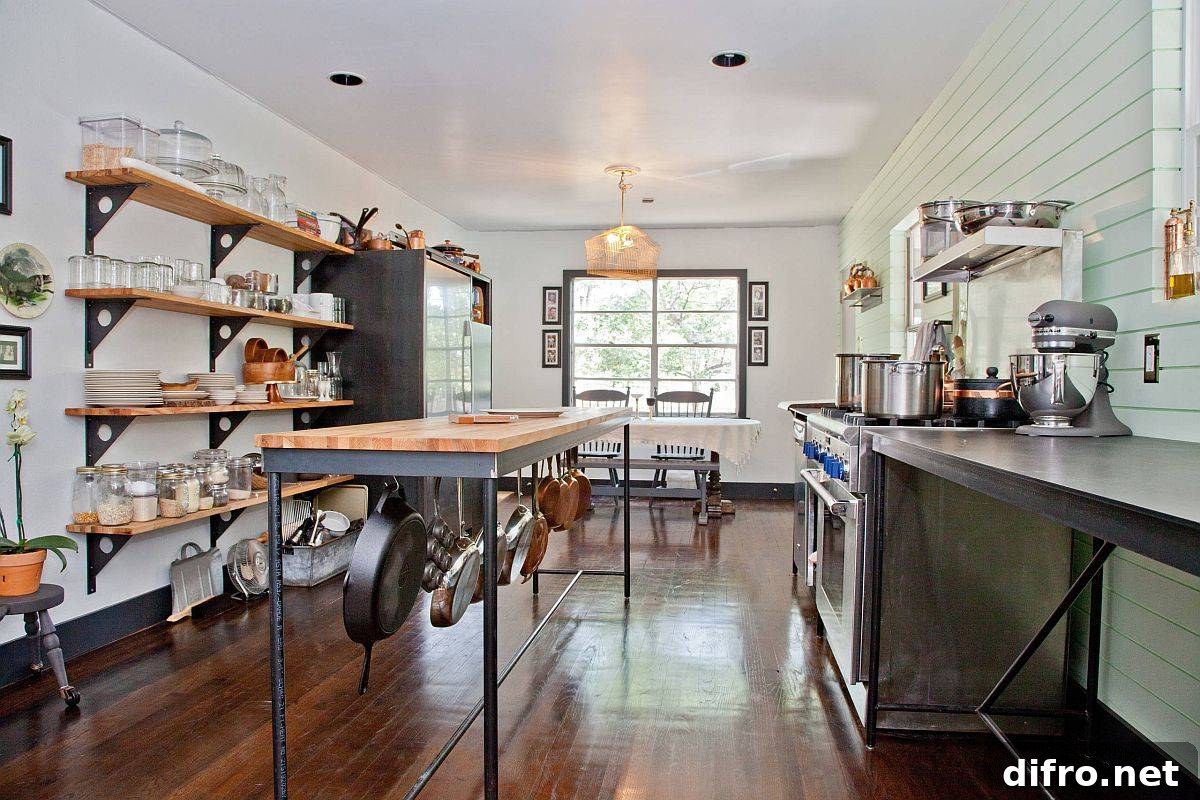
When choosing any hanging solution, think about how you cook: which pots and pans you use most, the typical flow of movement in your kitchen, and how each option will impact visual balance. A well-chosen pot rack or rail can reduce clutter, improve workflow, and add character—whether you prefer rustic charm, sleek modern lines, or an industrial edge.
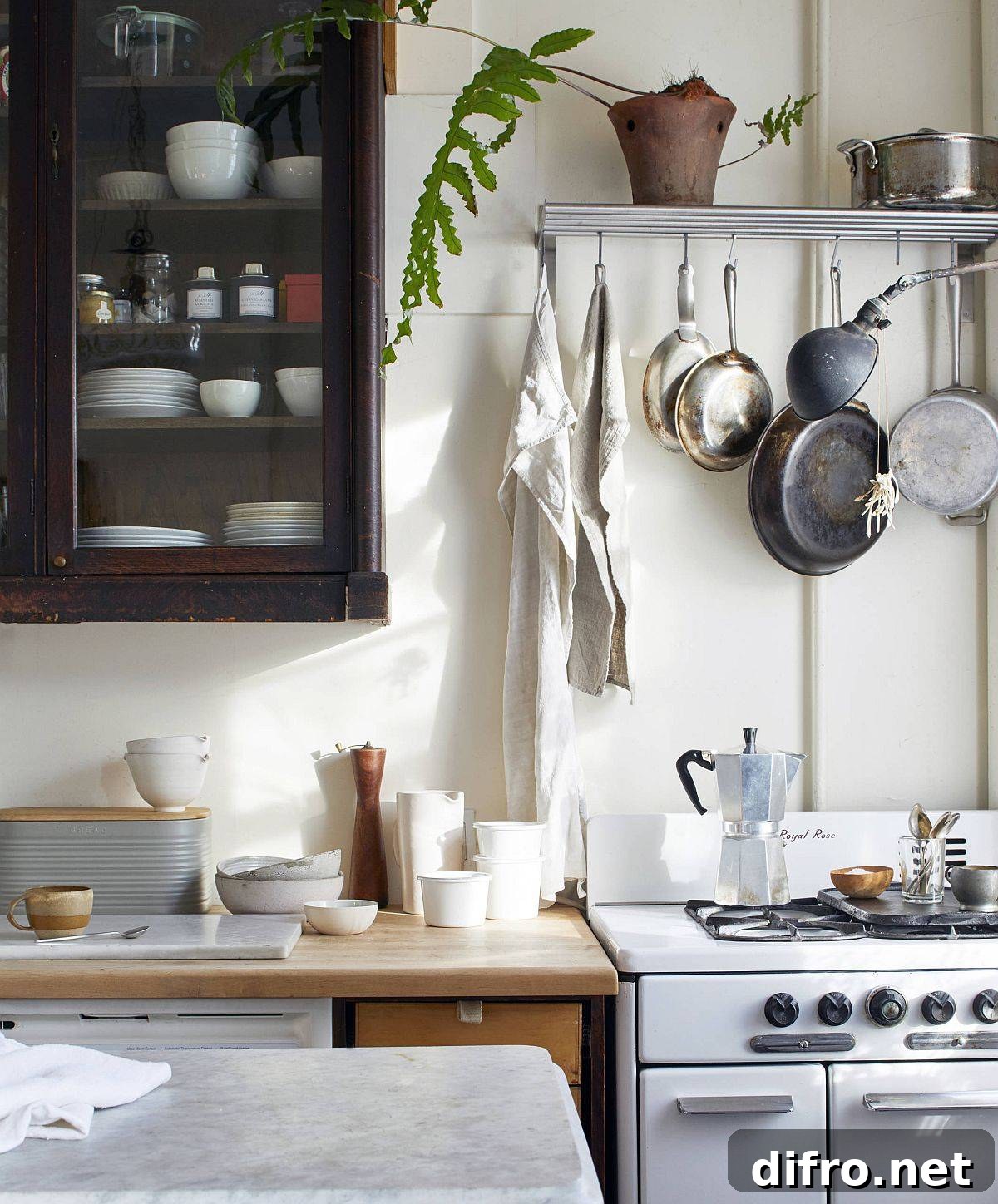
Pot racks and utility rails are practical, adaptable, and visually impactful. Whether you install a slim rail along a backsplash, a suspended rack over an island, or a custom under-island solution, hanging cookware is a smart way to reclaim storage, streamline your cooking routine, and introduce a stylish accent to your kitchen.