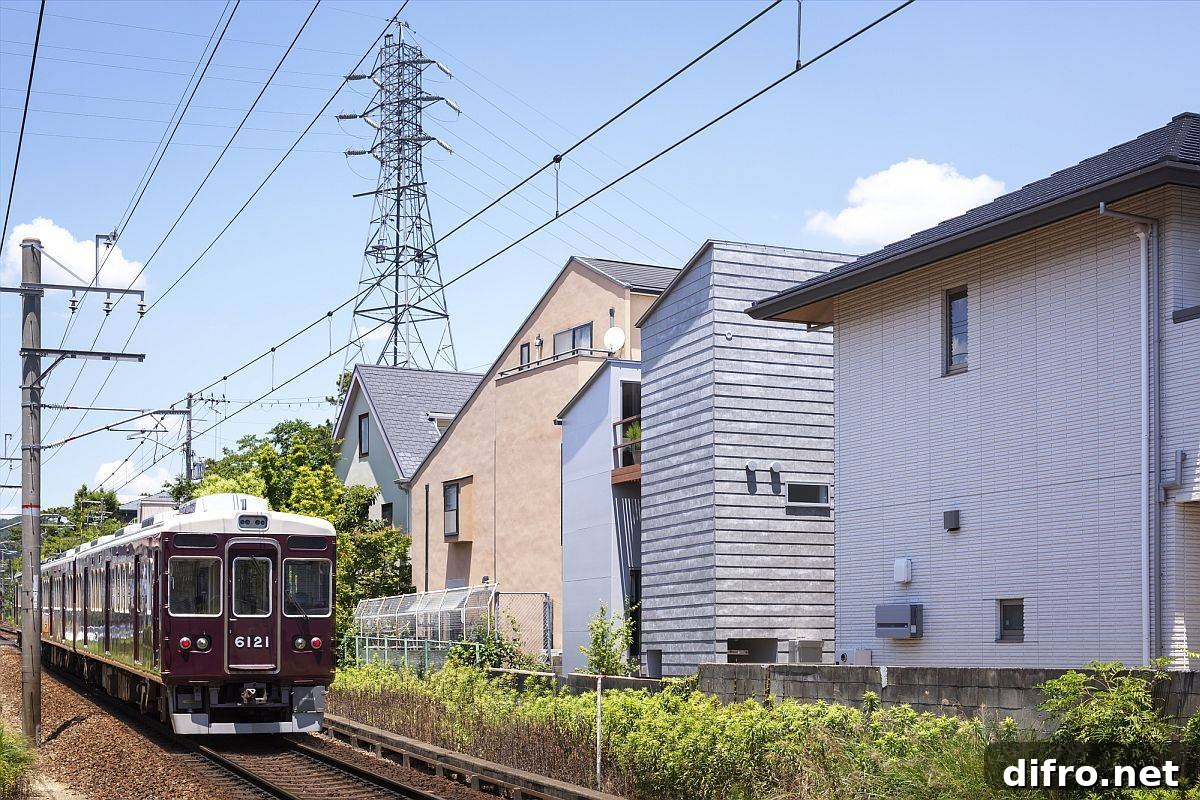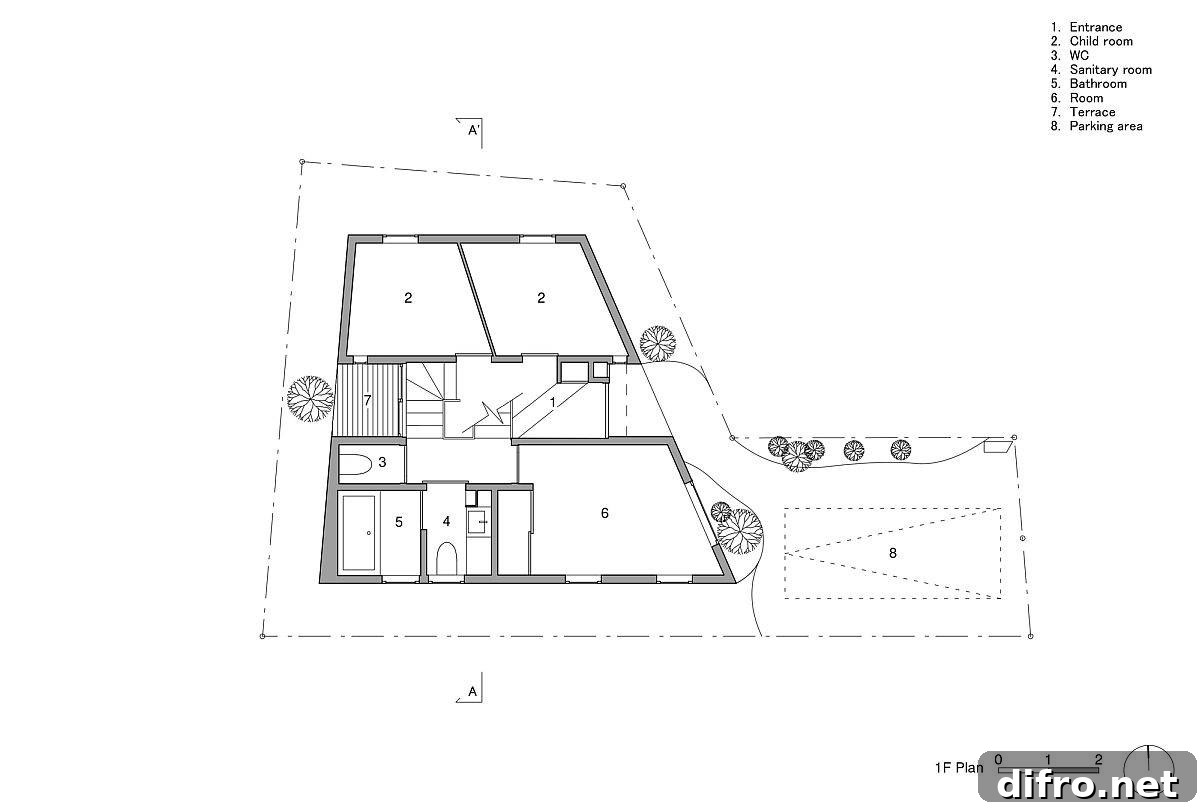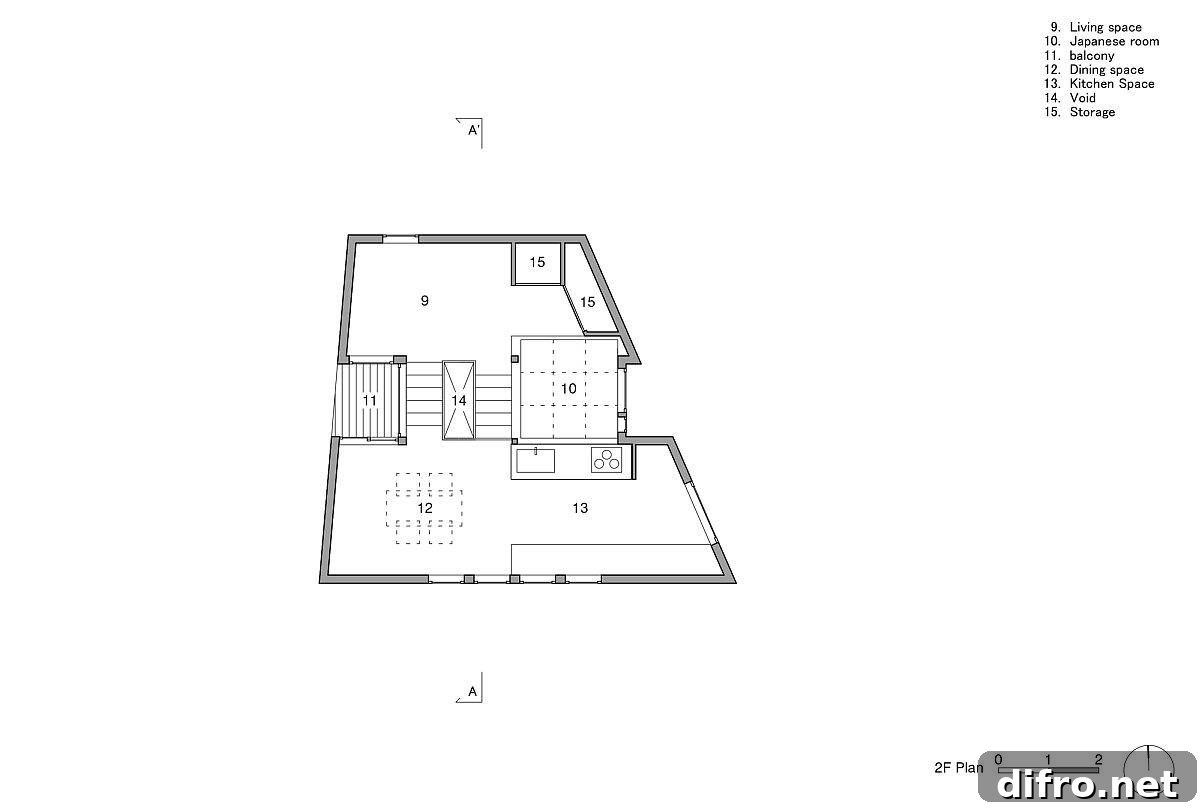
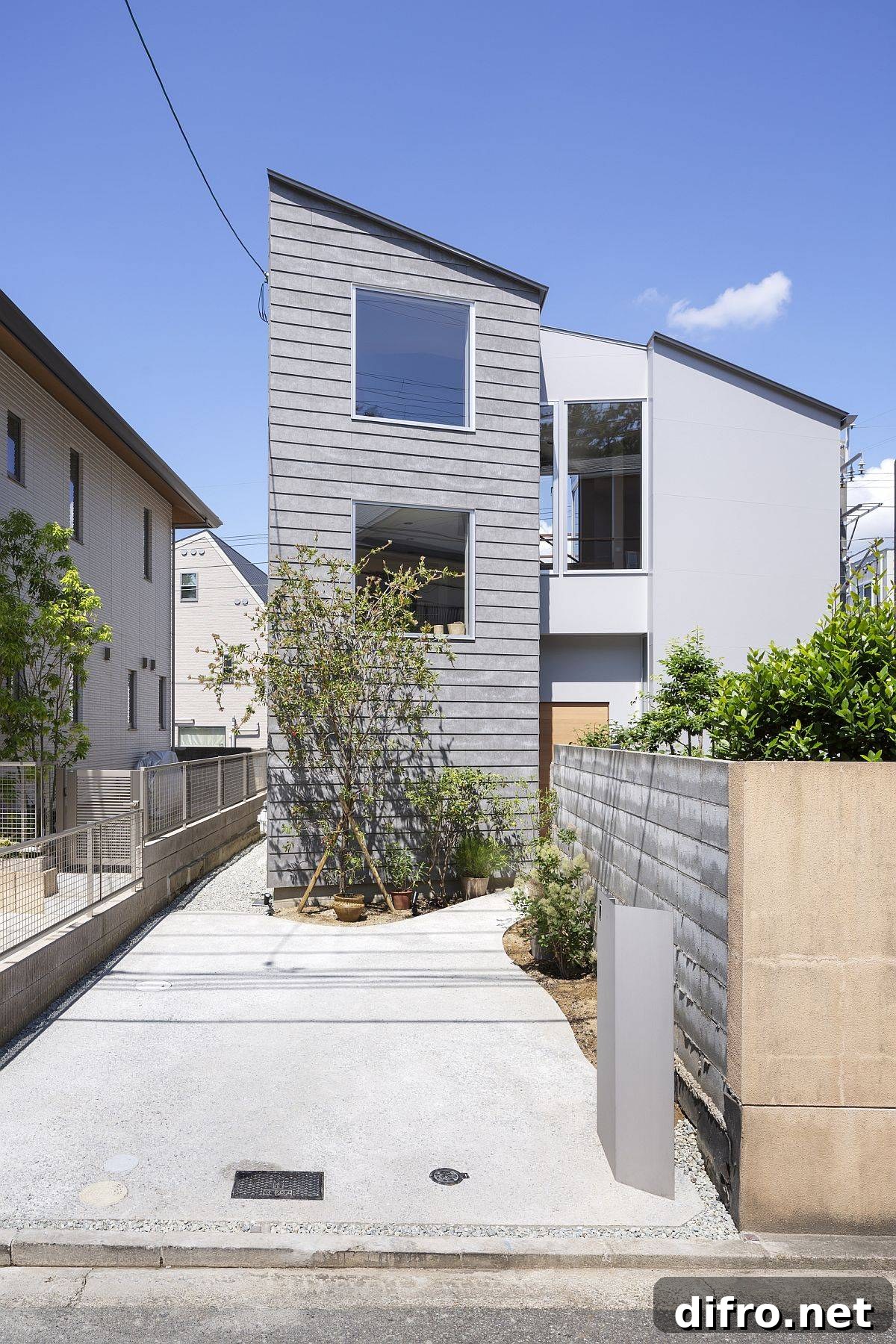
Working with only 40 square meters can feel restrictive, and those constraints become even tighter when local building regulations limit the actual buildable area. In situations like this, compact homes with clever design and inventive floor plans become essential. House in Shukugawa, designed by FujiwaraMuro Architects, is a clear example of a space-efficient, contemporary small house that makes the most of every inch. Rather than following a conventional layout, the design places bedrooms and bathrooms on the lower level while locating the main living, dining and kitchen areas on the upper floor to maximize light, views and a sense of openness.
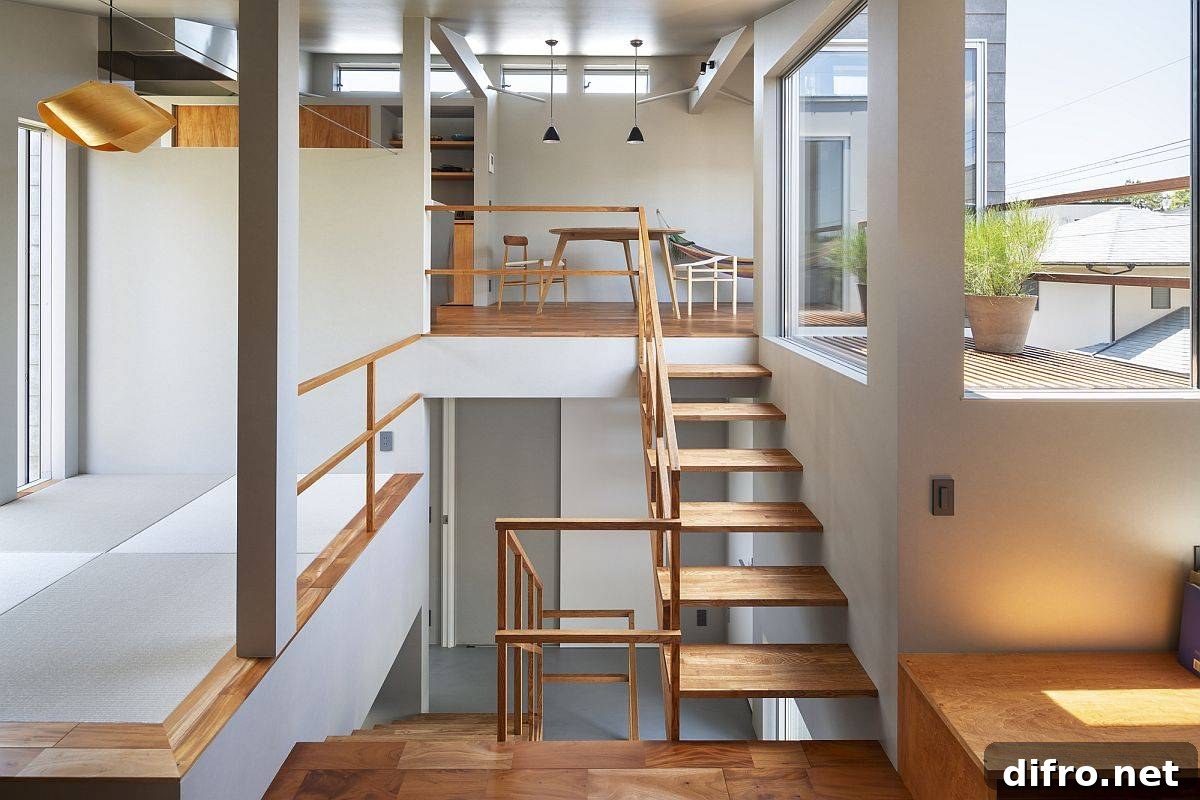
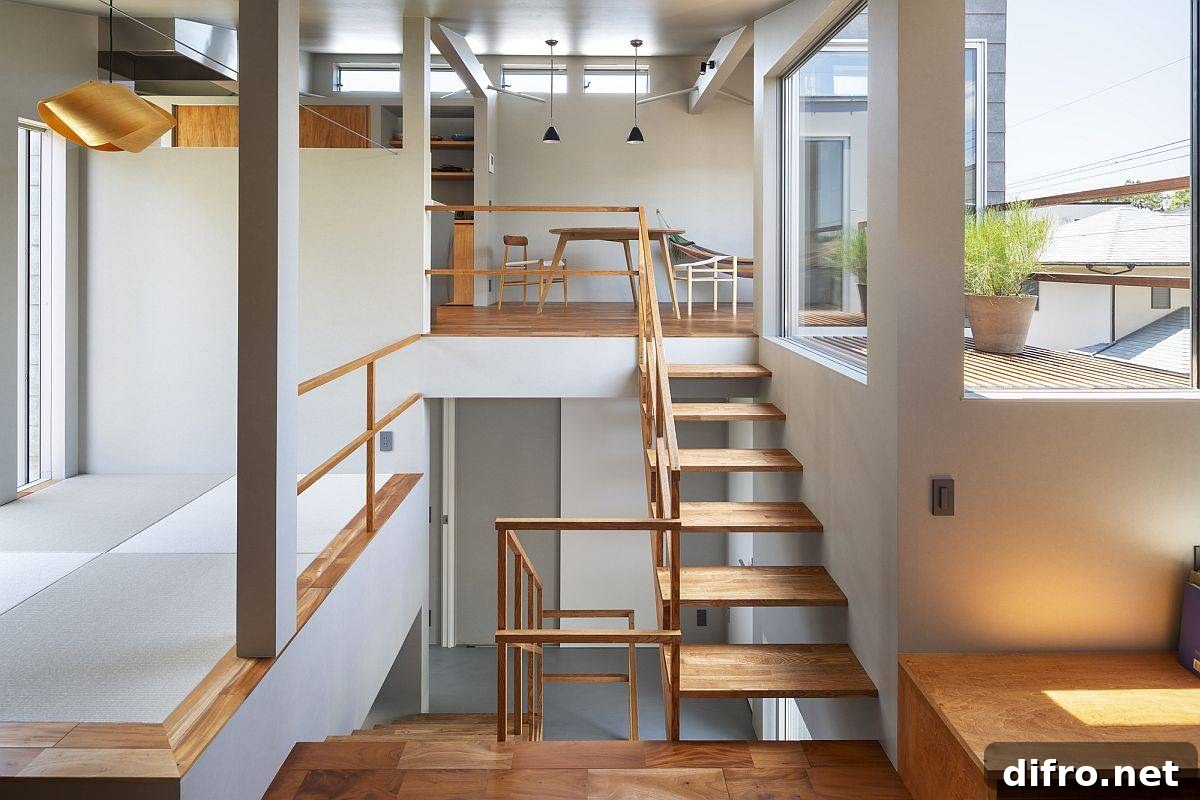
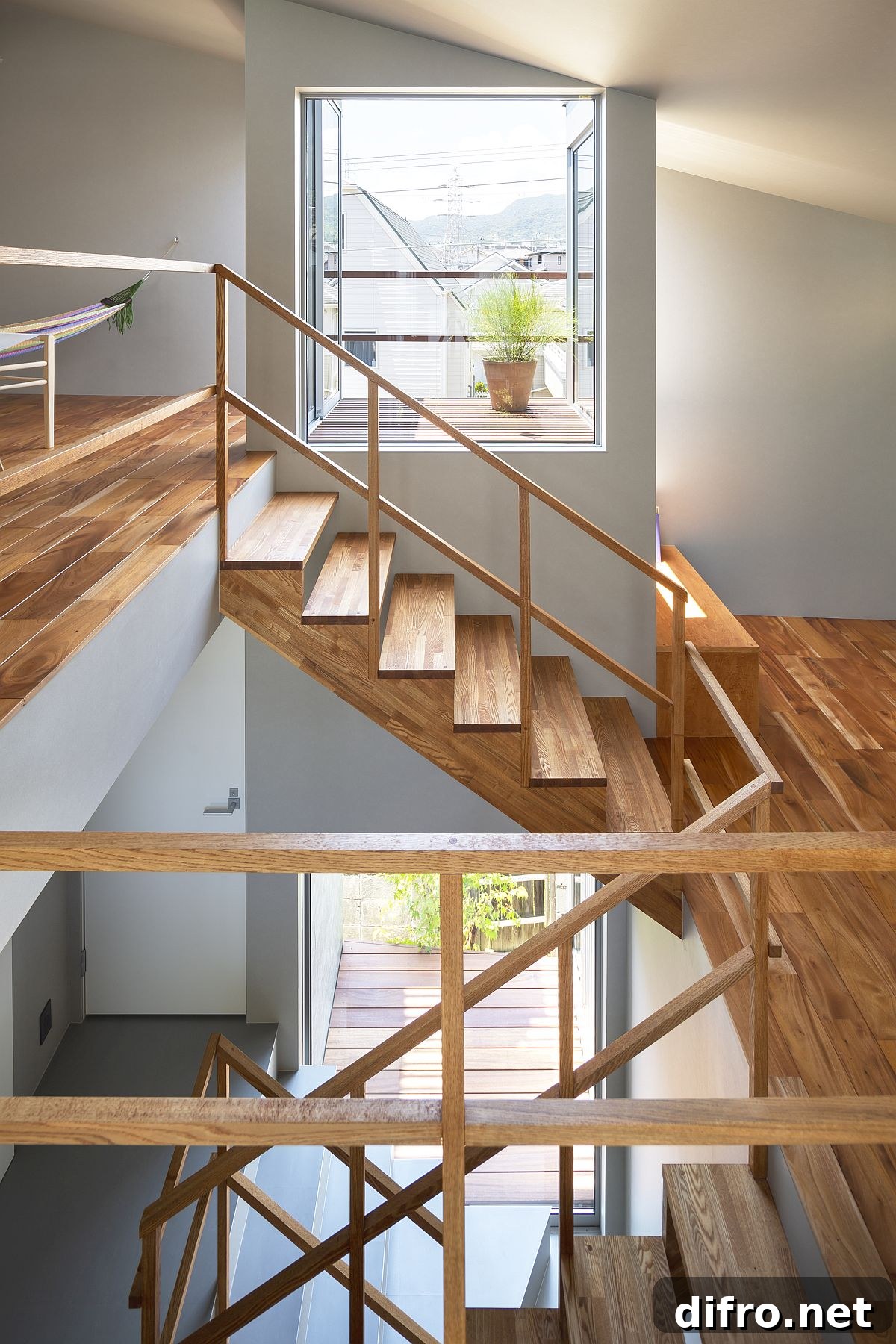
The true standout of this house is the open-plan upper level, where a split-level arrangement creates an illusion of much greater volume. The staggered floor heights define distinct zones without enclosing them, so circulation flows freely while each area retains its own character. Generous windows flood the kitchen and living spaces with natural light and frame green views in multiple directions, bringing the outside in and making the compact interior feel more expansive.
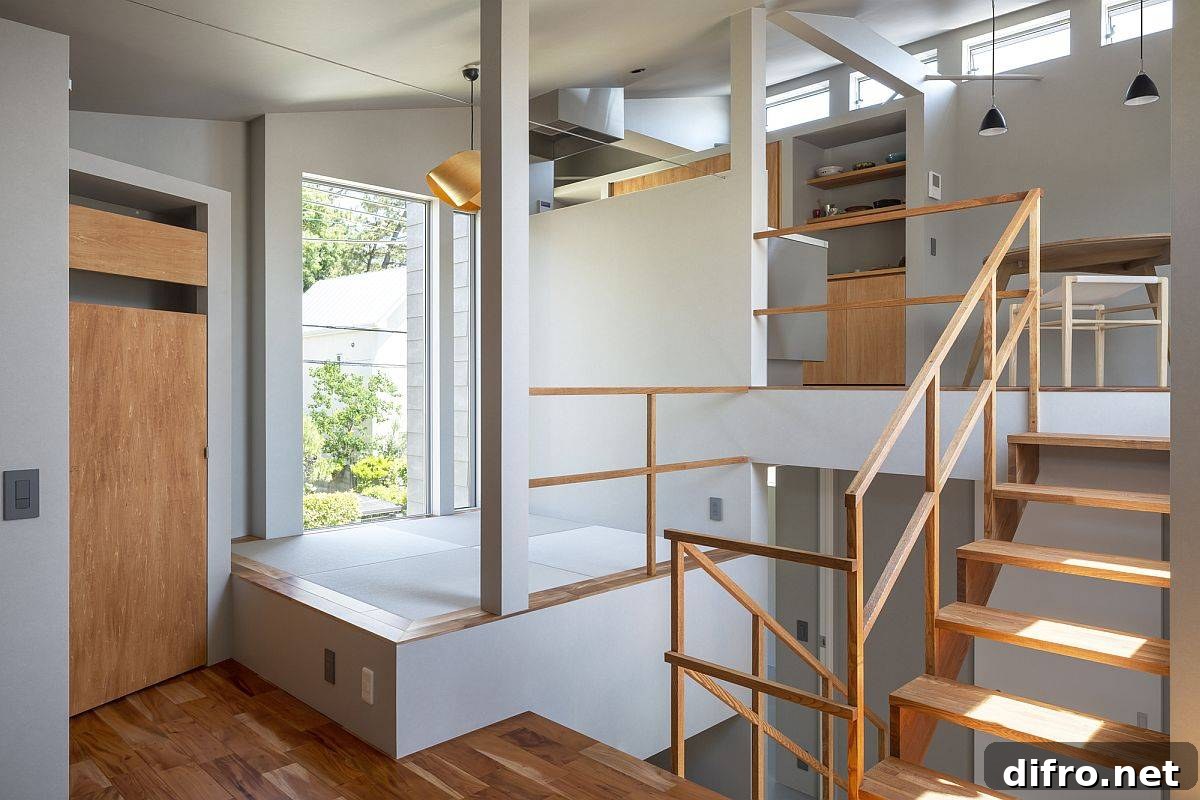
Built-in niches, intimate reading corners and clever storage tucked into each level are key to the house’s functionality. These tailored elements do more than hide belongings: they create semi-private pockets for work, study or relaxation without breaking the continuity of the main space. In small homes, such multifunctional features are invaluable: they allow residents to shift easily between family time and focused solitude while keeping the overall footprint compact and uncluttered.
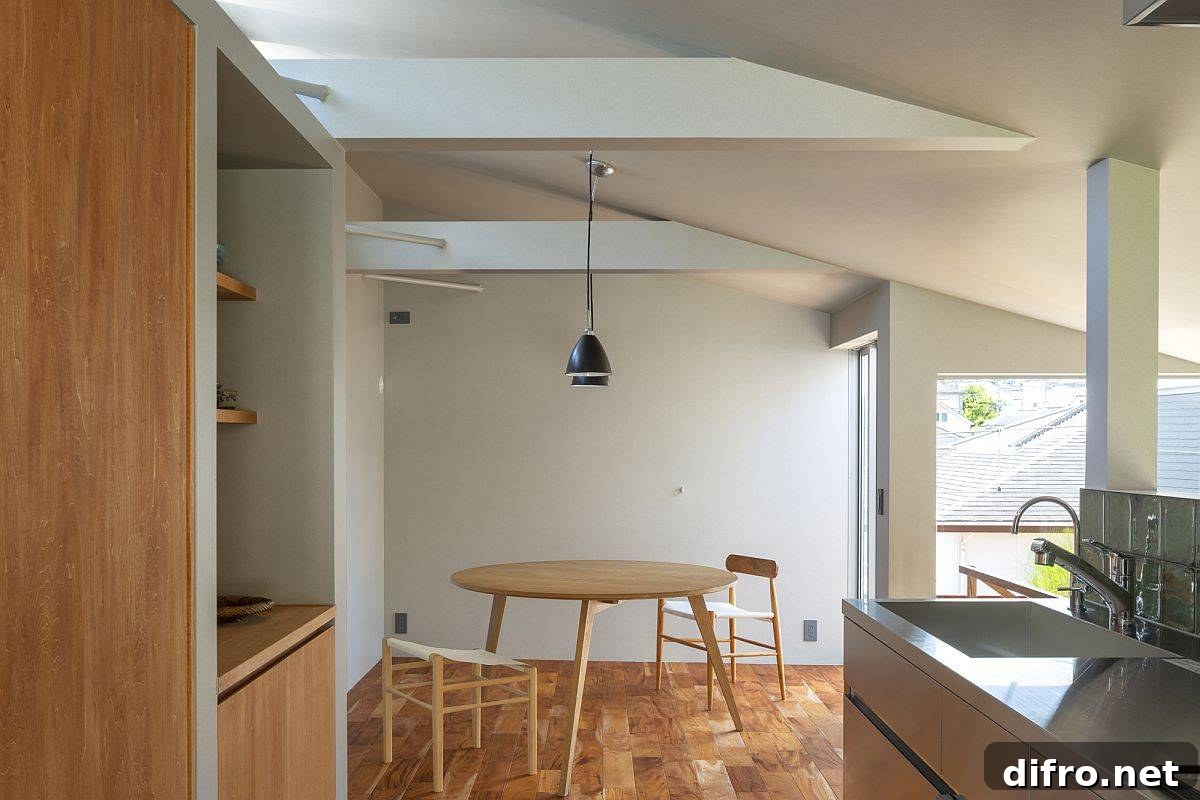
The kitchen and dining area are positioned to benefit from the upper-level daylight and views; placing social spaces higher in the plan helps them feel lighter and more open. The split-level layout not only enhances sightlines across the living zone but also introduces subtle transitions between cooking, dining and lounging areas. These transitions communicate function while preserving an overall sense of unity.
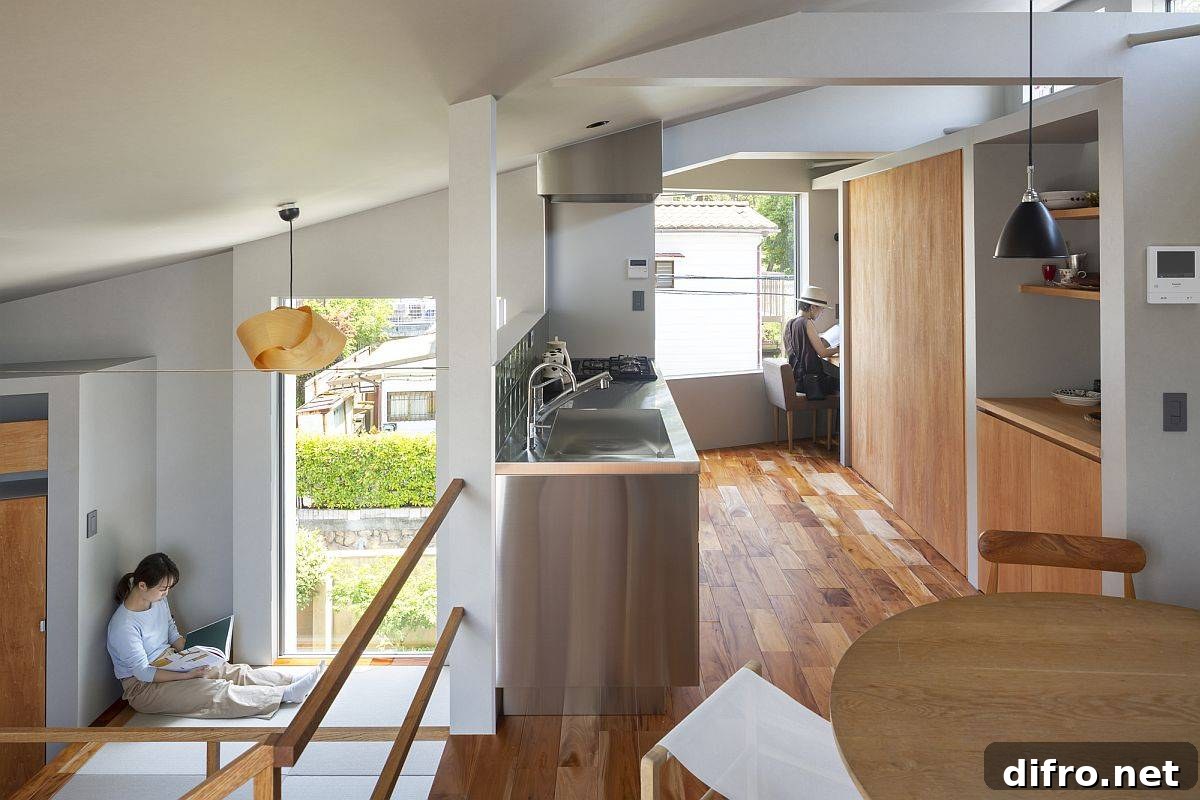
Storage is integrated thoughtfully throughout, from under-stair compartments to custom benches and recessed shelving. These solutions reduce the need for freestanding furniture, making circulation easier and preserving the clean, minimalist aesthetic typical of many contemporary Japanese homes. The balance of openness and intimate corners supports a flexible, adaptable lifestyle—one that responds to both social gatherings and solitary routines.
In the densely developed districts of Osaka, this type of long, narrow property is common… However, in Osaka, building coverage area (BCA) and floor-area ratio (FAR) regulations are lenient, allowing for a relatively large percentage of a given property to be built up. By contrast, in the Shukugawa district of Nishinomiya, Hyogo Prefecture (just west of Osaka), BCA is limited to 40 percent and FAR to 100 percent
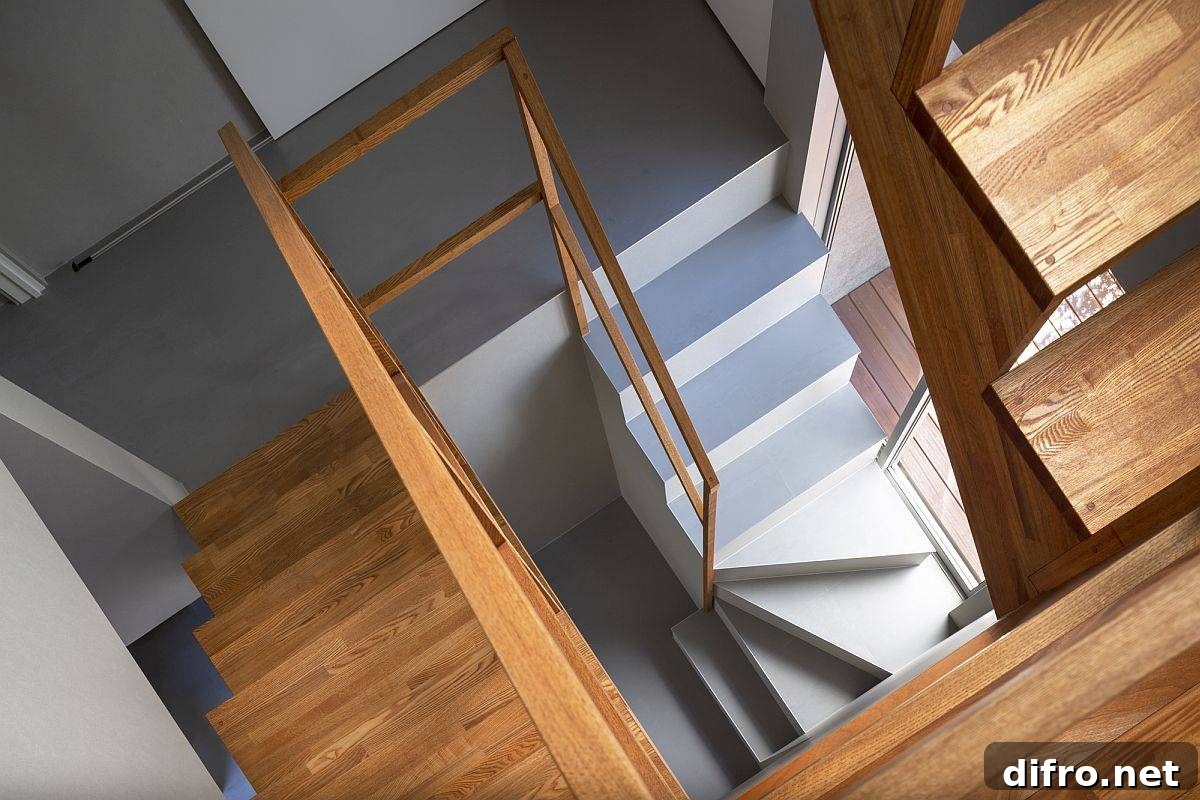
Because the site is narrow and local rules restrict the percentage of buildable area, the architects prioritized vertical zoning and daylighting. The compact staircase becomes a central organizing element, connecting the intimate lower level—where bedrooms, bathrooms and the entrance are located—to the brighter, more public upper level. This vertical arrangement optimizes privacy, acoustic separation and functional clarity within a small footprint.
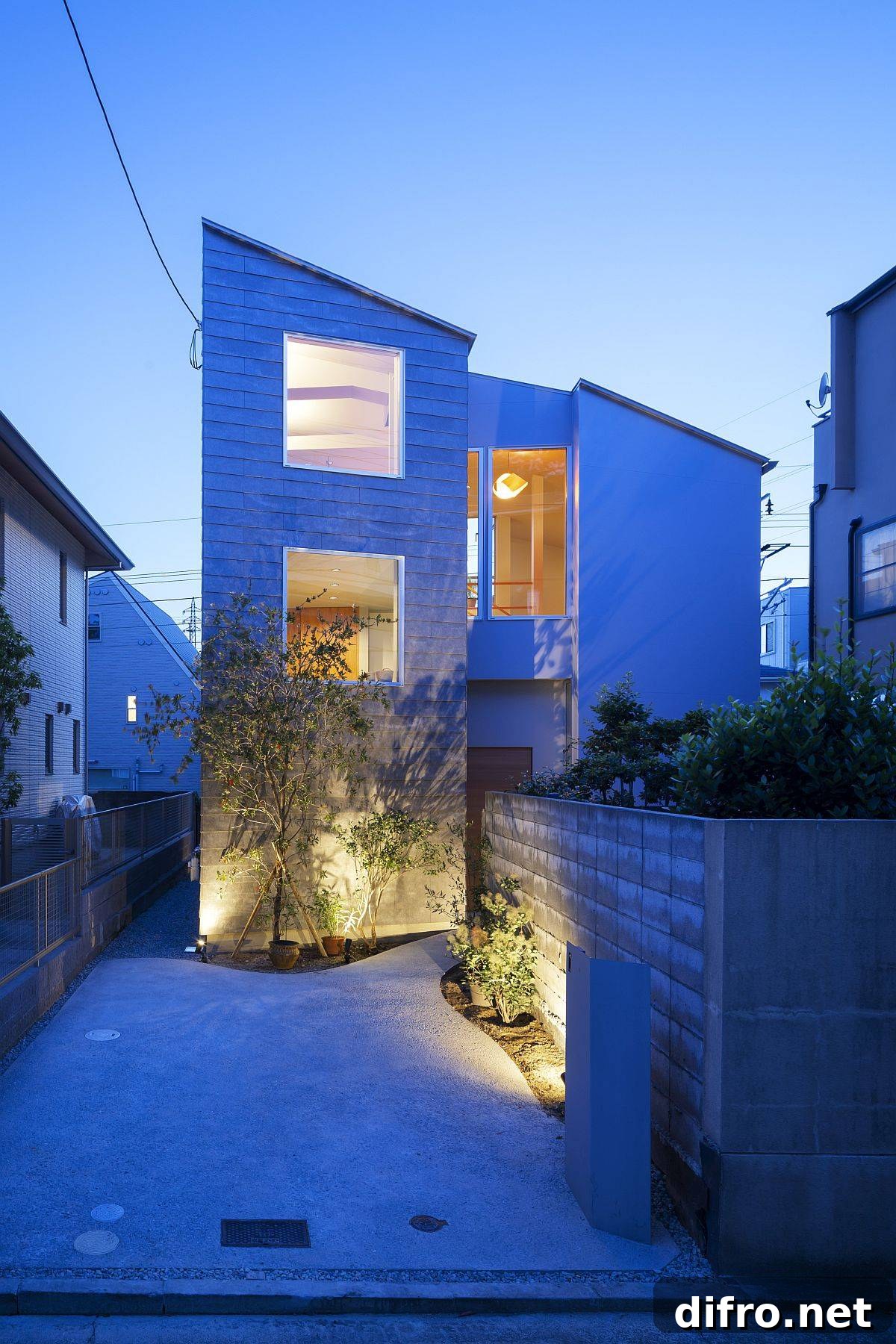
Viewed as a whole, House in Shukugawa demonstrates how thoughtful layout, daylighting and built-in solutions can transform a tight lot into a comfortable, adaptable home. Its design highlights several practical strategies for compact living: prioritize social spaces where light and views are strongest, integrate storage into the architecture, use level changes to create privacy without walls, and treat circulation as a design feature. Photographs by Naoki Yoshikawa capture the clarity and livability of the design, showing how careful planning can make a modest footprint feel generous and inviting.