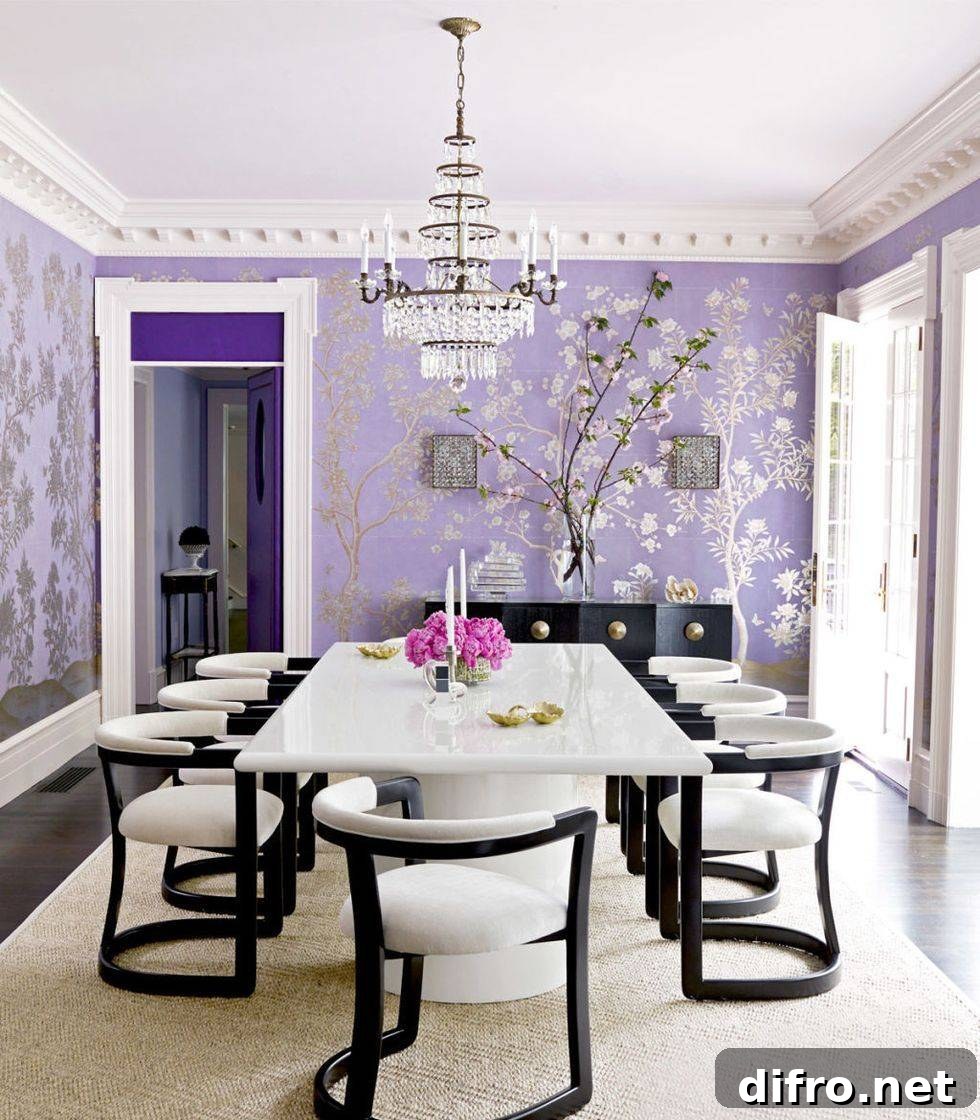
Lavender is a lovely hue that evokes the freshness and warmth of summer. It offers a soft, sophisticated look with an artistic, calming energy. While many still associate lavender with a girl’s bedroom or nursery, the color works beautifully throughout a home—as an overall scheme or as a tasteful accent. To use it well, you should know what colors go with lavender so your design feels balanced and intentional. Below are practical, inspiring combinations and tips for using lavender in interior and exterior design.
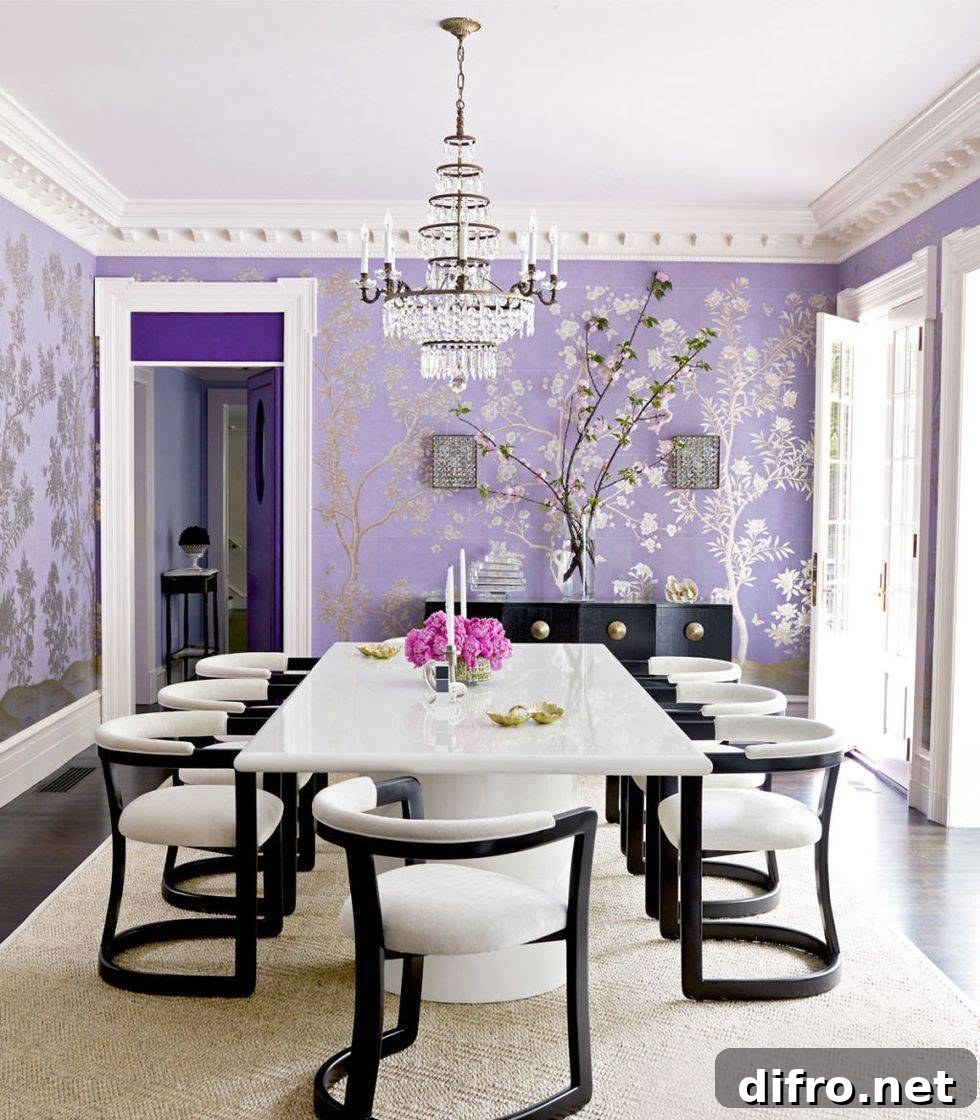
Before exploring color pairings, it helps to clarify one point: lavender and purple are related but not identical. Lavender is a lighter or softer tone of purple, often with a bluish tint, whereas purple describes a broader range of deeper, richer tones. That subtle bluish cast makes lavender exceptionally versatile when combined with both warm and cool palettes.
15 Mix-and-Match Color Schemes That Go With Lavender
Ombre Gradient of Pink, Lilac, and Lavender
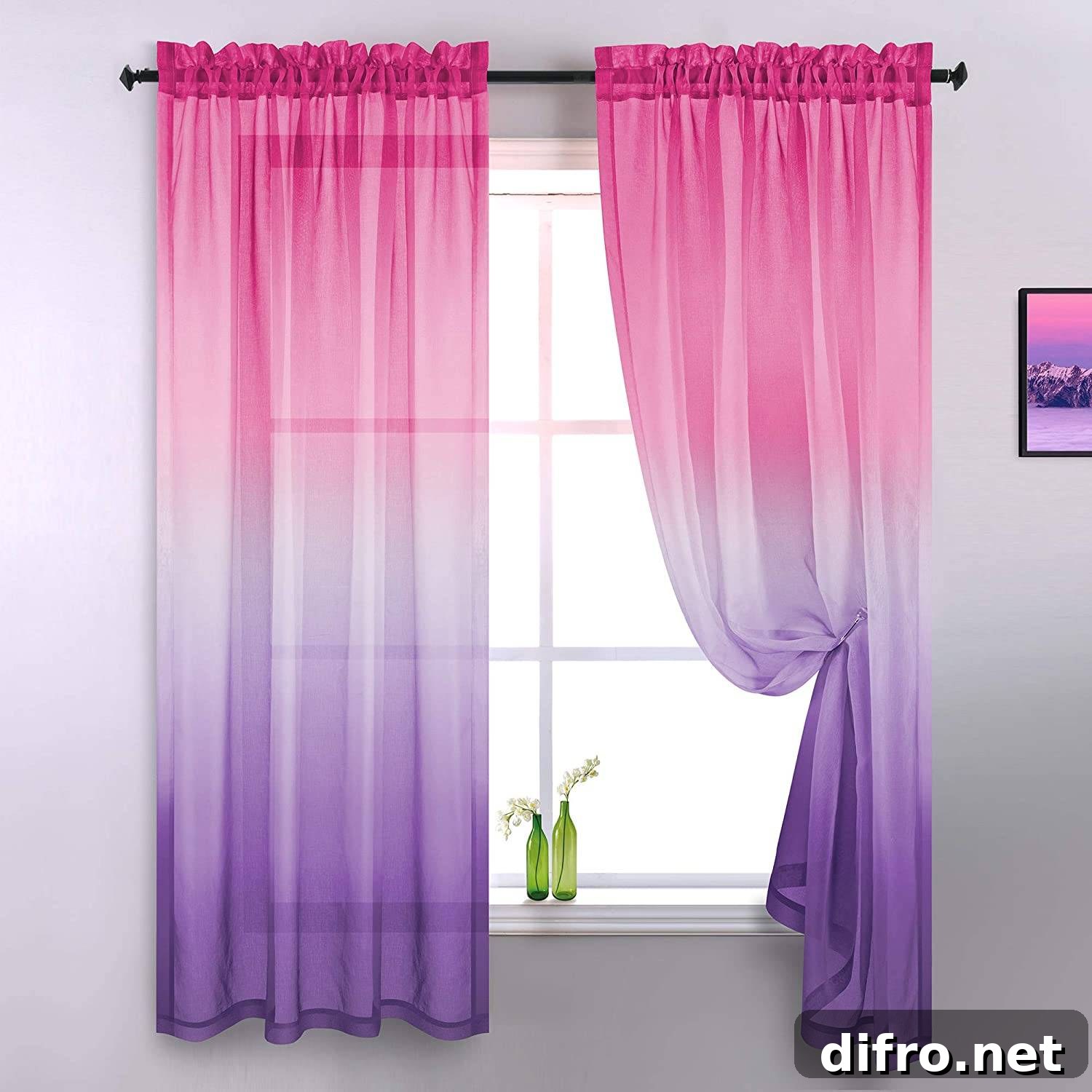
Combining pink, lilac, and lavender in a soft ombre creates a playful, feminine look without becoming cloying. Lilac sits between pink and lavender on the color spectrum, so the gradient feels natural and cohesive. Use this trio for curtains, bedding, or an accent wall to add movement and vibrancy.
Classic Cool Neutrals
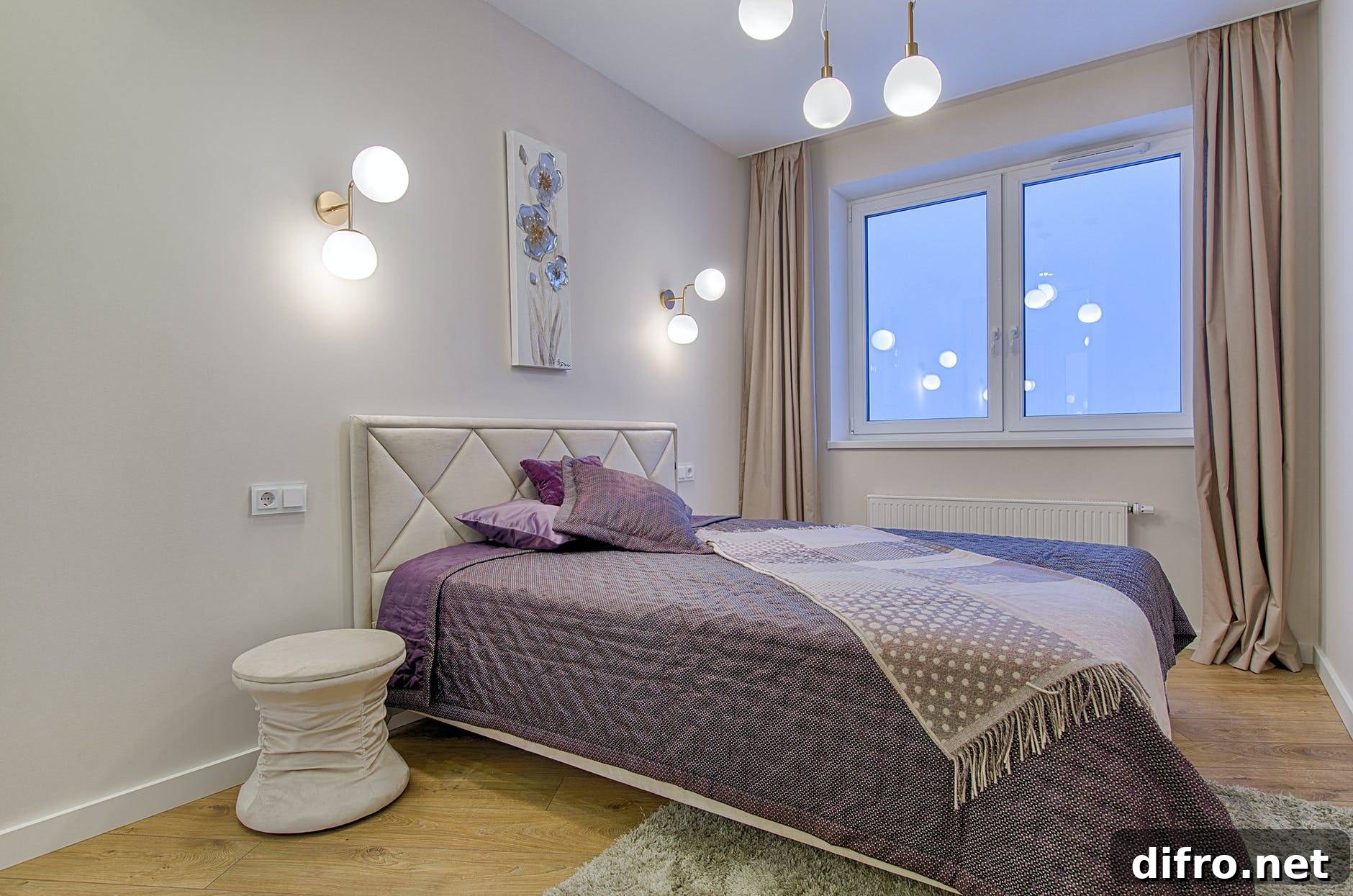
Gray, soft smoke, and off-white are timeless partners for lavender. The neutrals provide a calm, modern backdrop that lets lavender introduce warmth and a touch of luxury. This pairing suits living rooms and bedrooms where you want a serene, elevated atmosphere.
Breaking the Monotony
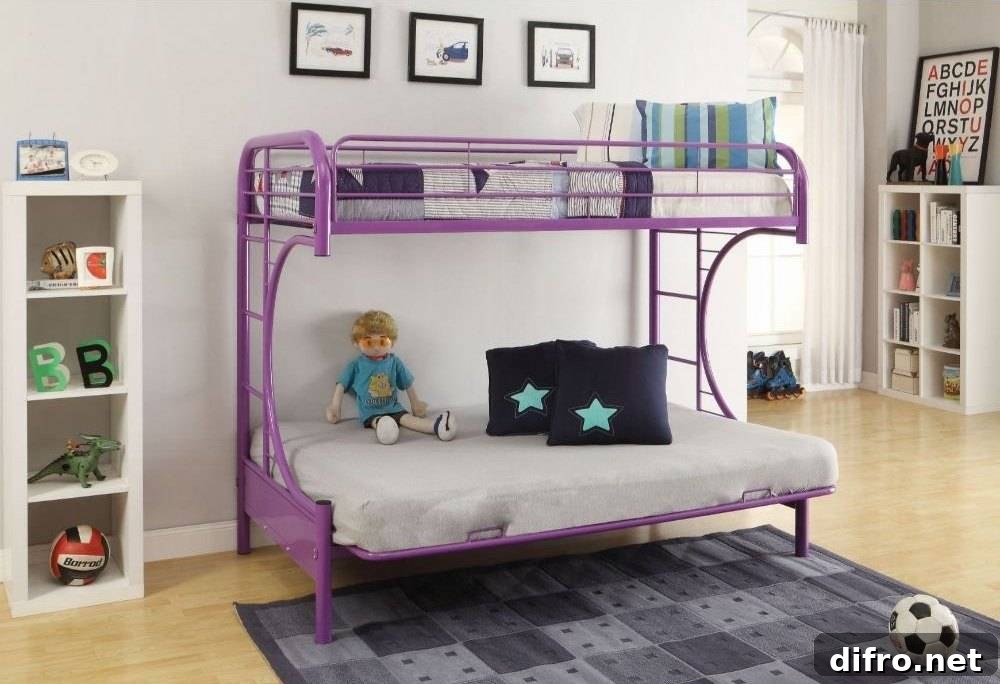
Lavender works as a standout accent against natural or neutral finishes. Keep most surfaces muted and use lavender on a single focal piece—like a bed frame, statement chair, or painted door—to draw attention without overwhelming the room.
Dreamy Chocolate and Lavender
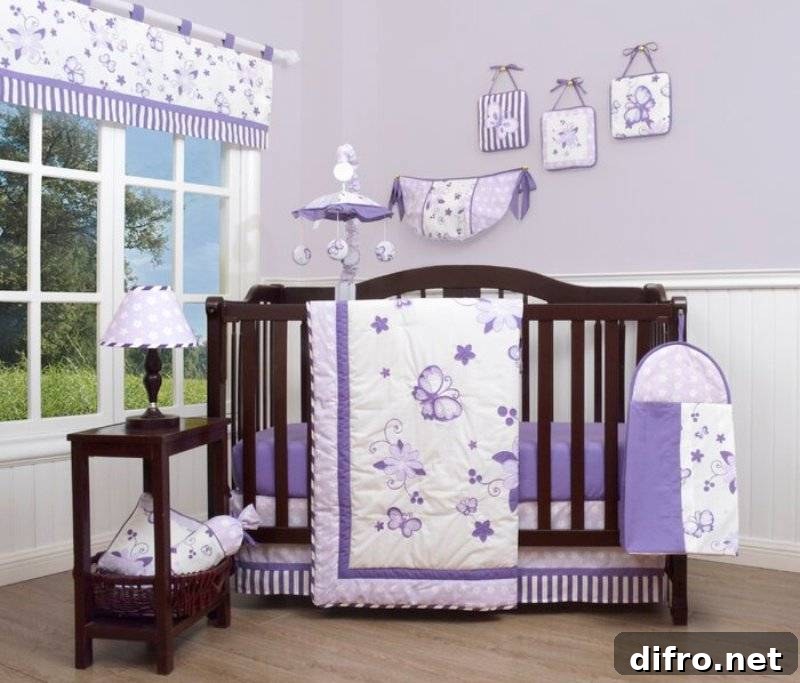
Warm, rich browns like chocolate or mahogany make a sophisticated companion to pale lavender. The darker wood tones ground the palette, while lavender adds softness and visual contrast—ideal for nurseries, bedrooms, or cozy living areas.
Redirecting the Focal Interest
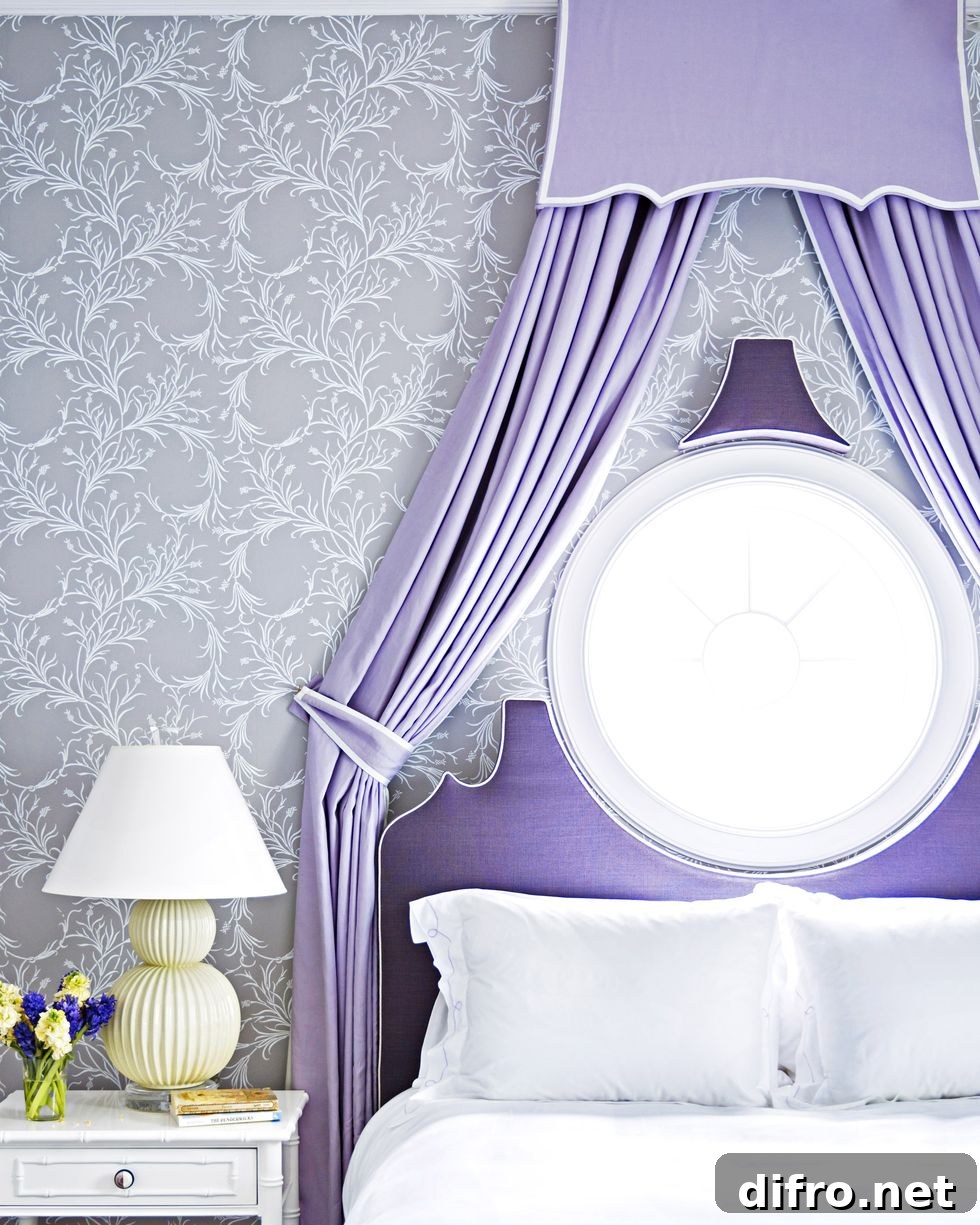
If a room feels too uniform—layering wallpaper or drapery in related tones—introduce a single contrasting lavender detail to create a focal point. A headboard, lamp, or upholstered bench in lavender will refresh the scheme and guide the eye.
Bringing Cohesiveness to Bold Tones
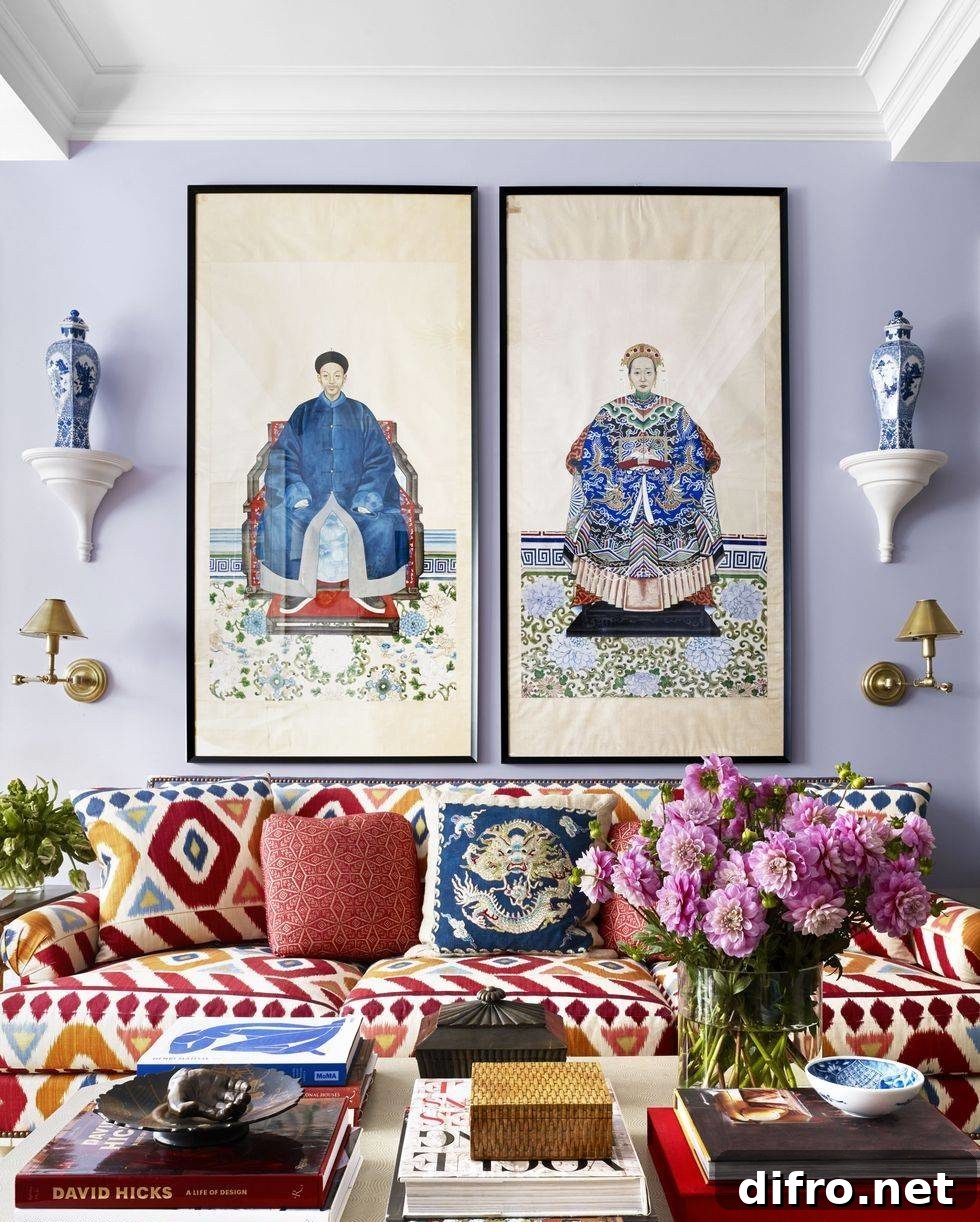
In rooms with bold, eclectic elements, a soft lavender wall or accessory acts like a visual binder. Its subtlety calms busy patterns and contrasting colors while preserving the room’s distinctive style.
Cheery Lemon and Lavender
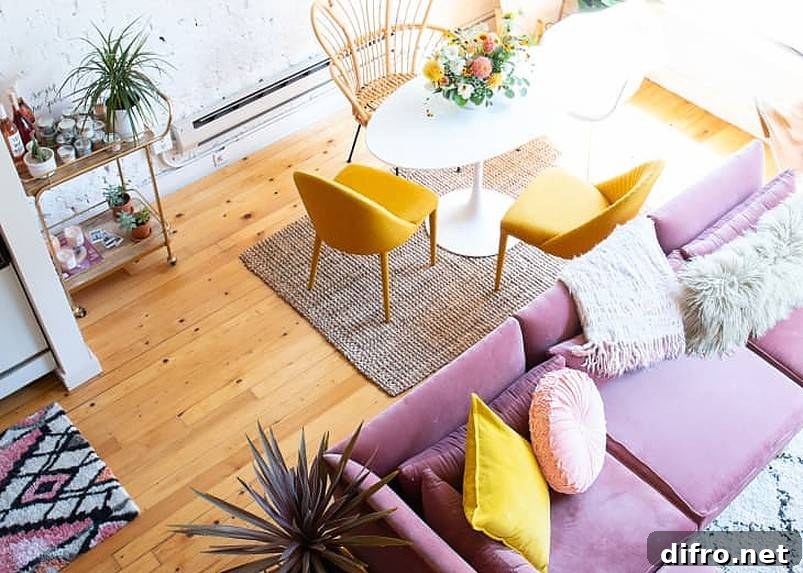
Lemon yellow and lavender form a lively, complementary pair. Used sparingly—on cushions, small accessories, or a statement chair—this combo feels sunny and fresh. Balance it with creams or light neutrals to keep the look elegant rather than overpowering.
Analogous Purple Palette
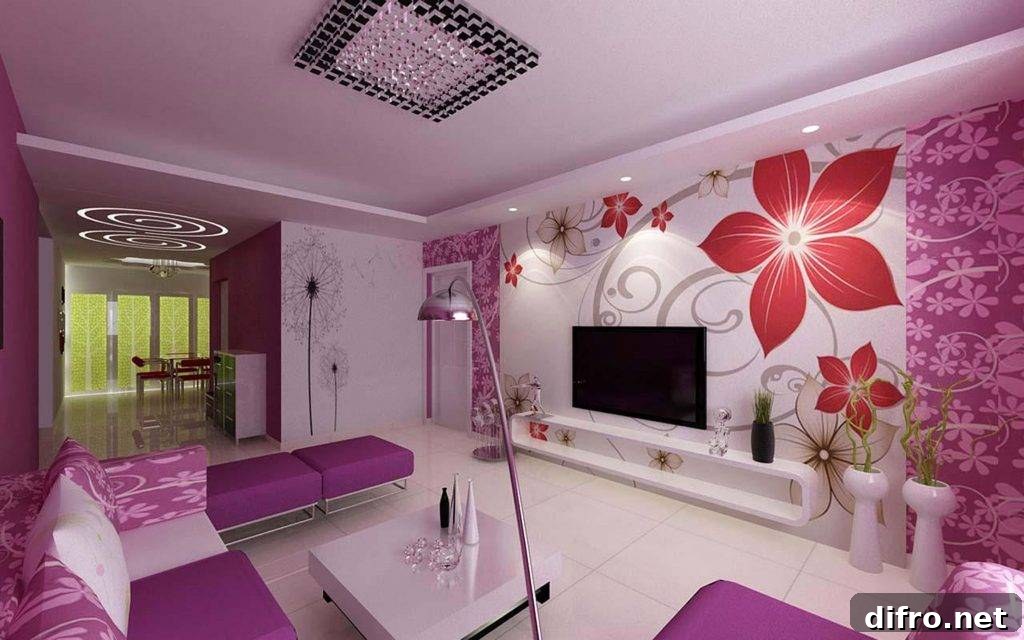
Using various shades of purple—lavender, lilac, mauve—creates a lush, harmonious look. Different textures and tints prevent monotony and produce a cozy, connected atmosphere suitable for lounges and snug corners.
Lavender and Brown Infusion
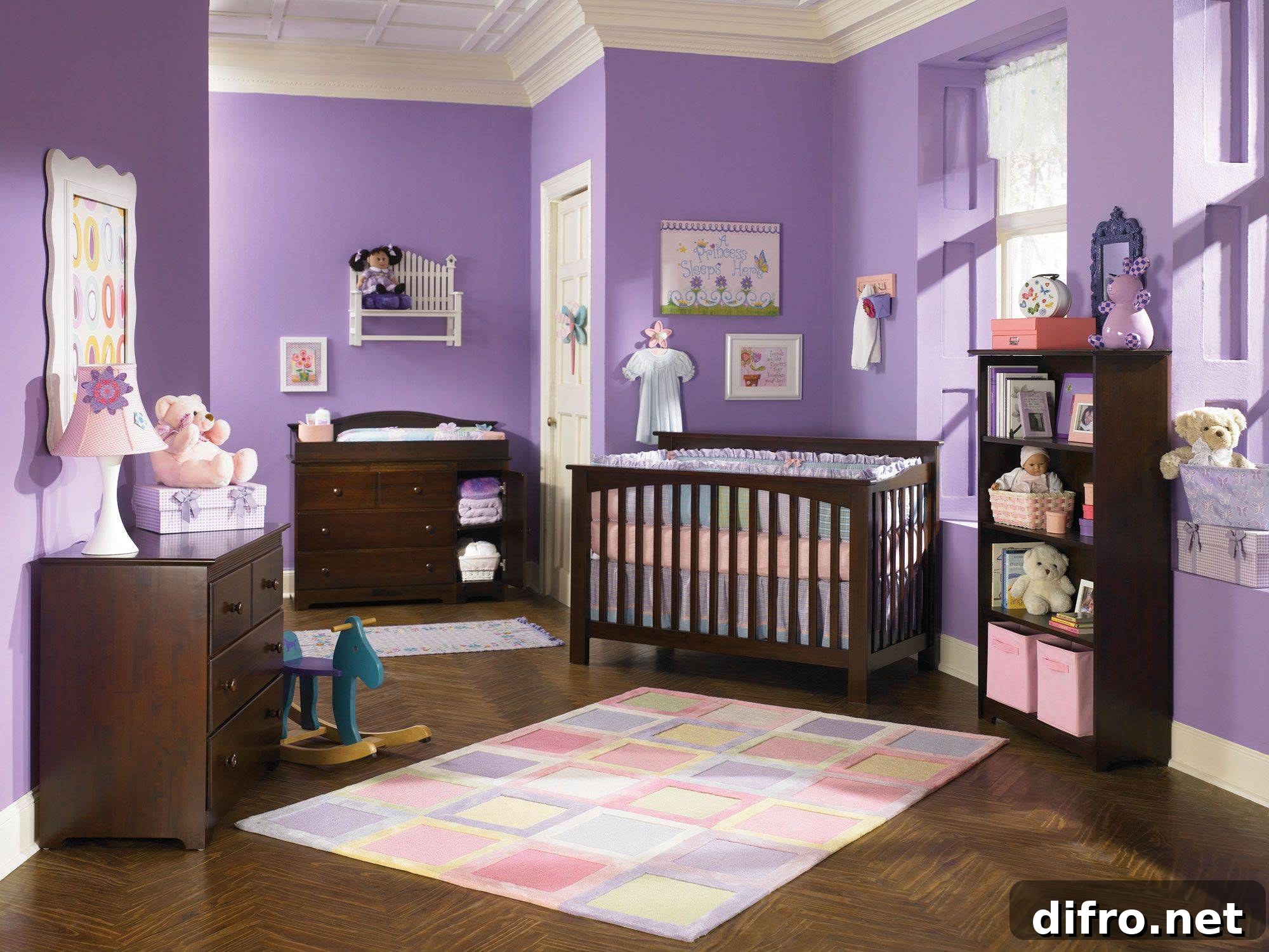
Lavender paired with warm brown furniture yields a refined, almost regal feel. The contrast emphasizes softness while maintaining a comforting, stable environment—an excellent choice for nurseries or sophisticated bedrooms.
Exterior: Lavender with Turquoise Trim
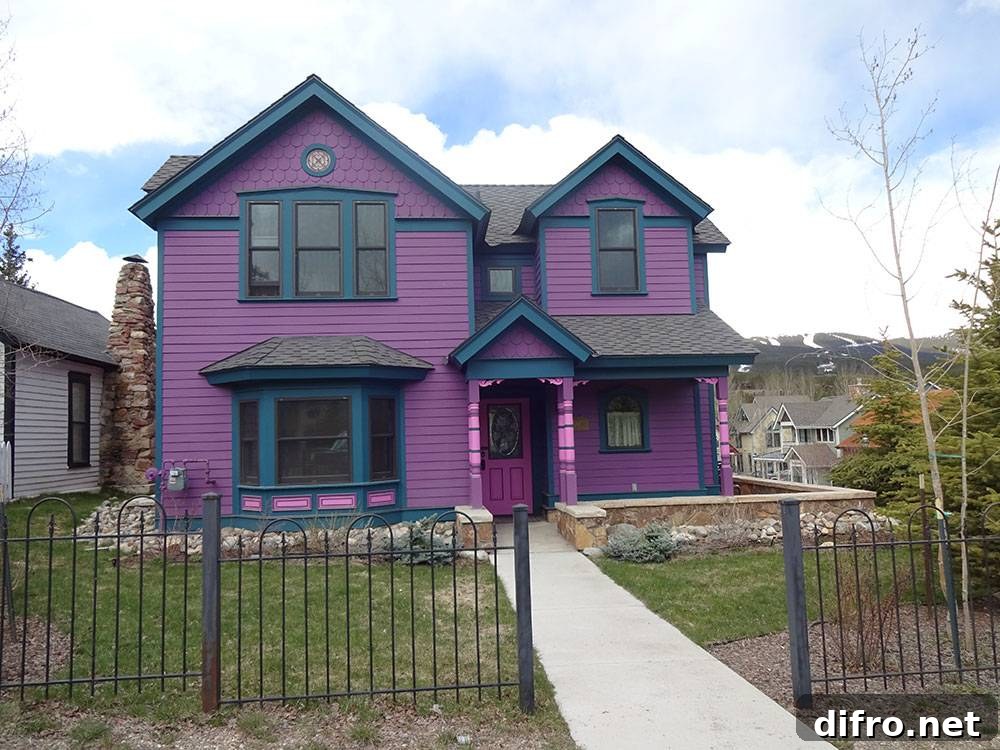
For an exterior statement, lavender siding with turquoise accents creates a whimsical, memorable facade. The pairing is bold but friendly—perfect for homes that want a playful curb appeal while keeping a refined palette.
Fun and Fresh with Olive Green
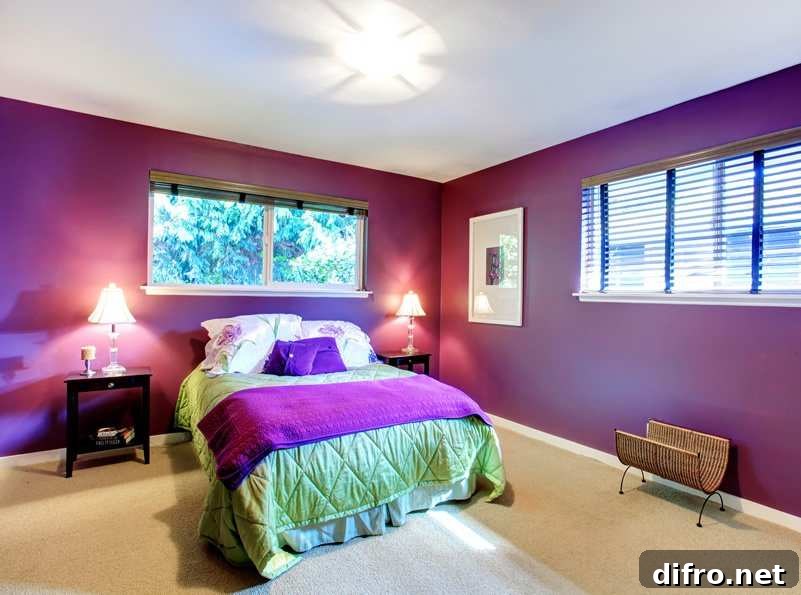
Olive green adds maturity and an organic edge to lavender. This pairing works well in adult bedrooms and living areas, giving a contemporary, slightly unexpected edge that still feels calm and grounded.
Crisp with White
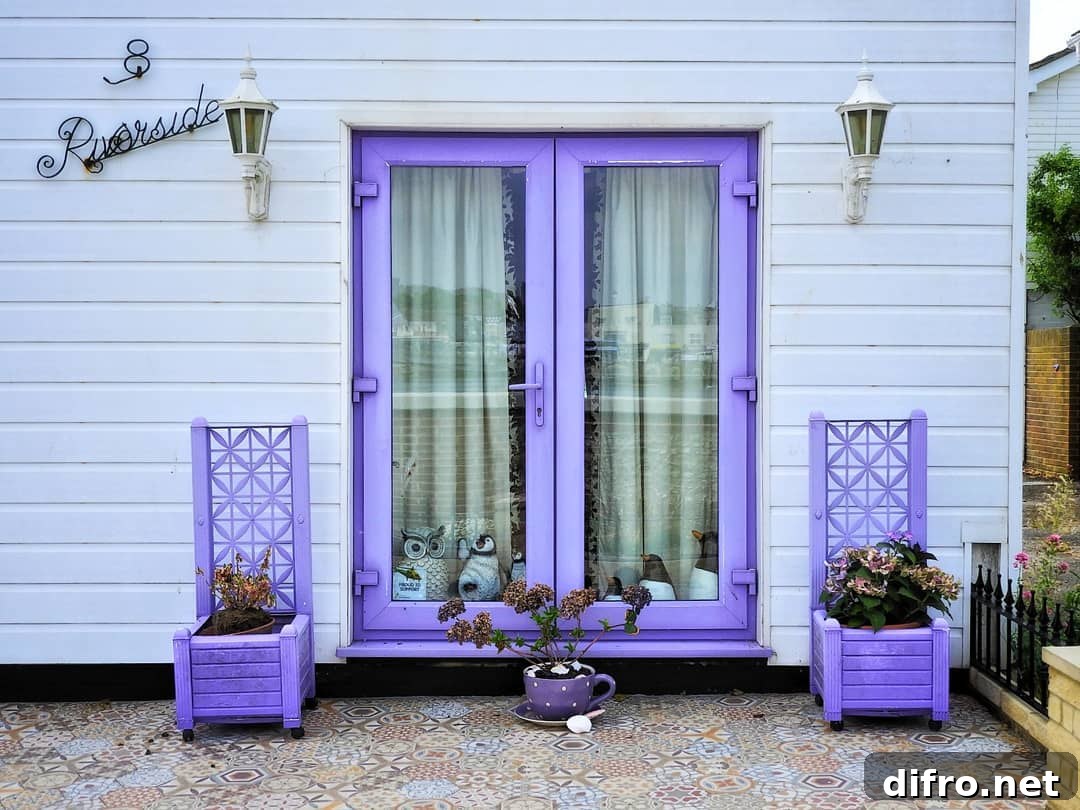
White is a reliable partner for lavender, offering crisp contrast and letting the lavender tone appear more luminous. Use bright white trim, ceilings, or furniture to make lavender feel fresh and modern.
The Deluxe Lavender Room
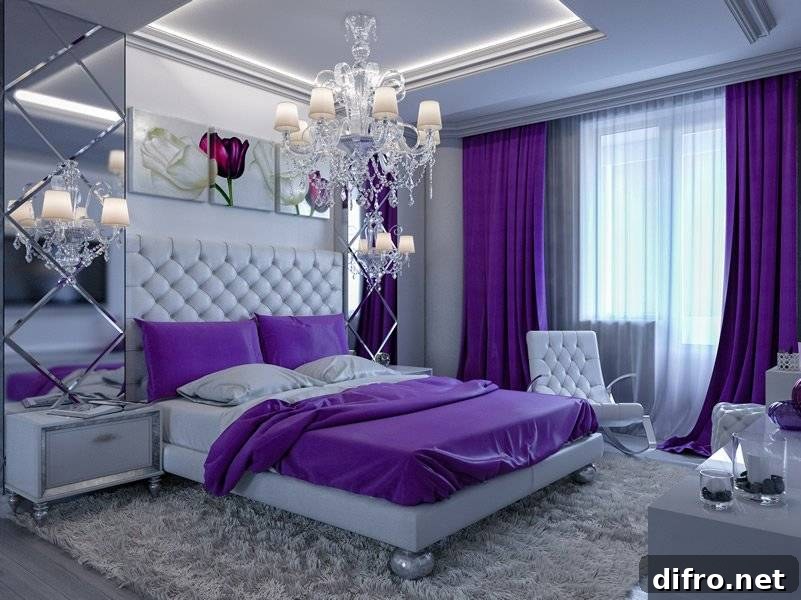
Pairing lavender with gray creates an elegant, contemporary look with romantic overtones. Incorporate plush textures—sheer curtains, tufted upholstery, woven rugs—to enhance the luxurious feel without overwhelming the eye.
Simple and Subtle Touch
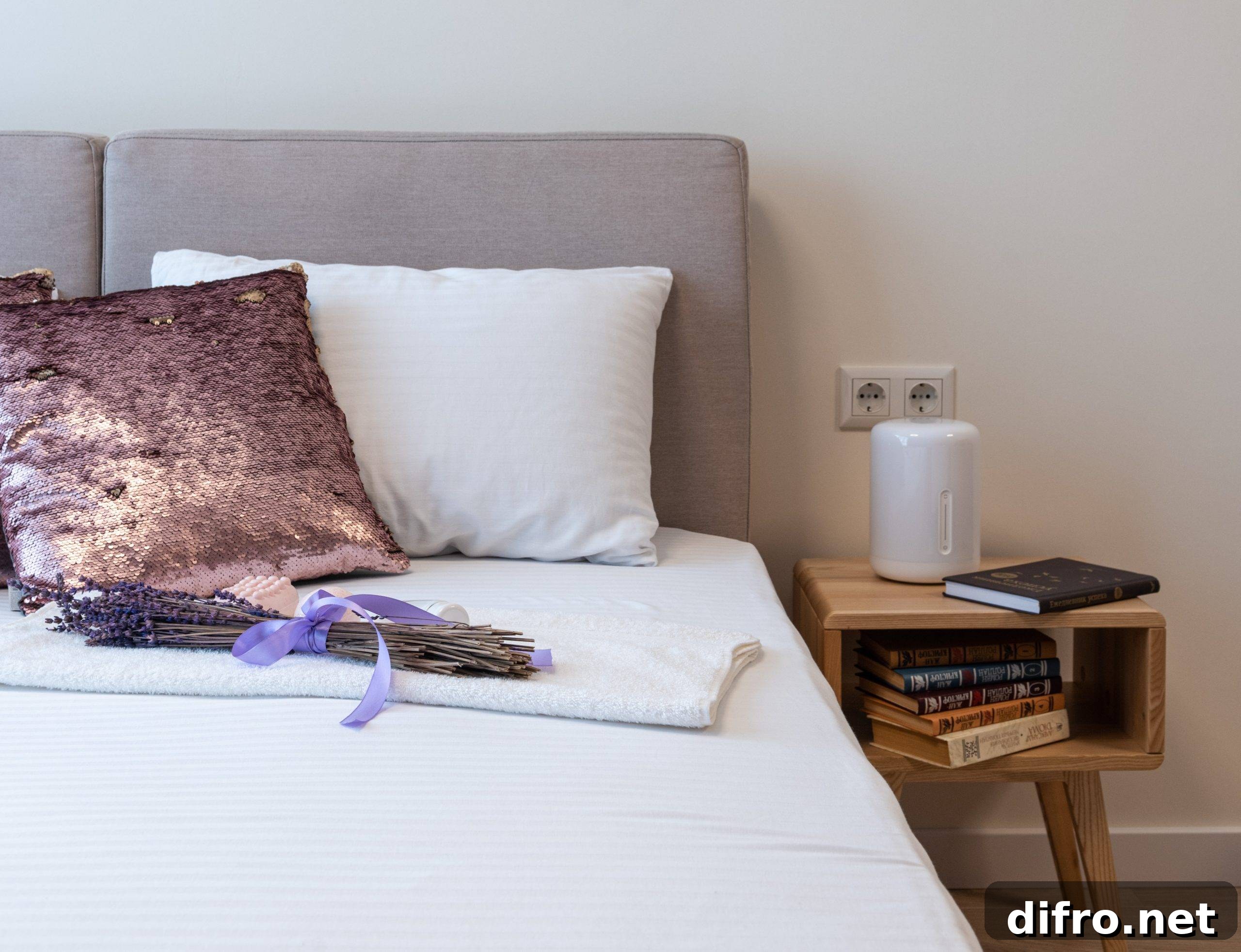
If you prefer restraint, introduce lavender through small accents: a cushion, a vase of lavender stems, or a lamp. These modest touches bring color and personality without committing to a full repaint or major update.
Black and Lavender
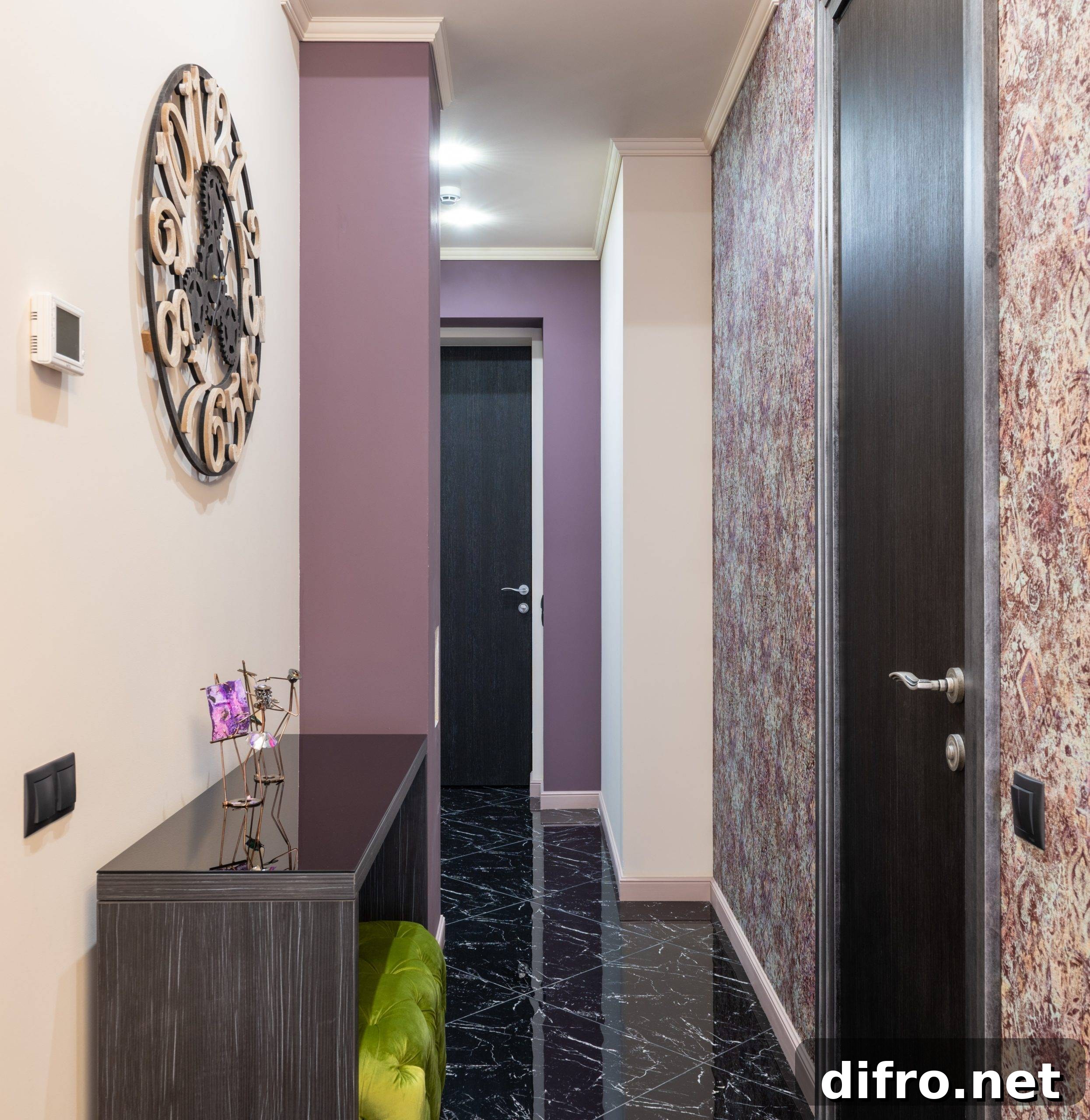
Black can feel dramatic next to lavender, and when used carefully it creates a sophisticated, modern contrast. Add cream or soft neutrals to break up the intensity and keep the space feeling balanced and inviting.
Takeaway
Lavender has evolved from a niche nursery color into a versatile design tool that suits many styles—from modern and minimal to eclectic and bohemian. Different tones of lavender (from pale and airy to deeper, bluish variants) evoke a range of moods: youthful and playful, calm and soothing, or luxurious and aristocratic. With a little creativity and attention to undertones, lavender can be paired successfully with neutrals, bold accents, warm woods, and unexpected colors to craft a distinctive, welcoming interior or exterior palette.
FAQs
What color best complements lavender?
Soft pastels like light pink and baby blue, cool neutrals such as white and gray, and warm earth tones like sage or dusty rose complement lavender well. Metallics like silver or gold also enhance its elegant side.
Does lavender go with blue?
Yes. Lavender and lighter blues (sky or baby blue) create a tranquil, harmonious combination. Darker blues can be used for bolder contrast while keeping the palette cohesive.
What are simple ways to use lavender without committing to paint?
Introduce lavender through textiles, pillows, throws, small furniture pieces, or floral arrangements. Accessories offer an affordable, low-commitment way to test the color and refresh a room.