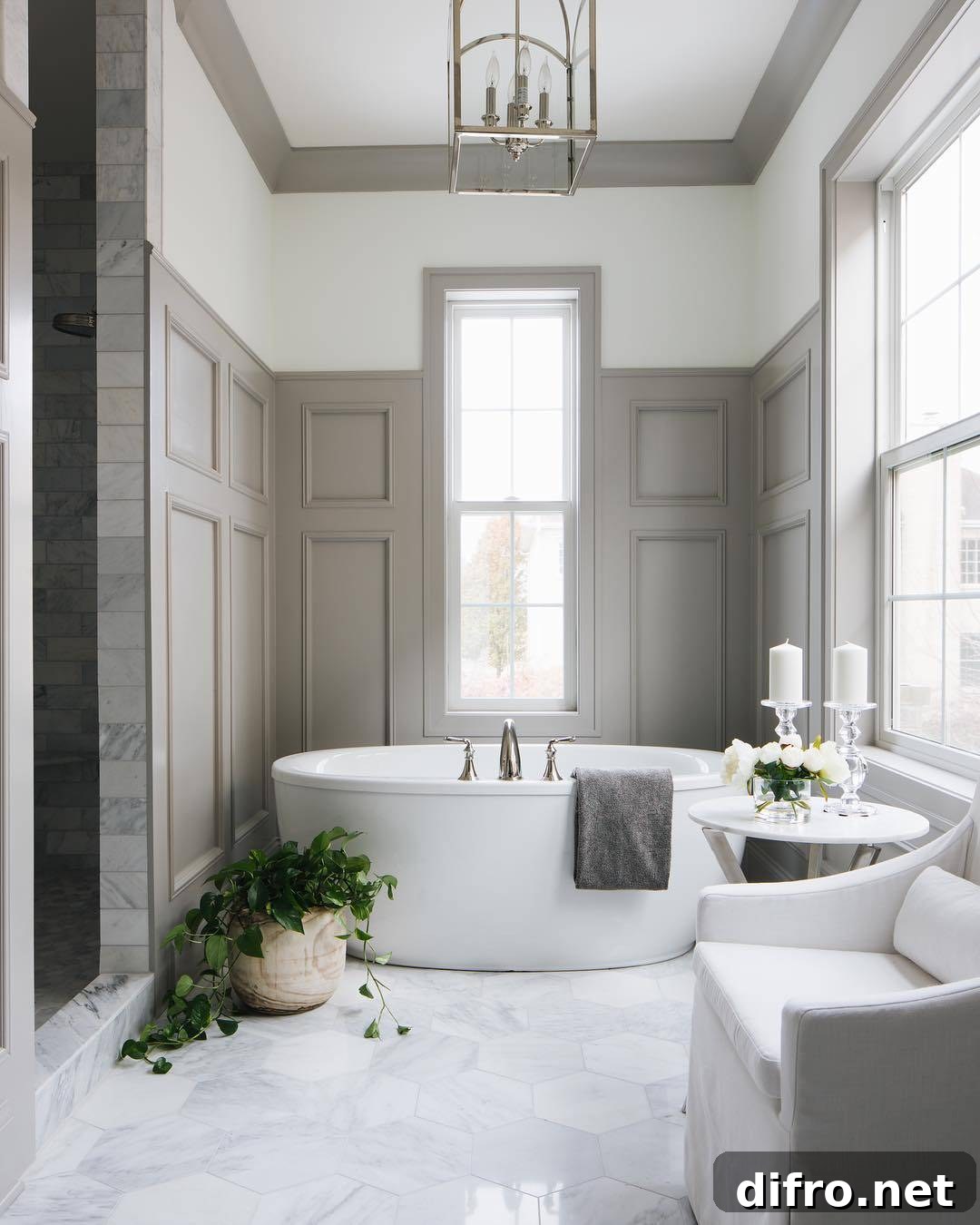
Wainscot paneling captures classic elegance and practical protection. Typically installed on the lower portion of a wall, wainscoting prevents scuffs and stains, adds an extra layer of insulation in extreme weather, and breaks up the visual monotony of a blank wall. In bathrooms, wainscoting can be an attractive, cost-effective alternative to full tiling, offering protection against water damage while creating instant character.
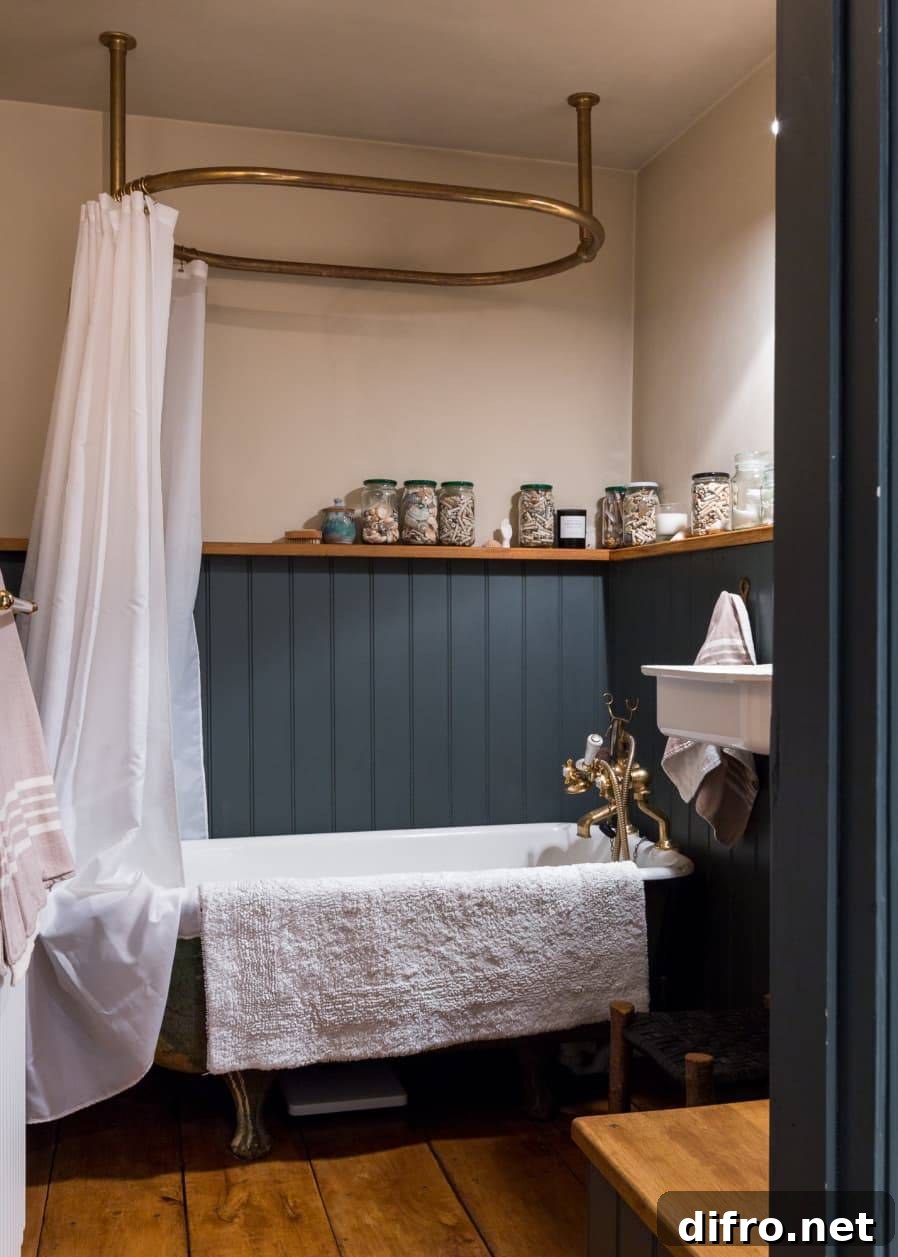
Your bathroom doesn’t have to feel bare or permanent. Wainscoting offers an easy way to introduce style and durability without committing to full tile work. Below are thoughtful and practical design ideas to inspire a bathroom refresh, from understated beadboard to bold colored millwork.
15 Bathroom Wainscoting Ideas
Matchy-Matchy Wainscoting
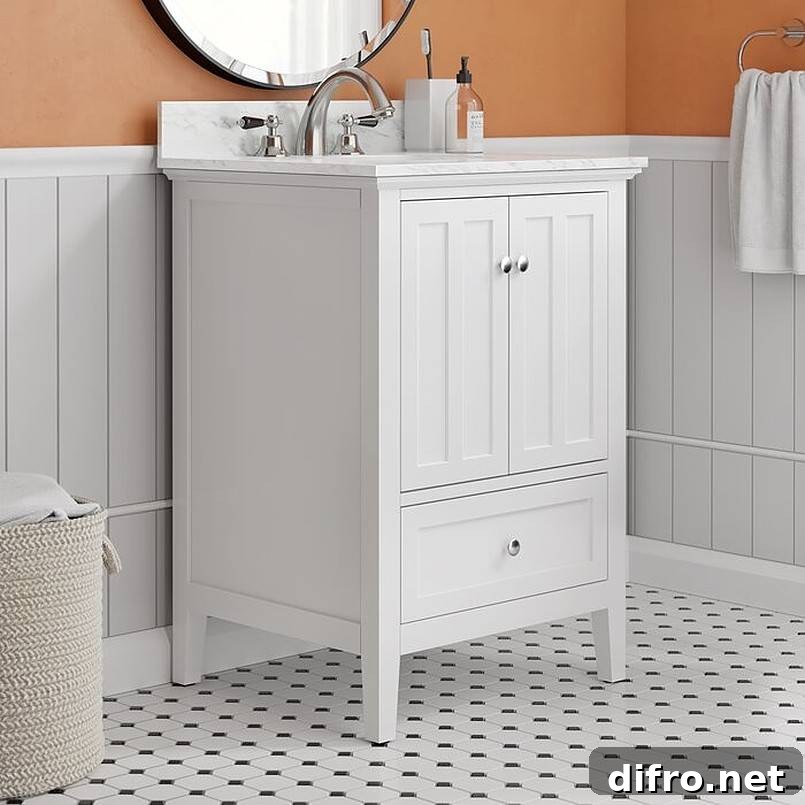
Aligning wainscoting with cabinetry creates a cohesive, calming effect. Matching the finish and profile of the wainscot to your vanity produces a unified look that makes even a small bathroom feel thoughtfully designed and tranquil.
Soften a Bold Hue with Trim
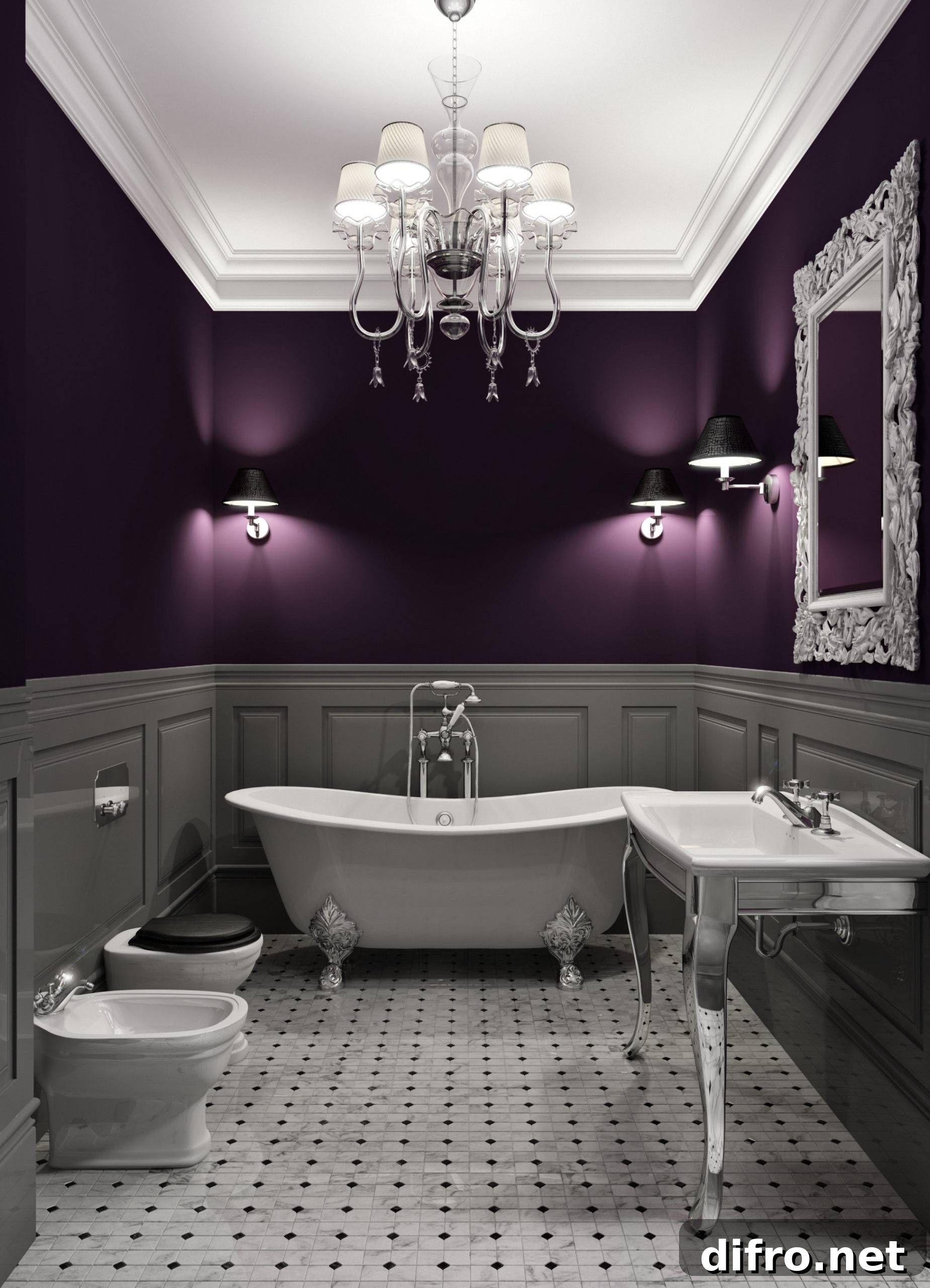
A saturated paint color can feel heavy if applied wall-to-wall. Introducing raised or recessed wainscoting and molding breaks up the intensity and adds serenity, balancing drama with refined detail.
Play Up a Color Scheme
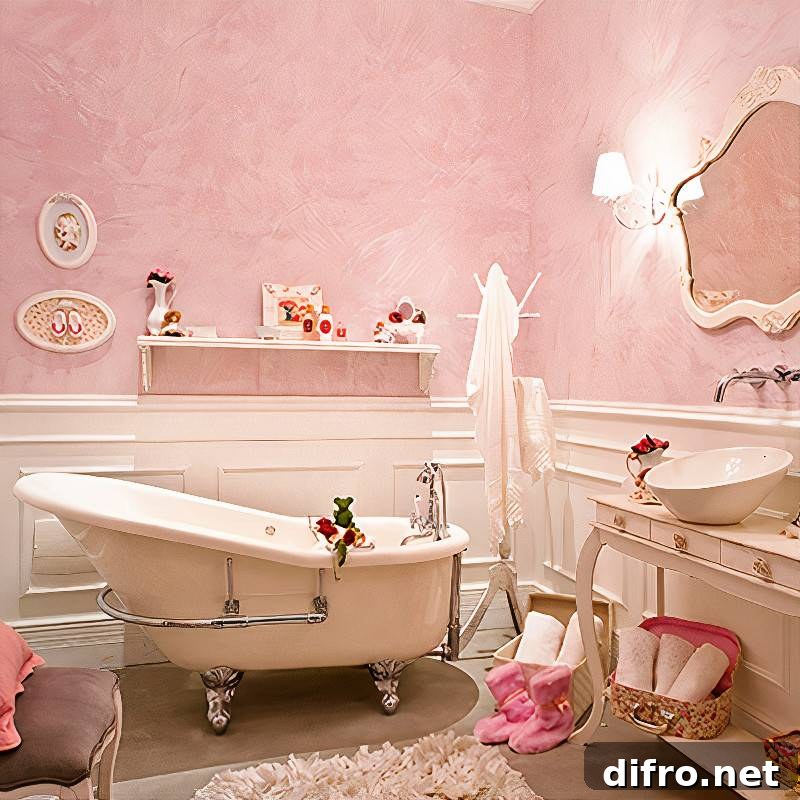
Whimsical colors paired with classic wainscoting introduce texture and perceived value. A simple beadboard or paneled base lifts a playful palette into a polished, livable space.
Keep it Simple with Beadboard
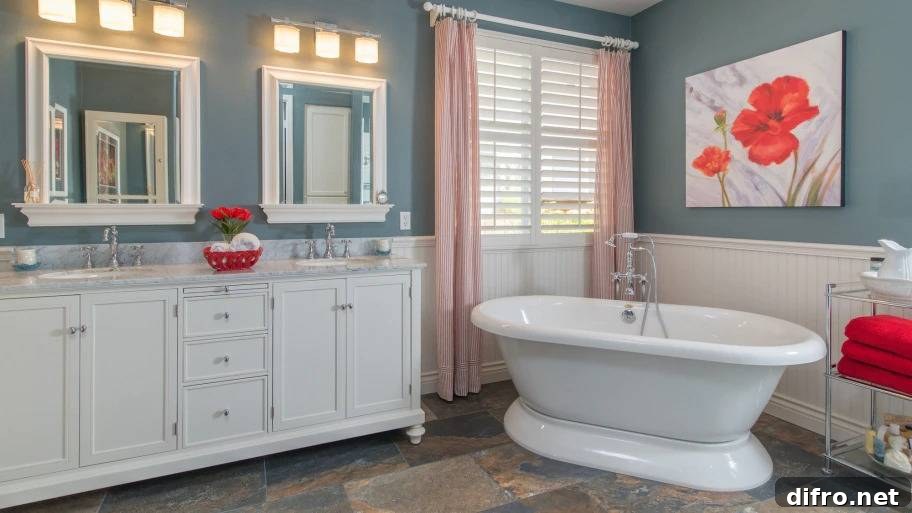
Beadboard is timeless and practical. Its vertical grooves help disguise minor imperfections while protecting walls adjacent to tubs or sinks. It’s understated, low-maintenance, and ideal when you want texture without fuss.
Horizontal Wainscoting for a Modern Feel
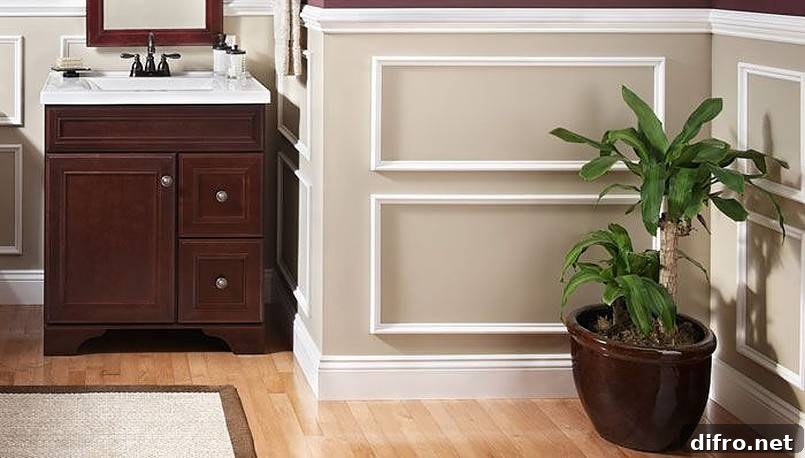
While beadboard is traditionally vertical, installing horizontal panels creates a contemporary, formal look and can visually widen a room. Horizontal lines read modern and clean, a strong choice for minimalist interiors.
Combine Shiplap and Beadboard
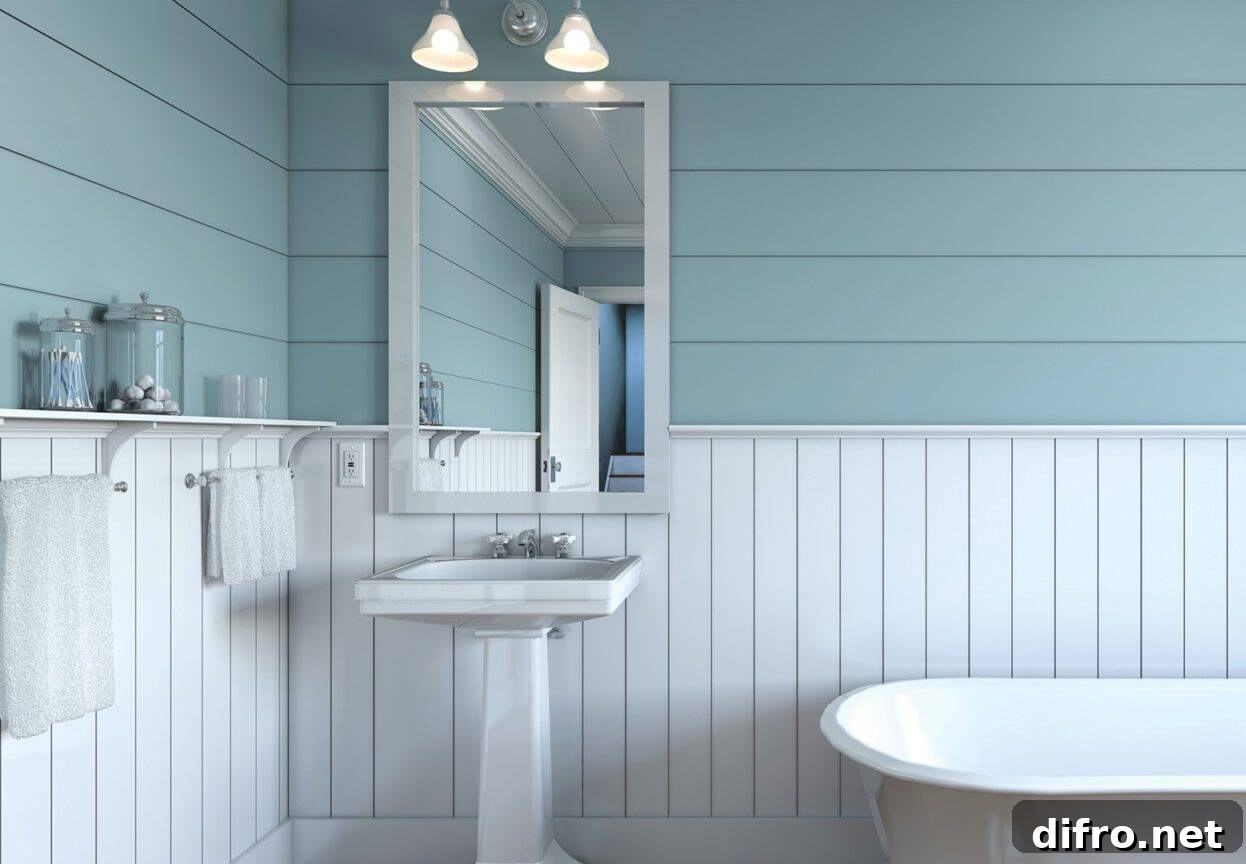
Mixing shiplap with beadboard introduces contrast and depth. A narrow trim or rail between the two finishes ties the design together and keeps transitions clean and intentional.
Bathtub Wainscoting
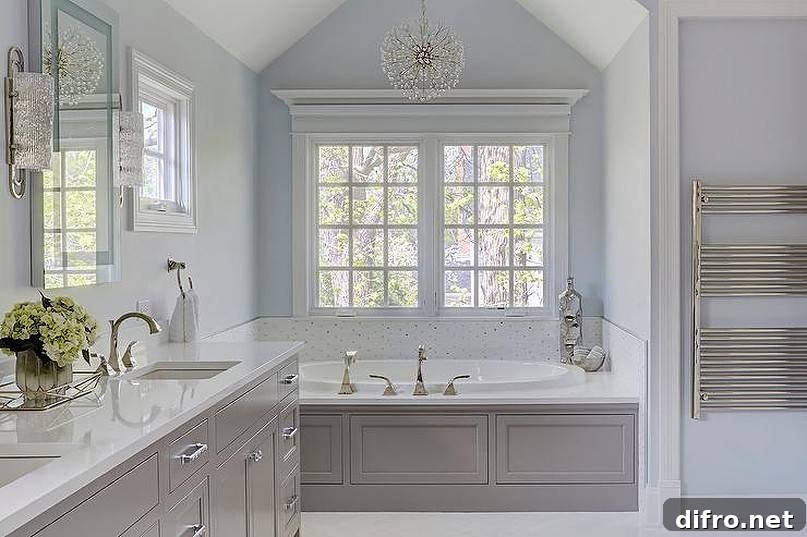
Wrapping the bathtub with matching wainscoting visually anchors the fixture and creates a cohesive, furniture-like appearance. This approach works especially well around drop-in tubs and integrated cabinetry.
Wainscoting in Color
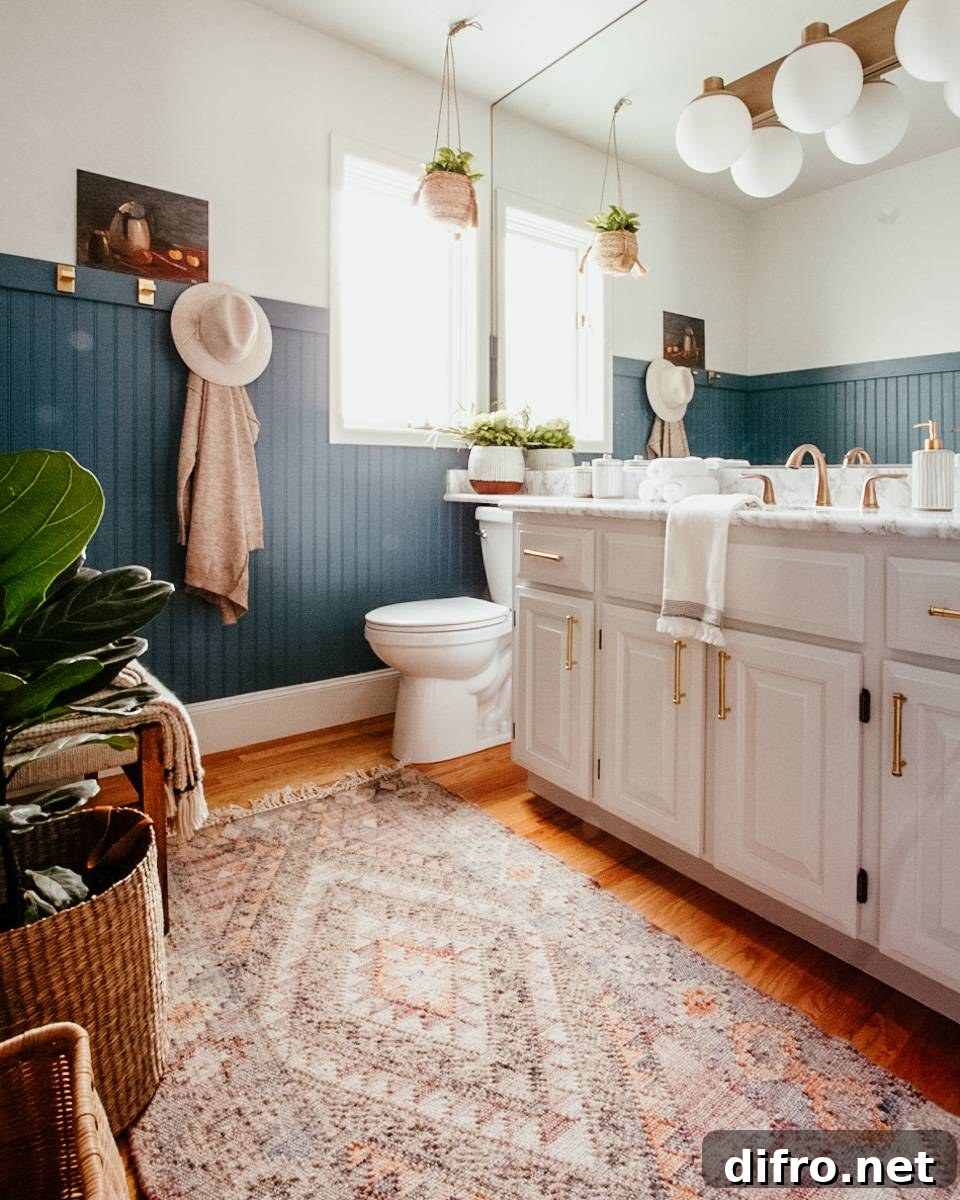
Neutral trim is common, but painted wainscoting can be a bold design move. A smoky blue or saturated hue at the lower wall adds personality while a large window or light finish above keeps the room bright and balanced.
Rustic Wood Tones
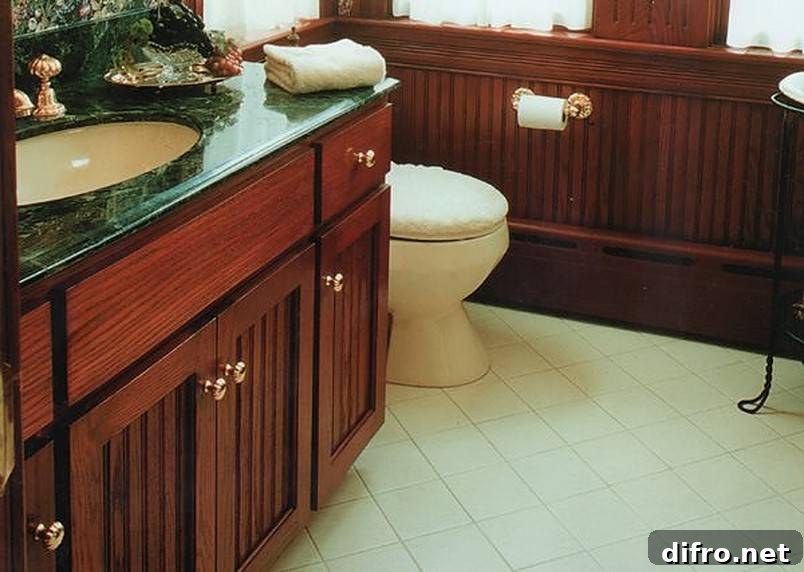
Natural wood tones lend warmth and a vintage vibe. Rustic wainscoting can hide wear better than light paint, and its rich character works well in bathrooms aiming for a cozy, classic mood.
Recessed Panel for Subtle Impact
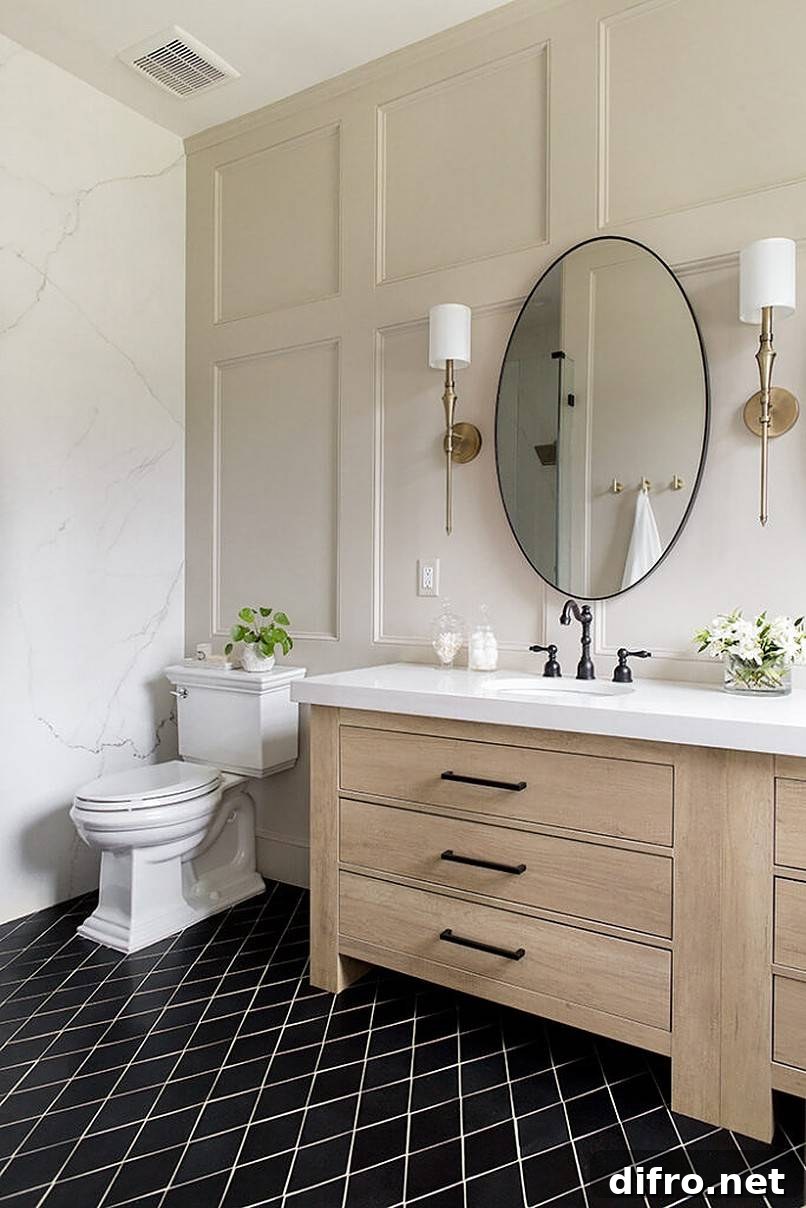
Recessed panel wainscoting covers more visual area while remaining elegant and understated. It reflects light in a way that can make a bathroom feel larger and brighter without overpowering other design elements.
Polish a Dramatic Design
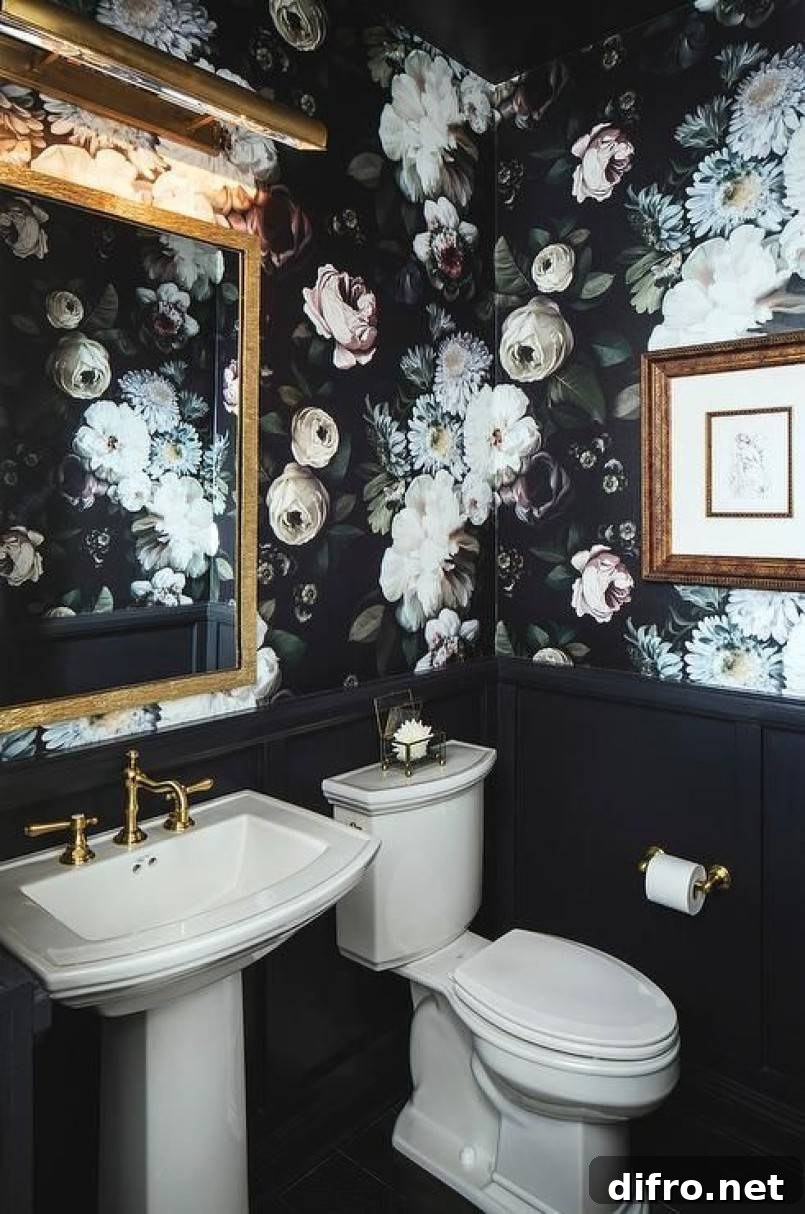
Dark wainscoting, such as black or deep charcoal, can ground bold wallpaper or dramatic finishes, making an adventurous design feel composed and intentional.
Deep Hues, Subtle Lighting
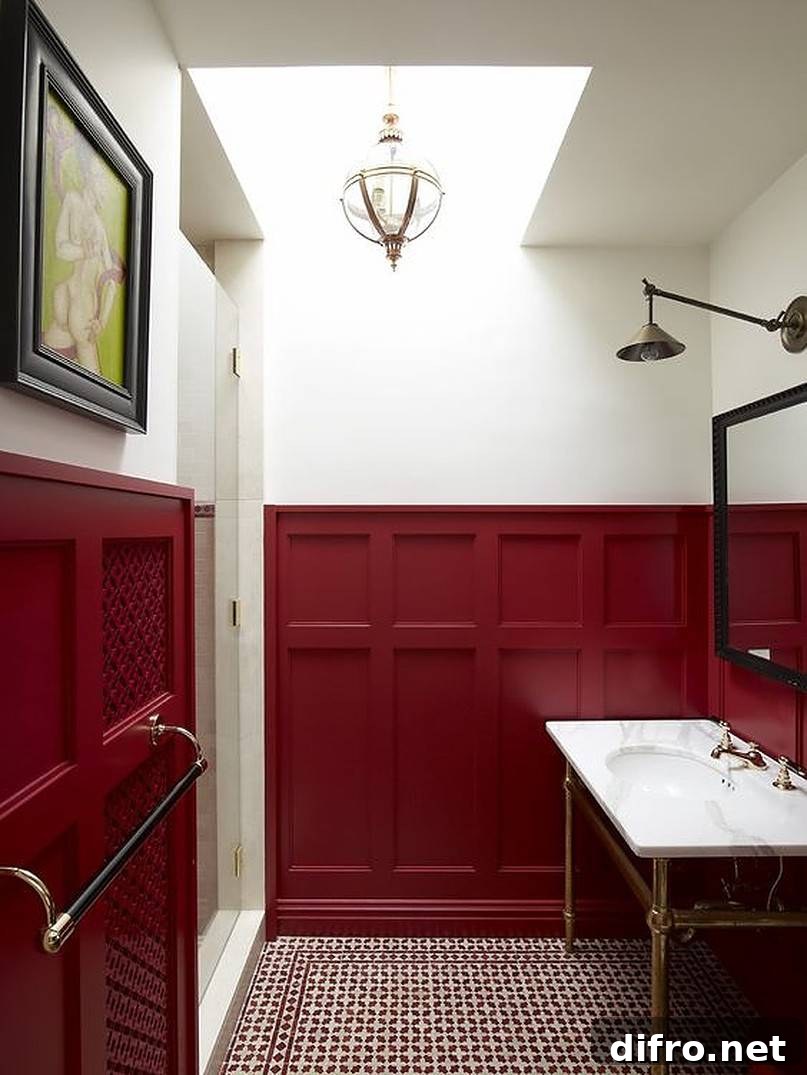
Rich colors like burgundy create personality and warmth. Pair saturated wainscoting with strong, well-placed lighting to keep the space feeling lively rather than heavy.
DIY Board and Batten
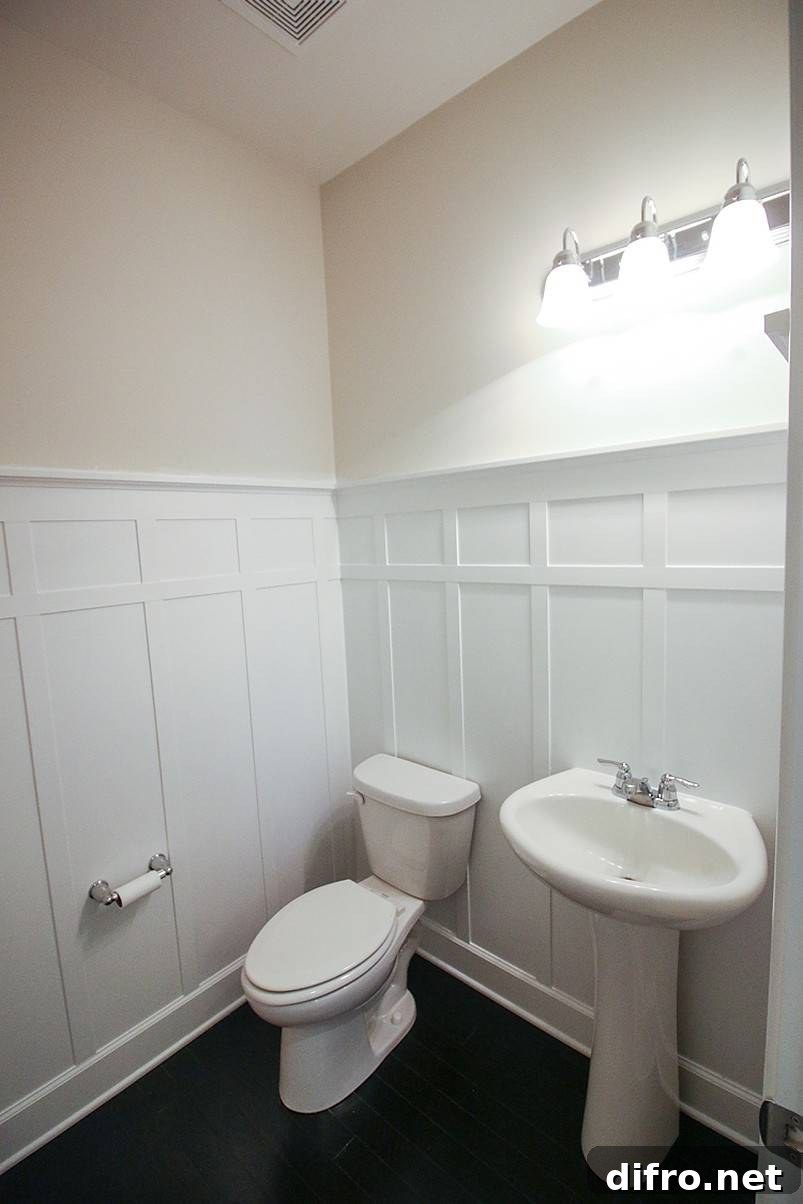
Board and batten is one of the more accessible styles for a DIY project. Simple, geometric lines give a minimalist but refined look and can be completed on a budget with basic carpentry skills.
Modern Meets Industrial
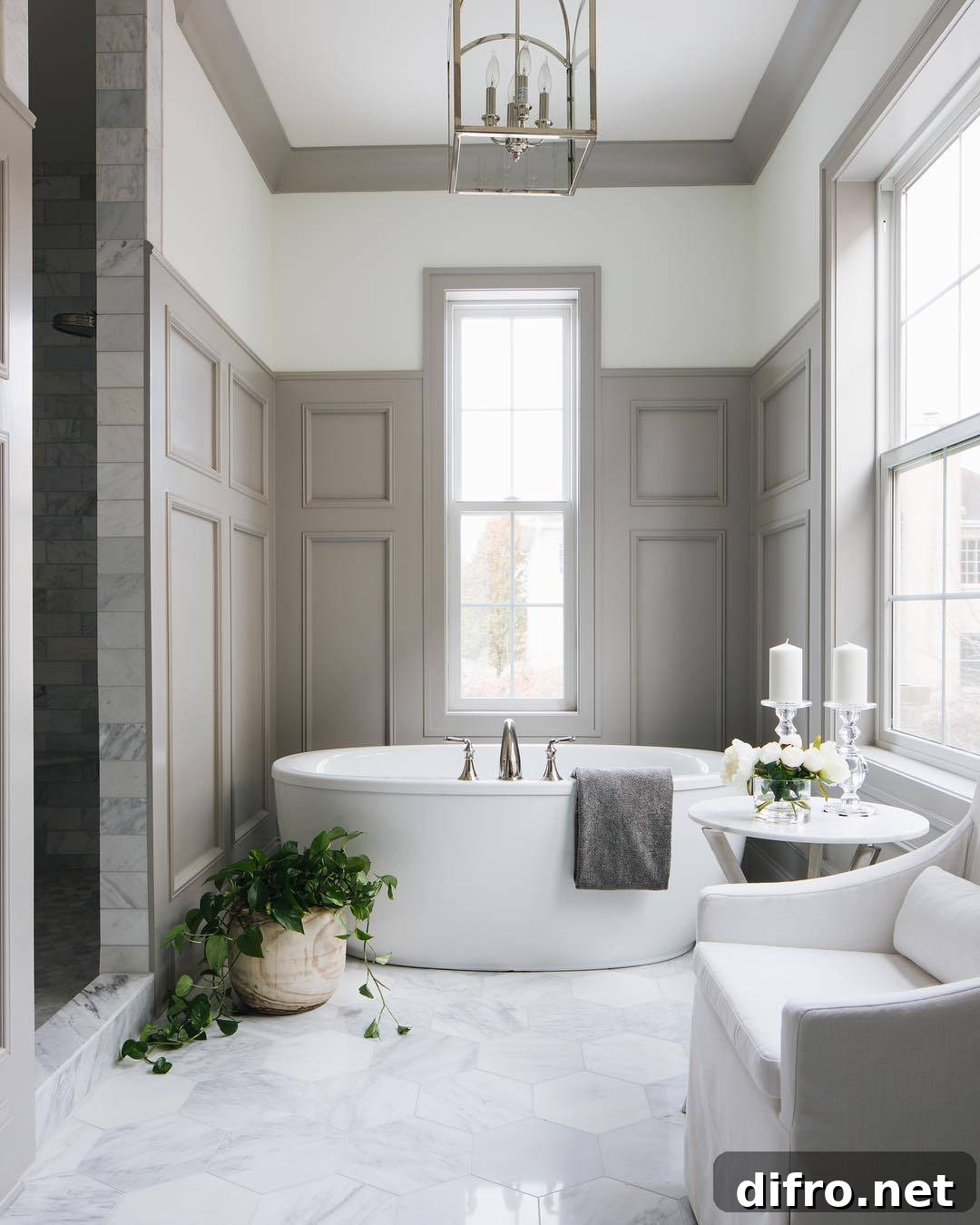
Raised-panel wainscoting with muted two-tone finishes can bridge modern and industrial styles—refined enough for elegance, but tempered by matte tones for a relaxed atmosphere.
Offbeat Navy Millwork
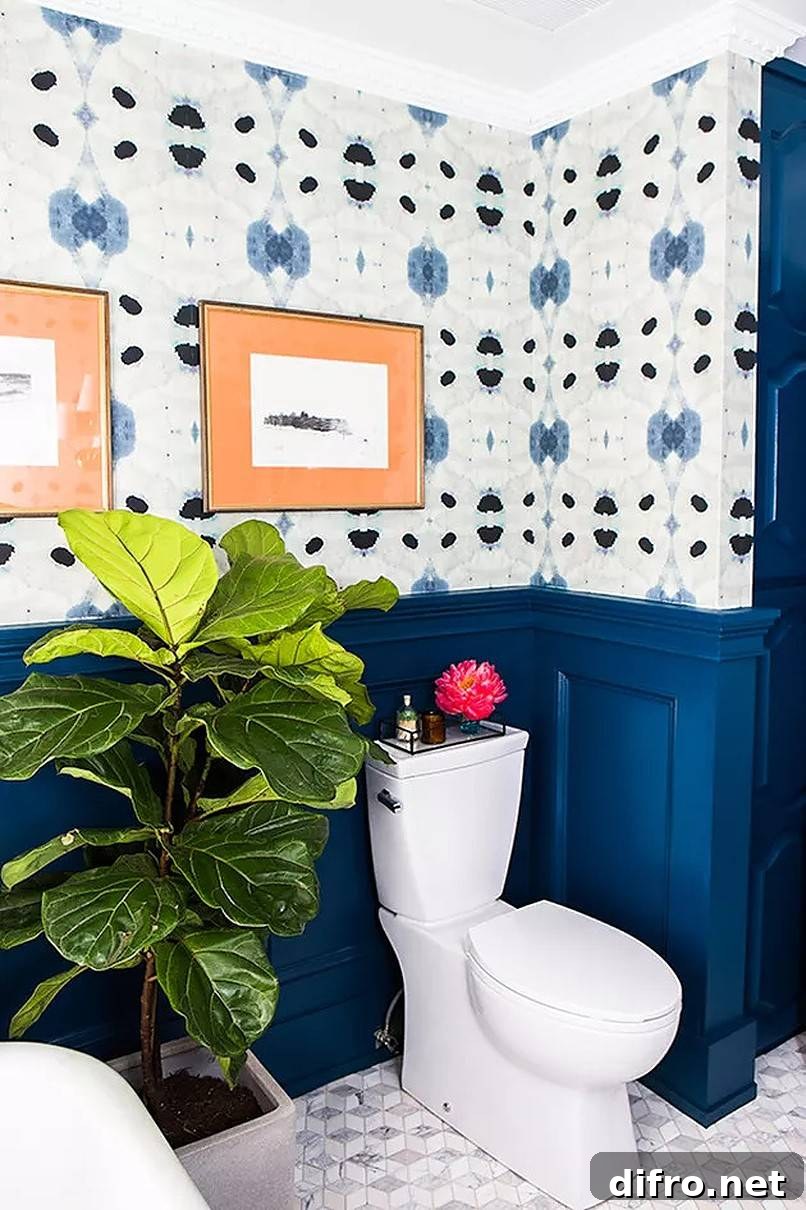
Navy wainscoting makes an elegant statement and pairs beautifully with patterned wallpaper or brass hardware. It’s bold yet classic, creating a striking focal point without overwhelming the room.
FAQs
Is wainscoting in the bathroom a good idea?
Yes. Wainscoting adds visual appeal while protecting walls from moisture and everyday wear—making it both a stylish and practical choice.
Can wainscoting be waterproof?
Yes. Choosing materials like PVC or vinyl panels, marine-grade plywood, or using waterproof paints and sealants can make wainscoting suitable for wet environments.
What is the best height for wainscoting in a bathroom?
A common and effective height is 30 to 36 inches from the floor. This range protects walls near sinks and tubs while maintaining balanced proportions in most bathrooms.
How do you wainscot a bathroom?
Measure and mark the desired height, install a baseboard and paneling or boards, secure with appropriate fasteners, and finish with a cap or chair rail. Seal and paint or stain to protect surfaces from moisture.
Takeaway
Wainscoting does more than protect walls—it’s a design element that can define the mood of your bathroom. Whether you prefer classic beadboard, recessed panels, board and batten, horizontal modern lines, or a bold painted finish, wainscoting adds texture, durability, and character. You can choose to cover a standard lower portion of the wall or extend panels higher for a more dramatic effect. With the right materials and finish, it’s a flexible update that enhances both form and function in any bathroom.
Ready to refresh your bathroom? Subscribe to our newsletter for interior design tips, trends, and ideas to elevate your space.