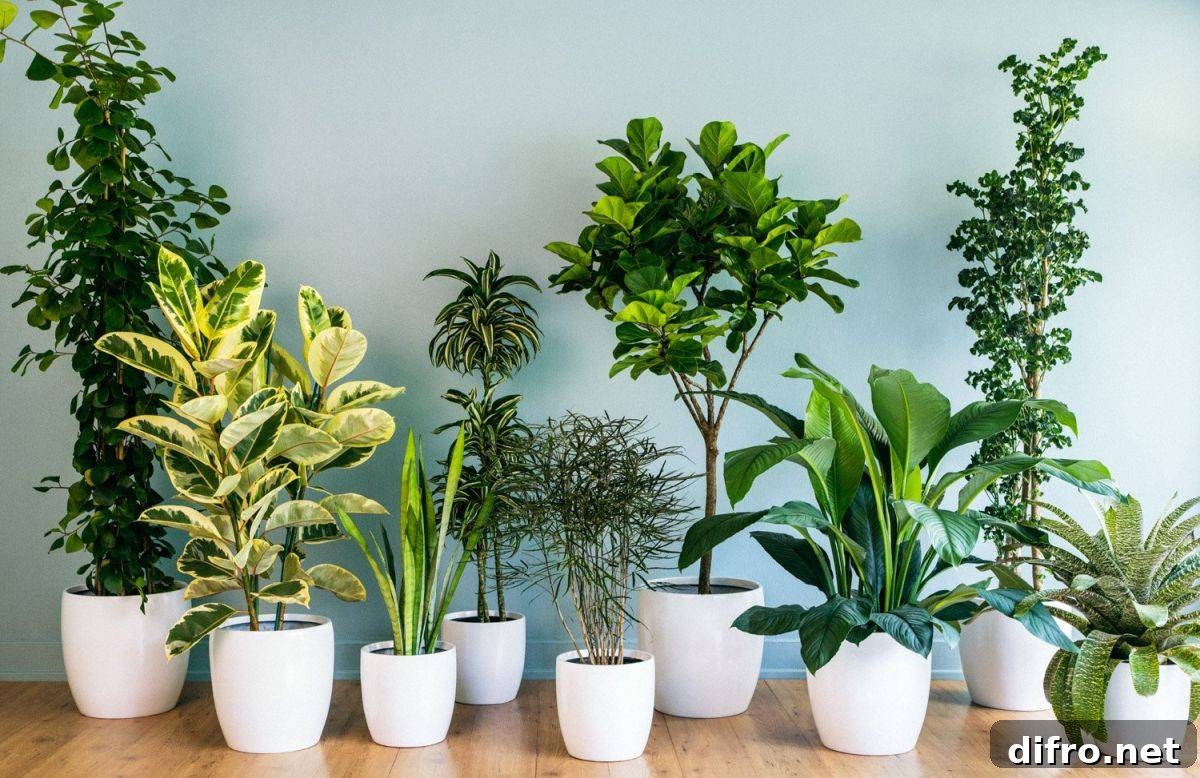
Why are we so drawn to nature? Whether it’s holidays in the woods, a visit to a rainforest, or a quiet mountain retreat, people consistently seek out green spaces. For many who live in urban environments, nature offers a welcome escape from the daily grind and helps restore energy and calm. Fresh, cleaner air and a green backdrop—from a park stroll to plants inside the home—boost mood, reduce stress, and contribute to better overall well-being.
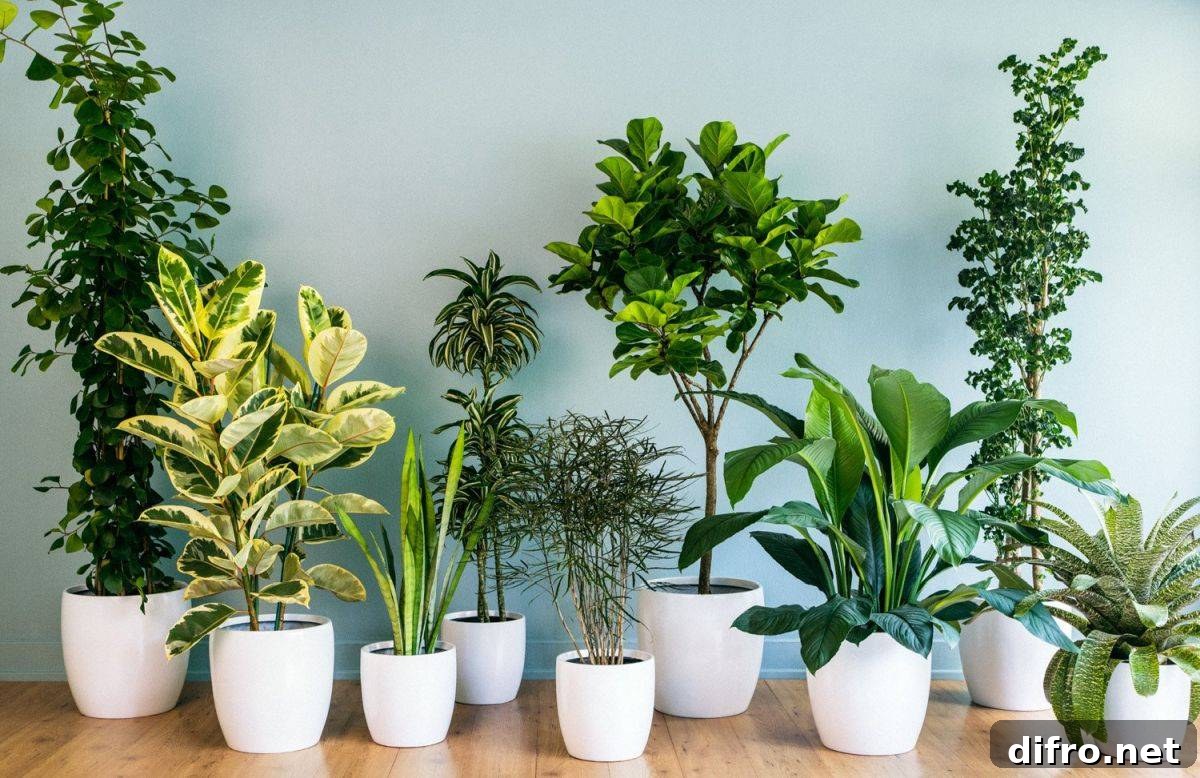
Instead of waiting for the occasional getaway to reconnect with nature, consider making your home a greener, healthier place. Indoor plants not only enhance décor but can also improve indoor air quality by filtering pollutants, increasing humidity where needed, and contributing to a fresher living environment. Below are seven popular indoor plants that are known for their air-cleaning properties and relative ease of care. Each entry includes simple care tips so you can find the best fit for your space and lifestyle.
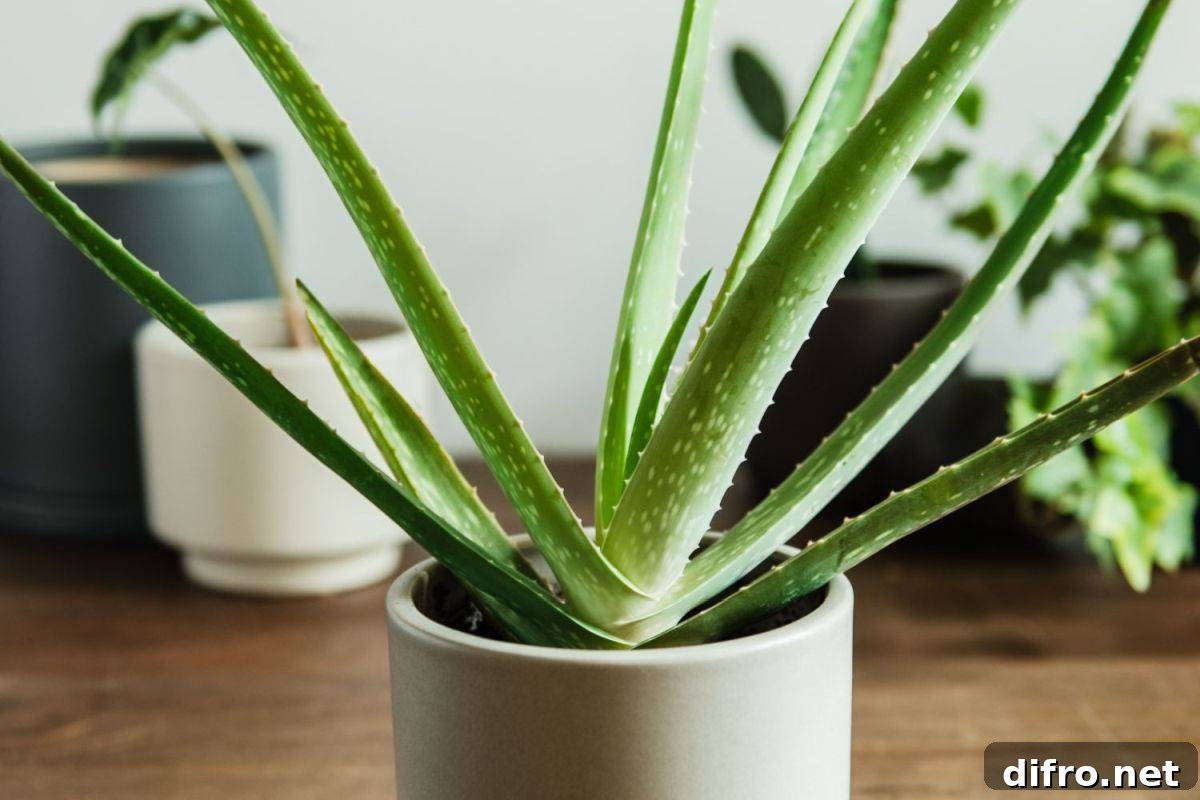
1. Aloe Vera
Aloe vera is widely appreciated for its skin and hair benefits, but it also helps improve indoor air quality. This succulent is low-maintenance, requiring infrequent watering and bright, indirect light. Aloe performs well on a sunny windowsill and can serve as a simple, attractive air-improving plant in kitchens, living rooms, or bedrooms. Its thick leaves store water, so it’s forgiving if you occasionally forget to water it.
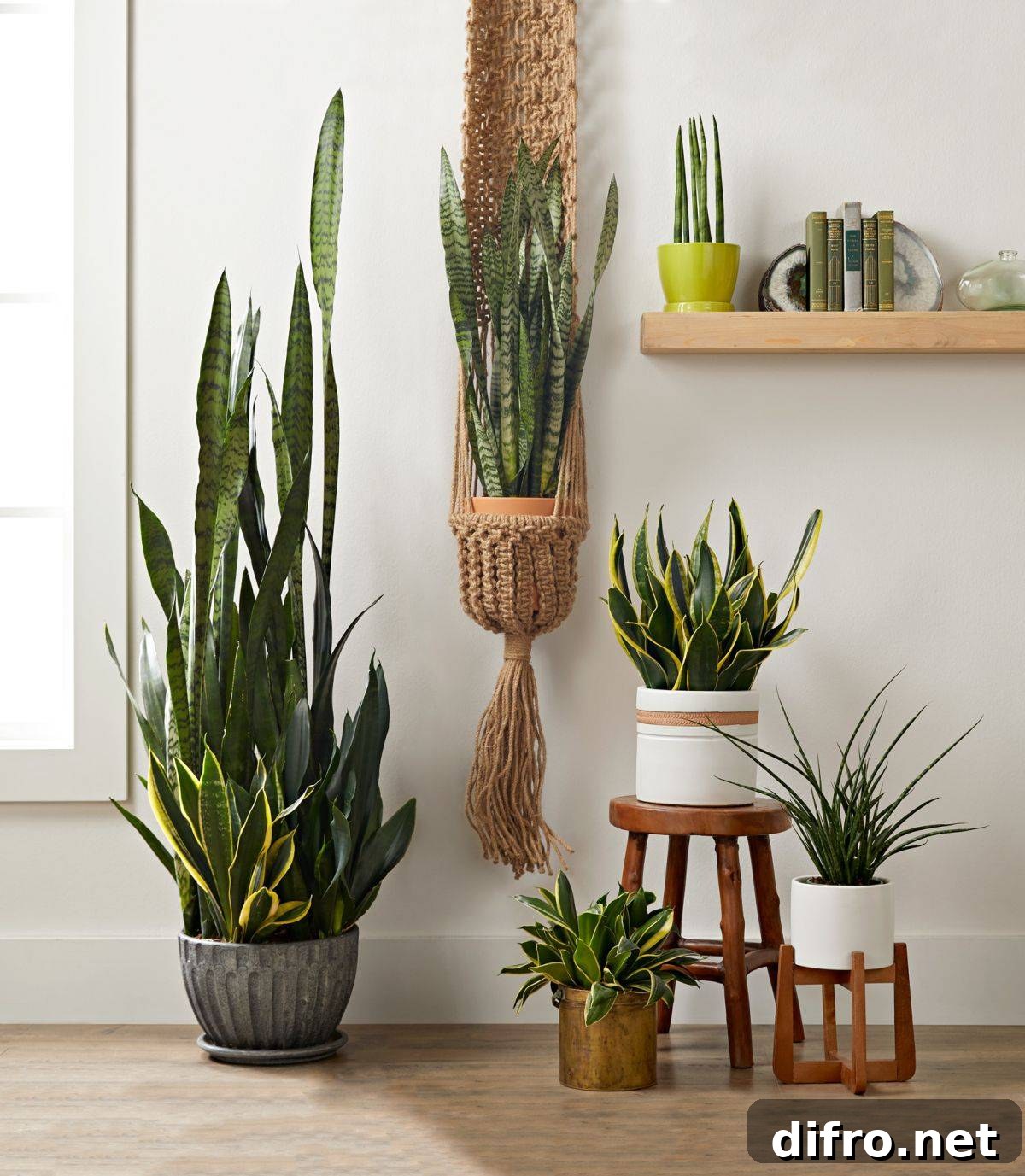
2. Snake Plant
The snake plant (Sansevieria) is a striking, upright foliage plant that adds visual interest and helps improve indoor air. Notably, it continues to produce oxygen at night, making it a popular choice for bedrooms. Snake plants tolerate a range of light conditions and need only occasional watering, so they are ideal for people who want an attractive, low-maintenance air-cleaning houseplant.
3. Spider Plant
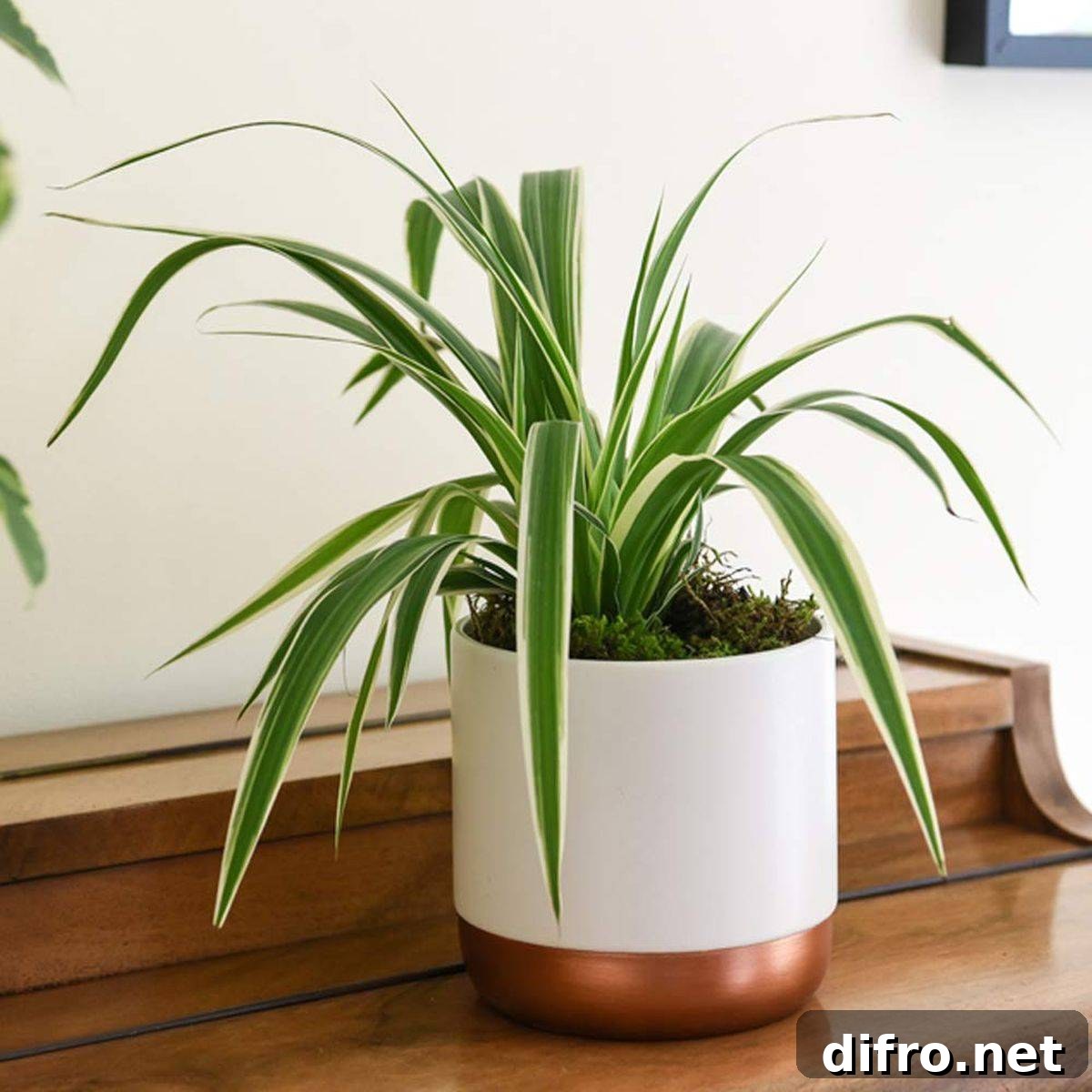
Spider plants are excellent at removing common indoor pollutants and are non-toxic to pets, making them a safe choice for families with animals. They thrive with indirect light and occasional watering. The plant produces “babies” or plantlets that are easy to propagate and share, so you can expand your indoor greenery without much effort.
4. Areca Palm
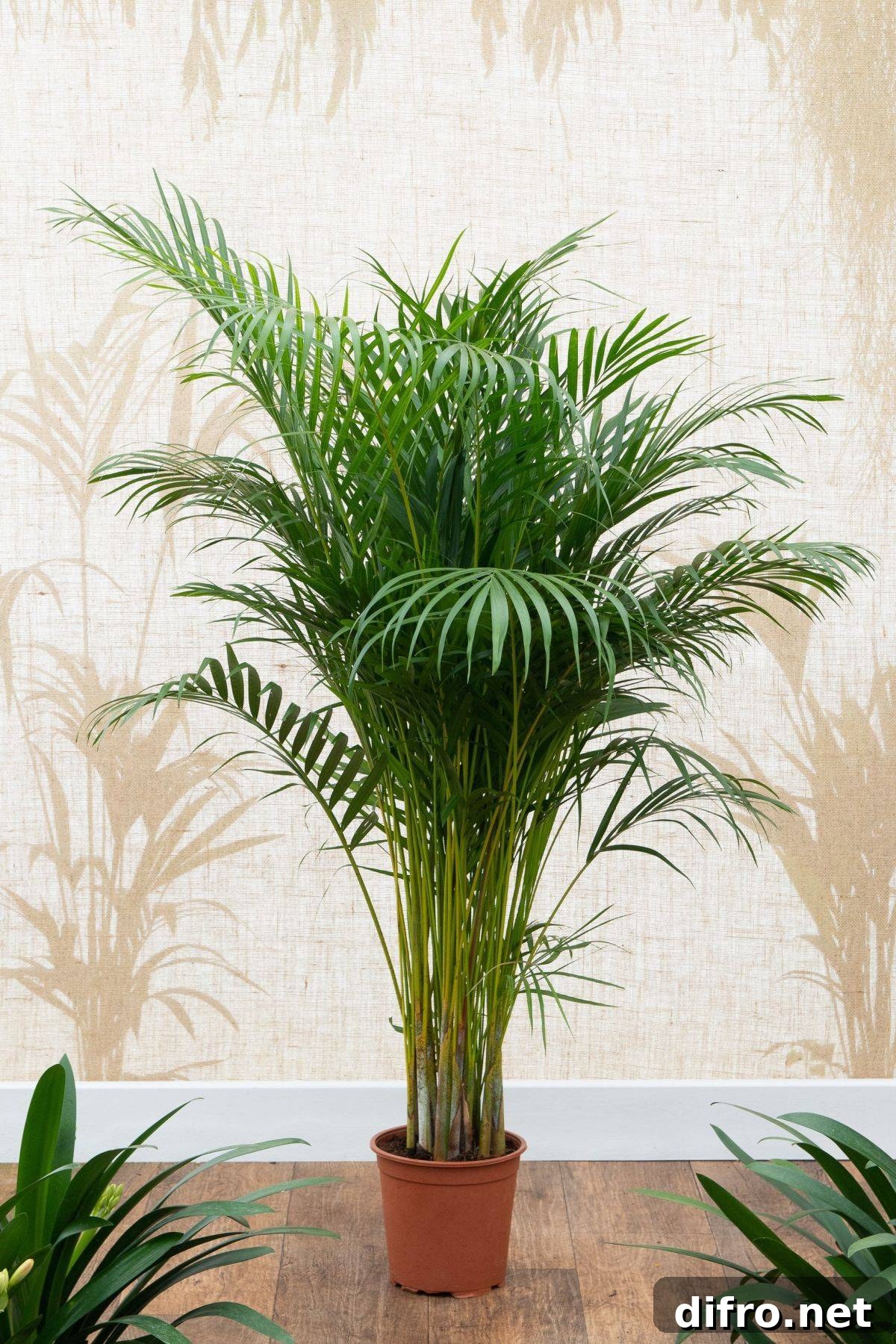
Areca palms bring a tropical feel and work well as larger indoor plants that help filter the air. They typically require more regular watering and attention than succulents, but they reward that care by improving humidity and creating a lush focal point in living rooms or corners of larger rooms. Position them where they can receive bright, indirect light and consistent moisture for the best results.
5. Chrysanthemums
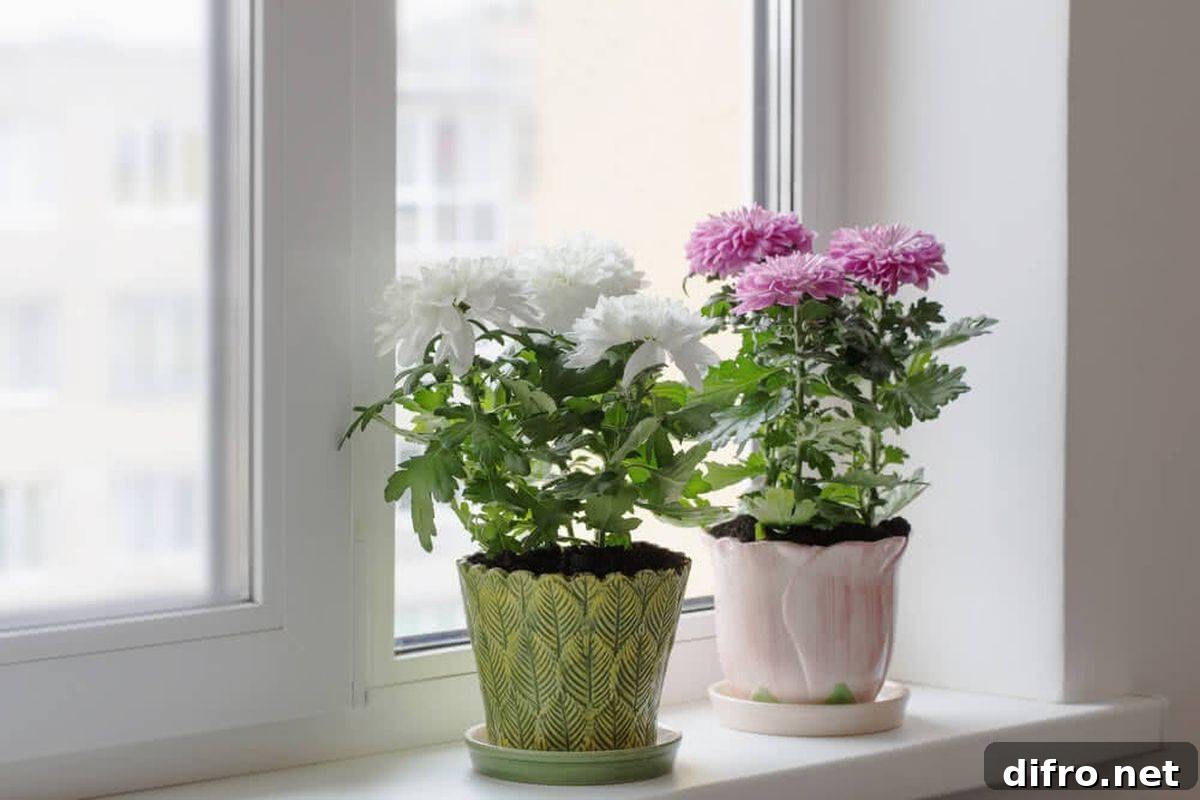
Chrysanthemums are valued for both their colorful blooms and their ability to help filter certain indoor toxins such as benzene and formaldehyde. They need good sunlight and regular watering, and they respond well to consistent care. Chrysanthemums can brighten a windowsill or patio room while contributing to cleaner indoor air.
6. Rubber Plant
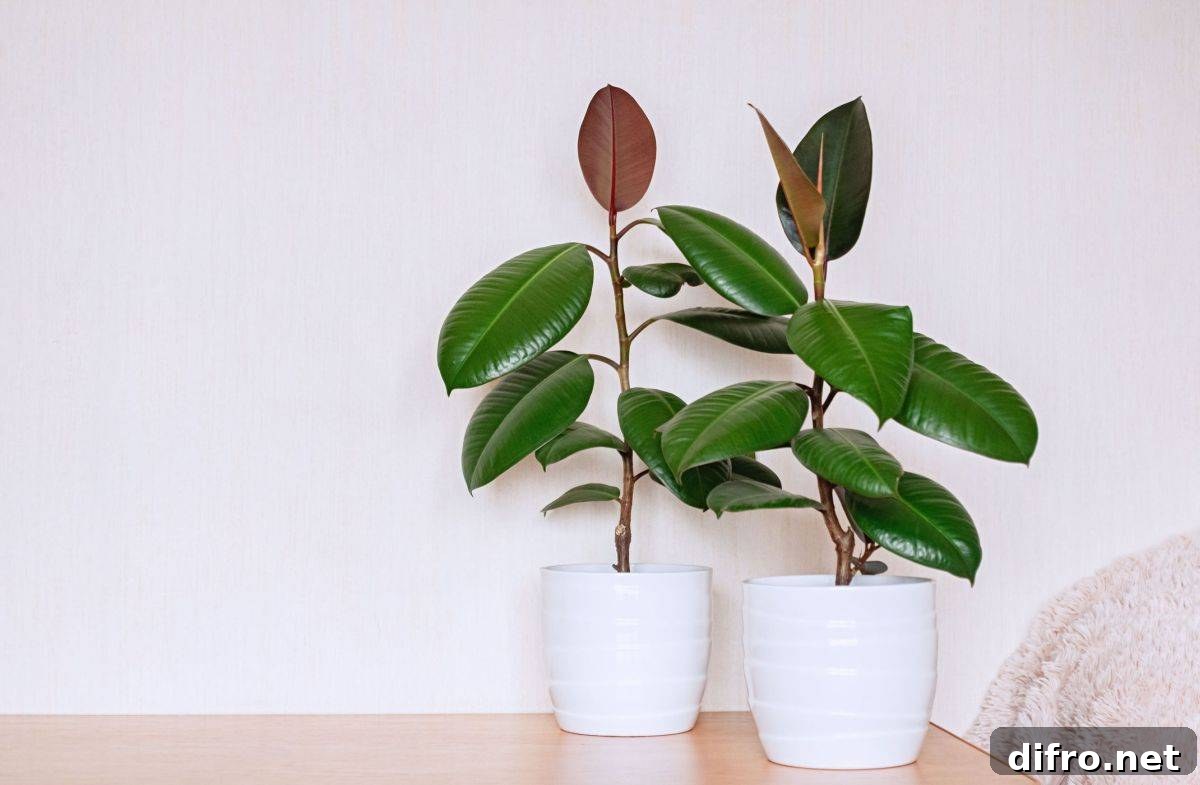
Rubber plants are a great choice for new plant owners. They are hardy, tolerate lower light conditions, and need moderate watering. In addition to producing oxygen, rubber plants can help reduce airborne molds and absorb some indoor pollutants. Their glossy leaves make them an appealing, easy-care focal point for many interiors.
7. Bamboo Plant
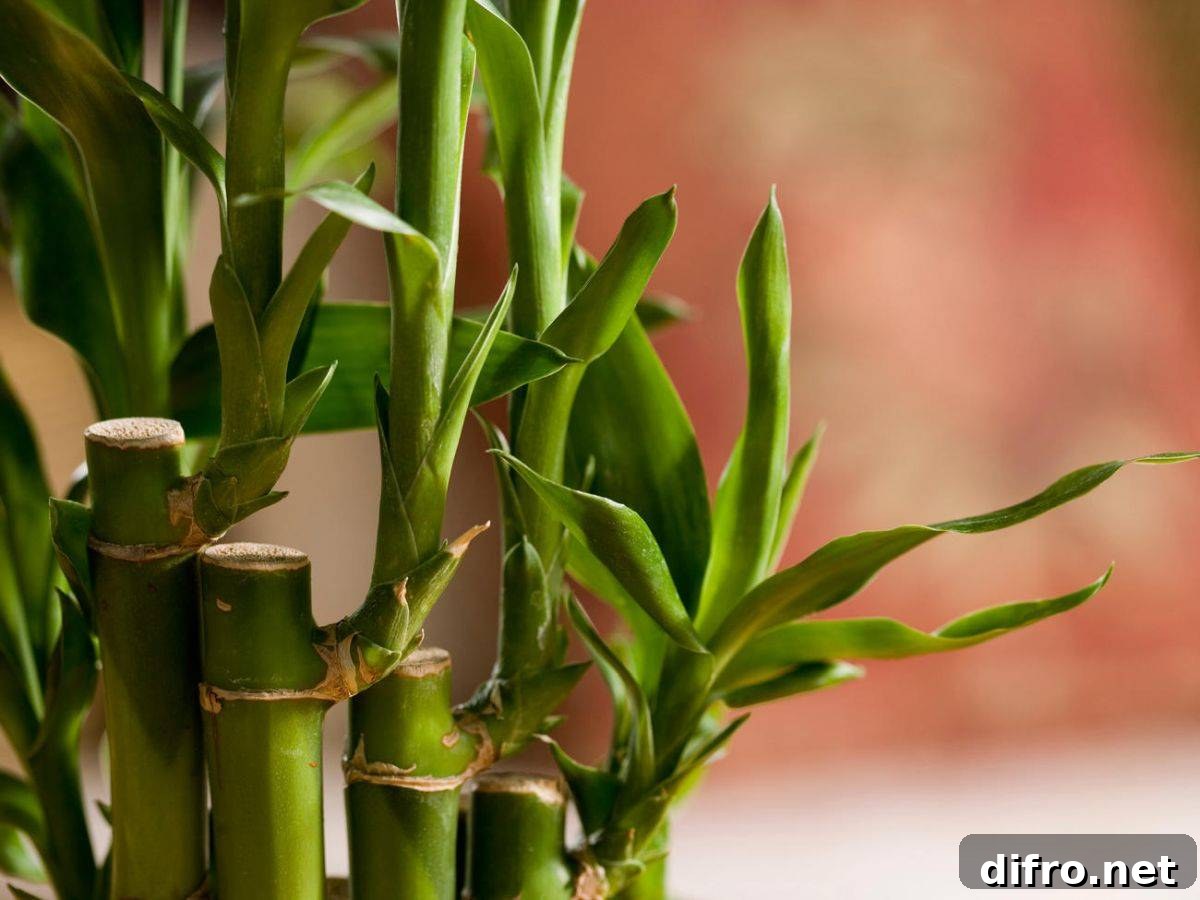
Bamboo plants are appreciated for their elegant form and are often credited with promoting a sense of well-being. They can help reduce certain airborne chemicals and typically prefer bright, indirect light and steady moisture. With the right conditions, bamboo can be a graceful, vertical accent that contributes to healthier indoor air.
There are many other valuable houseplants—such as English ivy, peace lily, and various money plants—that also contribute to cleaner indoor air and a healthier home environment. When choosing plants, consider light conditions, watering needs, and whether pets are in the household. Adding one or more air-purifying plants to your living room, kitchen, or bedroom is an easy way to enhance interior air quality, boost well-being, and bring a touch of nature into daily life.