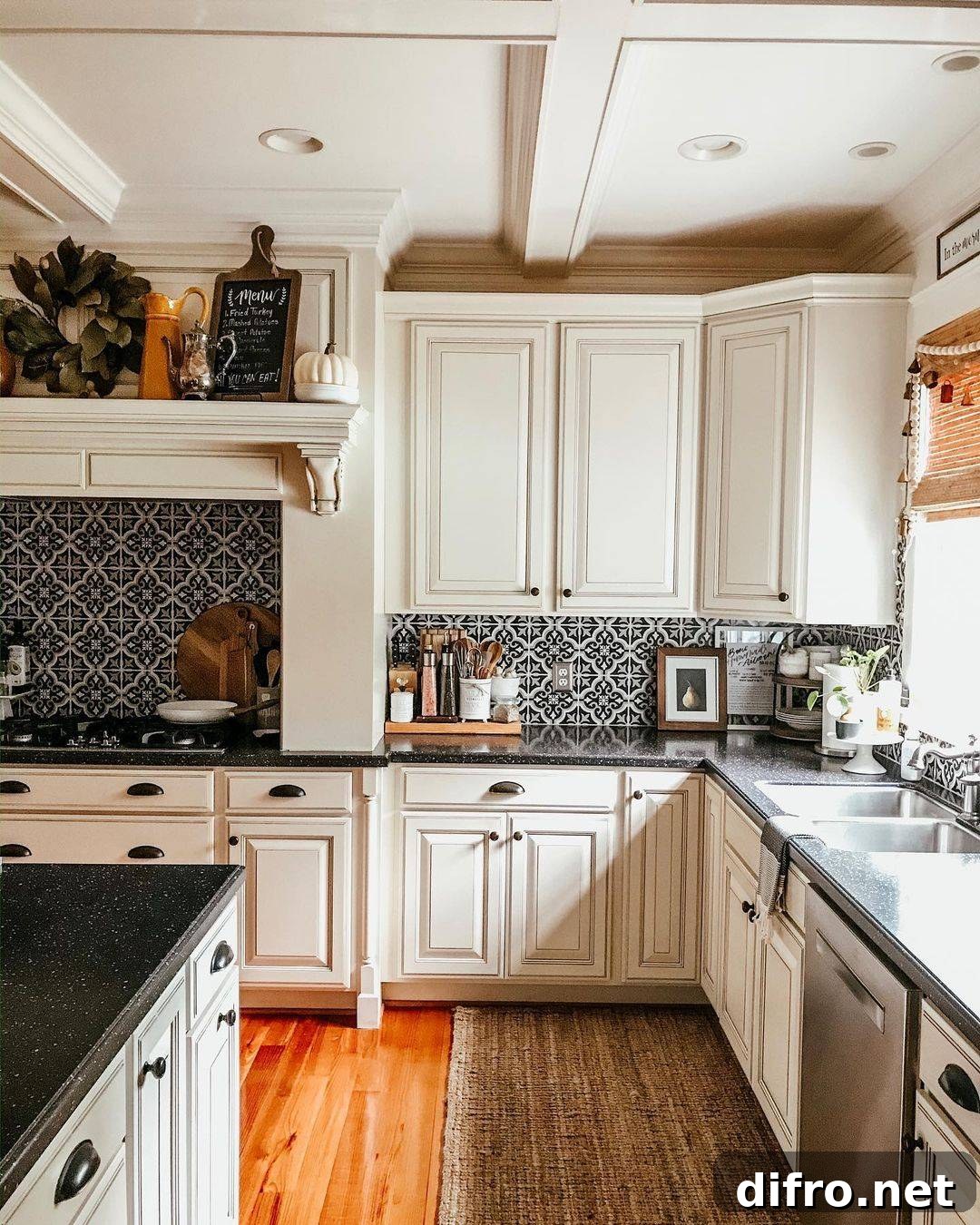
The farmhouse kitchen has been a favored interior design trend for years. When creating a country-style kitchen, homeowners often focus on apron-front sinks, simple rustic cabinetry, open wooden shelves, plenty of greenery, neutral palettes and well-worn antiques.
The right backsplash can pull the whole kitchen together, adding style and character to a space that must remain practical. Whether you prefer a modern take or a truly rustic farmhouse aesthetic, there are many backsplash options to complete your ideal kitchen.
Choosing the Right Backsplash
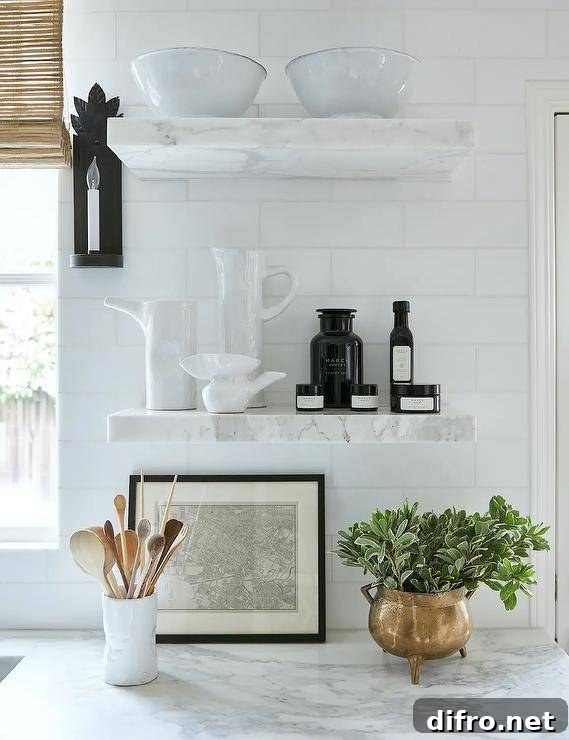
Farmhouse backsplashes vary widely: classic subway tile that spans the wall, reclaimed brick behind the range, or bold marble that makes a statement. When chosen and installed well, a backsplash elevates a kitchen from merely pretty to genuinely striking.
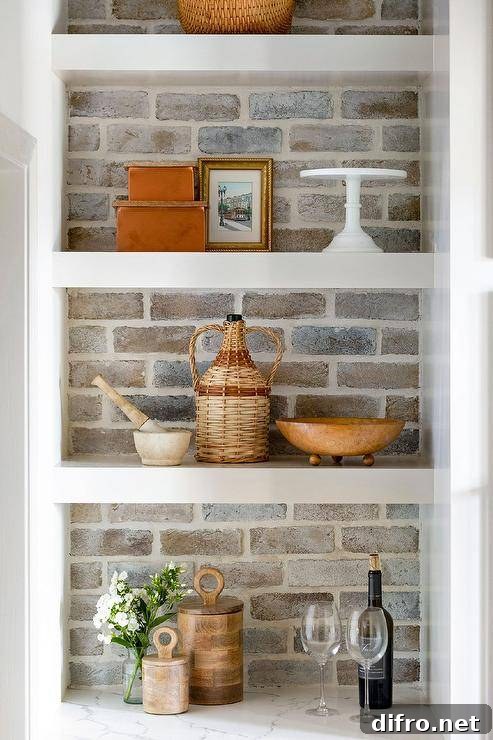
When selecting a farmhouse backsplash, aim for materials and finishes that feel warm and inviting. Tile is a common choice because it’s affordable, durable, and easy to work with. White subway tile remains a top pick for farmhouse kitchens, but patterned tiles, mosaics, and natural stone offer many attractive alternatives.
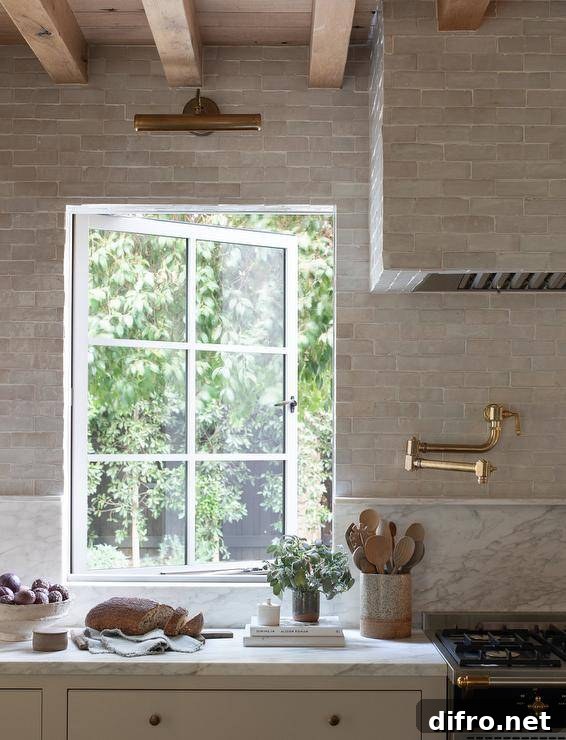
Beyond full-tile installations, options like shiplap preserve a textured, rustic look—especially effective in all-white kitchens with wood countertops or open shelving. Brick and stone backsplashes create a cozy, vintage cottage vibe; peel-and-stick products now replicate many of these looks for an easier install.
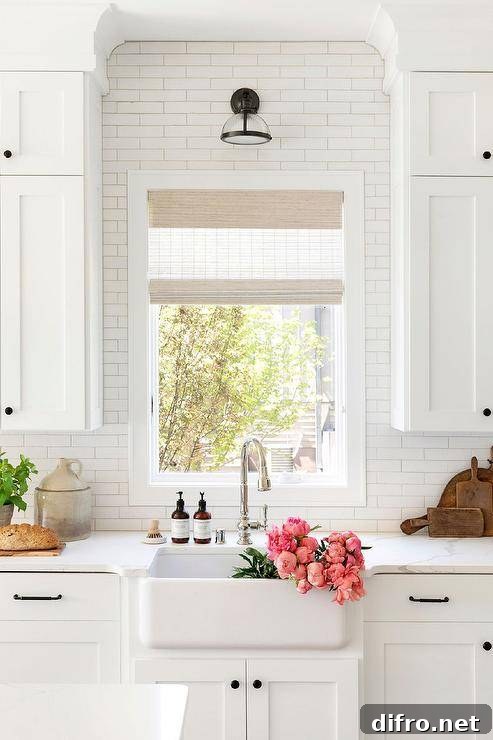
Subway tile is timeless: clean, bright, and versatile for both large and small kitchens. Use contrasting grout to accentuate the pattern, or install tiles vertically, diagonally, or in a herringbone layout for added interest.
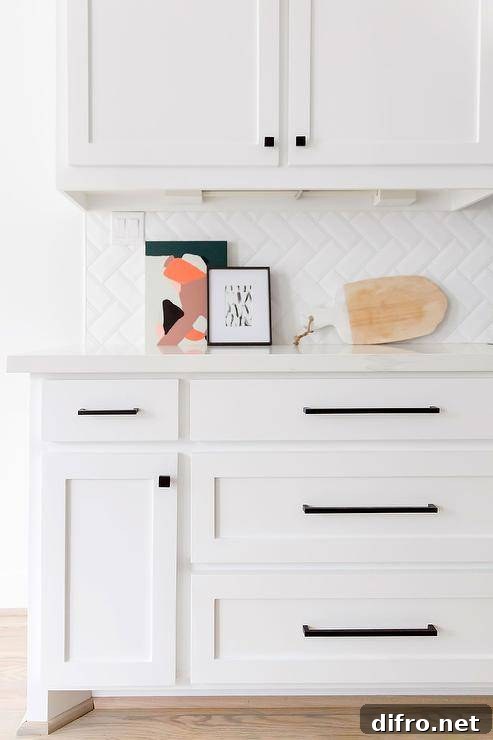
Stone, marble, glass, and mosaics provide texture and depth. Choose colors that complement your cabinets and counters—white for a chic modern farmhouse, or earthy tones like taupe, gray, blue or teal for a more rustic finish.
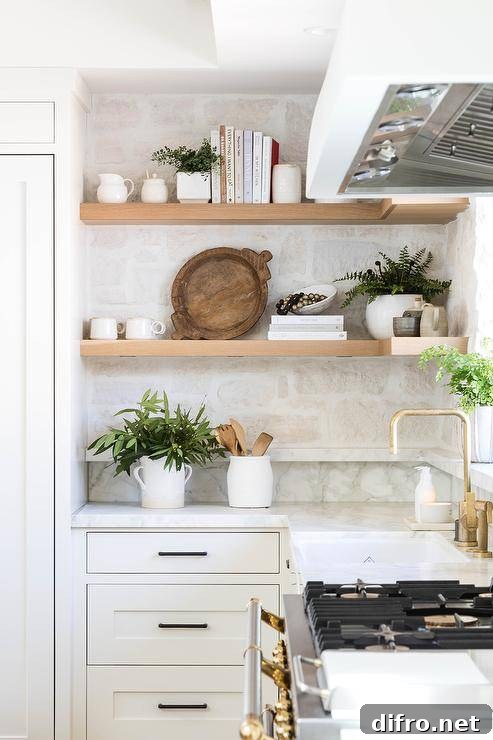
Traditional farmhouse design draws from simple materials—wood, stone, and earth-toned finishes—which together create an enduring and ruggedly beautiful aesthetic. Beadboard and shiplap remain popular starting points that can evolve into more modern interpretations.
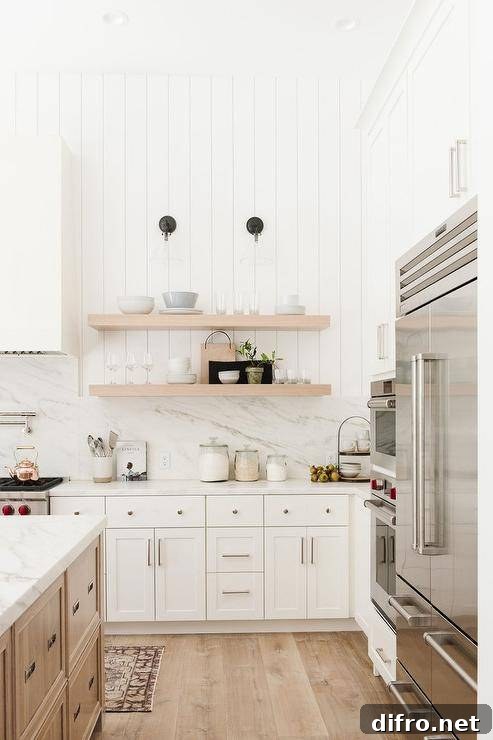
A Mixture of Decorative Elements
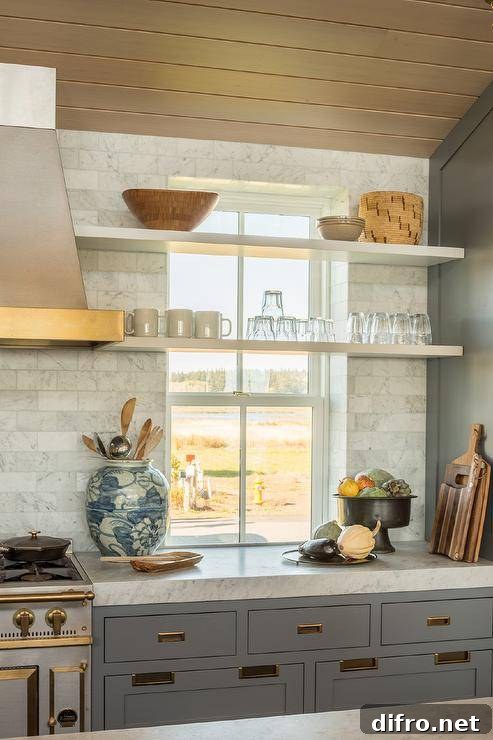
Combining elements from different periods makes a kitchen feel original. For example, marble subway tiles can read classic while pairing with contemporary hardware or mid-century silhouettes to create a fresh, layered look. Open shelving and a few rustic antiques help reinforce the farmhouse character.
Bold Patterned Backsplashes
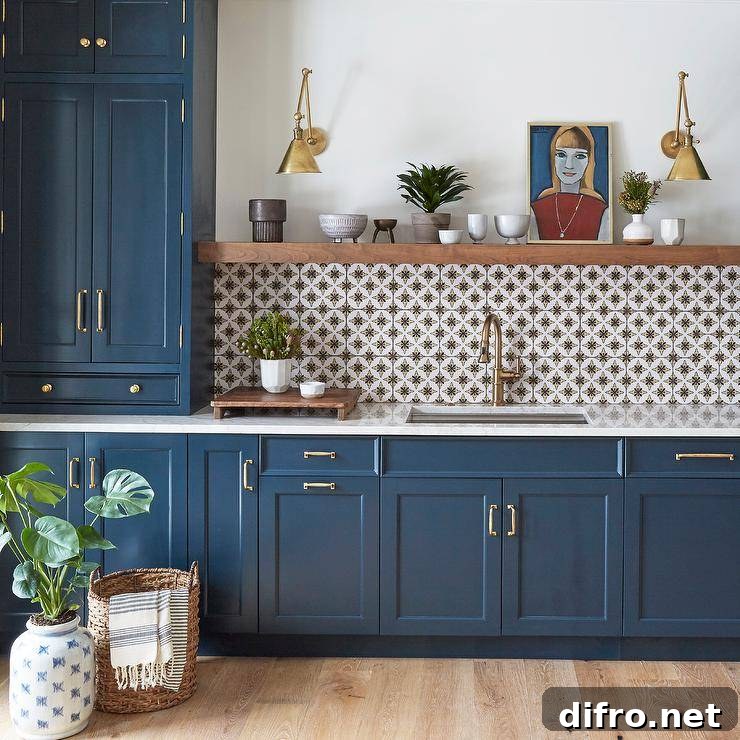
Bold patterned tile becomes a focal point when balanced with simple cabinetry and rustic wood accents. Pair patterned tiles with classic shaker cabinets and farmhouse lighting to keep the look grounded and cohesive.
Minimalist Farmhouse Style
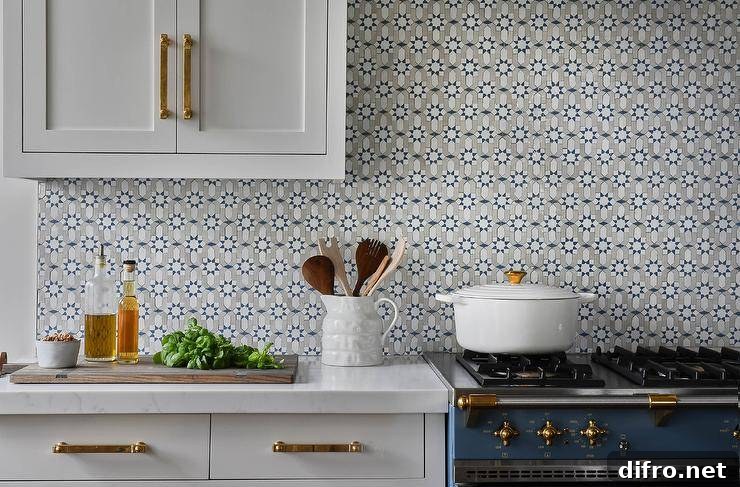
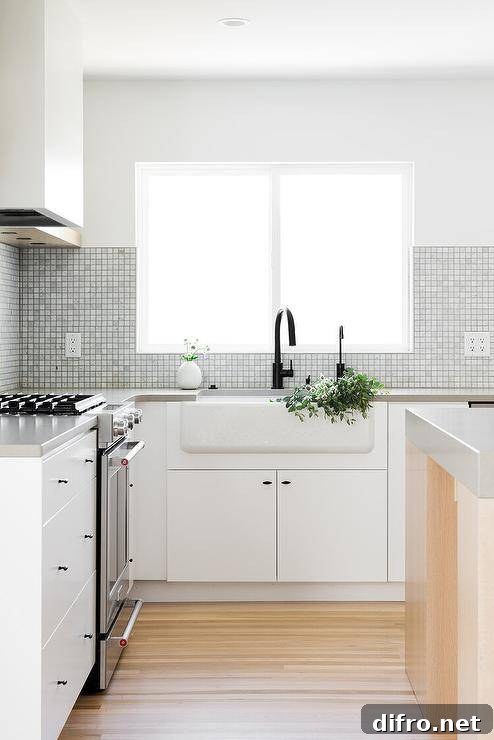
A farmhouse kitchen can be understated and modern rather than vintage-themed. Essential elements—an apron sink, shaker cabinets and abundant natural light—define a minimal farmhouse. In that case, a simple, clean tile or slab backsplash will reinforce the calm, pared-back aesthetic.
Dark Farmhouse
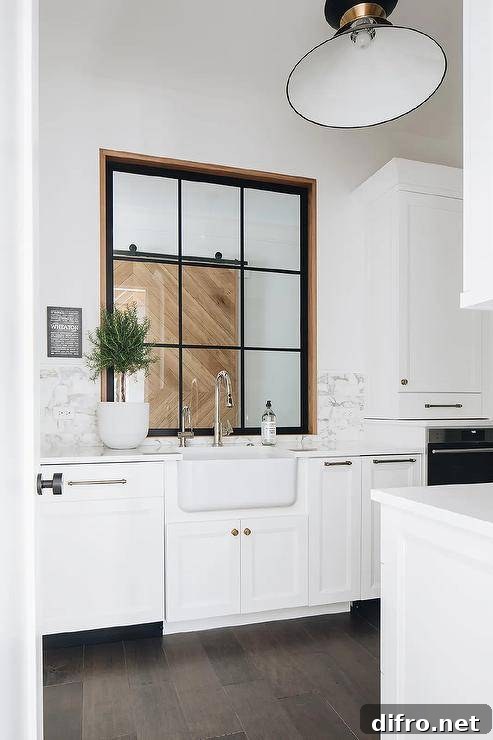
Dark farmhouse kitchens bring moody sophistication to the style. Deep hues—black subway tile, dark marble, or charcoal vertical shiplap—create drama when balanced with warm woods, brass accents, and light countertops.
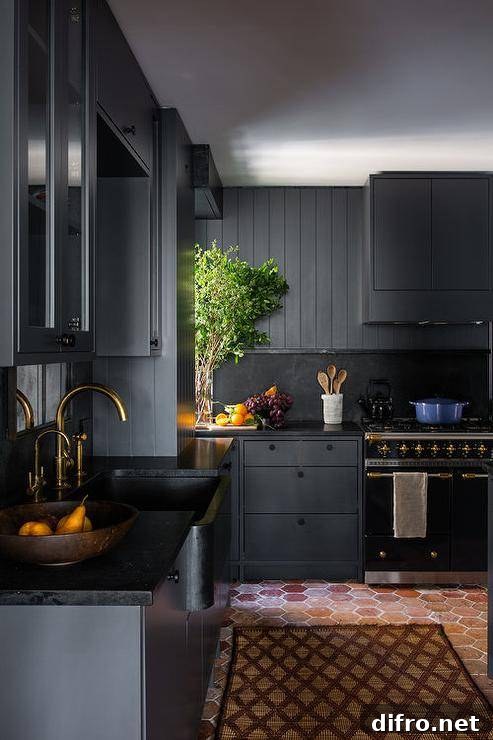
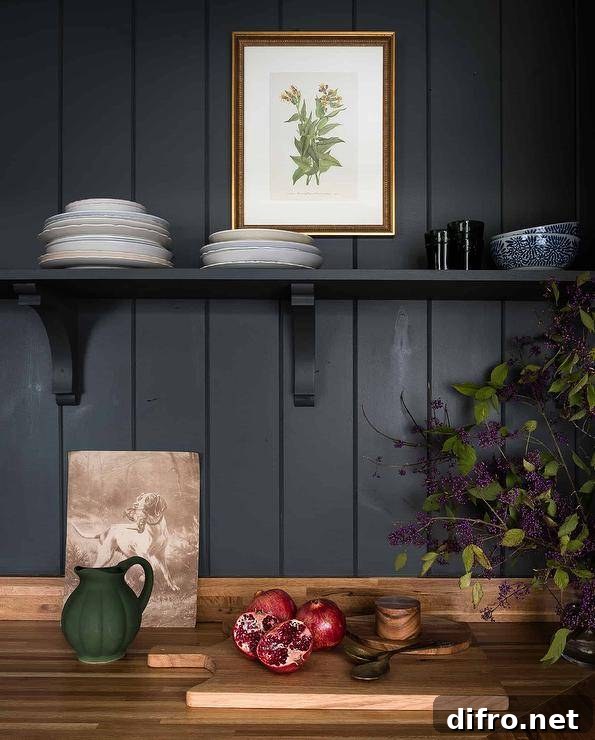
Vertical shiplap painted deep indigo or charcoal offers a modern twist on farmhouse tradition; the warmth of wooden countertops and carefully chosen art provide contrast and balance.
Perfect Styling
Good styling makes even a small kitchen feel balanced. Removing upper cabinets in favor of a large window and open shelves can keep a space from feeling cramped; a subtle grid tile or small-pattern backsplash provides a focal point without overwhelming the room.
Two-Tone Style
Contrasting two-tone kitchens—such as black lower cabinets with white upper cabinets—feel modern and well-proportioned when the colors balance each other. A simple subway tile backsplash often ties the look together.
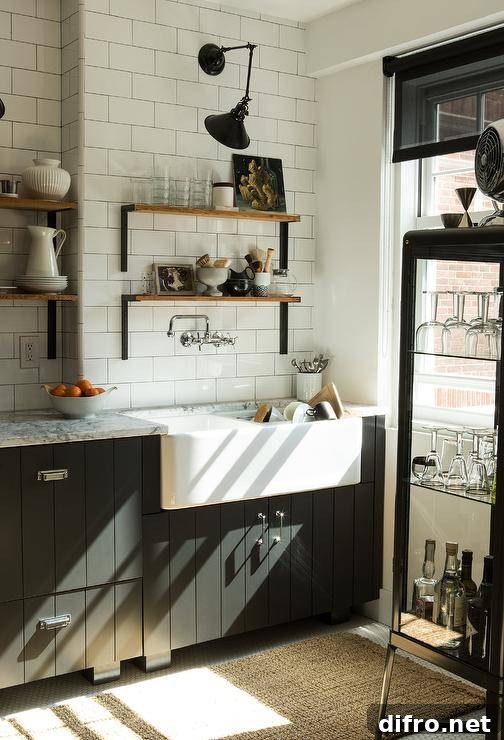
Mixing Textures and Materials
Combining materials—brick with marble, wood with tile—creates personality and dimension. A herringbone wood floor, marble backsplash, or a brick pizza oven niche brings warm texture and a lived-in charm to the kitchen.
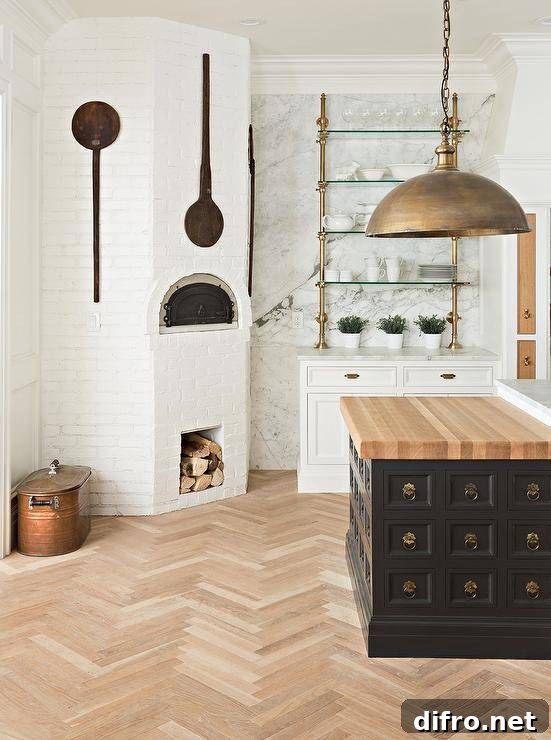
Budget-Friendly Brick Vinyl Tiles
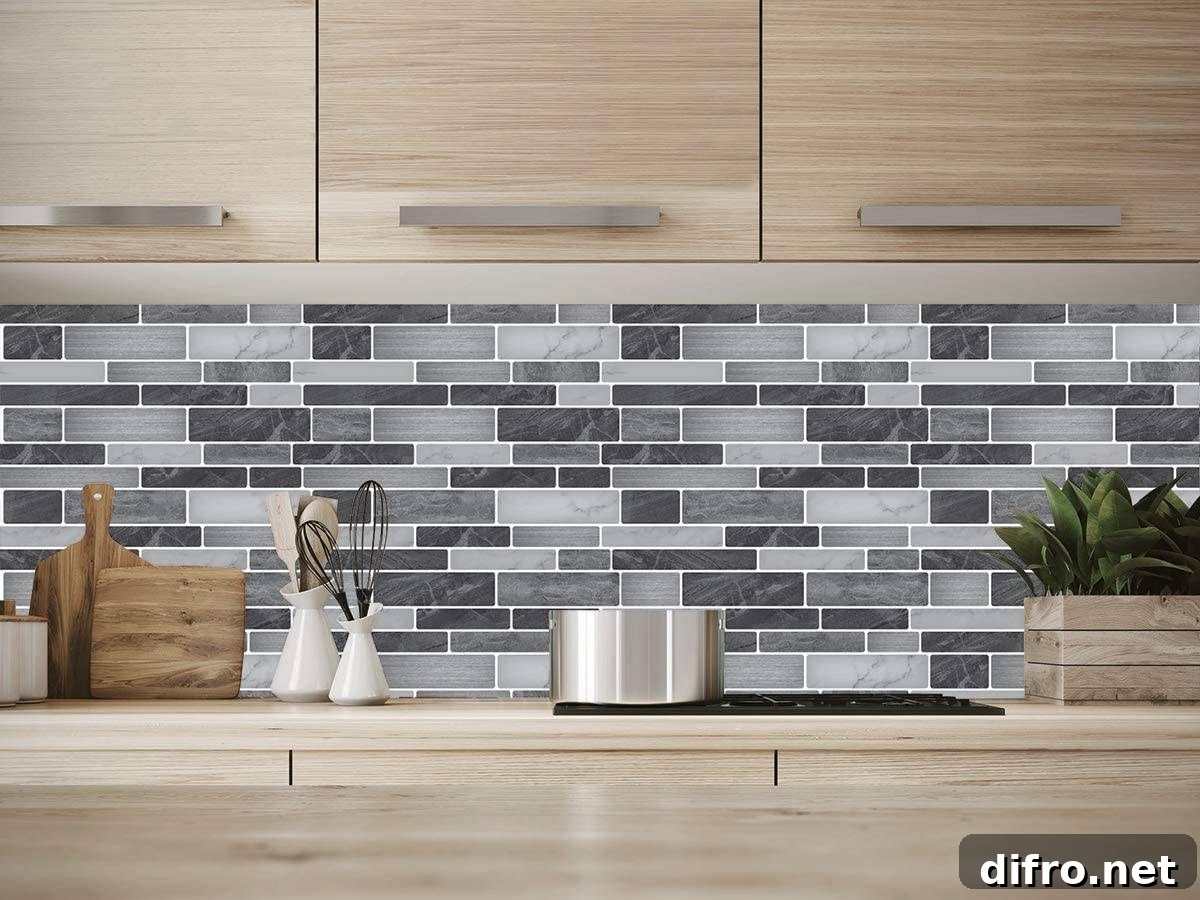
Self-adhesive vinyl tiles are a low-cost way to refresh a backsplash. They come in brick patterns and other looks that complement wood cabinetry without overwhelming the room.
Rustic Accents and Reclaimed Wood
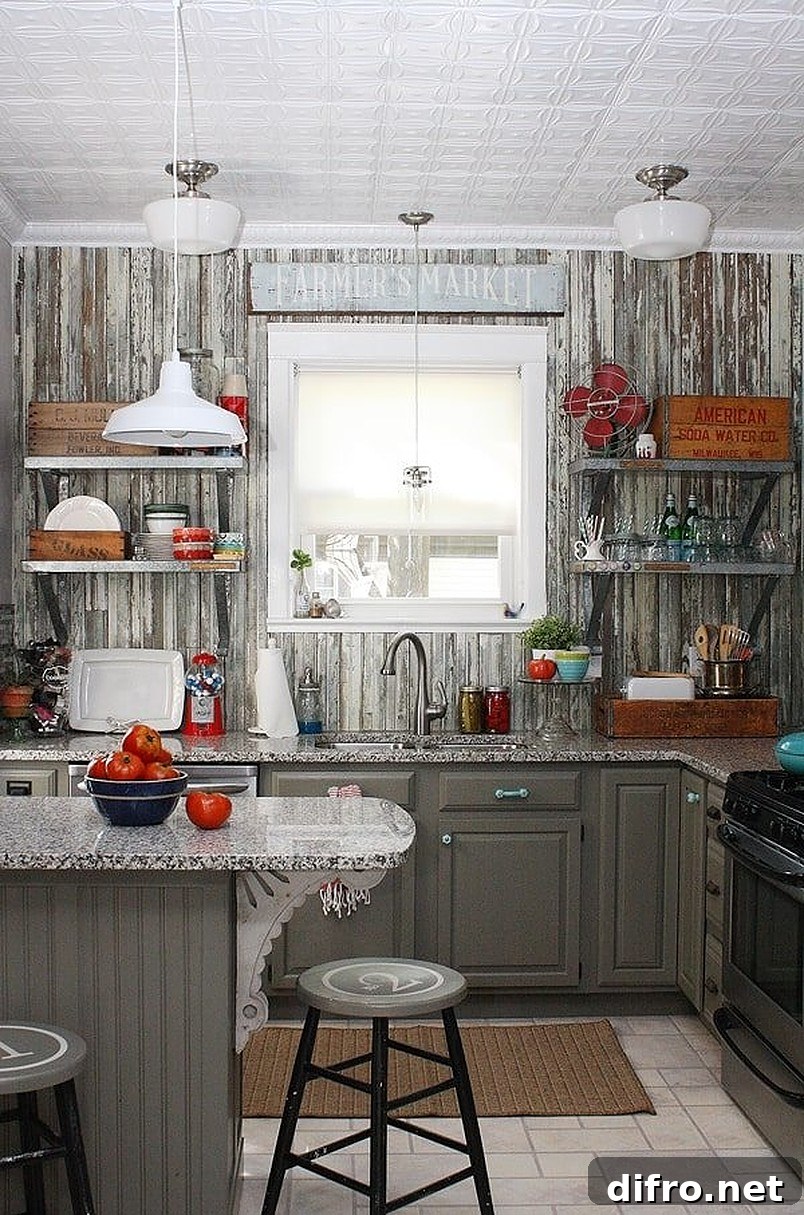
Reclaimed wood backsplashes add warmth and unique character. Choose simple, flowing patterns rather than intricate panels—farmhouse design often favors subtlety over elaborate detail.
Beadboard for a Fresh Look
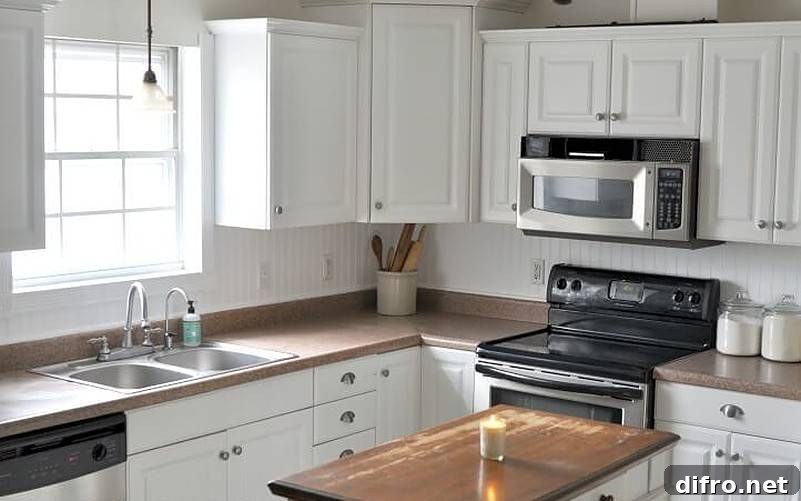
Beadboard is inexpensive, easy to install and replace, and it creates a classic country look—paint it to match your scheme or leave it natural for warmth.
Textured Brick and Stone
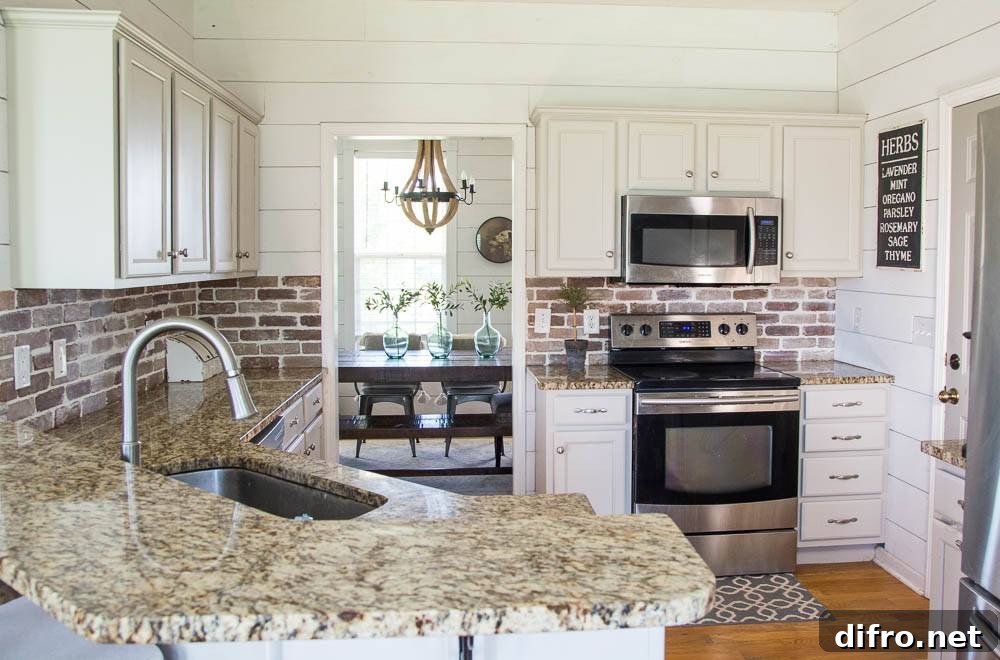
Brick and faux-brick backsplashes remain a popular farmhouse element. Weathered bricks or a chevron layout of reclaimed brick add old-world texture while keeping the kitchen grounded.
Patterned Tile Options
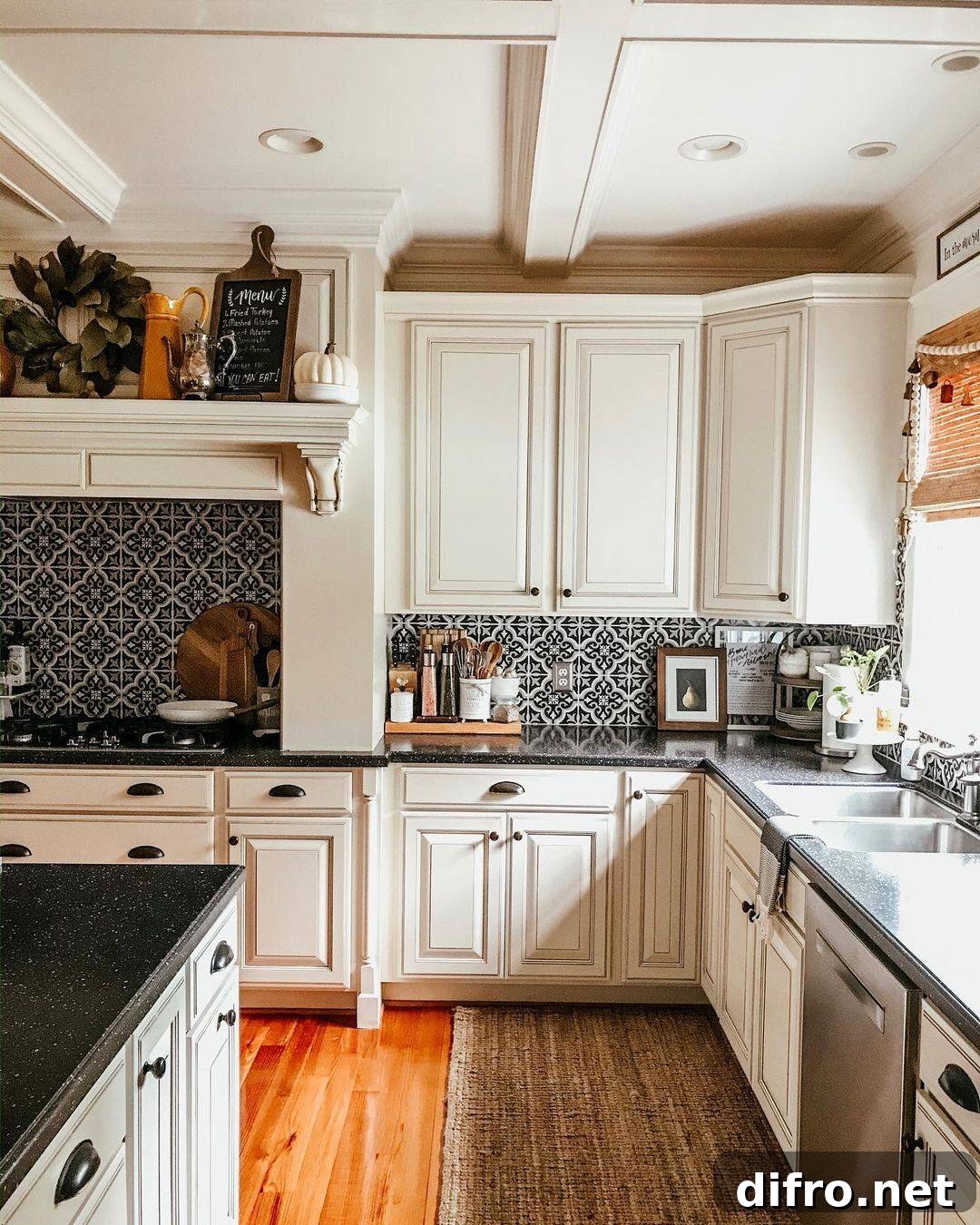
Quadrille, quatrefoil, or Moroccan-inspired tiles lend antique charm without dulling the kitchen. Patterned walls work best when cabinetry and counters remain simple and neutral.
Natural Stone Mosaics
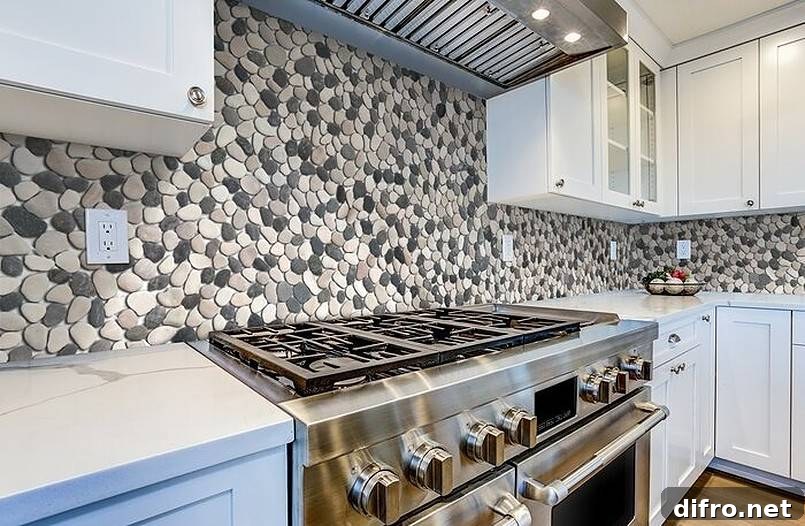
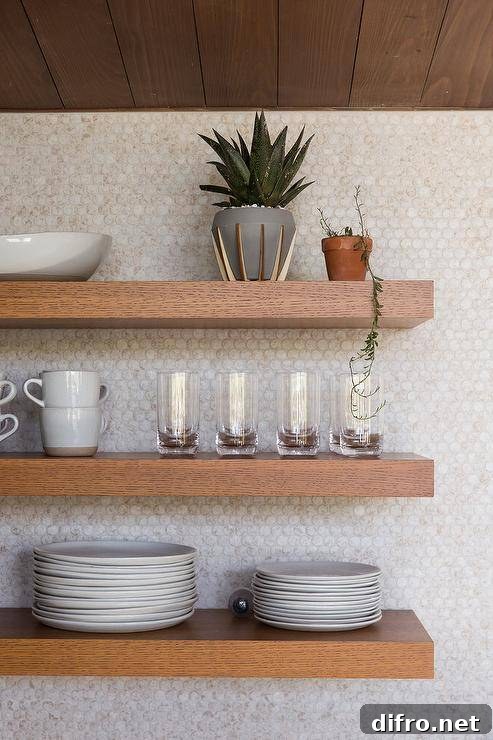
Pebble or natural-stone mosaics introduce organic texture and a handcrafted feel. Mosaic sheets make installation easier while delivering a tactile, cottage-like finish.
Porcelain Wood-Look and Glass
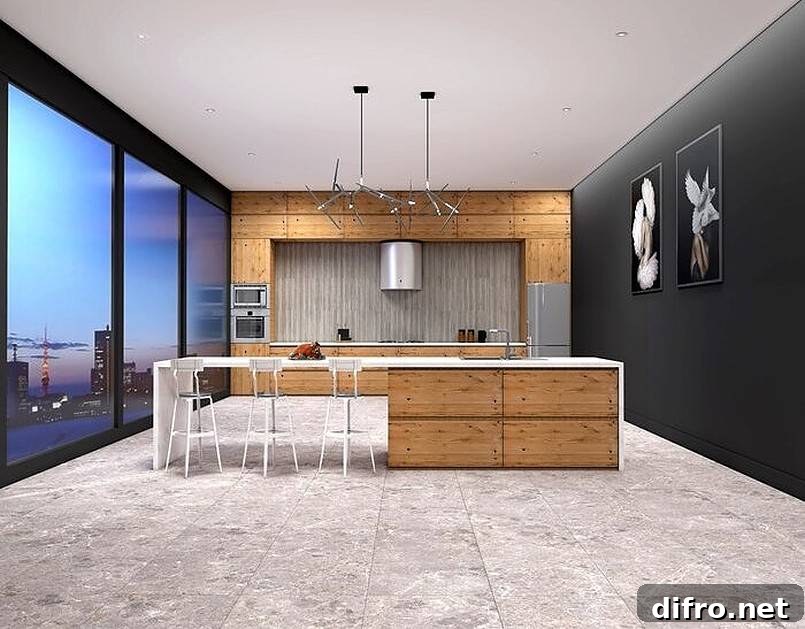
Porcelain tile that mimics wood gives a refined rustic look without the maintenance of real wood. Ultra-clear glass backsplashes are also a practical, easy-to-clean option that reads modern yet pairs well with farmhouse elements.
Unexpected Ideas: Seashells, Pegboard, Maps
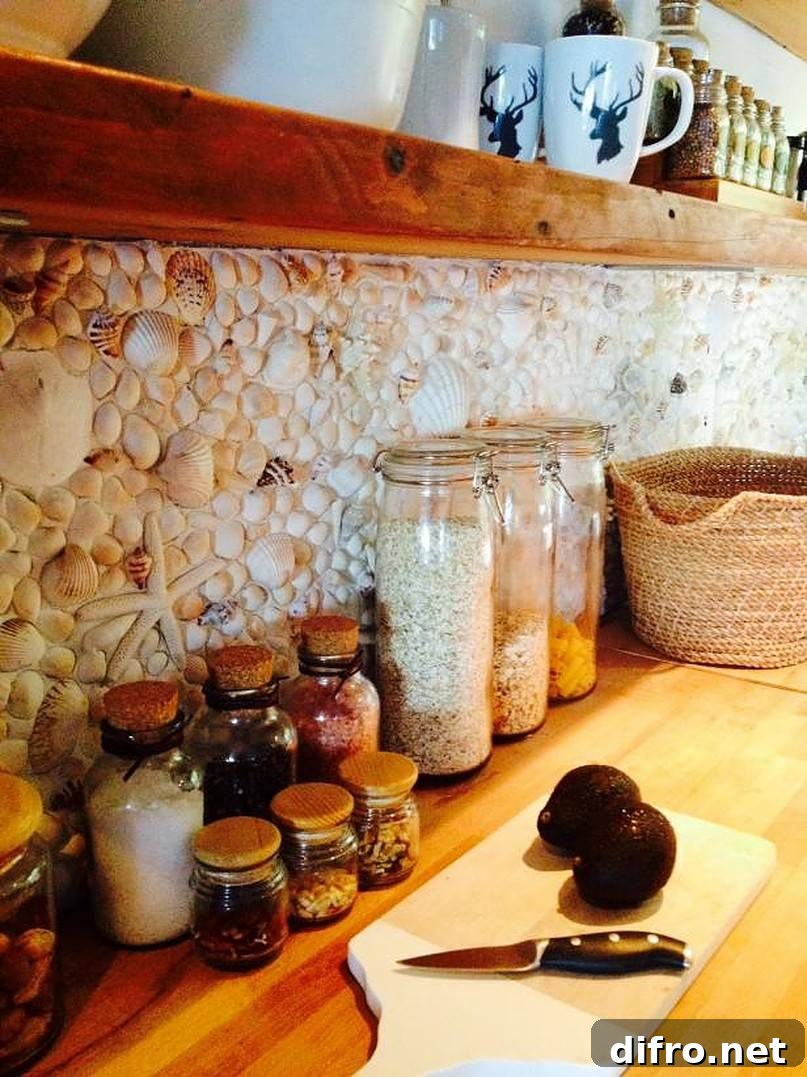
For a quirky touch, consider organic or unexpected materials—seashell mosaics, pegboard for functional storage and display, or even a map backsplash for a personalized statement. These creative treatments can become focal points that reflect personality while remaining practical.
Takeaway
A farmhouse backsplash is both practical and decorative. It protects walls and completes the visual composition of cabinets, counters, and fixtures. Choose a backsplash that complements your palette and balances texture and scale: subway and slab tiles for simplicity, patterned and mosaic tile for interest, brick or stone for warmth, and reclaimed wood for rustic depth. With careful selection and styling, a backsplash can become the defining feature that elevates your farmhouse kitchen.