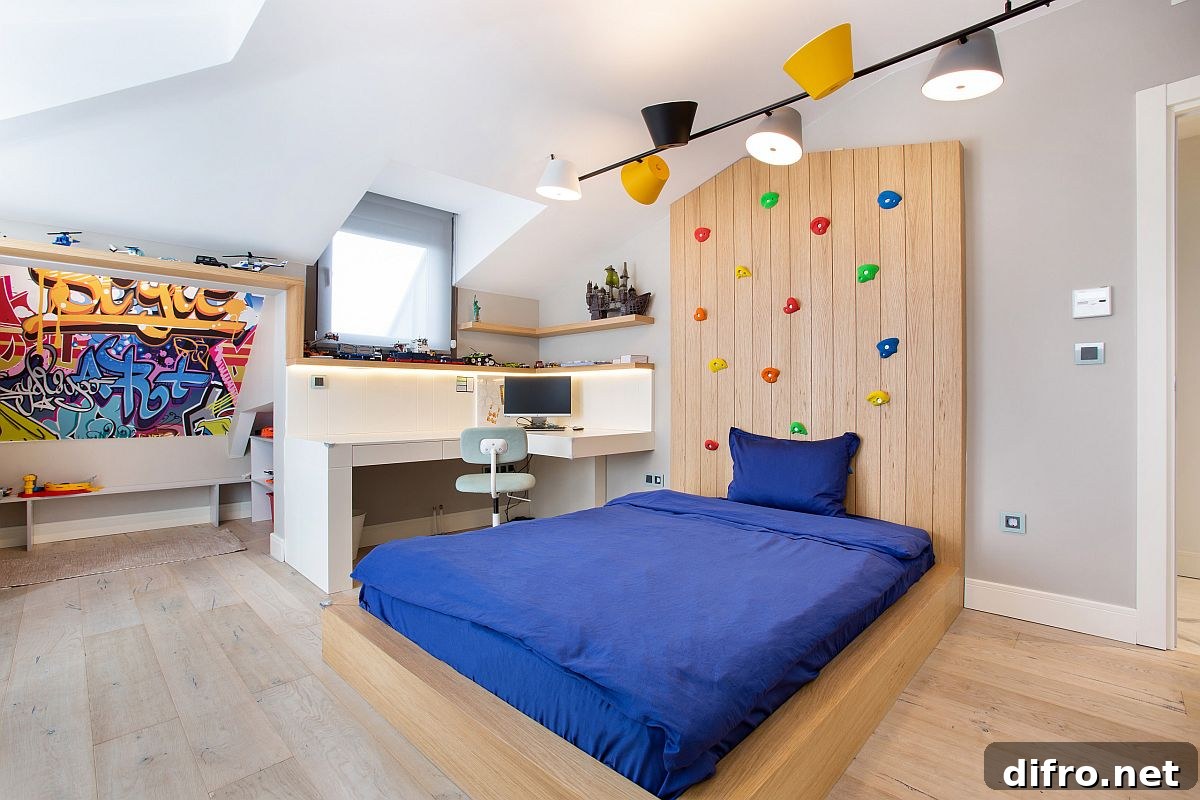
If there is one room in the house we love to decorate — and redecorate — it’s the kids’ bedroom. These spaces invite creative freedom: color, pattern and playful details that wouldn’t always work in adult bedrooms, living rooms or kitchens. That freedom makes decorating children’s rooms especially rewarding, as long as you balance inspiring design with practical needs. Understanding the latest decorating trends in kids’ bedrooms helps you make choices that are both beautiful and functional.
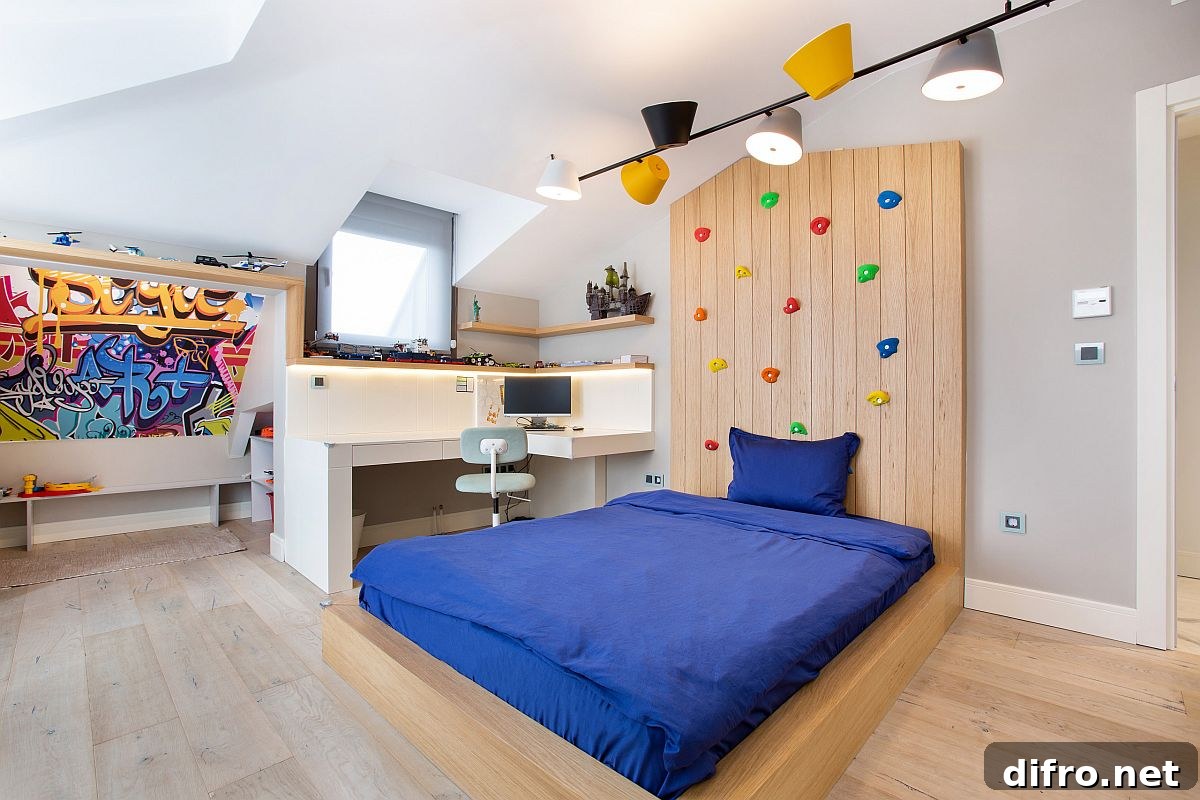
The events of 2020 changed how we live at home and made practical design a priority, especially where children are involved. With more time spent learning, playing and relaxing at home, current kids’ bedroom decorating trends emphasize functionality, adaptability and storage. As winter gives way to spring, now is a great time to adopt the best ideas that make these often-messy rooms smarter, more efficient and more fun.
Study Space is a Must-Have!
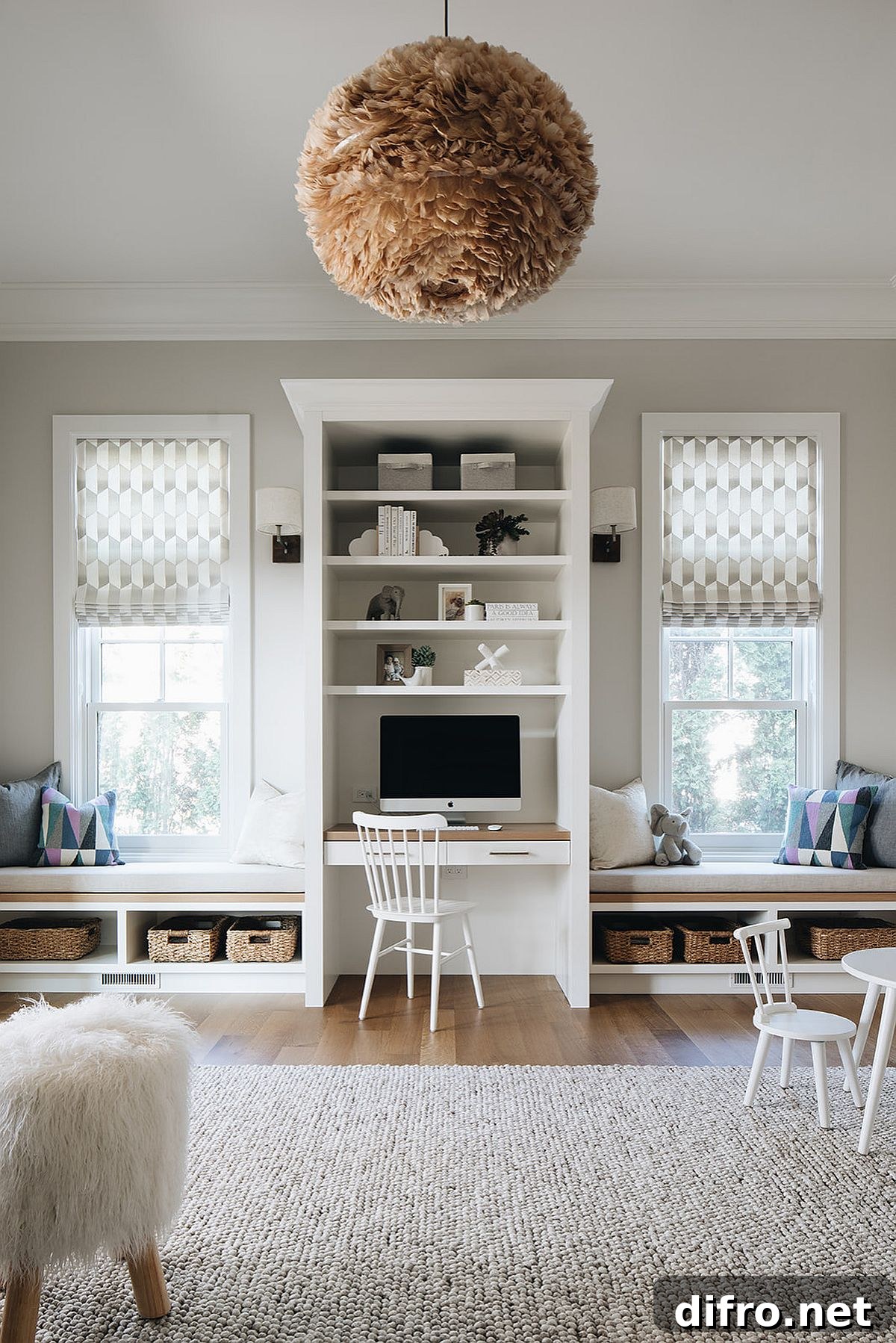
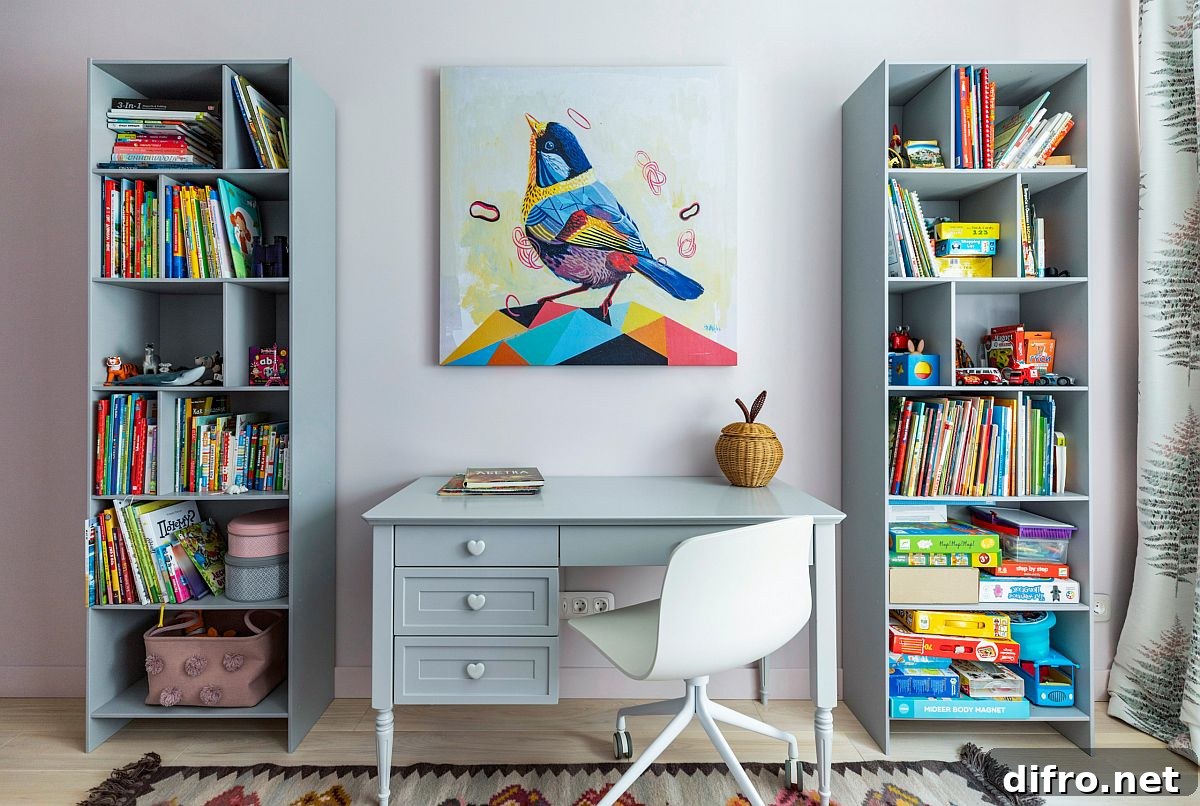
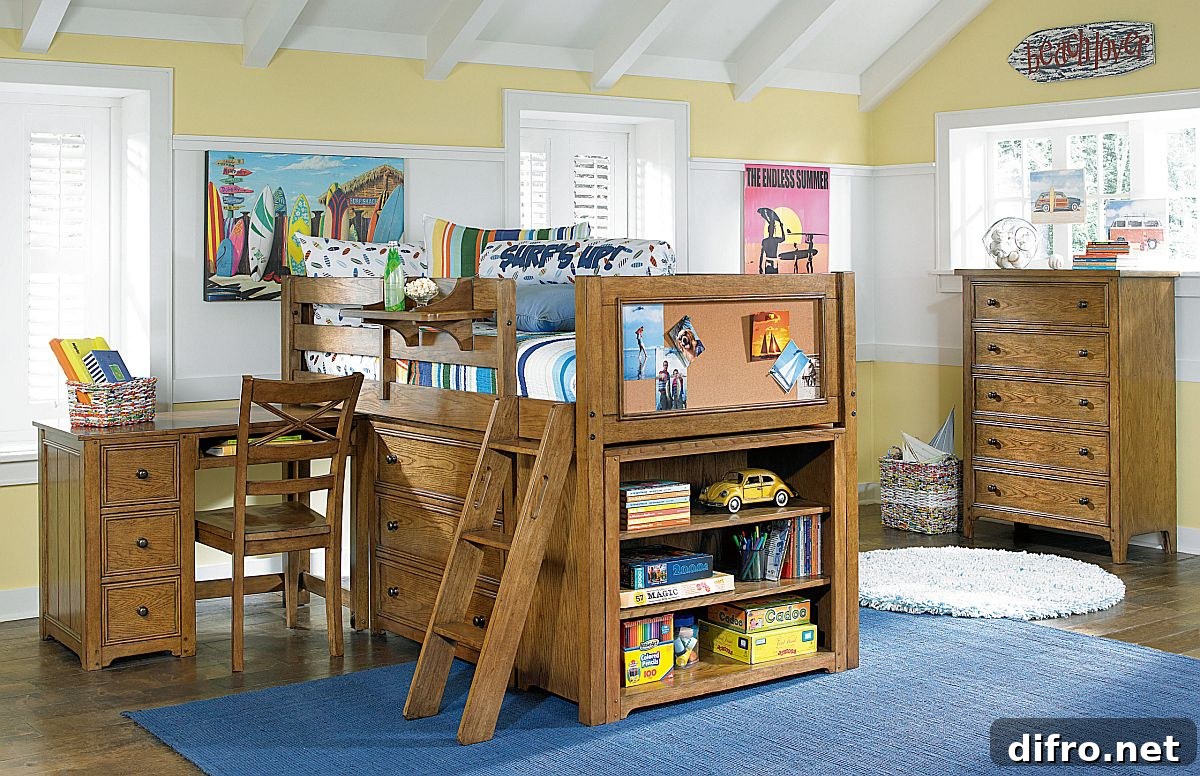
Lockdowns and online learning highlighted one clear need: a dedicated study zone for every child. Rather than improvising at the kitchen counter or the living room couch, placing a proper homework corner inside the bedroom improves focus and ergonomics. A successful study area only needs a suitable desk, a comfortable chair, good lighting and a few storage options. Position the zone in a quiet corner, add shelving for books and supplies, and include a pinboard or whiteboard to keep tasks visible. Built-in or compact desks that blend with the room’s decor make the area feel intentional and inviting.
Loft and Bunk Beds
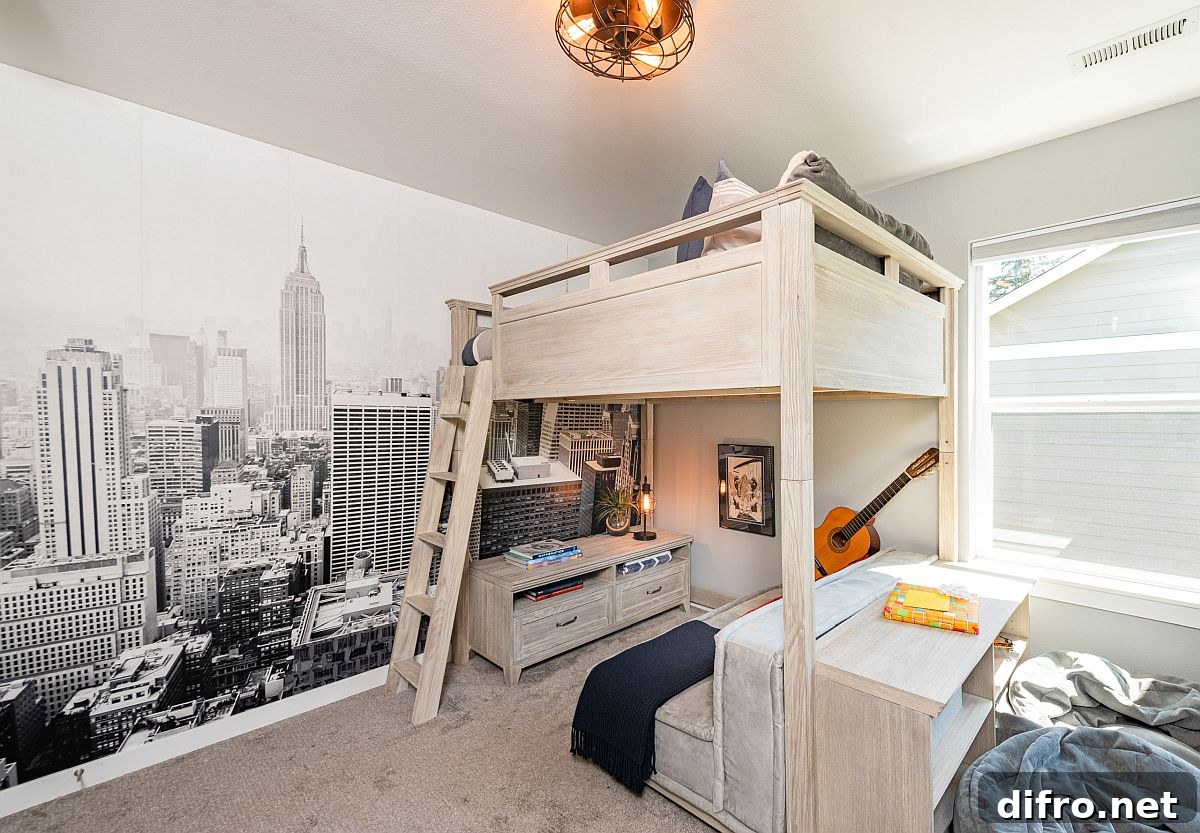
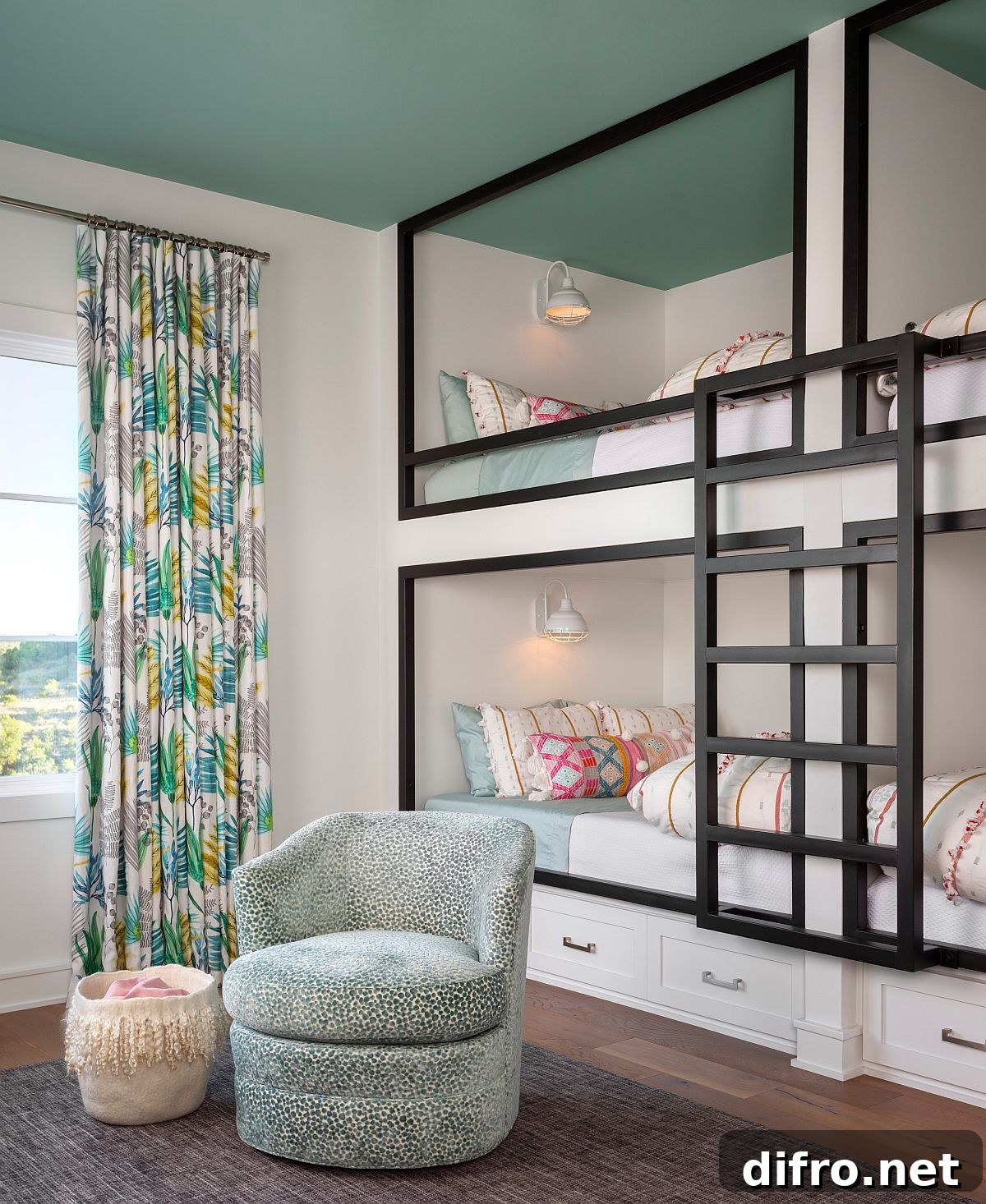
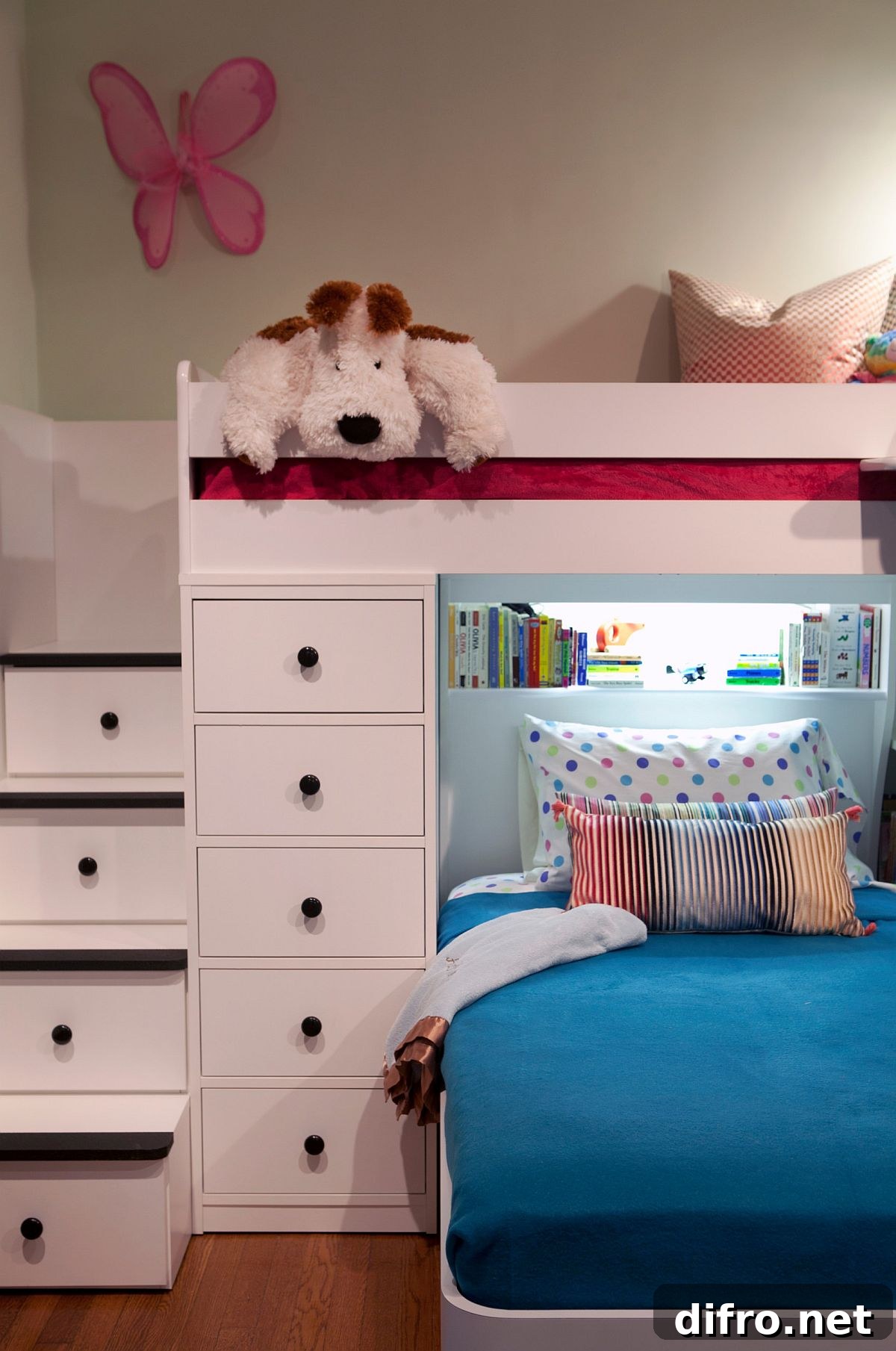
Loft beds are a smart trend for maximizing floor space while adding visual interest. By elevating the bed, you create room underneath for a desk, reading nook, play area or extra storage. A well-designed loft can transform a small bedroom into a multi-use space without feeling cramped. In shared rooms, bunk beds remain a practical choice; modern bunk designs focus on safety, integrated storage and style so both kids and parents are happy. Choose sturdy materials and thoughtful layouts to keep circulation clear and living space flexible.
A More Active Kids’ Room!
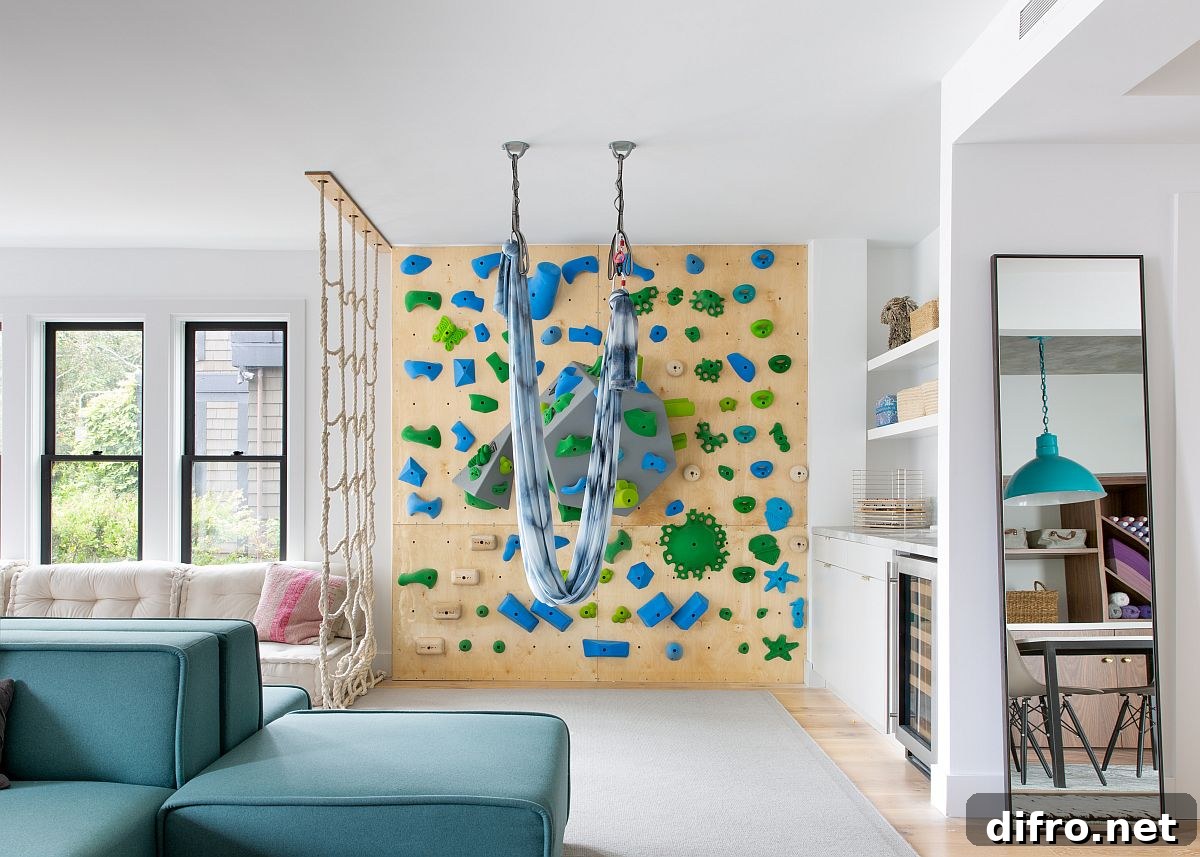
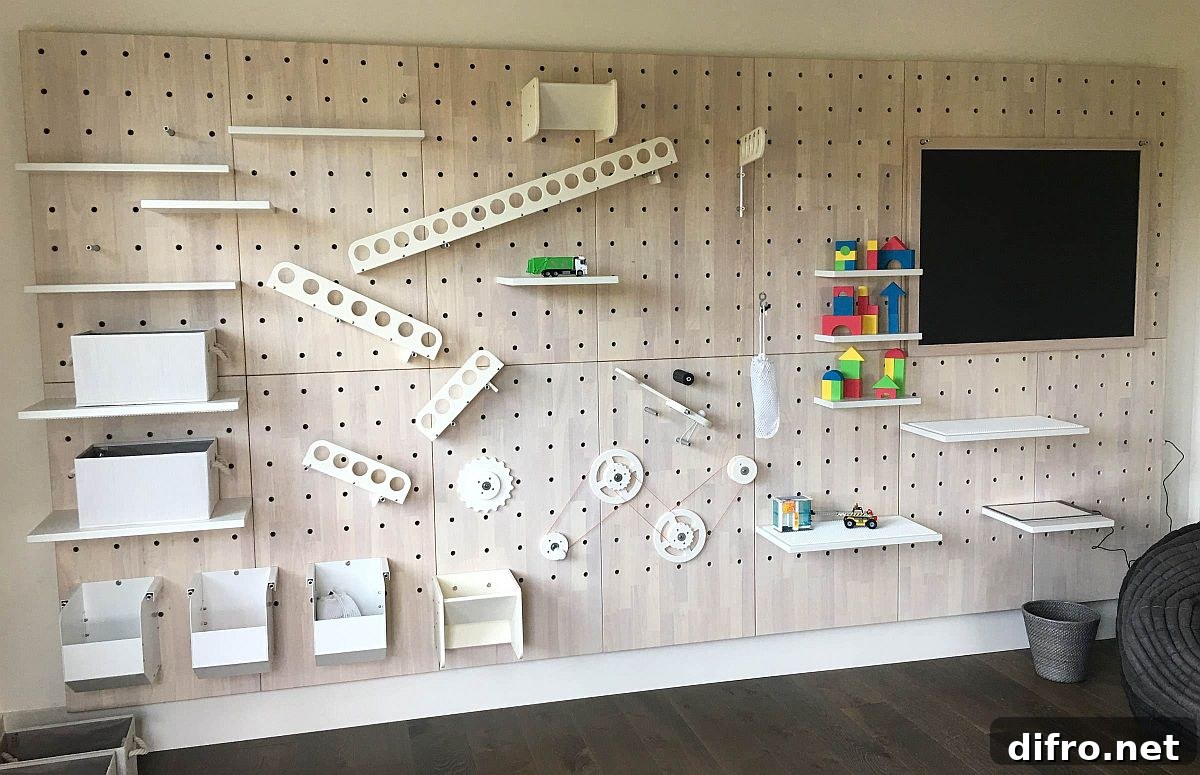
With children spending more time indoors, parents are designing bedrooms that encourage movement and imaginative play. An activity-focused room can include a small climbing wall, rope or swing rig, a teepee play corner, or even a tiny stage for performances. Think vertically — use walls for climbing holds, pegboards, shelves that double as play features, or fold-away elements that reveal an open play surface. These active features promote gross-motor development and help burn energy while staying safe at home.
Space-Savers that Multitask
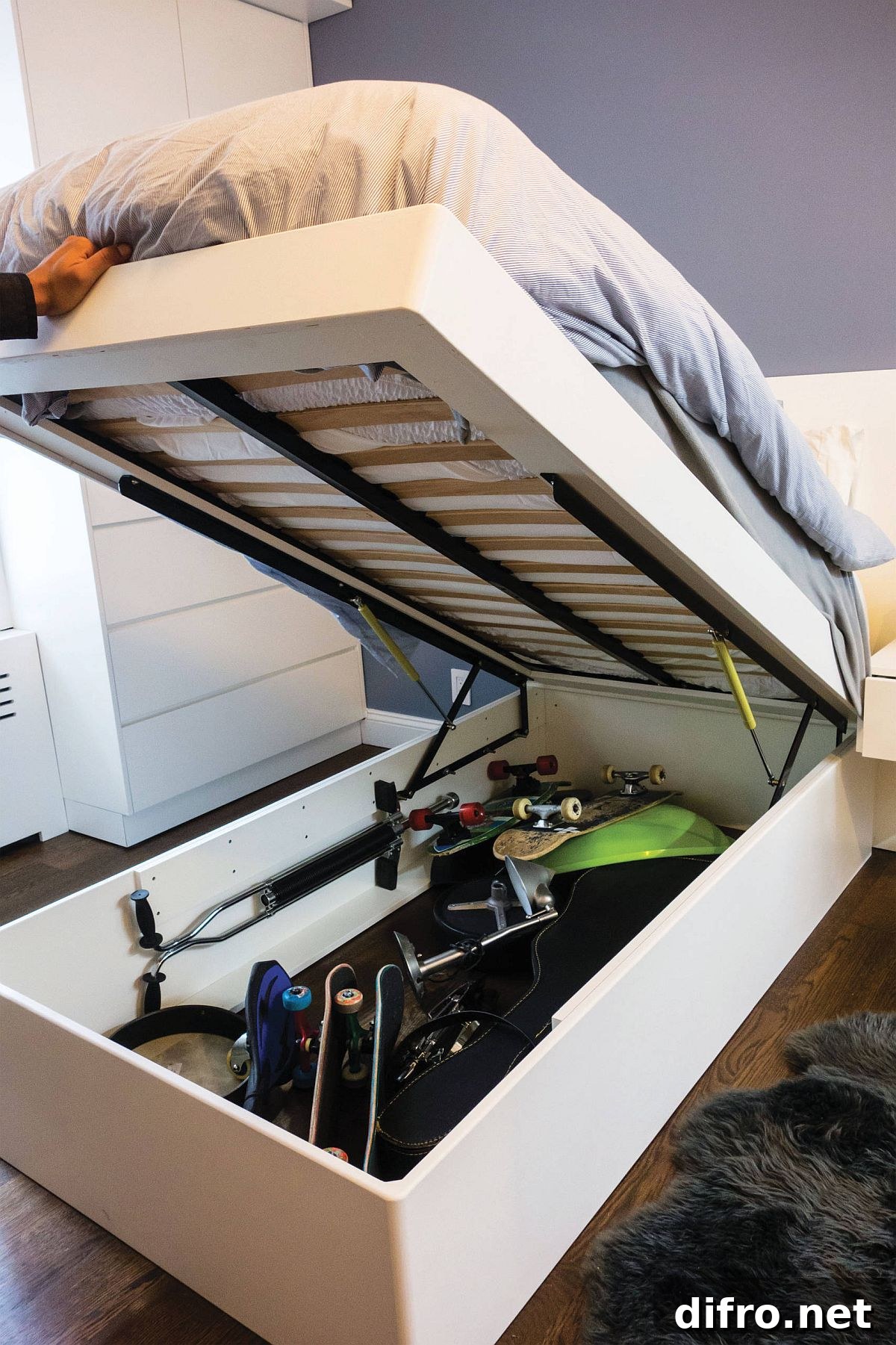
Small bedrooms benefit most from multi-functional furniture and smart storage. Use corners for shelving, add bench seating with hidden compartments, and opt for modular or wall-mounted units that keep the floor clear. Steps to a loft bed can double as drawers; custom bed frames can hide seasonal items; and fold-down desks or wall-mounted tables free up space when not in use. Mixing open shelving with closed cabinets gives easy access to everyday toys and a place to hide clutter when needed. Durable, easy-to-clean finishes and labeled bins help maintain order and simplify cleanup for both parents and kids.
Designing a kids’ room today means combining creativity with purpose. Prioritize a functional study area, explore loft or bunk solutions to reclaim space, introduce activities that keep kids moving, and rely on versatile storage to keep the room tidy. With thoughtful planning, a children’s bedroom can be a stimulating, organized and flexible space that grows with them.