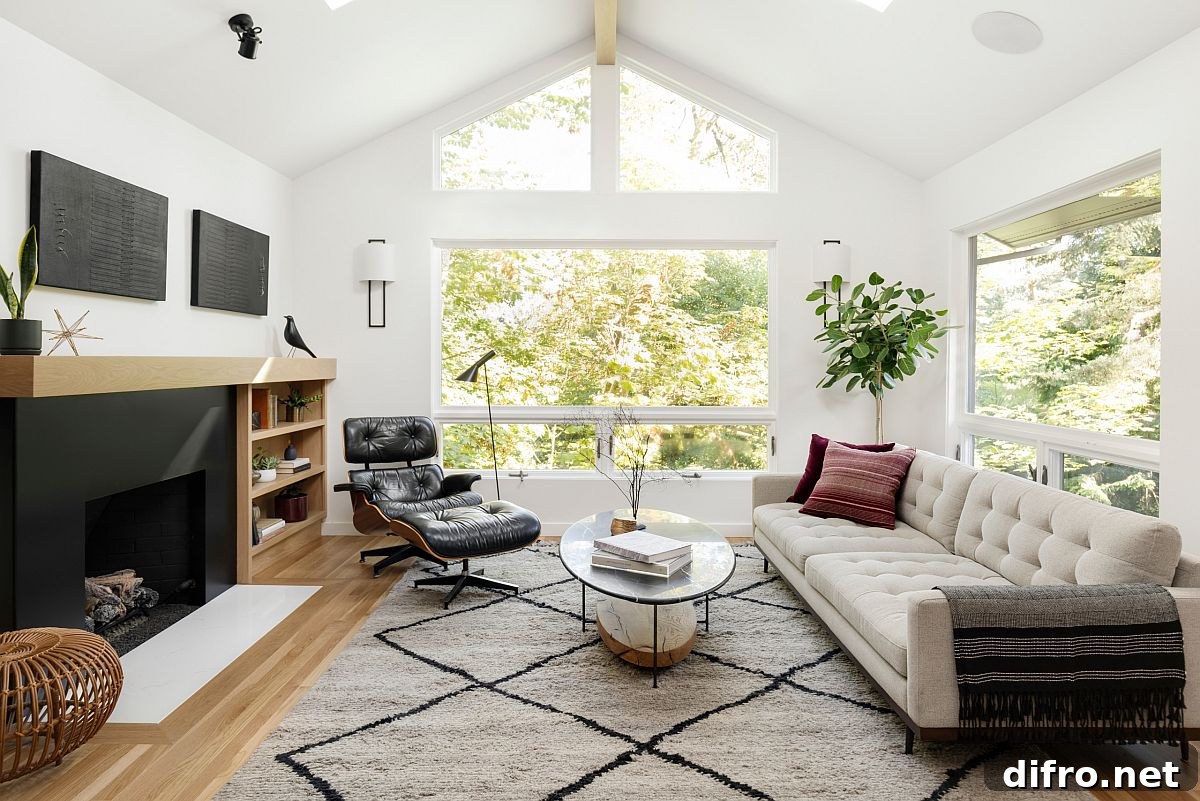
Spending long stretches of time at home can take a toll on our mood, mental clarity and overall functioning. A cluttered, chaotic interior only amplifies stress and can make the home feel confining rather than restorative. Your living space should be a refuge: a calm, welcoming place to rest, recharge and, when necessary, work productively. A living room that feels like constant maintenance or visual noise is exhausting. The following practical guidelines will help you create a stress-free, tranquil living room that supports relaxation, sociability and focus.
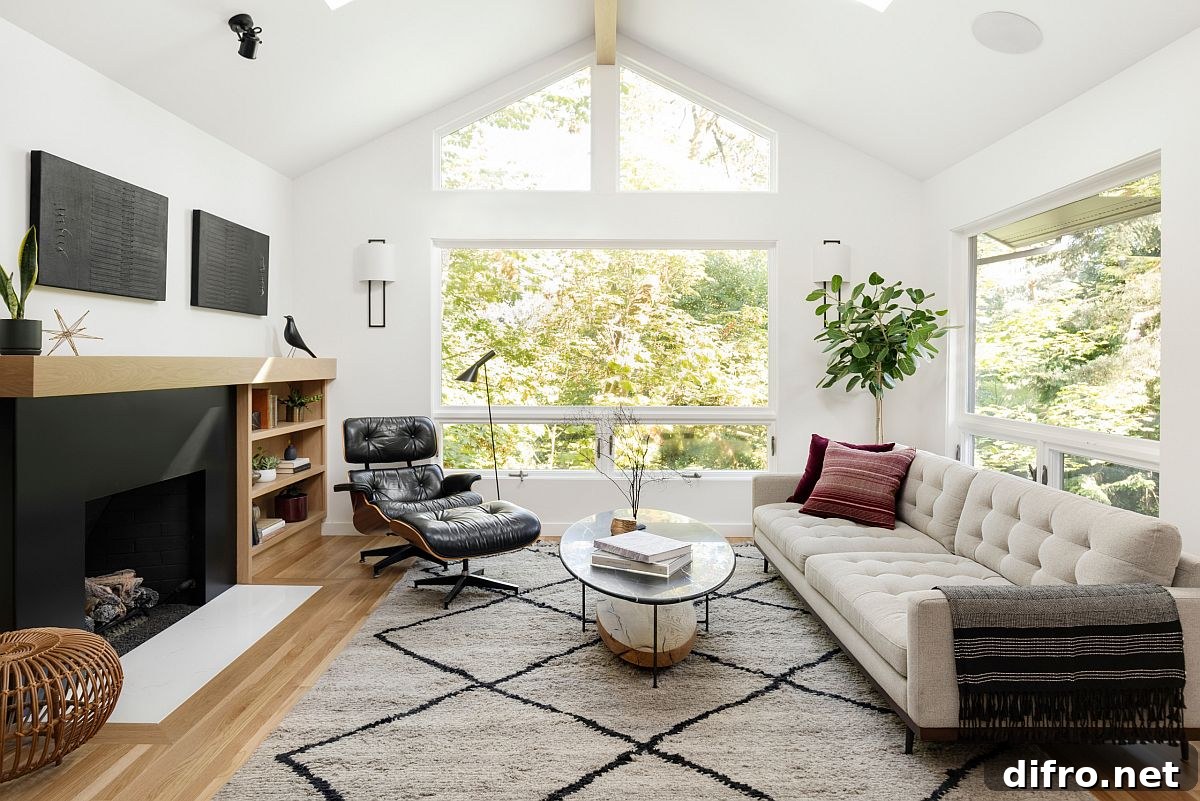
With work, leisure and sleep increasingly overlapping in the same rooms, keeping the living room calm and harmonious has become essential. Whether you follow contemporary design principles or draw on traditional systems like Feng Shui, the core approach is similar: simplify, prioritize comfort and introduce elements that calm the senses. Below are approachable design strategies to shape a peaceful living room.
Neutrals Shaping the Backdrop
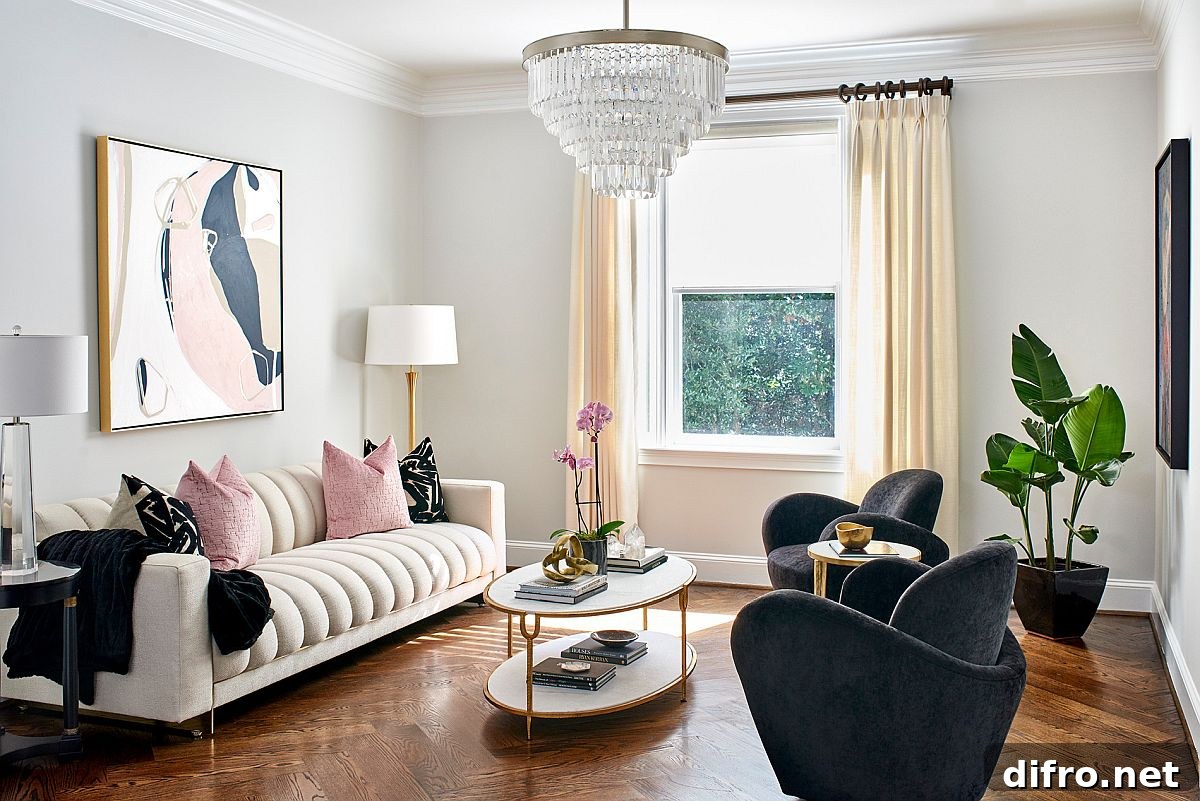
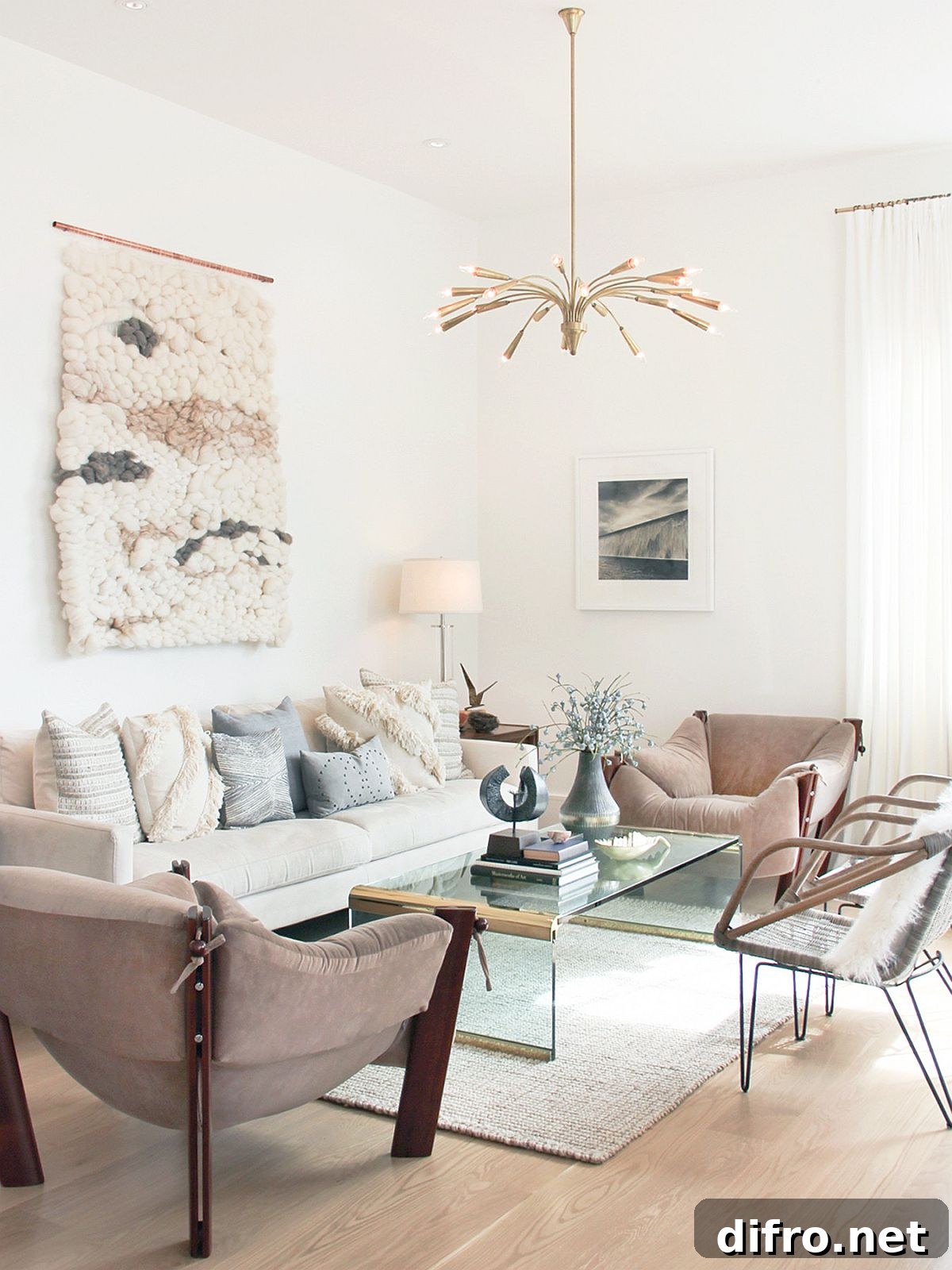
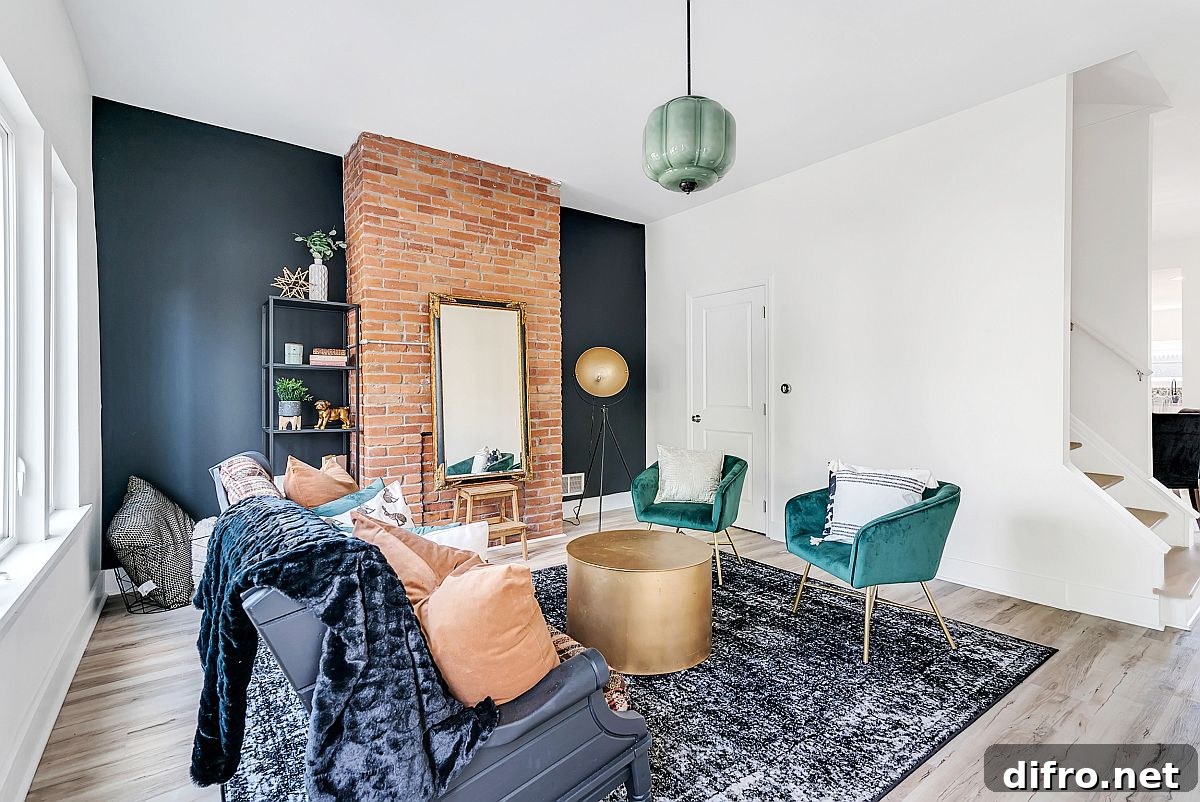
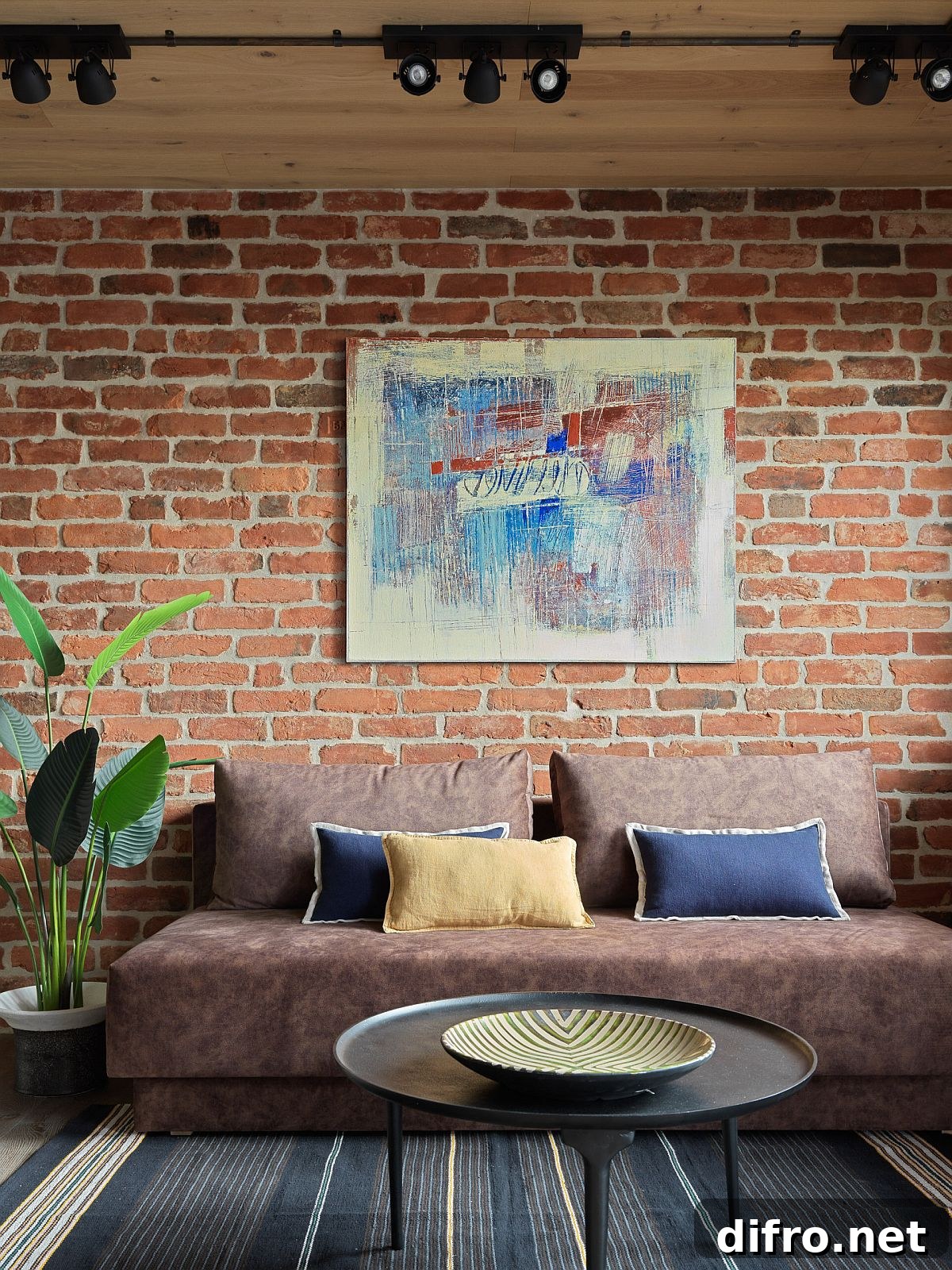
Neutral colors—white, beige, soft gray and warm taupe—remain the most reliable foundation for tranquil living rooms. Neutrals visually expand a space, reduce visual fragmentation and set a restful tone that allows furniture, art and accessories to stand out without competing. Using layered neutrals also creates a refined, modern look that feels intentional rather than unfinished. Accent with muted blues, greens or warm wood tones for subtle contrast while keeping the overall palette calming.
De-Clutter and Create Space
Space is often found by removing what isn’t needed. De-cluttering is the single most effective step toward a calmer room. Limit impulsive purchases and avoid keeping items “just in case.” Choose multi-functional furniture—storage ottomans, bench seating with hidden compartments, consoles with drawers—to reduce visible clutter while retaining usefulness. A disciplined approach to belongings not only improves appearance but also reduces mental fatigue and creates room for daily life to flow.
Lighting the Living Room
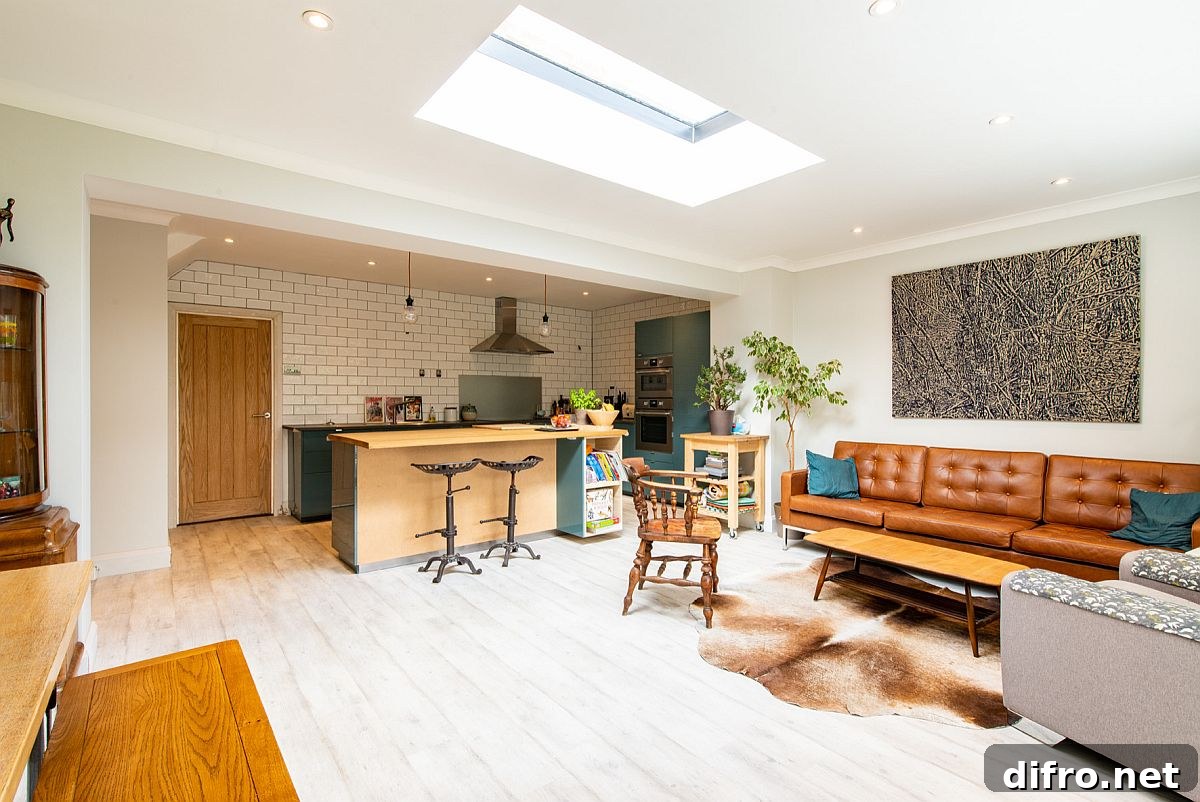
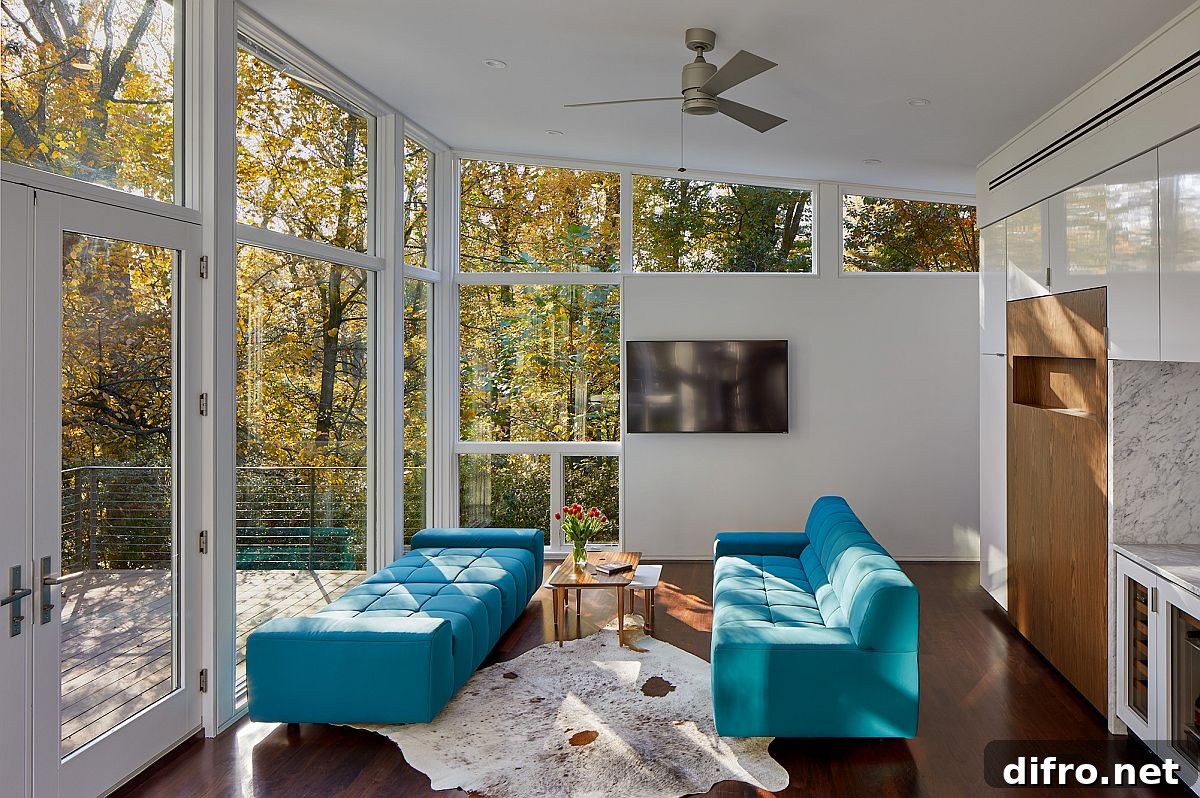
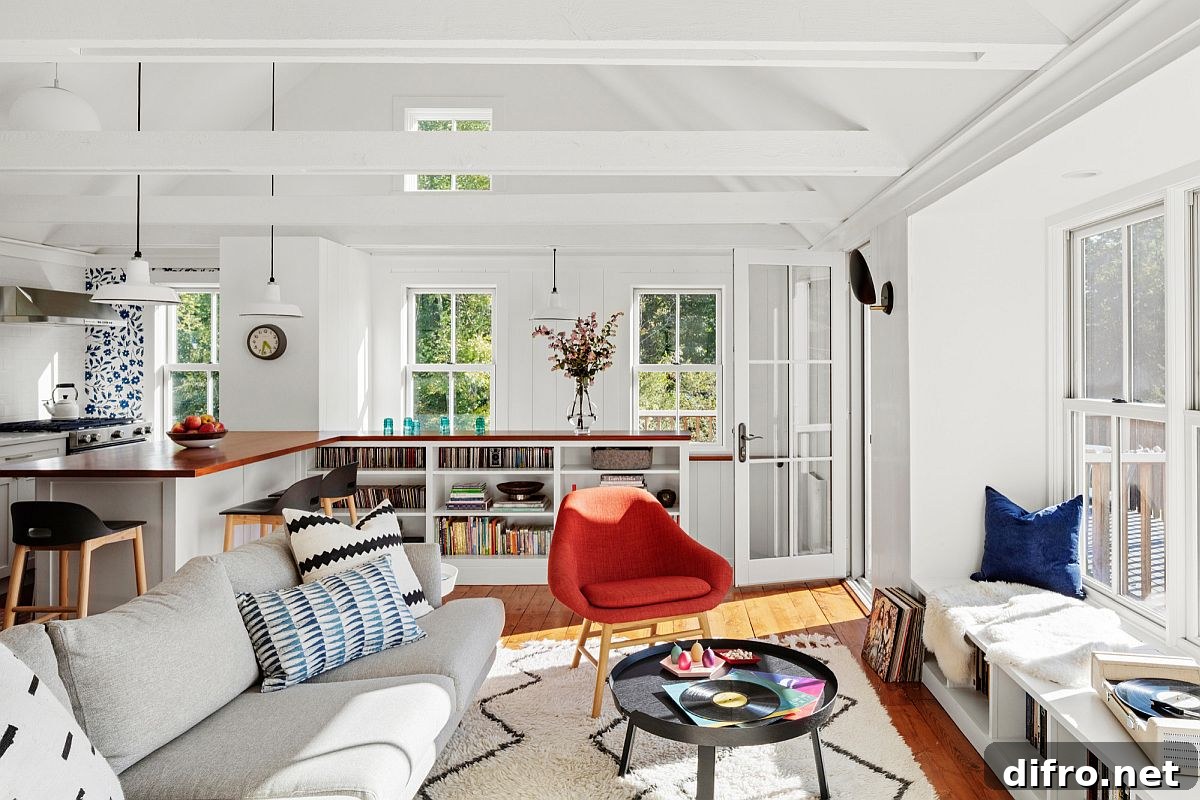
Lighting transforms mood. A dark, closed-off room can feel heavy; a well-lit space feels inviting and uplifting. Aim for a balance of abundant natural light and layered artificial lighting: ambient (overhead), task (reading lamps) and accent (wall or floor uplights). Large windows, glass doors or skylights help connect the interior to the outdoors, while dimmable fixtures and soft bulbs allow you to tailor brightness for work, relaxation or social evenings.
Plants and Books in the Backdrop
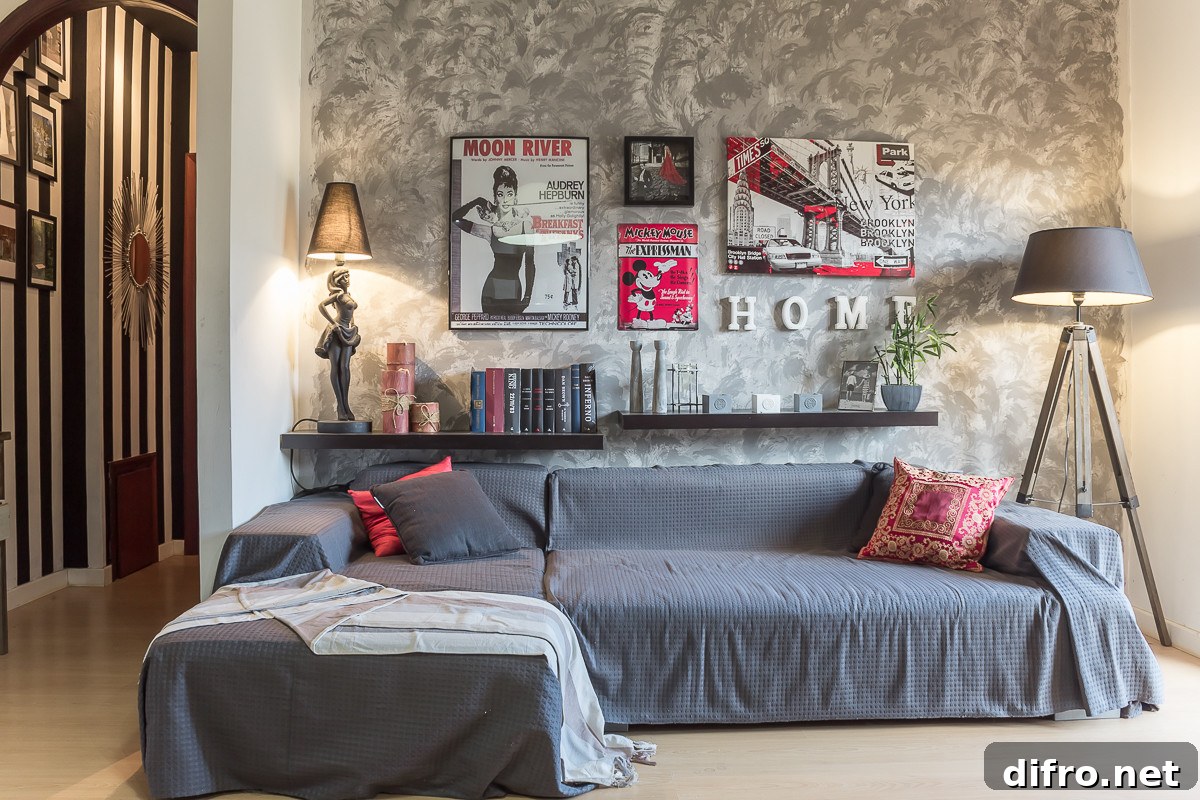
Introduce a few well-placed plants and a curated selection of books to add life and personality without clutter. Plants bring color, texture and a sense of calm; books and decorative objects convey warmth and lived-in sophistication. Use open shelving, a single statement bookshelf or a few floating shelves to keep the display tidy. Rotate items seasonally to keep the room feeling fresh and intentional.
Allow for Movement and Guests
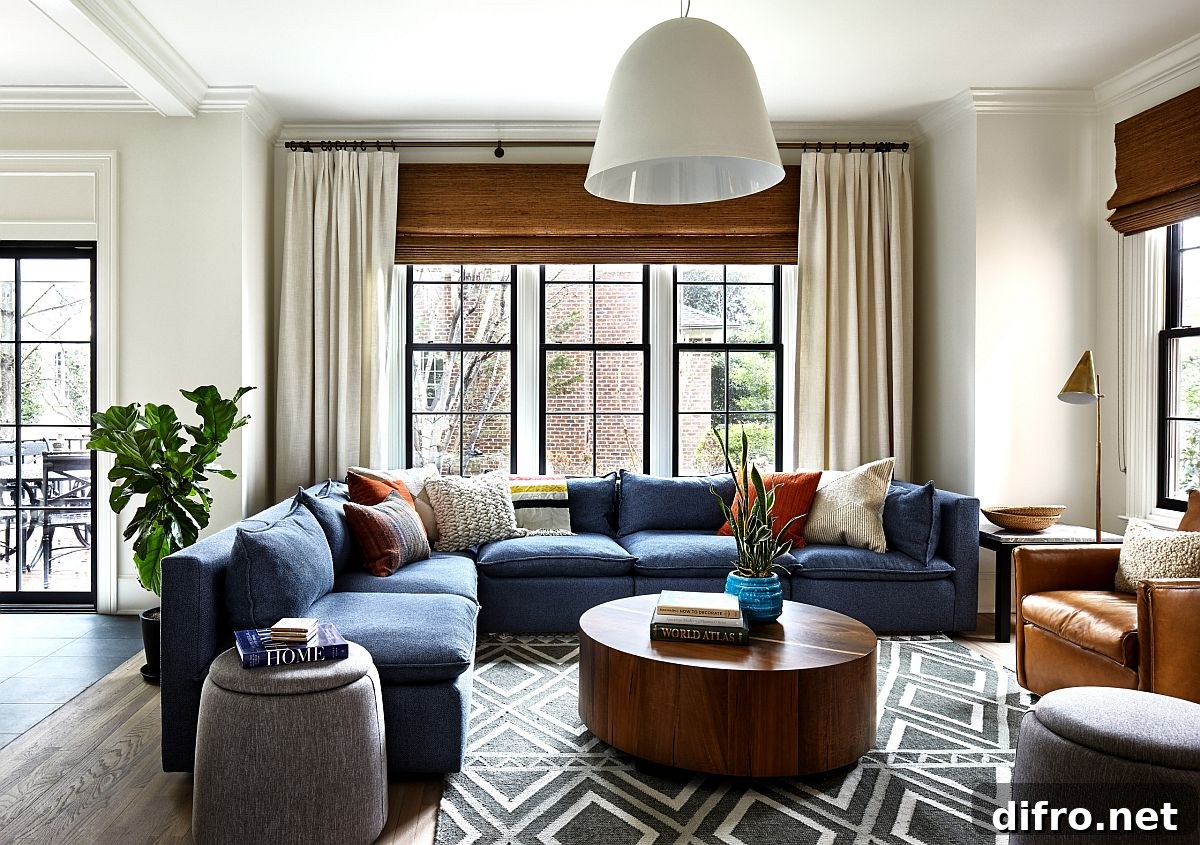
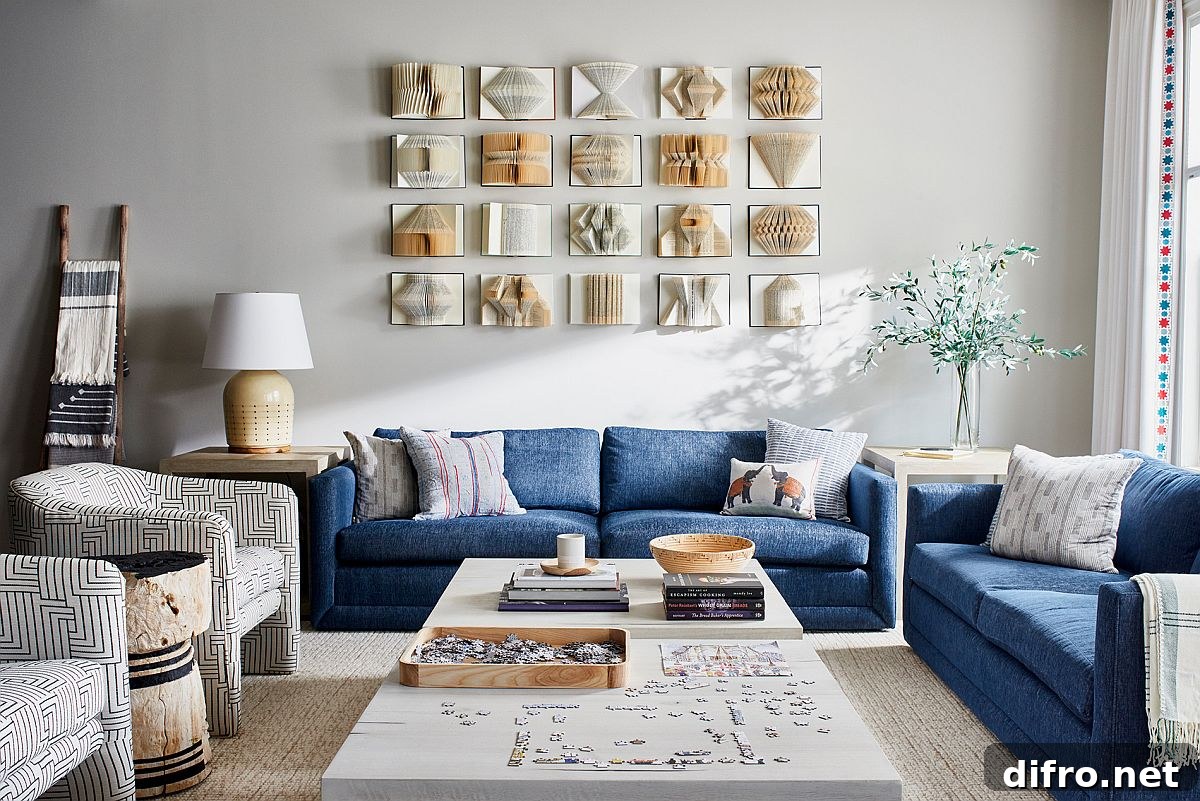
Plan furniture layout for both daily life and occasional gatherings. Leave clear circulation paths so people can move comfortably through the room. Avoid overfurnishing: one or two well-scaled sofas, a couple of chairs and a functional coffee table often serve better than many small pieces. Consider flexible seating—stackable chairs, pouffes or folding stools—that can be brought out when guests arrive and stored when not needed.
Move or Hide the Television
Televisions can dominate attention and reduce opportunities for conversation and rest. If possible, place the TV in a separate media room. When that isn’t feasible, integrate the screen into the décor so it’s not the focal point: use cabinets with sliding doors, artwork-mounted TV panels, or recessed niches that conceal the set when not in use. Choosing furniture and storage that hides cables and media clutter will help the living room feel more serene and intentional.
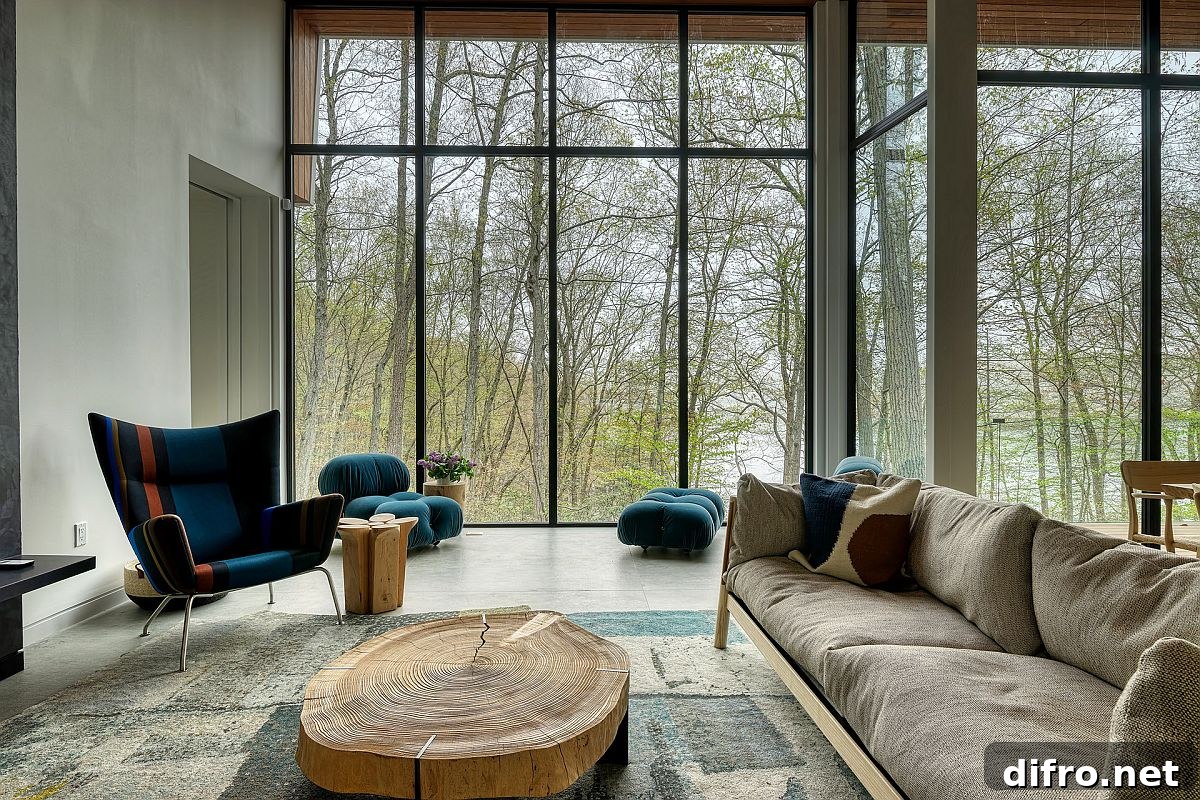
Creating a tranquil living room is not about following every trend—it’s about selecting fewer, better elements and arranging them with intention. Prioritize natural light, soothing colors, purposeful storage and flexible seating to build a space that supports well-being, social connection and productivity. With small, thoughtful changes, your living room can become the calm, welcoming center of your home.