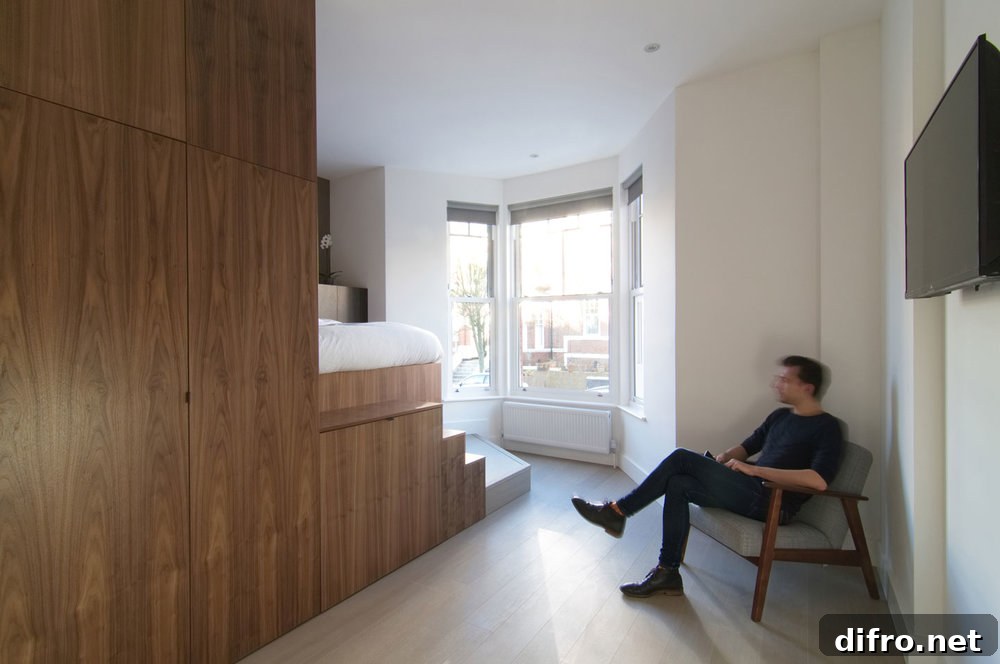
Victorian Terraced House in London Reimagined as 11 Space-Savvy Bedsits
A Victorian terraced house in London has been cleverly transformed into 11 compact, high-quality bedsits by the design team at Bicbloc. Rather than a standard subdivision, each unit centers on a bespoke wooden volume: a multi-functional furniture element that creates a room-within-a-room, integrates storage, and converts to serve different needs throughout the day. The result is a carefully considered co-living concept that balances privacy, comfort and efficient use of limited space.
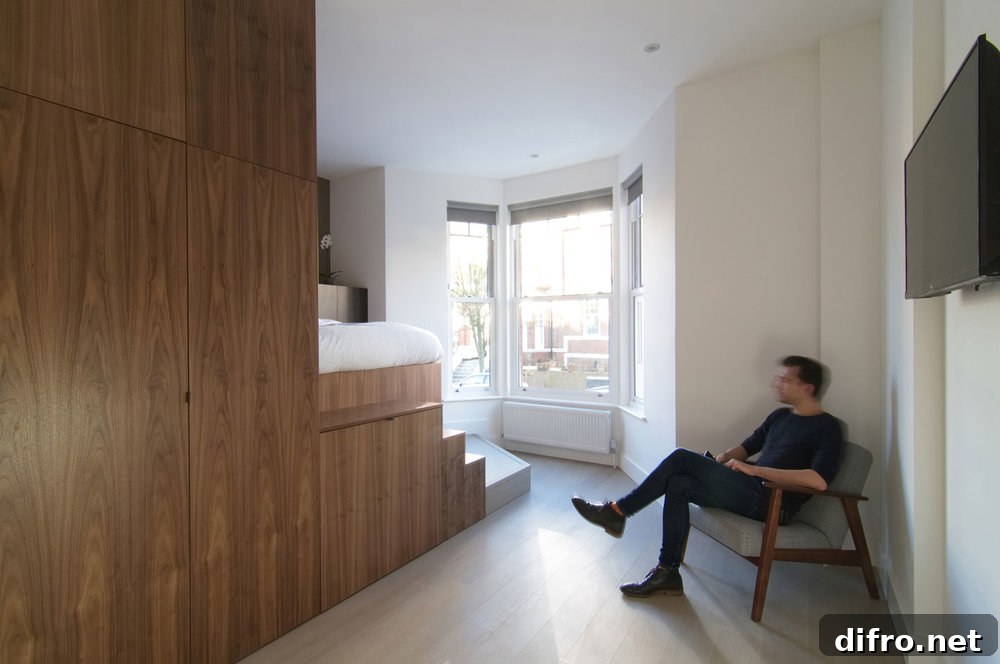
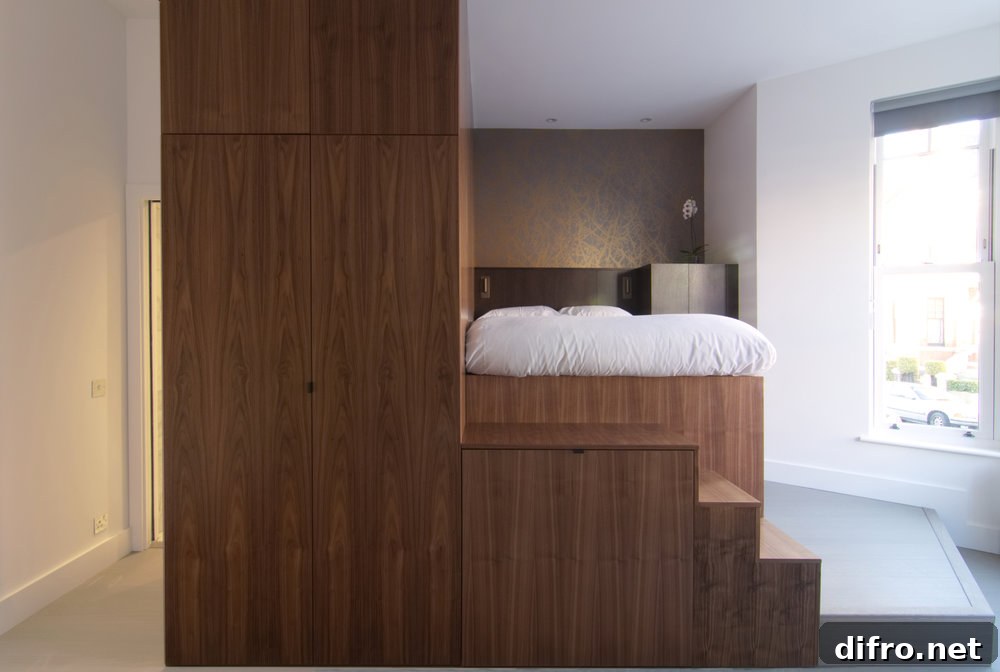
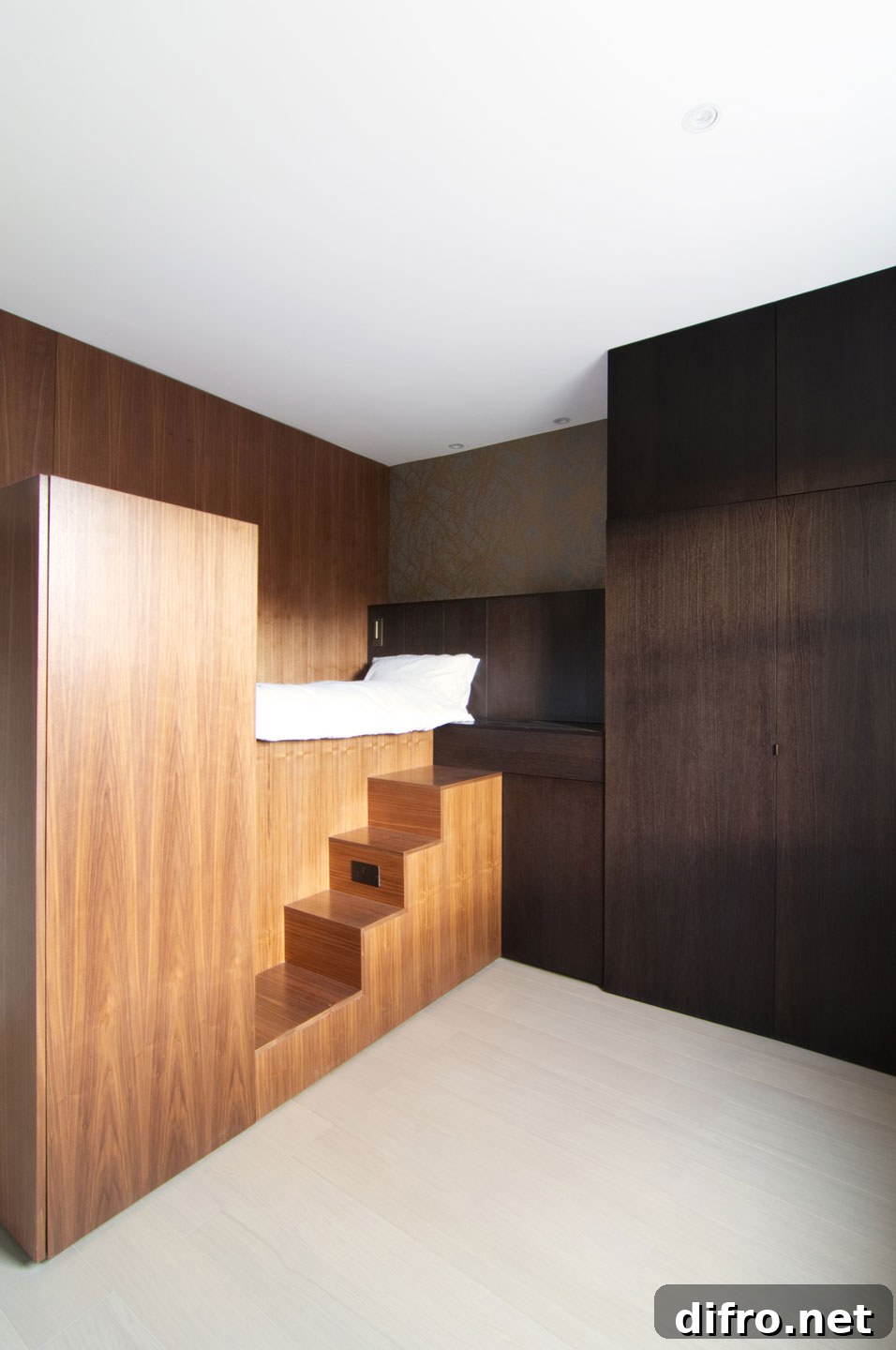
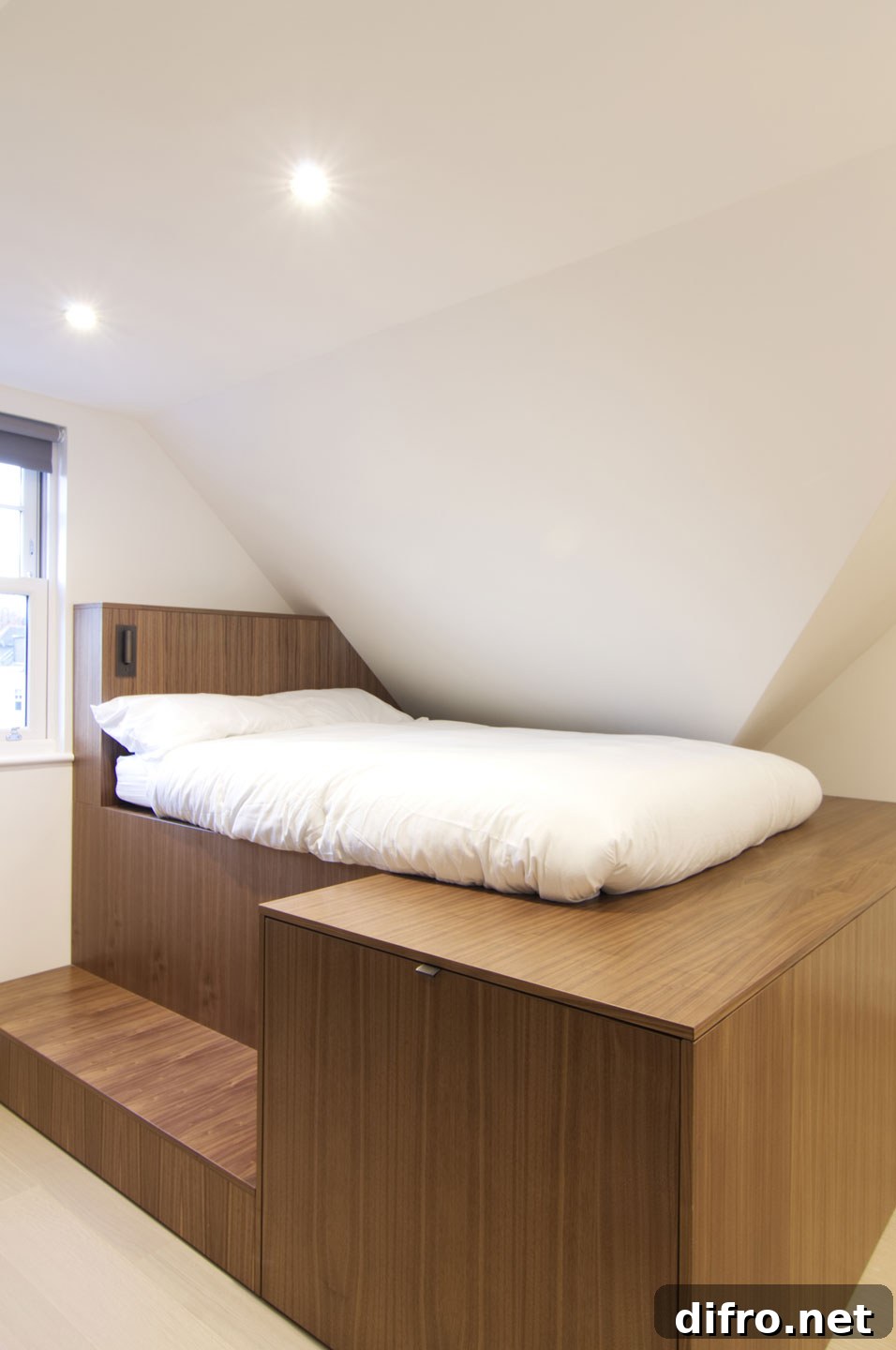
The core of each 18-square-metre unit is a timber-lined box that combines cabinetry, shelving and movable doors. Panels slide open to reveal a single-wall kitchen and fold-away work surfaces; other doors and drawers store clothes, pantry items and everyday essentials. At one end a raised platform bed integrates seamlessly with the joinery, while the opposite face of the wooden volume conceals a compact work desk and additional storage that disappears when not required. This orchestration of built-in furniture keeps the living area uncluttered and makes the small footprint remarkably liveable.
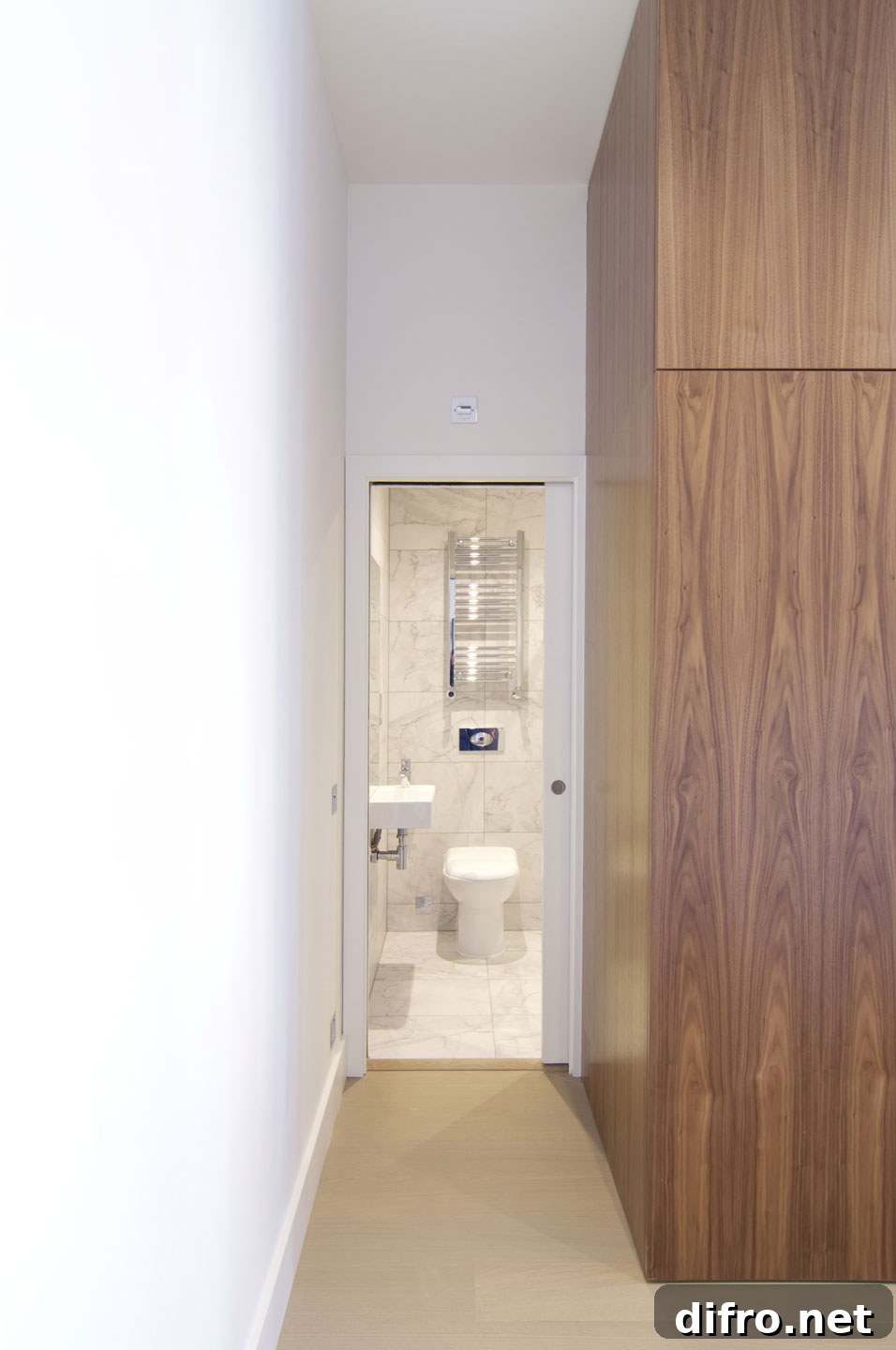
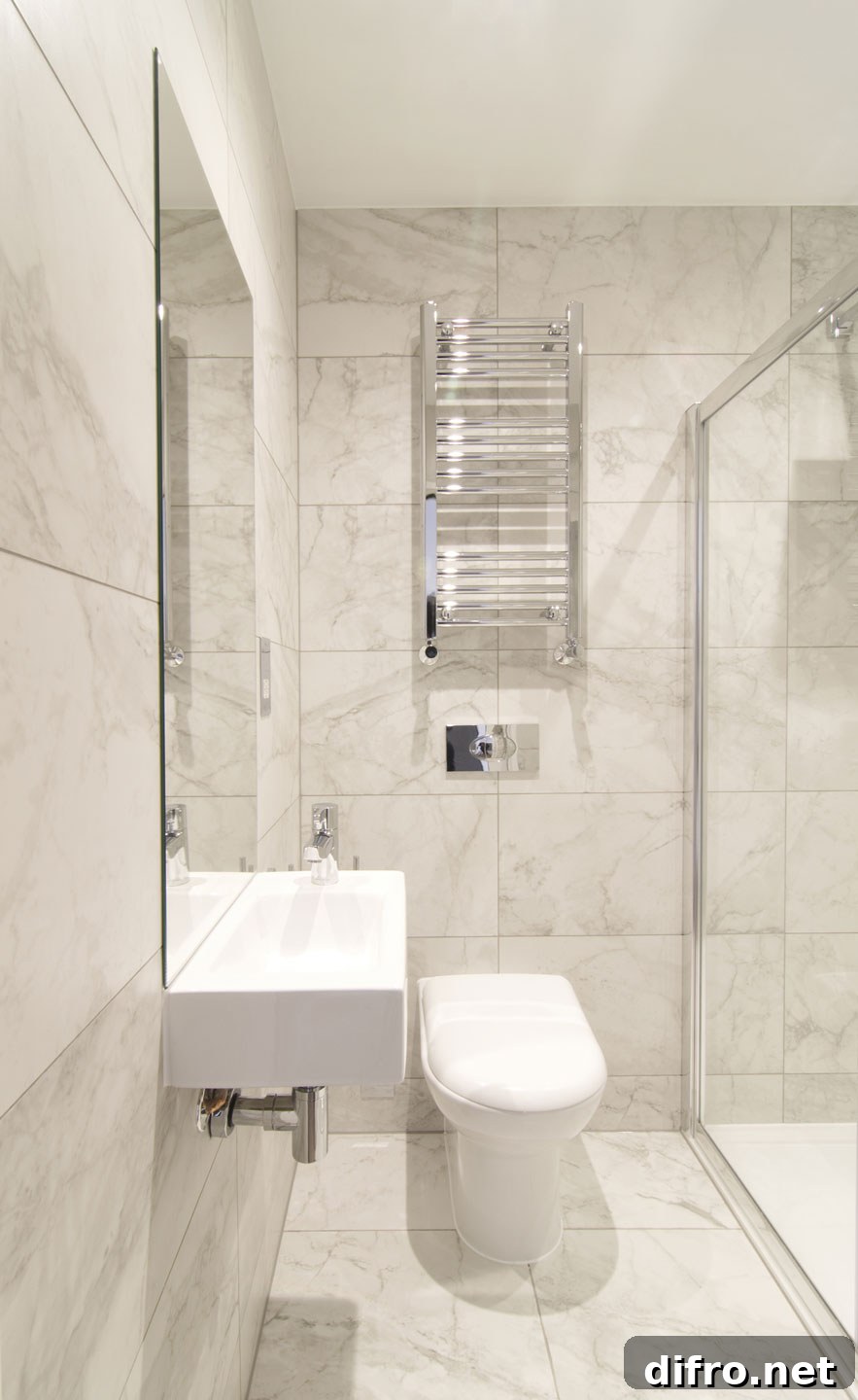
Natural light is maximized by window placements and reflective surfaces, while carefully positioned recessed lighting provides even illumination throughout the units. This mix of daylight and layered artificial light accentuates the timber’s warm tones, highlights functional areas like the kitchen and desk, and creates comfortable, adaptable atmospheres for different times of day. Each unit also includes a compact, well-appointed bathroom with contemporary fittings and a glass-shower enclosure that keeps the wet area clear and visually unobtrusive.
The conversion was commissioned as a new co-living concept, branded Hub Living, aimed at professionals and executives who value a central location without compromising on quality and comfort. Each bedsit functions as a serviced apartment, offering a private living environment enhanced by intelligent design and efficient storage solutions. The bespoke joinery is the defining feature — a single custom element that delivers most of the functional requirements for daily living while freeing up the remaining space for flexible use.
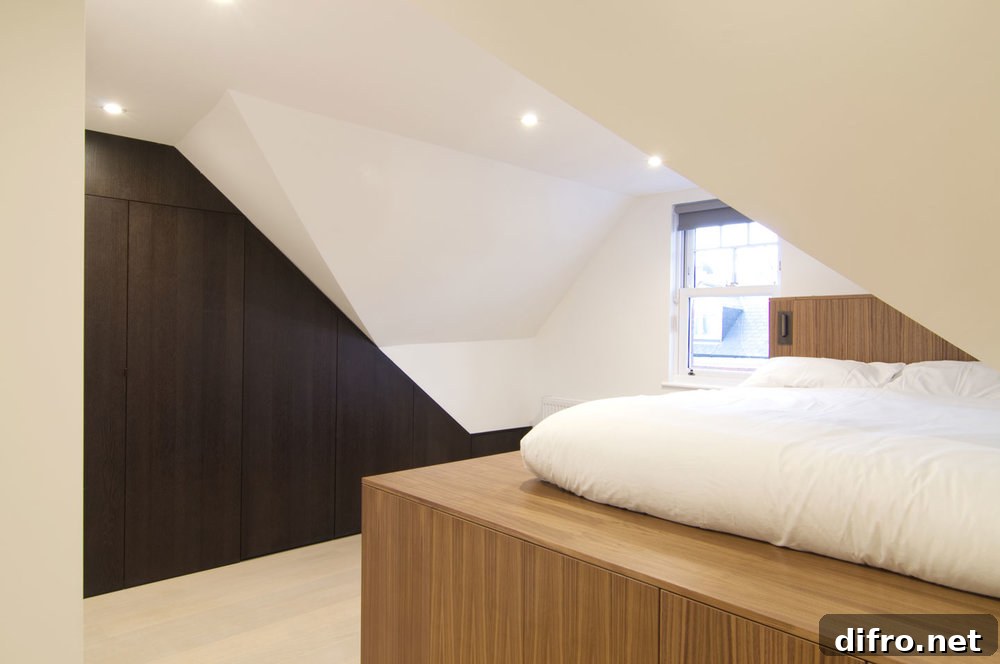
Storage is a central consideration in compact living and the wooden units answer it elegantly: swing-open cabinets expose generous shelving, drawers and concealed compartments that organize items efficiently, while the integrated desk folds away to maintain a clean, multi-purpose living area. The choice of continuous wood tones gives each unit a cohesive, calm aesthetic that complements the Victorian building’s character while providing a modern interior language.
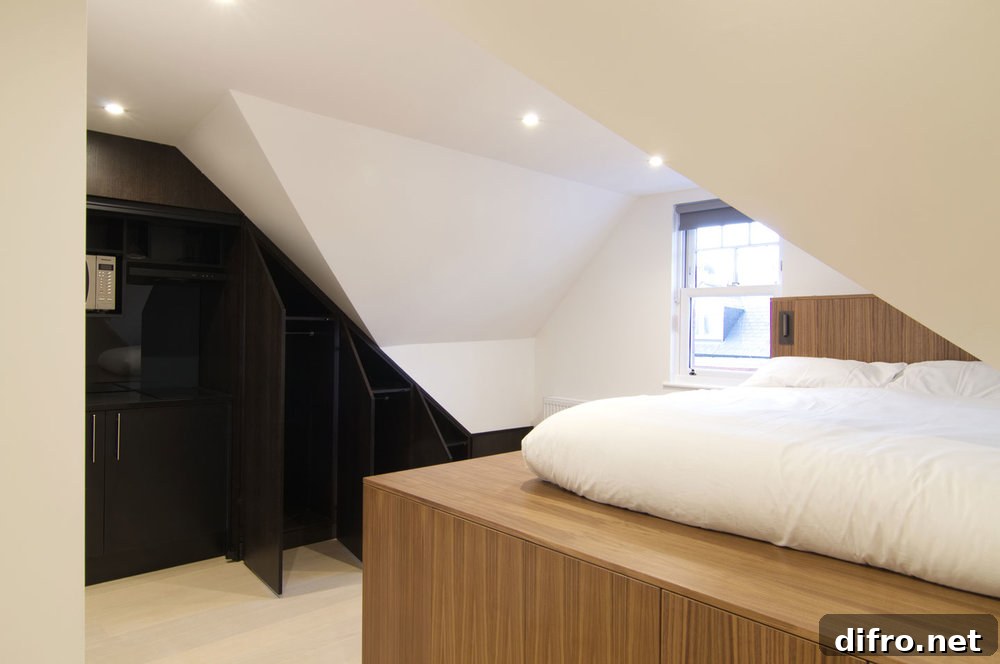
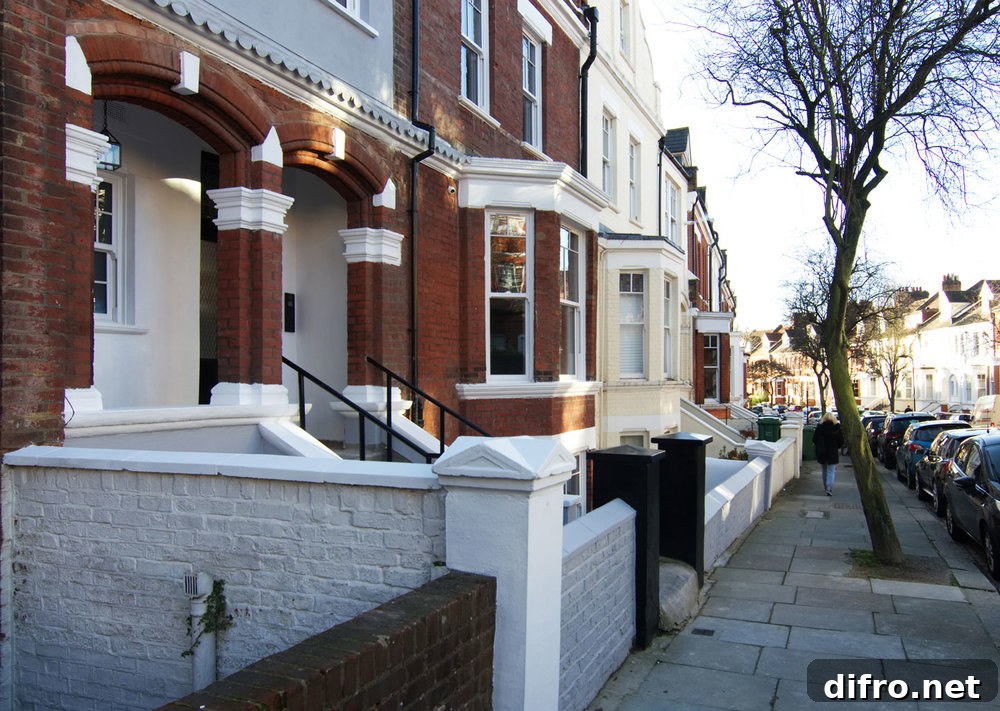
The client brief specified a high-quality serviced development catering to people who expect good design, comfort and a central location. The response preserves the street-facing Victorian façade while dramatically rethinking the interior to meet contemporary living needs. Each bedsit is compact but carefully detailed so residents enjoy functional, attractive spaces rather than cramped, cookie-cutter rooms.
Photographer: Laura Encinas
Overall, the conversion demonstrates how thoughtful joinery and layout strategies can release the potential of a compact urban property. By centering each unit around a highly engineered wooden core, the designers delivered private, functional and welcoming homes that make efficient use of every square metre while respecting the building’s original street presence.