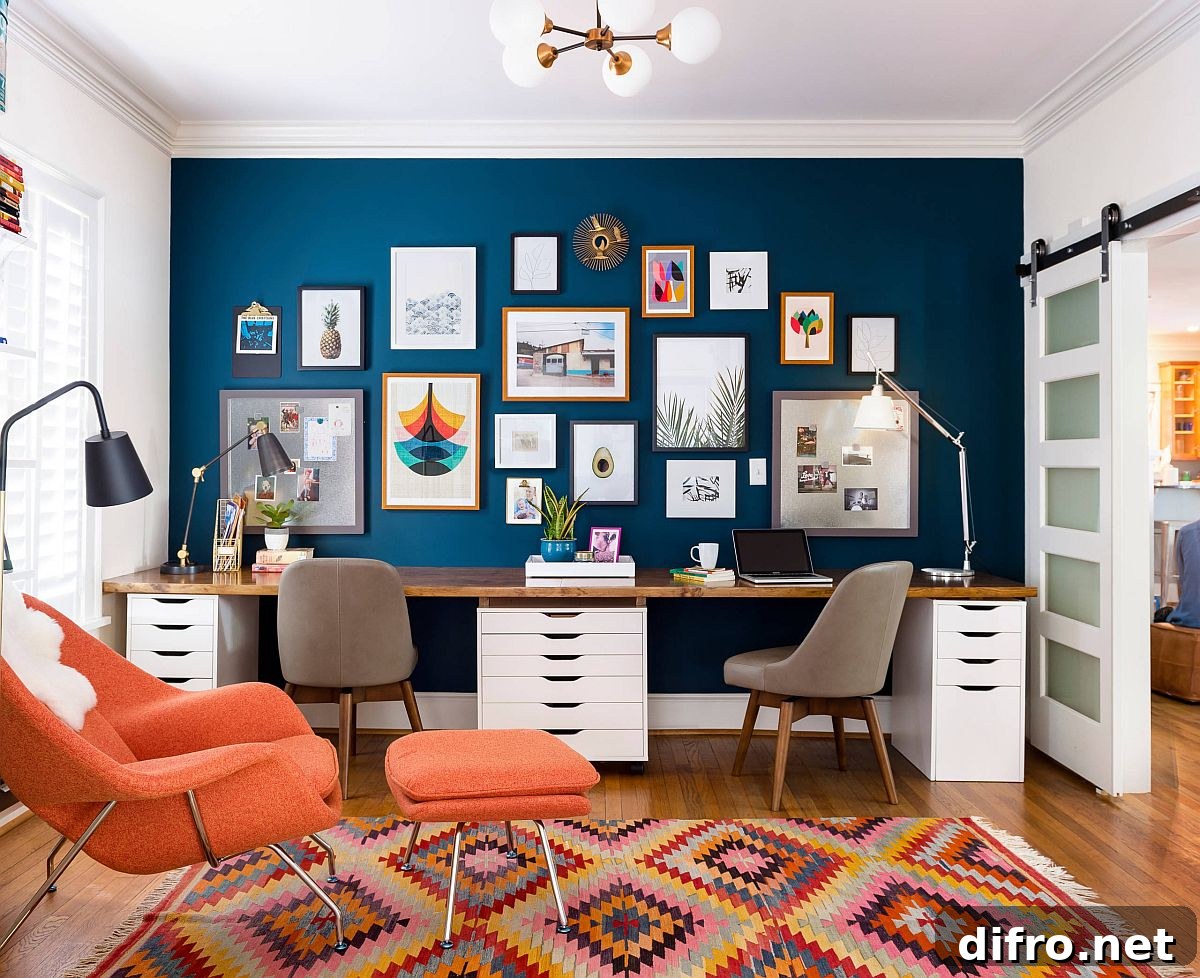
Remember when taking work home was an occasional treat—an evening where you relaxed, did only the essentials, and felt like you’d earned a small “cheat day”? The global pandemic changed that. Working from home is now the reality for many, and for those still earning a living while businesses close or downsize, creating a productive home office has become essential. This shift has driven notable changes in home office design and décor throughout 2020 and beyond.
Rather than a gradual, linear evolution, home office design in recent months has been shaped by what people now call the “new normal.” Makeshift setups—working from bed, or spreading files across the living room couch—are giving way to intentional, dedicated workspaces that support daily productivity. Some households can spare an entire room for a home office; others must carve out compact, smartly organized areas that make the most of limited space. Regardless of size, new home workspaces prioritize function first, with form closely following.
Reflection of Your Style
Working from home frees you to create an office that reflects your personality. If you ever wanted to decorate a cubicle boldly but were restricted at the office, this is your opportunity. Personal touches—artwork, posters, curated decor—can help motivate you each morning while making the space feel uniquely yours. The right personal touches also contribute to an organized and stimulating environment that can boost productivity and save you time during the day.
Finding a Functional Corner
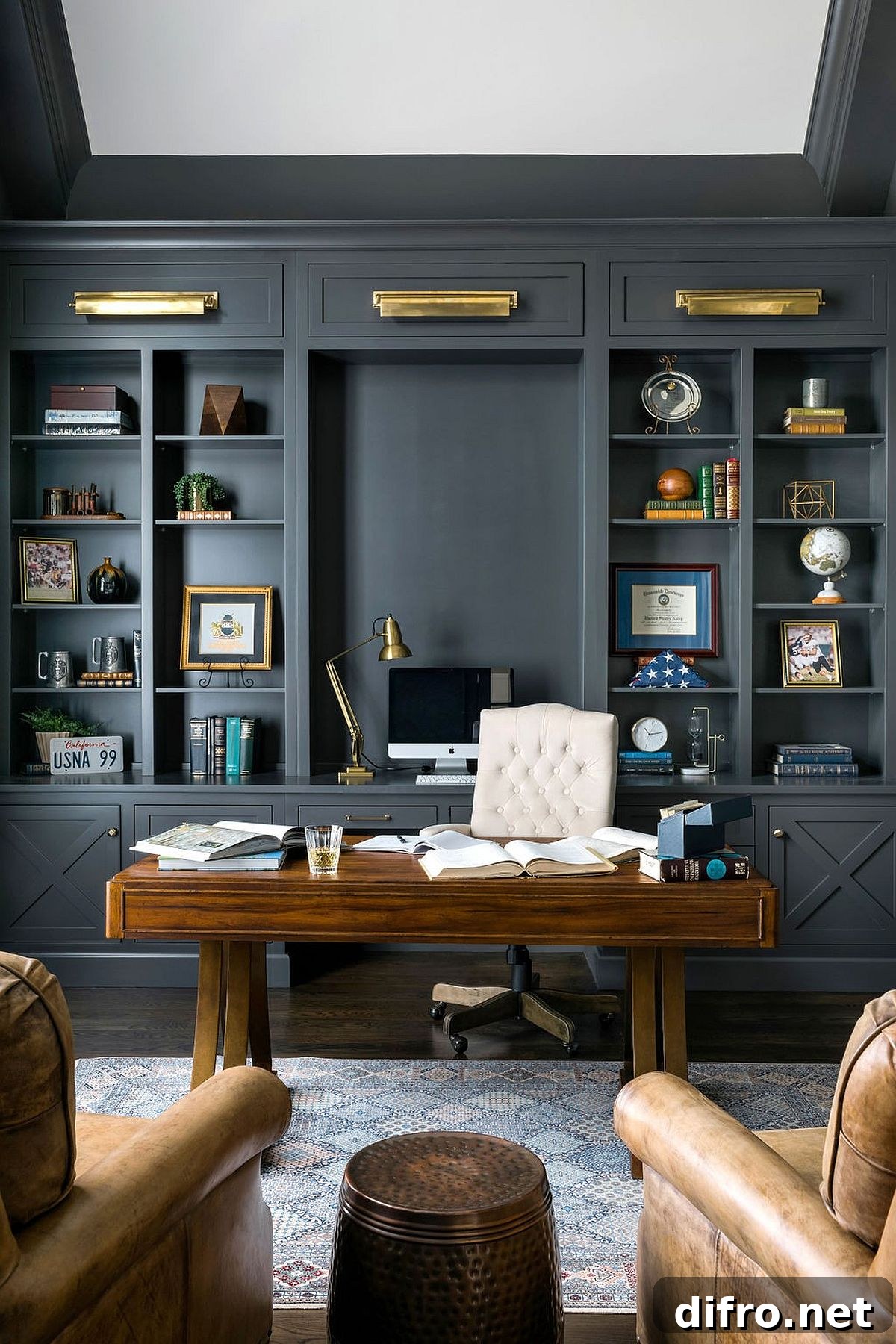
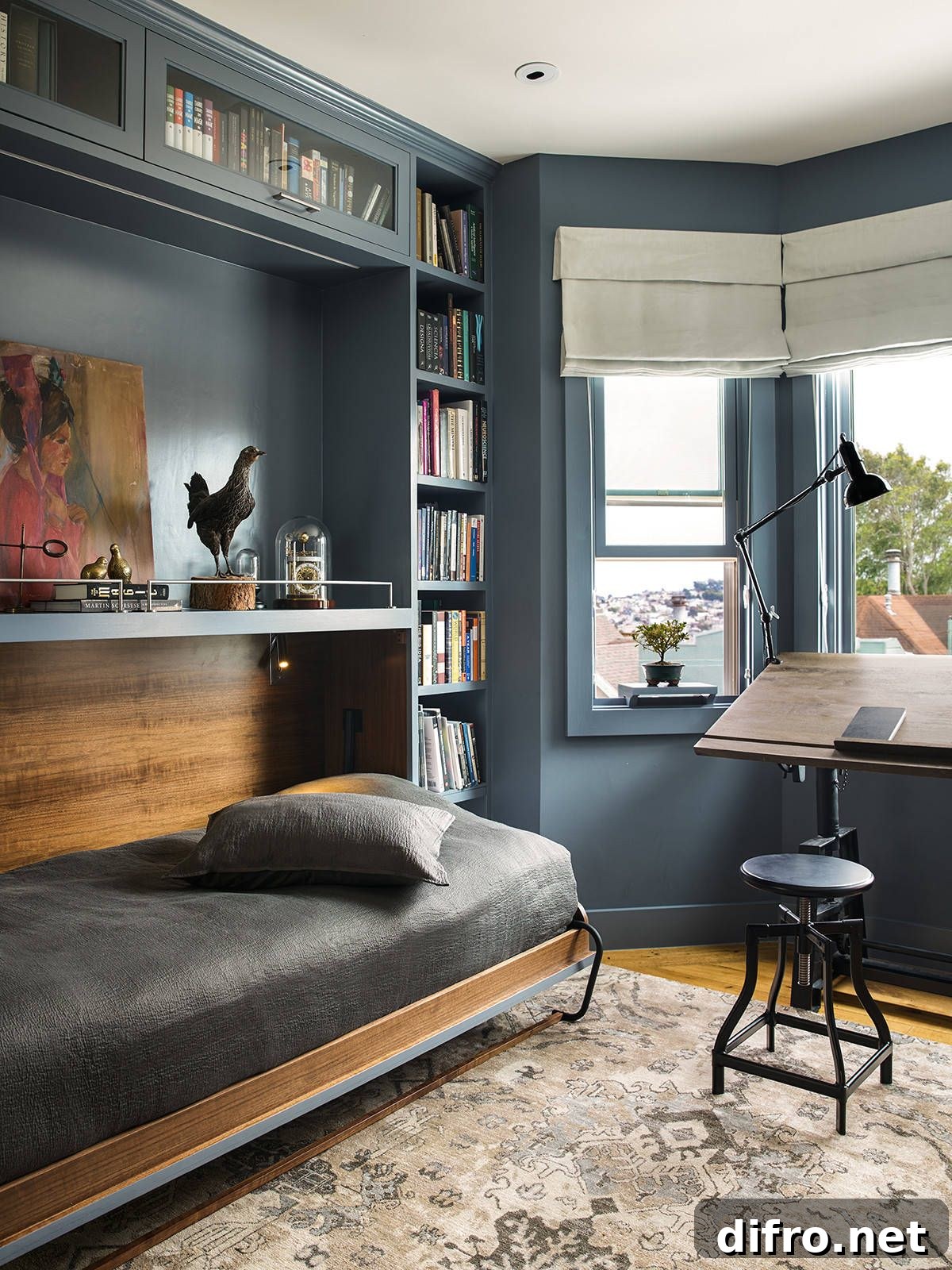
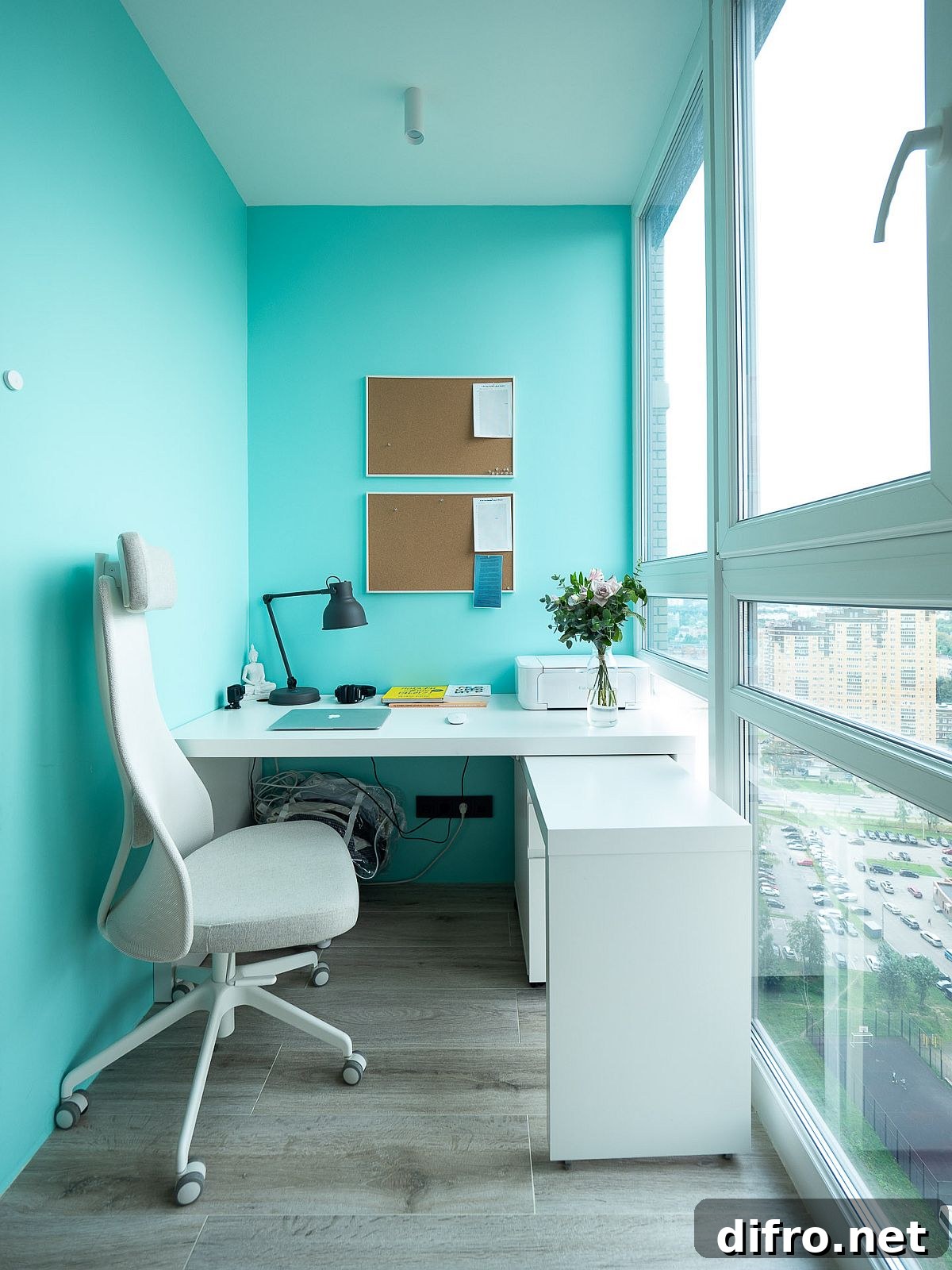
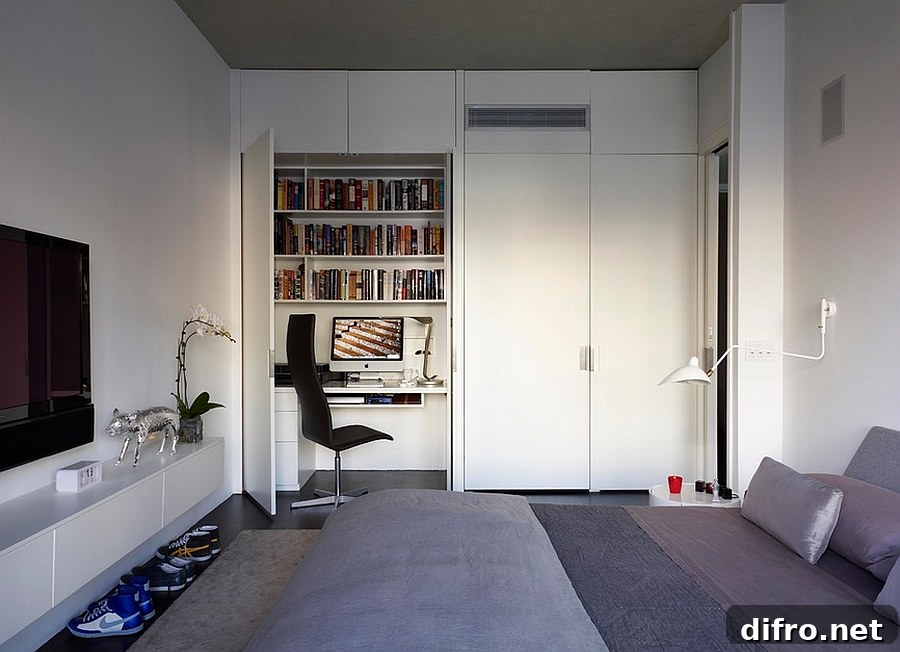
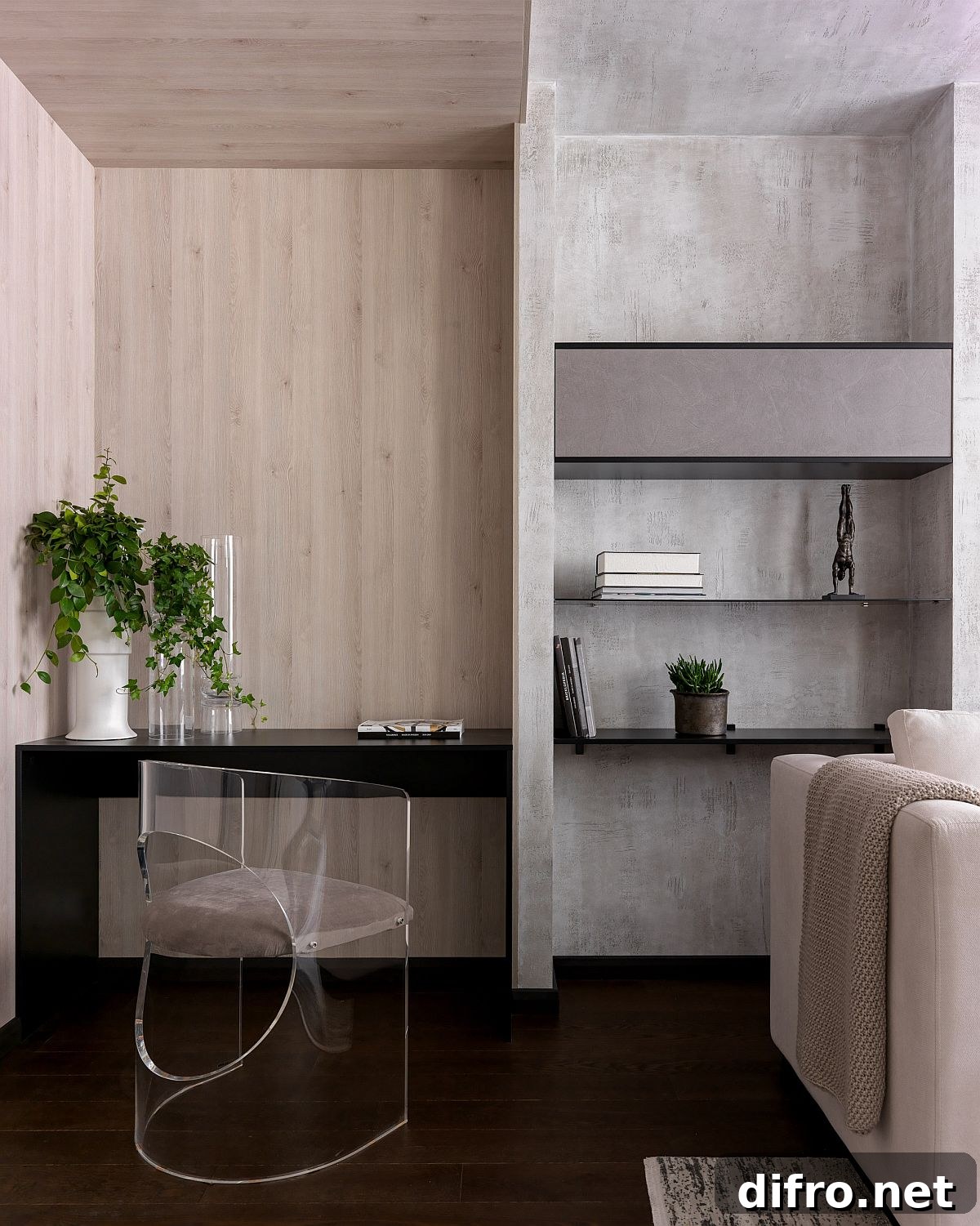
Any corner in your home can become an effective workspace. People are adapting corners of bedrooms, kitchen nooks, small hallway niches, mudrooms, and shaded decks into functional offices with a custom desk and a comfortable chair. A compact or built-in desk, smart storage, and good lighting can transform these small areas into productive home workspaces. The trend favors space-savvy solutions that blend into existing rooms without sacrificing comfort or functionality.
Adjustable Desks for a Healthier Office
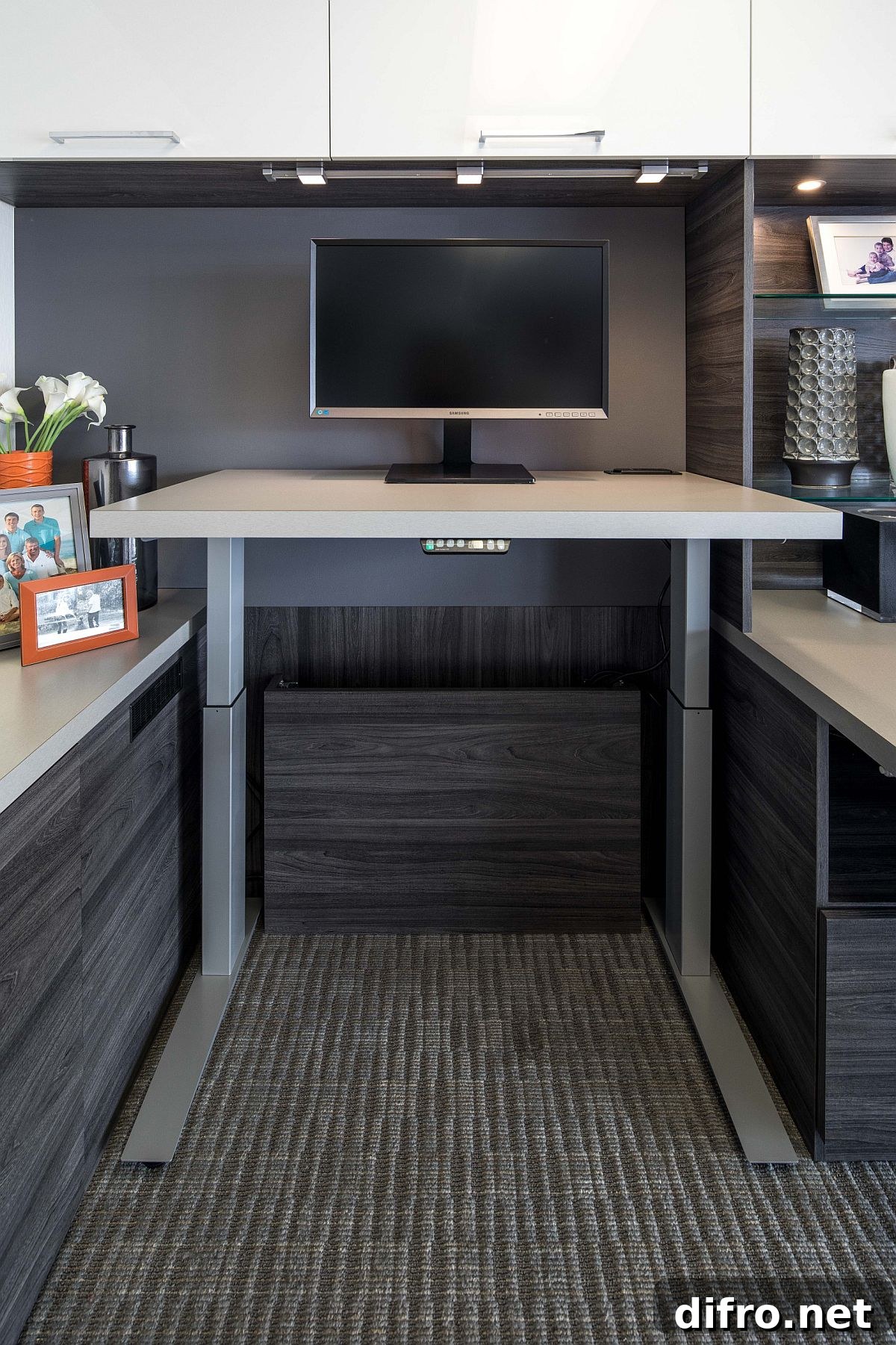
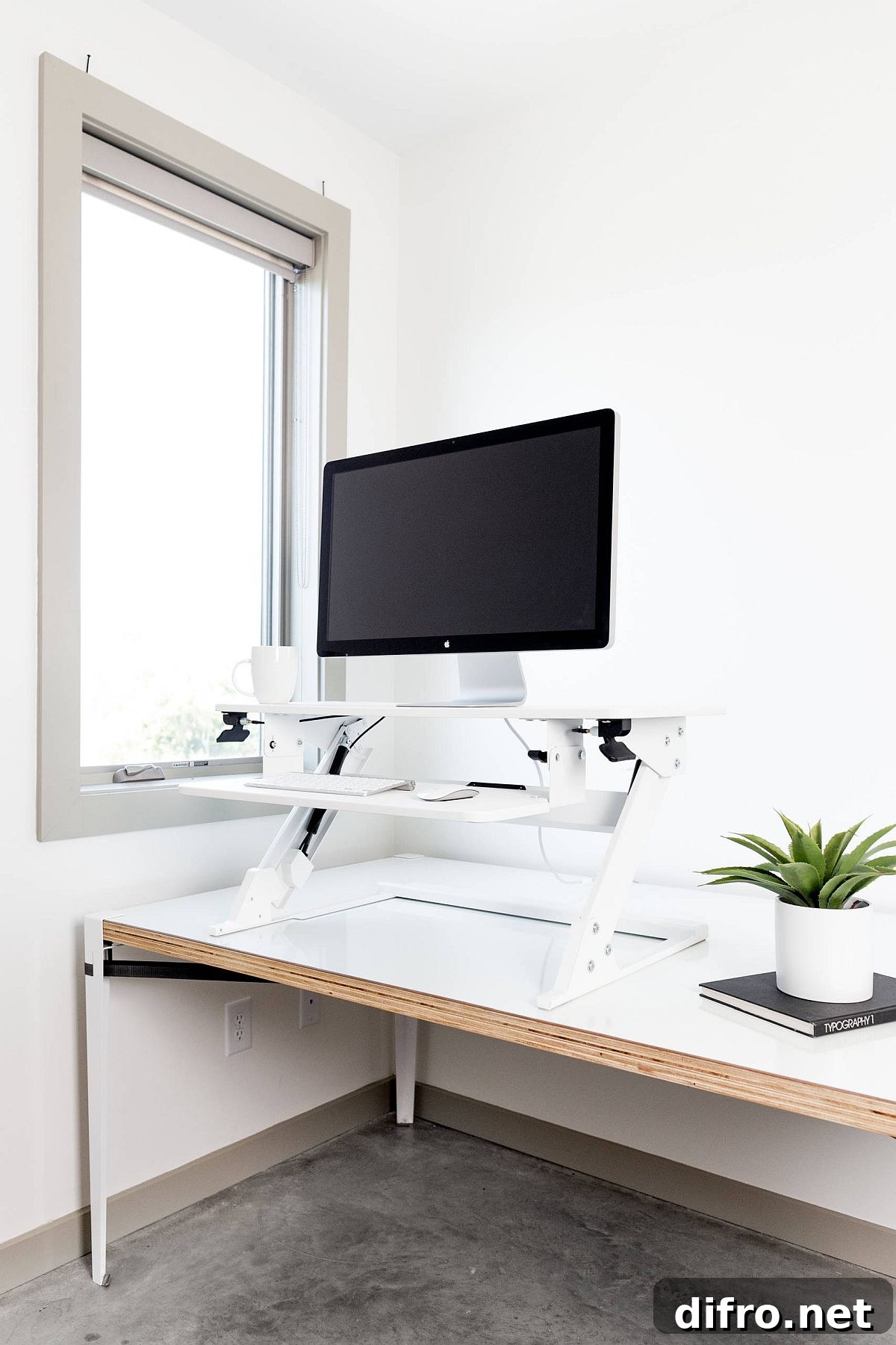
Sitting for long stretches is linked to poor posture and discomfort, so many home workers are investing in sit-stand or adjustable-height desks. These desks allow you to alternate between sitting and standing throughout the day, improving circulation and reducing strain. Adjustable desks have become a popular choice for remote workers who want a healthier, more ergonomic home workspace. Choose a mechanism and surface size that fit your typical tasks and the layout of your home office.
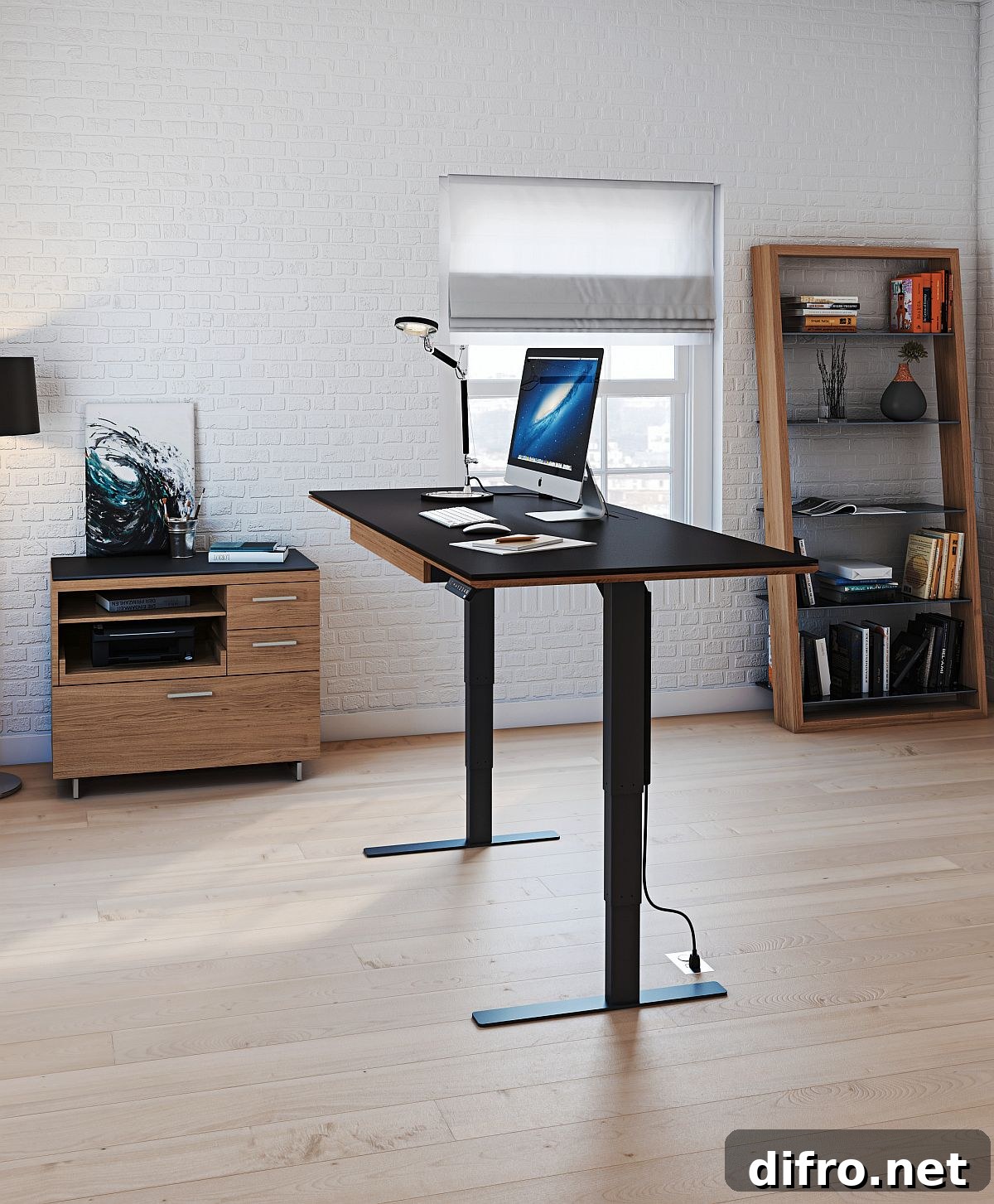
Designed for Your Video Calls
With video meetings now a daily routine for many, design choices should consider both visual appeal and sound control. If multiple people are working at home, you may need separate zones: one quiet area optimized for calls and another for focused computer work. Acoustics matter as much as color and decor. Sliding glass doors or framed glass walls are an effective option, allowing light and sightlines while improving sound isolation. Thoughtful backdrops, tidy storage, and noise-reducing materials make video calls appear more professional and reduce distractions.
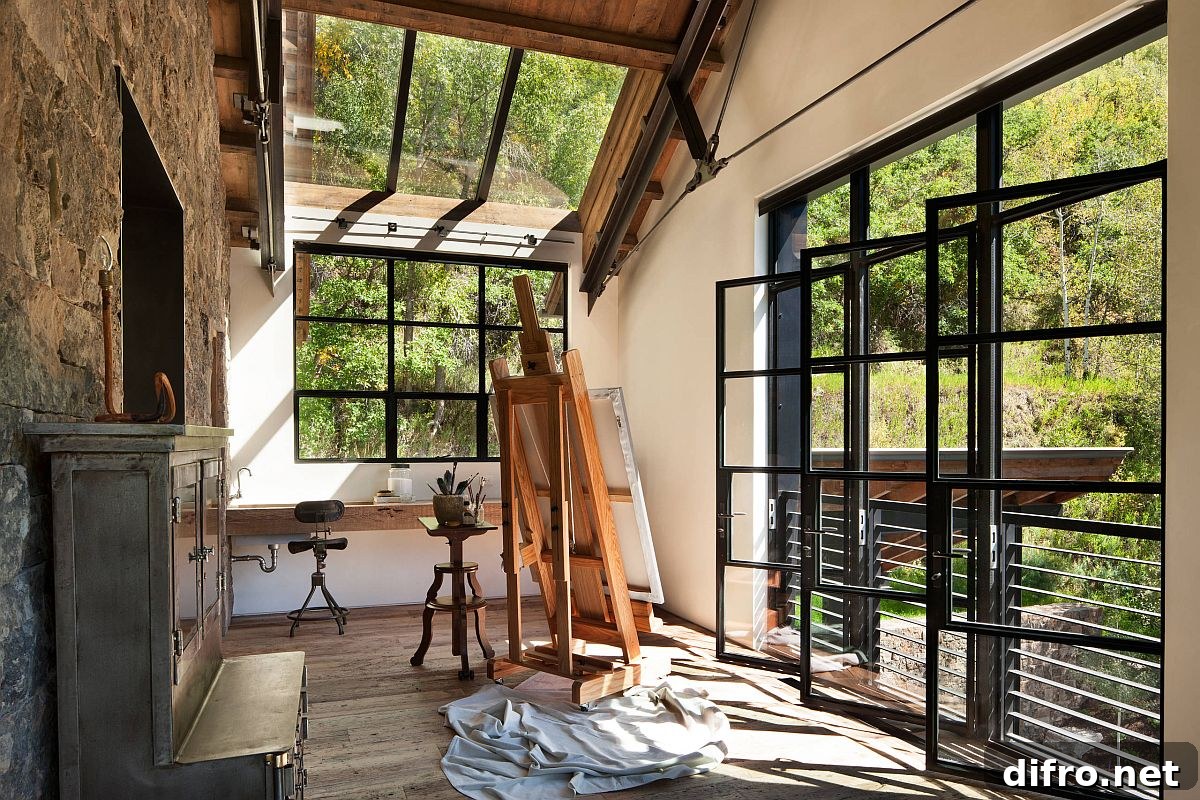
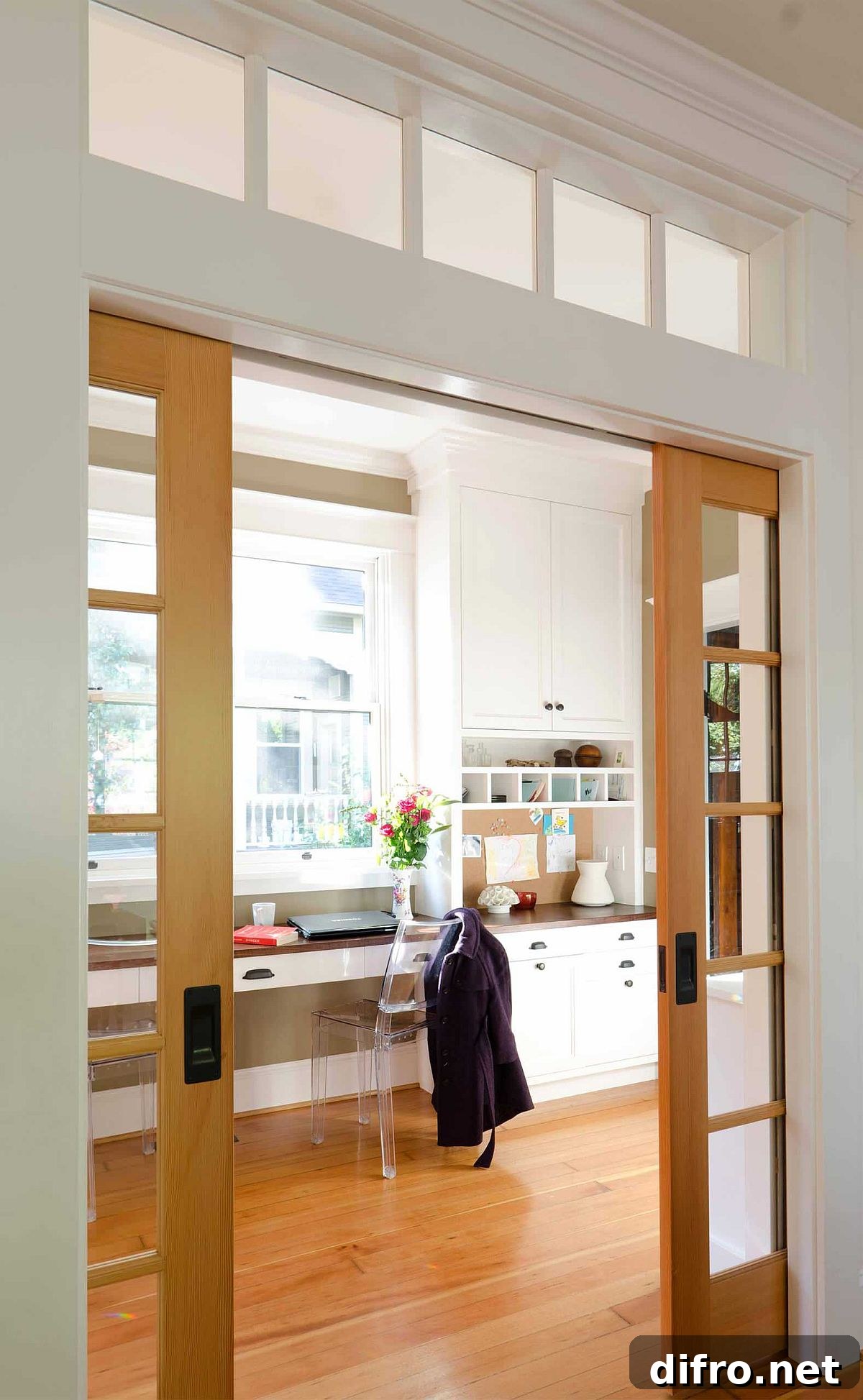
Whether you have a dedicated room or a compact corner, the priorities for a modern home office are clear: ergonomic furniture, thoughtful acoustics, purposeful lighting, and personal touches that support focus and wellbeing. As remote work continues to shape daily life, investing in a functional, expressive home workspace is both practical and rewarding.