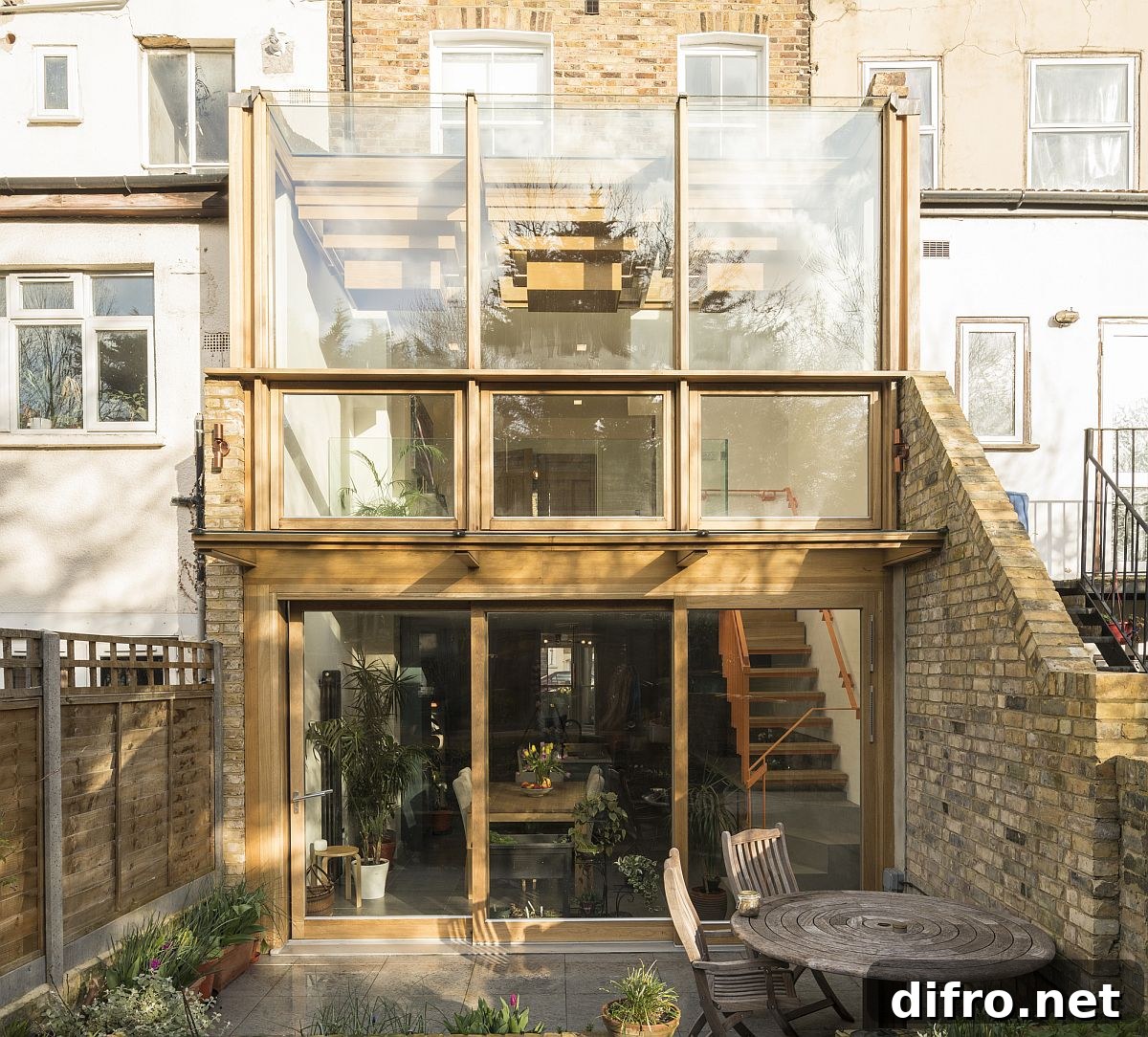
If you follow architectural trends or enjoy home design inspiration, you’ve likely noticed the rise of modern rear extensions that expand into backyards and gardens. Clever rear-extension ideas are transforming aging Victorian, Californian and heritage bungalows into comfortable, light-filled homes suited to contemporary family life. Many of these older houses—built in the early 20th century—need updates for modern living, and a well-designed rear extension can preserve a building’s historic character while adding valuable, functional space.
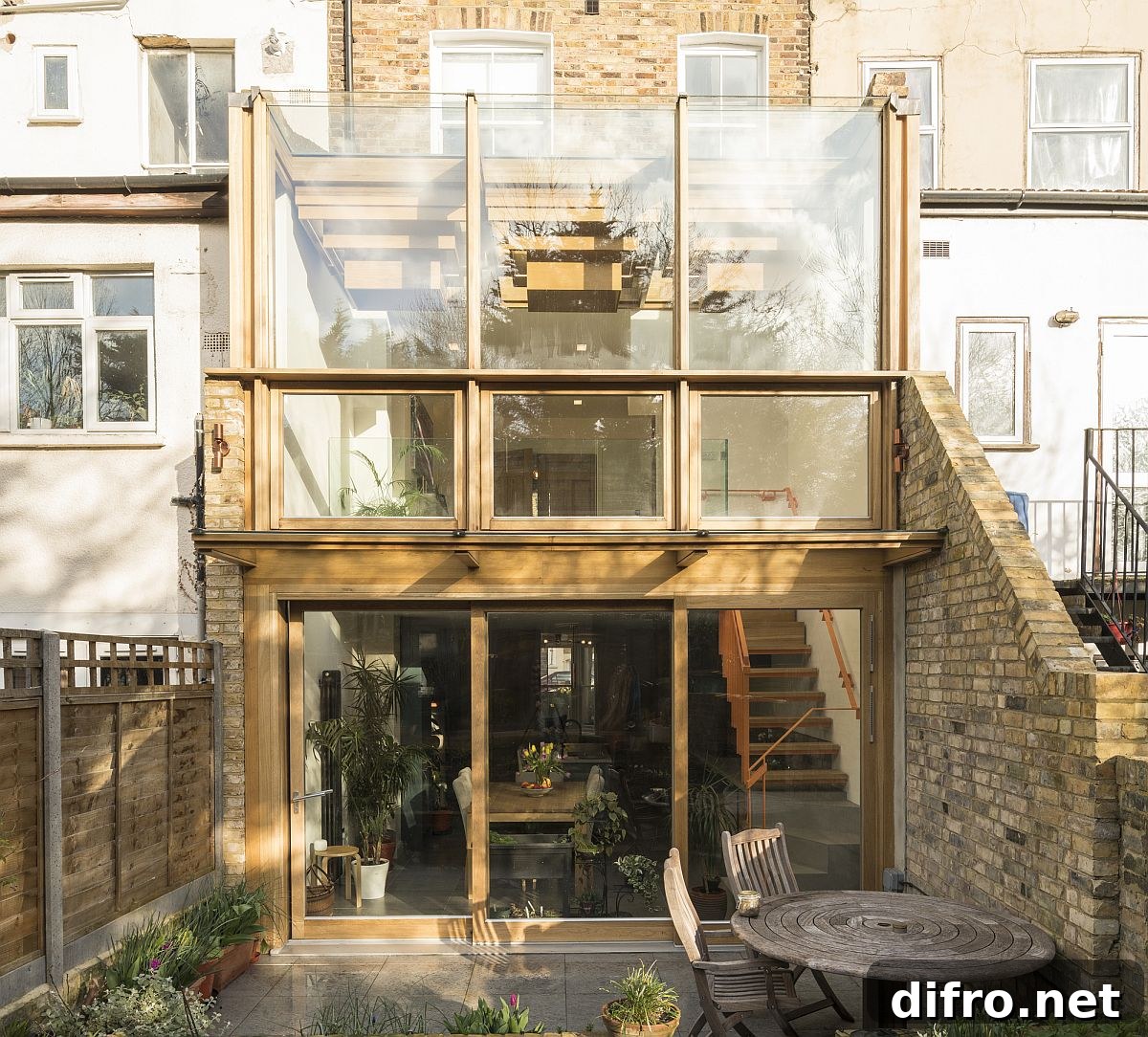
Designers today blend old and new materials to create extensions that feel both respectful and fresh. Homeowners increasingly want interiors that connect to the outdoors, make better use of natural light, and provide flexible living areas. A thoughtful rear extension can improve circulation and ventilation, increase usable square footage, and enhance everyday life without compromising the original street-facing façade.
Preserve the Street Façade
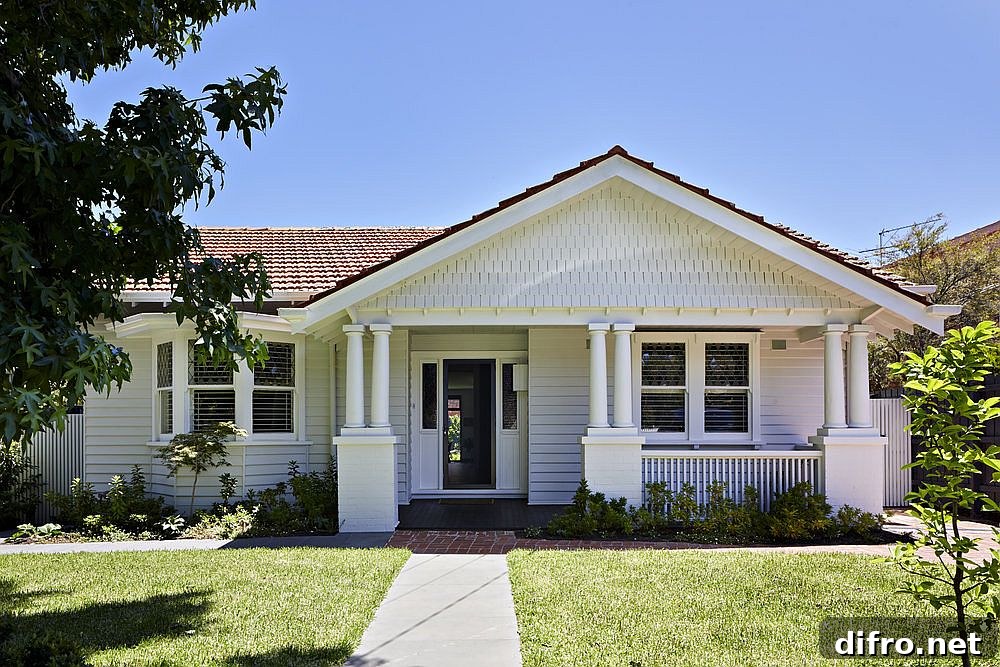
One guiding principle in many successful renovations is to leave the street façade largely unchanged. Whether due to heritage regulations or simply because the front of the house is architecturally valuable, keeping the original façade preserves curb appeal and long-term value. Small repairs or subtle improvements—like a refurbished door or carefully matched masonry—can refresh the front without erasing its character. The real transformation happens at the rear, where contemporary additions can remain discreet from public view.
Clean, Box-Like Volumes
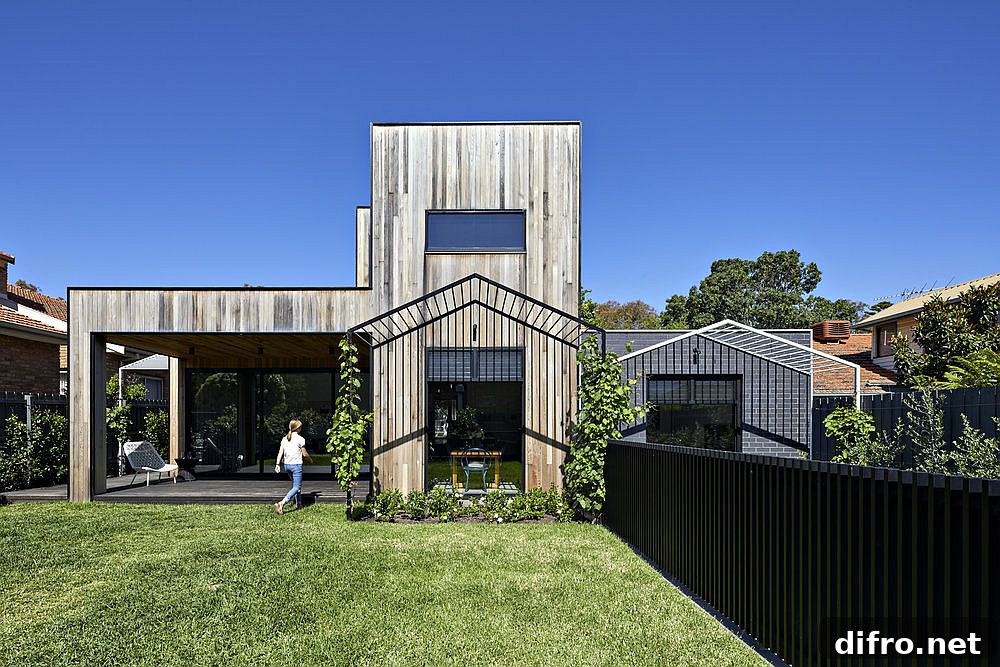
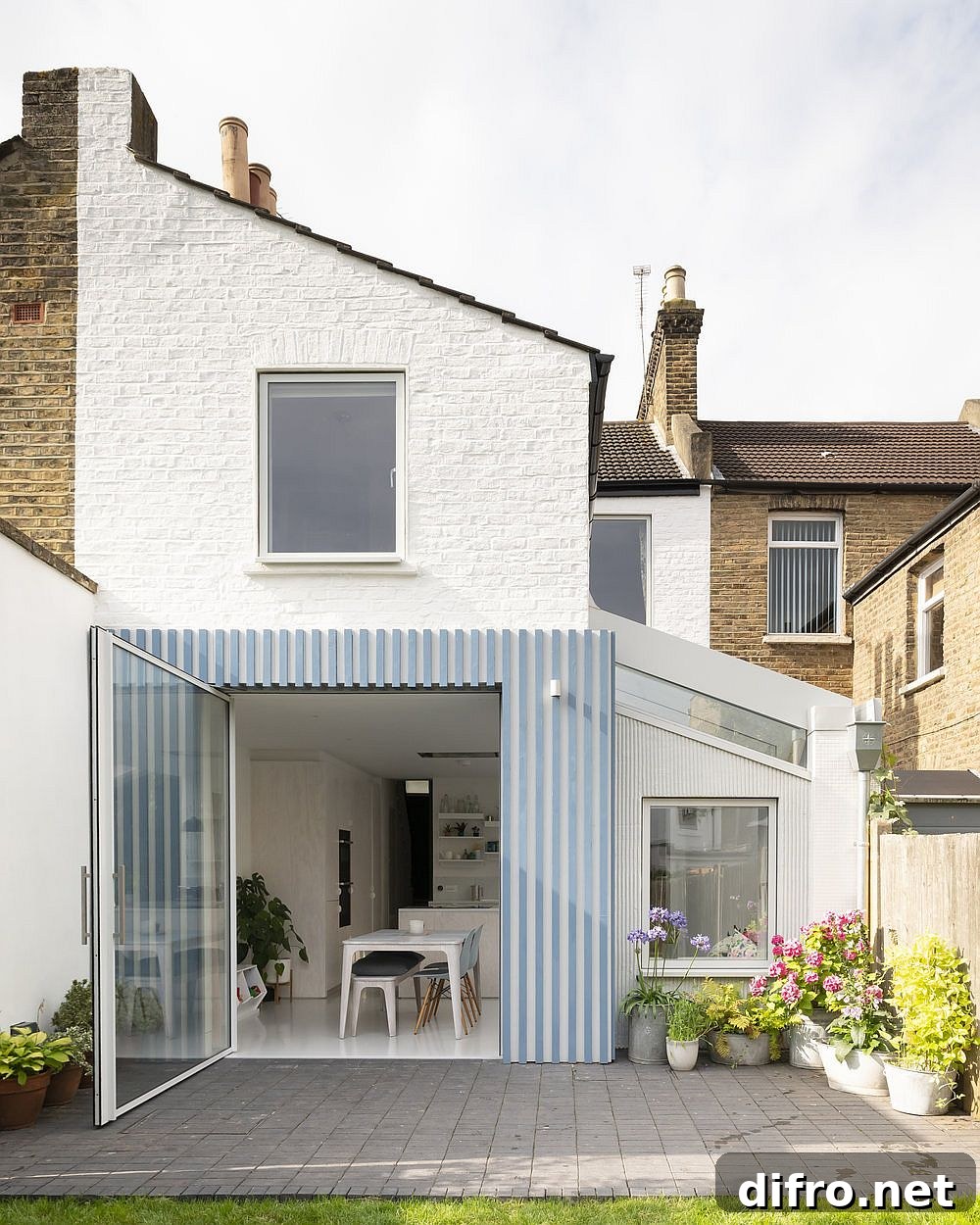
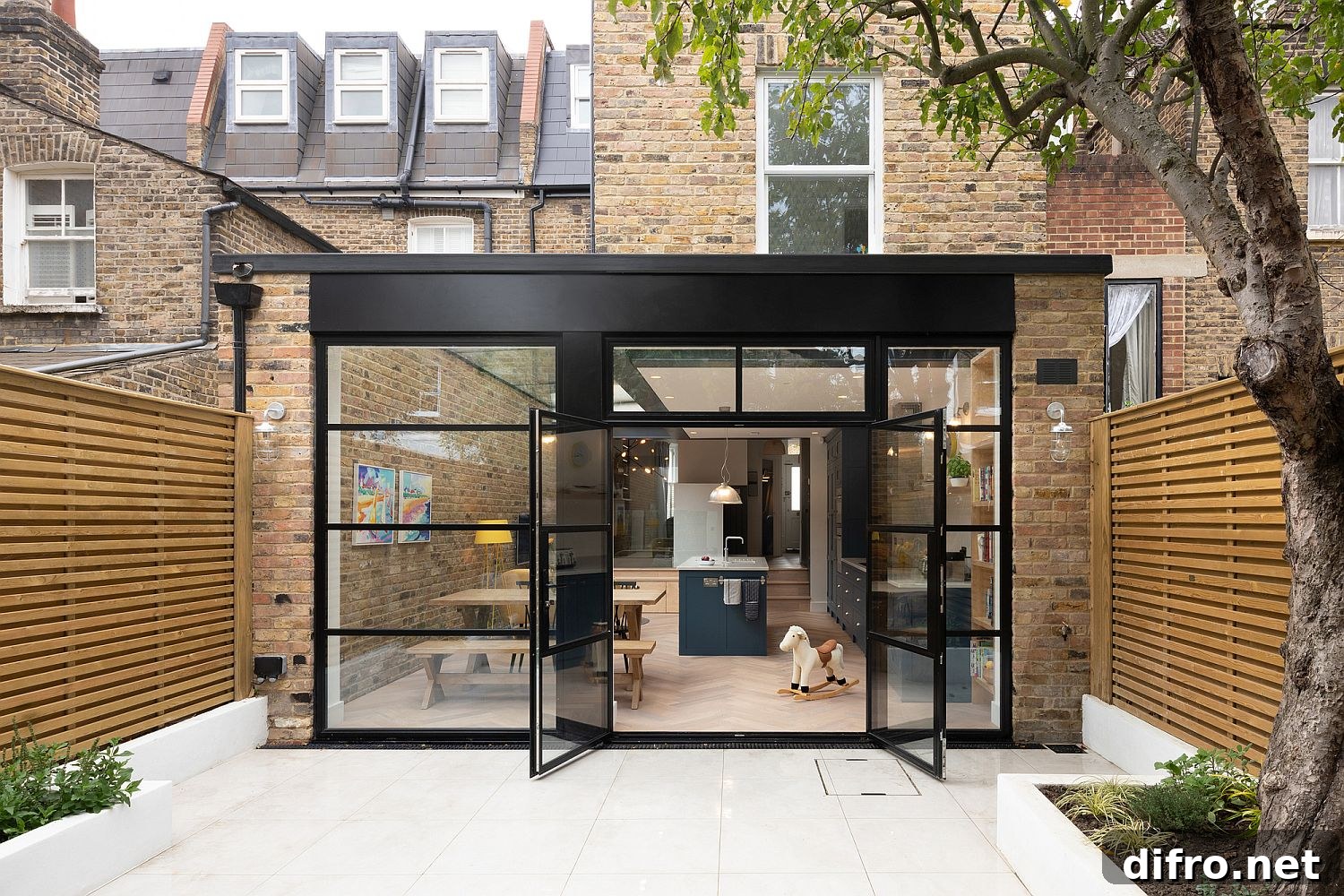
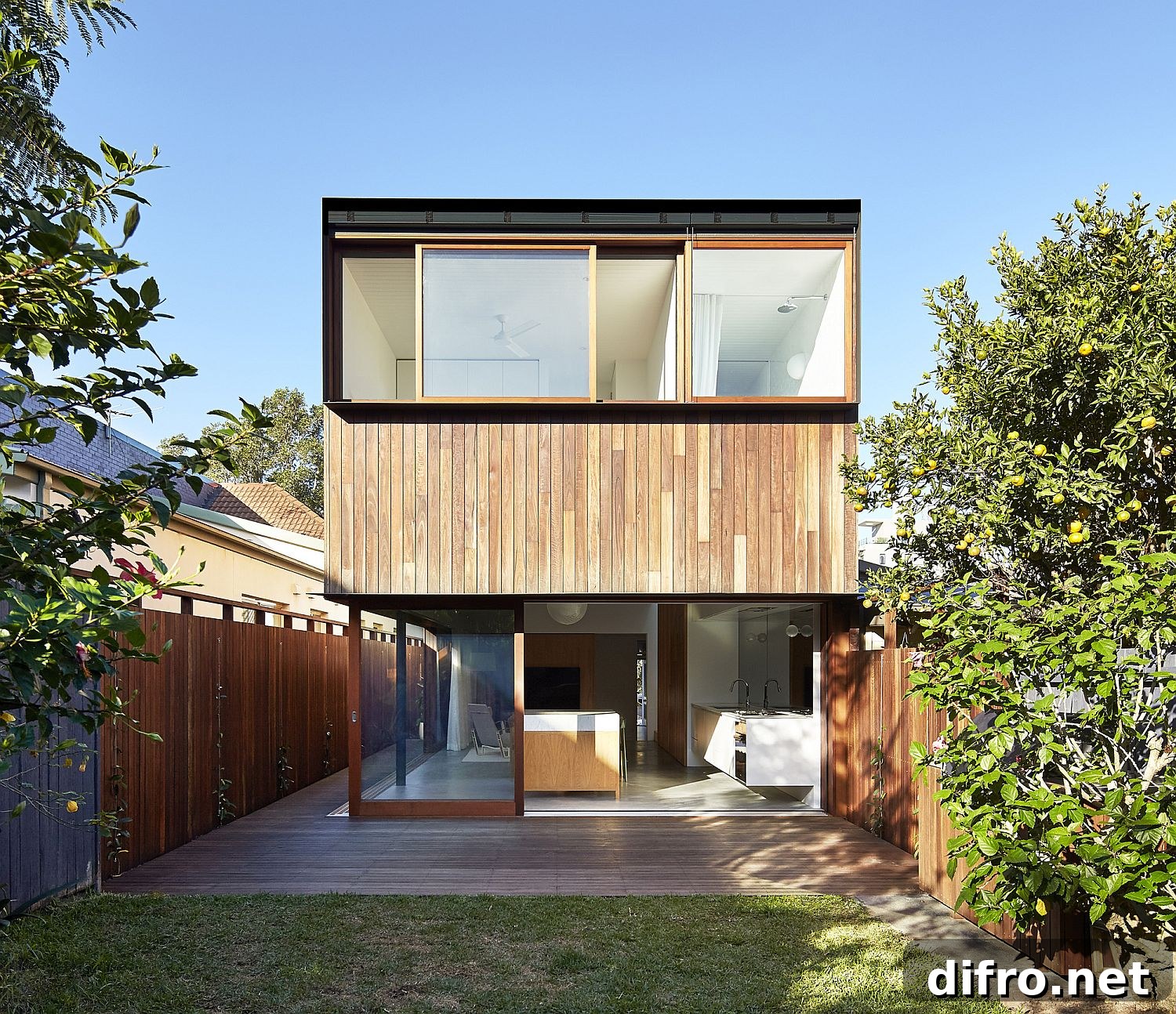
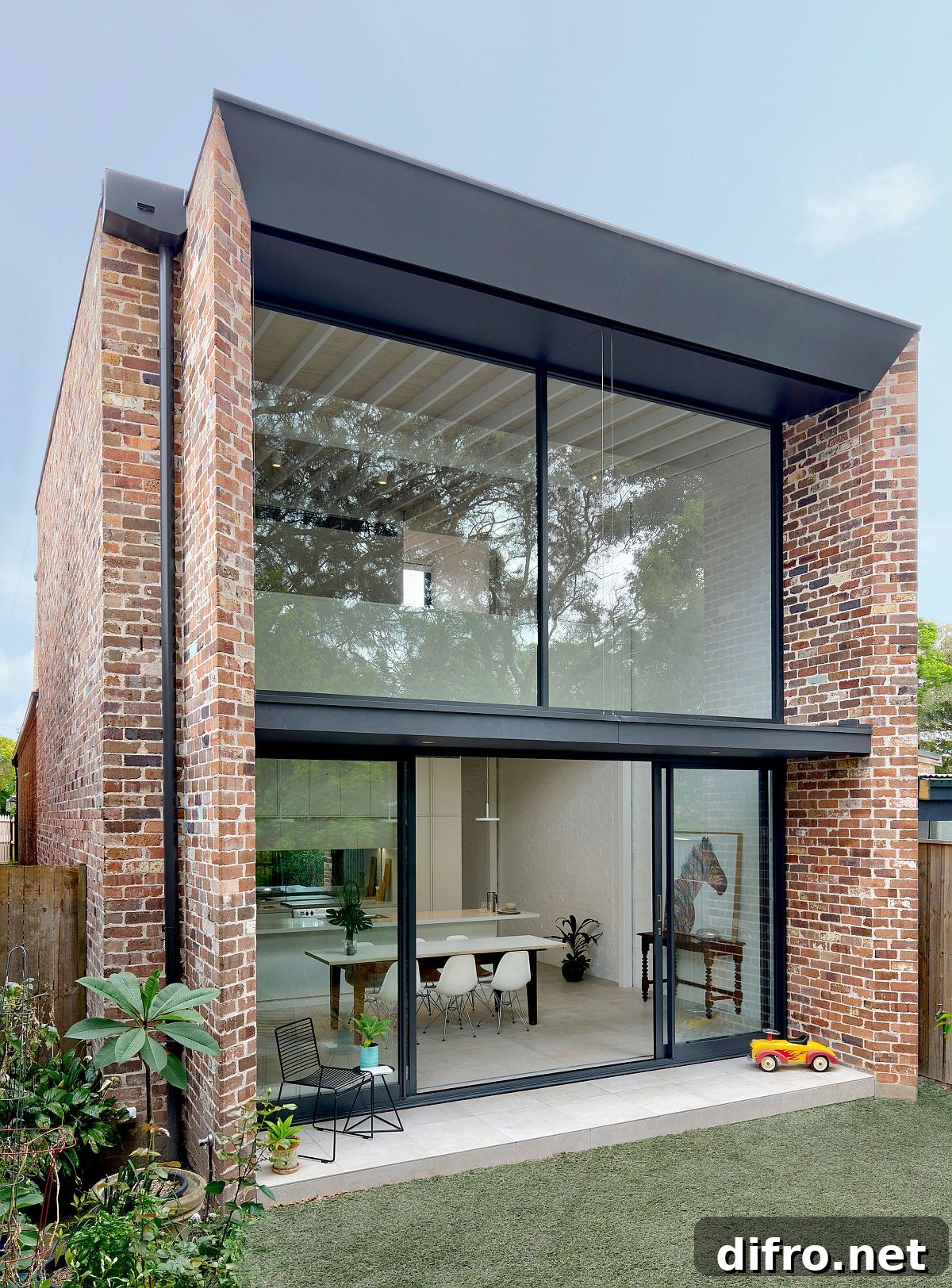
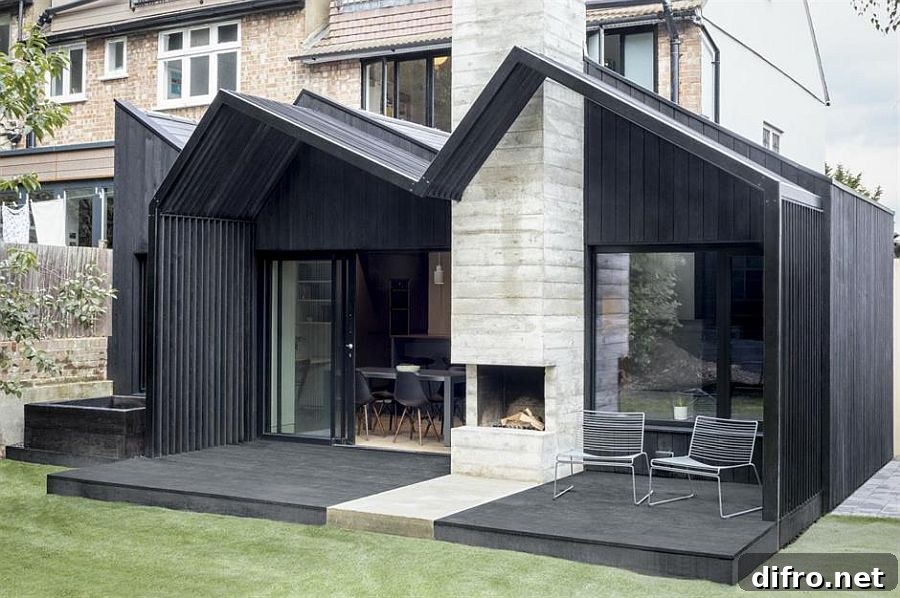
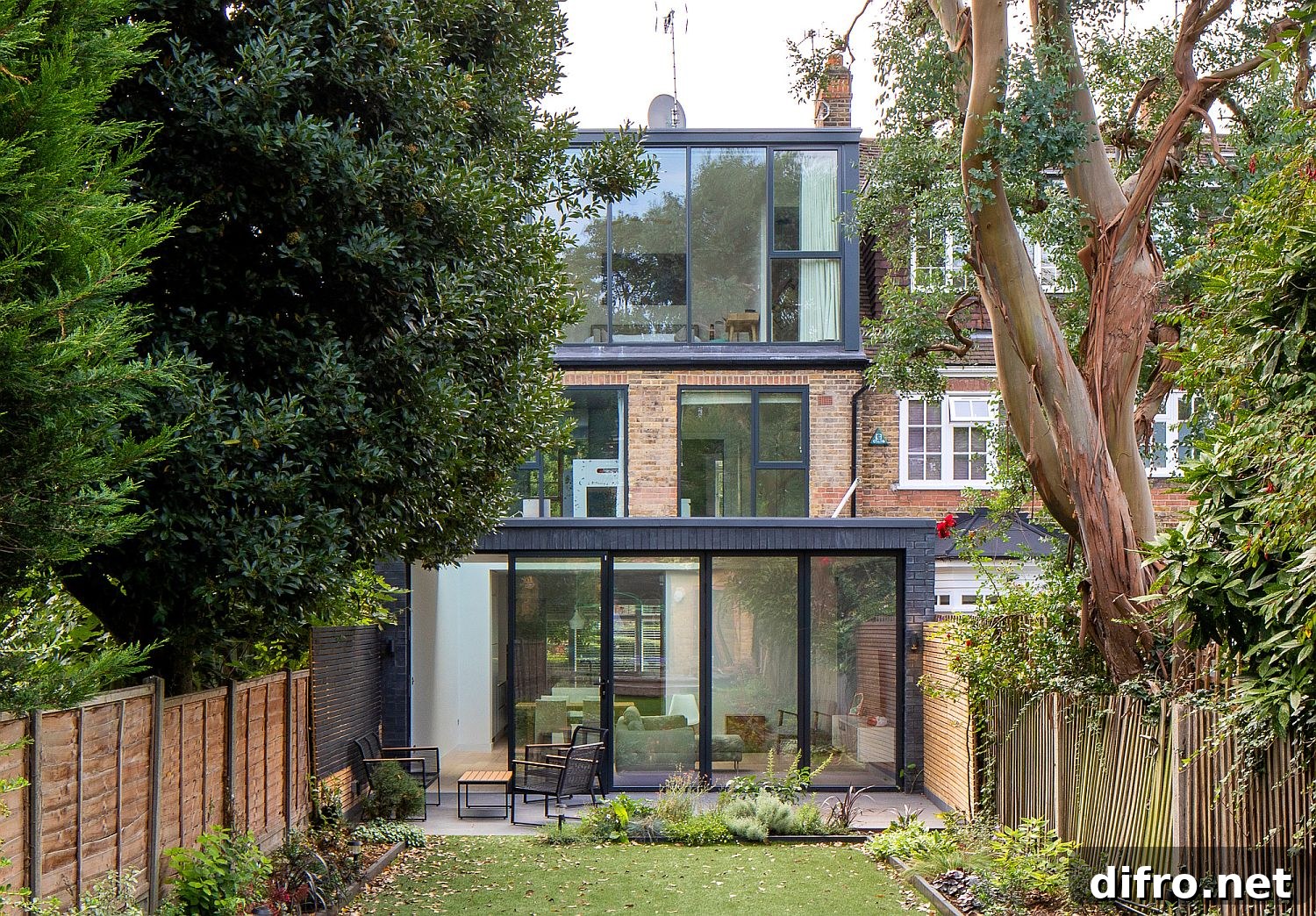
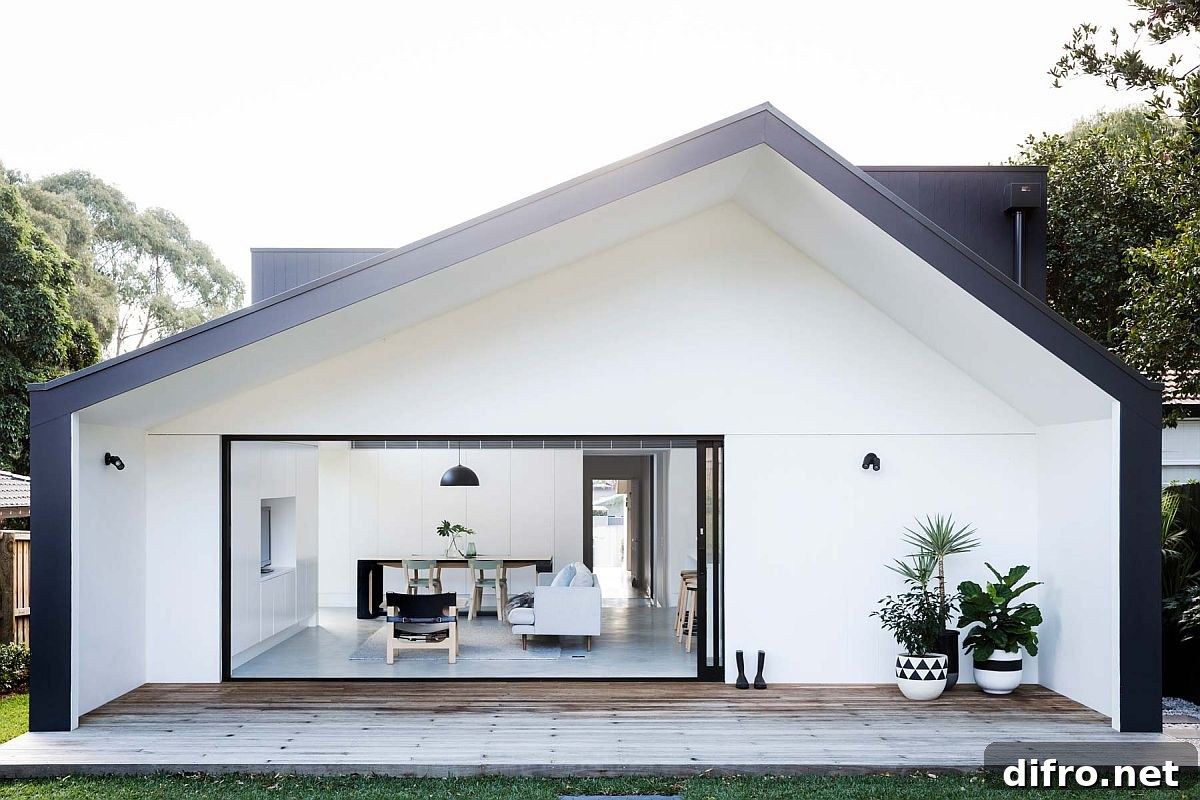
At the rear, architects often use simple geometric volumes—box-like additions clad in wood, brick, metal or render—to create a clear, modern contrast with the older structure. These compact, efficient shapes help keep the design uncluttered and allow flexibility in planning. Many projects hide the new volume from the street, align with the existing roofline where necessary, and conserve the visual integrity of the original home. The result is a modern rear extension that reads as a contemporary addition rather than an awkward retrofit.
Glass Walls and Sliding Doors
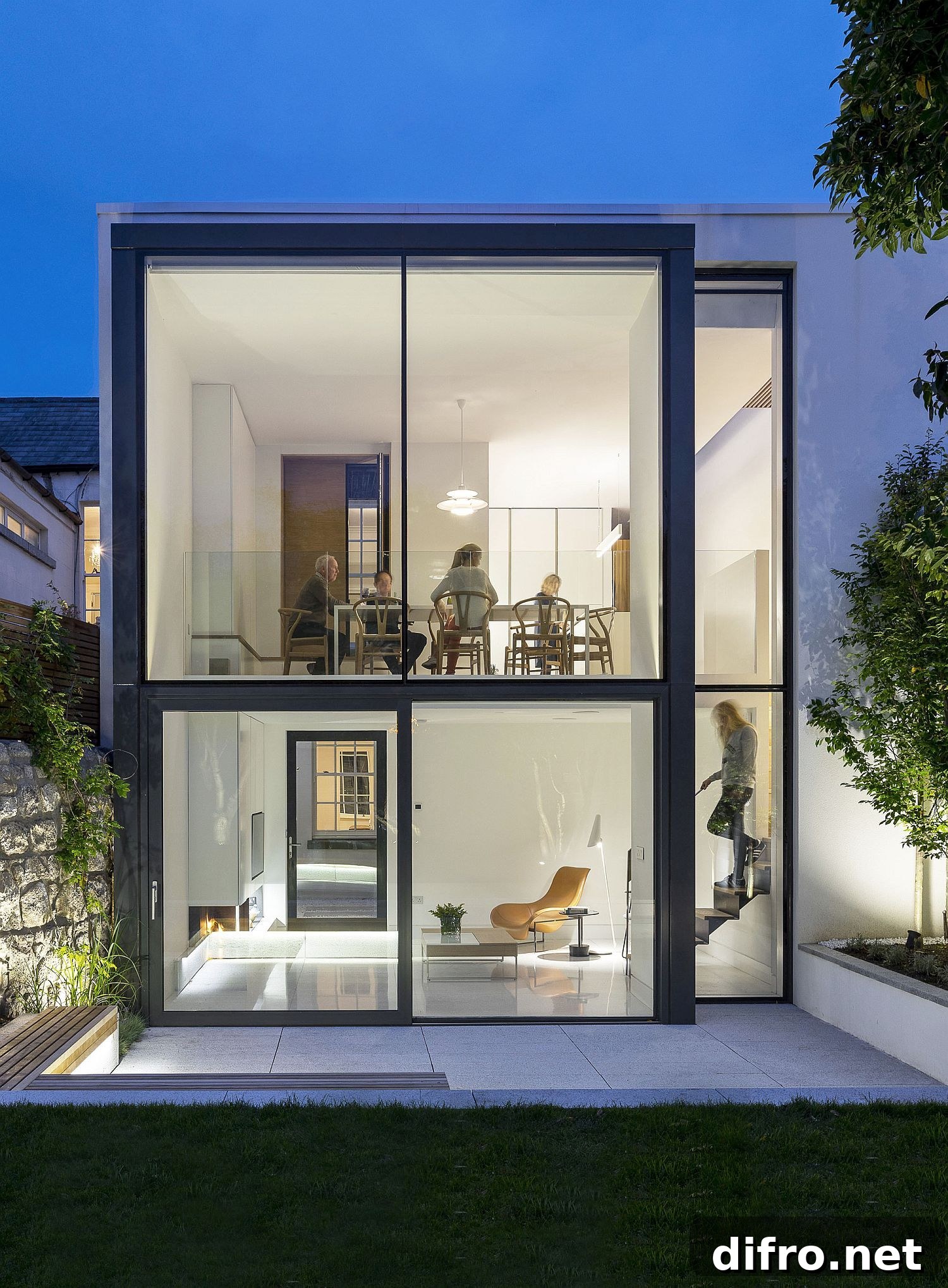
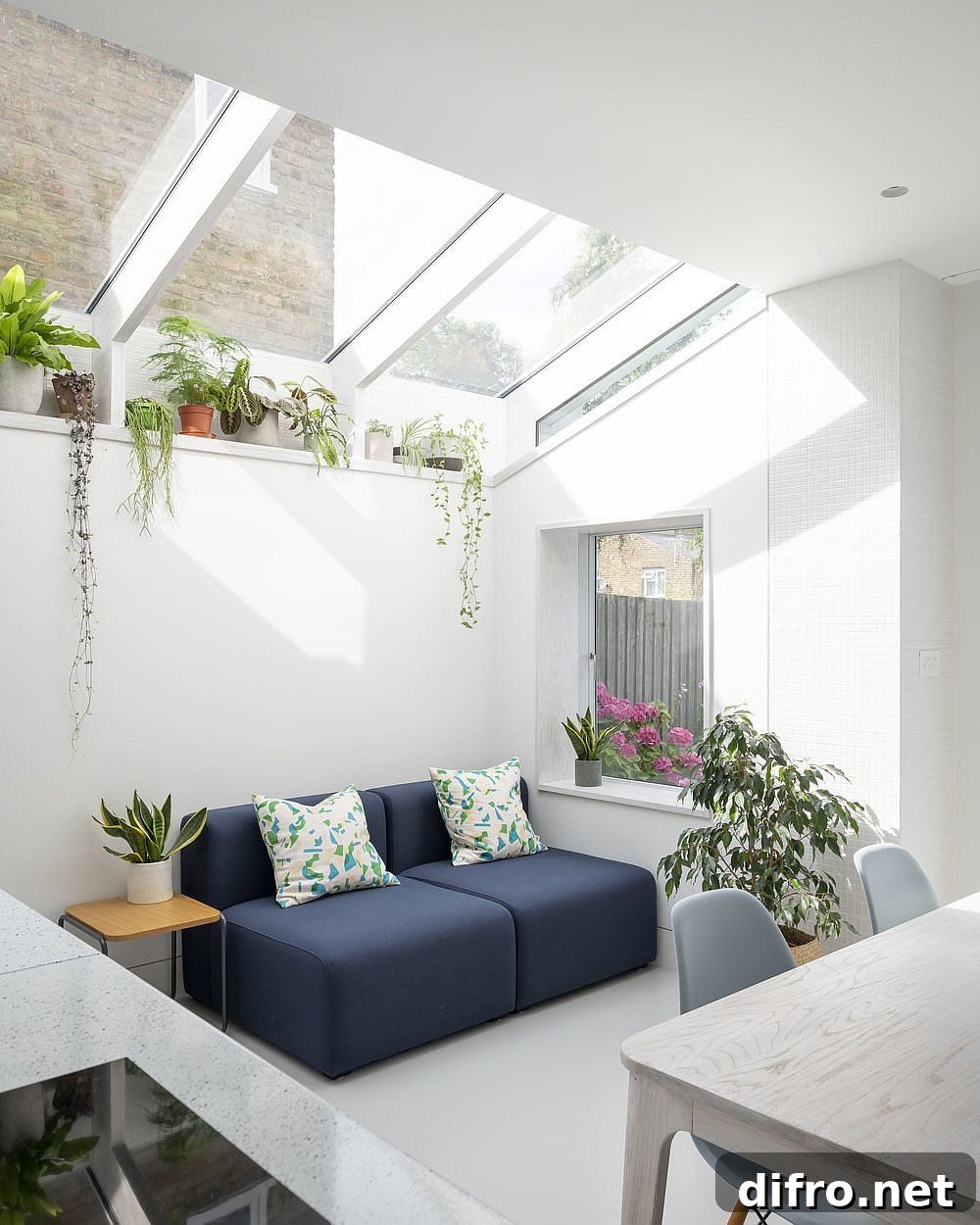
Glass plays a central role in modern rear extensions. Floor-to-ceiling glazing, sliding or folding doors and well-placed skylights flood interiors with natural light, visually extend living spaces into the garden, and improve ventilation—often a problem in older houses. The combination of a discreet structural frame with expansive glass creates a bright, airy addition that also allows daylight to penetrate back into the original rooms, improving the whole-house environment.
Window Seats and Built-In Storage
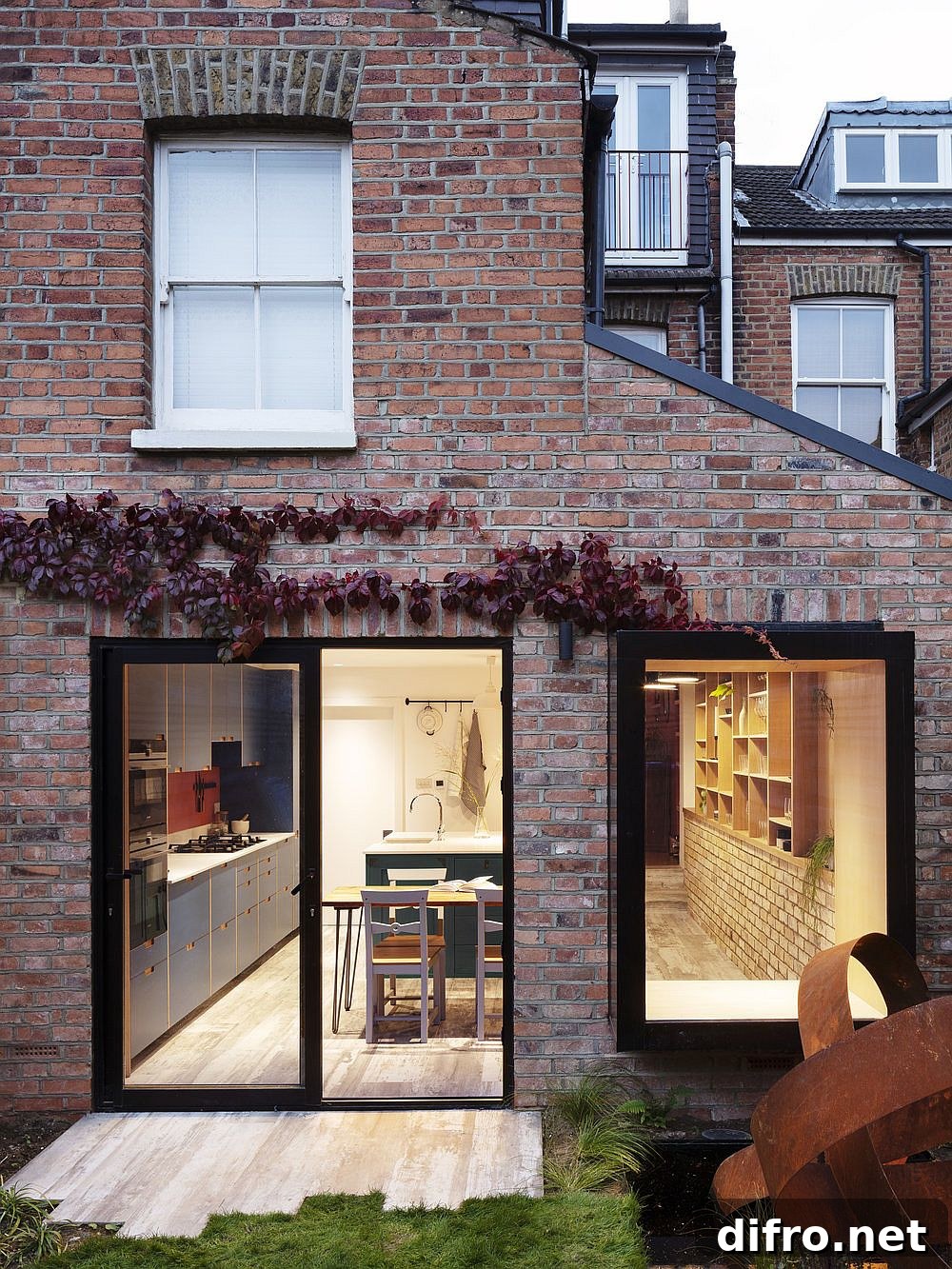
Small details make a big difference. A window seat integrated into the glazing run creates a cozy nook with a view of the garden—ideal for reading, relaxing or watching children play outside. Built-in benches and hidden storage maximize floor space and keep the extension uncluttered. These practical touches enhance daily comfort and deliver the thoughtful, human-centered design that homeowners appreciate.
Balancing Classic and Contemporary
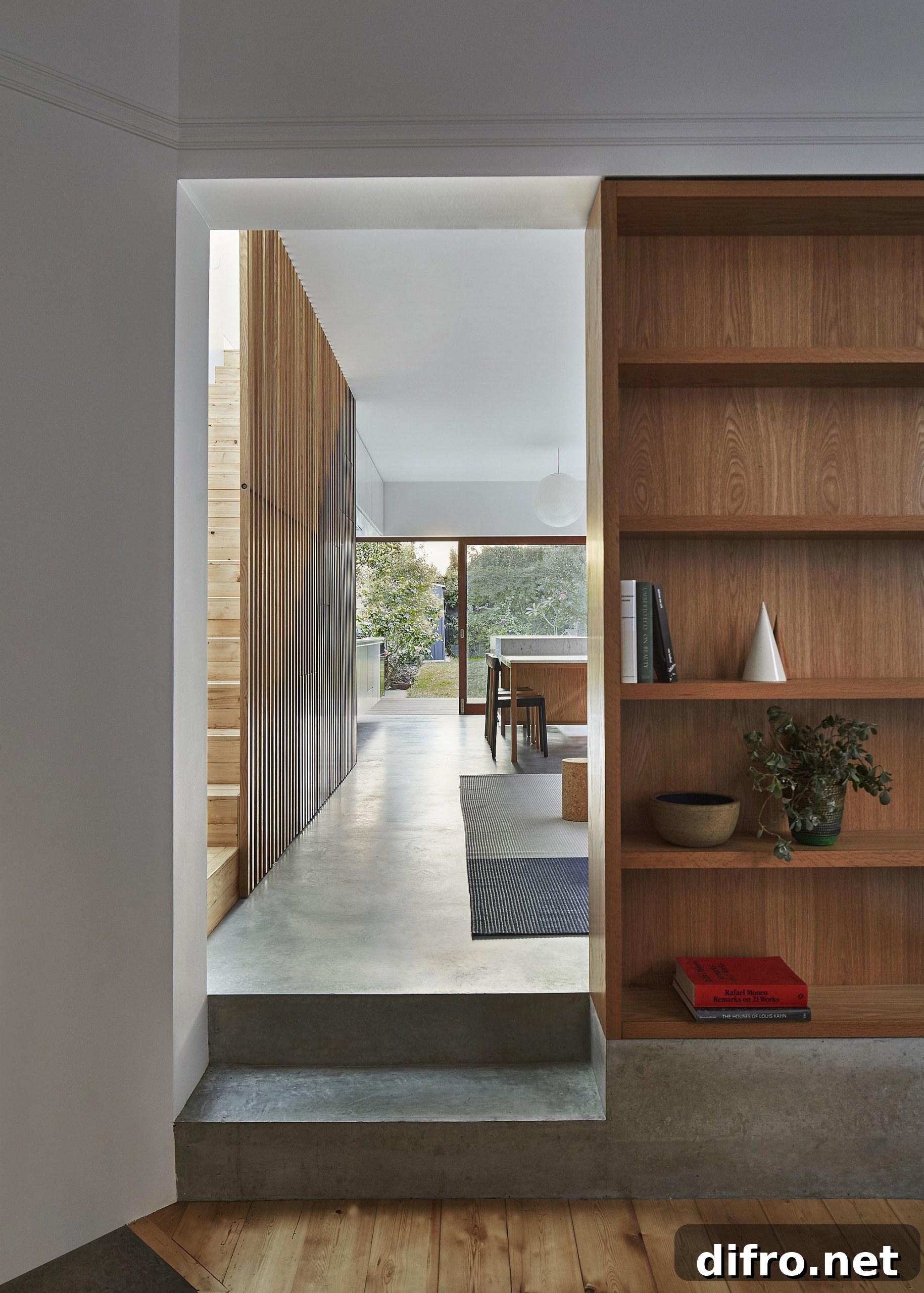
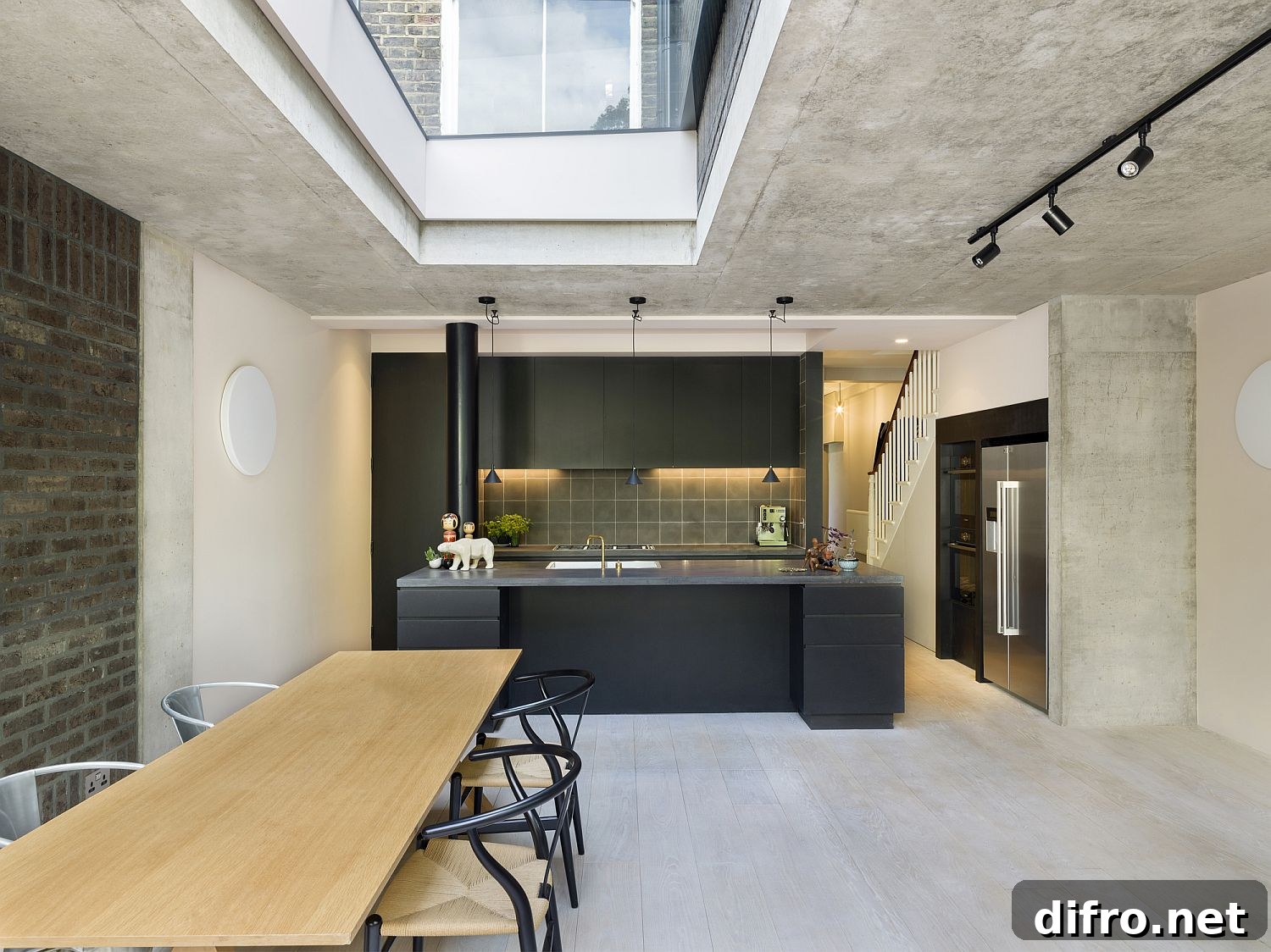
Successful rear extensions balance traditional materials like brick and timber with contemporary elements such as polished finishes, glass and concrete. The transition between old and new should feel seamless rather than jarring. How bold or subtle that balance is will depend on the original home, the site, and personal taste. Thoughtful material choices and careful detailing create a harmonious interior that celebrates both heritage and modern living.
Create New Space and Function
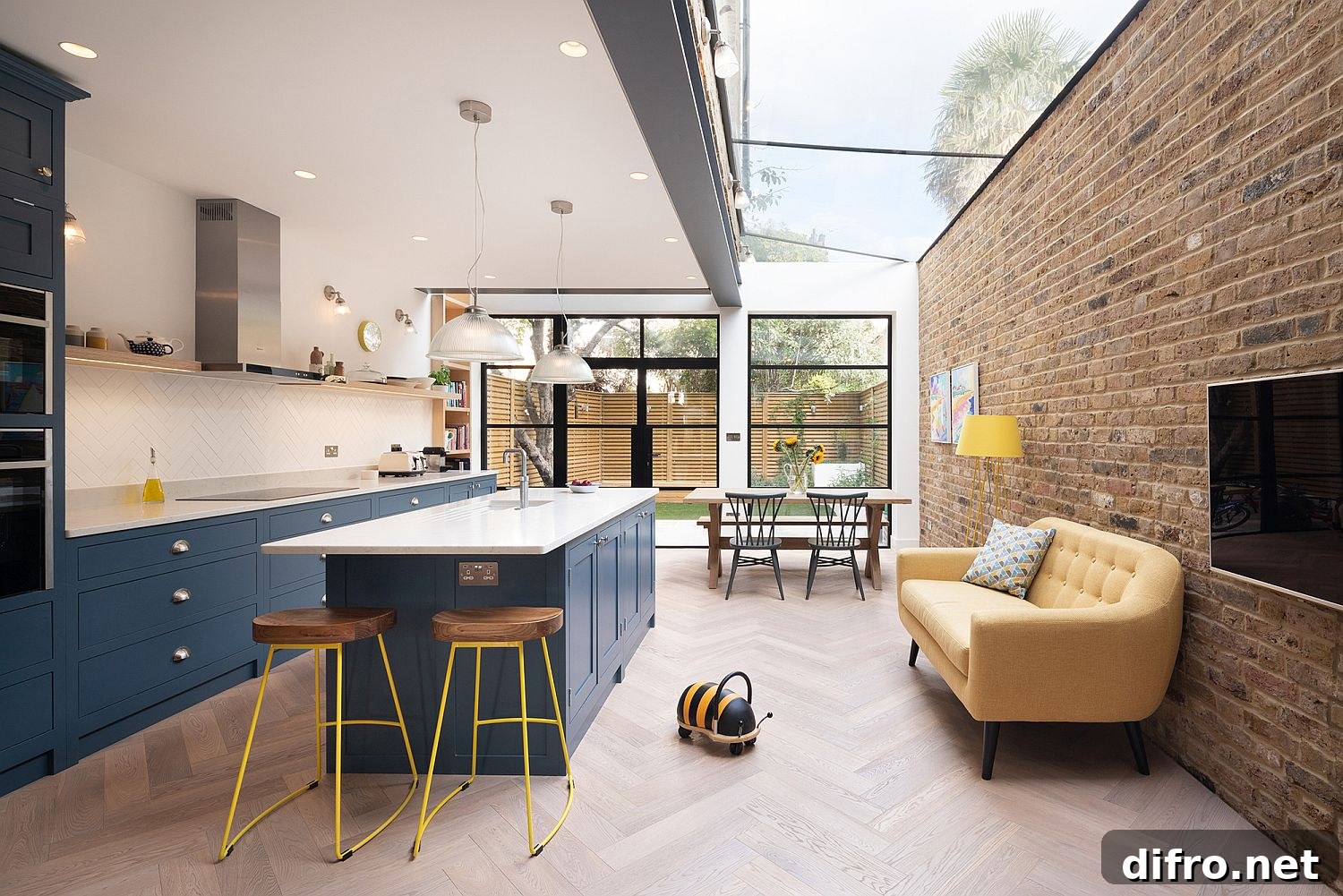
Most rear extensions add a social kitchen and dining area that open onto the garden, together with a flexible living space that suits everyday family life. These plans create an inviting hub for cooking, dining and relaxing while making efficient use of resources. Older rooms in the original house can be repurposed as bedrooms or studies, and where budget allows a first-floor addition can accommodate a primary bedroom, home office or studio. The goal is to tailor the layout to your family’s needs while improving light, flow and connections to the outdoors.
Thoughtful detailing, careful material selection and an emphasis on light and connectivity are the hallmarks of successful rear extensions. Whether you aim for a subtle addition that respects a heritage façade or a bold contemporary volume that celebrates the garden, a well-designed rear extension can breathe new life into an older house and deliver the flexible, beautiful spaces modern families need.