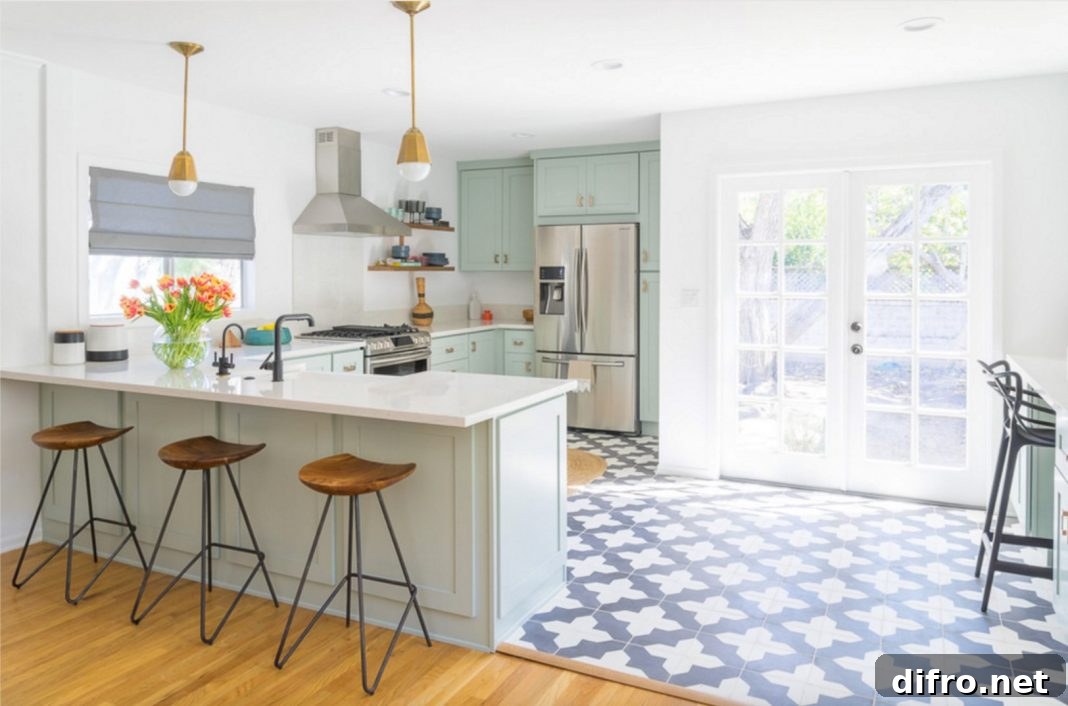
Wood floors remain a popular choice for kitchens, but tile offers unmatched durability and design flexibility. From cement and hexagonal tiles to bold geometric patterns, today’s kitchen floor tiles can transform a room. Whether you’re renovating or looking for budget-friendly updates, there are options to suit every taste. Below we highlight current trends in kitchen floor tiles and practical DIY alternatives to refresh existing floors.
Eye-Catching Patterns
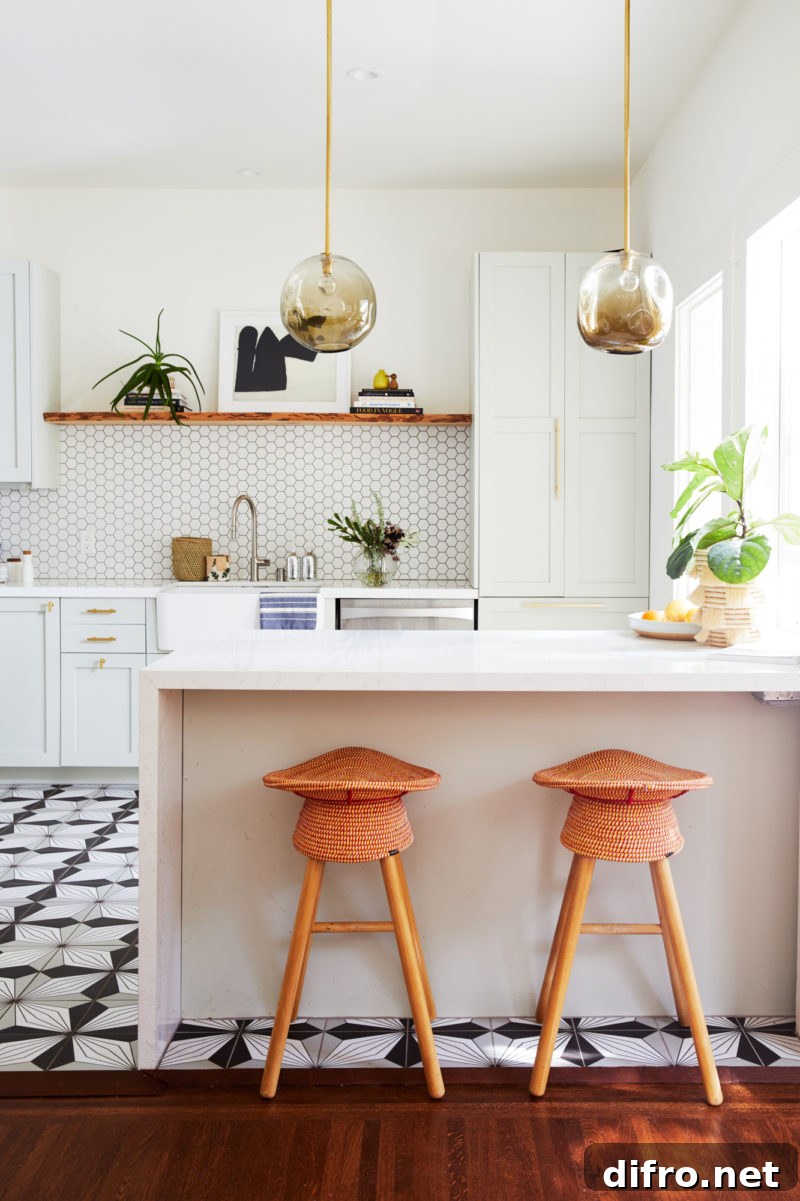
Patterned tile is ideal for kitchens because it adds personality and a visual focal point. Whether you prefer the cozy vibe of a café or a sleek contemporary look, patterned tiles deliver. Designers and homeowners increasingly choose black-and-white palettes and strong geometric motifs to make a statement. Cement tile—also called hydraulic tile—remains a favorite for its depth of pattern and tactile appeal, though it does require periodic sealing to protect against stains.
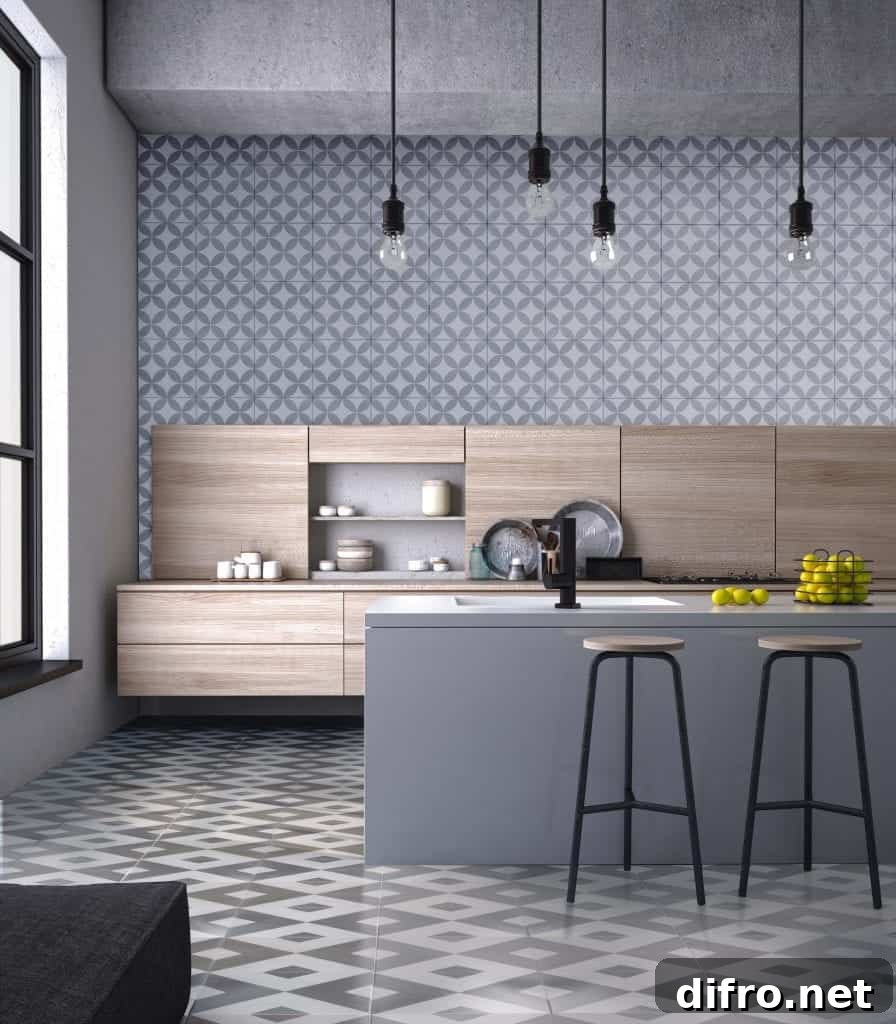
Geometric patterns can combine circles, rectangles and diamonds for an eye-catching floor that anchors the kitchen. Cement tiles develop a patina and subtle signs of wear over time, which many homeowners appreciate as added character. For those who want the cement look with less maintenance, porcelain options mimic the texture and tone while offering easier care.
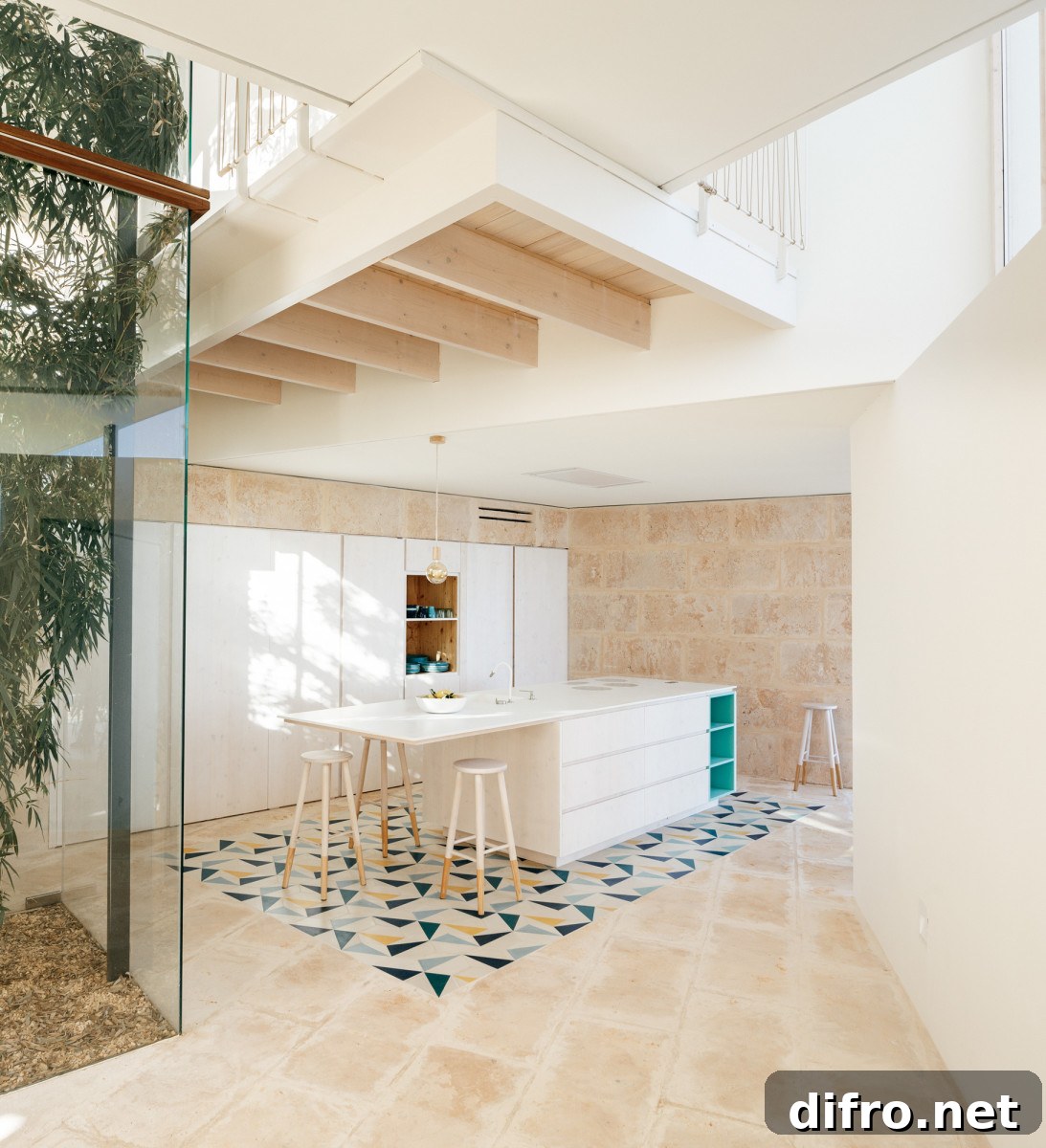
Vivid color is another trend in cement and hydraulic tiles: designers sometimes use tile like a rug, zoning an area of the kitchen with vibrant color and pattern. These bold floor treatments act as functional artwork and instantly lift a neutral space.
Fabulous Forms
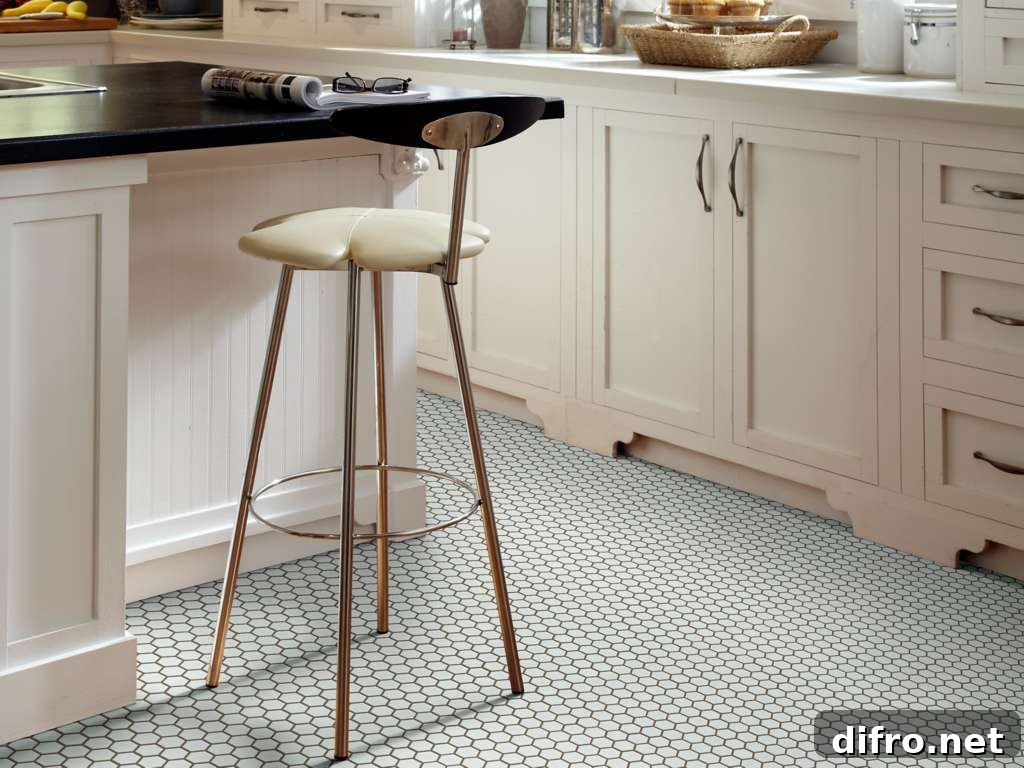
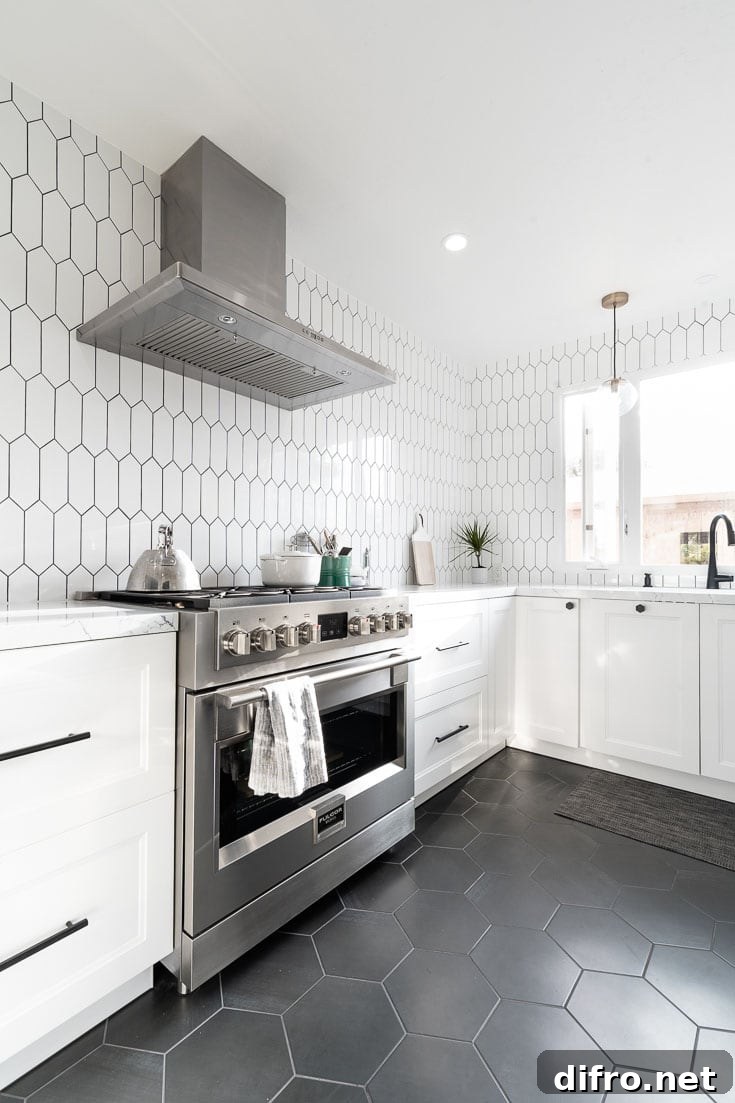
Beyond traditional squares and rectangles, unconventional tile shapes are gaining traction. Hexagons are a popular choice for a modern yet timeless look and can be used to create continuous fields or inset patterns. Other creative forms—H-shaped tiles, chevrons, and elongated rectangles placed in herringbone—add movement and texture to the floor.
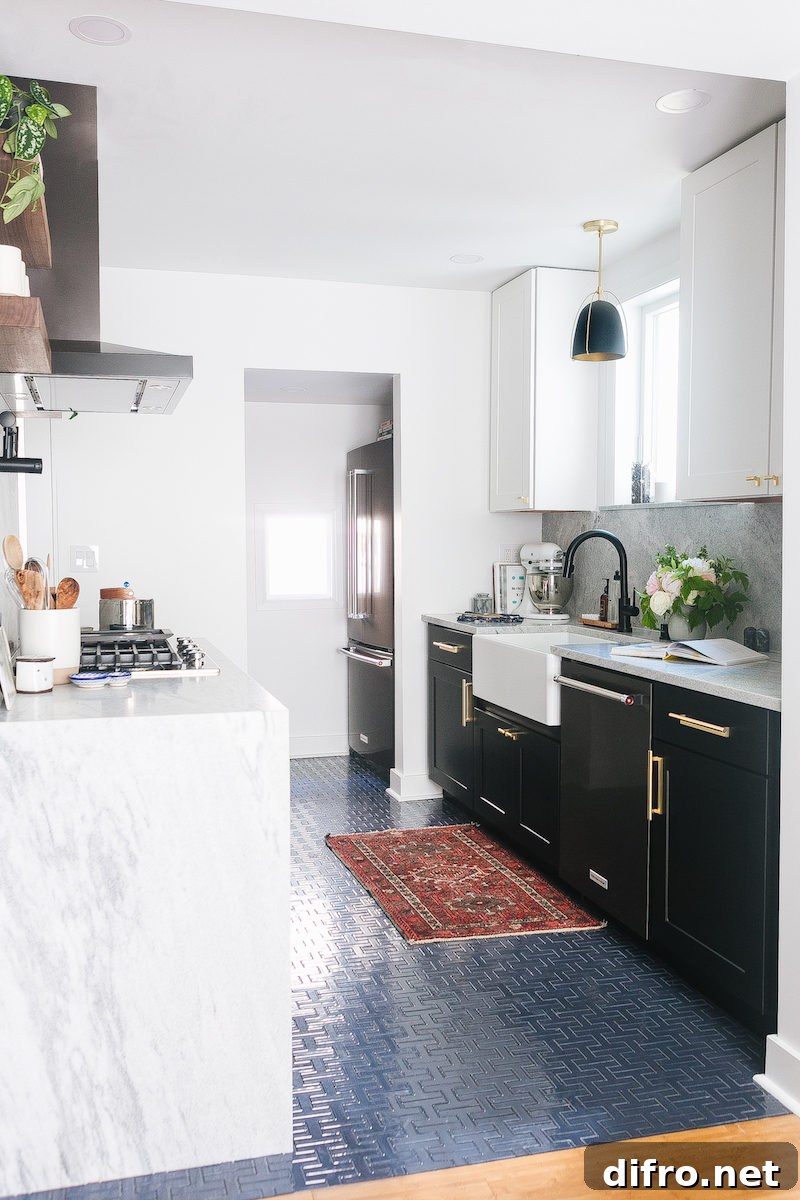
Choosing a distinctive tile shape can be a personal statement or even a tribute—tiles can carry meaning while also defining the room’s aesthetic. For those who love the look of cement but want lower upkeep, cement-look porcelain tiles deliver similar texture and matte finishes without the same maintenance demands.
DIY Solutions for Existing Floors
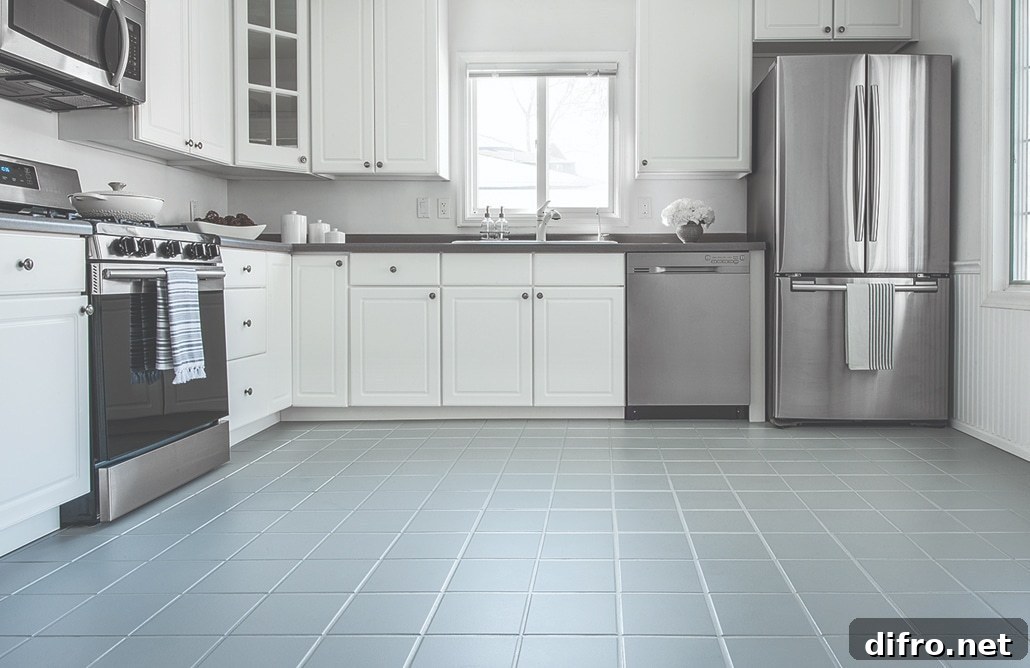
If replacing your floor isn’t an option, DIY updates can refresh ceramic or porcelain tile without a full renovation. One of the most effective and affordable methods is to paint over existing ceramic floor tiles using products designed for floors. Proper surface prep, a quality primer, durable paint, and protective topcoats are essential. Painted tile will show wear over time, especially in high-traffic zones, so consider this a stylish short- to medium-term solution.
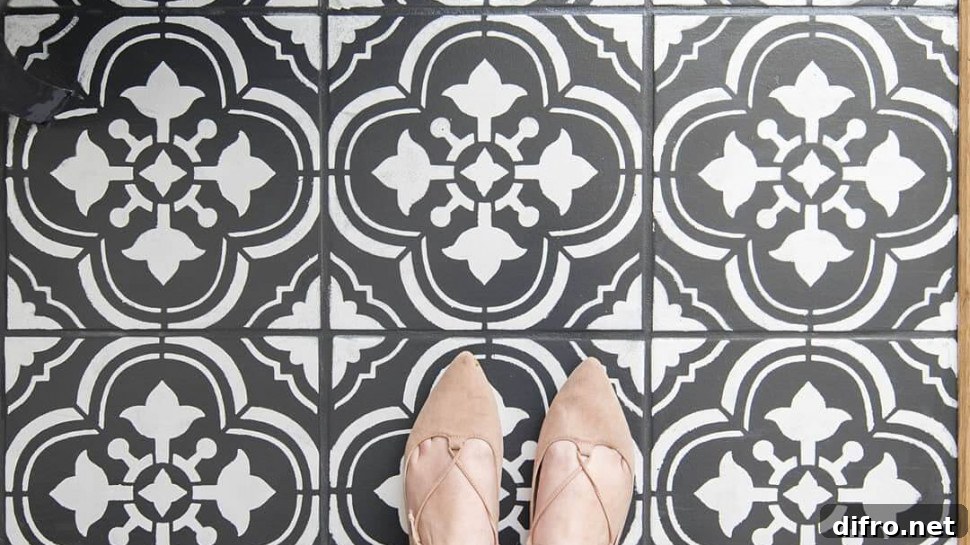
Full-floor painting projects that use floor-grade paints and multiple top coats can last longer than simple stenciled designs. Changing the floor color or adding a geometric stencil immediately modernizes a kitchen and buys time while you save for a permanent upgrade.
Whether you prefer a vivid patterned cement tile, a subtle herringbone in neutral shades, or a cost-effective painted refresh, today’s kitchen flooring trends offer endless possibilities. Trend-forward colors, bold shapes, and creative arrangements help kitchen floors become a defining design element. Consider maintenance needs and traffic patterns when choosing materials, and don’t be afraid to experiment with pattern or form to give your kitchen a fresh, personal touch. Happy decorating!