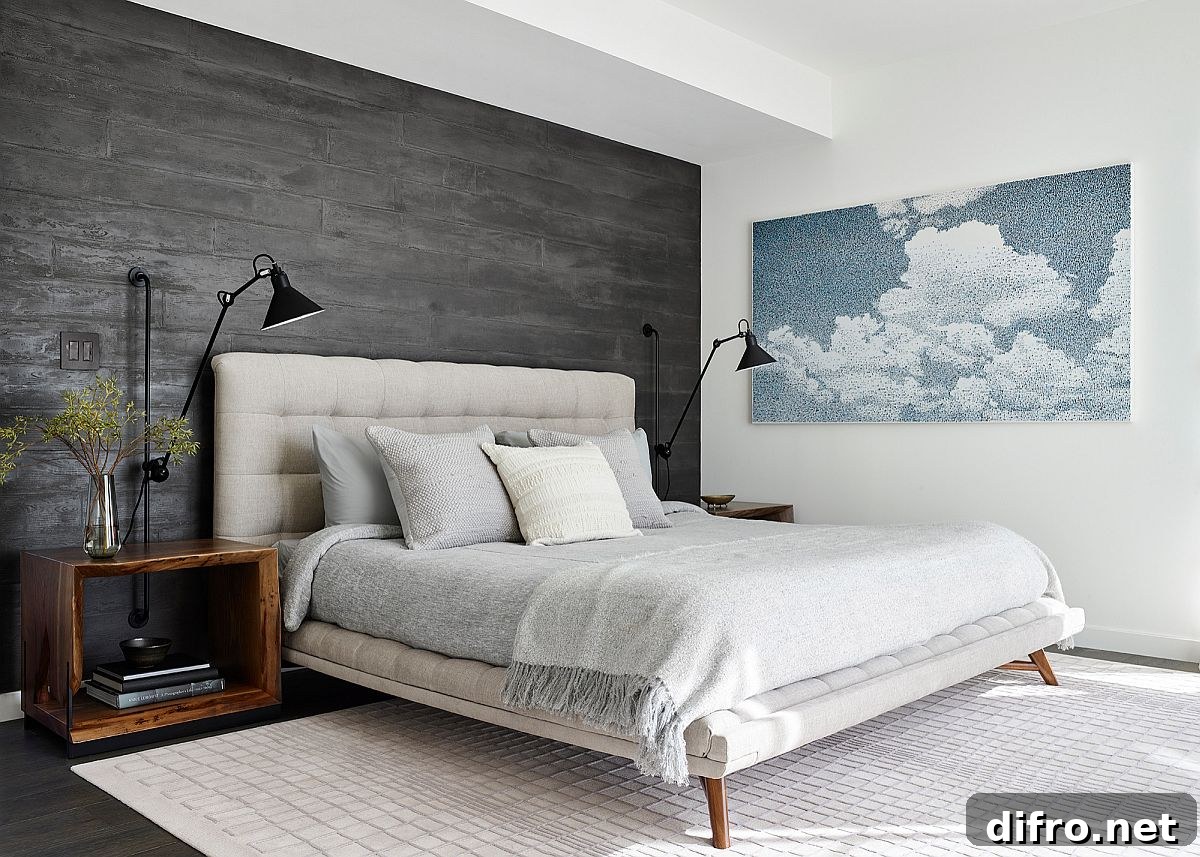
Gray has risen to prominence as the leading neutral in recent years. Whereas the 1990s favored beige and cream, today’s interiors increasingly favor a range of grays — from soft, whisper-light tones to deep charcoal. Gray no longer simply recedes into the background; when used thoughtfully it can brighten a room dressed in whites and creams or become a bold accent that defines a bedroom’s character.
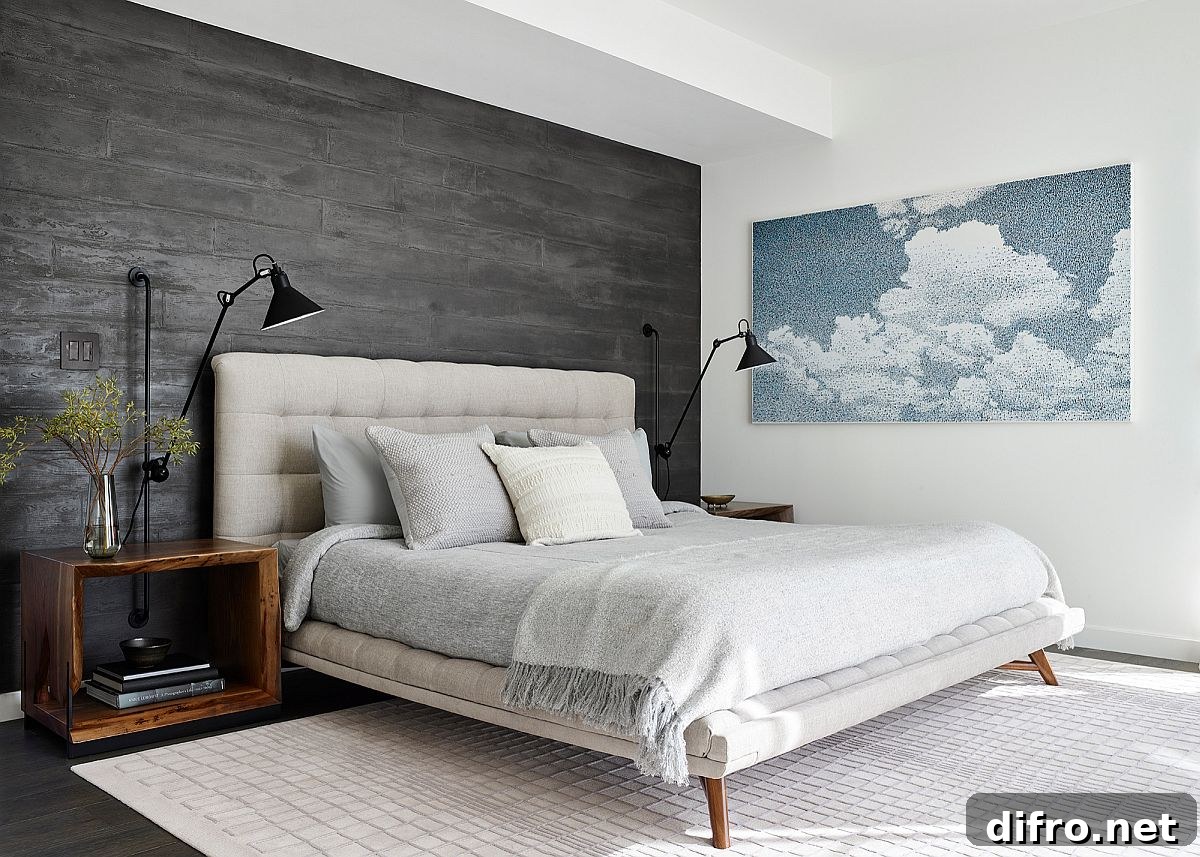
For homeowners who prefer a pale backdrop — white, cream or light beige — gray is an exceptionally flexible accent. It suits contemporary, modern and Scandinavian bedrooms particularly well, where it lends a sophisticated, calm presence. Whether used as a headboard wall that anchors the room or as an accent gallery wall that introduces pattern and depth, gray consistently delivers a refined visual statement.
Color Along with Texture
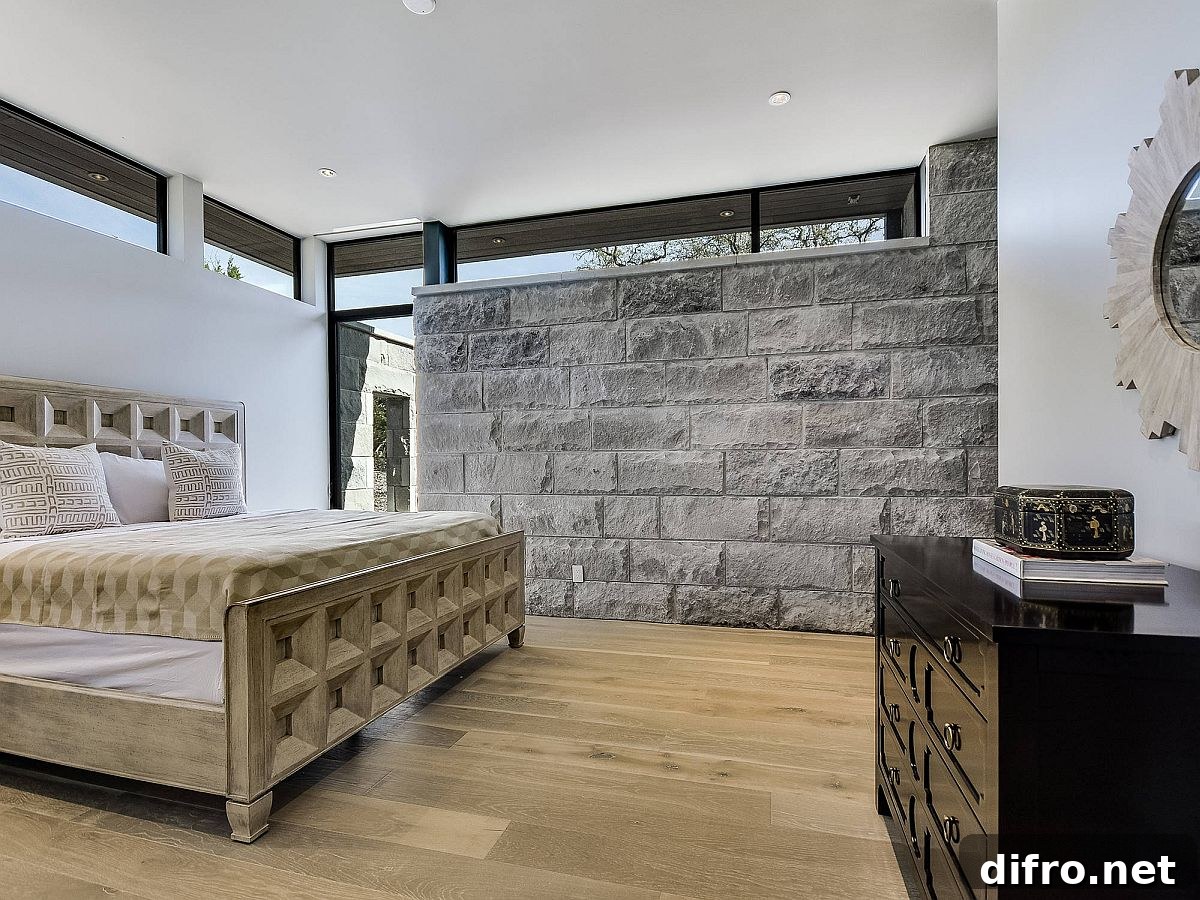
An accent wall that contributes texture as well as color can transform a bedroom from predictable to memorable. Textured solutions such as grasscloth wall coverings, plaster finishes, stone cladding, concrete or even cement-style treatments add layered interest without sacrificing a neutral palette. Positioning this textured gray wall behind the headboard provides symmetry and focus, and makes the bedroom feel intentionally designed rather than merely painted.

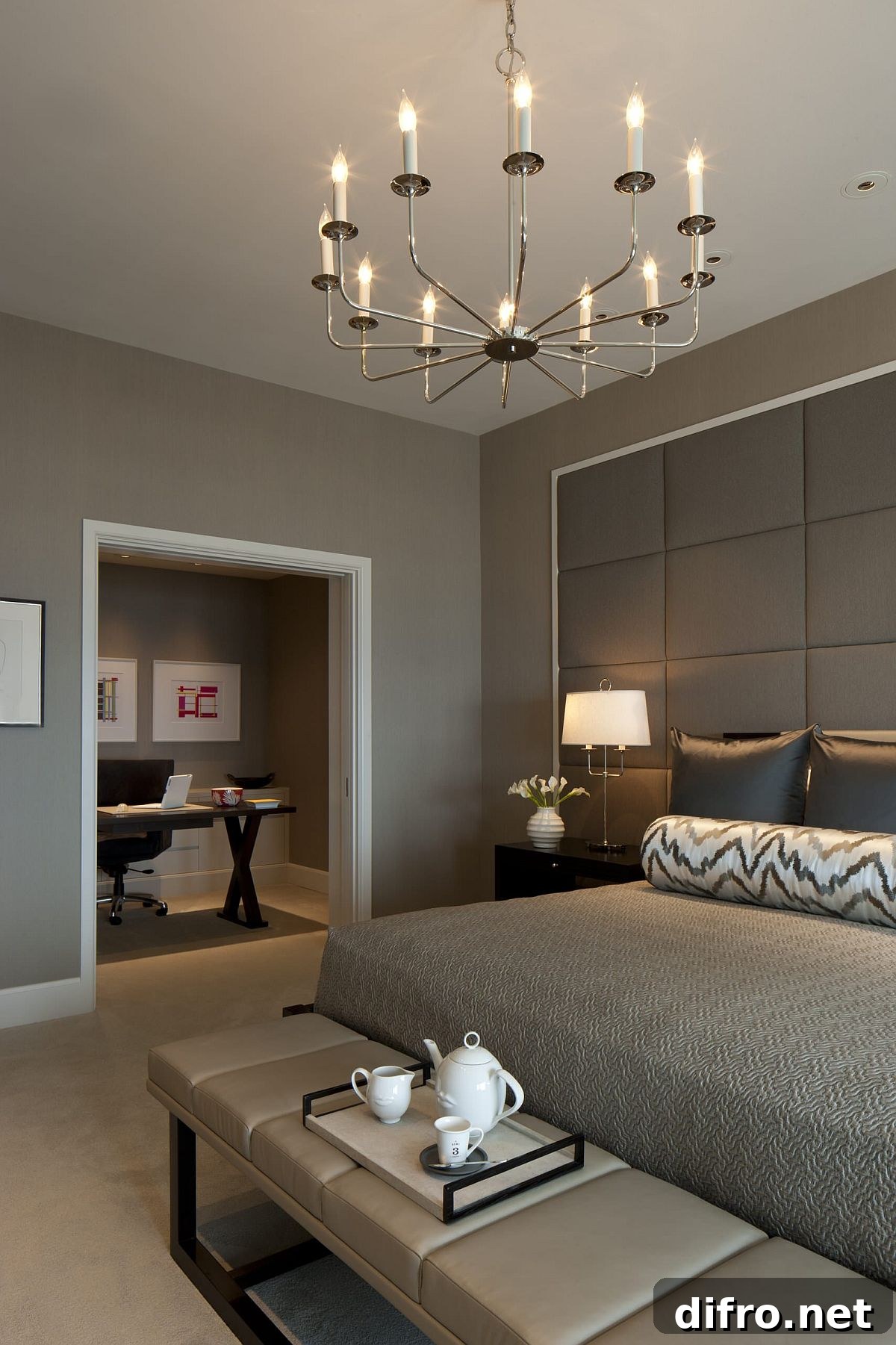
From Neutral to Accent Hue
Whether gray reads as a neutral backdrop or a distinct accent depends largely on how and where it’s used, not only on its exact tint. Deeper shades — charcoal, iron and shadow — make strong accent walls and create dramatic focal points. Bluish grays introduce a cooler, softer effect that can read less overtly gray while still providing contrast and depth. Proper lighting is essential: combine natural light with well-placed task or accent fixtures to keep a gray wall feeling airy and inviting rather than heavy.
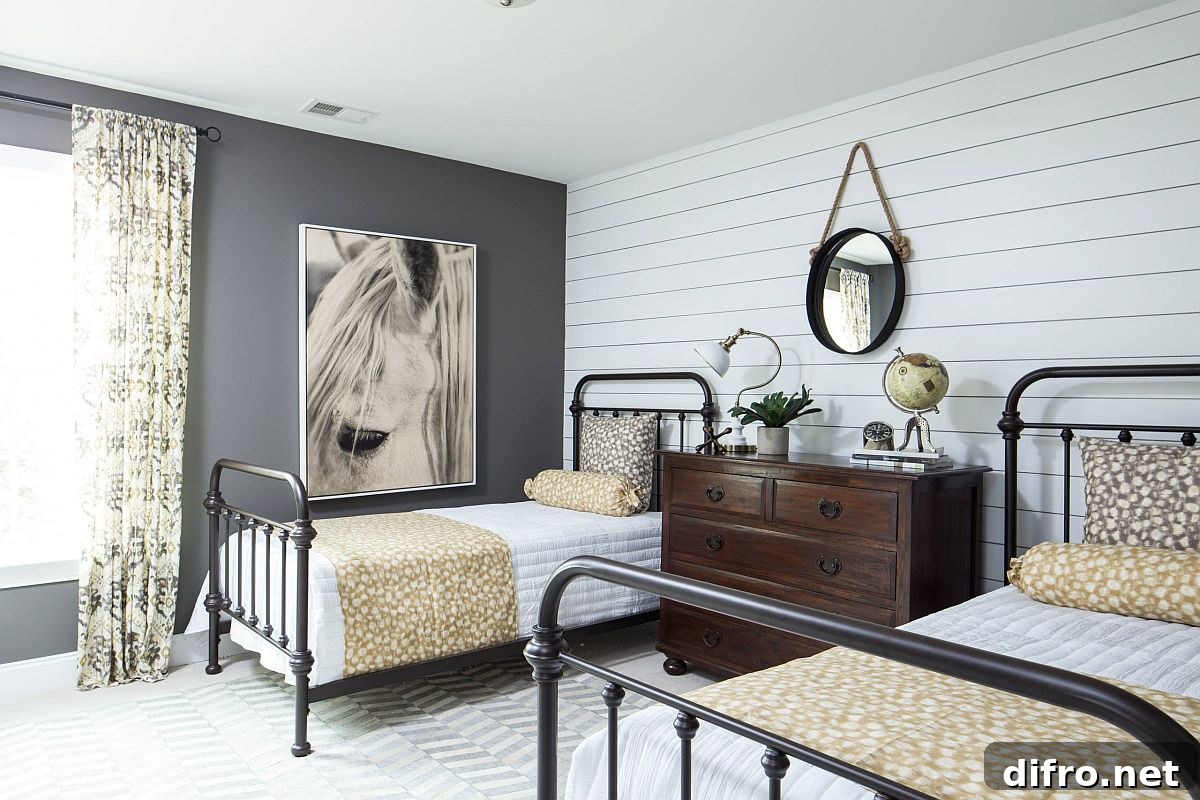
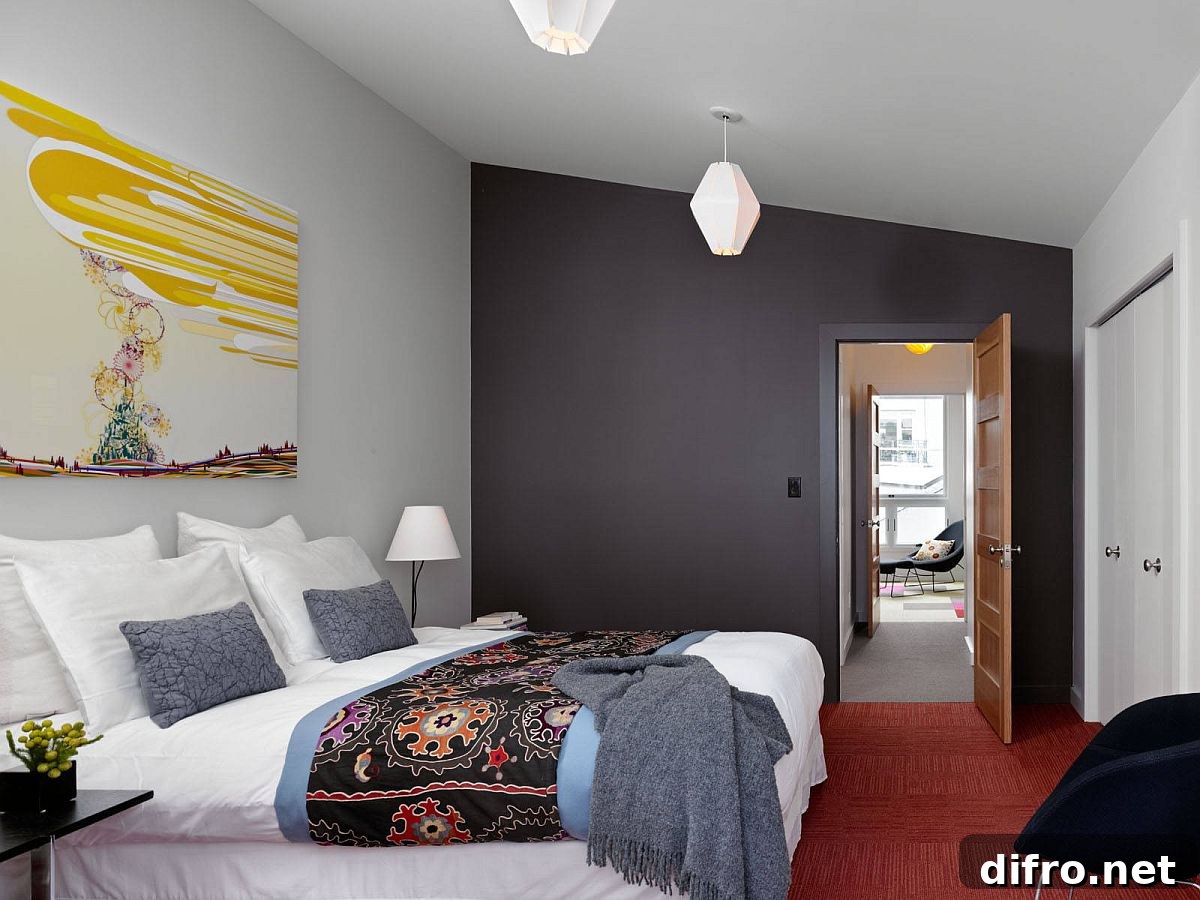
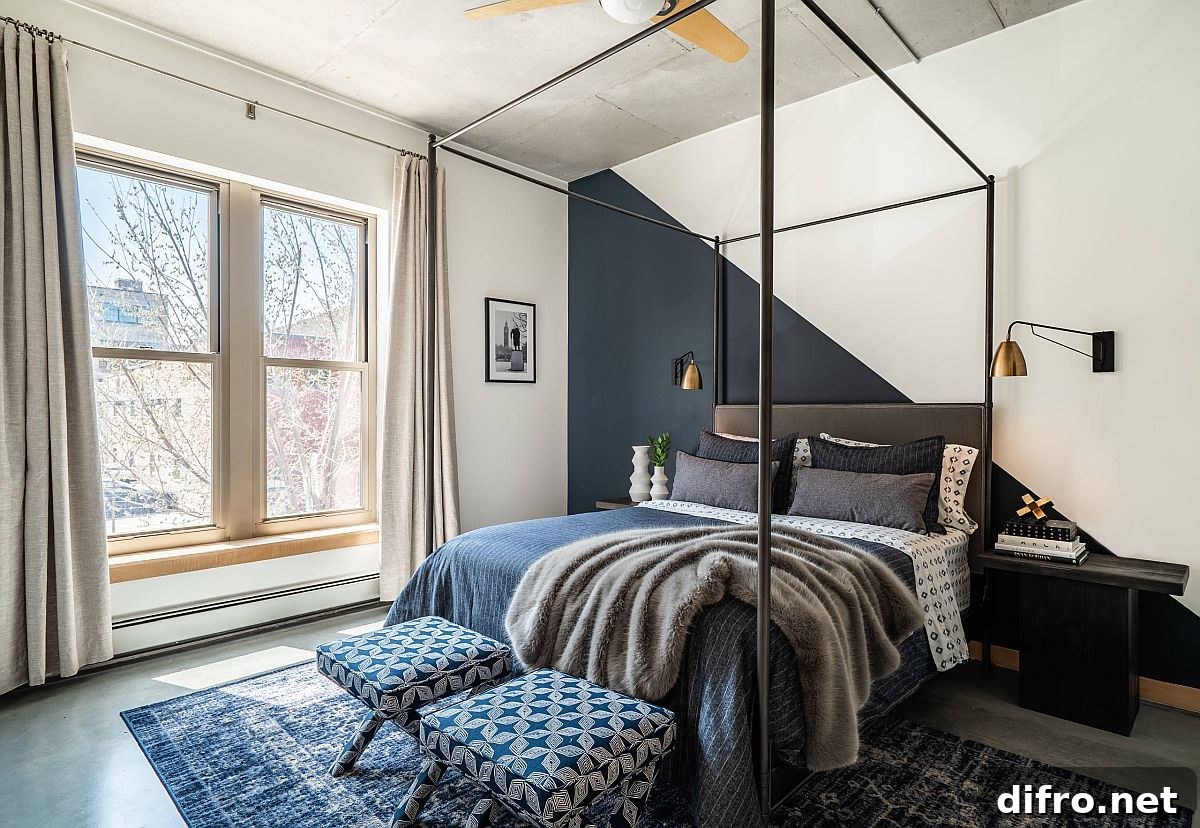
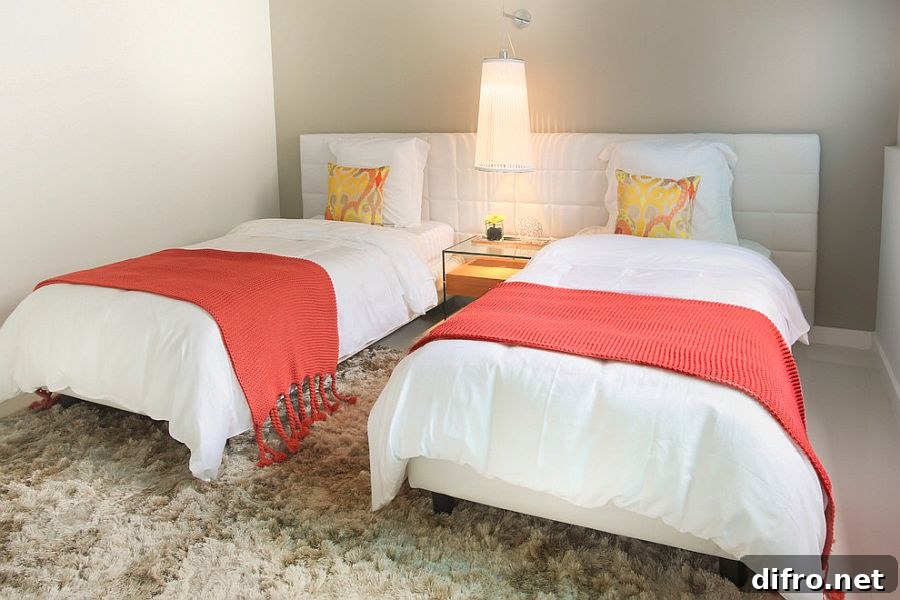
Many Shades of Gray
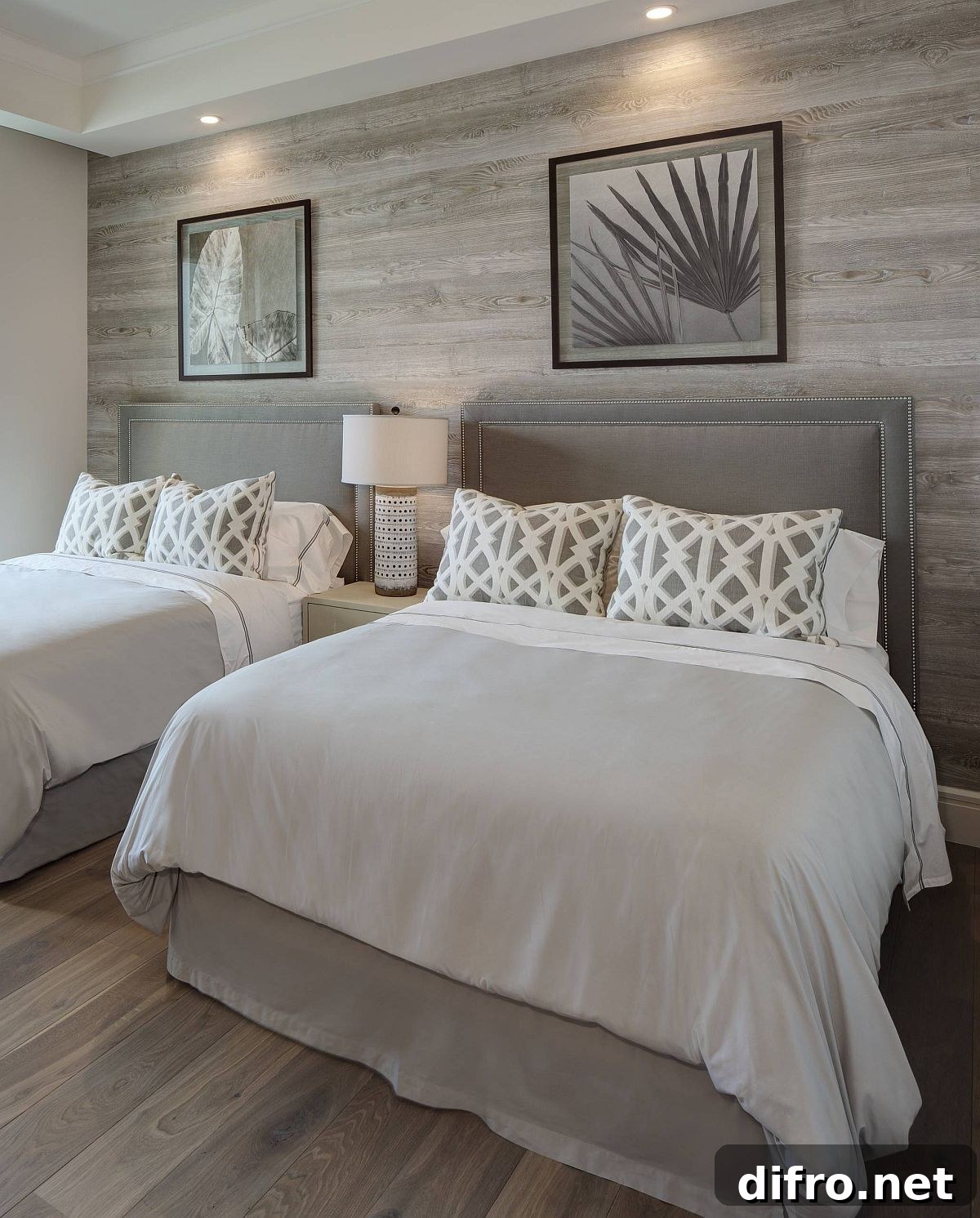
A successful tone-on-tone scheme balances multiple grays across walls, textiles and finishes. Making the accent wall a darker gray than the surrounding walls creates depth, while bedding, draperies and rugs in matching or complementary grays complete a cohesive monochromatic look. This approach is especially popular in contemporary bedrooms that favor restrained color palettes and layered textures.
Gray is forgiving and adaptable: it works as a subtle upgrade to a white bedroom for those hesitant to embrace strong color, yet it also supports bolder stylistic moves later on. Adding even a modest splash of gray — a textured wall behind the bed, a painted headboard wall, or gray textiles — can give a room instant sophistication and versatility without overwhelming the space.

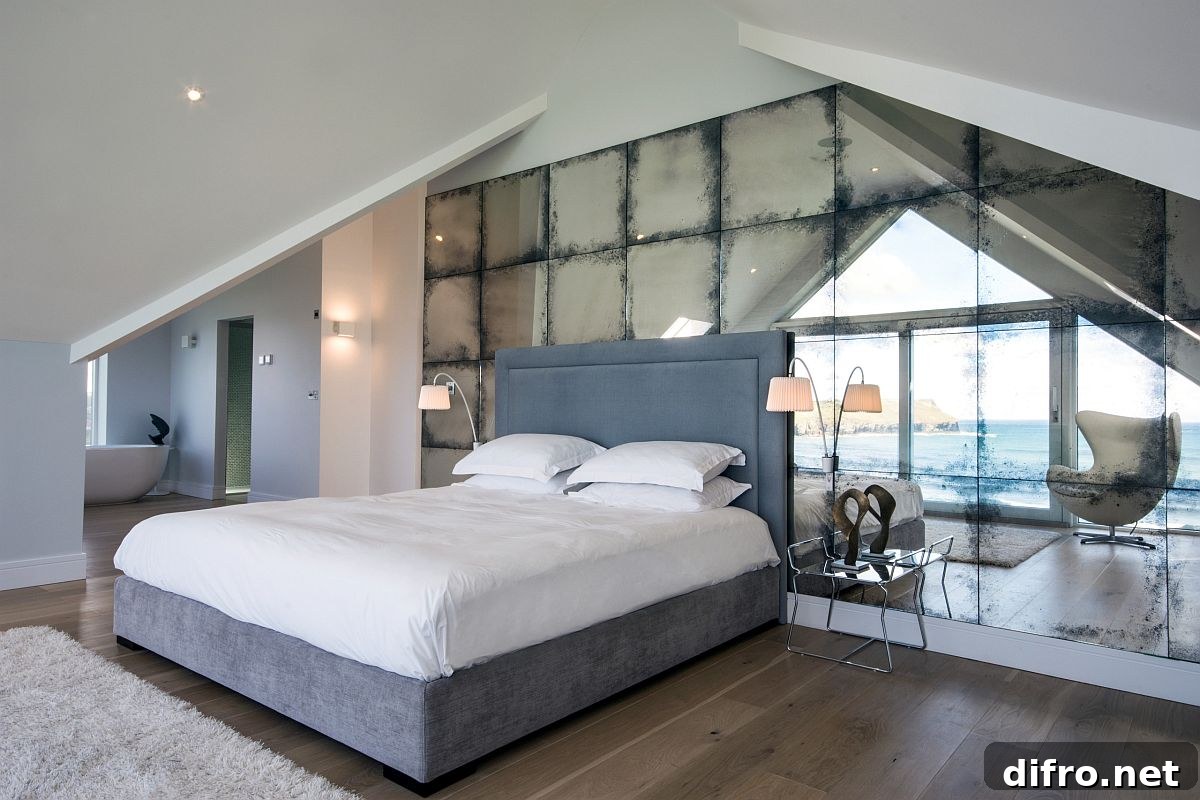
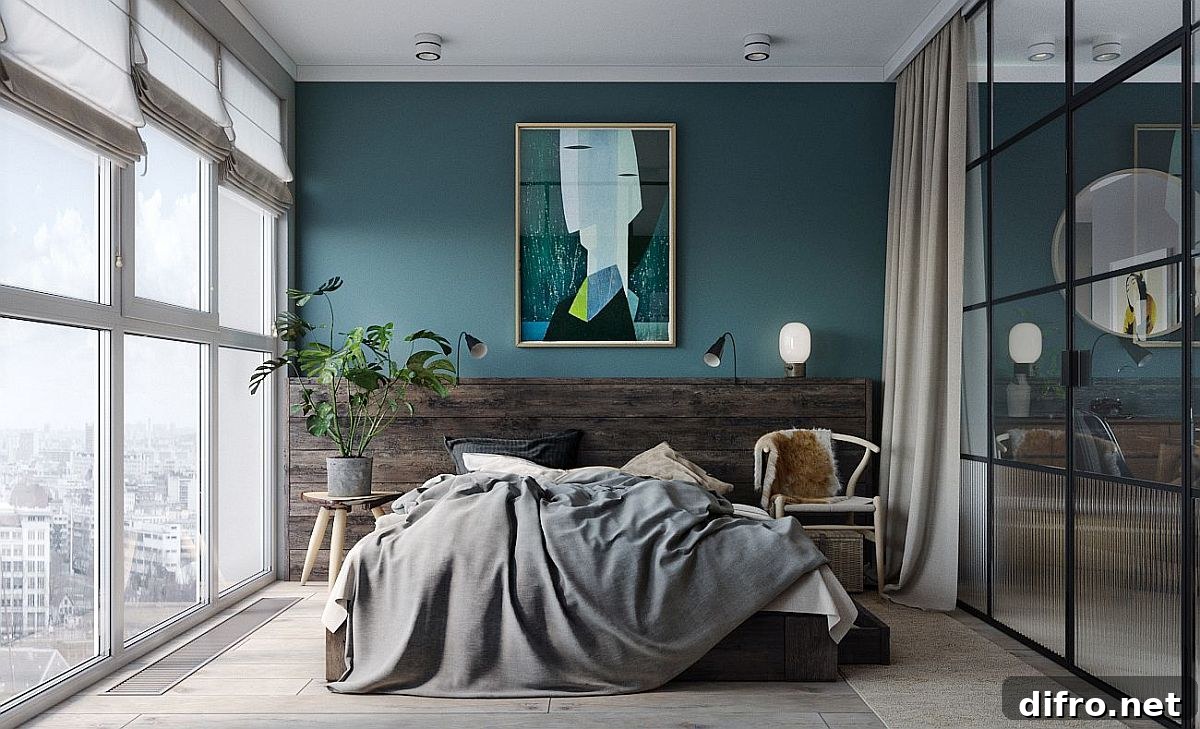
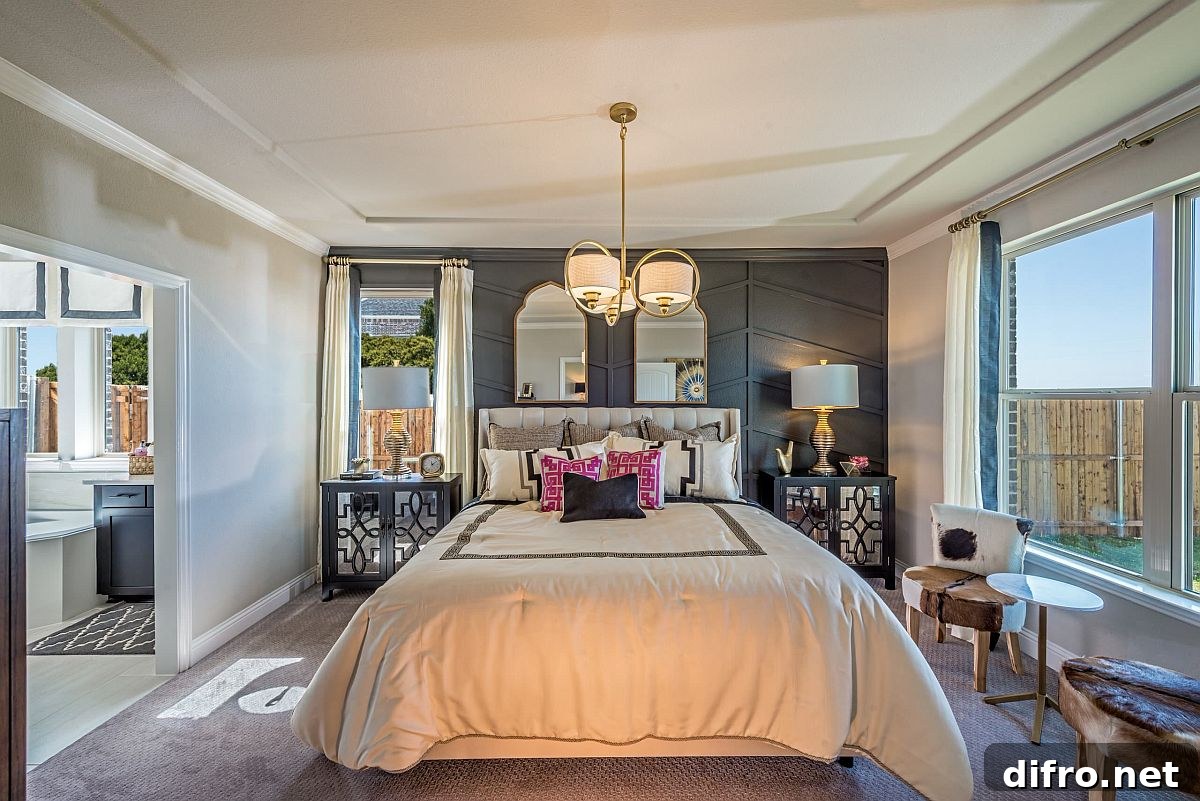
Whether you choose subtle, bluish grays for a soft, coastal feel or deep charcoals for a dramatic, moody bedroom, gray offers a versatile foundation for many design directions. Are you ready to introduce a touch of gray to your bedroom and discover how it can enhance texture, mood and style?