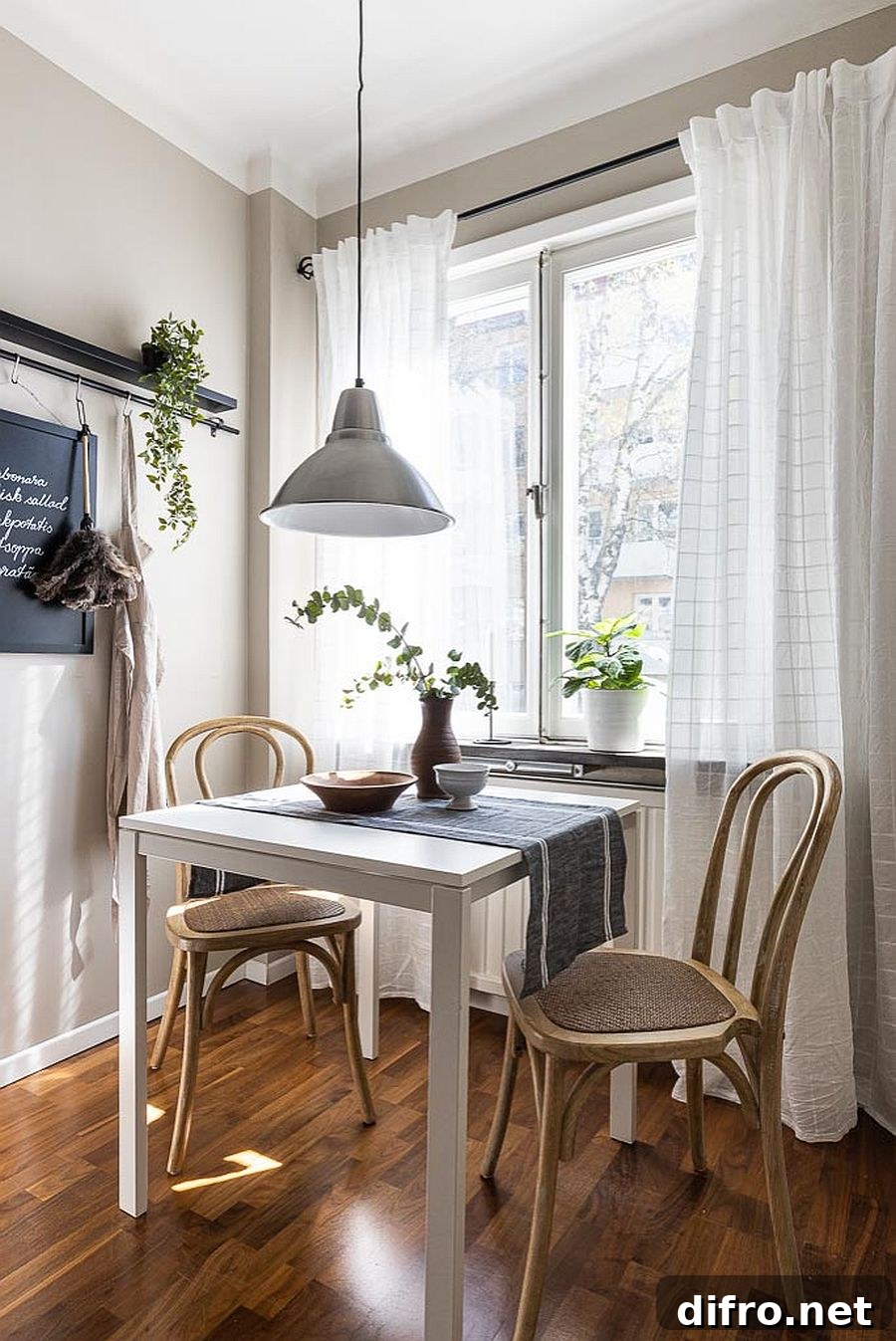
If any room has become somewhat optional in recent decades, it’s the formal dining room. Once a staple in homes worldwide, exclusive dining rooms have largely been replaced by dining areas within open-plan living spaces that sit between the kitchen and the lounge. Sometimes this change comes from limited square footage; other times homeowners prefer to use the leftover room as a home office, a guest bedroom or a kids’ playroom. The result is that many households now need to make the most of a much smaller dining footprint.
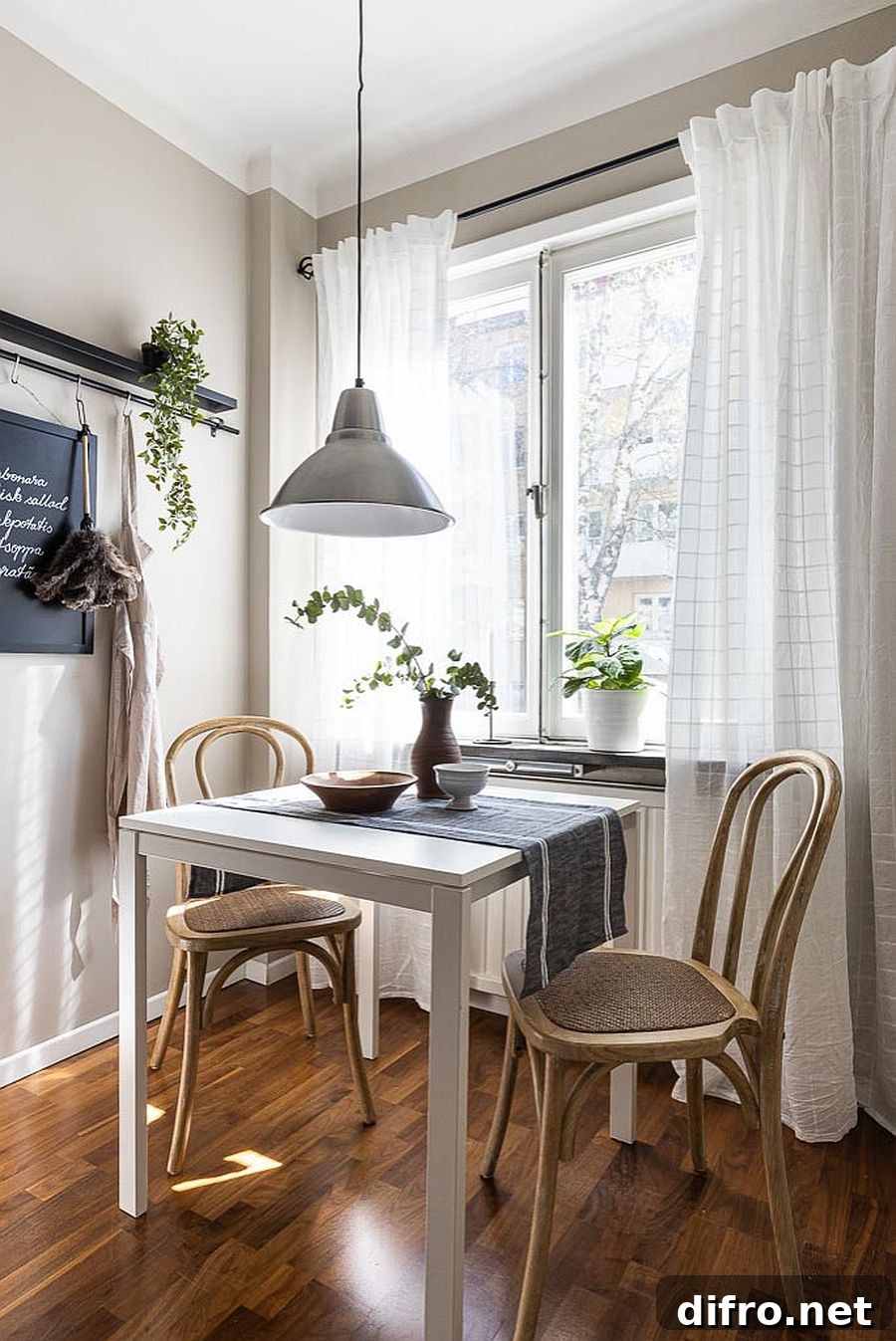
Not everyone needs a grand dining room designed to host a dozen guests. For many households, a compact dining area that seats two or three people is all that’s required day-to-day. Small dining spaces can be highly functional and stylish without taking up much floor area. Below we explore top design approaches and practical tips for creating smart, attractive small dining areas—whether you’re planning a primary eating spot or a secondary nook for casual meals.
Take Refuge in Scandinavian Simplicity
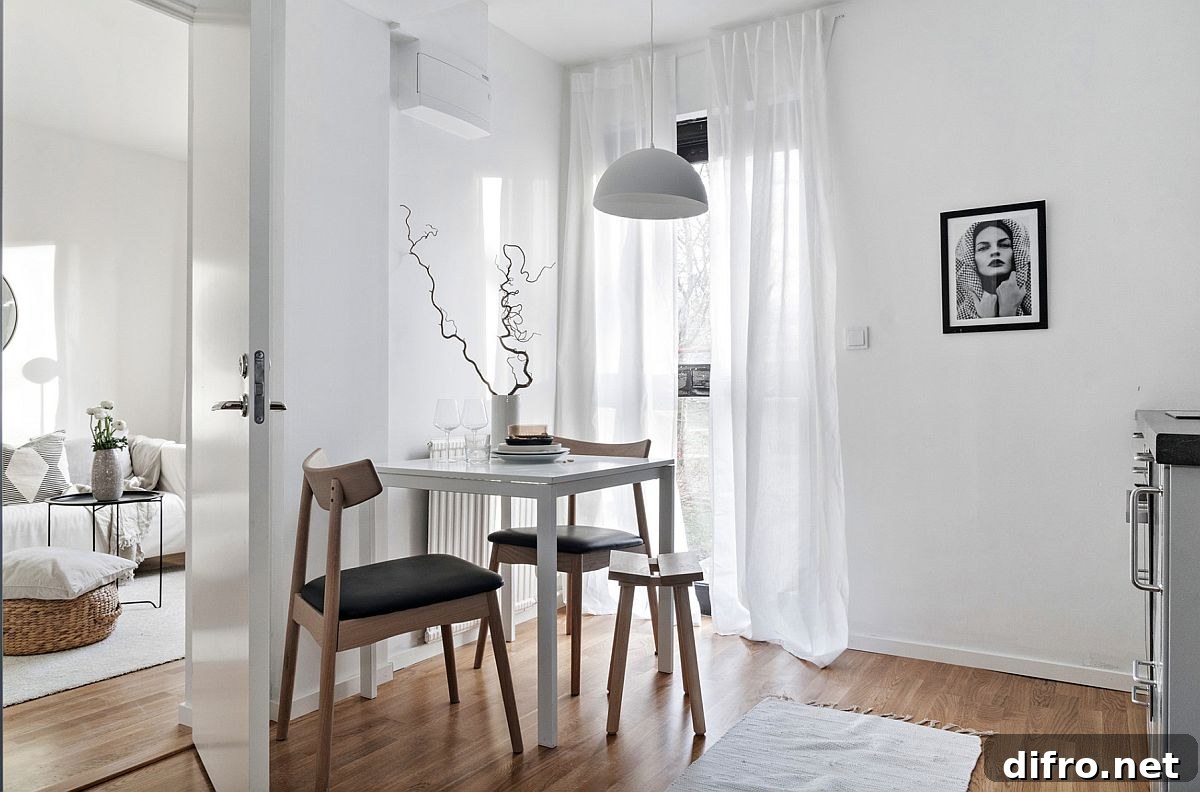
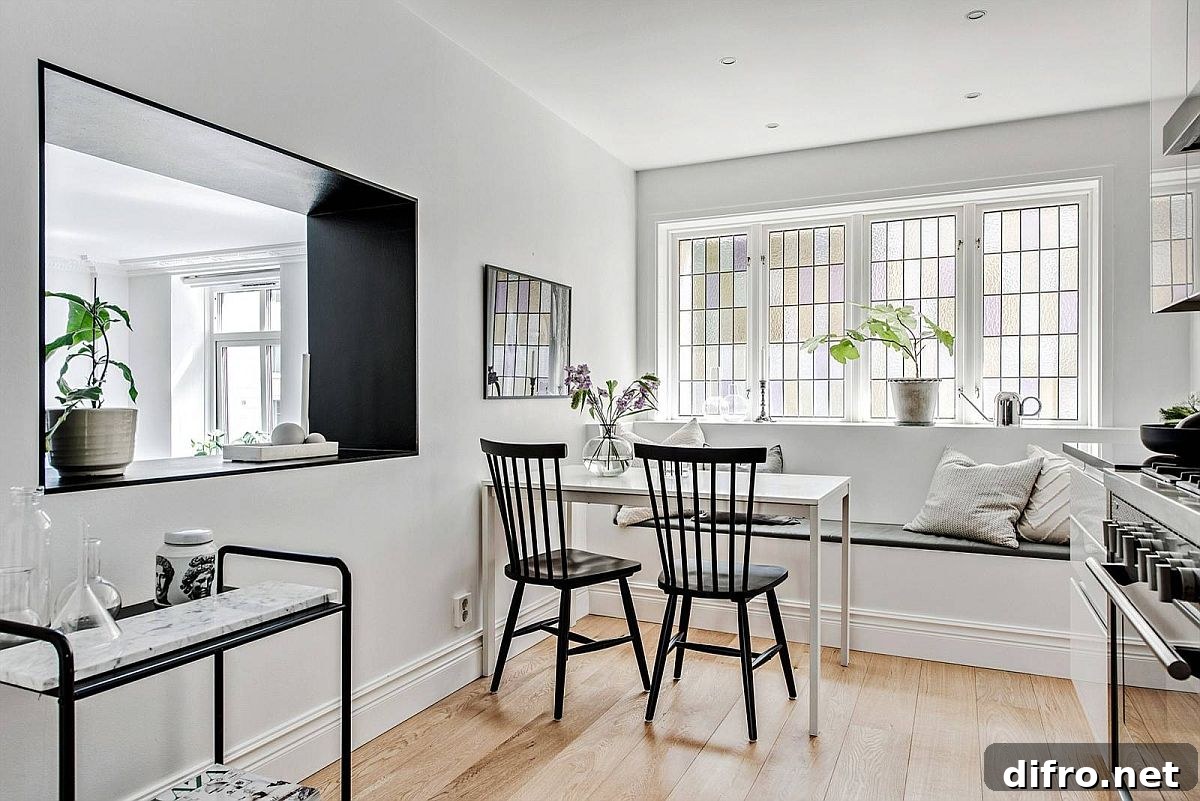
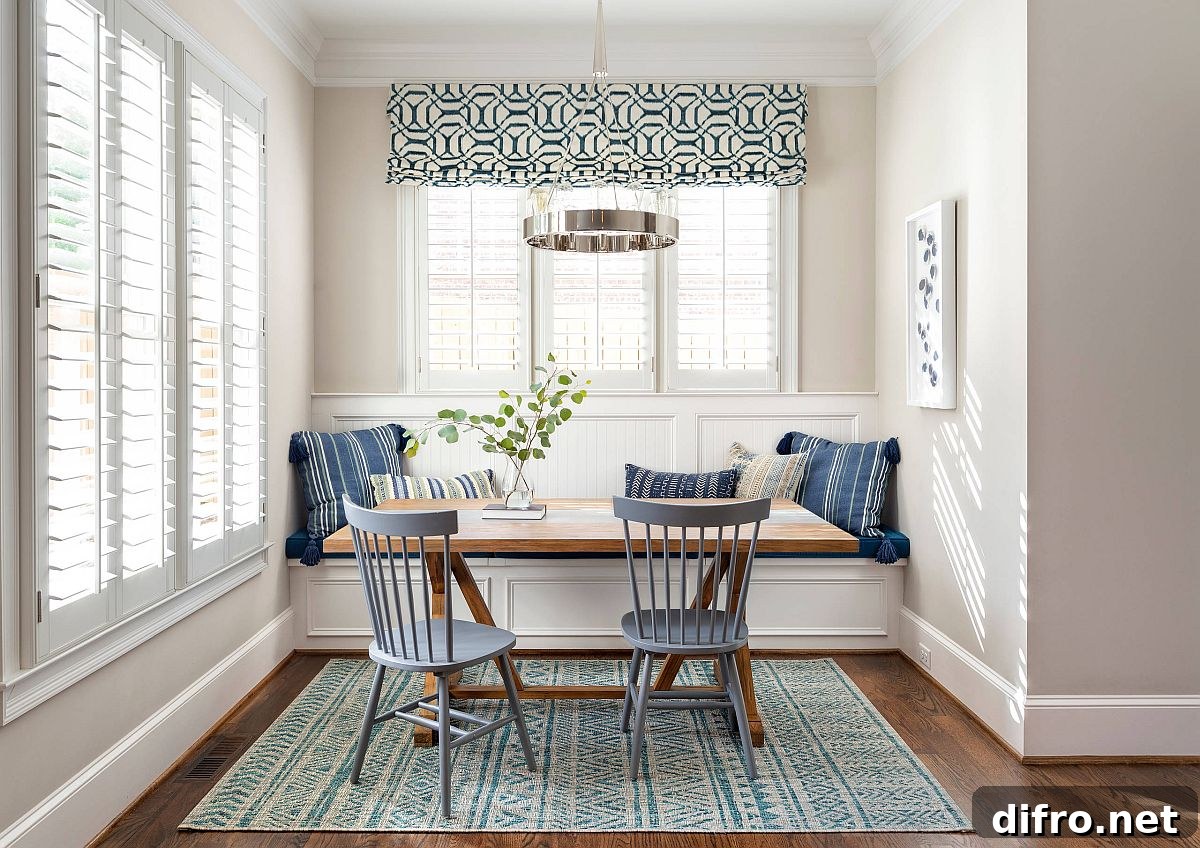
When in doubt, Scandinavian style is a reliable choice for small dining areas. Rooted in simplicity, practicality and a calm palette of neutrals and natural wood tones, Scandinavian design maximizes the feeling of space and light. Large windows or thoughtfully positioned mirrors help amplify natural light, while pared-back furnishings—think slim tables, minimalist chairs and understated pendant lights—keep the layout airy and uncluttered. Consider multifunctional pieces: a narrow banquette with hidden storage, a fold-away tabletop, or a slim console that doubles as extra serving space. These touches preserve circulation while delivering cozy, inviting dining moments.
Concentrate on “Less is More”
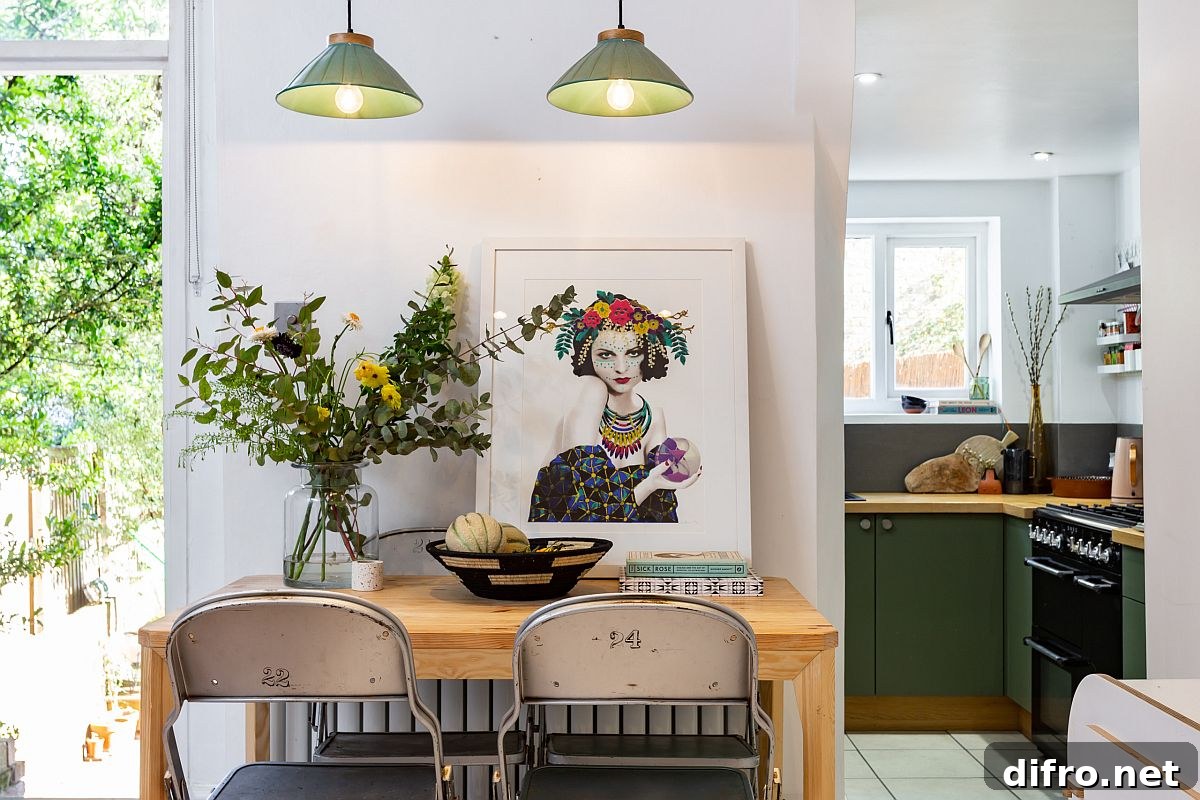
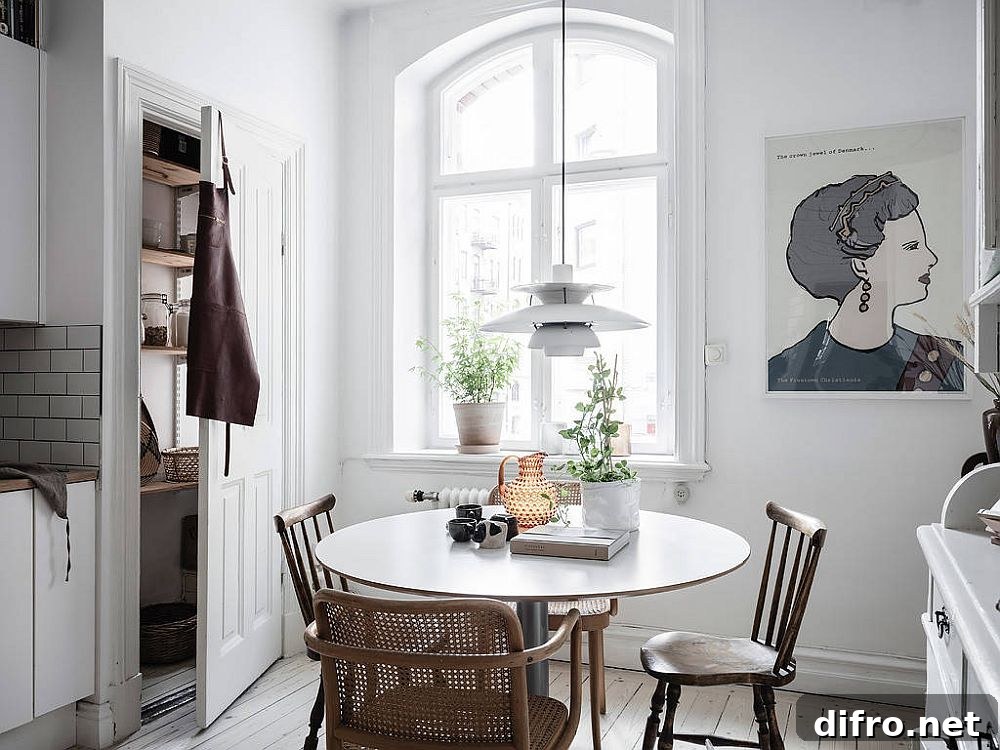
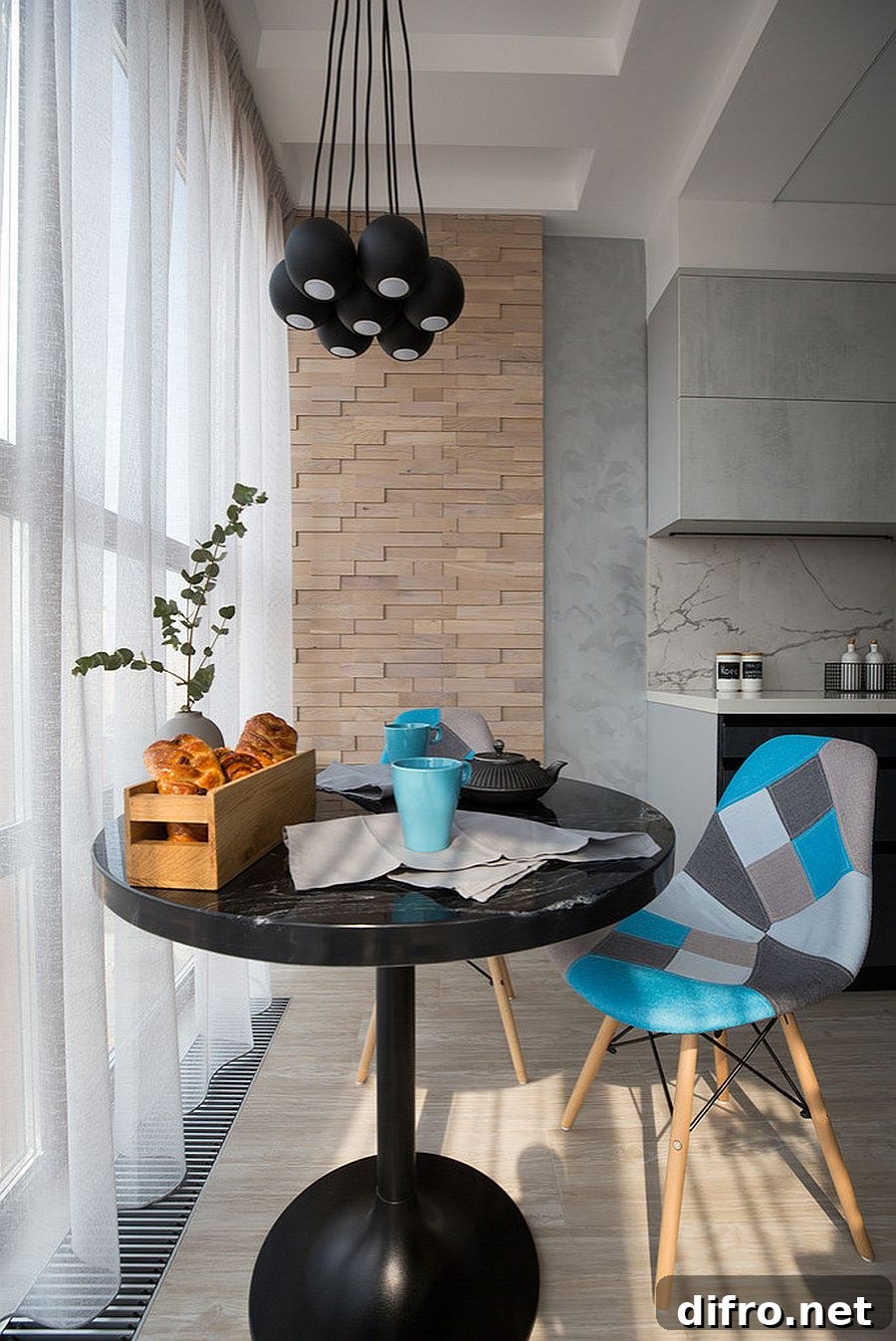
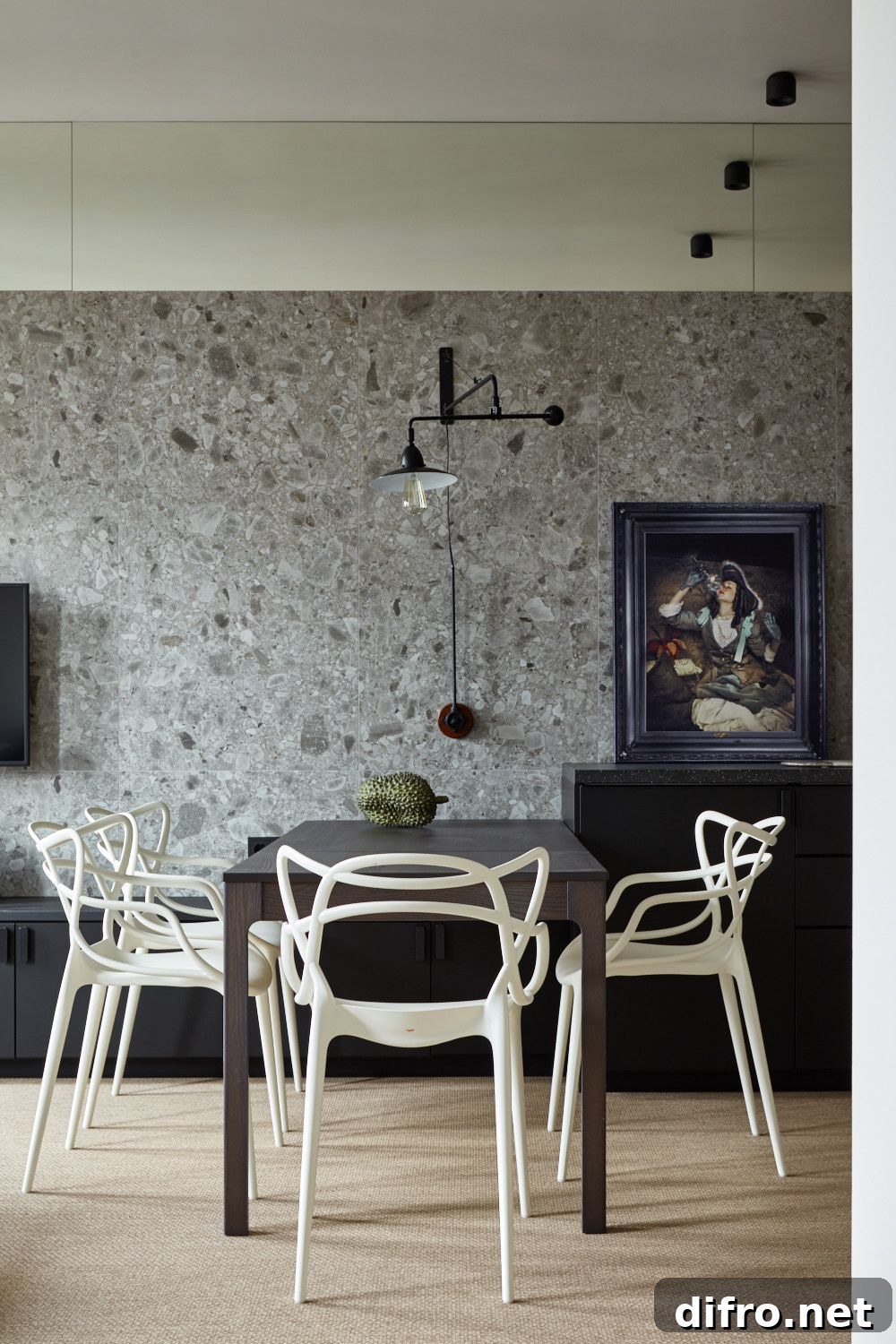
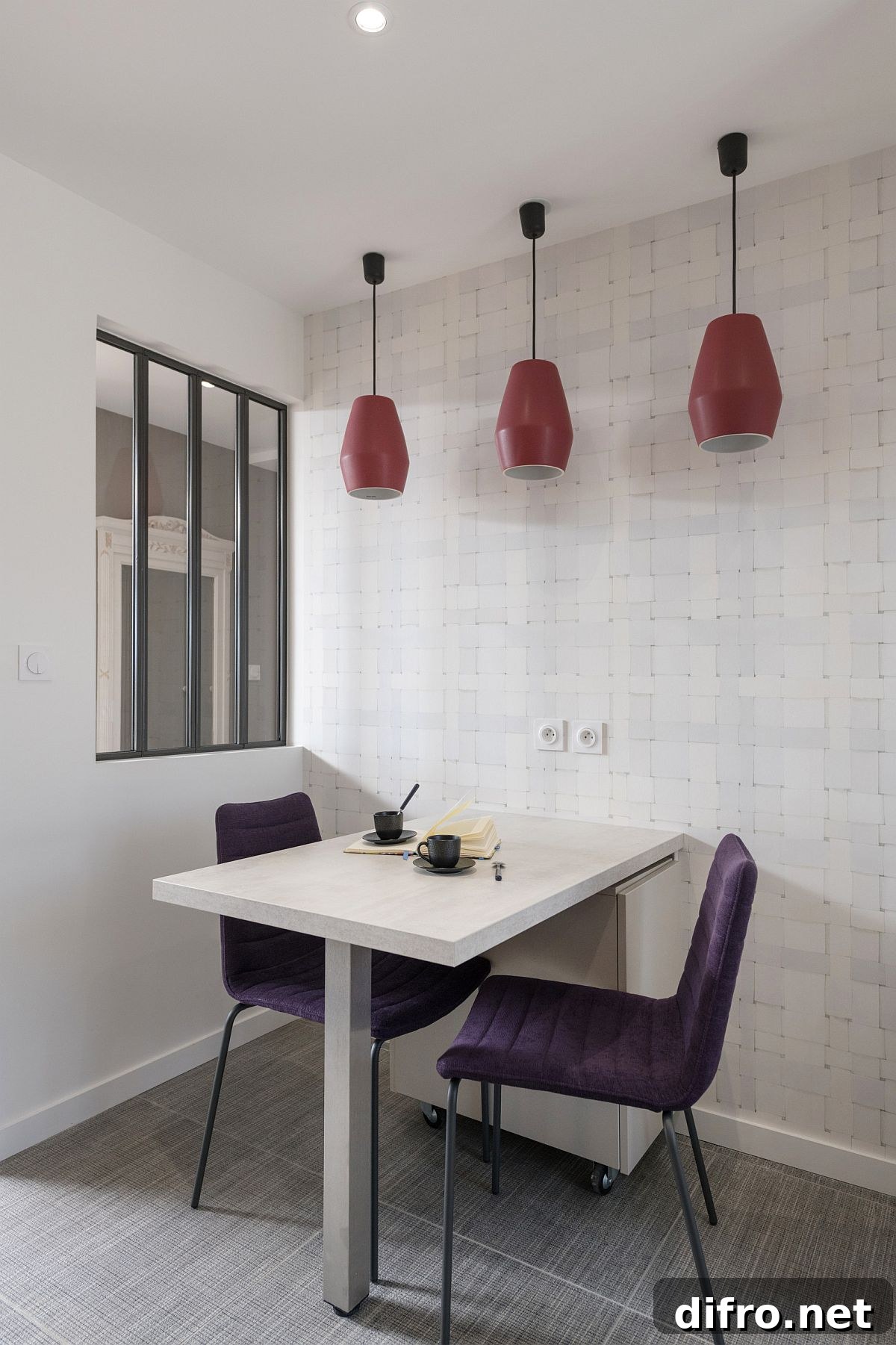
Minimalism is another excellent strategy for compact dining rooms. Contemporary minimal dining areas rely on strong lines, uncluttered surfaces and a restrained palette—usually whites, soft grays and natural wood. A few carefully chosen accents, such as a sculptural chair, a marble-topped round table or a distinctive pendant light, lift the space without overwhelming it. Removing unnecessary items, organizing storage, and choosing furniture with slim profiles makes the area feel larger and more purposeful. Minimal styling also improves flow in open-plan layouts, allowing the dining zone to sit harmoniously alongside the kitchen and living areas.
Styles Perfect for Summer and Beyond
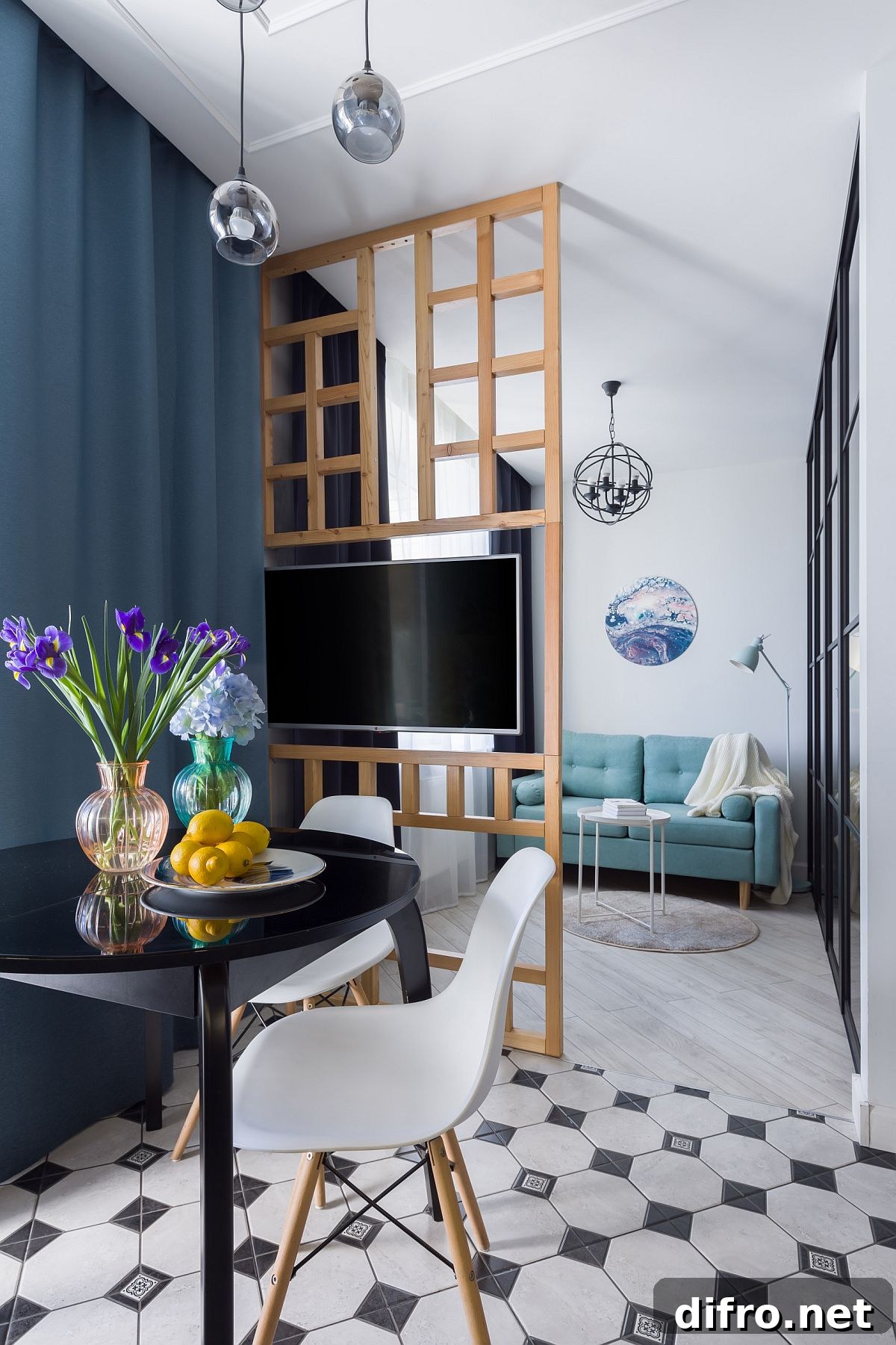
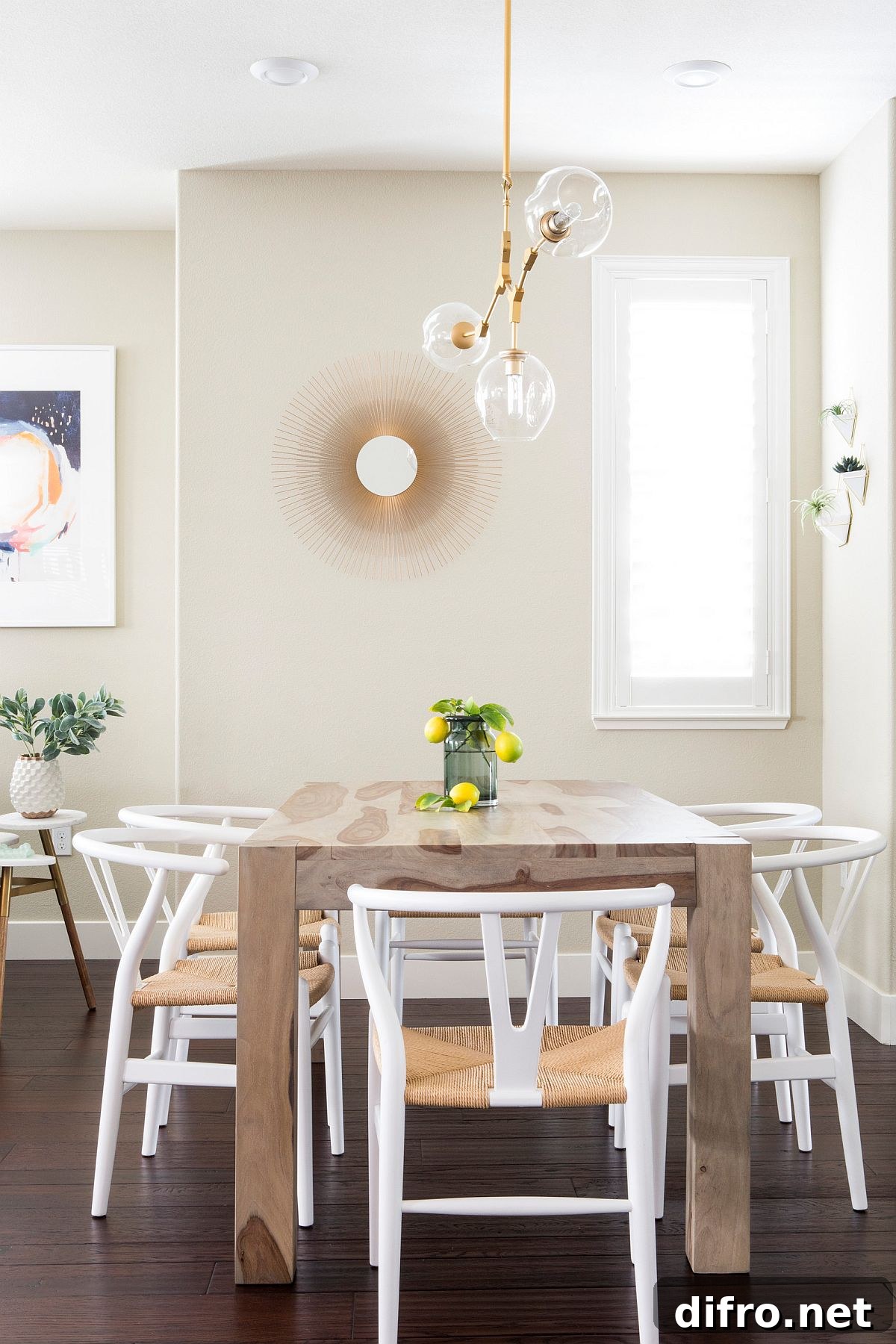
If you want a livelier look, beach or coastal-inspired décor brings summer energy to a small dining nook without overwhelming the space. Start with a neutral backdrop and add bursts of coral, sea-blue, aqua or sunny orange in cushions, artwork, pendant lights or a painted accent wall. Natural textures—woven rugs, rattan chairs or linen cushions—introduce warmth and an outdoor feel. Mixing minimal structure with coastal colors keeps the area fresh and seasonal while maintaining a balanced, uncluttered composition that works year-round.
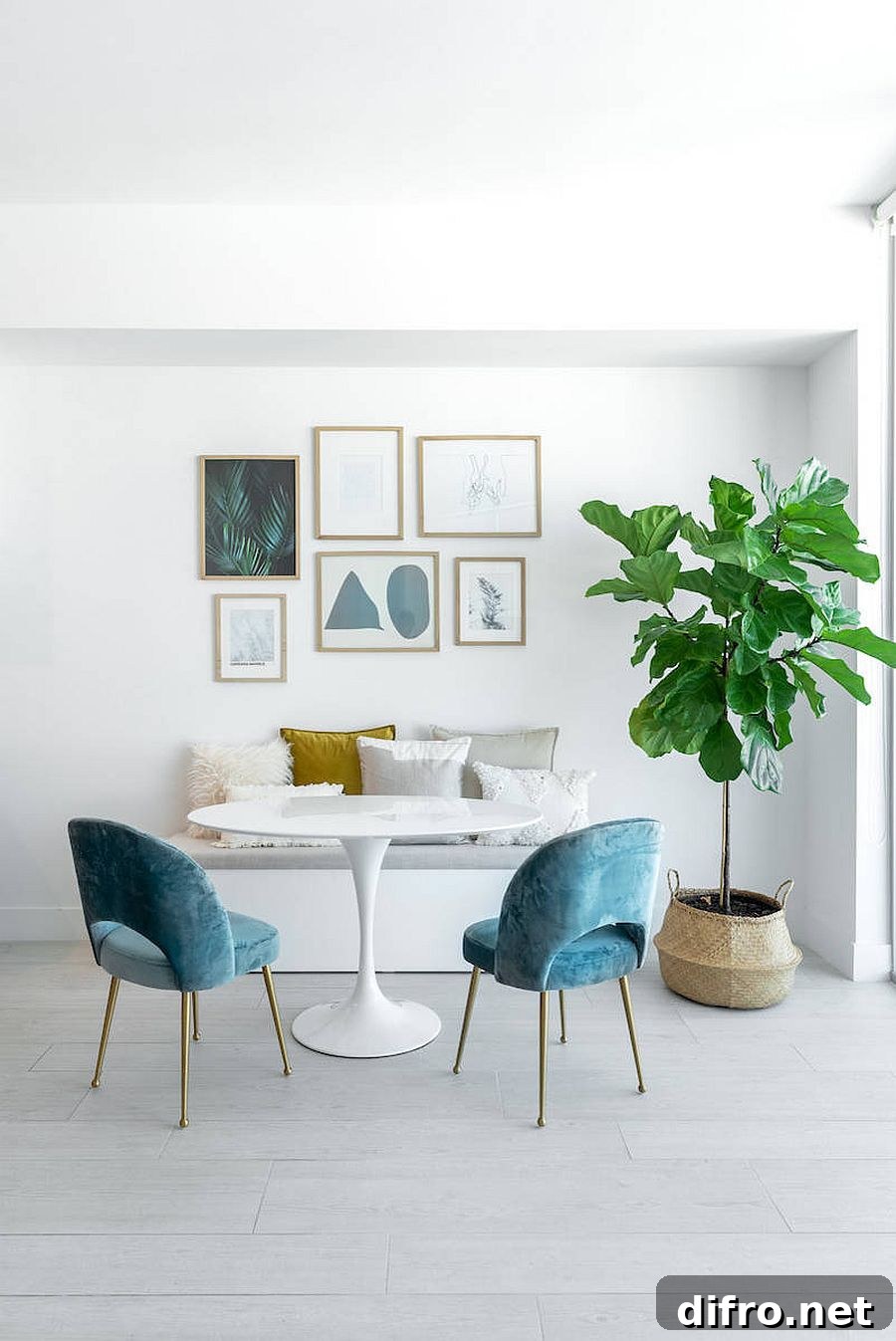
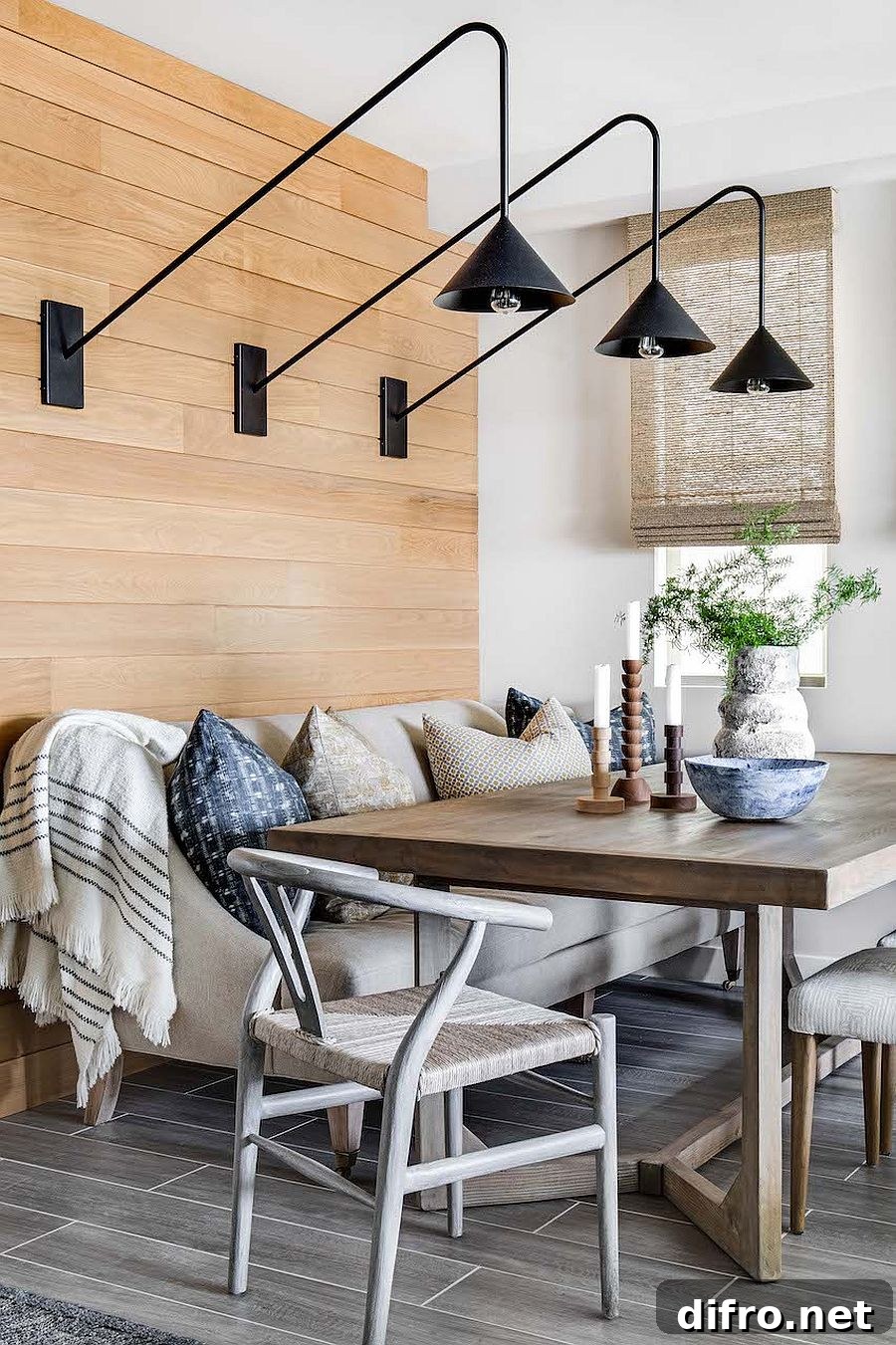
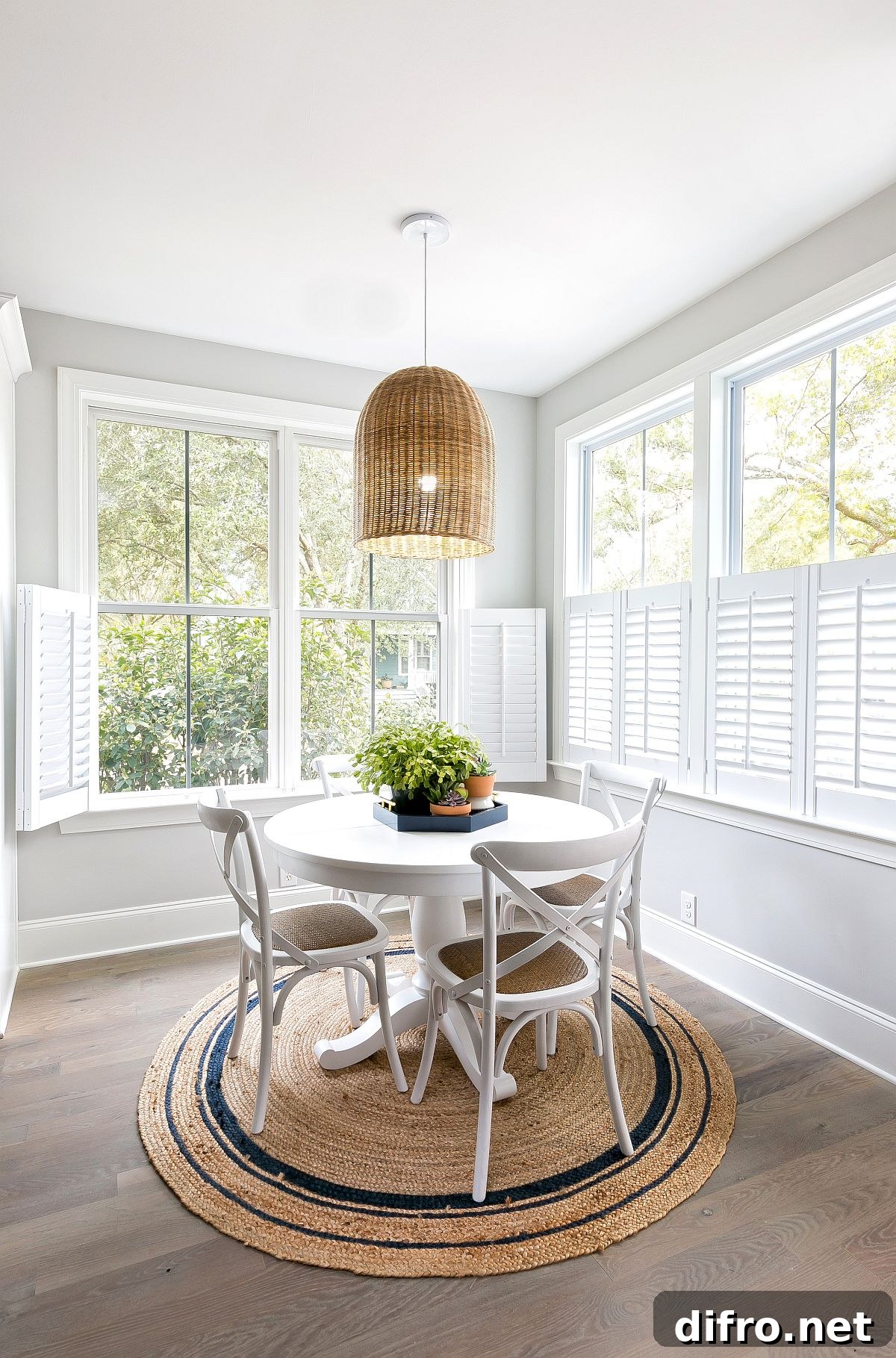
Whether you favor Scandinavian calm, contemporary minimalism or a beachy, colorful vibe, the keys to successful small dining areas are restraint, multi-function and a clear visual plan. Stick to a simple palette, choose furniture that matches the scale of the room, and add deliberate accents to create personality without crowding the space. With careful choices, a small dining area can feel open, efficient and delightfully inviting.