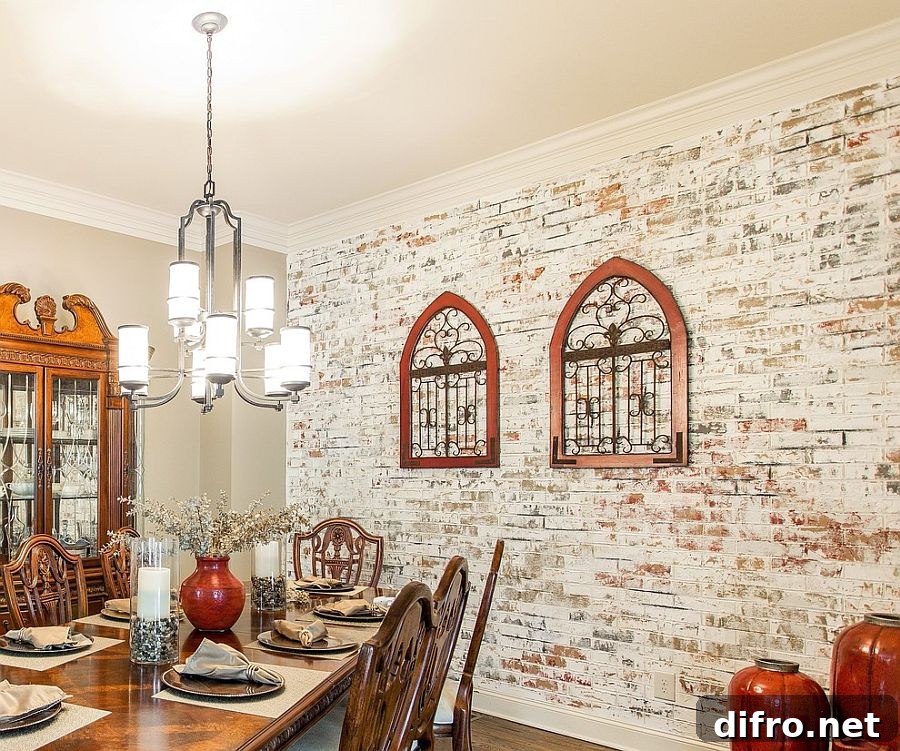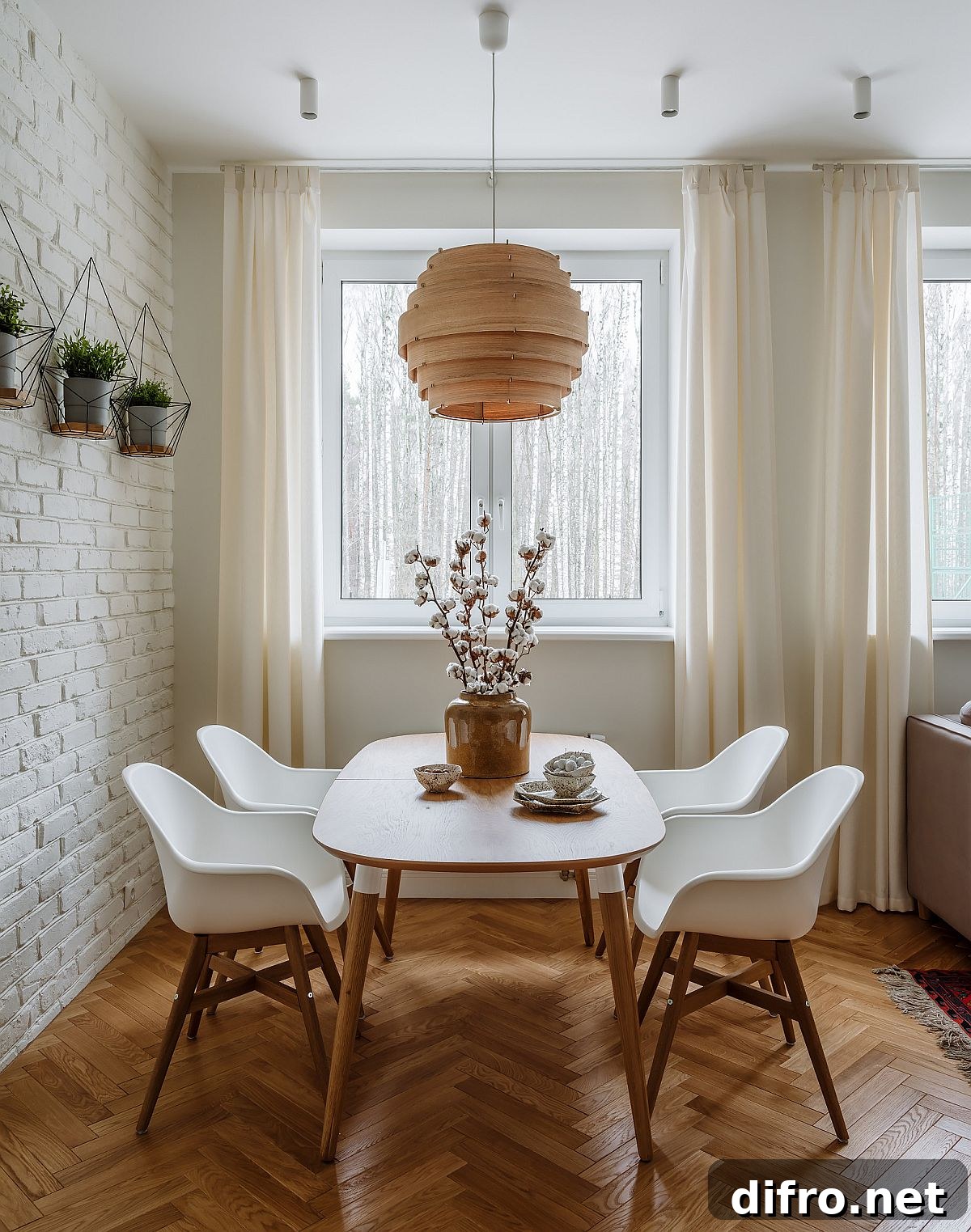
Brick walls have been a defining interior trend for years, and one variation that continues to charm designers and homeowners alike is the white brick wall in dining rooms. Whether achieved with a light whitewash that lets the original red tones peek through or with full white paint for a clean contemporary finish, a white brick wall instantly adds texture, depth, and character to a dining area. Whitewashing keeps the wall’s rustic personality intact by creating a layered, patinated look, while paint gives a sleeker, more uniform backdrop that feels modern and bright.
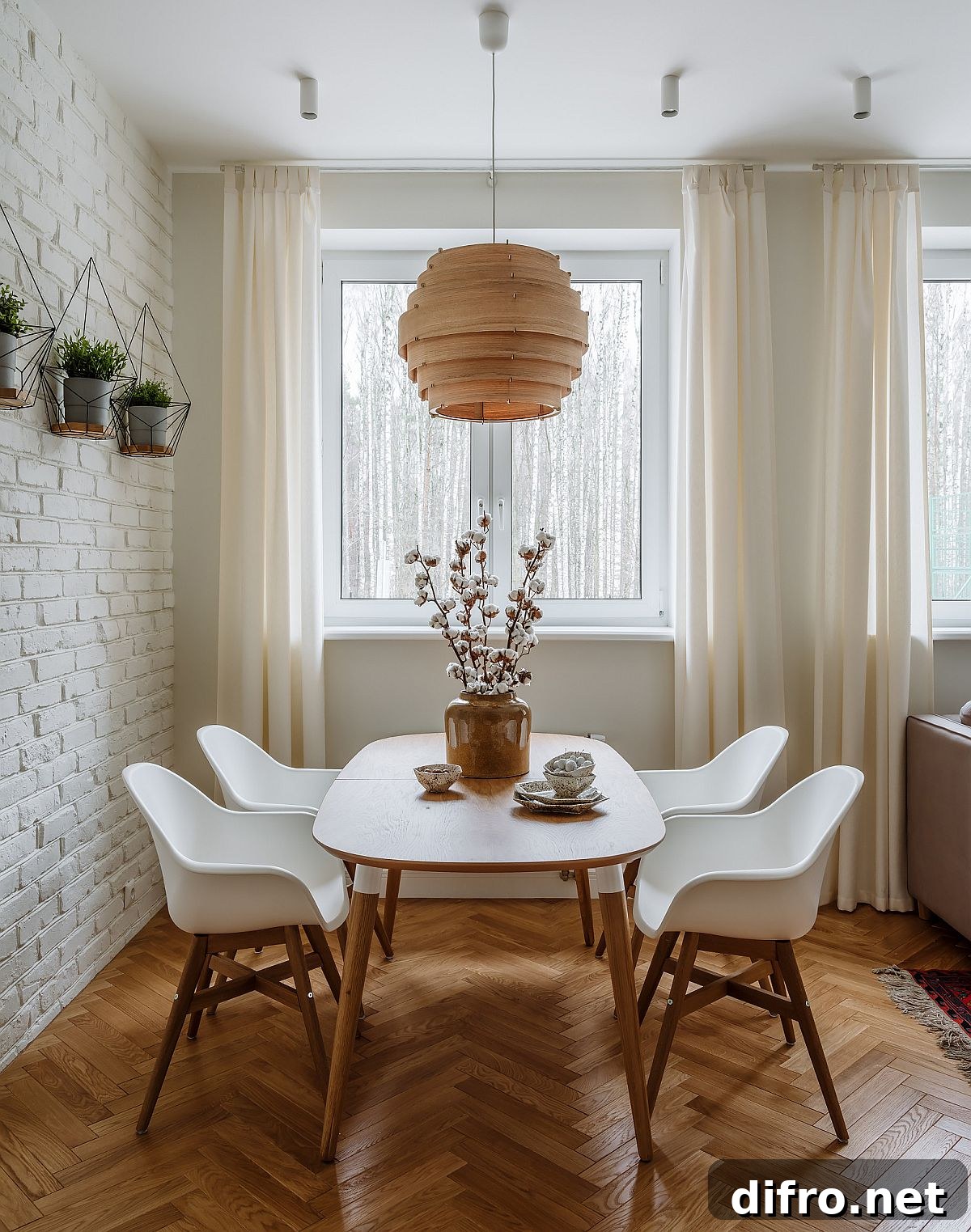
Not every home has the luxury of an original brick surface hidden behind plaster, but for those that do, exposing and finishing the brick in white can transform a dining room into an inviting focal point. White brick works with many design styles—from industrial lofts to cozy farmhouse dining rooms—because it balances texture with a calming neutral tone. Below, we explore practical styling tips, finishing choices, and lighting considerations to help you make the most of a white brick dining room.
Just a Hint of Color
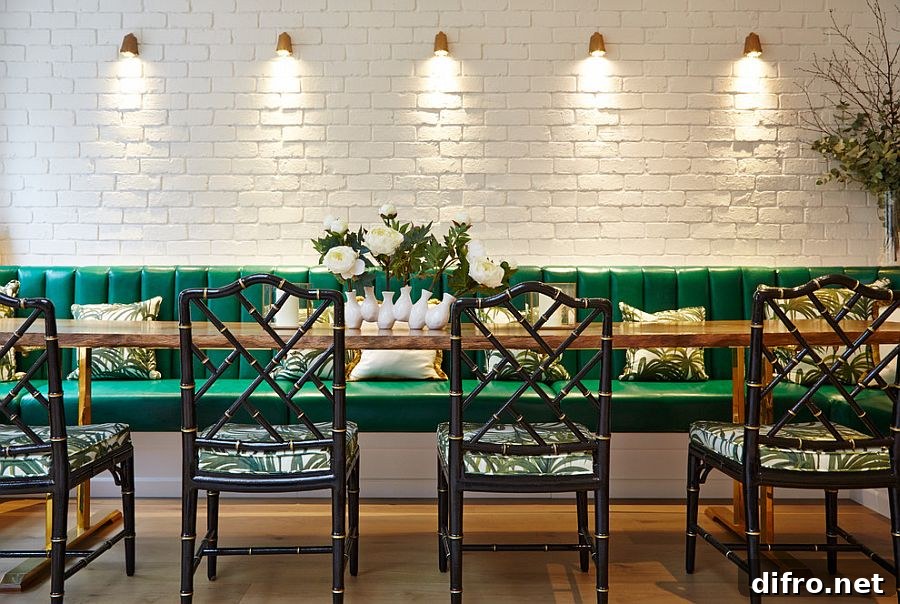
When a dining room features a white brick wall, color is often best used sparingly. A largely neutral palette allows the wall’s texture to remain the star, while carefully chosen accents introduce personality without visual clutter. Add pops of color through seating—such as a vibrant bench or a set of mixed chairs—or through seasonal accessories like table linens, fresh flowers, and decorative vases. Wall art and lighting fixtures can also bring in color and shape without competing with the subtlety of a whitewashed backdrop.
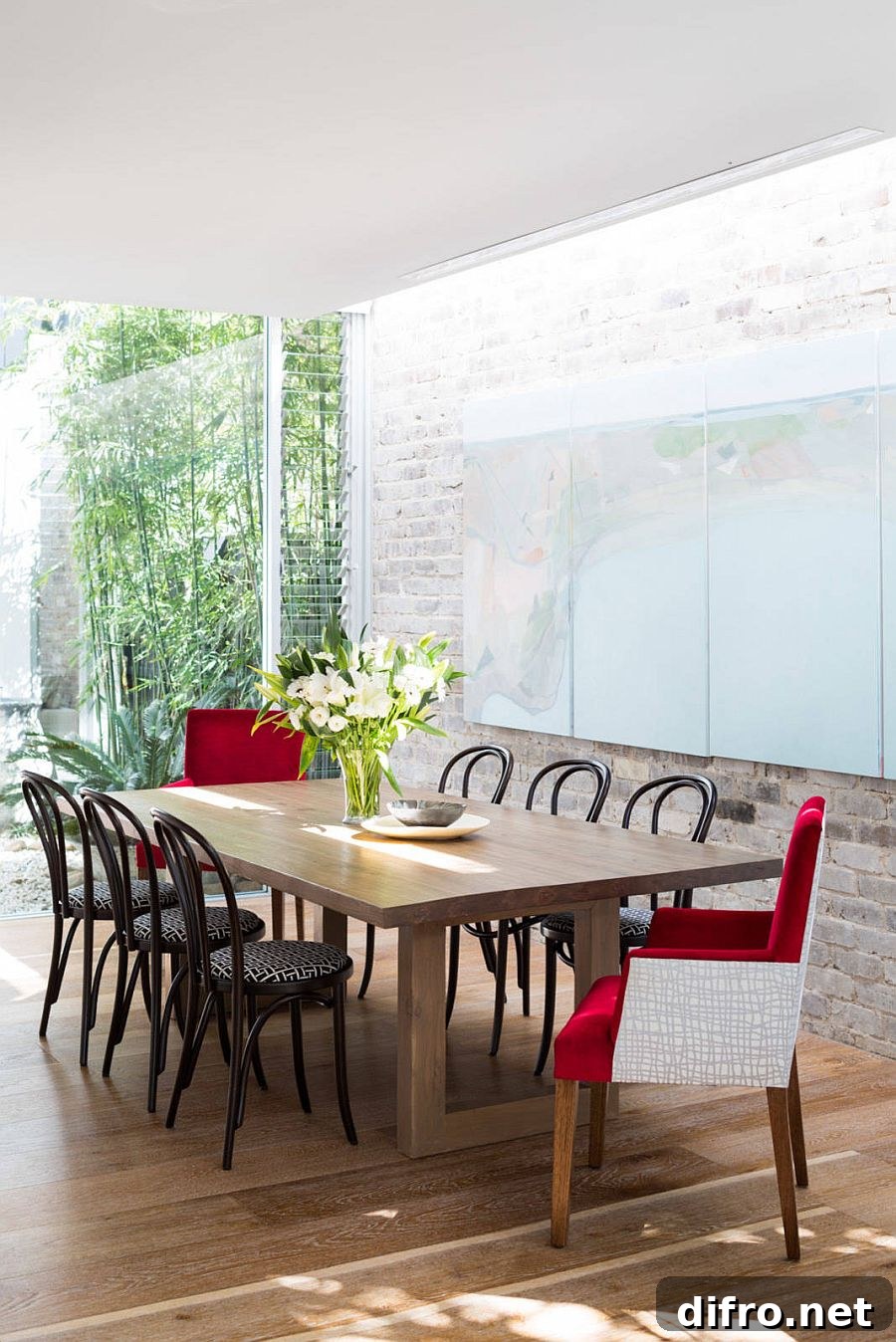
Modern Sheen for Exposed Brick Walls
Sealing is an important step for any exposed brick: it protects against dust, moisture, and potential staining, while making the surface easier to clean. Whether you choose to whitewash or paint, test small areas first to decide how many coats will achieve the look you want. A single coat of whitewash leaves more of the brick’s original color and texture visible, creating an aged, shabby-chic finish that works beautifully with eclectic and farmhouse interiors. Multiple coats—or full paint—produce a cleaner, more uniform surface suited to modern, beach-style, and transitional dining rooms.
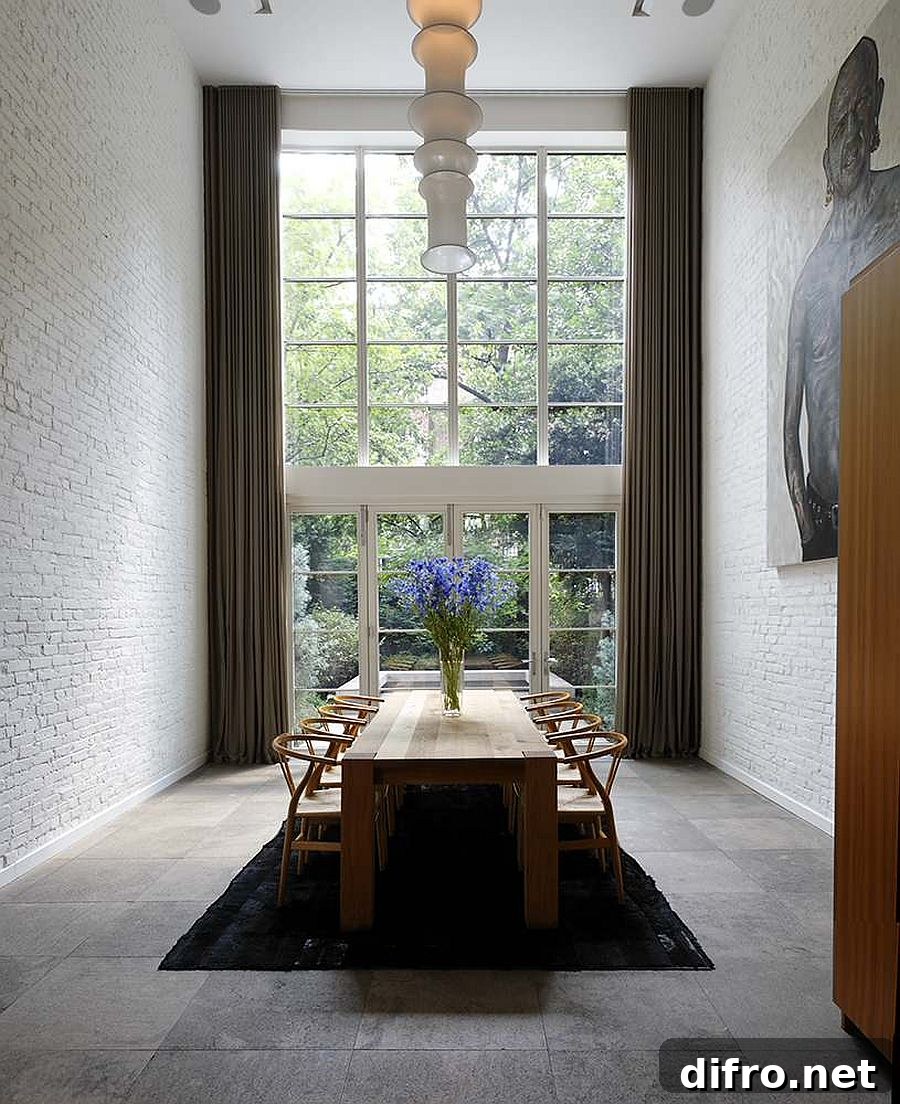
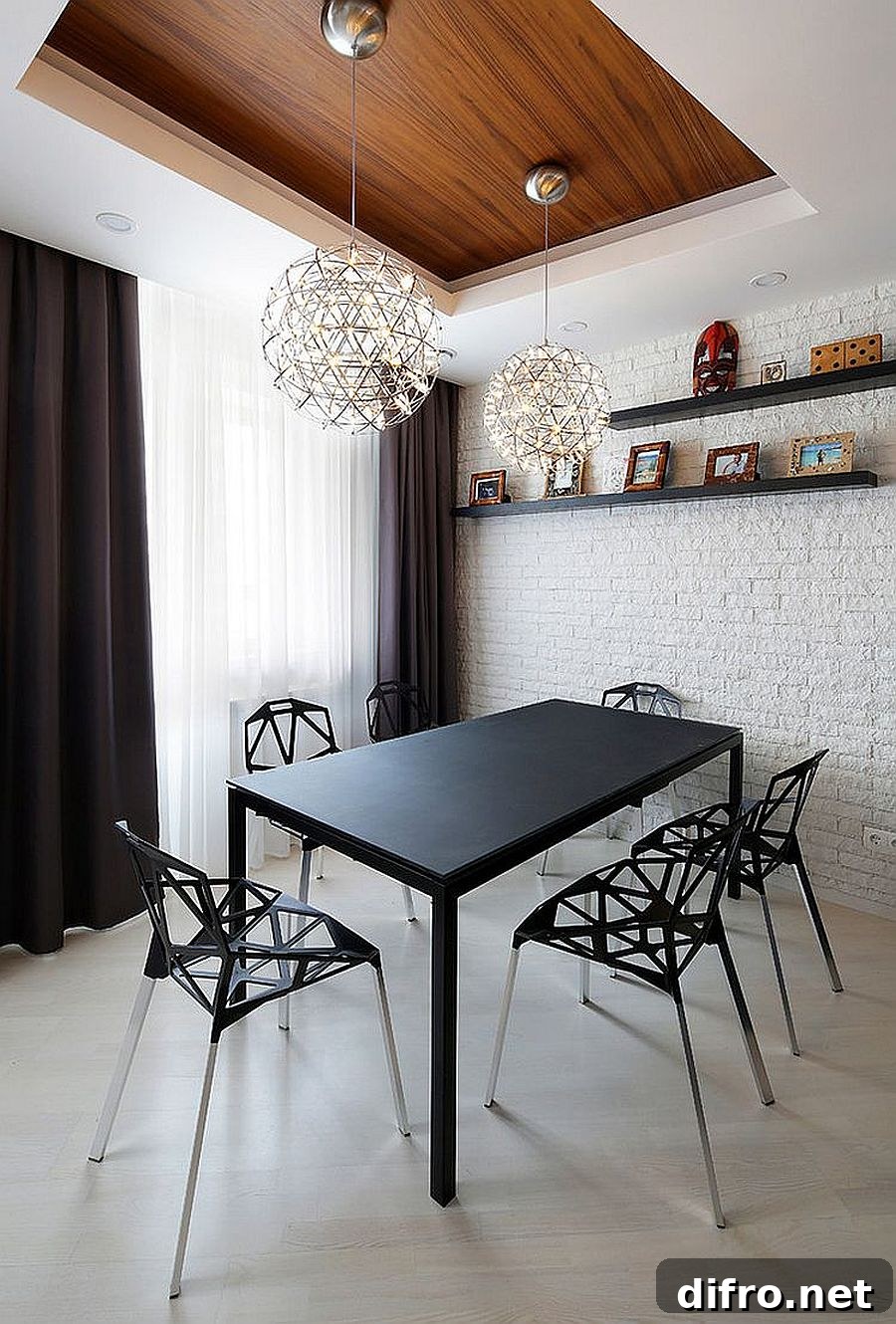
For industrial dining rooms, a fully painted white brick wall can provide a crisp contrast to raw materials like exposed steel, black metal chairs, and concrete floors. Conversely, leaving imperfections visible with a light whitewash emphasizes warmth and history, which pairs well with wooden tables and antique pieces.
Lighting, Textural Contrast and More
Lighting is essential for showcasing a white brick wall. Natural light from windows or skylights softens and reveals the brick’s texture, while targeted accent lighting—wall washers, picture lights, or directional pendants—can emphasize the relief and patterns that make the surface interesting. In dining rooms where the brick wall is part of an open plan, consistent lighting helps integrate the space and enhances the layered material palette.
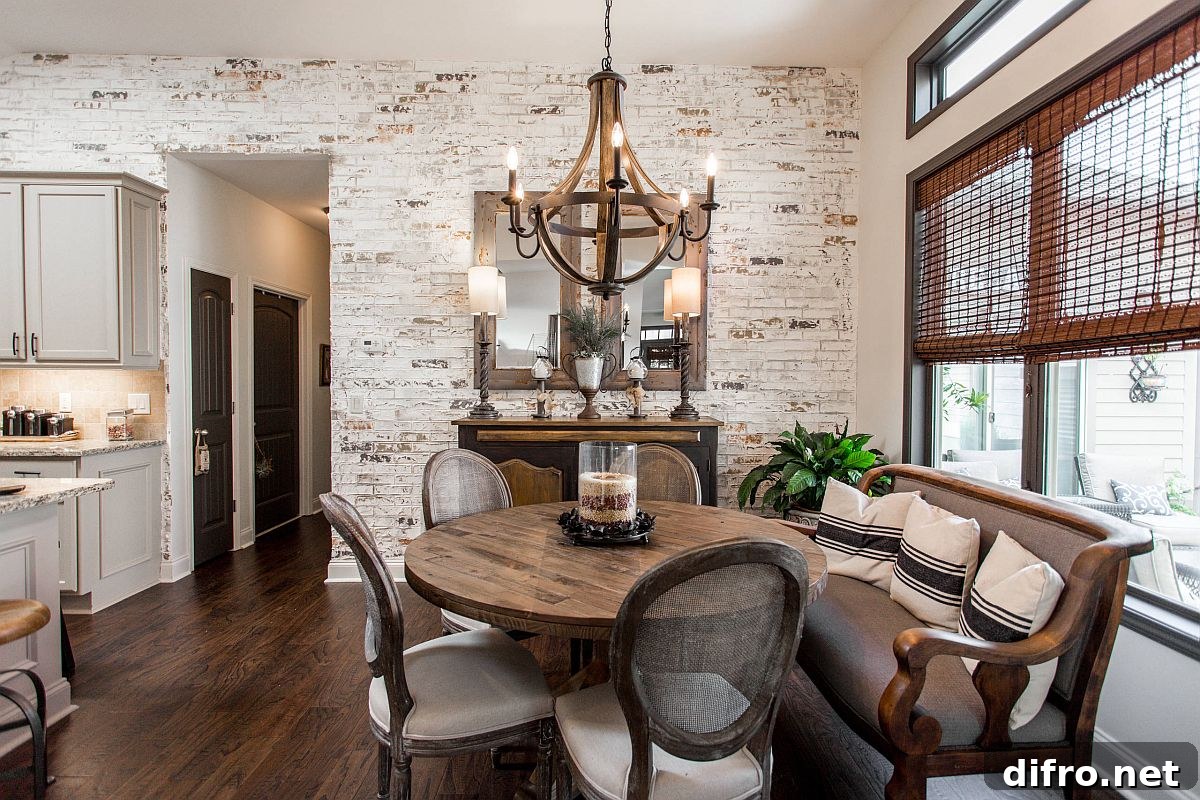
Textural contrast is another key advantage of a white brick wall. Combine the masonry with smooth plaster, warm timber furniture, woven rugs, or brushed metal accents to create depth and balance. In more formal spaces, the roughness of brick provides a counterpoint to polished wood and refined upholstery. In casual settings, keep finishes relaxed and layer textiles for comfort.
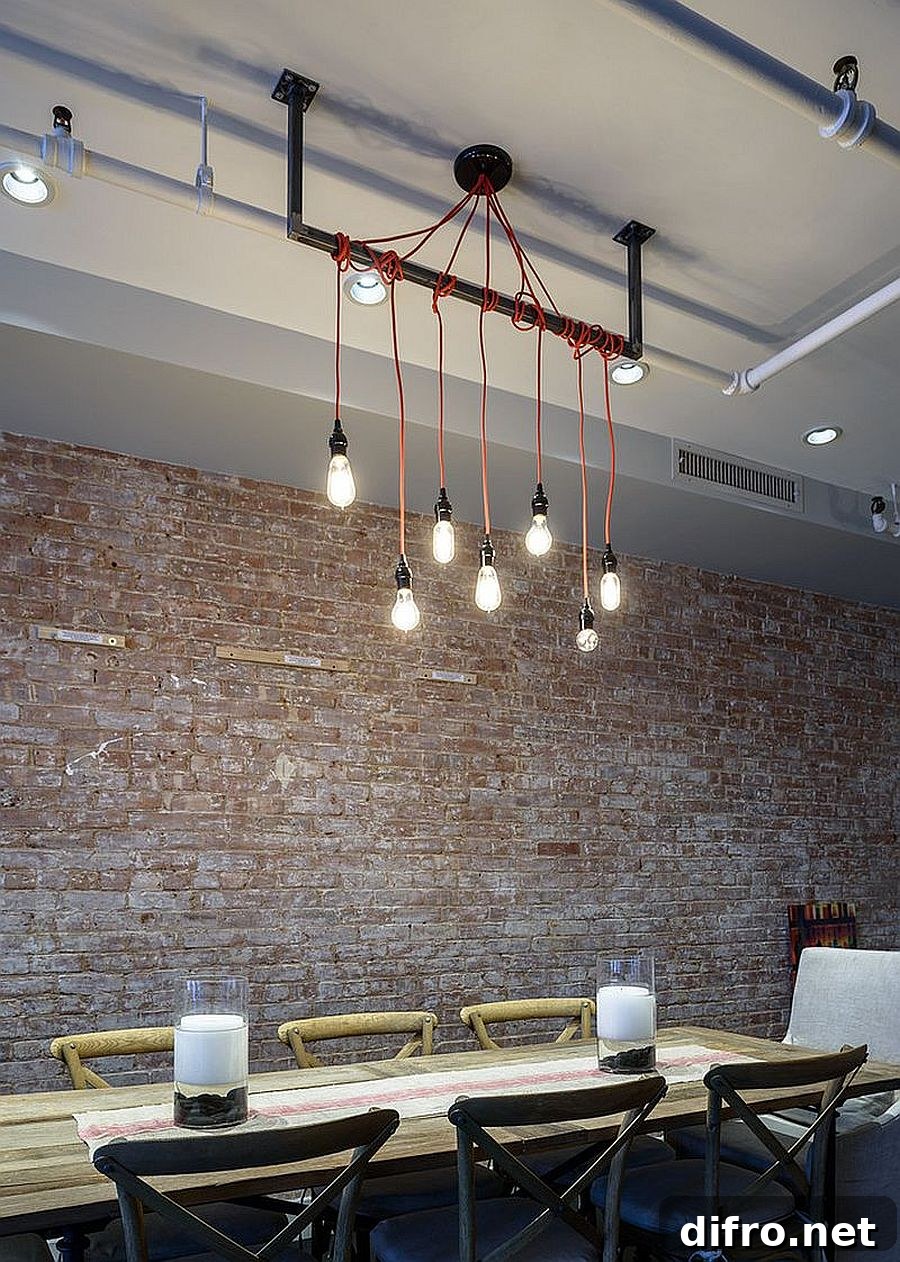
Finally, consider maintenance and longevity: sealing and occasional touch-ups keep the finish looking fresh, while thoughtful styling ensures the wall remains a flexible backdrop for changing décor. Whether your goal is rustic warmth or a bright, modern dining aesthetic, a white brick wall offers a versatile, timeless canvas that elevates any mealtime experience.