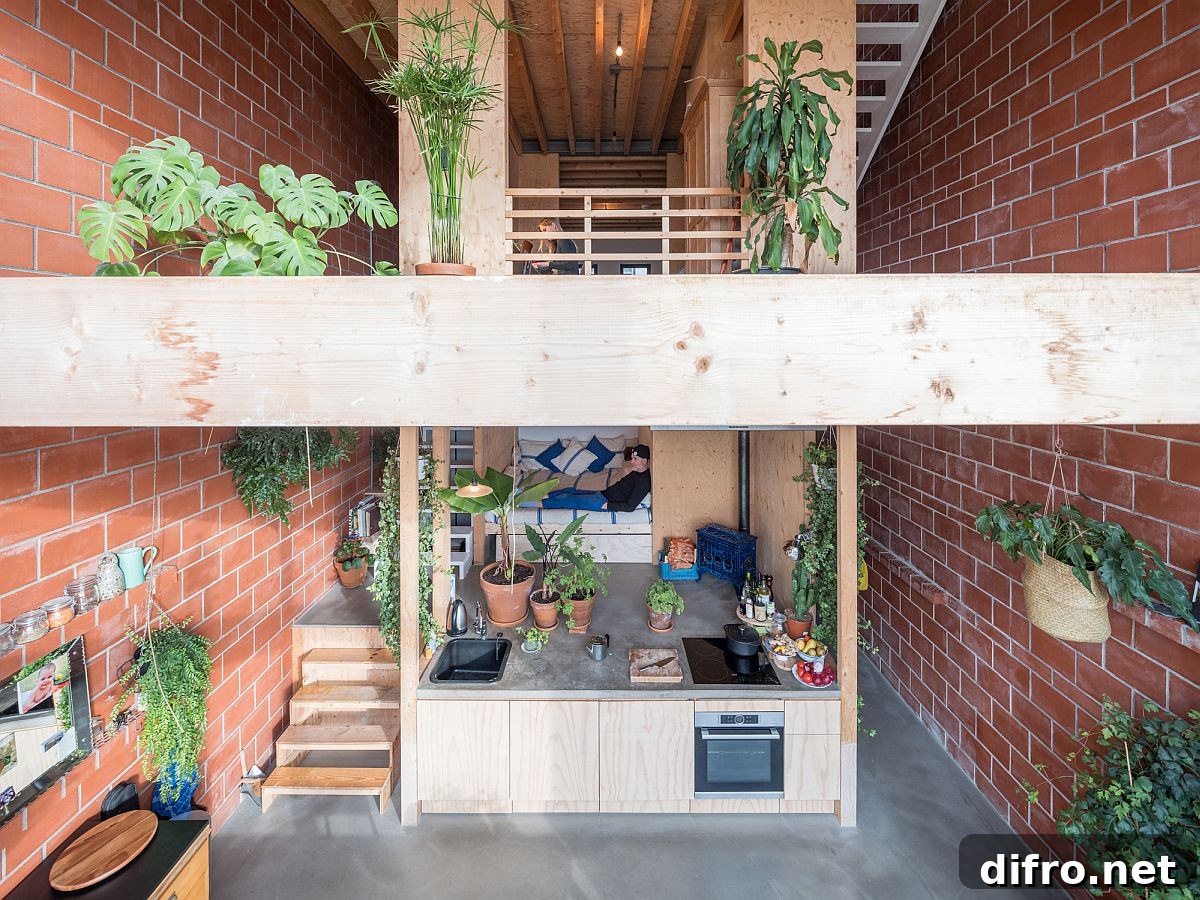
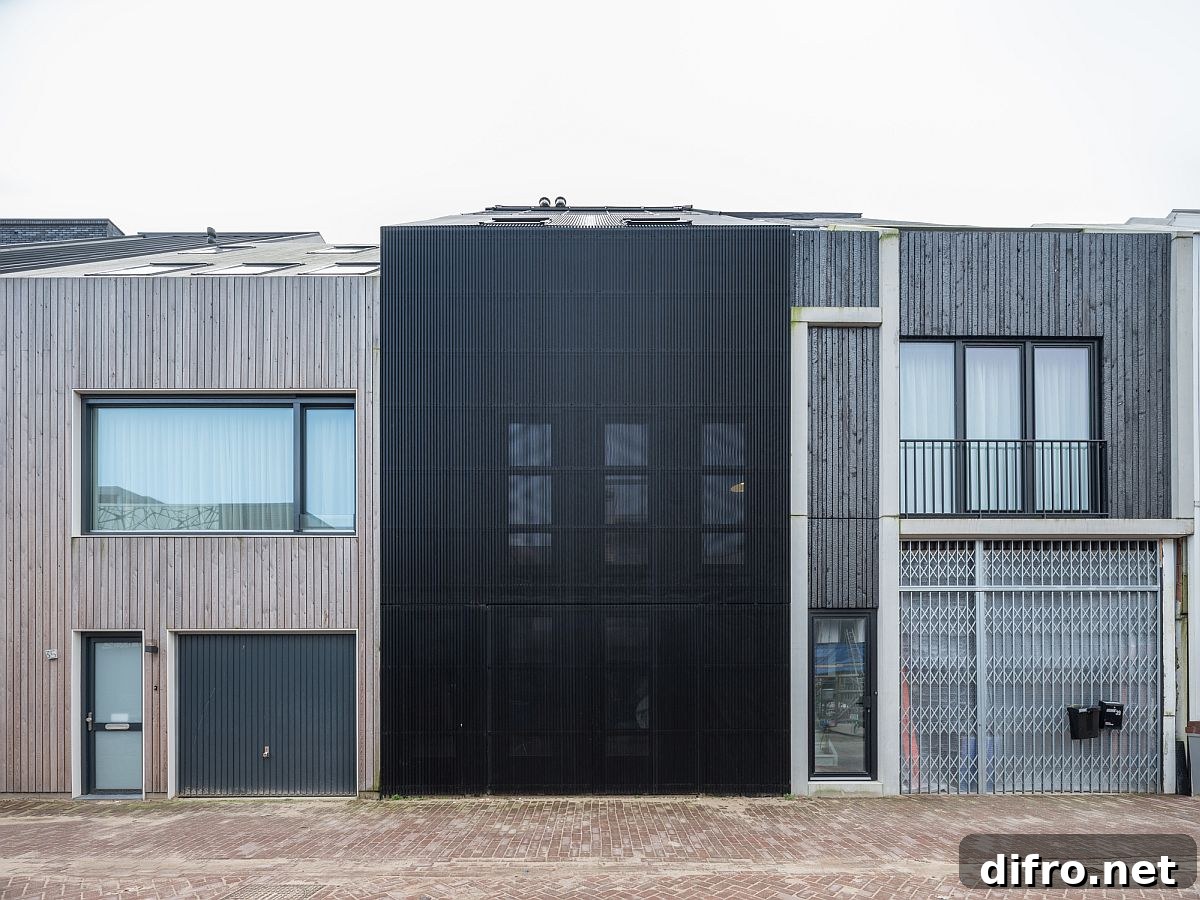
If you appreciate a home that celebrates texture, material contrast and a departure from the usual polished-modern surfaces, House Buiksloterham in Amsterdam is an inspiring example. Designed by NEXT architects, this residence reads differently from the street: a perforated metal skin wraps the exterior, offering a porous, dynamic facade that blurs the boundary between inside and outside. Behind that dark, corrugated envelope is a warm, terracotta-clad shell and a glazed wooden core that contains the living spaces across multiple levels, so the house feels layered, tactile and unexpectedly intimate.
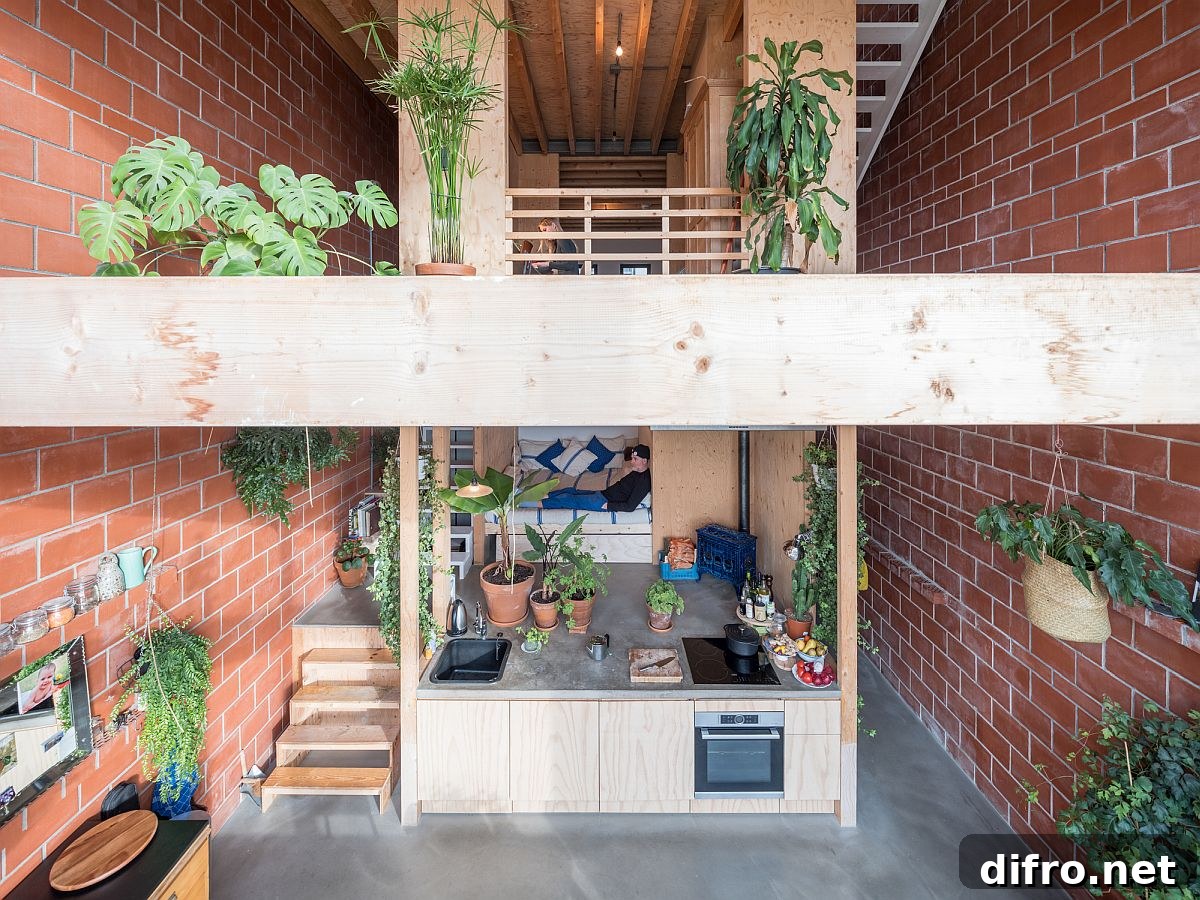
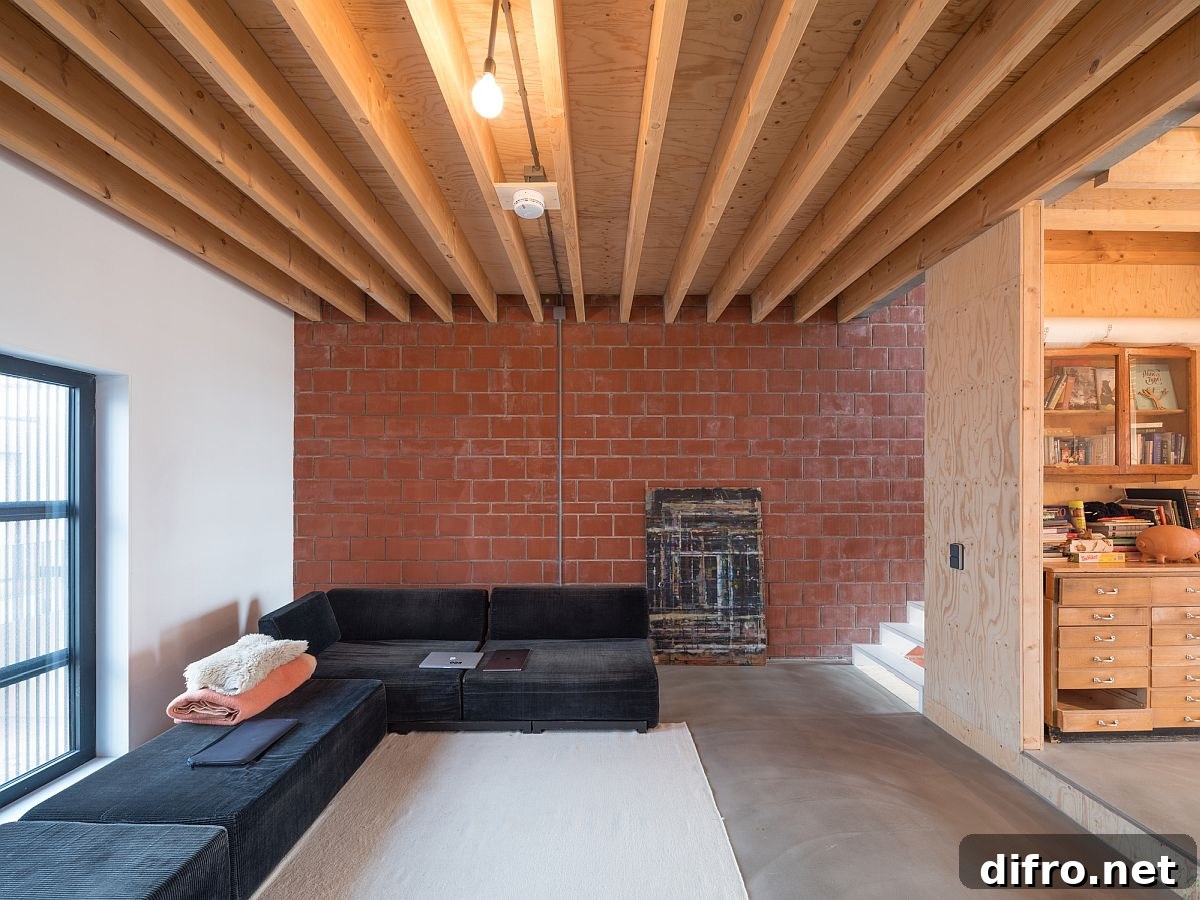
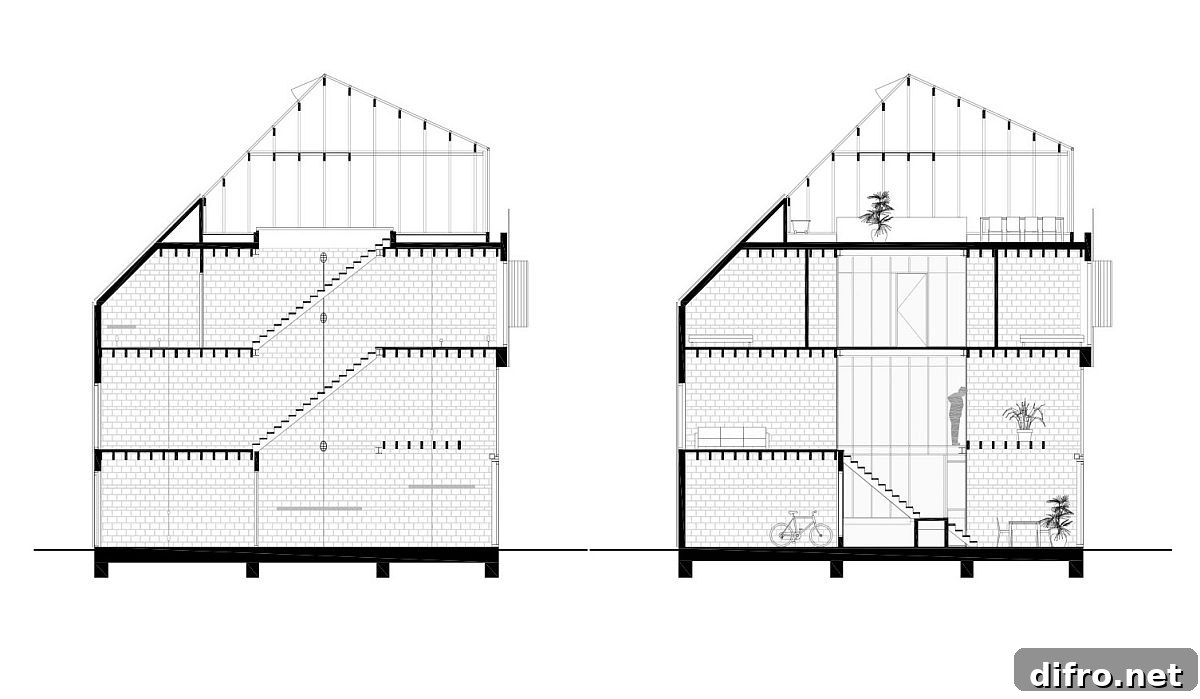
The interior palette is deliberately restrained so materials, light and volume take center stage. Inside the perforated metal shell, wood, red terracotta tiles and softer textiles create a cozy, domestic atmosphere that contrasts with the sculptural exterior. The house’s wooden core functions as an organizing spine: rooms and circulation are stacked around it, and a spiral stair winds its way up through four levels, uniting the layout while preserving pockets of privacy and openness.
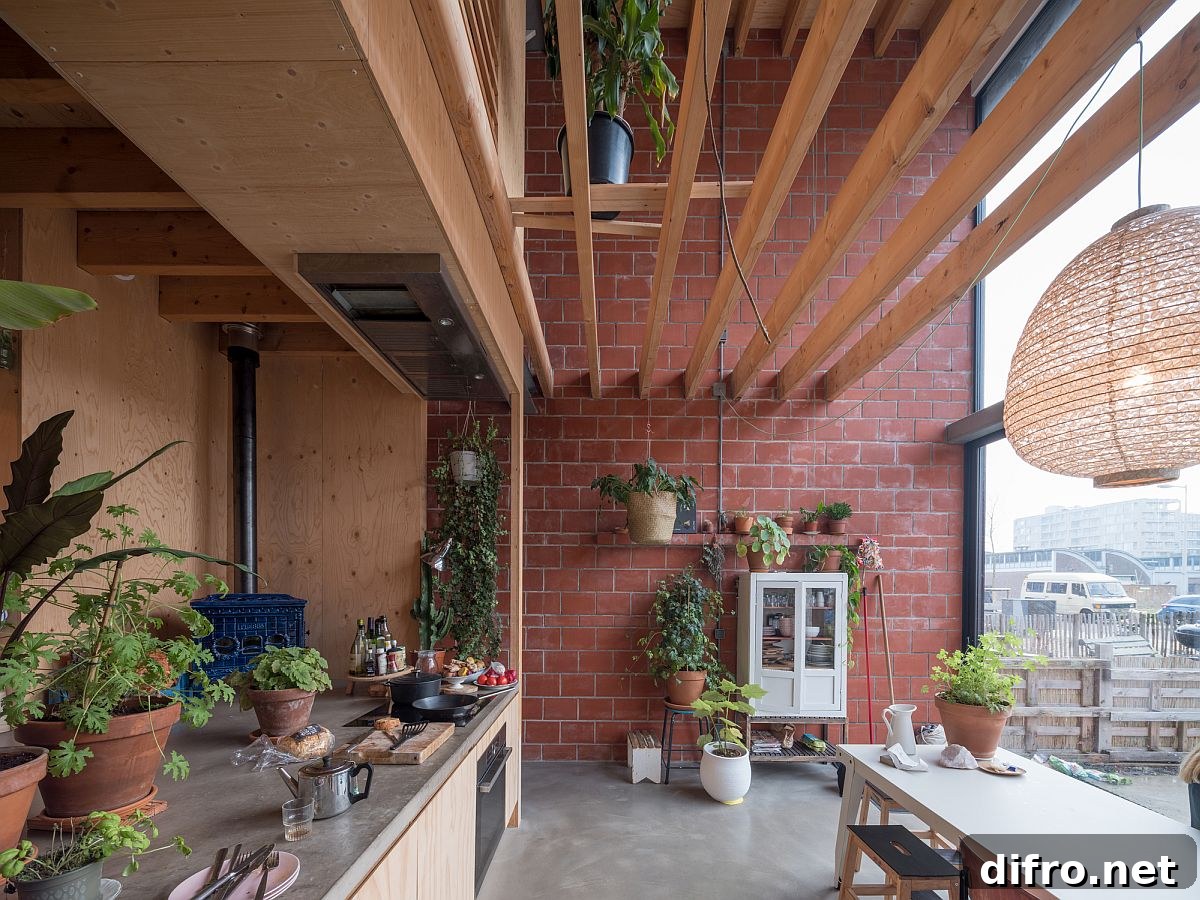
Lighting plays a prominent role in the home’s character. The perforated metal facade filters daylight during the day and becomes a luminous veil at night, creating a lantern-like glow that animates the street view. Where the kitchen sits, the metal skin lifts to reveal large windows, strengthening the connection between the interior and the outside deck. A movable metal wall at the kitchen and dining area can be raised to open the room fully to the outdoors, extending living space and encouraging a seamless indoor-outdoor lifestyle.
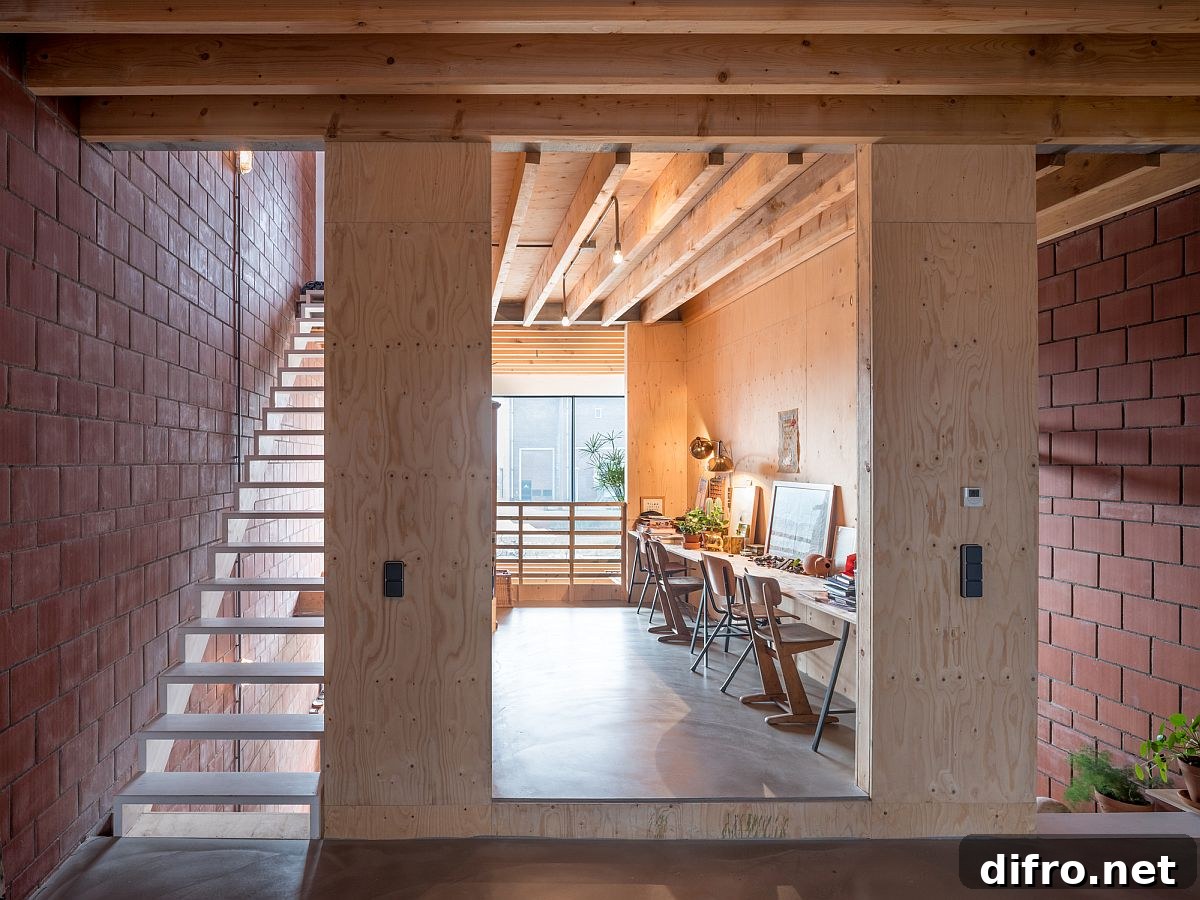
Rooms are kept deliberately simple so the surfaces and spatial relationships can take the spotlight. The red terracotta walls and timber finishes lend the interior a grounded, tactile quality that feels welcoming despite the home’s contemporary vocabulary. Furnishings and decor remain minimal, allowing the structure, the textures and the shifting daylight to compose each moment of the interior experience.
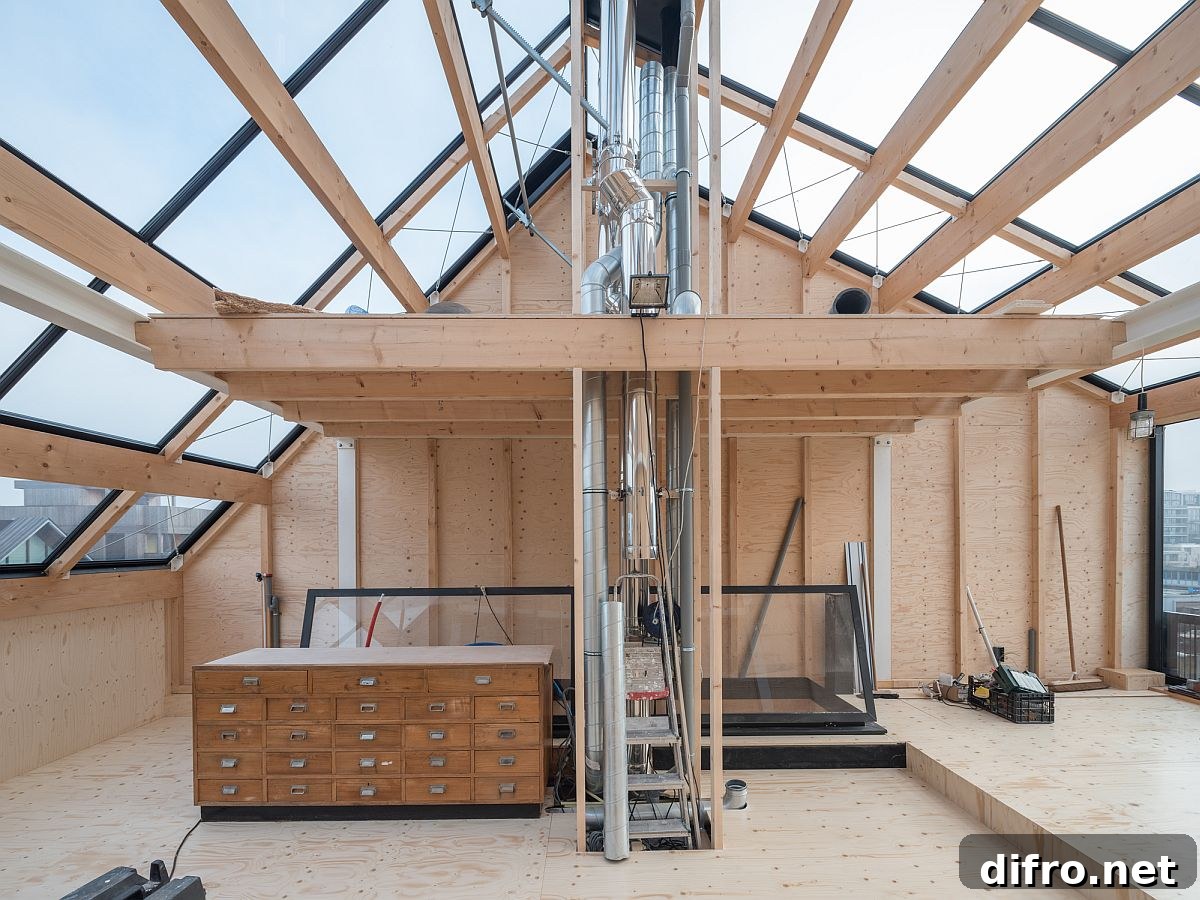
At the top of the house, a generous greenhouse creates a quiet retreat and a visual anchor for the roofline. This glazed volume expands the program vertically, offering a place for plants, light-filled relaxation and a private view over the neighborhood. The stack of spaces—from street-level living and dining to private bedrooms higher up—follows a clear logic: public functions open to the city and garden, while sleeping areas are tucked away for calm and privacy.
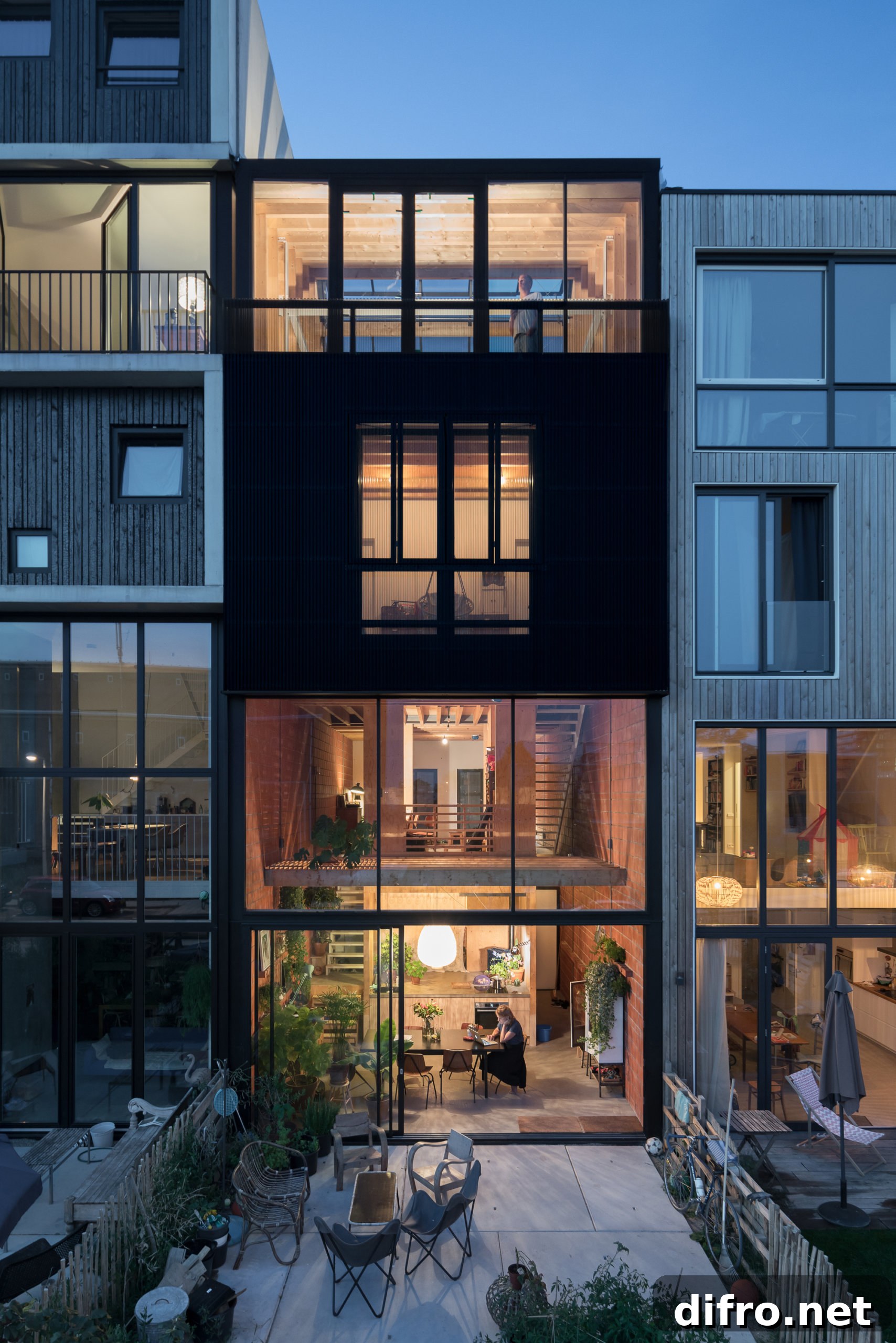
Moreover, the perforations create a spectacular light show, illuminating the residence as if it were a lantern. At the spot where the kitchen is located, the skin is lifted and gives way to large windows to strengthen the relation between inside and outside.
The house’s plan and sectional strategy emphasize circulation around the core and layered privacy. Bedrooms are located on the upper levels, where the structure’s height and the wood-lined core provide shelter and quiet. Daylight is carefully orchestrated to penetrate deep into the plan through framed openings, perforations and glazed elements, while material choices—rough terracotta, warm timber and metal—balance tactility with refinement.
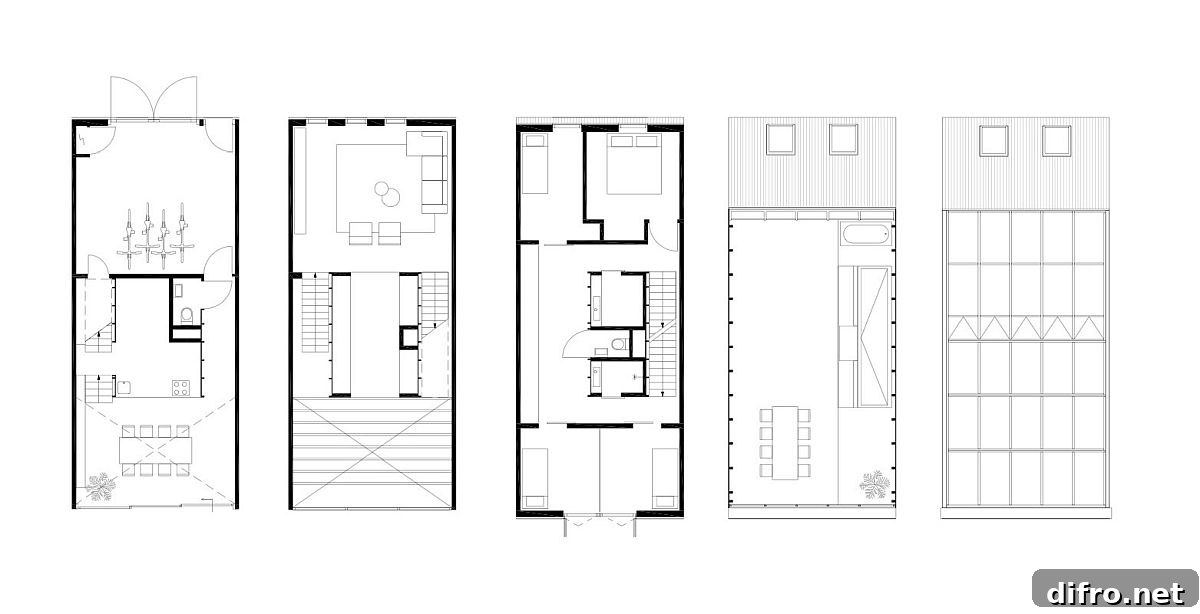
The resulting home reads as a thoughtful composition of contrasts: a sculptural, perforated outer skin that performs on the street; a robust terracotta shell that gives the building weight and warmth; and a refined wooden core that structures daily life. Together these elements deliver a contemporary Amsterdam house that feels both modern and welcoming, where texture, light and thoughtful detailing create a strong sense of place.
Photography: Ossip van Duivenbode