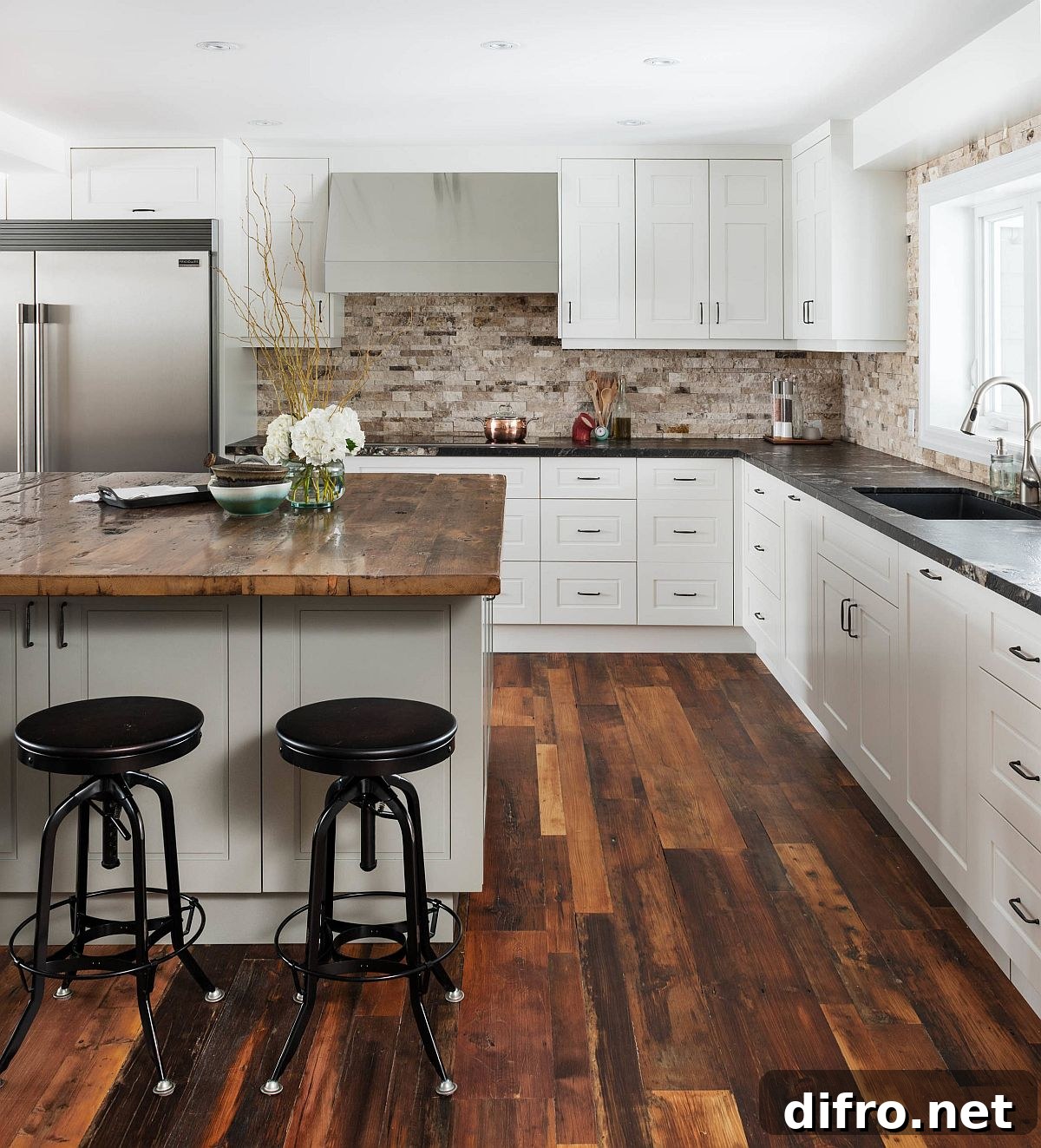
The kitchen often draws the most attention when homeowners plan renovations or redecorate. That focus makes sense: the kitchen is the heart of a home, especially in open-plan layouts where it anchors living and dining areas and creates a natural social hub. Because the kitchen sees heavy daily use, its floors must be durable and attractive. In recent years, wood has emerged as a leading choice for kitchen flooring, and that trend shows no sign of slowing. Natural hardwood floors combine warmth, resilience, and style, making them an excellent option for modern kitchens and period homes alike.
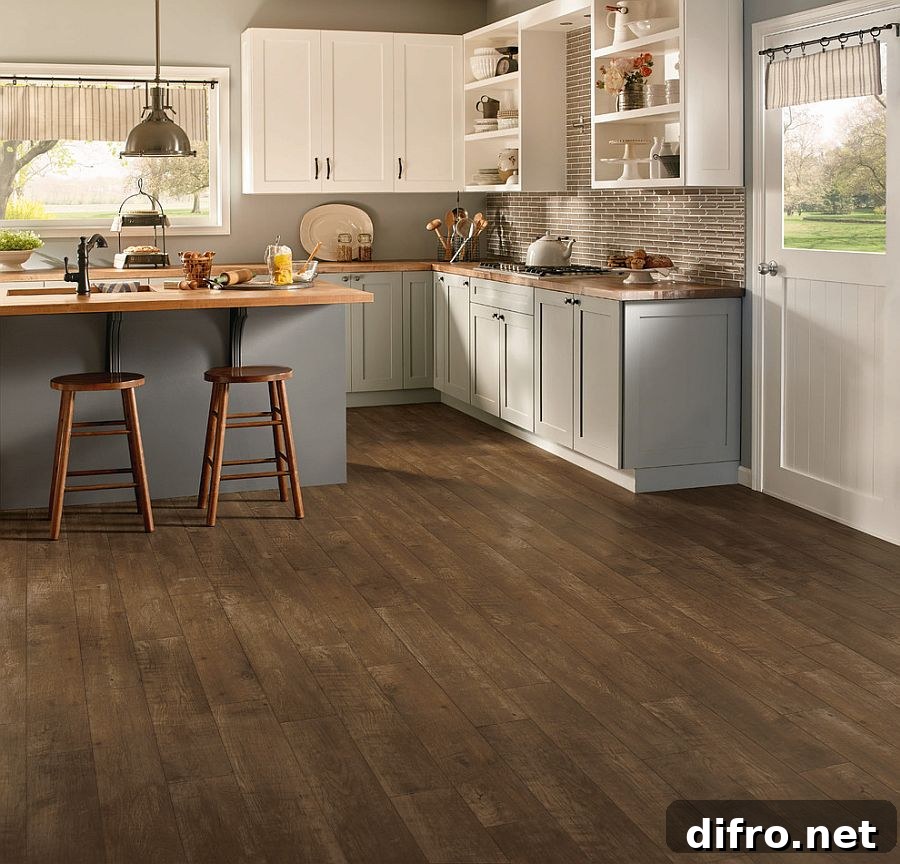
With the right species and finish, hardwood floors can last for generations. Many homeowners renovating older houses are finding original timber subfloors or stripped boards and restoring them to create fresh, modern kitchens that still feel timeless. Wood brings character and longevity: properly sealed and maintained, it stands up to years of family life while adding value and visual appeal to the space.
Picking the Right Wood Floor
Choosing the best wood for a kitchen depends on traffic, moisture exposure and personal style. Dense hardwoods like Brazilian walnut or hickory offer greater durability than softer species and are a smart investment in high-use areas. Quality installation and a durable protective finish—such as a water-resistant polyurethane—are essential to protect the planks from wear. While a sealed wood floor tolerates everyday use, immediate cleanup of spills is still important to avoid water damage or staining.
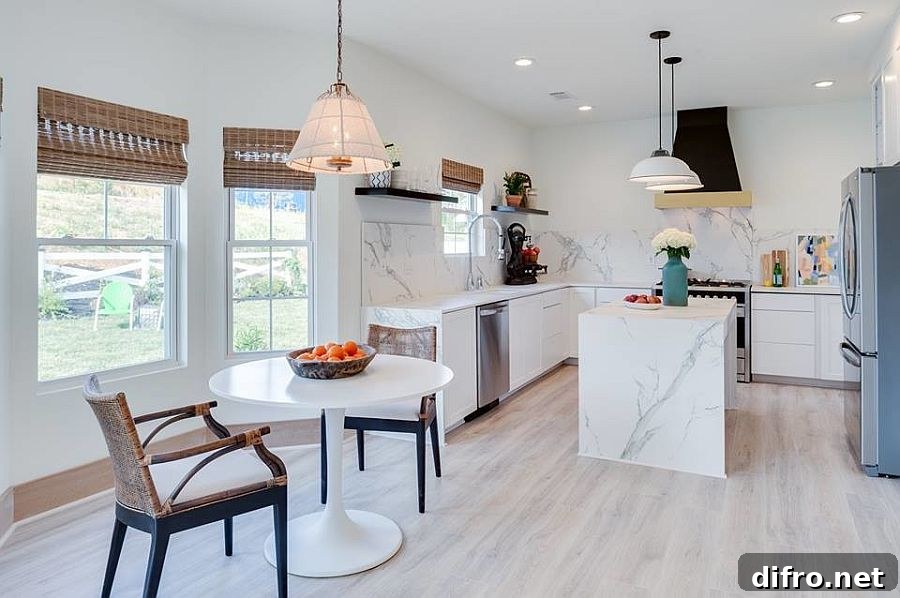
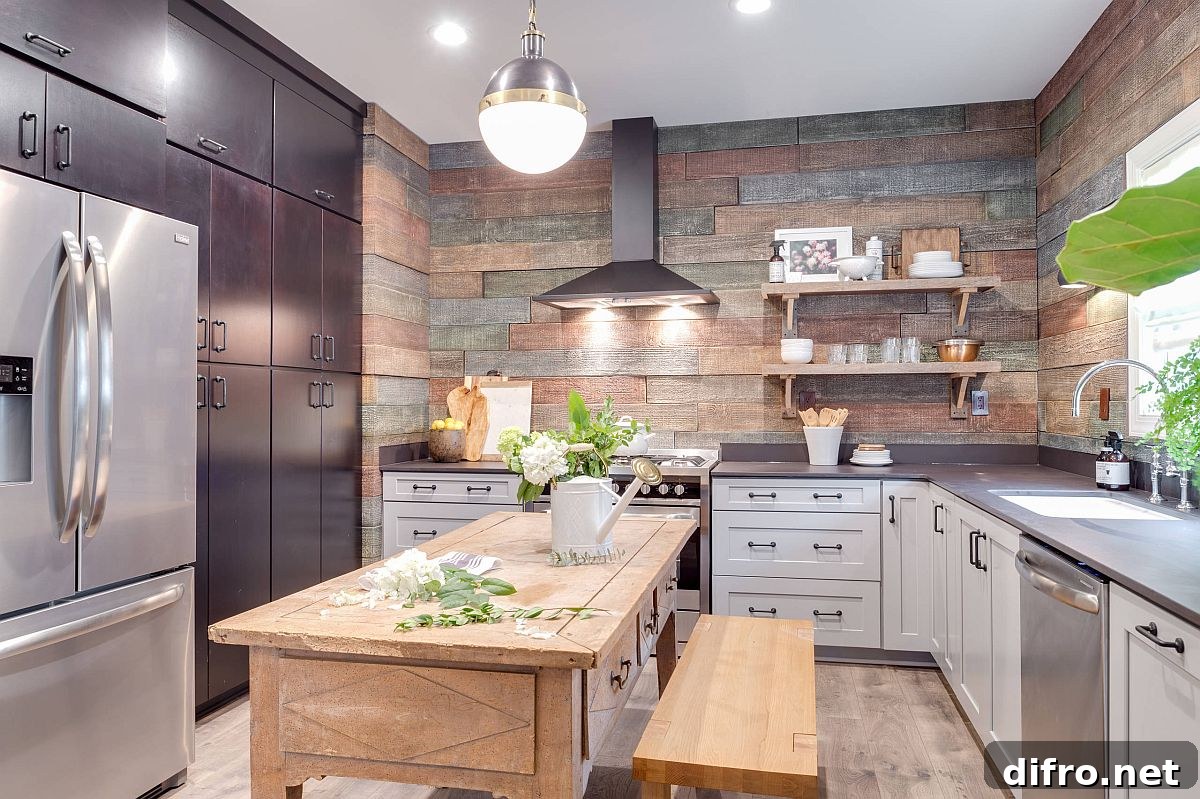
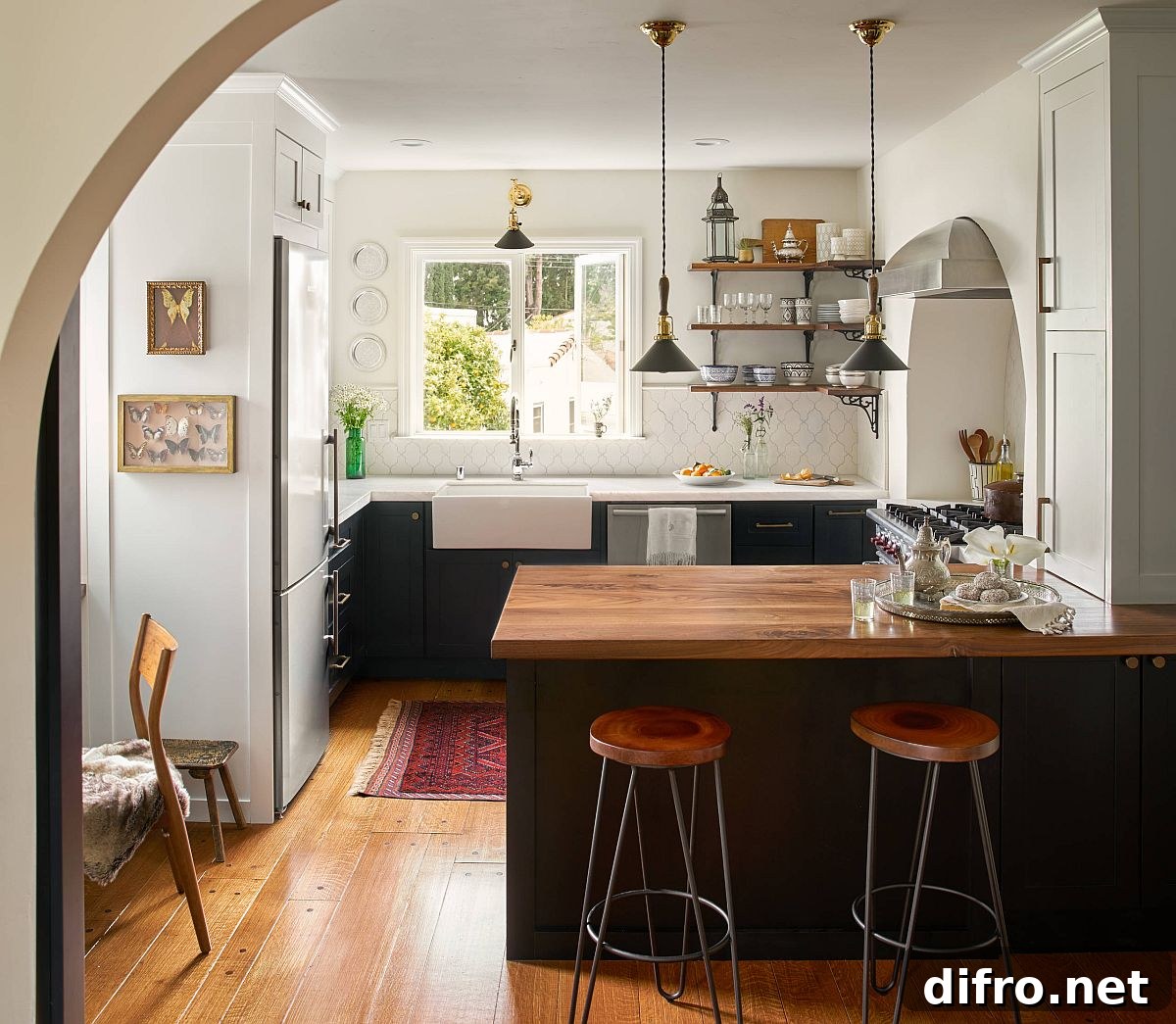
Not Just Texture, But Also Pattern!
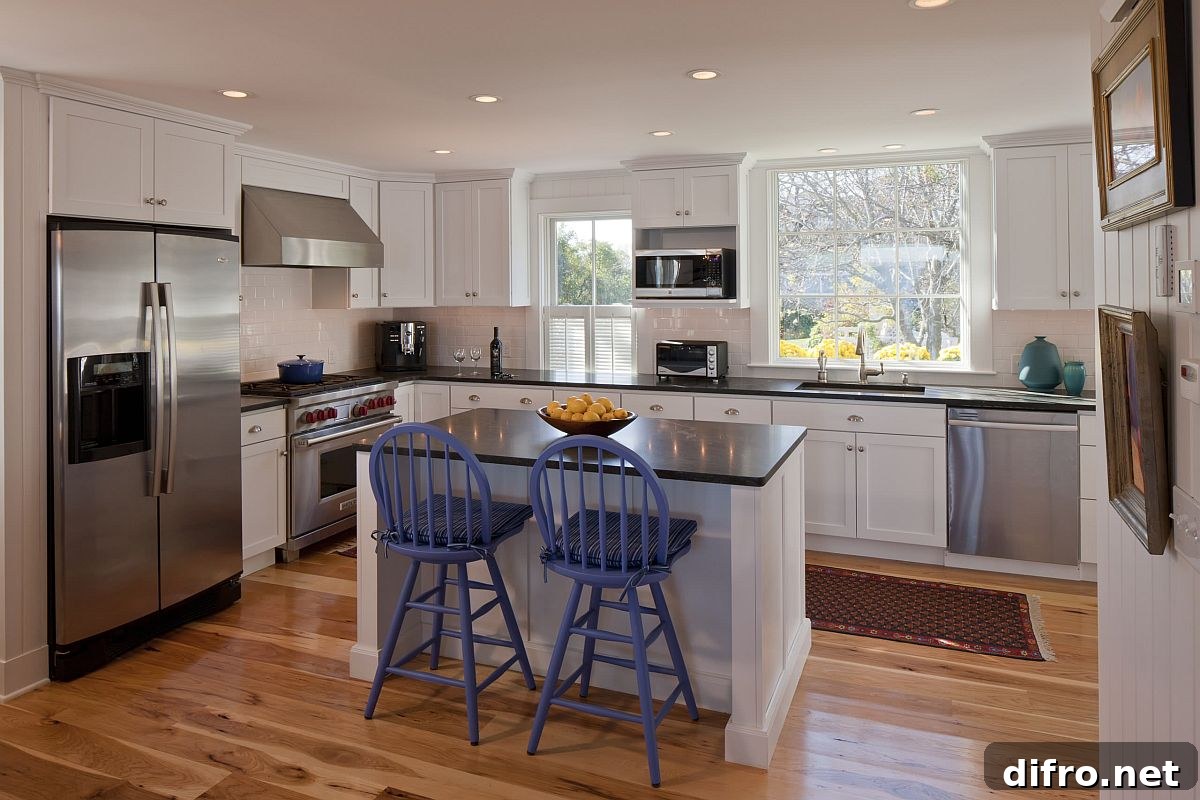
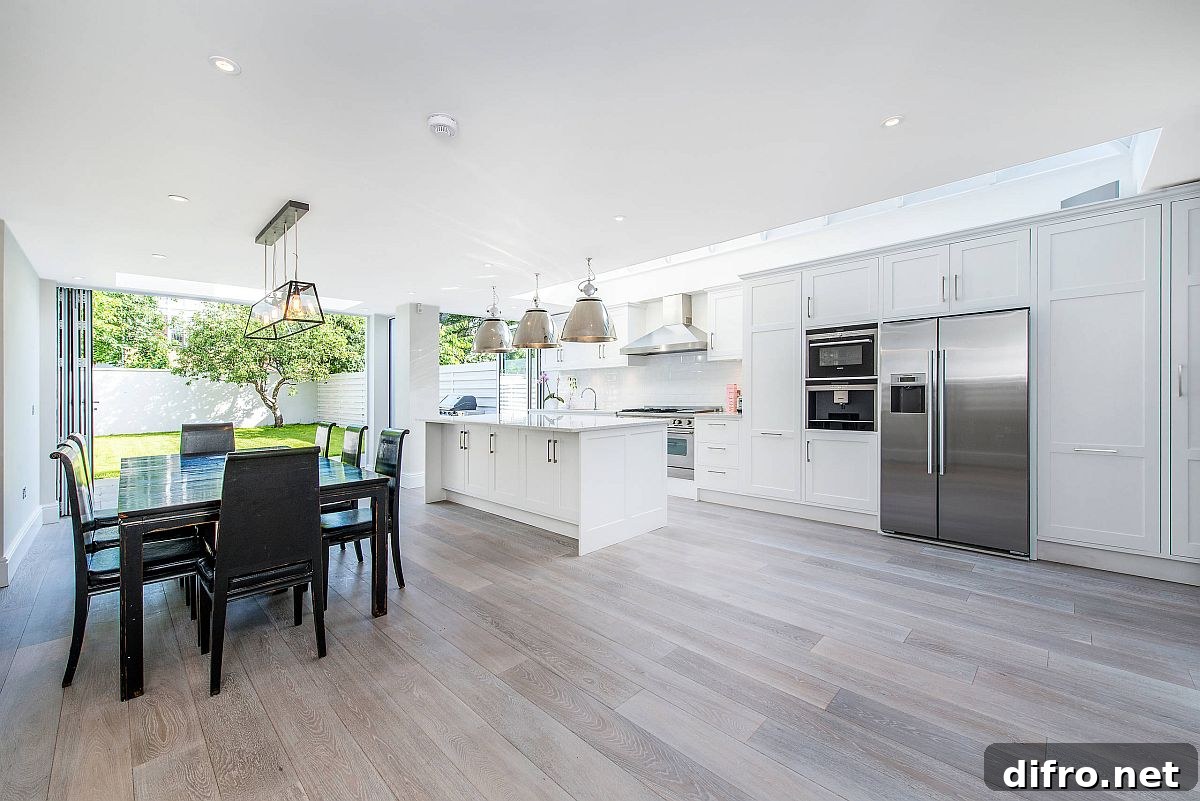
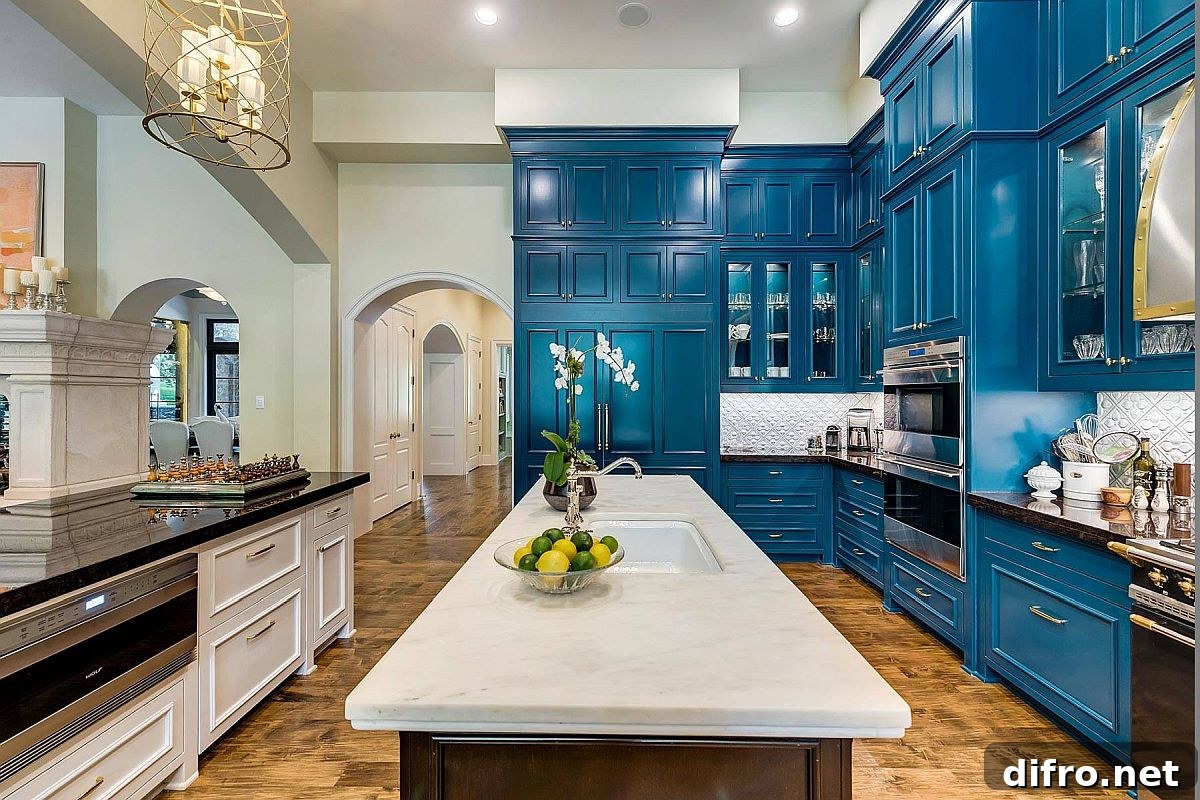
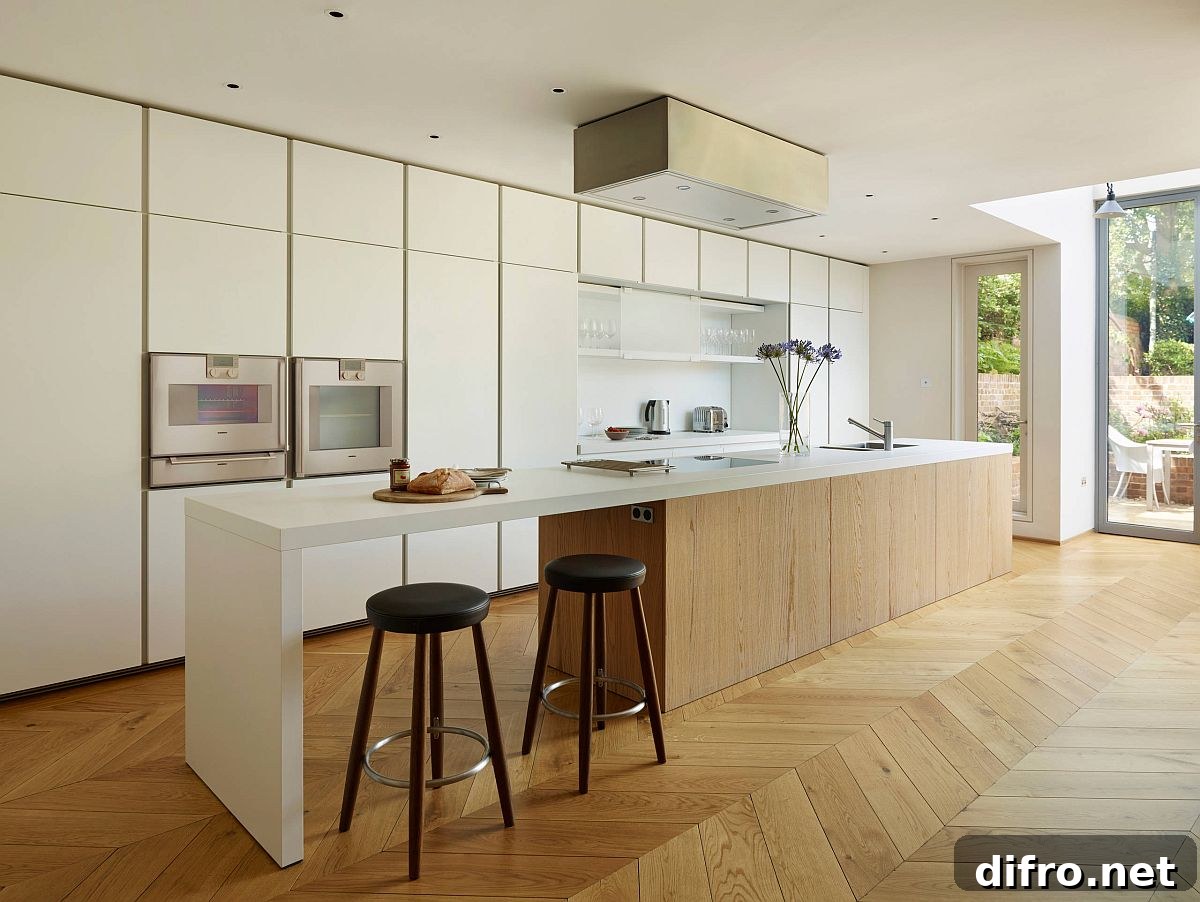
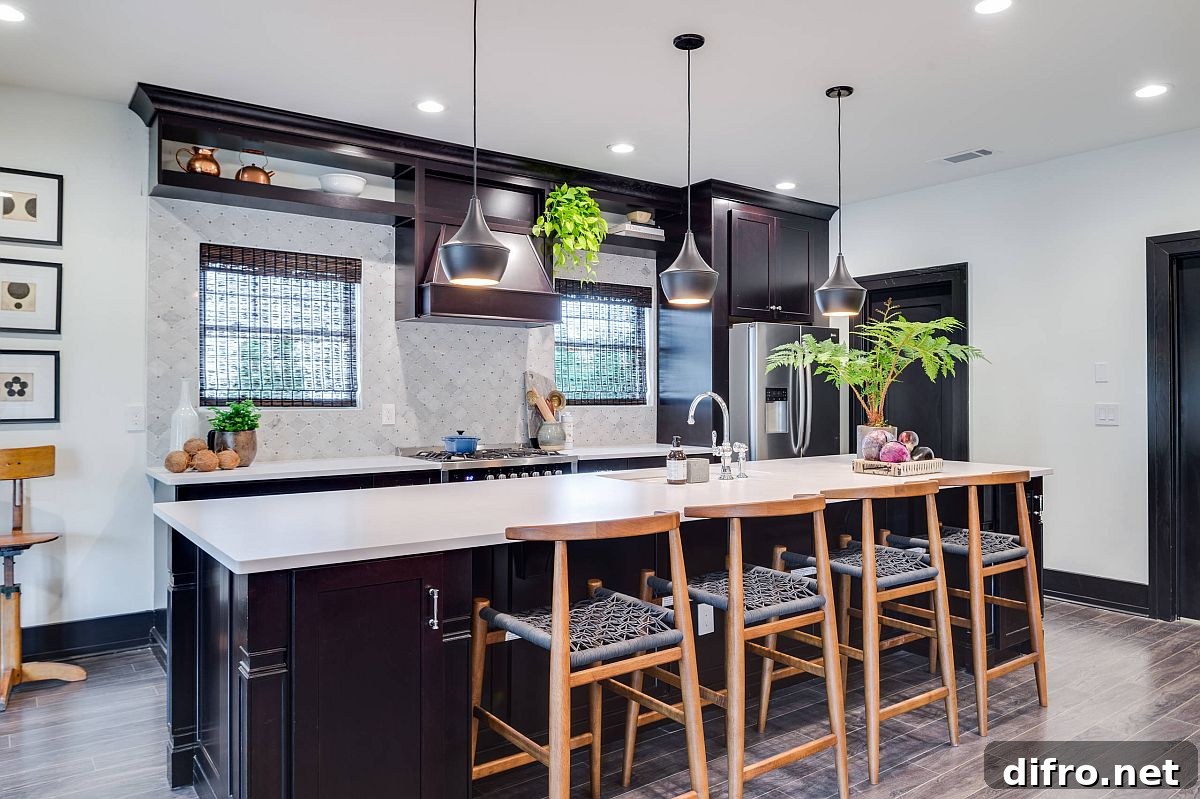
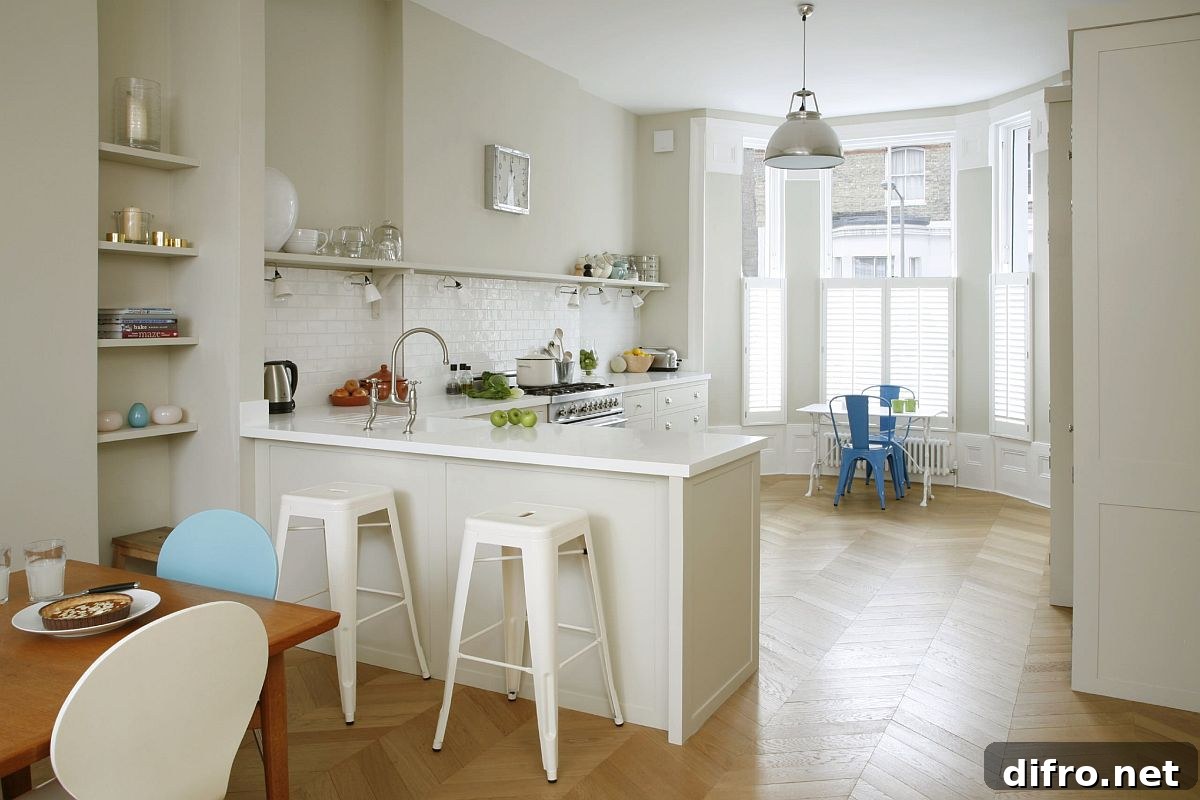
Wood flooring delivers more than texture; it can introduce pattern and rhythm to a kitchen’s layout. In spaces dominated by sleek, manufactured surfaces, timber adds contrast and tactile warmth. Extending the same flooring through an open-plan area unifies different zones, making living, dining and cooking areas feel connected. For a stronger design statement, consider patterned layouts—chevron and herringbone planks lend a refined geometric presence, while custom patterns can create a distinctive focal point without overwhelming the room.
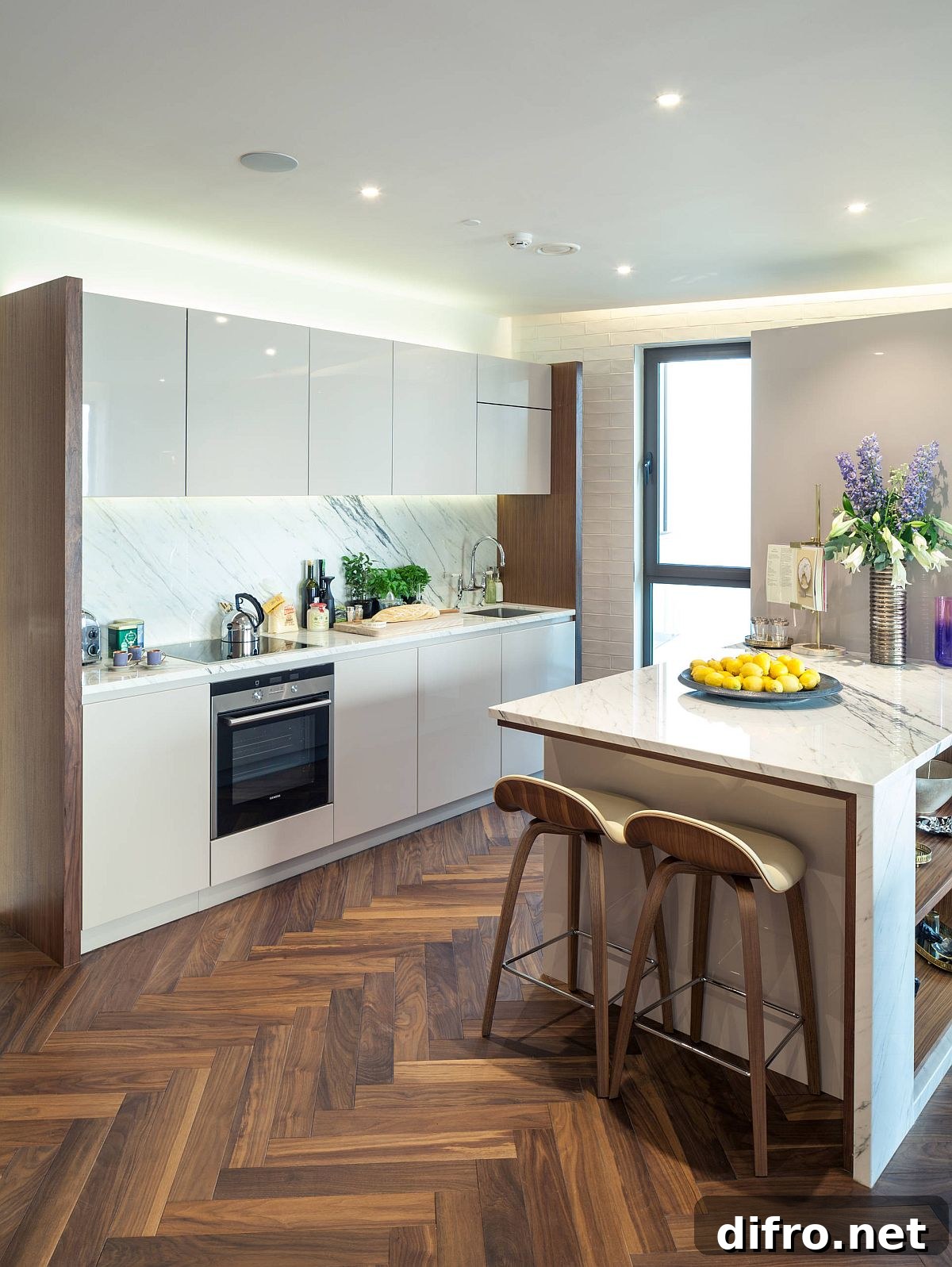
Moving Past Style Constraints
One of wood’s greatest strengths is its versatility. Timber floors rarely clash with a room’s palette; instead they act as a neutral foundation that supports many design directions. The same oak or pine can complement minimalist, coastal, farmhouse or industrial kitchens depending on finish, stain and furnishings. Choosing the right tone—light, natural, warm or dark—helps emphasize the kitchen’s intended mood without forcing the rest of the décor to change.
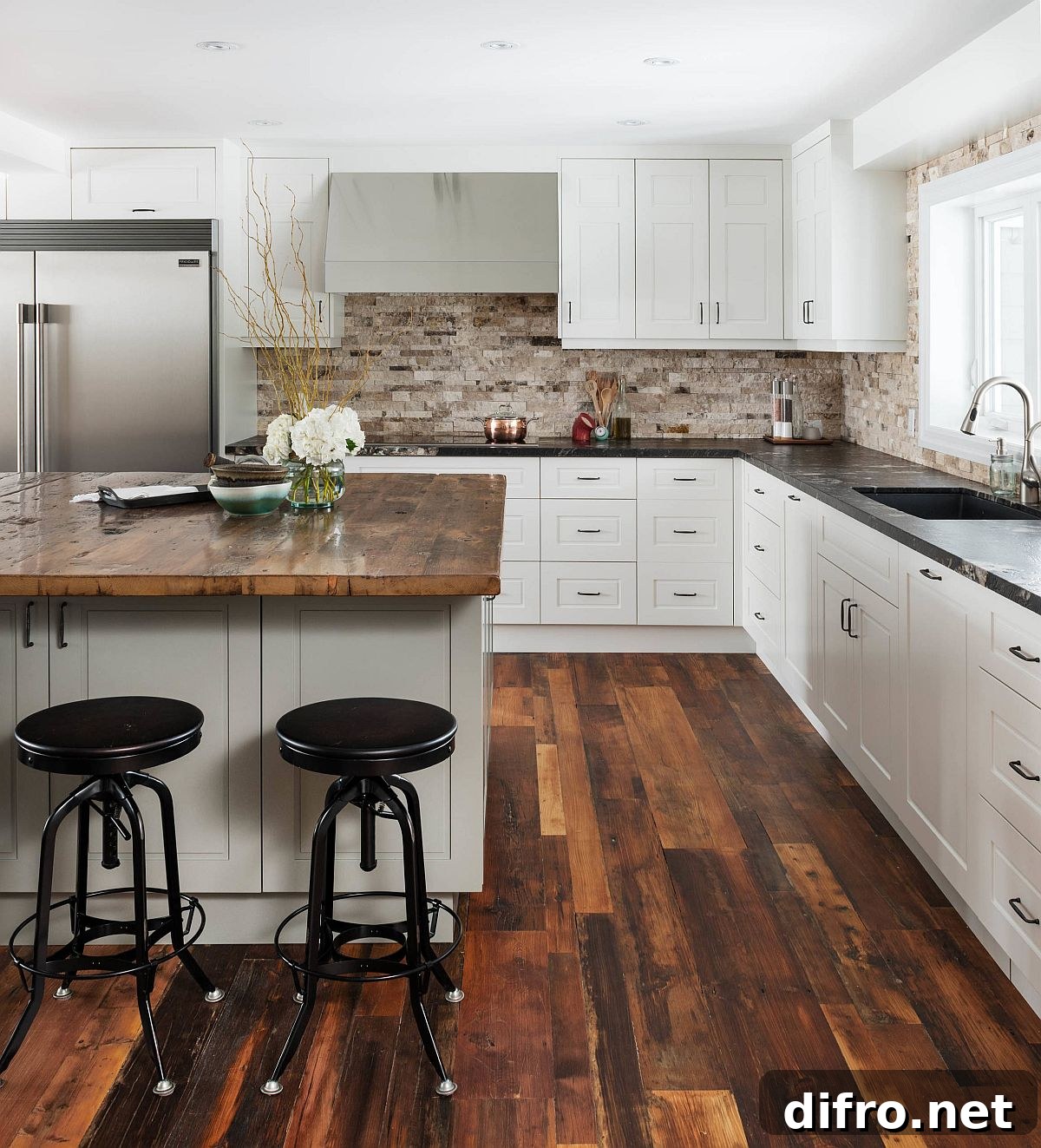
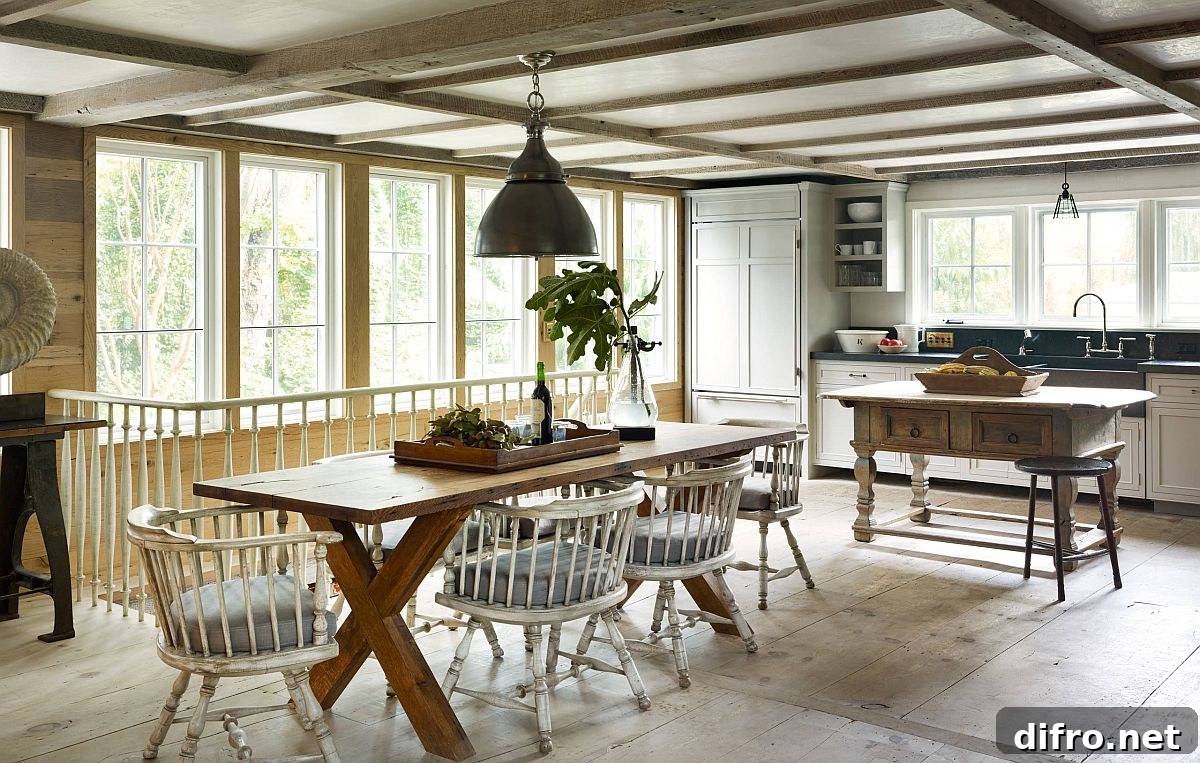
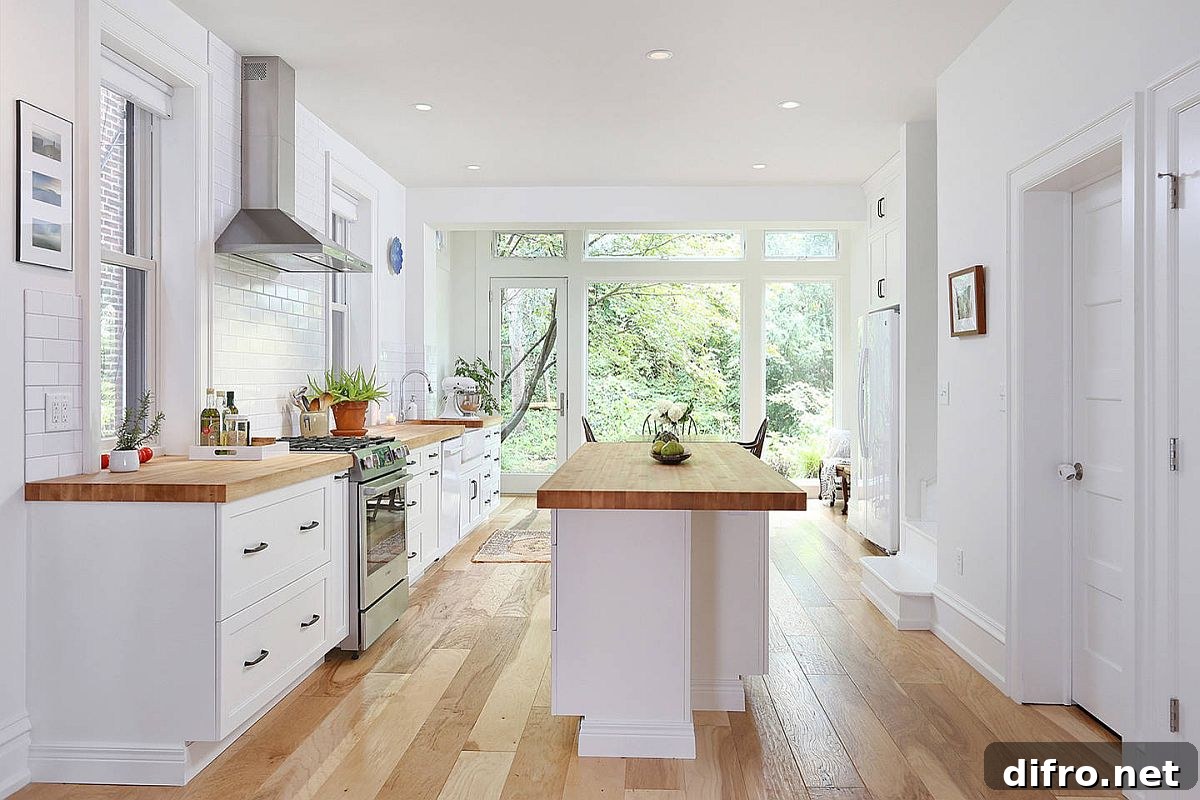
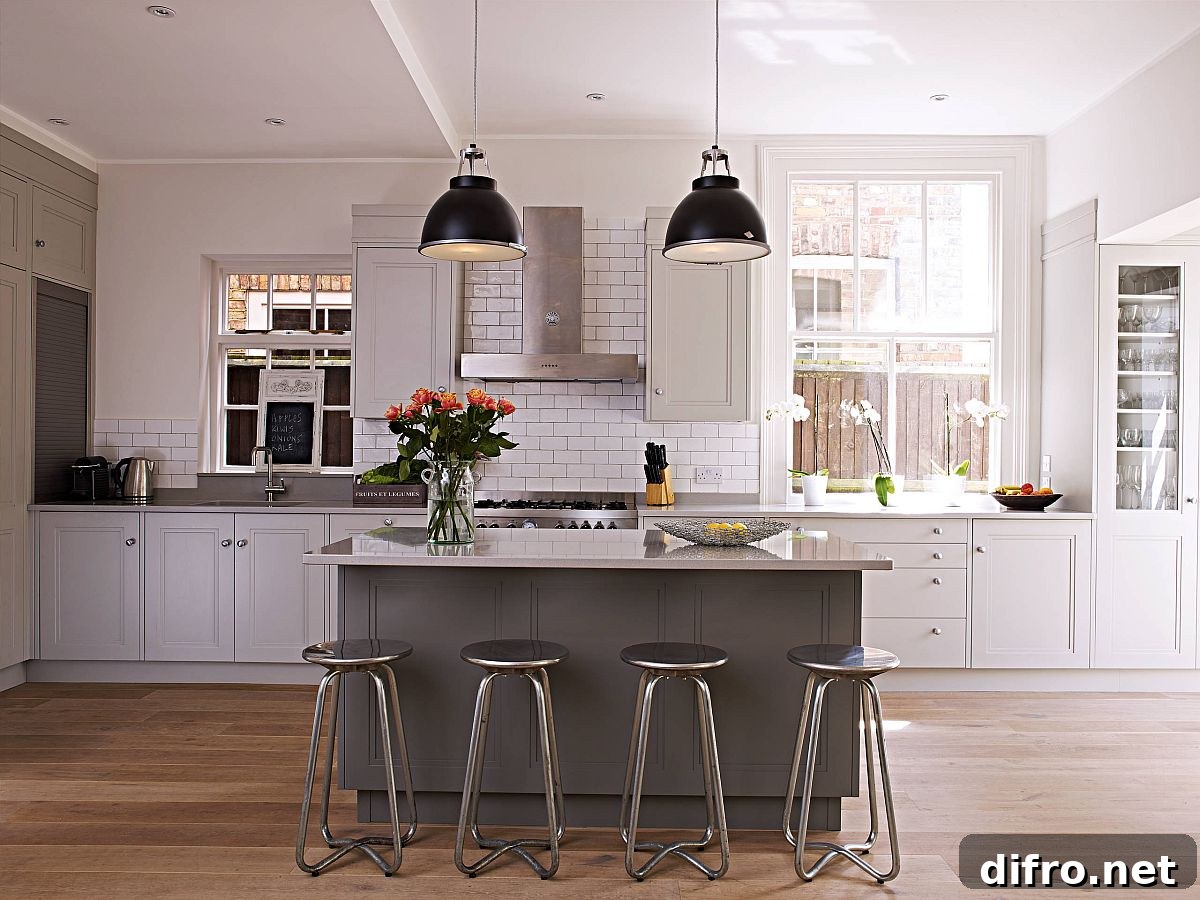
Whether restoring original floorboards, choosing prefinished planks or installing engineered wood for added moisture resistance, wood remains a top pick for kitchens because it delivers comfort, adaptability and long-term style. With thoughtful species selection, protective finishes and routine care, a wooden kitchen floor will not only look beautiful but will stand up to everyday life for years to come.