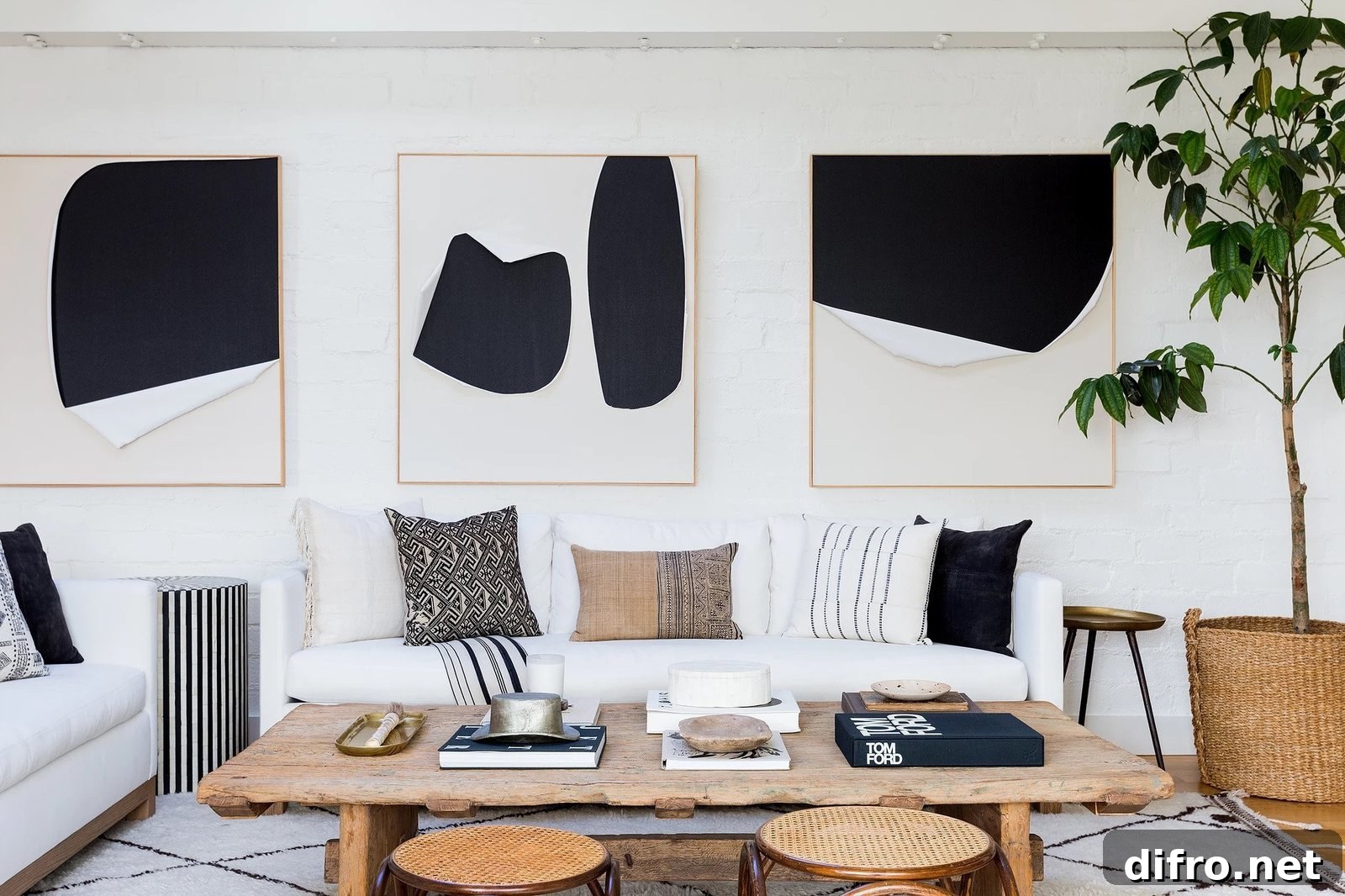
Scandinavian interior design has long appealed to design lovers around the world. Rooted in modernist principles developed by Nordic architects and designers nearly a century ago, this approach endures because it prioritizes human-centered design, practical function, and pared-down simplicity over passing trends. Below are six essential principles to help you bring authentic Scandinavian style into any room.
Work With Raw, Natural Materials
Natural materials are at the heart of Scandinavian interiors. Choosing real wood, stone, or concrete—rather than synthetic finishes—creates a timeless, authentic atmosphere. Celebrating the material’s natural finish and texture rather than over-embellishing it gives a room quiet richness and longevity.
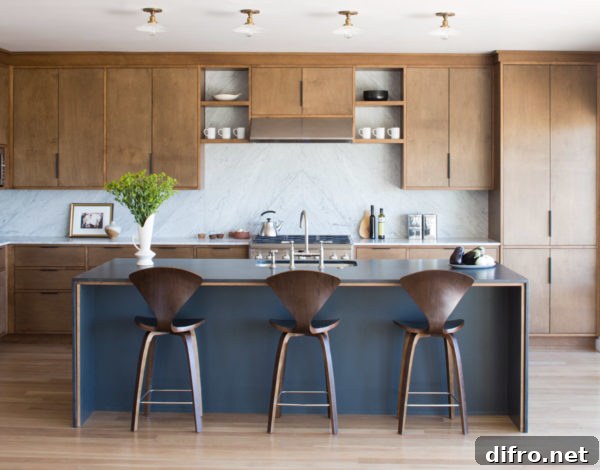
In this kitchen by Simo Design, warm wood cabinetry is paired with a white marble countertop and backsplash. The space relies on the inherent beauty of its materials rather than added ornamentation—an approach that feels both restrained and lasting.
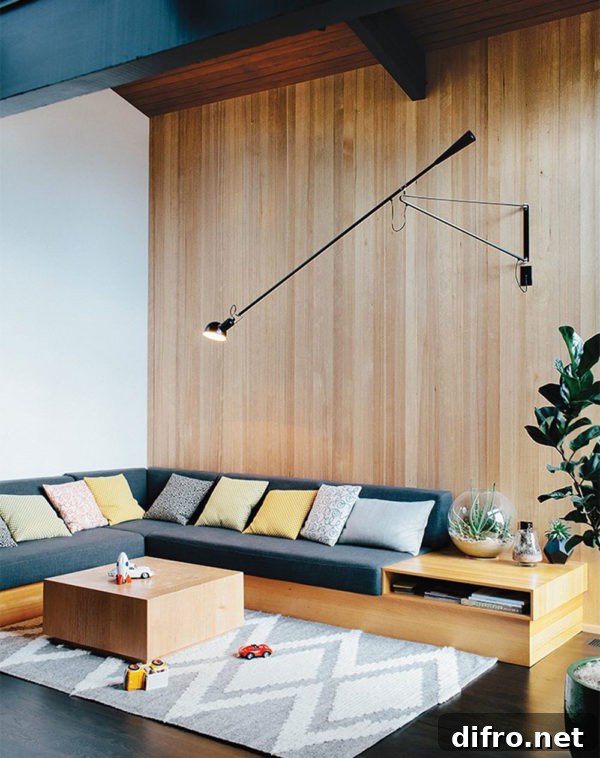
Here, restored hemlock panels on living room walls add warmth and visual interest without stealing attention from the architecture. The wood’s natural grain creates vertical emphasis that highlights the ceiling height and reinforces the honest material palette.
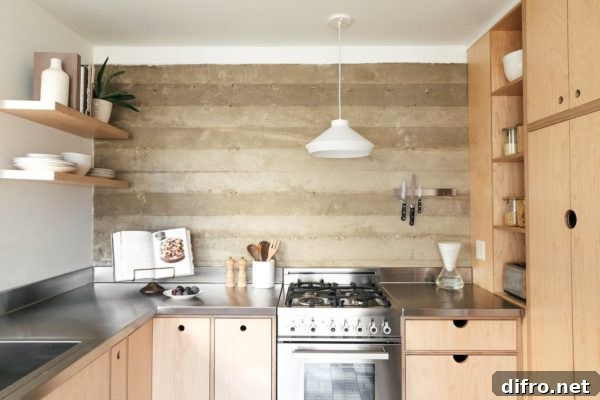
When designers exposed previously hidden board-formed concrete and left its texture visible, the result was a striking contrast between raw structure and streamlined custom cabinetry—another hallmark of Scandinavian restraint and honesty in materials.
Utilize A Neutral Palette
A neutral color scheme—white, soft grays, muted blacks, and natural wood tones—supports the clean, timeless look of Scandinavian interiors. A restrained palette emphasizes proportion, materials, and light rather than relying on bright hues.
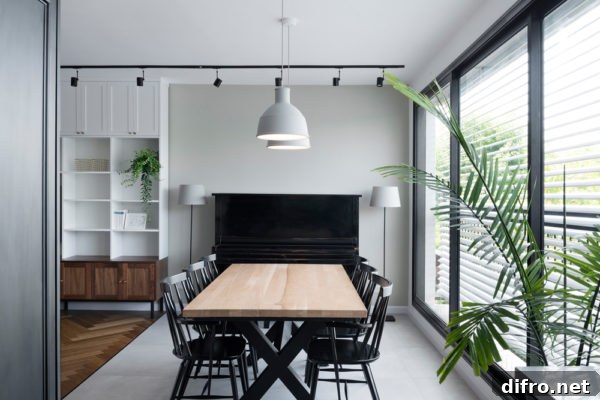
In this modern apartment, designers RUST demonstrate that a room can feel sophisticated and lively without strong color—black and white accents paired with warm wood deliver clarity and modern simplicity.
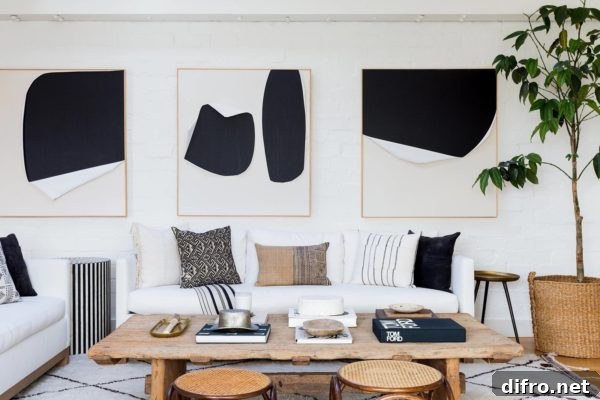
This living room proves neutral doesn’t equal dull: bold black-and-white artwork anchors the space while the monochrome palette keeps the composition cohesive and modern.
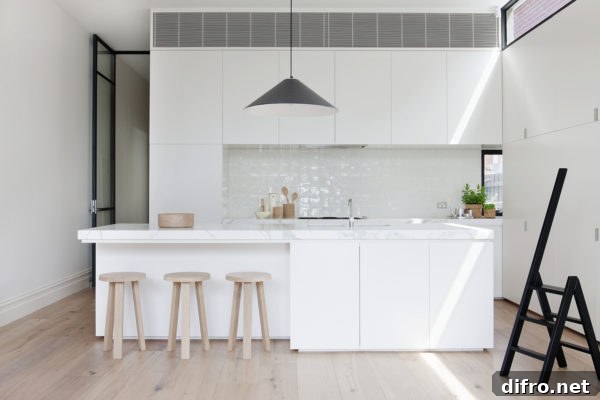
In this kitchen, an almost entirely white palette lets texture do the work: glossy tile contrasts with matte cabinetry for subtle sophistication without relying on saturated color.
Focus On Functional Furniture
Scandinavian furniture follows a clear rule: form supports function. Chairs, sofas, and tables are designed to be comfortable, durable, and visually light, blending minimal lines with ergonomic thinking.
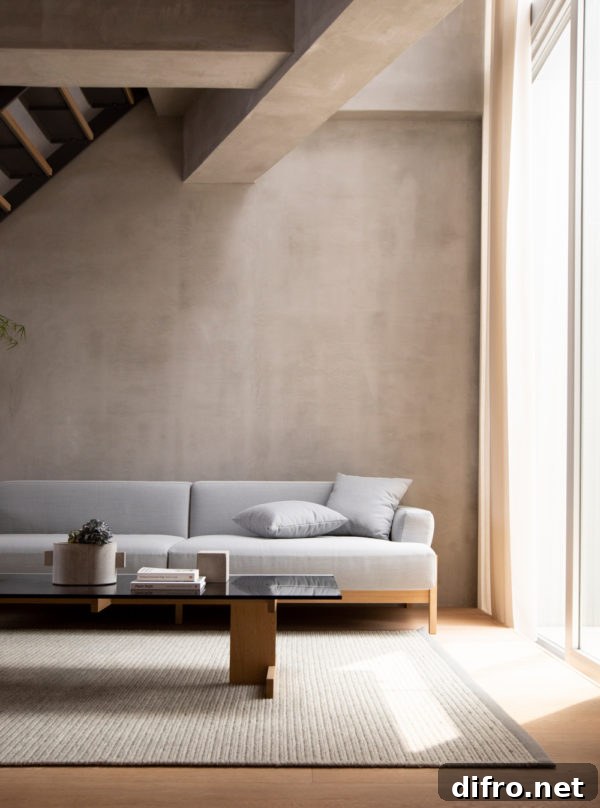
Norm Architects paired a modern sofa with soft lines and refined material choices to create a focal point that feels inviting while maintaining a minimalist silhouette.
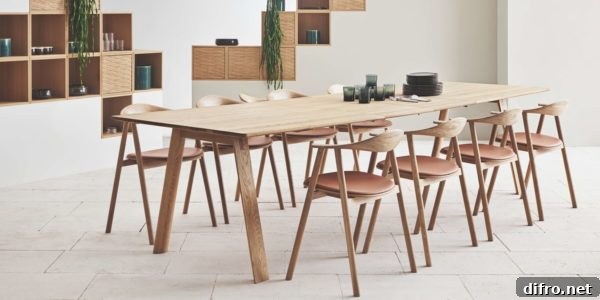
Well-designed dining chairs blend comfort with clear structure: leather upholstery and lacquered oak frames are practical, timeless choices that fit seamlessly into Scandinavian interiors.
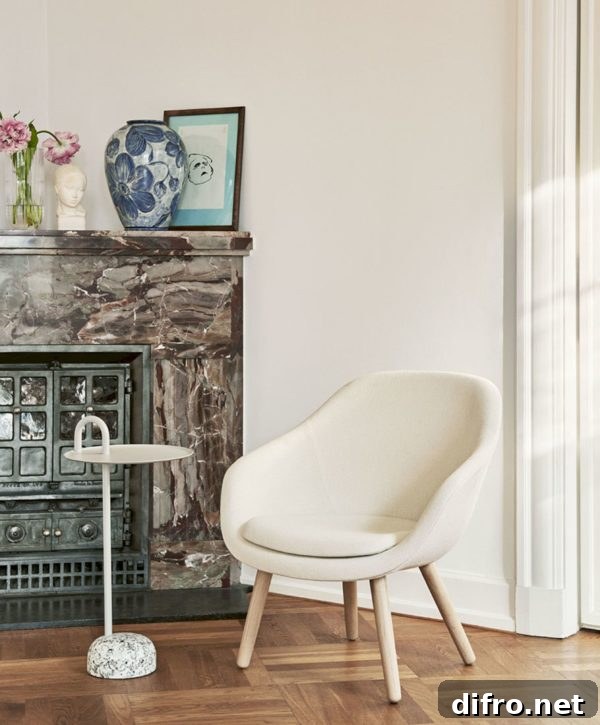
Collections like HAY’s About A Chair exemplify long-lasting, functional design: simple shapes, warm upholstery, and thoughtful proportions create furniture that supports everyday living without excess.
Introduce Greenery
Indoor plants are a frequent and welcome element in Nordic homes. Greenery brings life, texture, and a connection to nature that complements natural materials and a neutral palette.
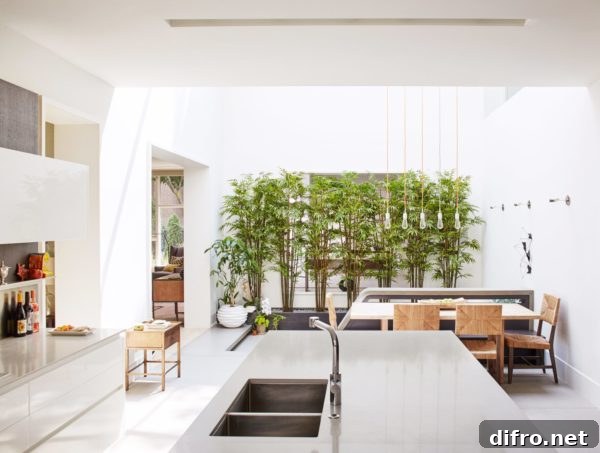
In this airy home, a row of bamboo functions as living art—sunlit greenery that introduces color and texture while remaining integral to the composition of the space.
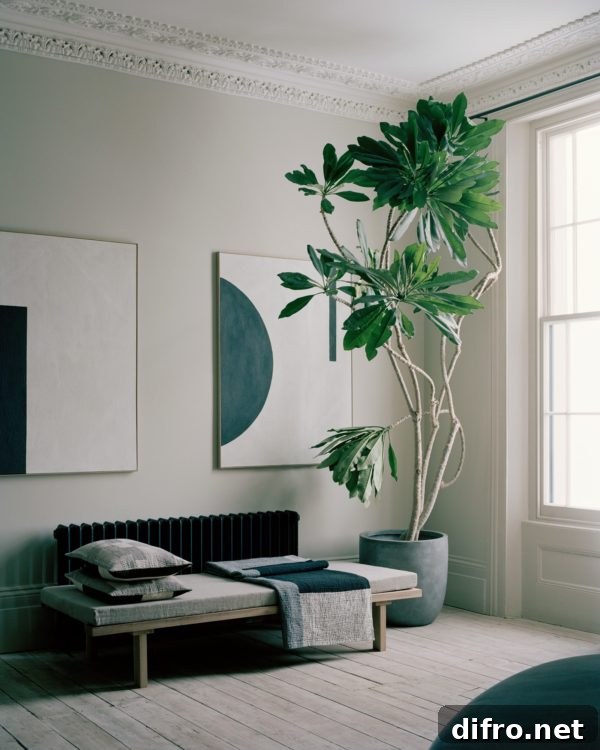
A single oversized plant can complete a room, adding scale, organic shape, and a fresh feeling that complements other simple design elements.
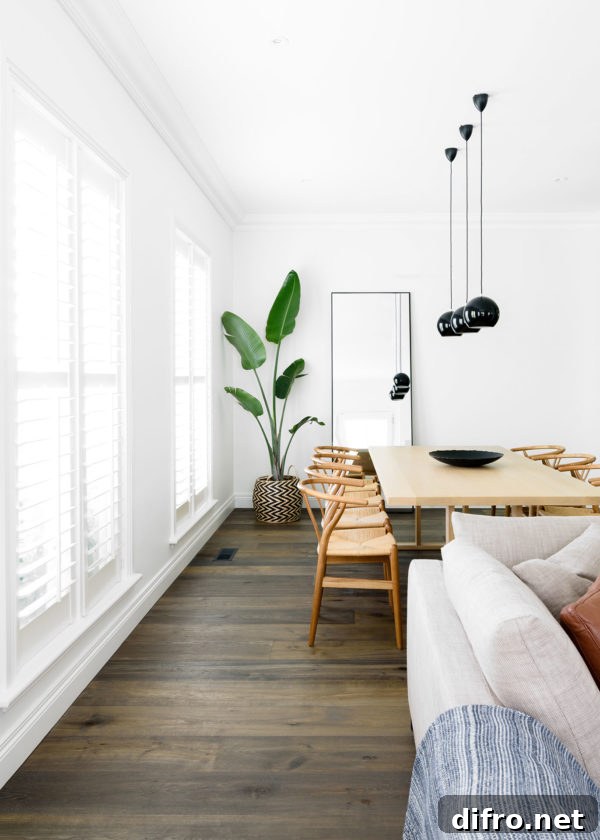
Small pots placed thoughtfully—corners, window sills, or shelving—reinforce the refreshing, natural quality that is central to Scandinavian design.
Embrace Hygge With Your Decor
Hygge—the Danish and Norwegian concept often translated as “coziness”—is fundamental to Scandinavian interiors. It’s about comfort, well-being, and creating a warm, inviting atmosphere through lighting, soft textiles, and thoughtful objects.
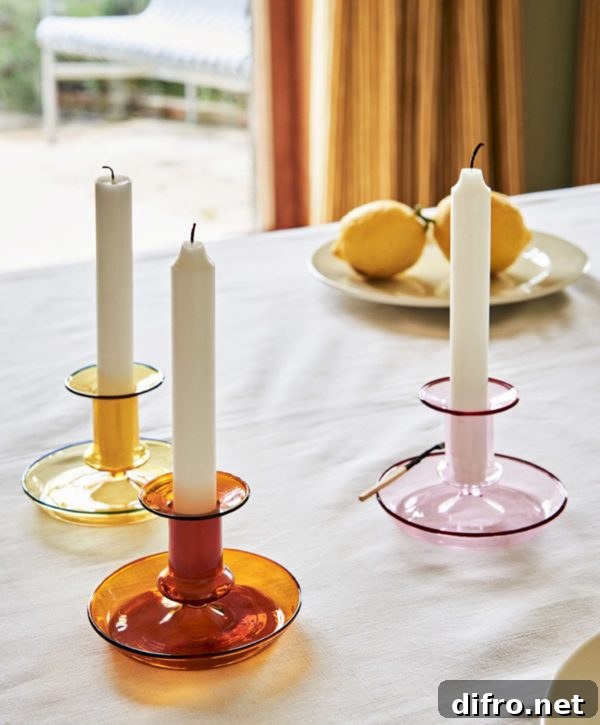
Soft, warm lighting—from candles to low-glow lamps—plays a major role in achieving Hygge. Simple, well-made candleholders and diffused light help cultivate a calm, intimate mood.
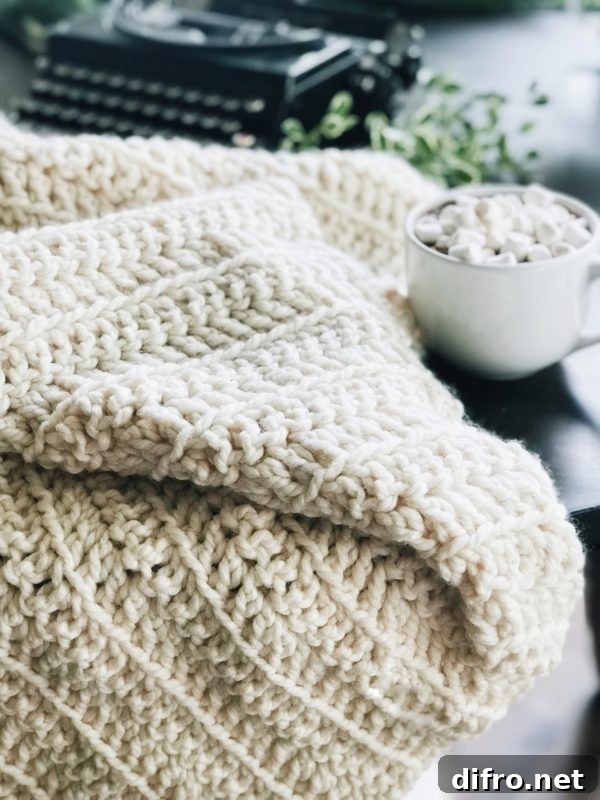
Textiles such as knitted throws and soft blankets add tactile warmth and visual texture. A well-chosen throw invites lingering and relaxation—core aspects of Hygge.
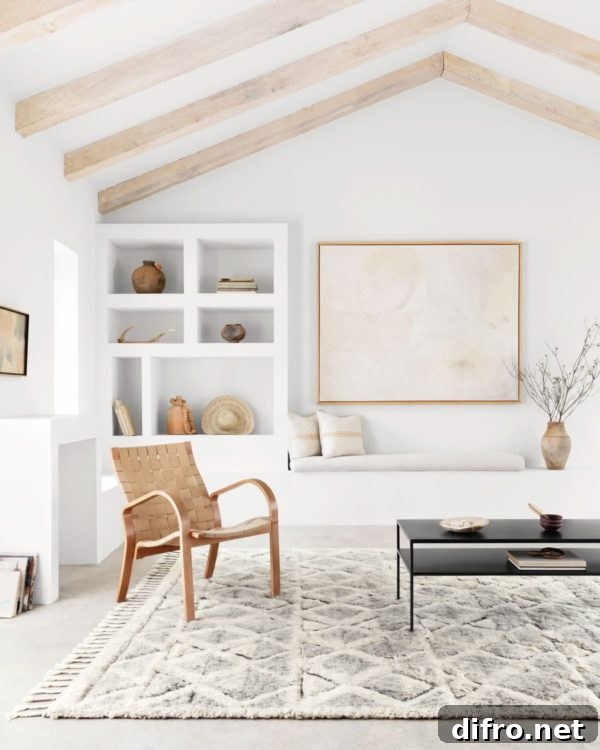
Finally, a thoughtfully selected rug anchors a room while providing acoustic and physical comfort. Rugs from Hygge-inspired collections deliver softness and warmth that help complete a modern Scandinavian interior.
By focusing on honest materials, a neutral palette, functional furniture, natural greenery, and the comfort of Hygge, you can create a Scandinavian interior that feels timeless, welcoming, and distinctly human-centered.