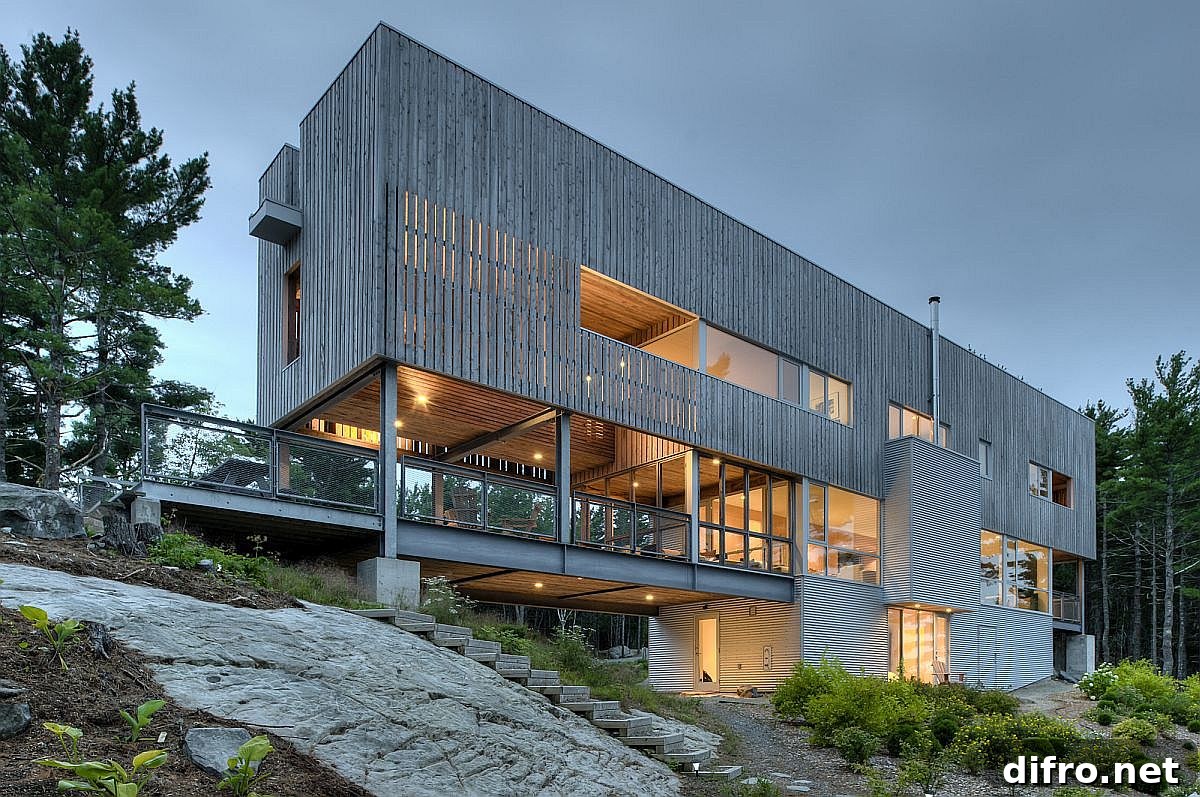
A family-oriented natural retreat is something many of us crave, and few places capture that feeling as beautifully as the Bridge House by Mackay-Lyons Sweetapple Architects in Canada. Sited on a rocky outcrop with the sea on both sides, this house is largely crafted from wood and designed to celebrate its dramatic coastal setting. From every vantage point the views take center stage, while the exterior’s rustic materials give way to a calm, contemporary interior where neutral tones and generous glazing create a bright, restful atmosphere.
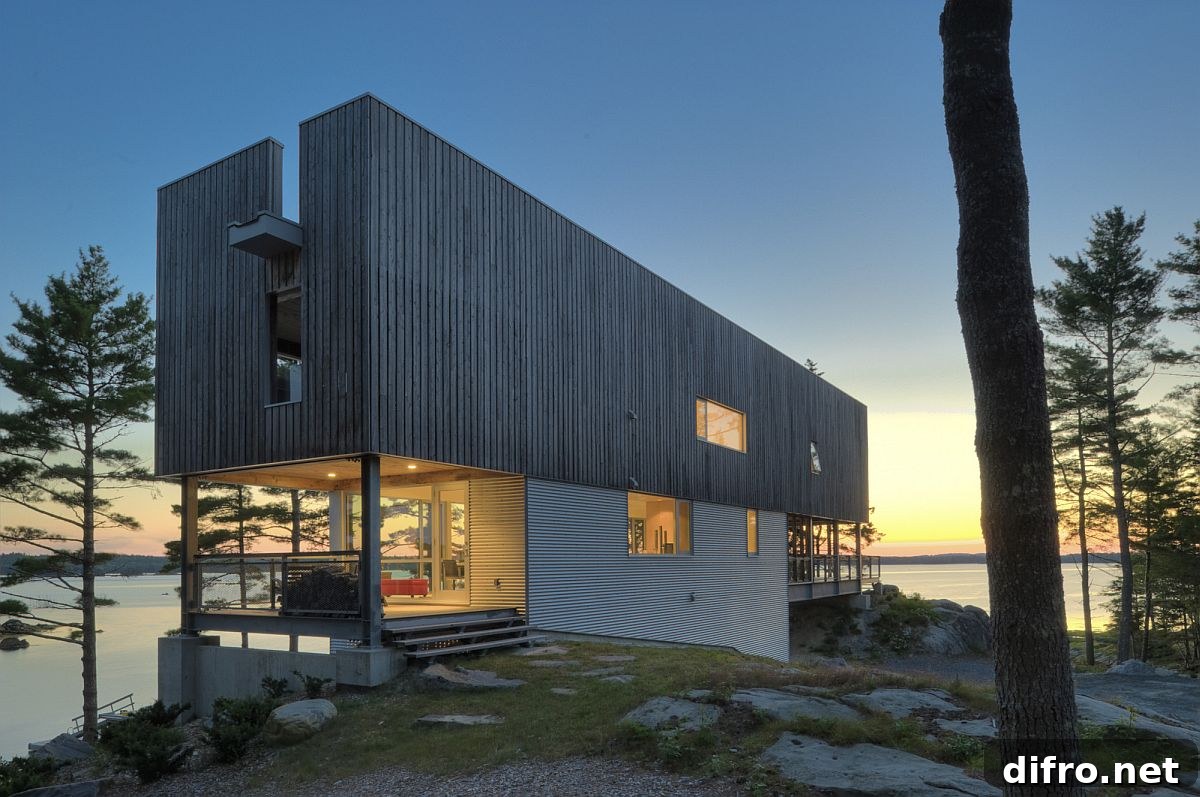
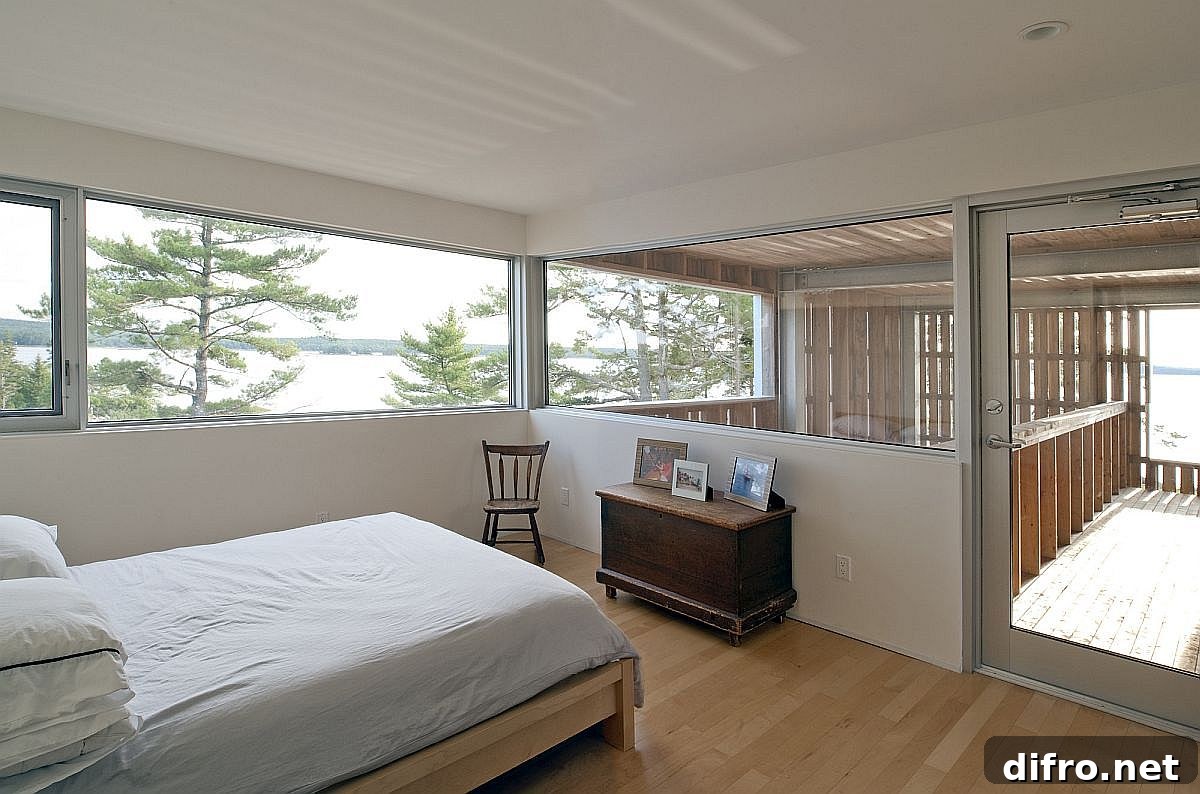
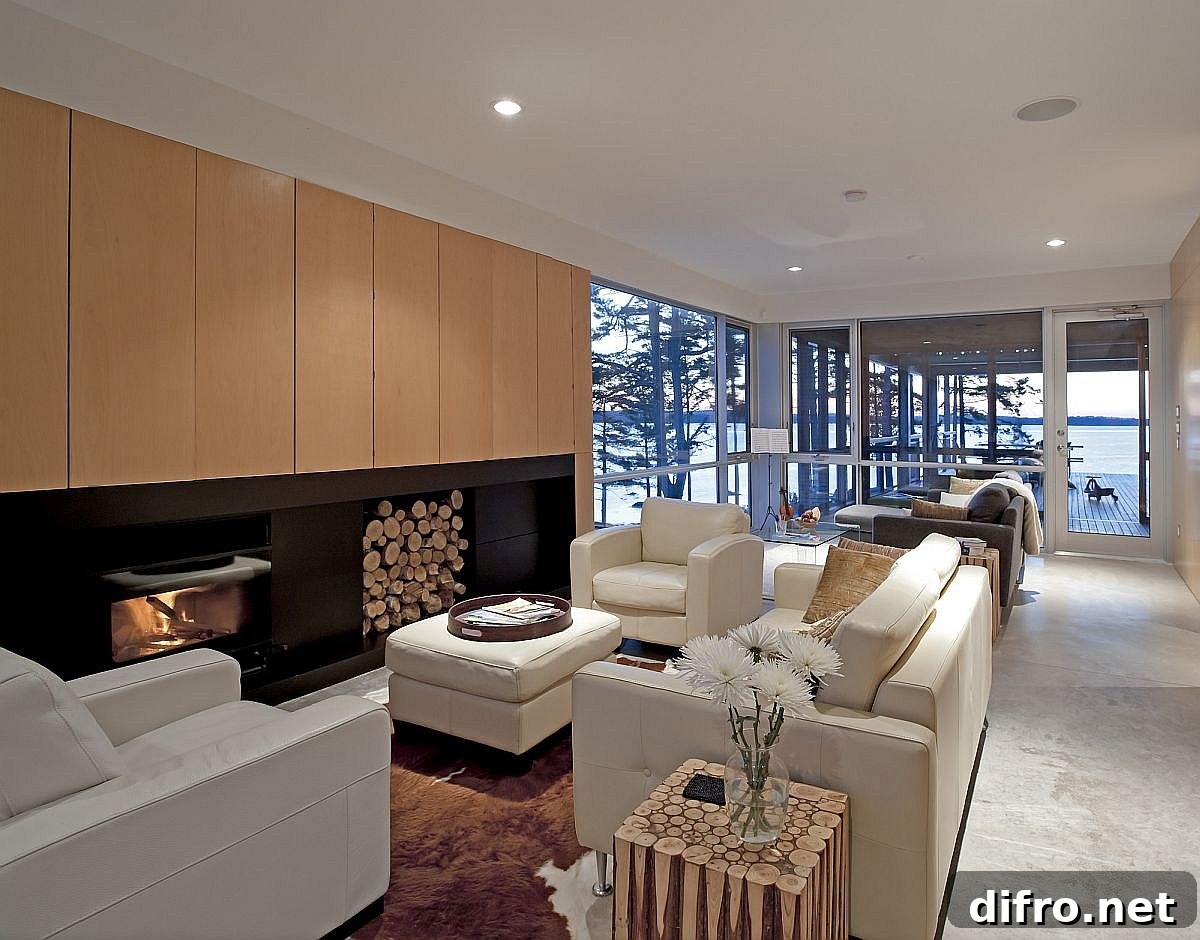
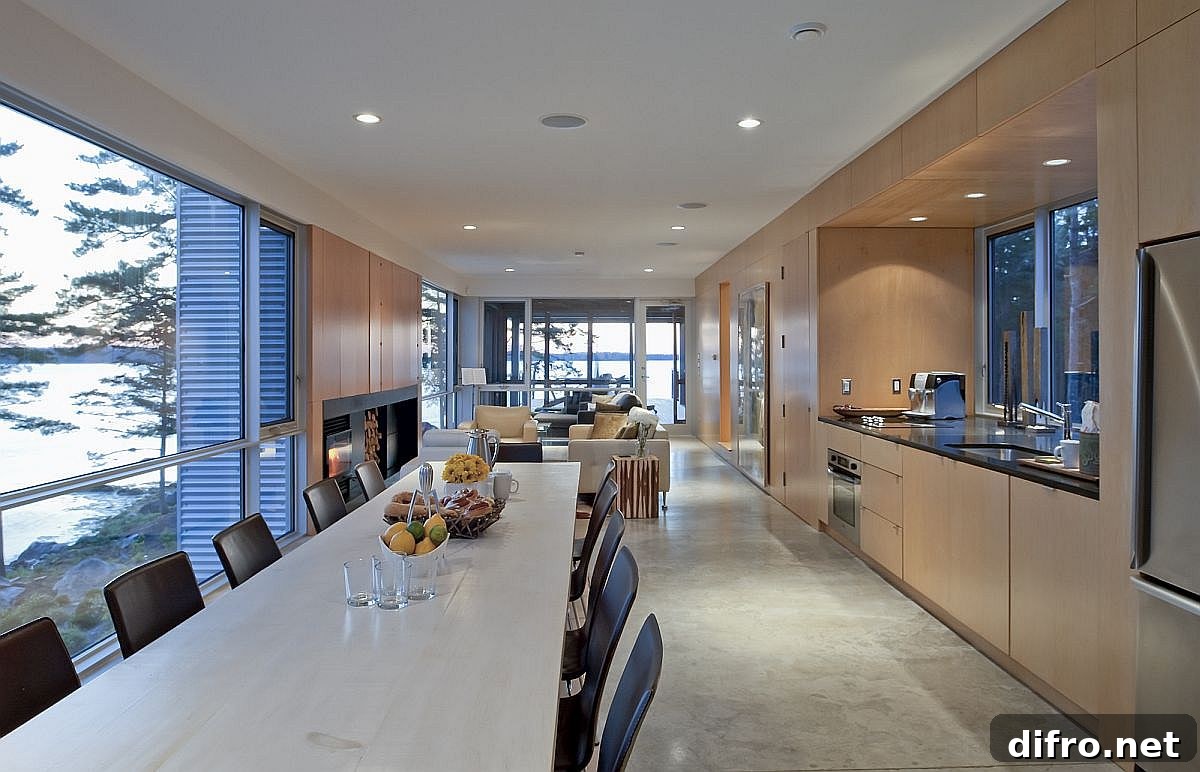
The house is arranged to suit both family life and the rhythms of the site. The lower level accommodates the shared living areas — an open-plan living room, dining space and kitchen — all positioned to take advantage of the surrounding panorama. Large glass walls flood these spaces with daylight and frame uninterrupted views of the ocean. Upstairs, the sleeping level contains four bedrooms along with additional guest rooms and bathrooms, offering privacy and comfort while still keeping the landscape in focus.
Outdoor living is an essential part of the design. A series of decks, hangout areas, bridges and walkways connect the parts of the house and extend the living spaces into the landscape. These exterior rooms enhance the experience of the coast, offering sheltered and exposed spots for family gatherings, quiet reflection and informal entertaining. The design intentionally blurs the boundary between inside and out, making the rocky site and sweeping water views part of everyday life.
Material selection and environmental strategies are integral to the house’s character. The exterior presents a robust, board-and-batten wood envelope that sits upon a revealed steel structural frame. Passive solar design principles are used throughout, and a geothermal hydronic heating system provides an efficient source of warmth. These strategies combine to make the house both resilient and comfortable in its coastal climate.
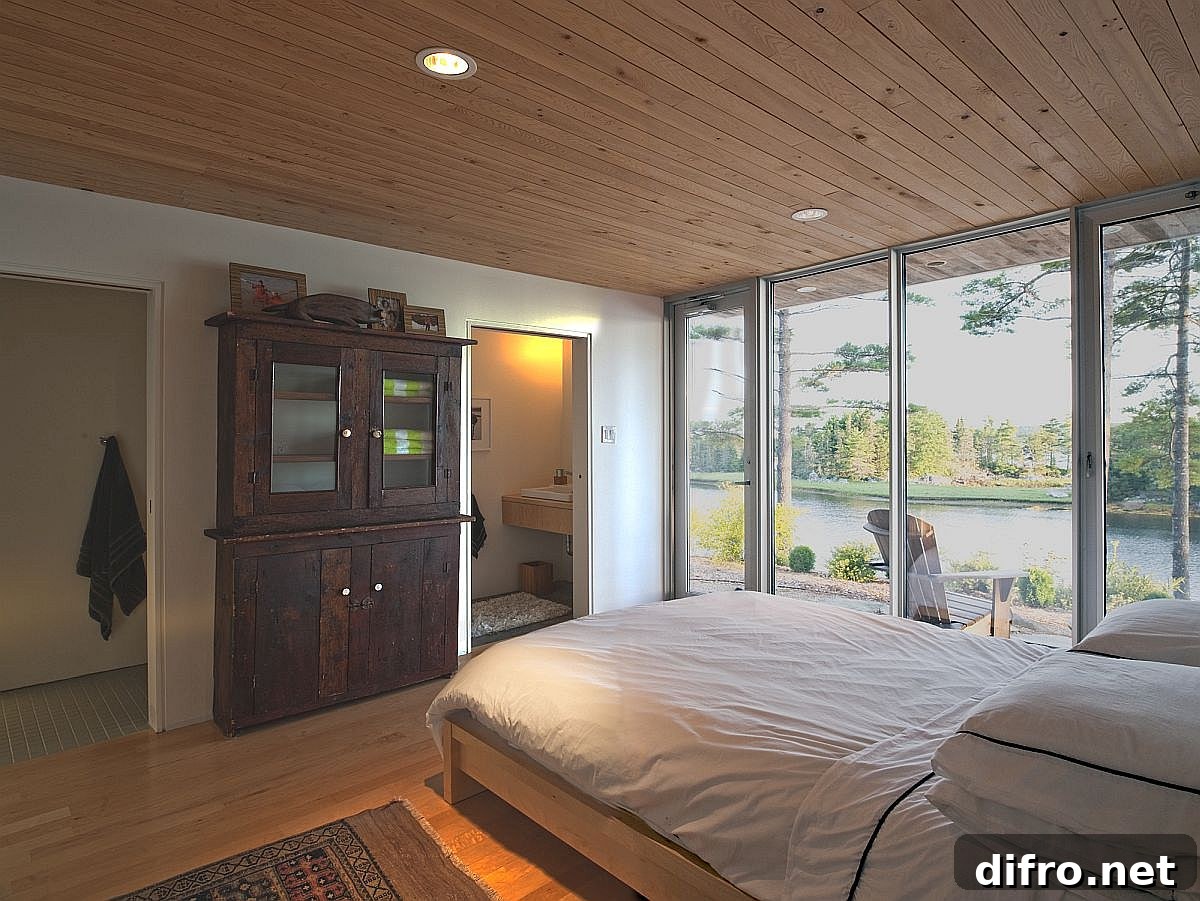
Inside, the palette remains restrained and intentional. Natural wood surfaces, stone detailing and soft neutral tones help the interior feel calm and cohesive, while well-placed glazing brings daylight deep into the plan. The house balances a muscular, weathered exterior with refined interior spaces that are tailored to family life.
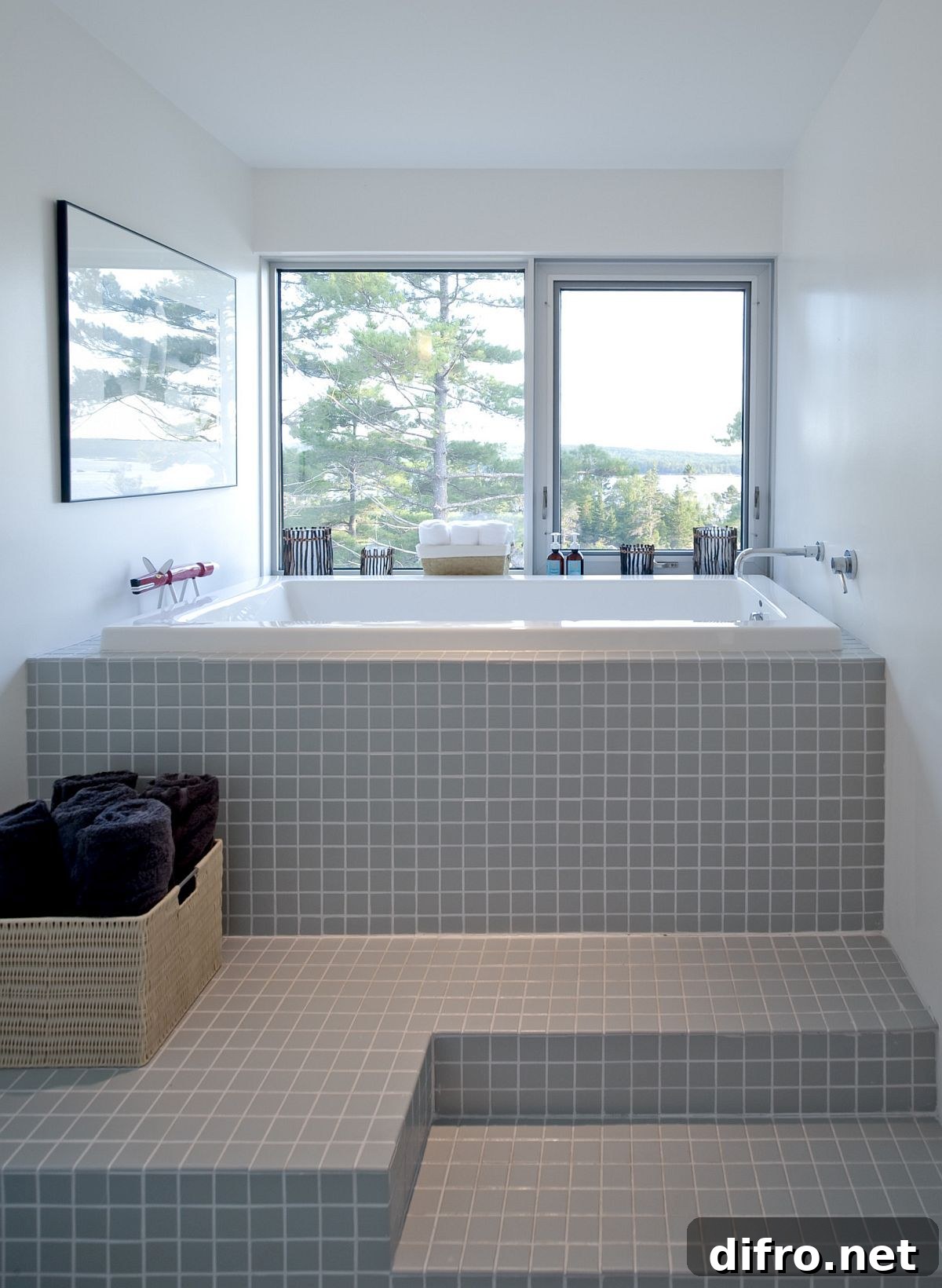
A steel primary skeleton is revealed as the board-and-batten, monolithic, wood envelope delaminates. Two giant scuppers celebrate getting the rain off the roof. A geothermal hydronic heating system is a component of a passive solar approach. This is a robust, muscular building in a powerful landscape, which will weather well over time. It is, however, domesticated by a series of incisions which infect it to the specifics of the site, climate, and views.
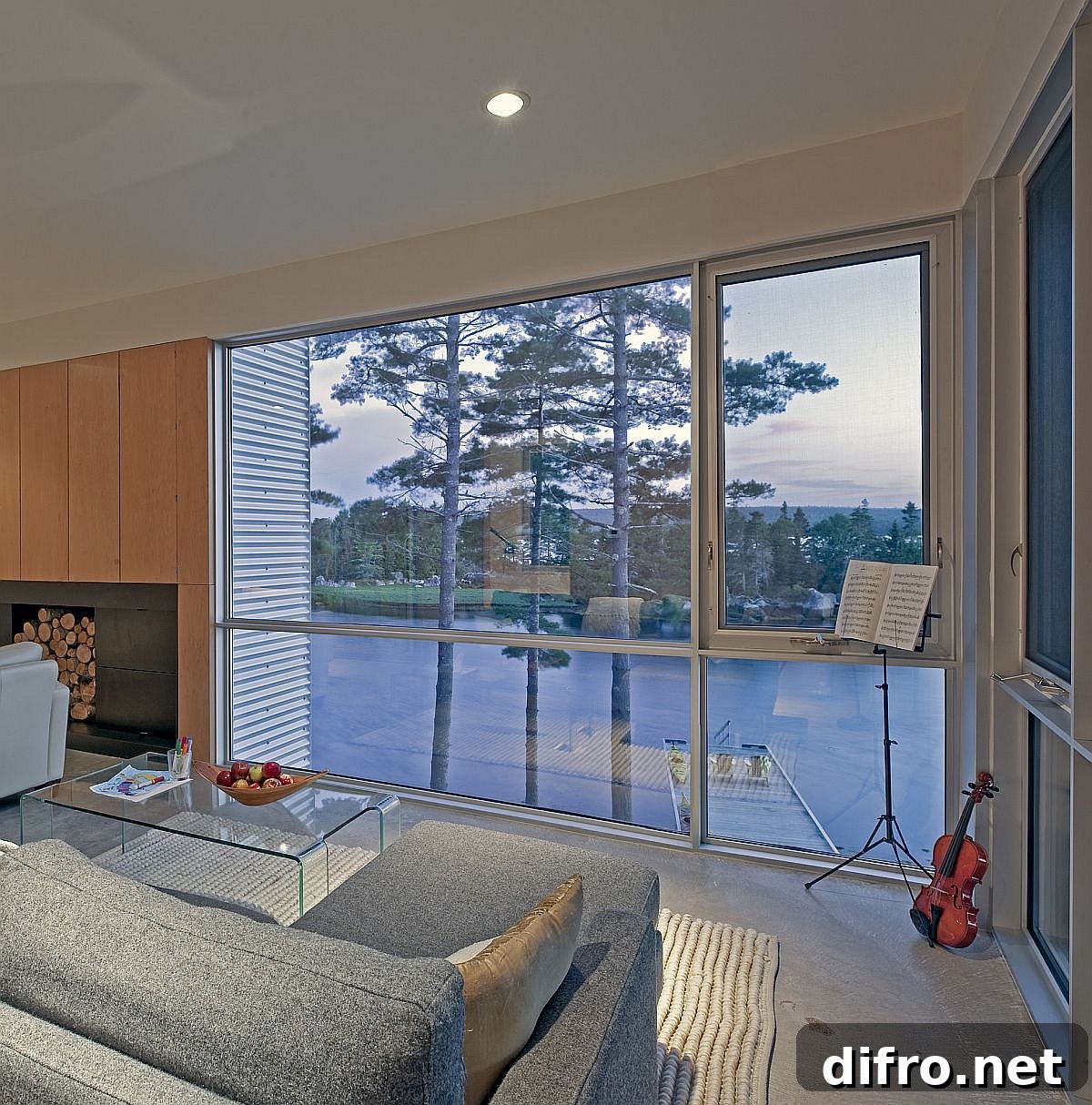
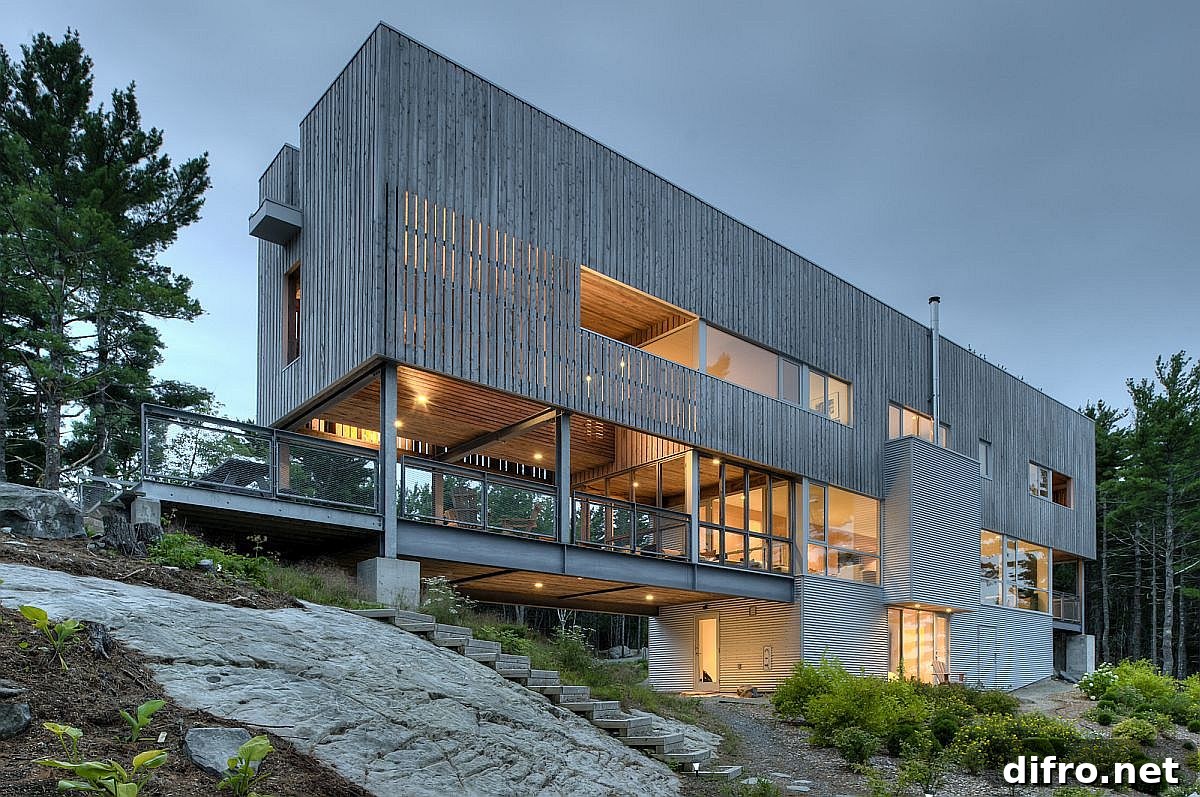
Photographs by Greg Richardson capture how the architecture and landscape work together, revealing moments of shelter, exposure and framed coastal panorama. The Bridge House is an example of architecture that respects its site: robust in construction, refined in detail, and designed to encourage a close relationship between family life and the natural world.