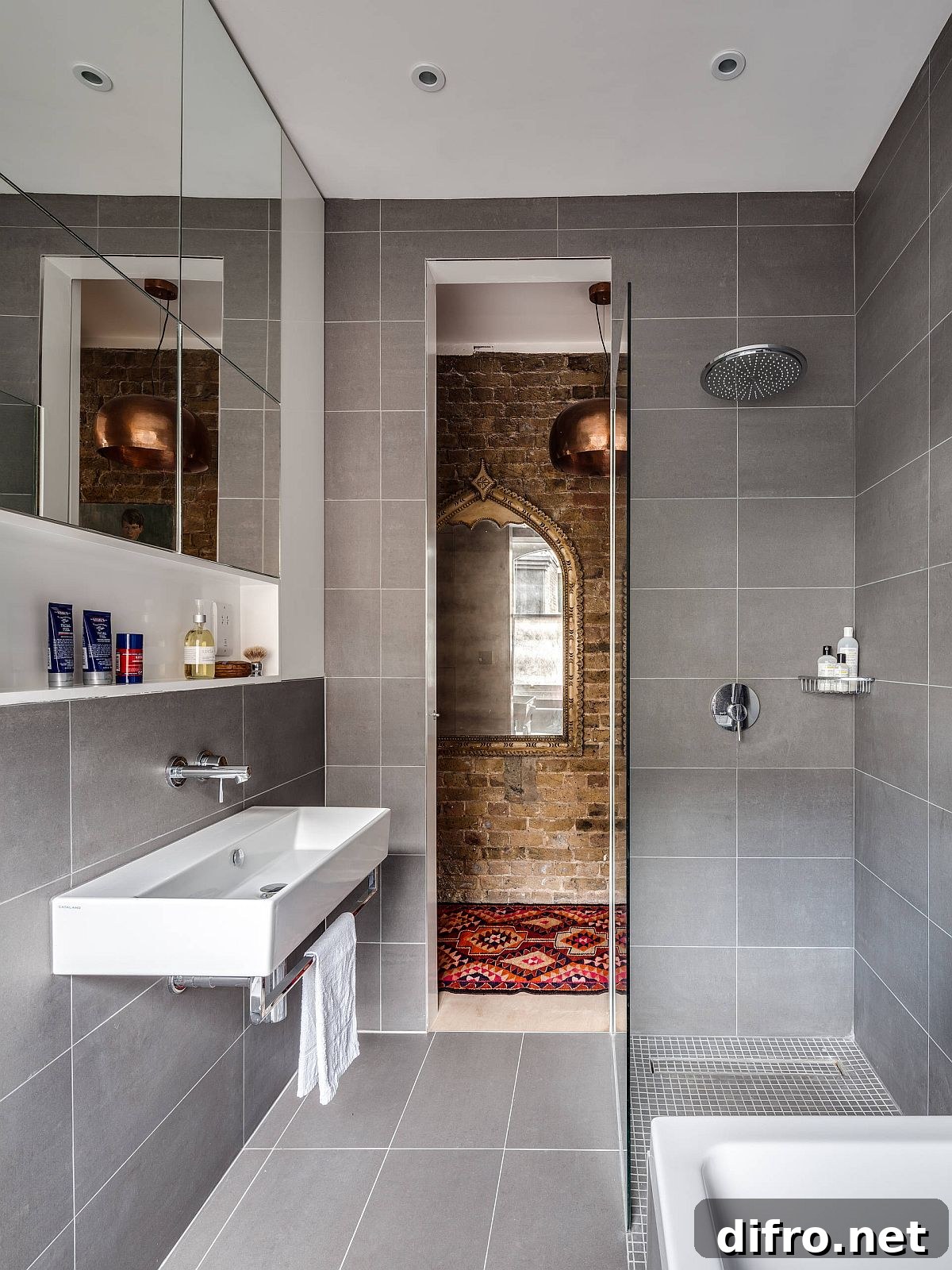
Gray has reigned as the go-to neutral for nearly a decade, and as we move further into this century, it remains one of the most popular choices for modern interiors. While opinions vary about the perfect hue, tint, or shade, gray’s versatility is undeniable. It works beautifully in both large and small bathrooms, acting as a calm backdrop in some designs and as a subtle highlight in others. Below, we explore practical and stylish small gray bathroom ideas that make the most of color, light, texture, and space.
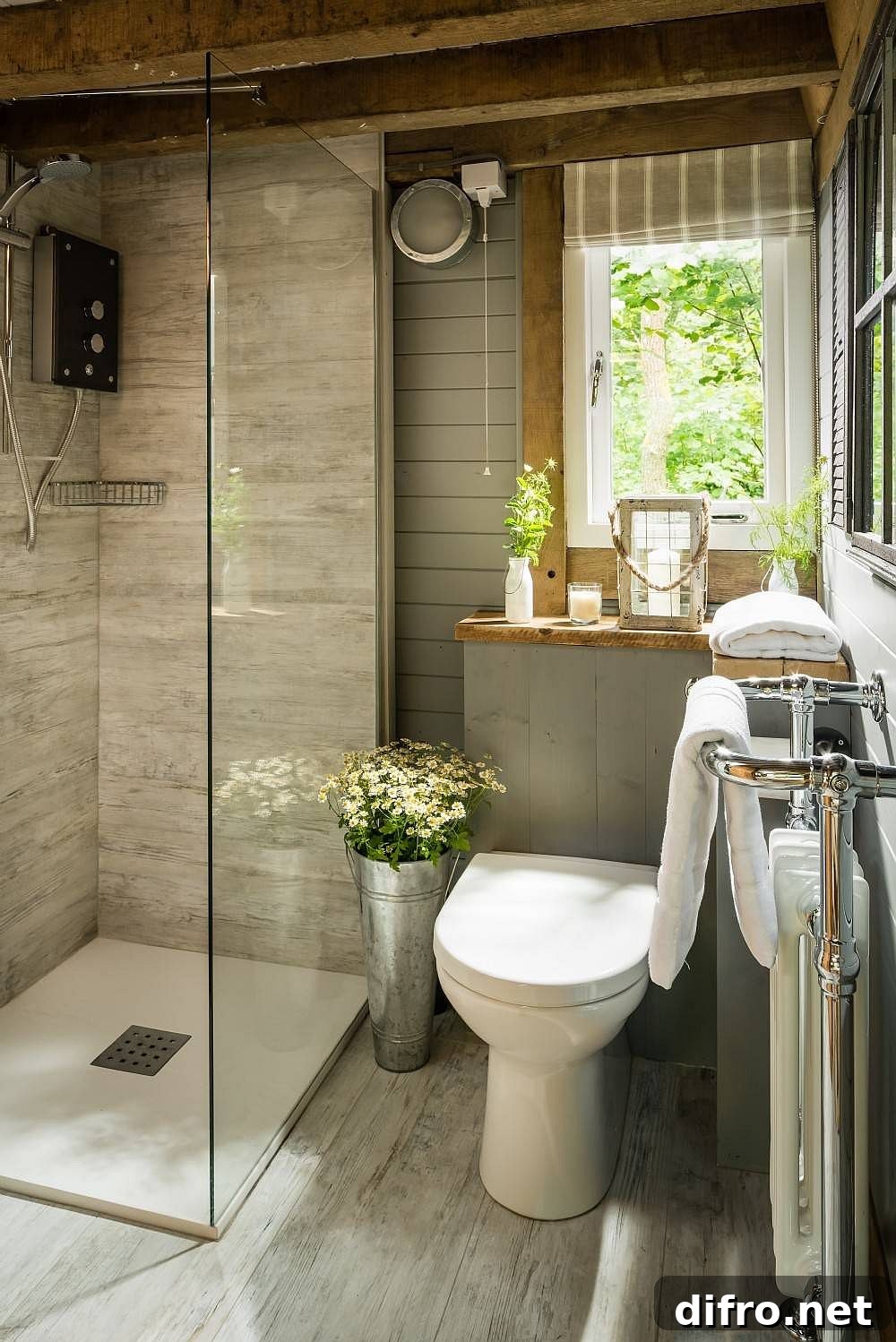
Small gray bathrooms are forgiving and require minimal additional color. A tone-on-tone palette—using multiple shades of gray—creates a harmonious, layered look that feels intentional and tranquil. If you want occasional contrast, swap towels, add fresh flowers, or change small decorative elements seasonally to refresh the space without a major overhaul. Whether you favor a cool bluish-gray or a warm charcoal, gray adapts to many styles and scales.
Discover the Shades of Gray
Choosing between warm and cool grays depends on the bathroom’s size, the available light, and the overall style you want to achieve. Bright bathrooms with abundant natural or well-distributed artificial light can handle deeper, moodier grays. Conversely, compact bathrooms often benefit from lighter grays that keep the space feeling open and airy. Bluish-grays remain especially popular, lending a subtle coastal or contemporary vibe. Accent colors—reds, yellows, or botanical greens—work well as sparing pops against a gray base.
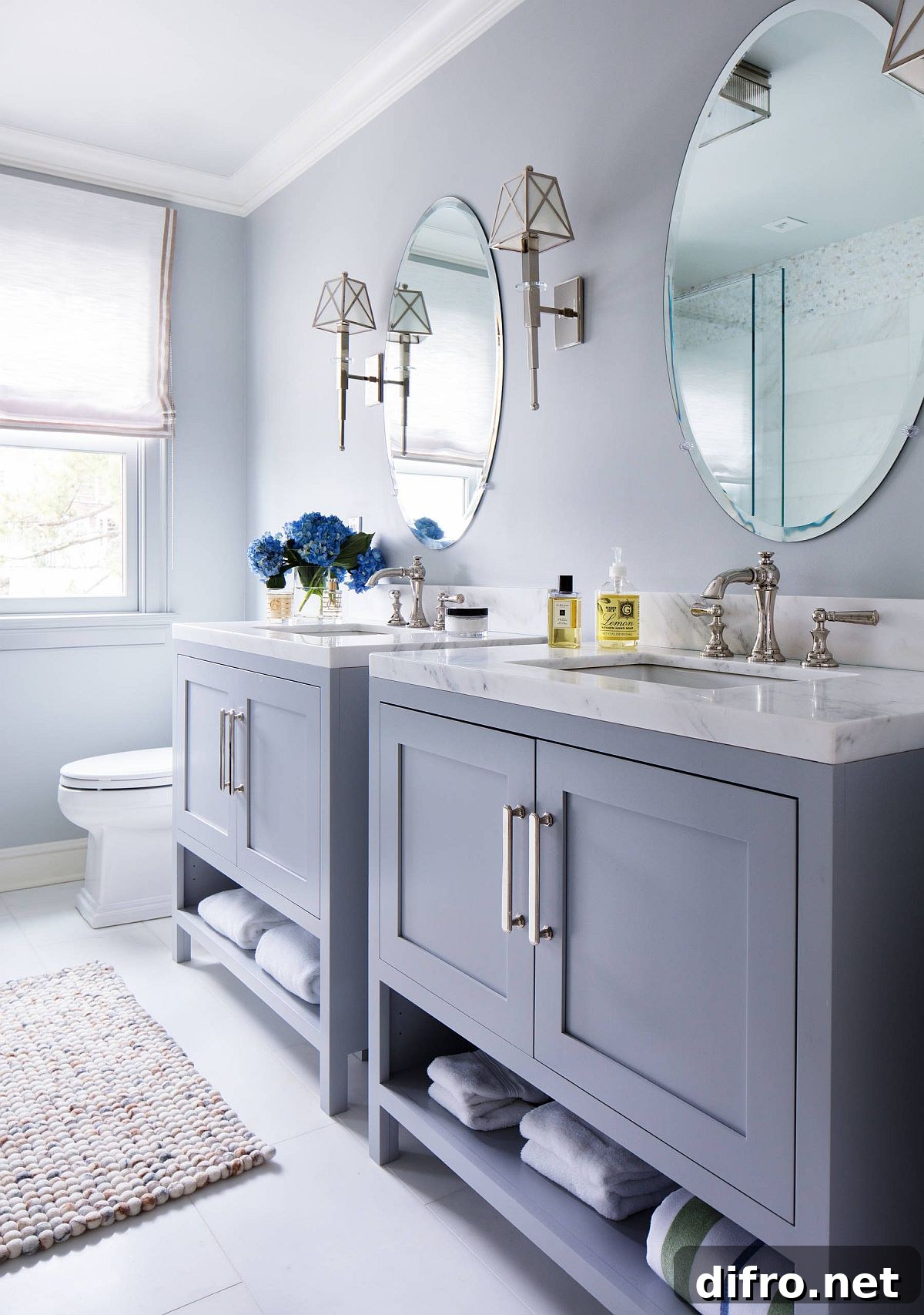
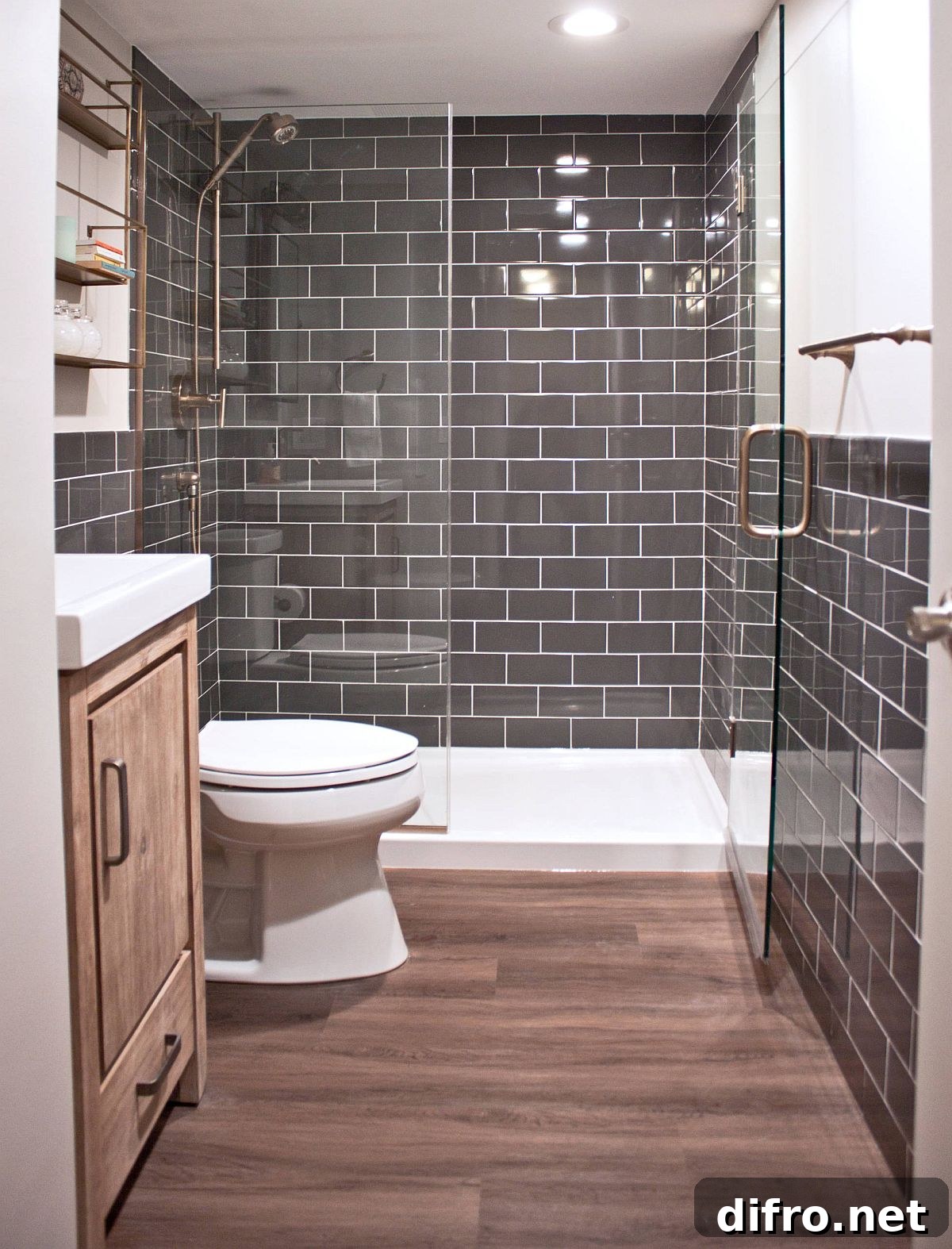
Pairing Gray with White
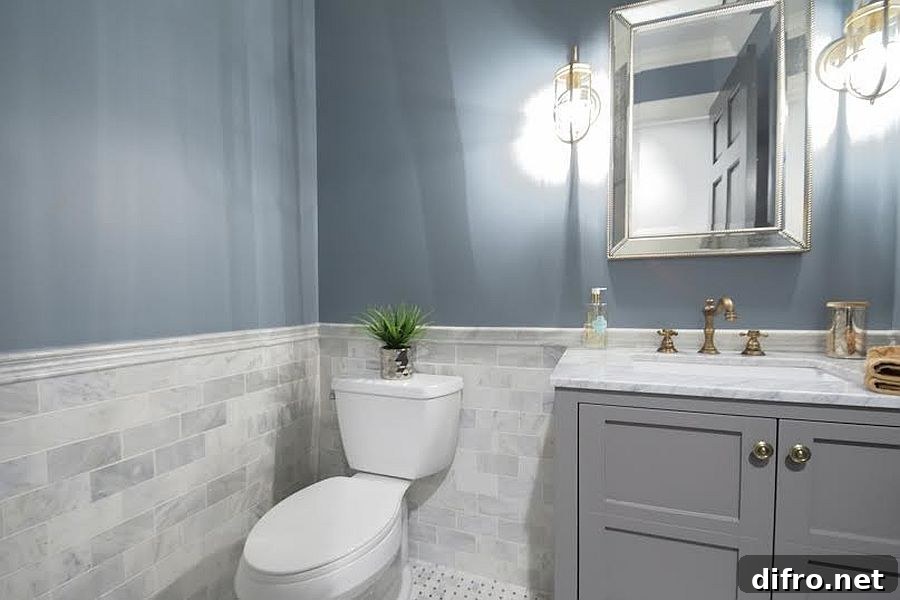
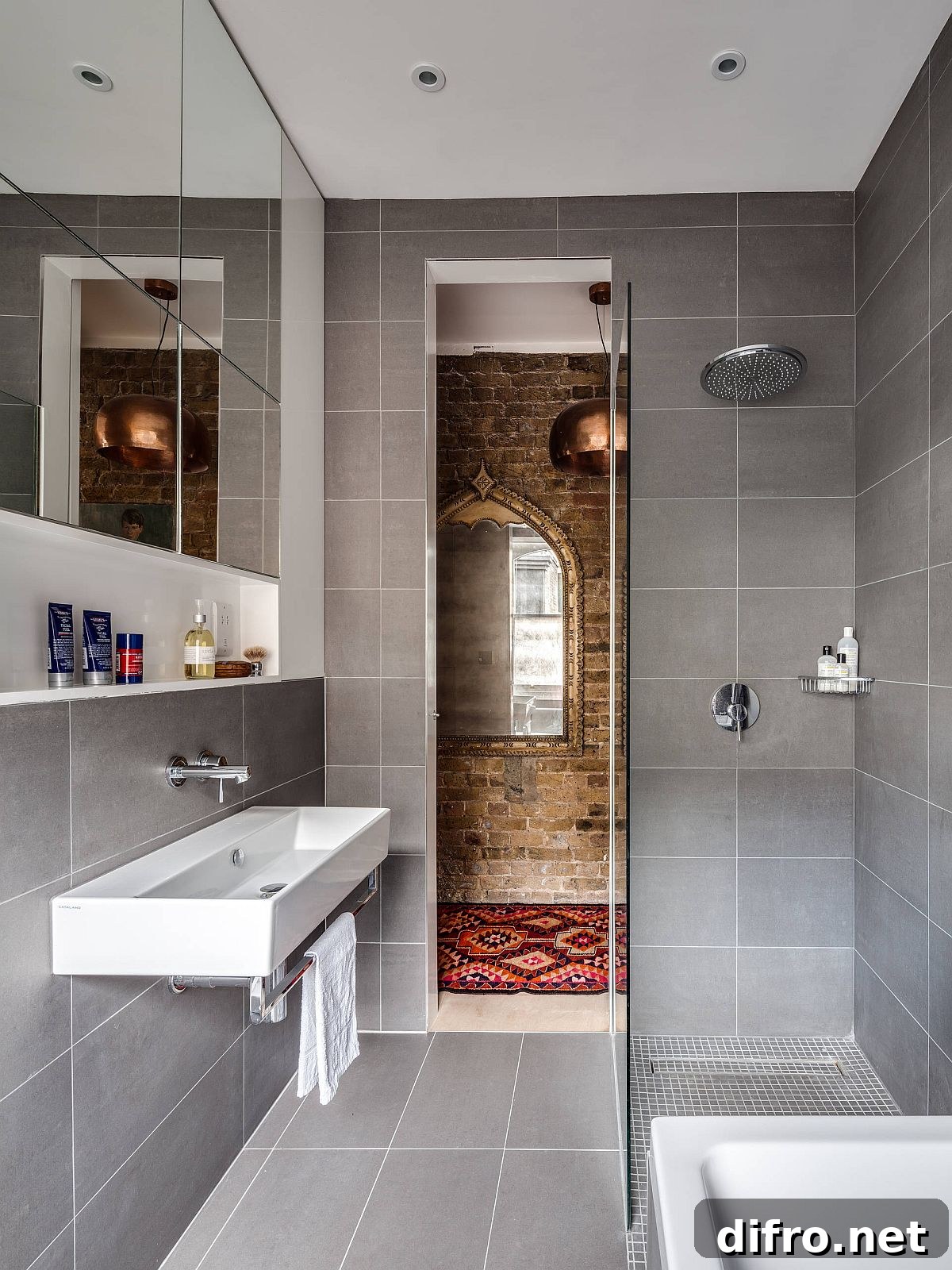
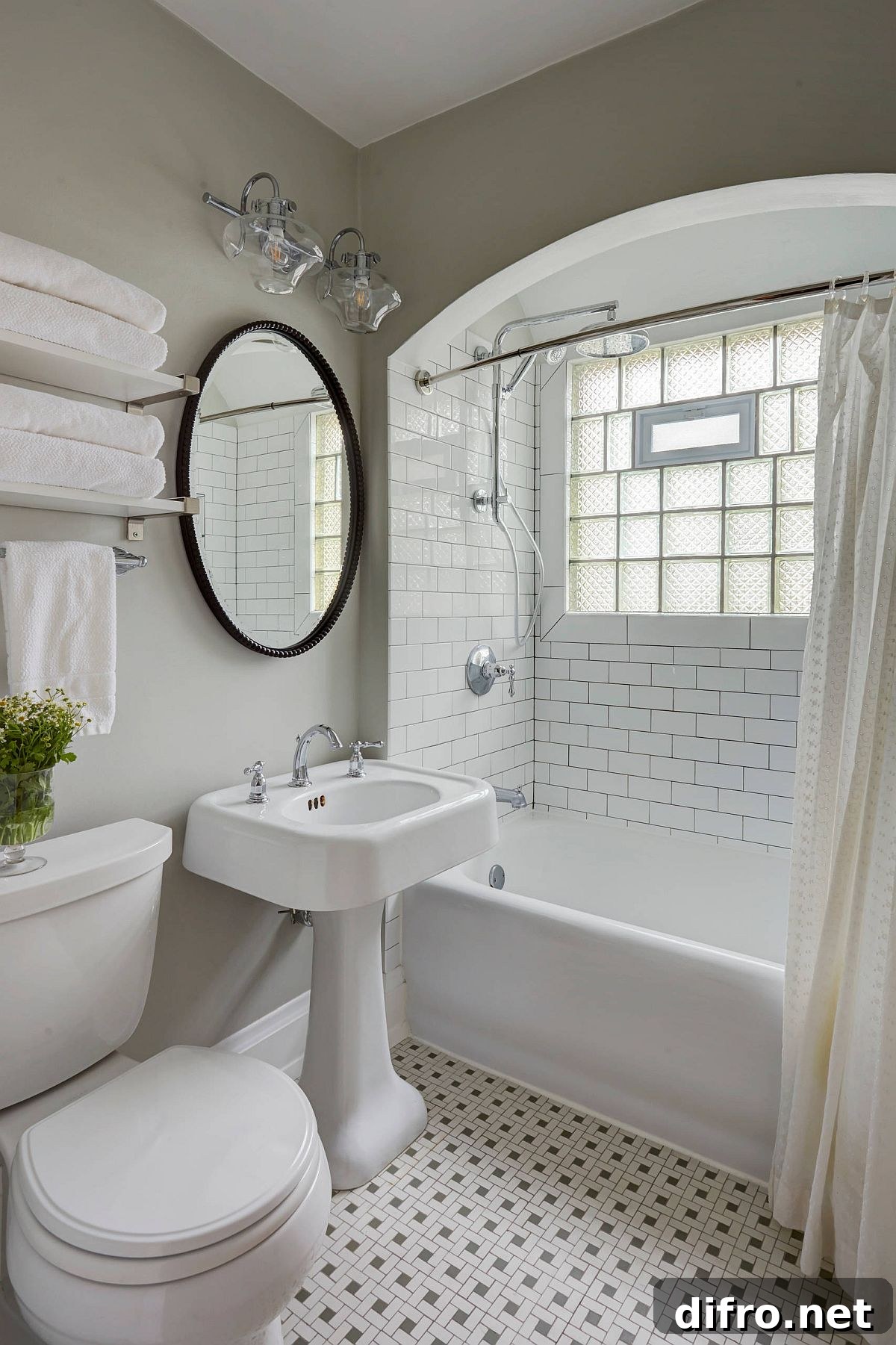
Gray and white form a timeless pairing that suits many aesthetics—from Scandinavian minimalism to farmhouse charm. Using white as the dominant neutral with gray accents keeps the room bright while still achieving depth and character. A gray floor paired with white walls and trim, or a gray vanity against a white backdrop, creates a curated, space-efficient appearance. Gray can also define zones, such as an accent wall in the shower or a tiled backsplash behind the vanity.
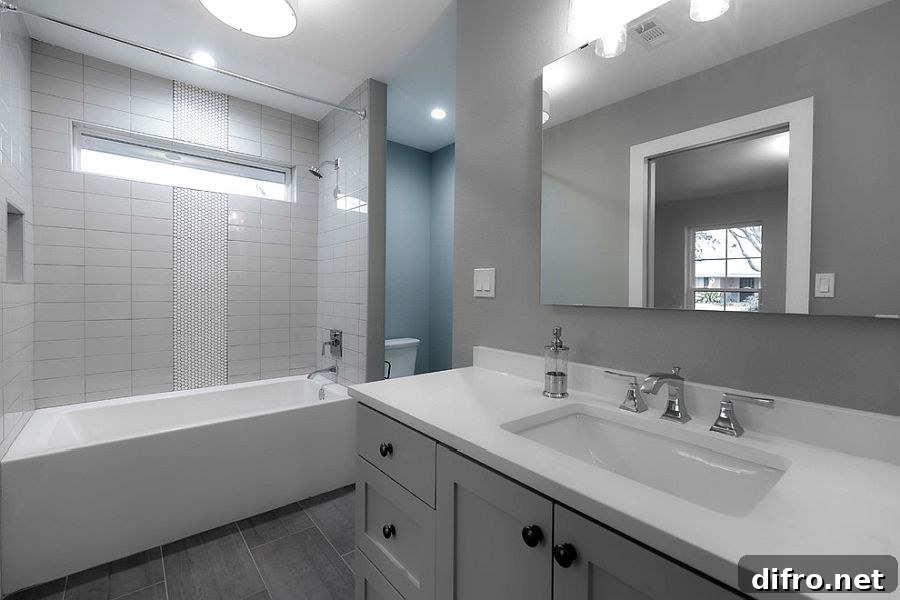
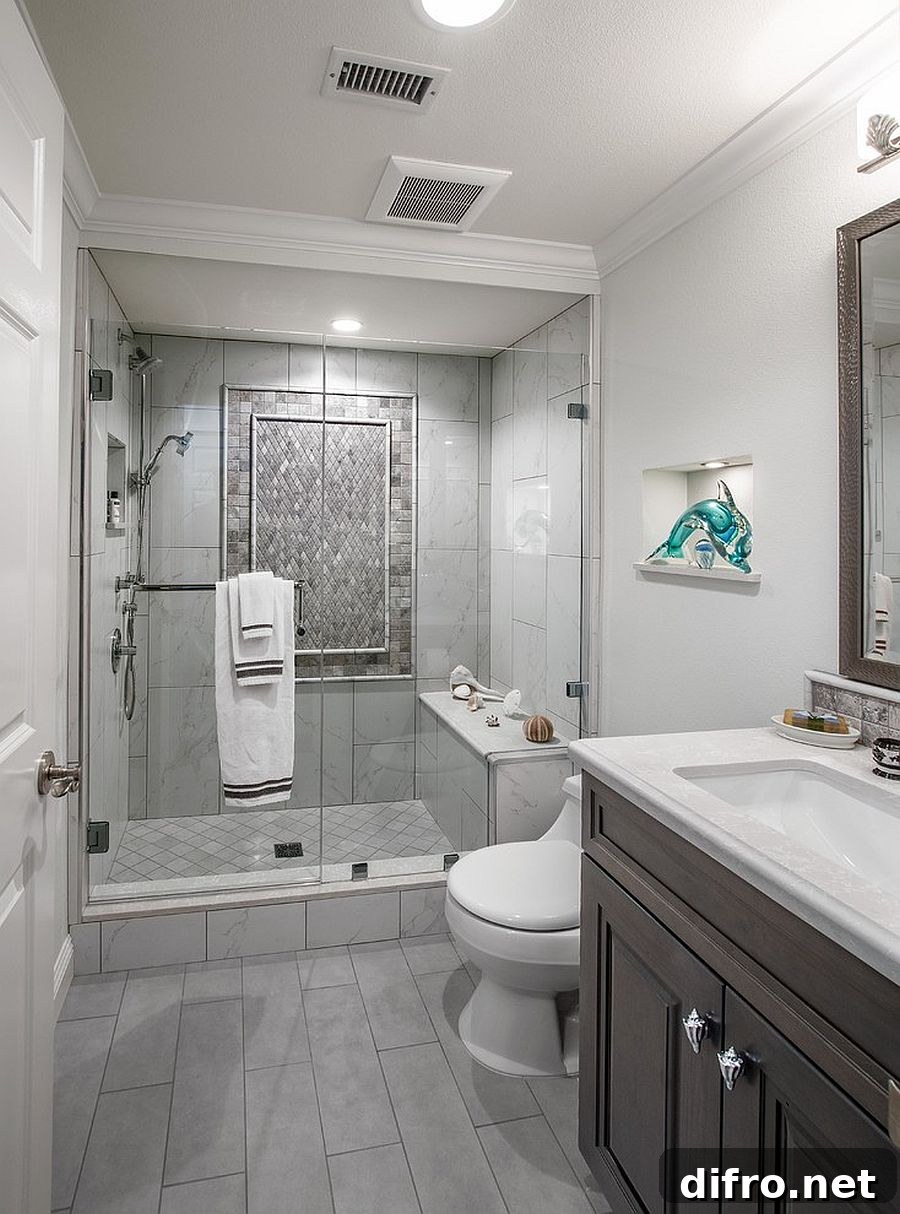
Lighting It Right
Lighting plays a pivotal role in deciding which gray will work best. Natural light softens cool grays and brings out subtle undertones, while layered artificial light can warm up deeper shades. Skylights are an excellent way to invite even daylight into a small bathroom, while wall sconces beside the mirror provide essential task lighting. A small pendant in a corner or over a vanity can add character and prevent the room from feeling flat. Finish the look with warm metallic fixtures, like brass or brushed nickel, and add a couple of plants to introduce texture and life.
Related Articles
- Pure Elegance: Fall In Love With Marble Bathrooms
- Stylish Half-Bathroom Decor to Maximize Space and Elegance
- The Paint Colors You Should Never Use in a Bathroom
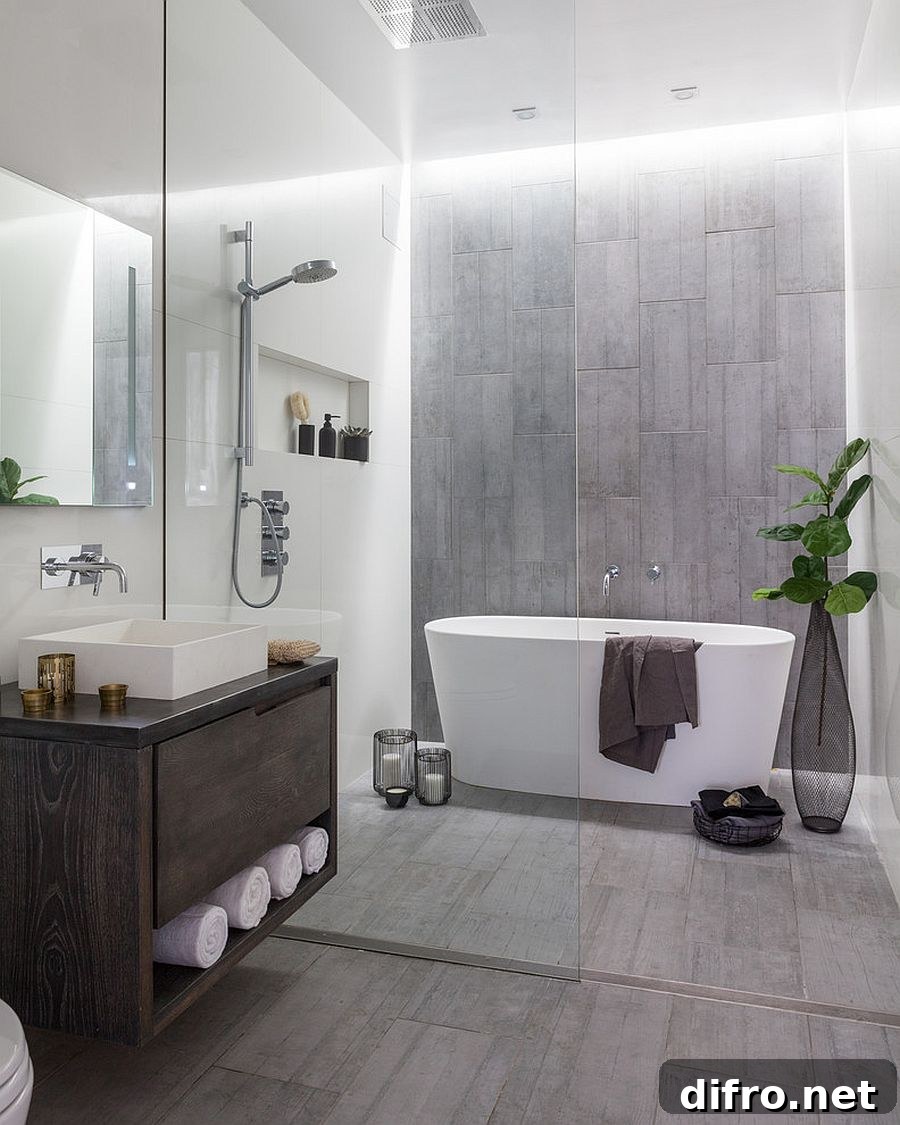
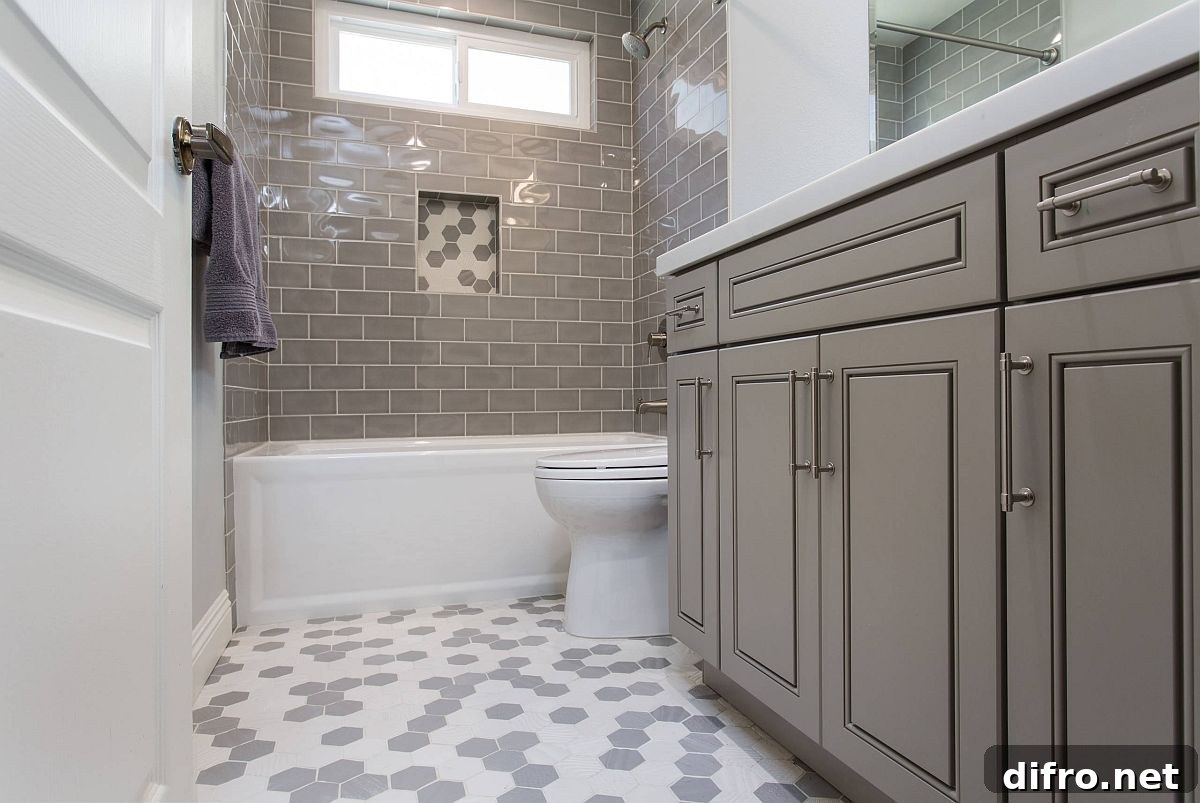
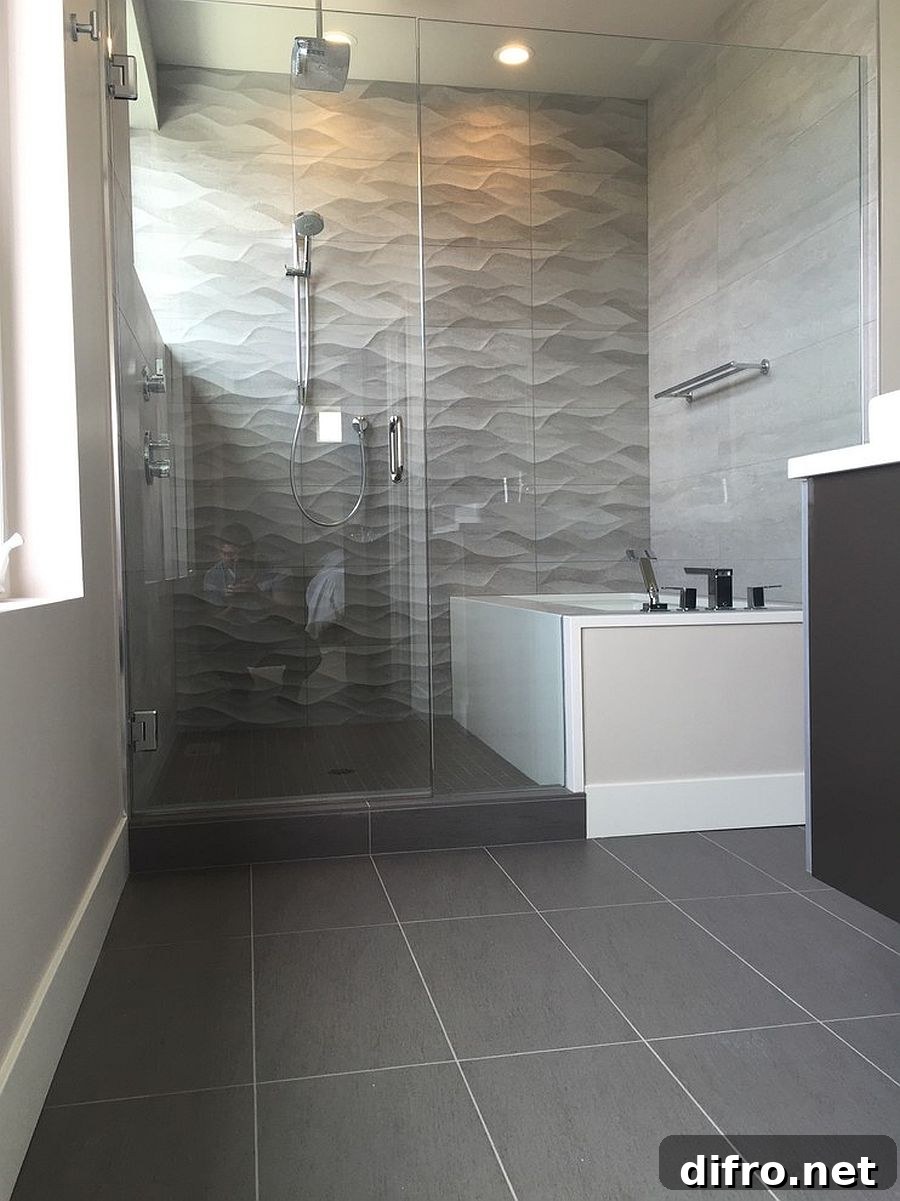
Gray’s enduring appeal stems from its flexibility: it pairs easily with white, wood, metals, and natural textures to suit a wide range of styles. To design a successful small gray bathroom, focus on balancing tones and textures. Use lighter grays and reflective surfaces to amplify light in constrained spaces. Choose larger tiles for fewer grout lines and a more seamless appearance, and introduce floating storage to free up floor area. Thoughtful lighting—both natural and artificial—will ensure darker grays read as cozy rather than cramped.
Whether you prefer modern minimalism or a classic, layered approach, gray creates an elegant canvas that accommodates bold accents, subtle details, and practical design solutions. With careful selection of shade, texture, and fixtures, even the smallest bathroom can become a serene, stylish retreat. Consider experimenting with tiles, vanities, and accessories until you find the combination that reflects your taste and lifestyle, and subscribe to design newsletters for ongoing inspiration.
FAQs
What are some creative gray bathroom ideas?
Mix textured tiles, matte and glossy finishes, and different shades of gray to add depth. Pair gray with natural wood or stone for warmth, and use a single accent color in accessories to keep the scheme lively without overwhelming the room.
How can I incorporate gray into my bathroom?
Introduce gray through paint, tiles, cabinetry, or countertops. If you’re cautious, start with gray towels and rugs or paint a single wall, then scale up to a gray vanity or floor once you’re comfortable with the tone.
What makes a gray bathroom stand out?
Layered shades, varied textures, and thoughtful finishes—such as metallic fixtures—help a gray bathroom feel sophisticated. Strategic lighting and a clear focal point, like a statement vanity or patterned tile, make the space memorable.
Any tips for designing a small gray bathroom?
Use lighter grays, large-format tiles, ample mirrors, and efficient storage. Keep a good balance between natural and artificial light and choose multifunctional fixtures to maximize space.
How can I achieve a cohesive gray-and-white look?
Choose a primary gray tone that complements your whites, repeat that palette across fixtures and textiles, and balance contrast so neither color dominates. Add warmth with wood accents and warm metals.
Why are gray bathrooms so popular?
Gray’s neutrality, adaptability, and modern elegance make it a reliable choice. It supports a wide variety of design directions while remaining practical and low-maintenance.