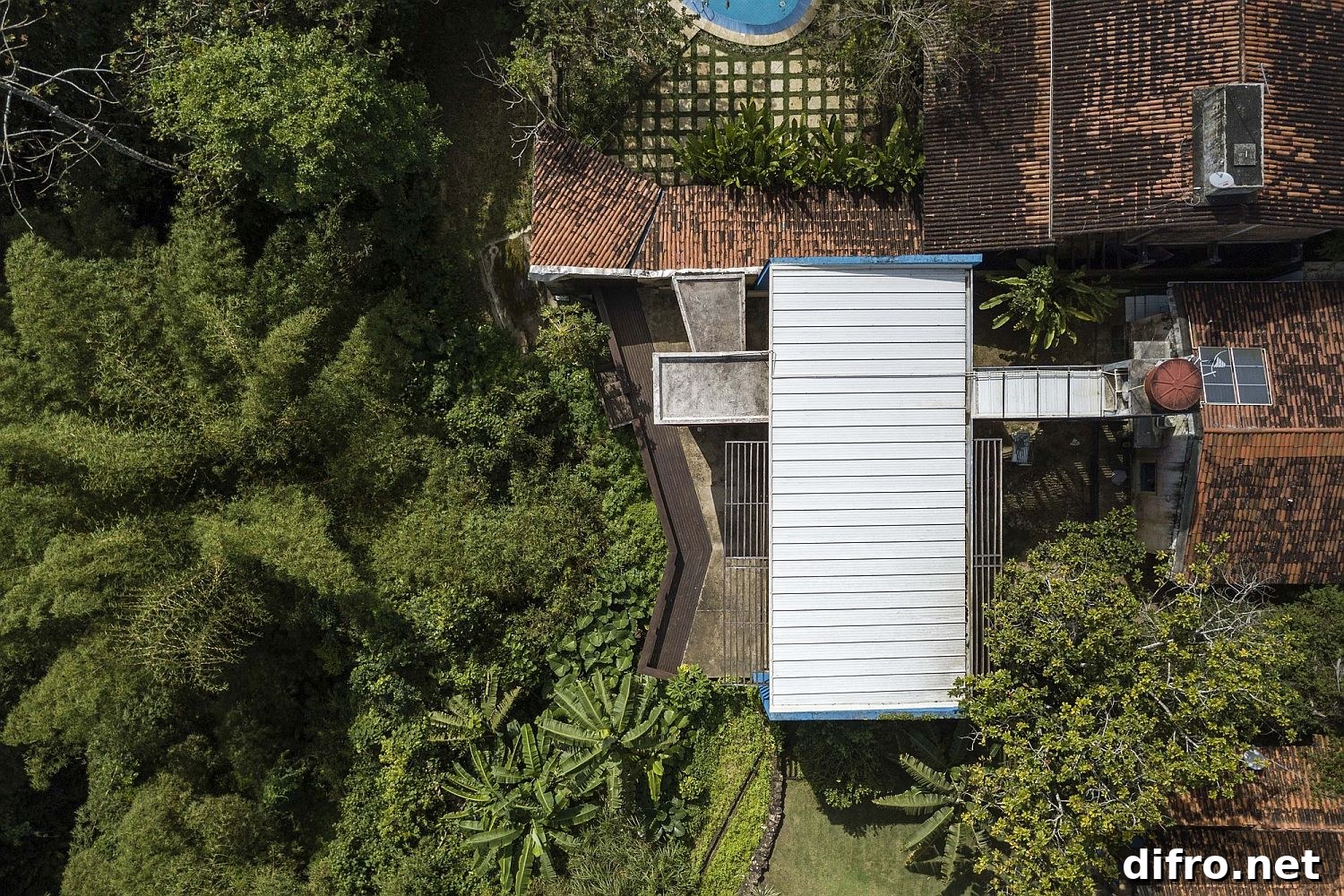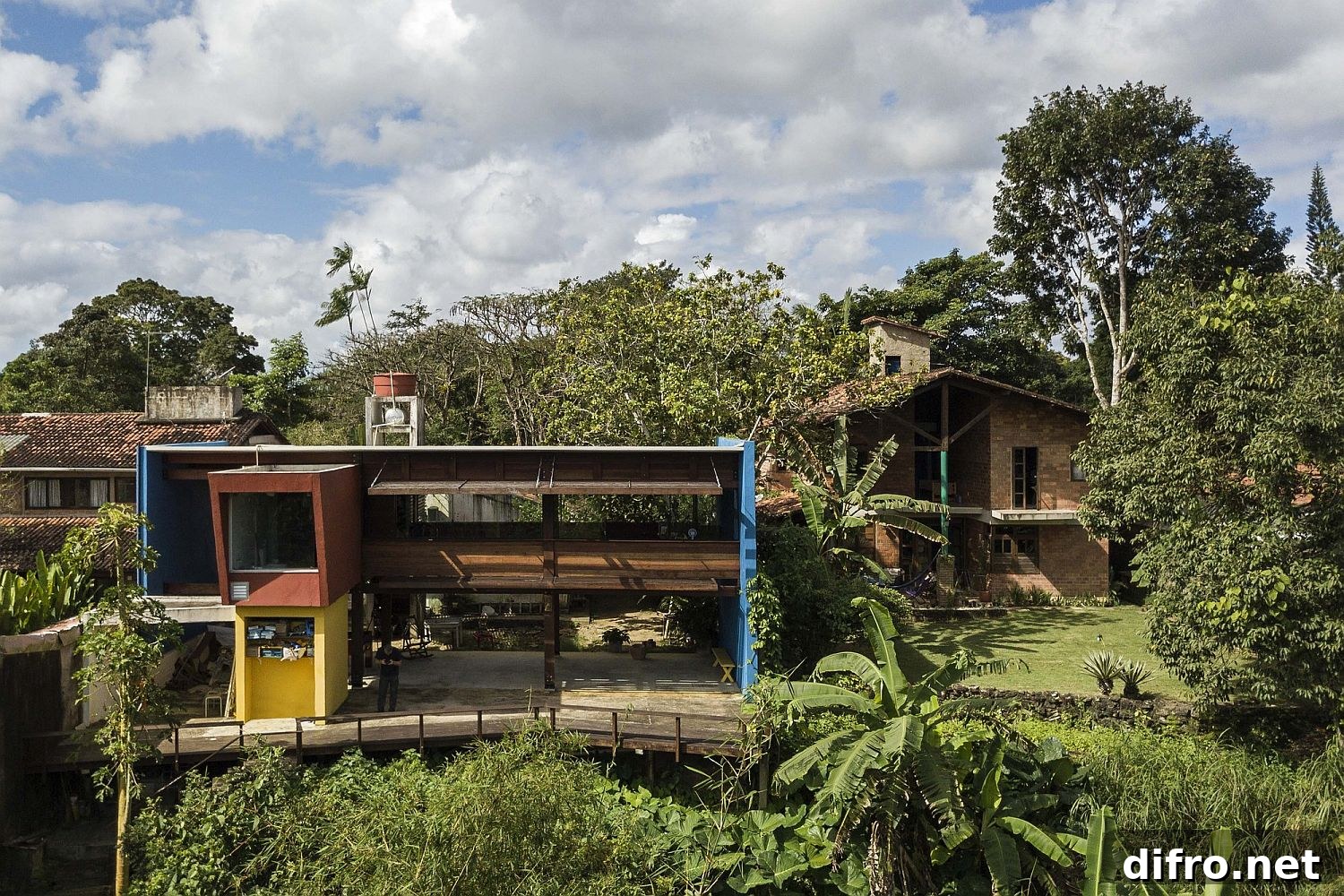
There are many approaches to extending a home to create additional living and outdoor space that responds to a growing family’s needs. In suburban settings, extensions often take the form of rear additions or vertical expansions that increase living area and add one or more bedrooms. The Aldeia III House extension, designed and realized by O Norte – Oficina de Criação, offers a different, more pavilion-like solution. Built mainly from wood and concrete, this suspended pavilion expands living space for a family with six children while introducing new workspaces and generous living quarters. The design is fresh and open, carefully tailored to the unique conditions of its site.
The house sits enveloped by dense native forest that provides natural shelter and abundant privacy. The long, suspended timber pavilion reaches out into this green setting, blurring the line between inside and outside and allowing the surrounding landscape to become part of everyday life. Concrete forms the structural base and solidifies service areas, while a network of suspended walkways, outdoor seating areas and pergolas define a home that is at once open, shaded and oriented toward nature.
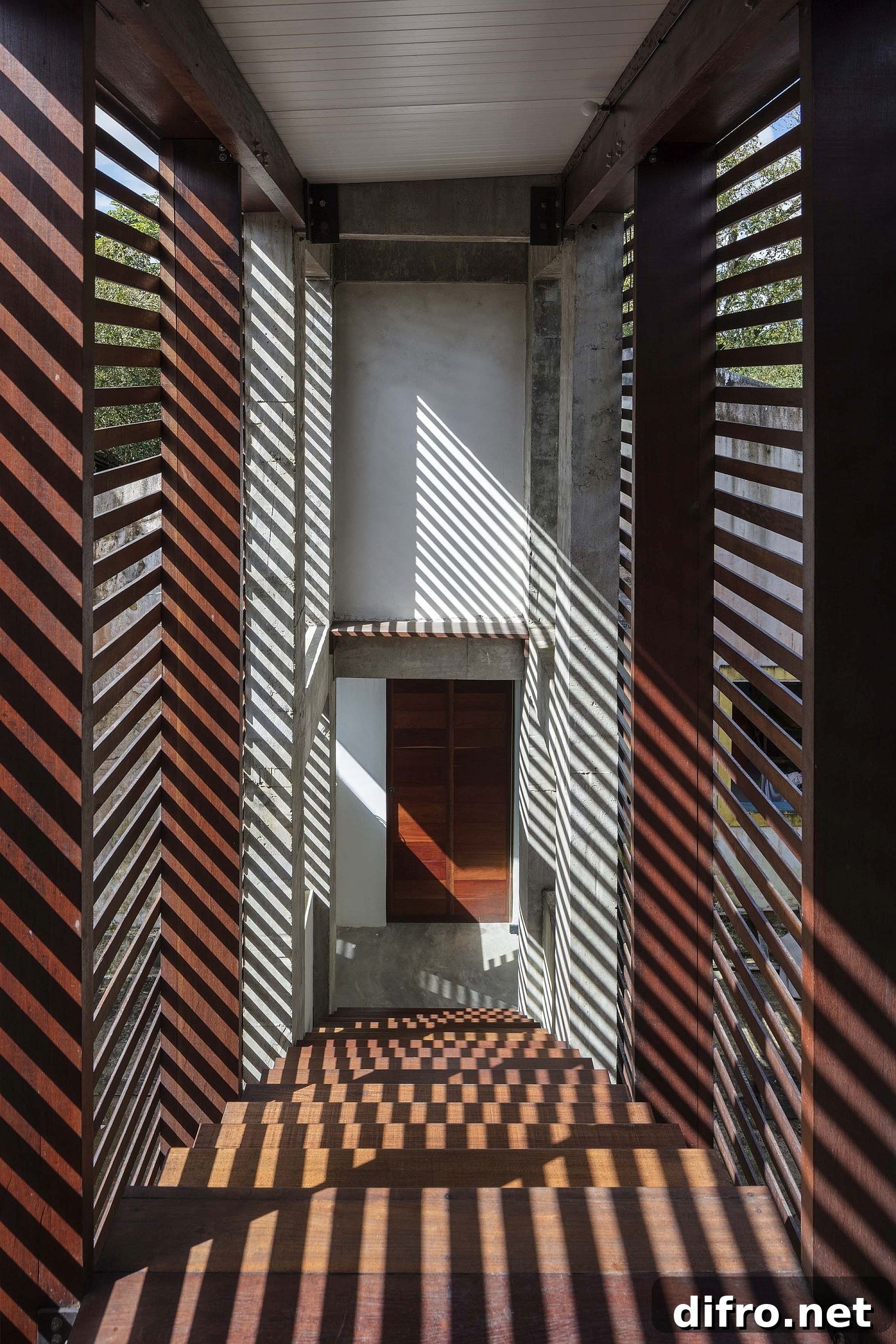
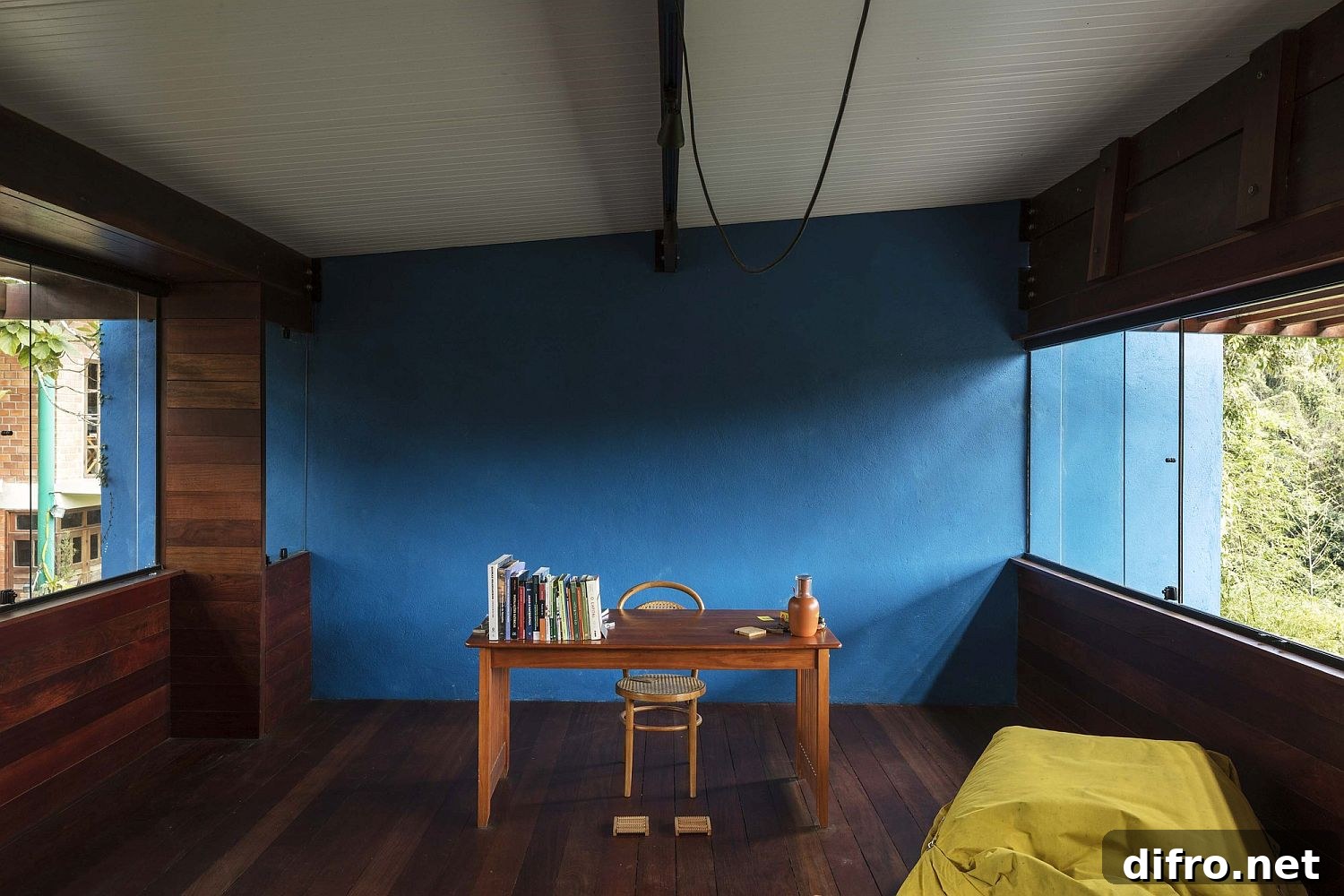
Tactile timber slats filter harsh midday sun and create comfortable interior light, while carefully chosen splashes of blue enliven rooms otherwise rendered in a restrained palette of white, wood and concrete. The result is an eco-sensitive extension that balances robust structural materials with warm, natural finishes to create a welcoming, adaptable family environment. Photography by Leonardo Finotti.
The design strategy emphasizes continuity and connection: elevated platforms and decks extend the living areas into the canopy, while large openings frame views and encourage cross-ventilation. Pergolas and timber louvers control solar gain and privacy without closing the house off from its setting, so inhabitants can enjoy dappled sunlight and the forest’s microclimate throughout the day.
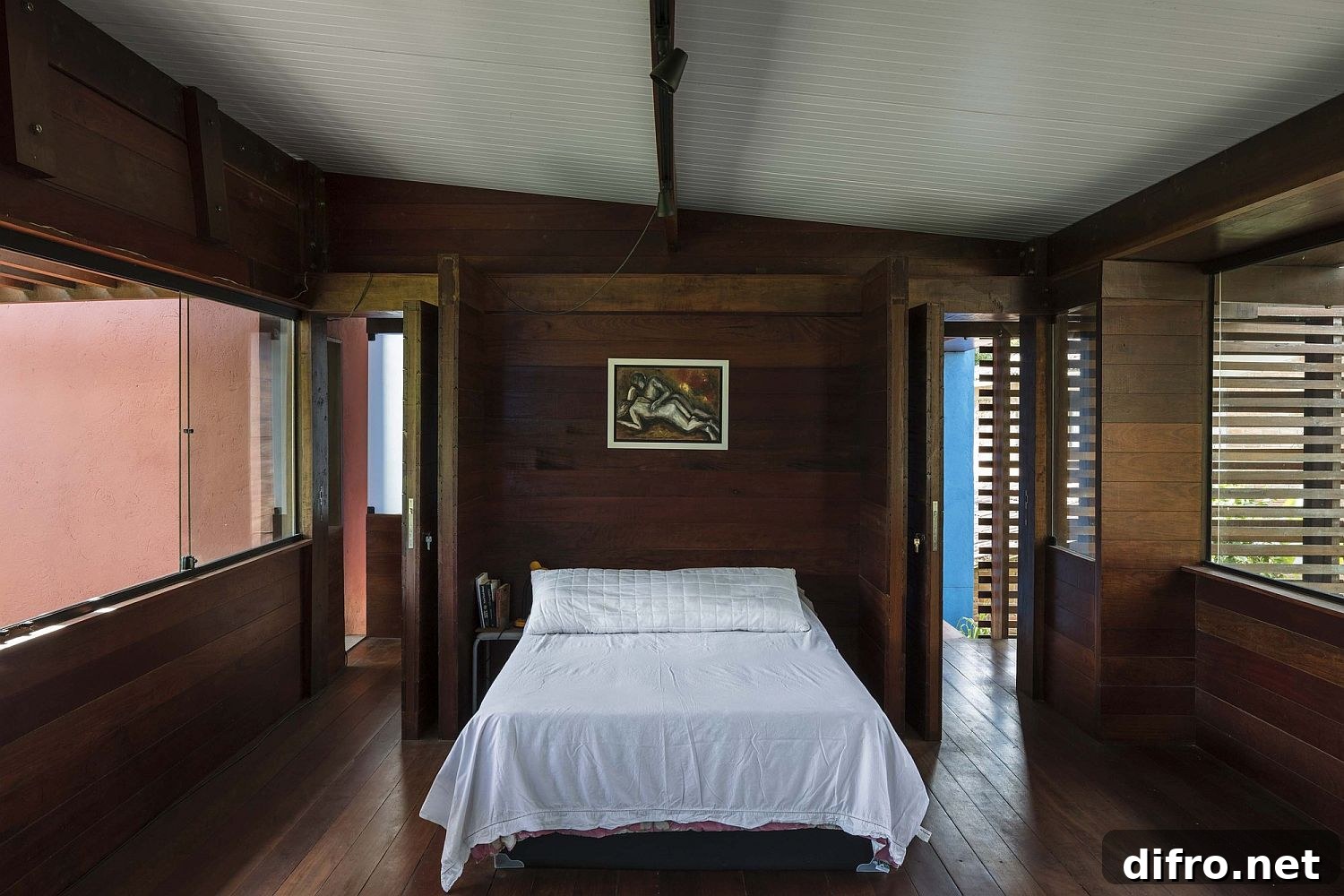
Inside, rooms are arranged to support both communal family life and quieter, individual activities. Open-plan social spaces transition smoothly to work nooks and bedrooms, giving this large household a flexible layout that can adapt over time. Natural materials—predominantly local hardwoods and exposed concrete—create a durable interior capable of withstanding everyday use while retaining a calm, modern aesthetic.
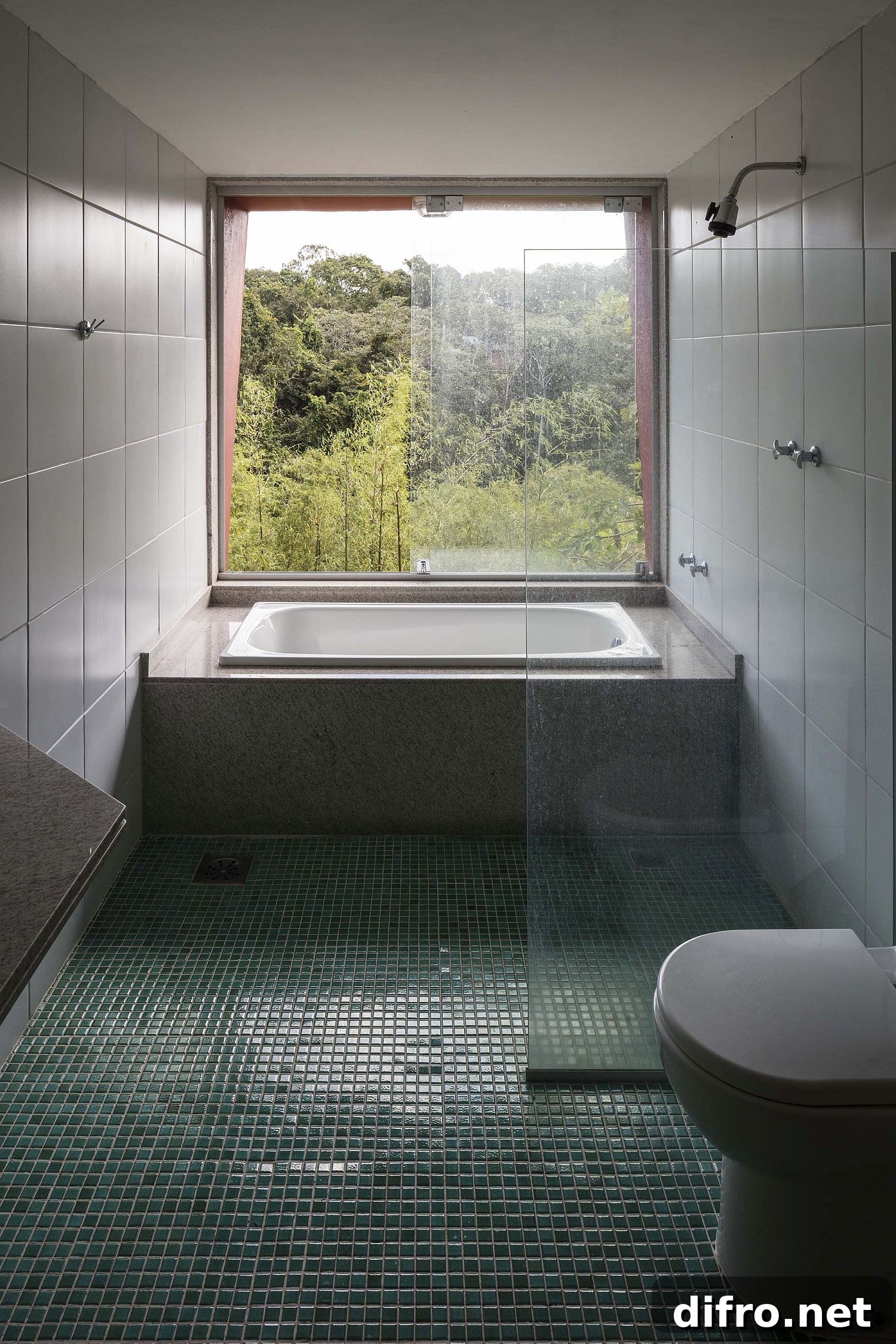
From a sustainability perspective, the project favors longevity and low-maintenance finishes. Timber façades and linings bring warmth and tactility, while concrete bases protect wet areas and provide structural stability. The architecture respects the existing vegetation by elevating living spaces and limiting ground-level disruption, maintaining the privacy and ecological value of the lot.
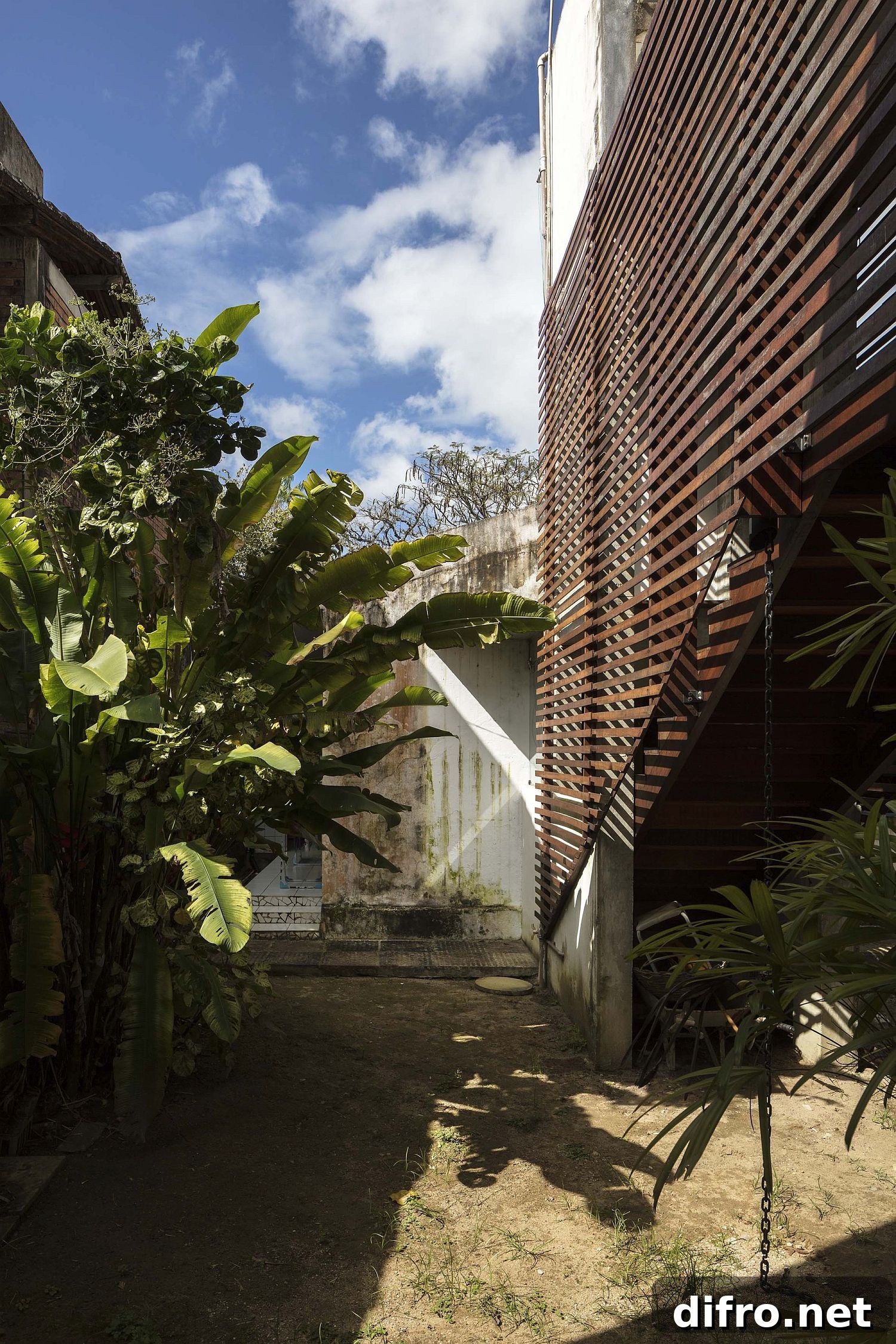
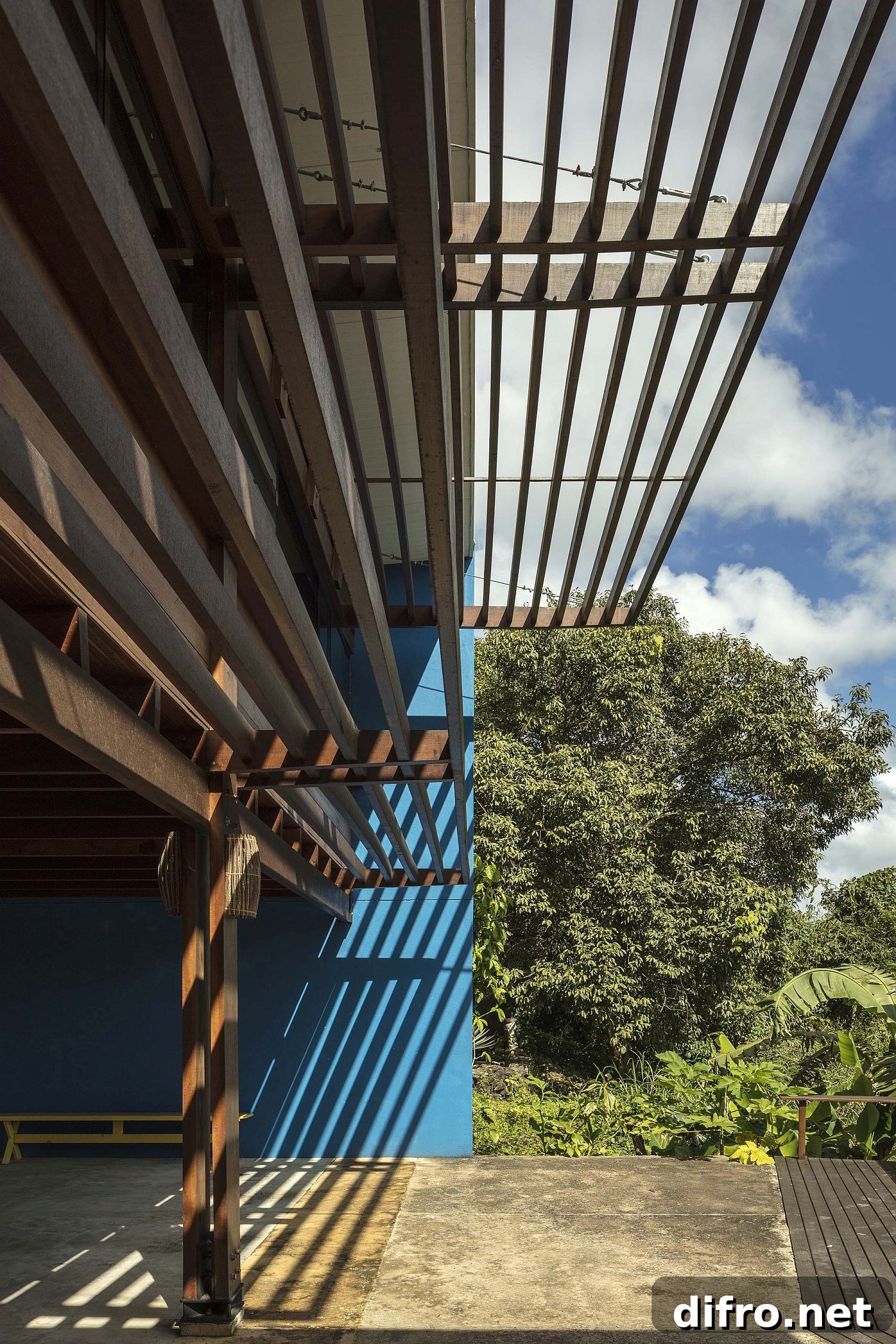
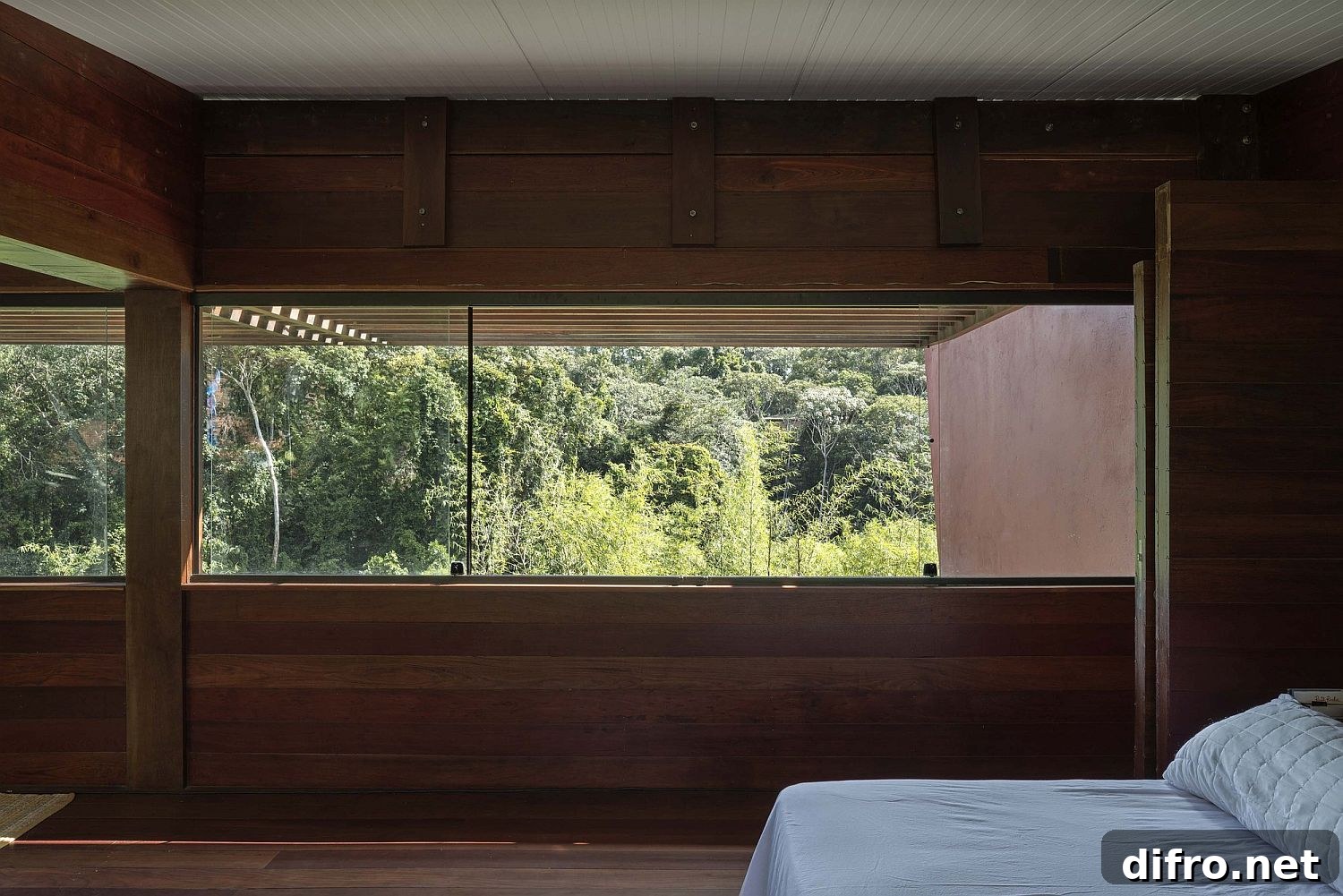
The architects balanced the tactile qualities of natural wood with the durability of concrete, resulting in a home that reads as both robust and inviting. Timber elements soften concrete volumes and provide a human scale to the rooms, while the pavilion’s elevation gives occupants constant visual and physical access to the surrounding greenery.
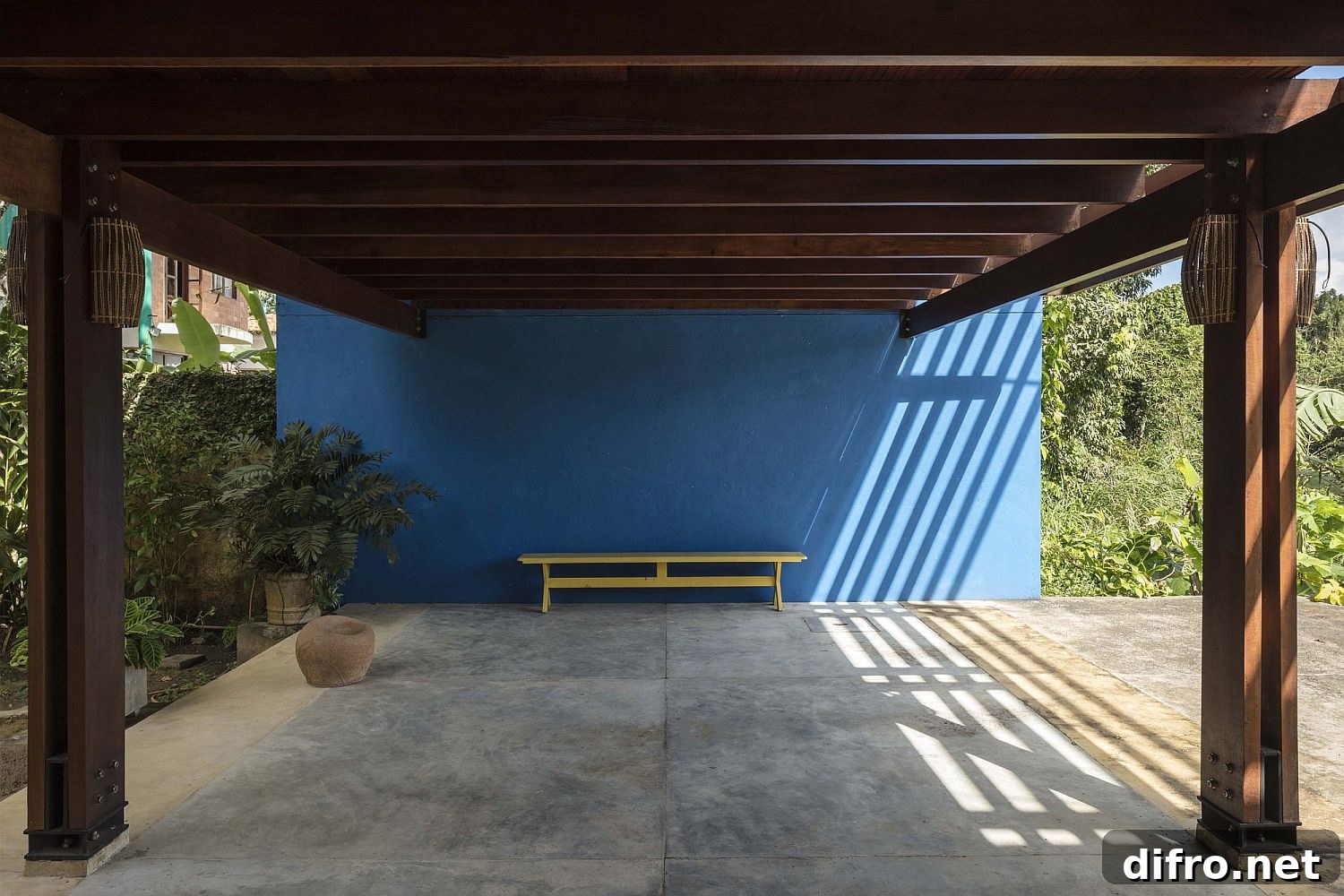
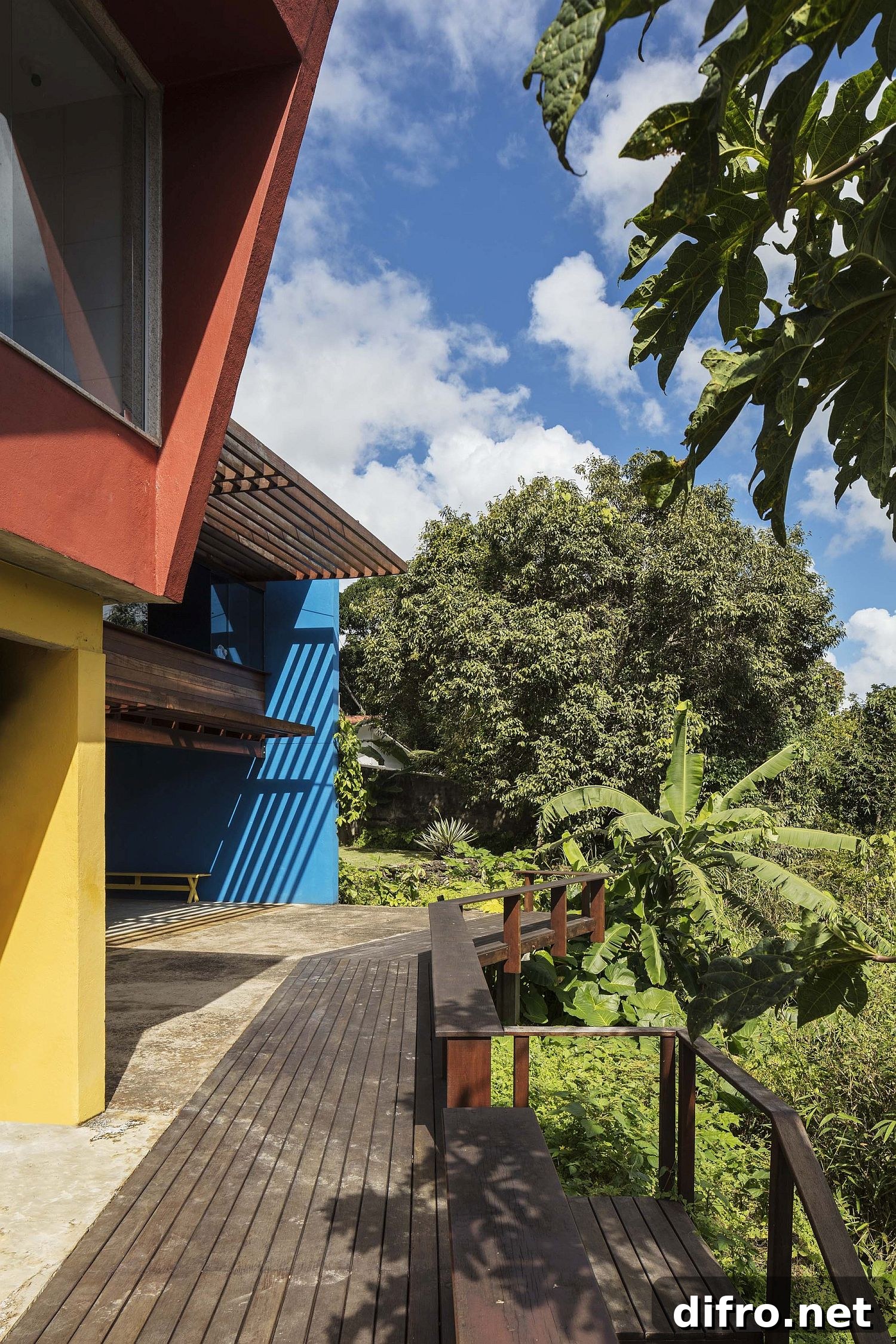
The structural system combines Massaranduba timber framing with Jatobá wood lining for walls and floors, while wet areas on both the ground and upper floors are built using conventional concrete and masonry.
Overall, the Aldeia III House extension is an example of thoughtful, site-responsive architecture that enhances family life without overwhelming its context. It demonstrates how a carefully composed mix of materials, shading devices and elevated platforms can create a light, comfortable home that celebrates the surrounding forest and supports a busy household.