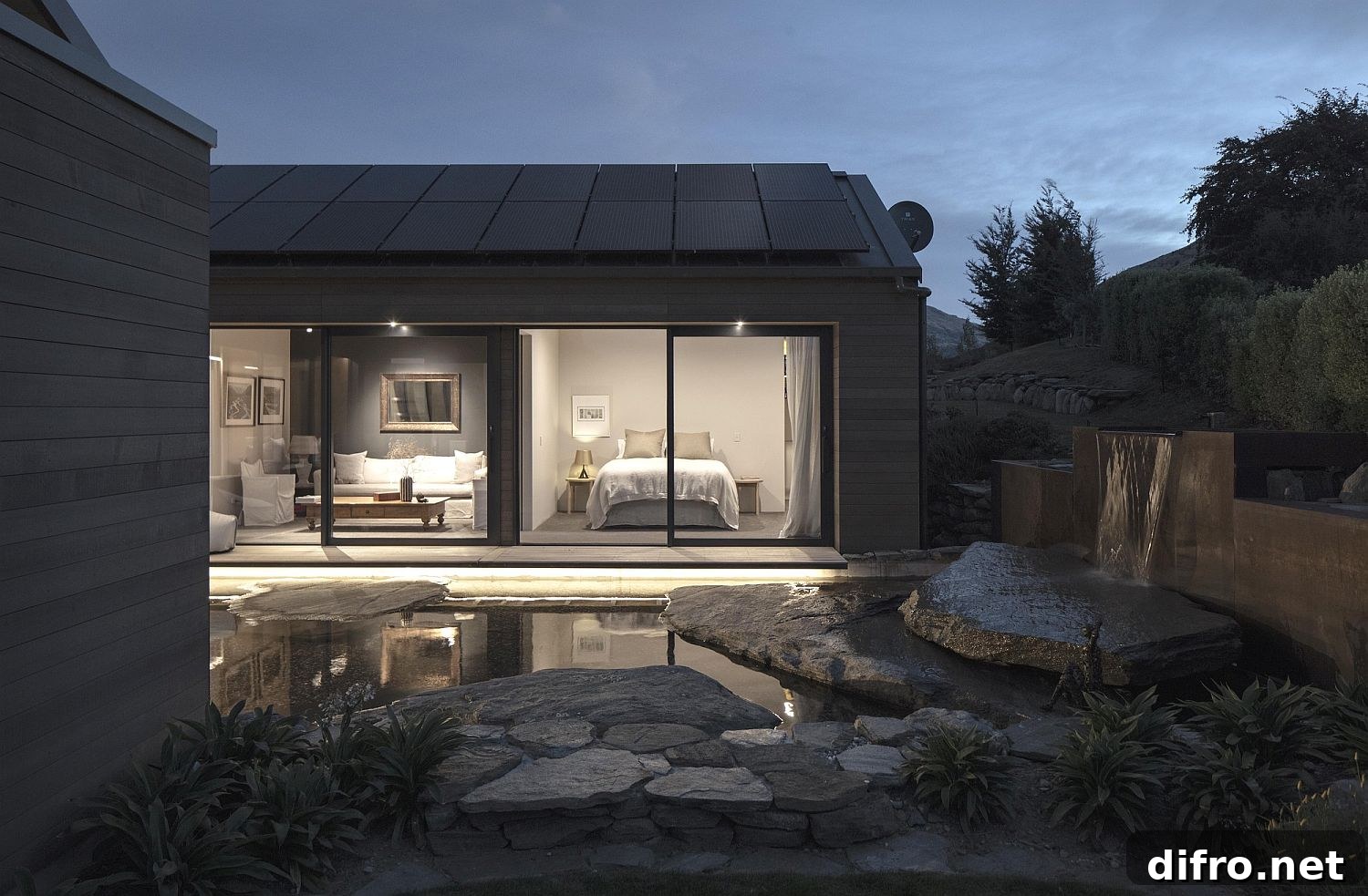
Wanaka House by Three Sixty Architecture: A Sustainable Gabled Home in New Zealand
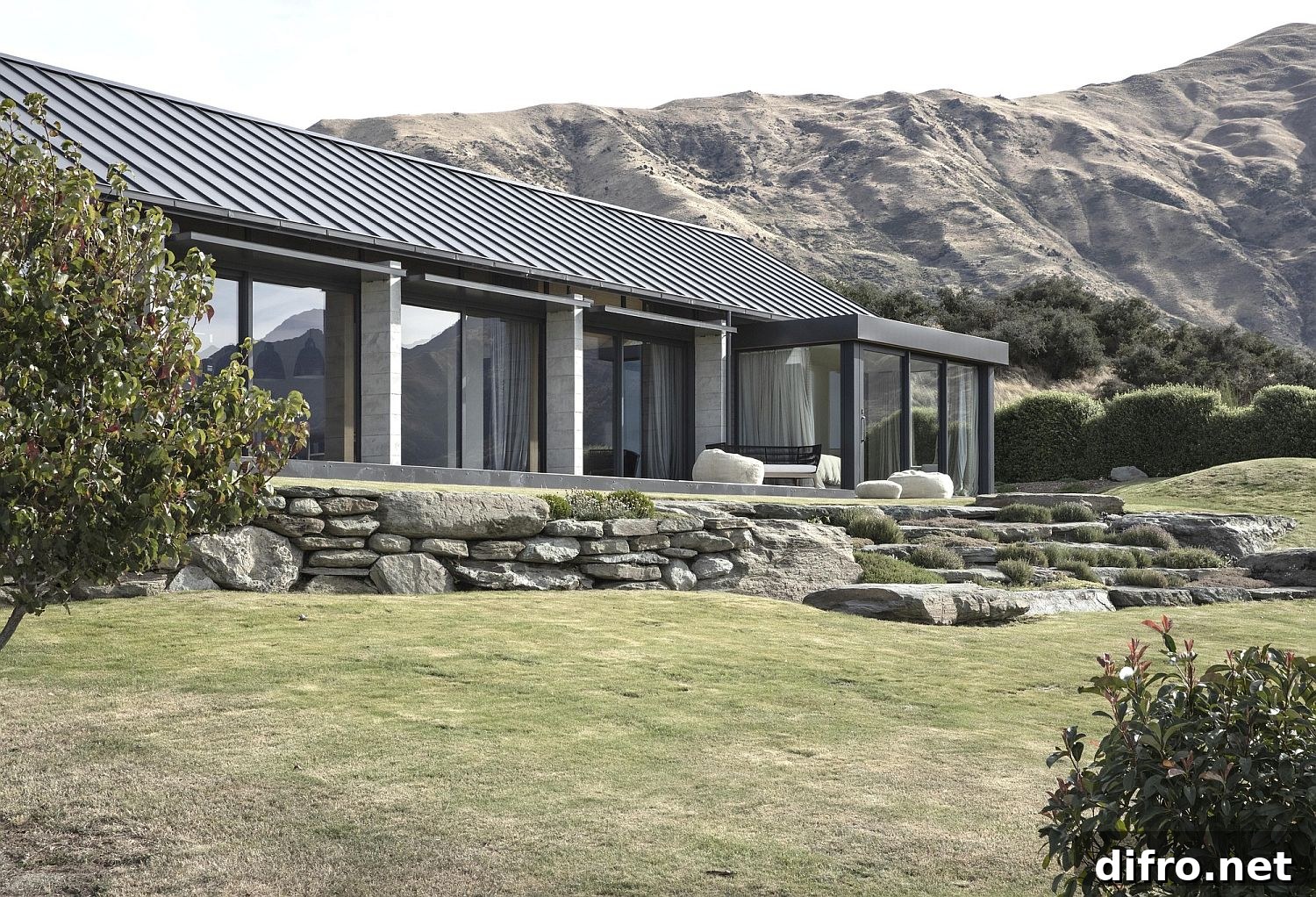
In New Zealand, where dramatic scenery often becomes the dominant feature around a home, the Wanaka House stands out as a residence that both complements and competes with its setting. Designed by Three Sixty Architecture, the house pairs a pair of classic gabled roofs with a restrained, contemporary palette to create a composition that feels both rooted and refined. The exterior combines smoked carbon-stained timber and corten steel panels, resulting in a weathered, elegant look that also delivers durability. Around the structure, Thermomass insulated concrete panels bolster the building envelope, improving thermal performance so the interior remains comfortable through the region’s cold winters.
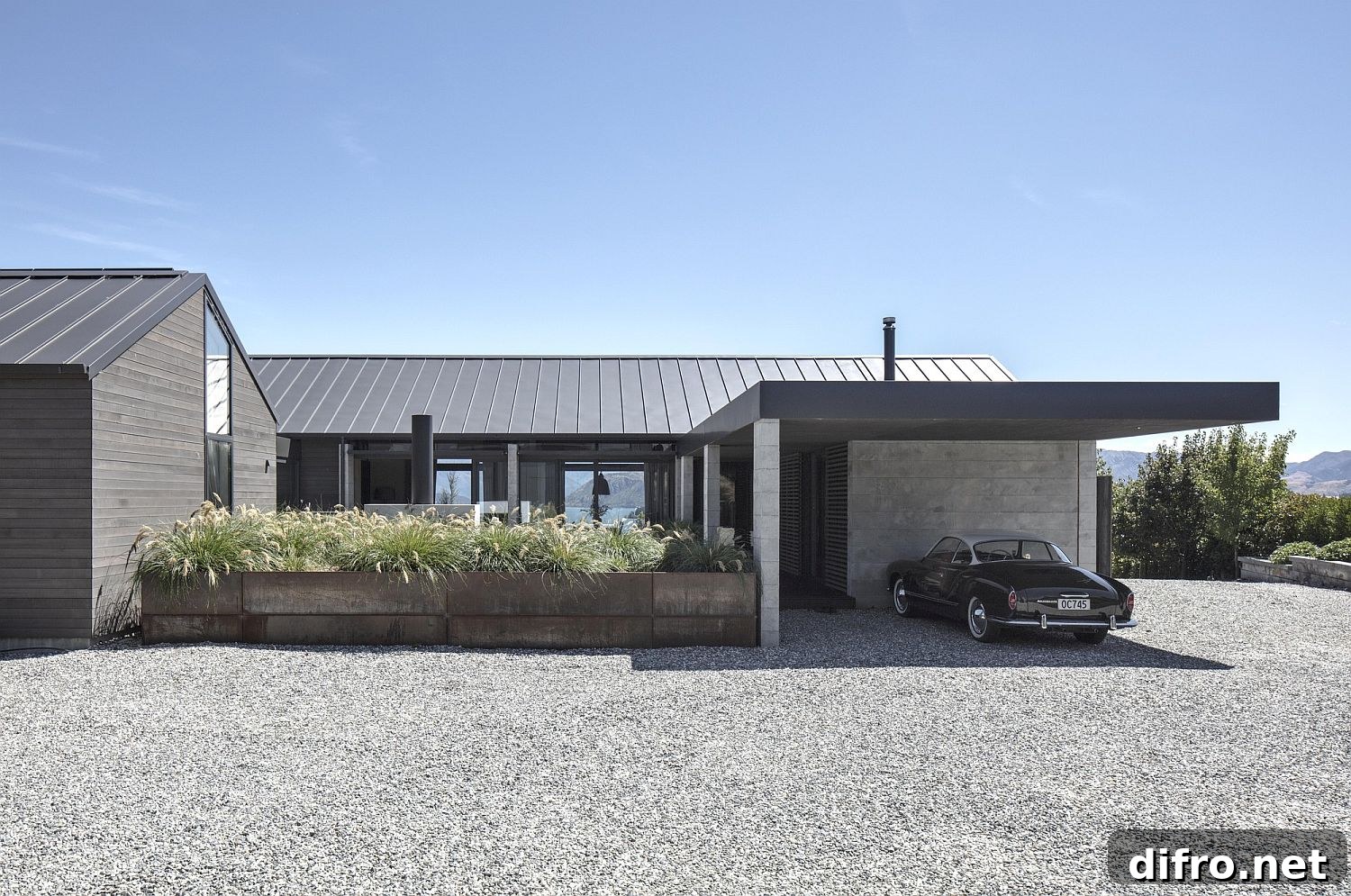
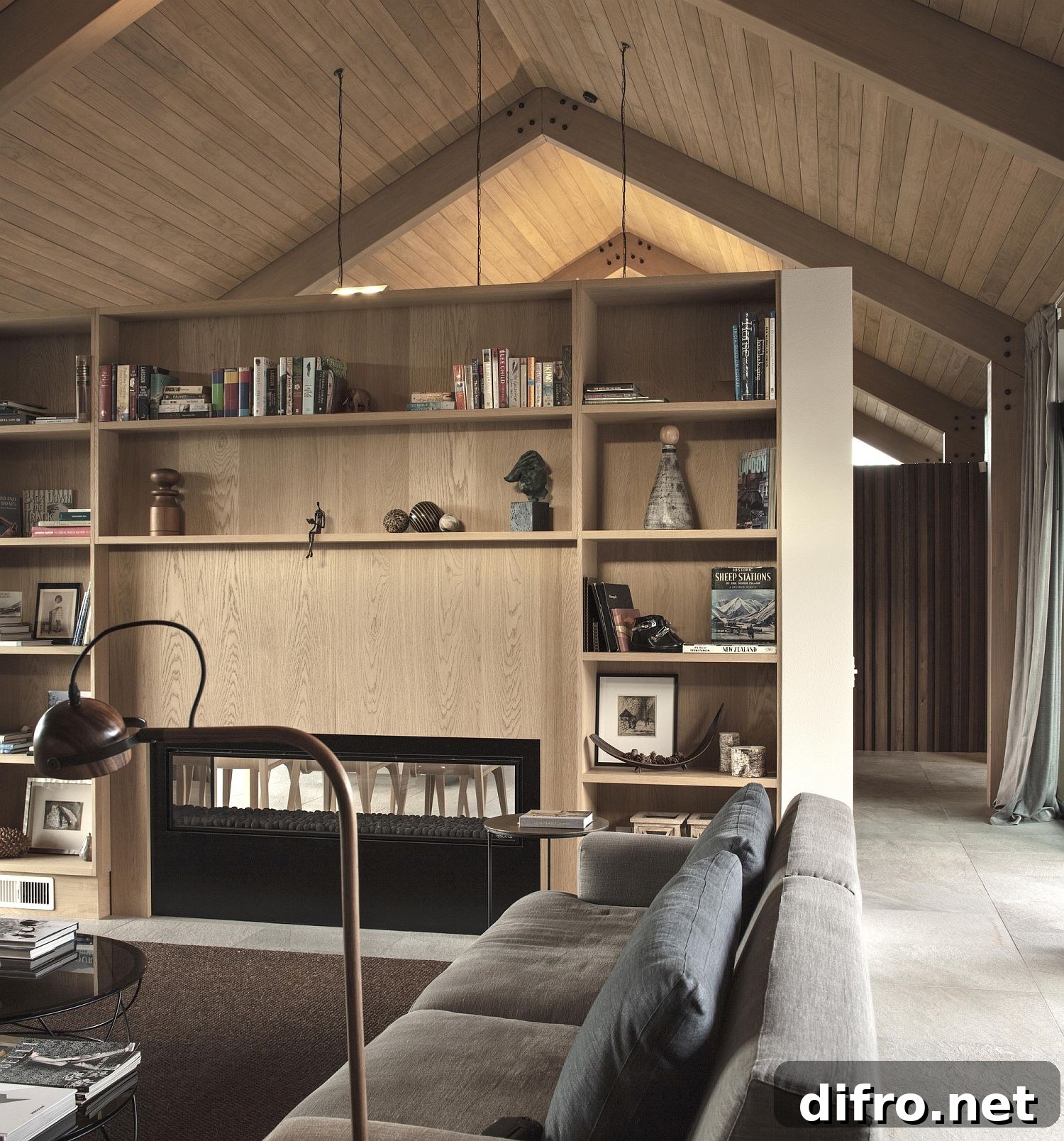
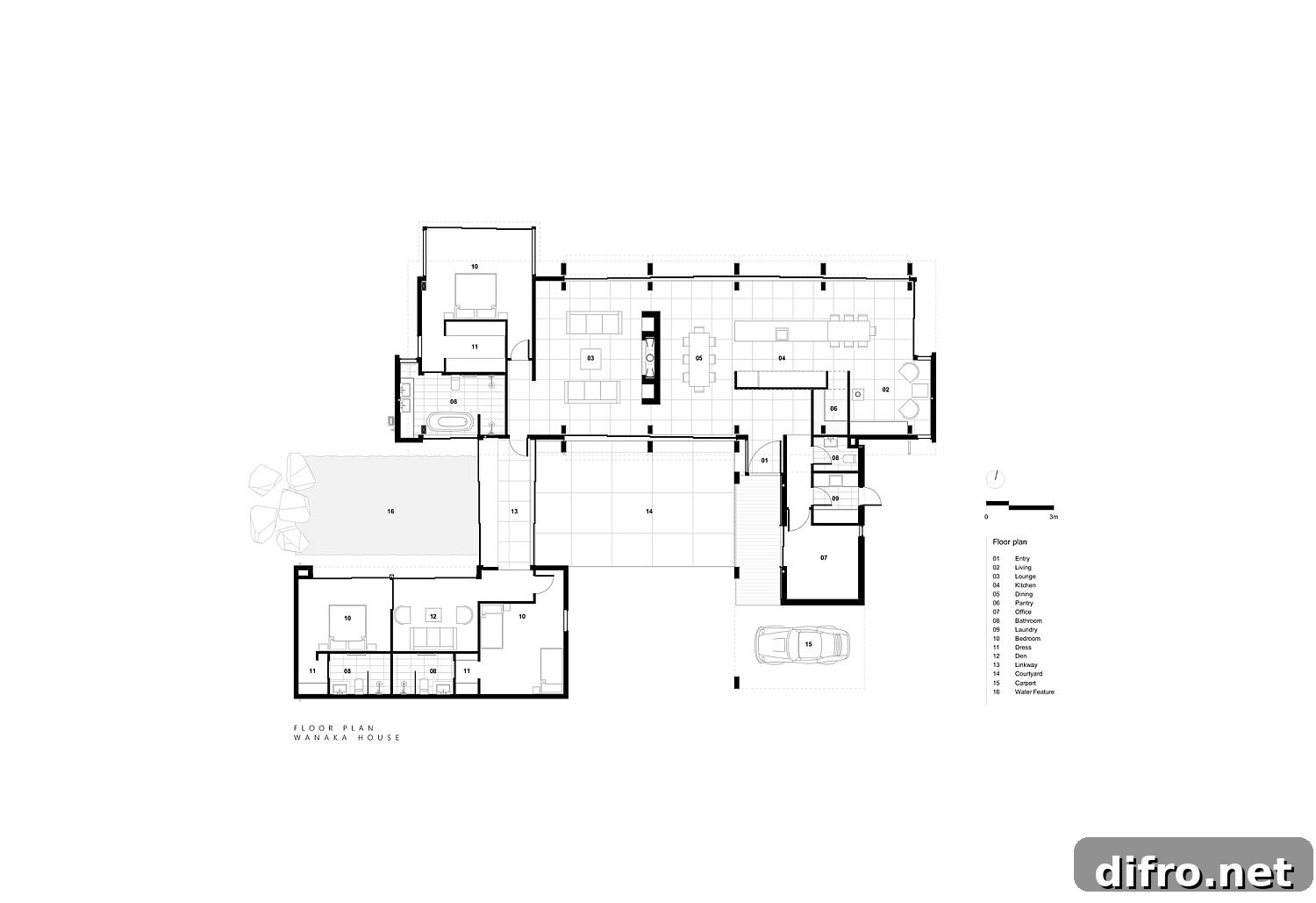
The living and dining areas share a striking double-sided fireplace that anchors the open-plan space while maintaining clear sightlines to the landscape beyond. Interior finishes are deliberately minimal: a restrained mix of gray, white and warm timber tones creates a calm backdrop that allows views to dominate. Large floor-to-ceiling glazed walls and sliding panels dissolve the boundary between inside and out, while a glass link subtly connects one wing of the house to the other, making transitions between rooms feel effortless and fluid.
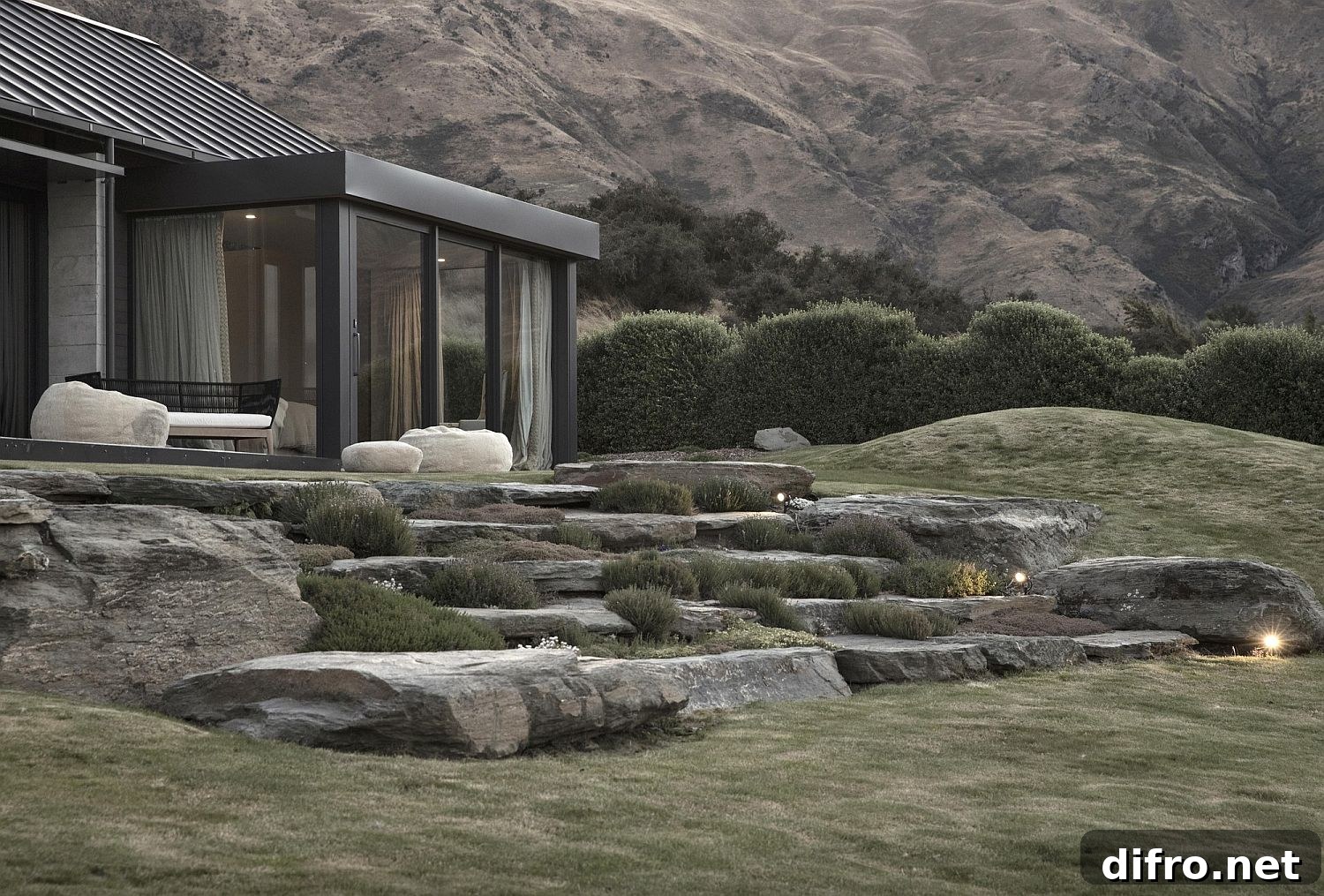
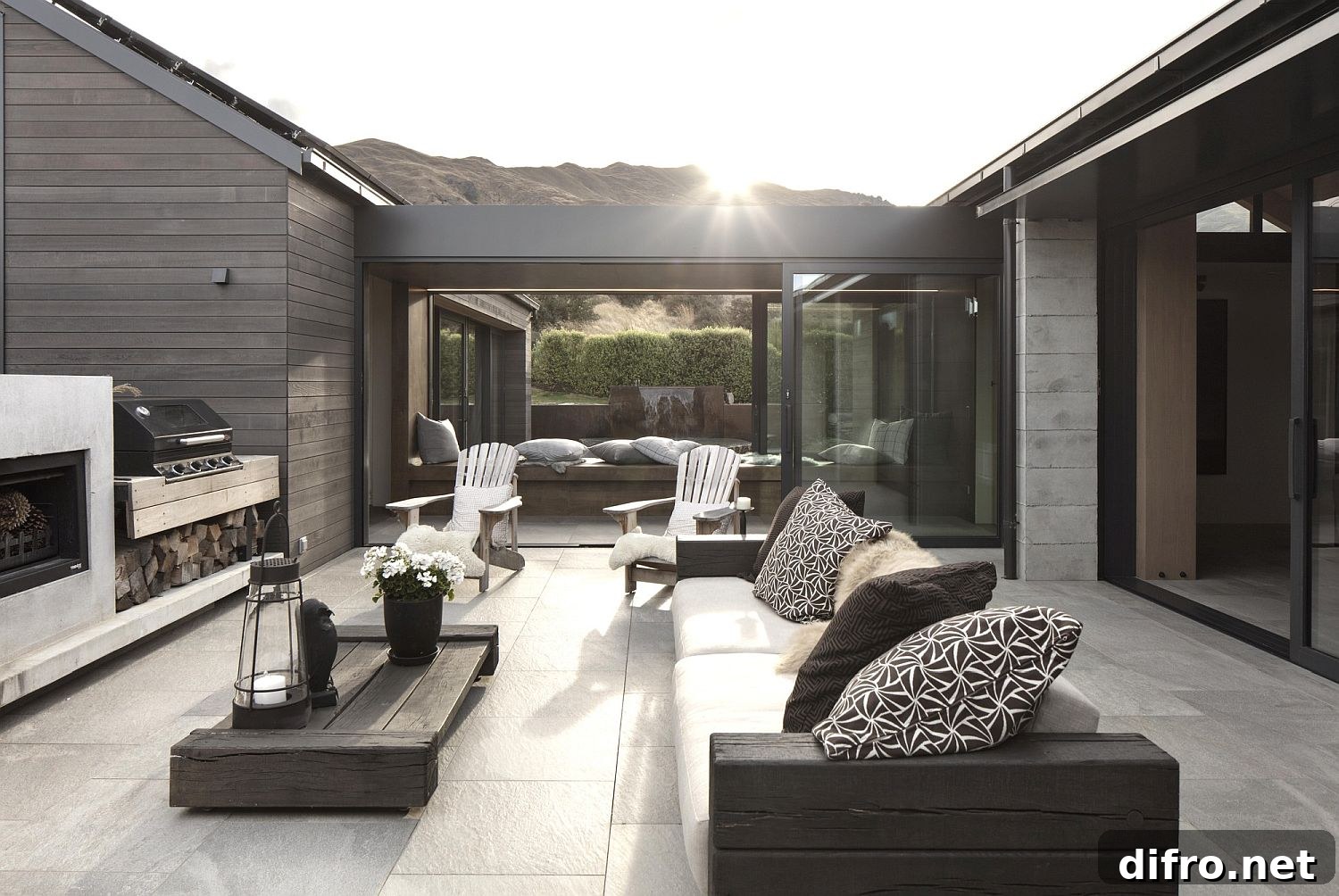
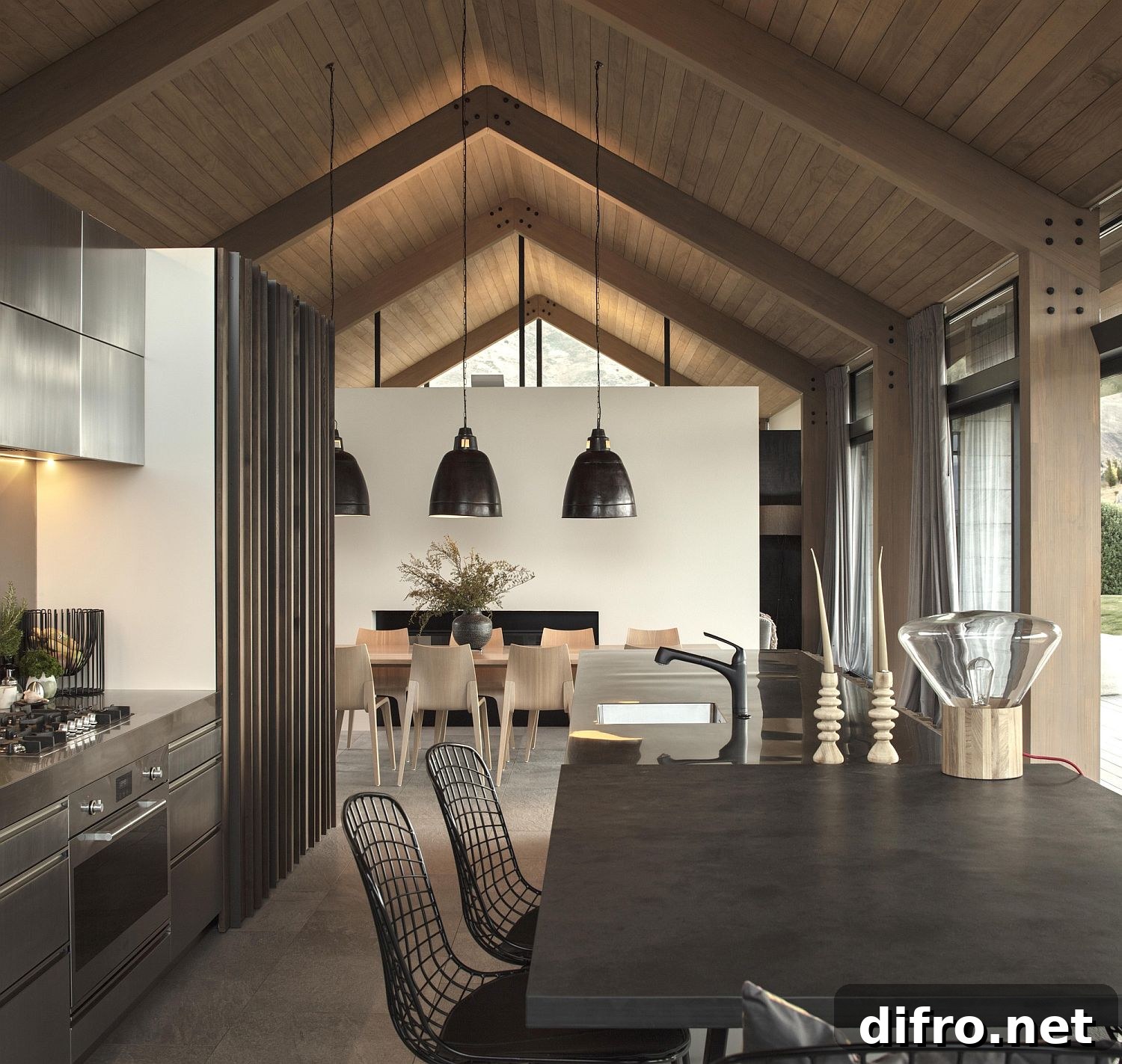
Throughout the interior, thoughtfully placed elements—such as built-in bookshelves that add color and visual interest—frame the views without competing with them. A central courtyard provides an intimate outdoor room that both collects light and creates sheltered outdoor seating, reinforcing the home’s connection to site and climate. In the kitchen and dining areas, the gabled roof and generous glazing bring abundant daylight deep into the plan, while restrained gray tones and natural wood keep the spaces warm and understated.
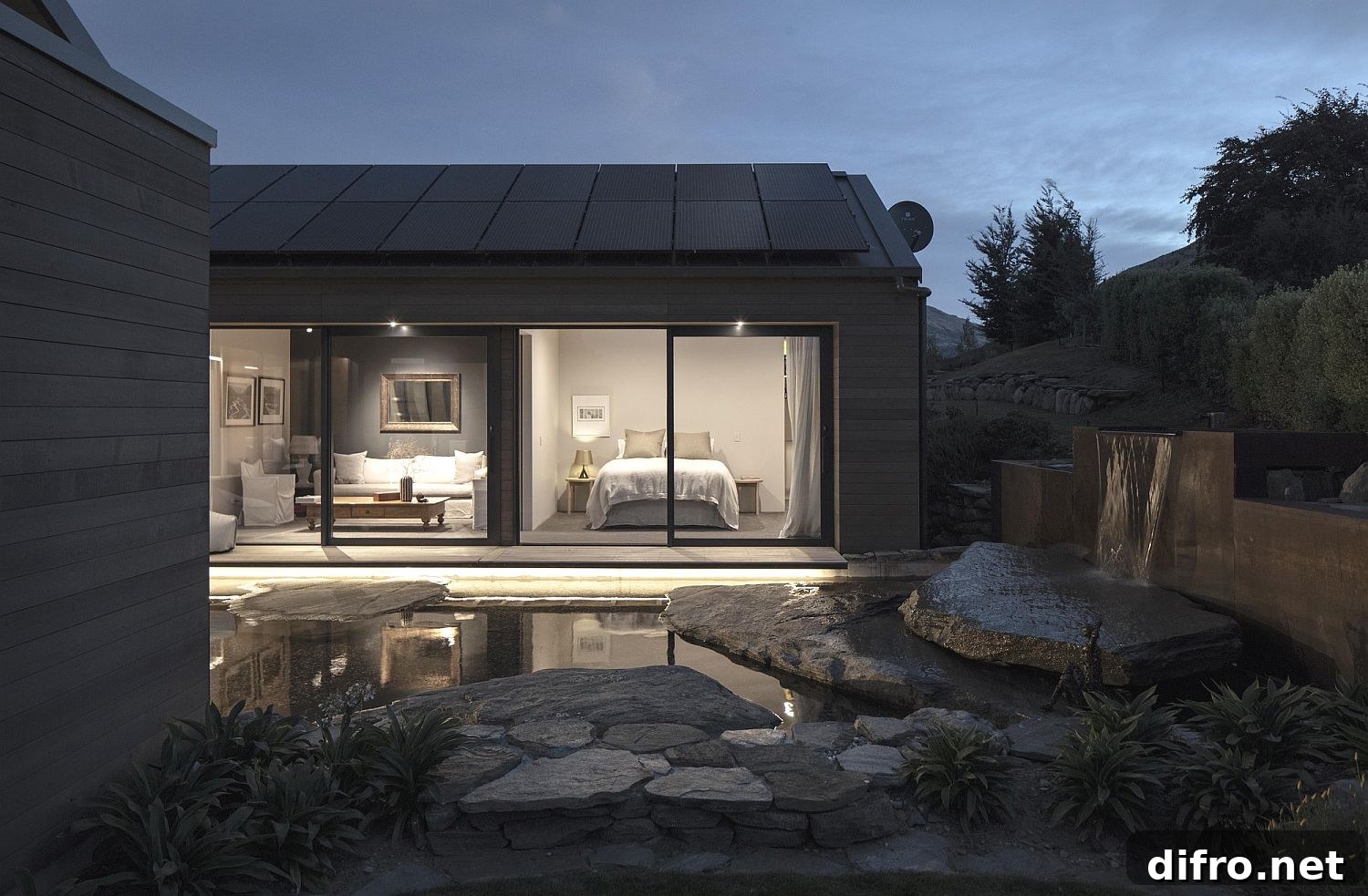
Sustainability is integral to the Wanaka House’s design. Photovoltaic panels, geothermal systems and other renewable sources supply the home’s energy needs, while insulation strategies and carefully positioned glazing reduce dependency on mechanical systems. The house feels organic and responsive to its climate: it harnesses passive solar gains where possible, relies on high-performance envelope materials for thermal stability, and integrates active renewable technologies to keep energy use low throughout the year.
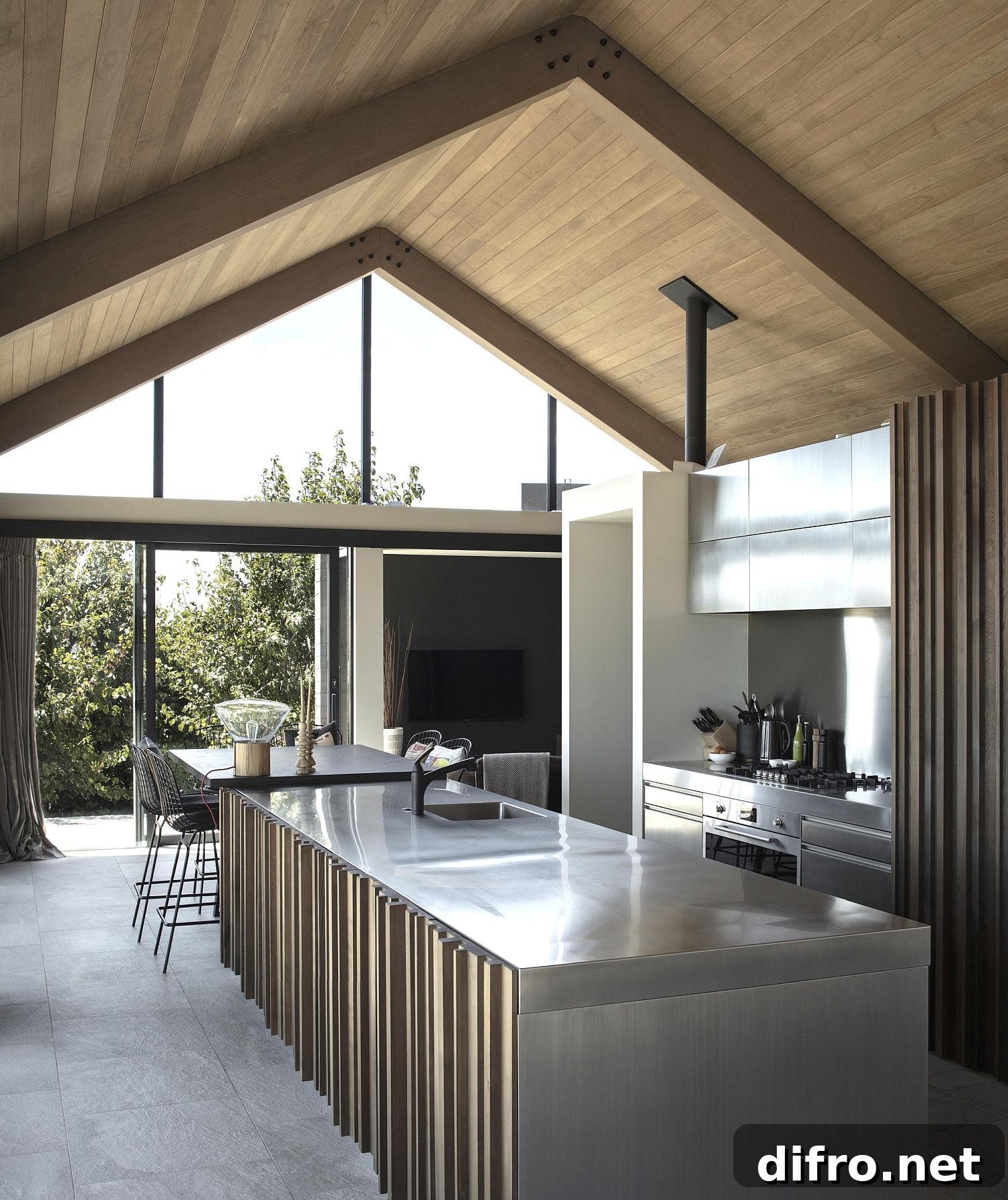
A combined inslab heating and hot water heat pump system is powered by 5kWh of discretely placed photovoltaic panels. Appropriate use and positioning of Thermomass concrete, along with large glazed openings, allow for natural heating and cooling as much as possible, enabling the house to operate at a very low cost.
Design choices such as oversized black pendant lights emphasize the strong rooflines and add a bold graphic touch against the muted interior palette. A series of floor-to-ceiling glass panels reinforces the intimate link between the indoors and the world outside, framing changing light and extending living spaces onto terraces and landscaped outdoor rooms. Outdoor spaces around the house are composed to complement the architecture, providing varied vantage points and sheltered areas for different weather conditions.
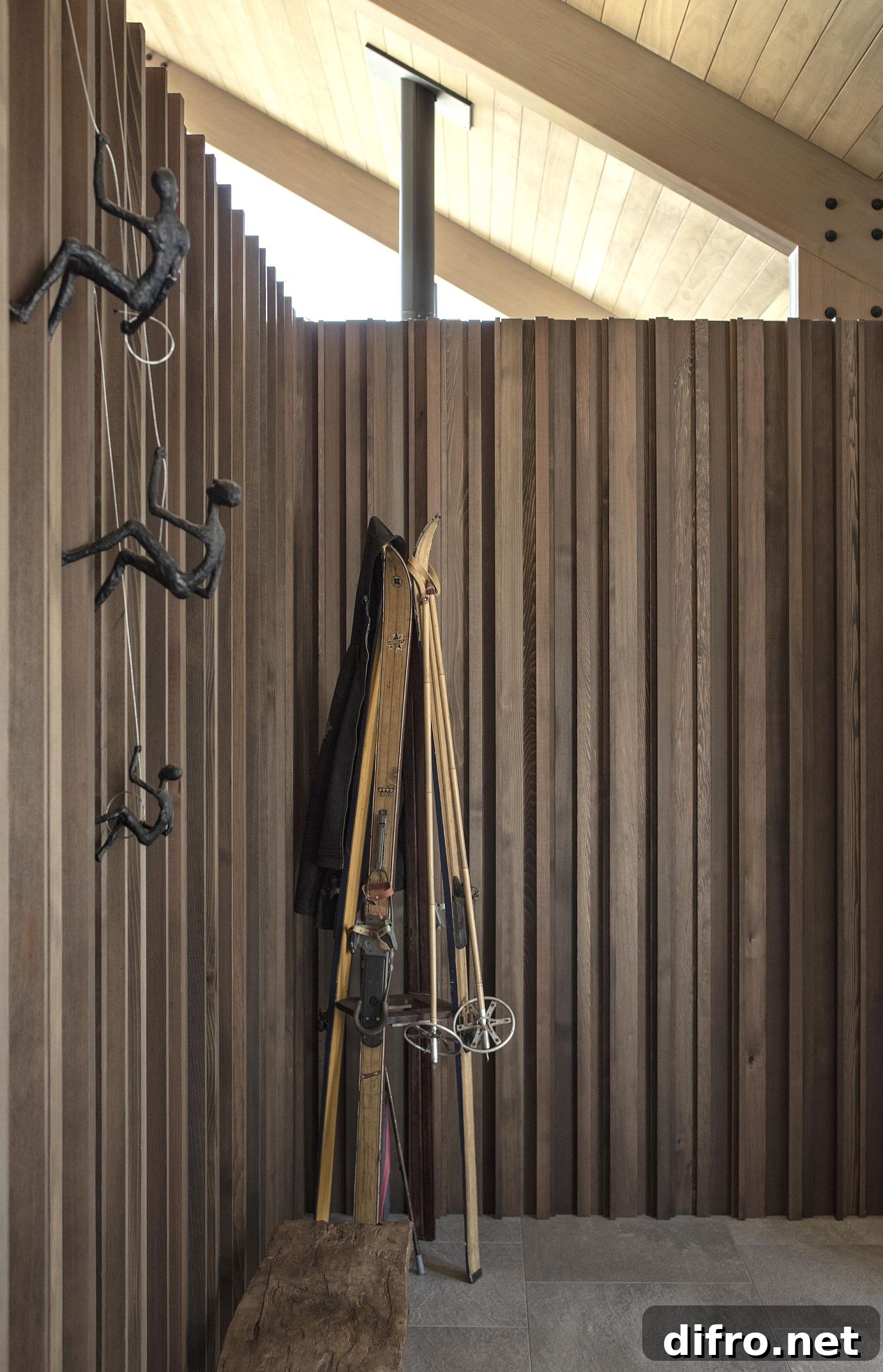
Overall, Wanaka House is an example of architecture that respects its landscape, prioritizes thermal comfort and energy efficiency, and delivers a clean, contemporary aesthetic. Its combination of durable materials, generous glazing, and integrated sustainable systems makes it a comfortable, low-energy home that celebrates the spectacular New Zealand context while offering a carefully considered, human-centered interior.
Photography: Simon Devitt