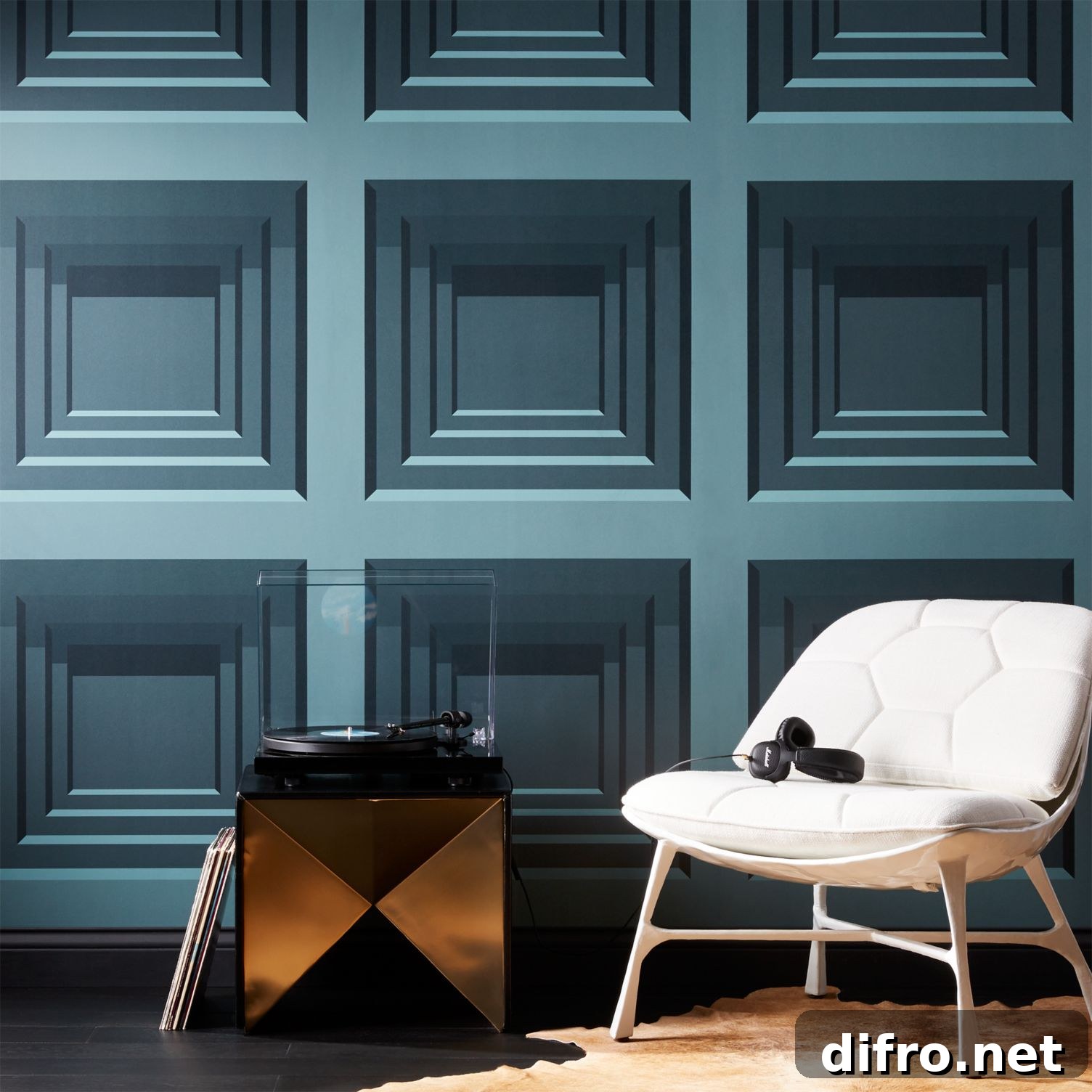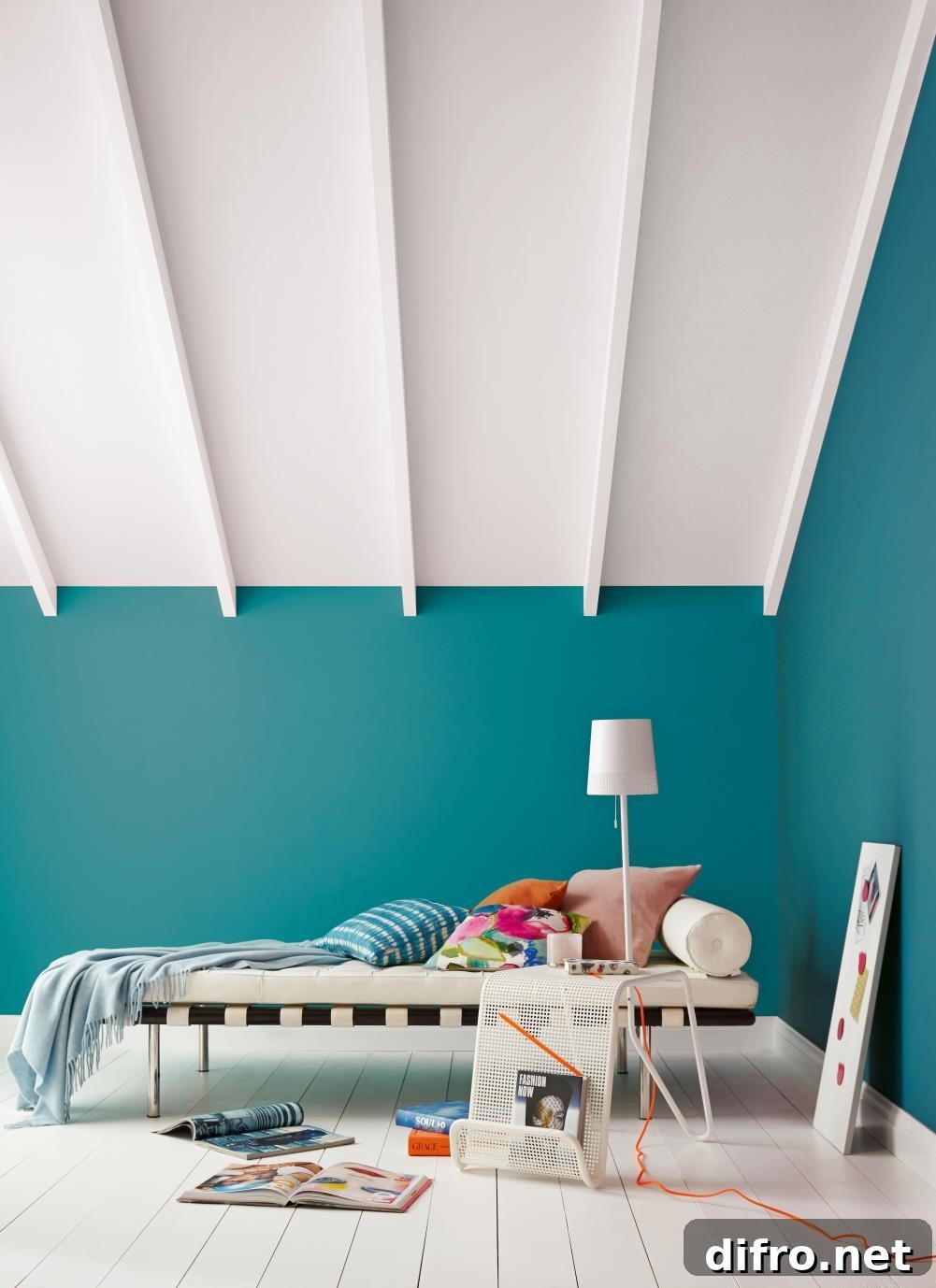
Teal has quietly become one of the most calming and versatile colors in contemporary design. Once dismissed as dated, it’s now enjoying a stylish revival across interiors, textiles, and accessories. Teal can lean more green or more blue—sometimes approaching turquoise—and its many variations make it easy to adapt to different spaces and moods. Which teal tone speaks to you?
There are many simple ways to introduce teal into your home. Paint an accent wall for dramatic impact, add textiles like rugs and bedding for softer changes, or bring in one or two teal decor pieces that anchor a room. Teal works beautifully with neutrals, warm metals, wood tones, and complementary colors like mauve and mustard—making it both calming and striking when used thoughtfully. [Photo credit: CB2 via First Quarter Finance]
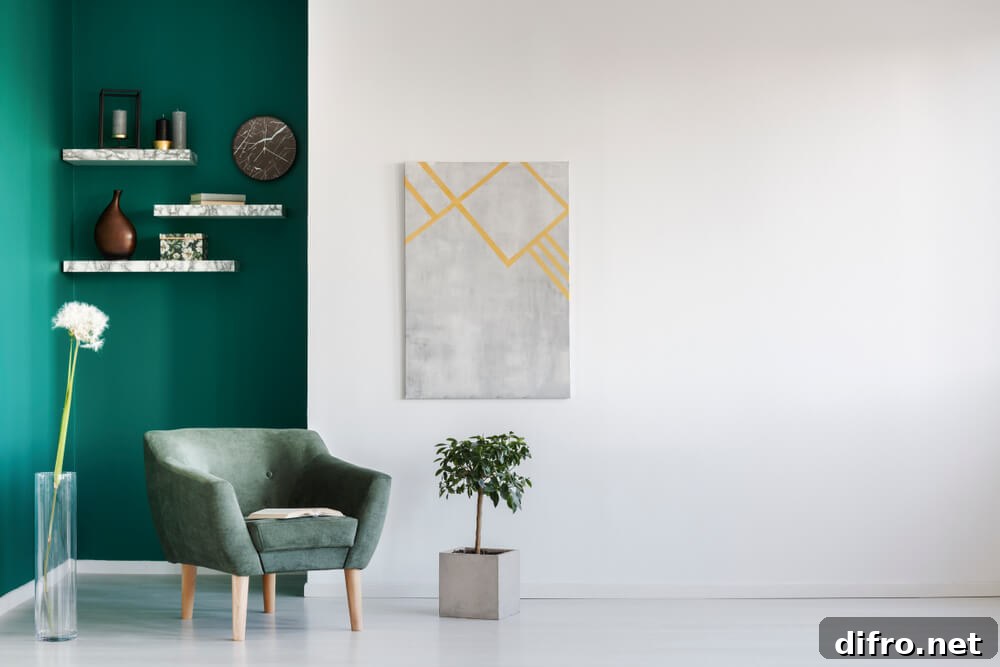
The Power of Teal Decor
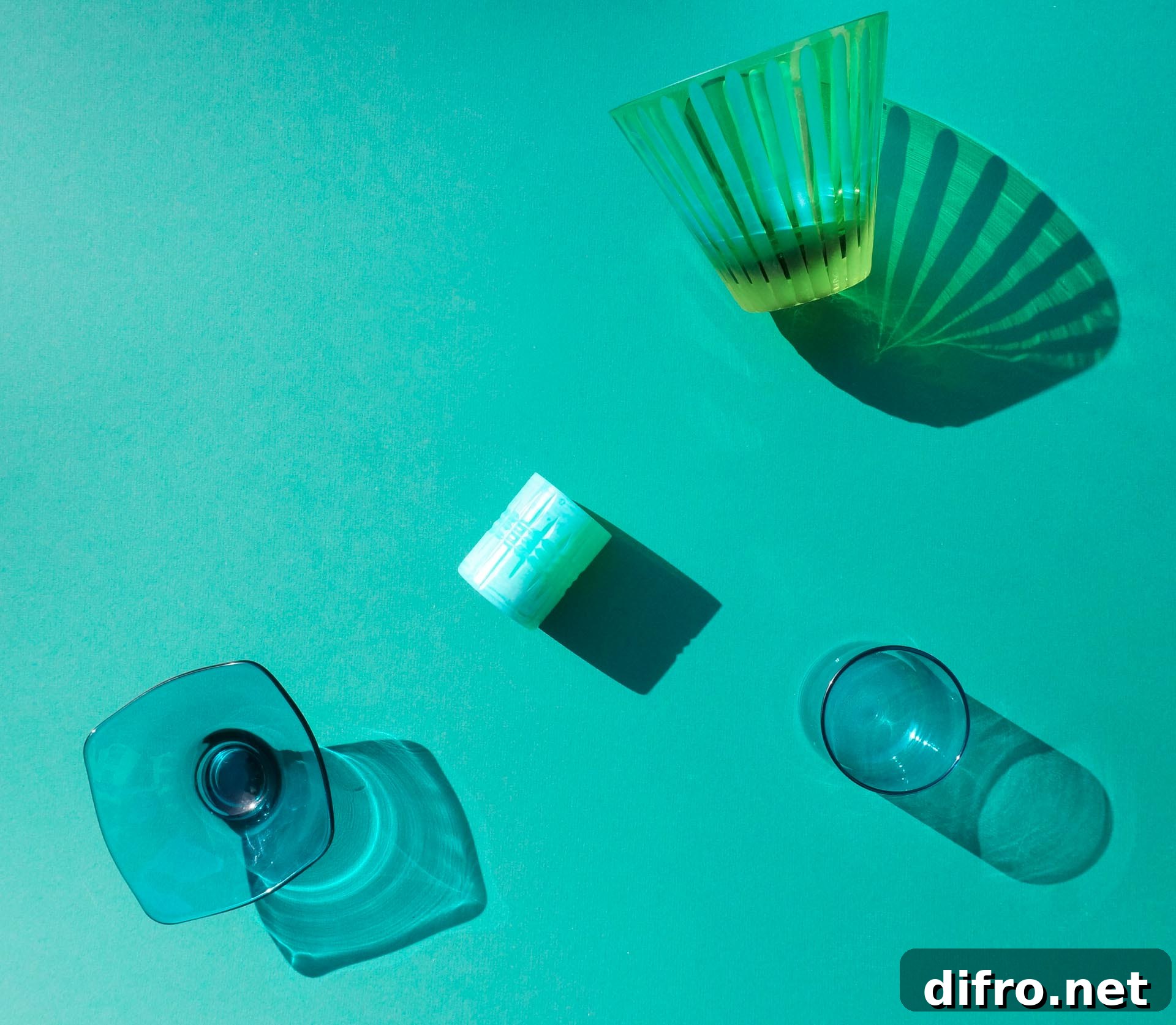
Teal offers a vivid pop without overwhelming a space. It evokes water, foliage, and jewel tones, giving interiors a sense of serenity with personality. A few well-chosen teal pieces—glassware, textiles, or a statement rug—can transform a room and tie together existing colors.
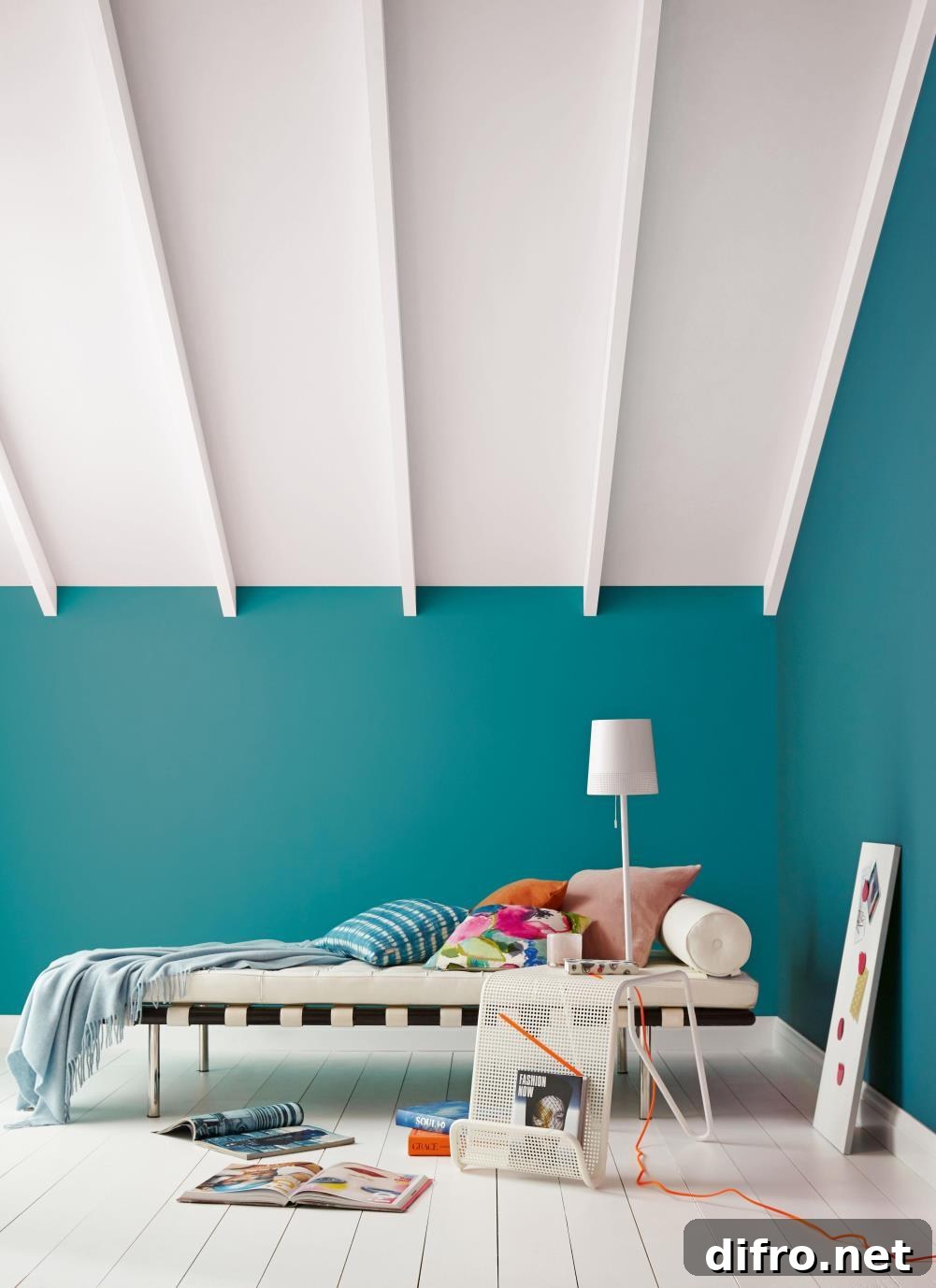
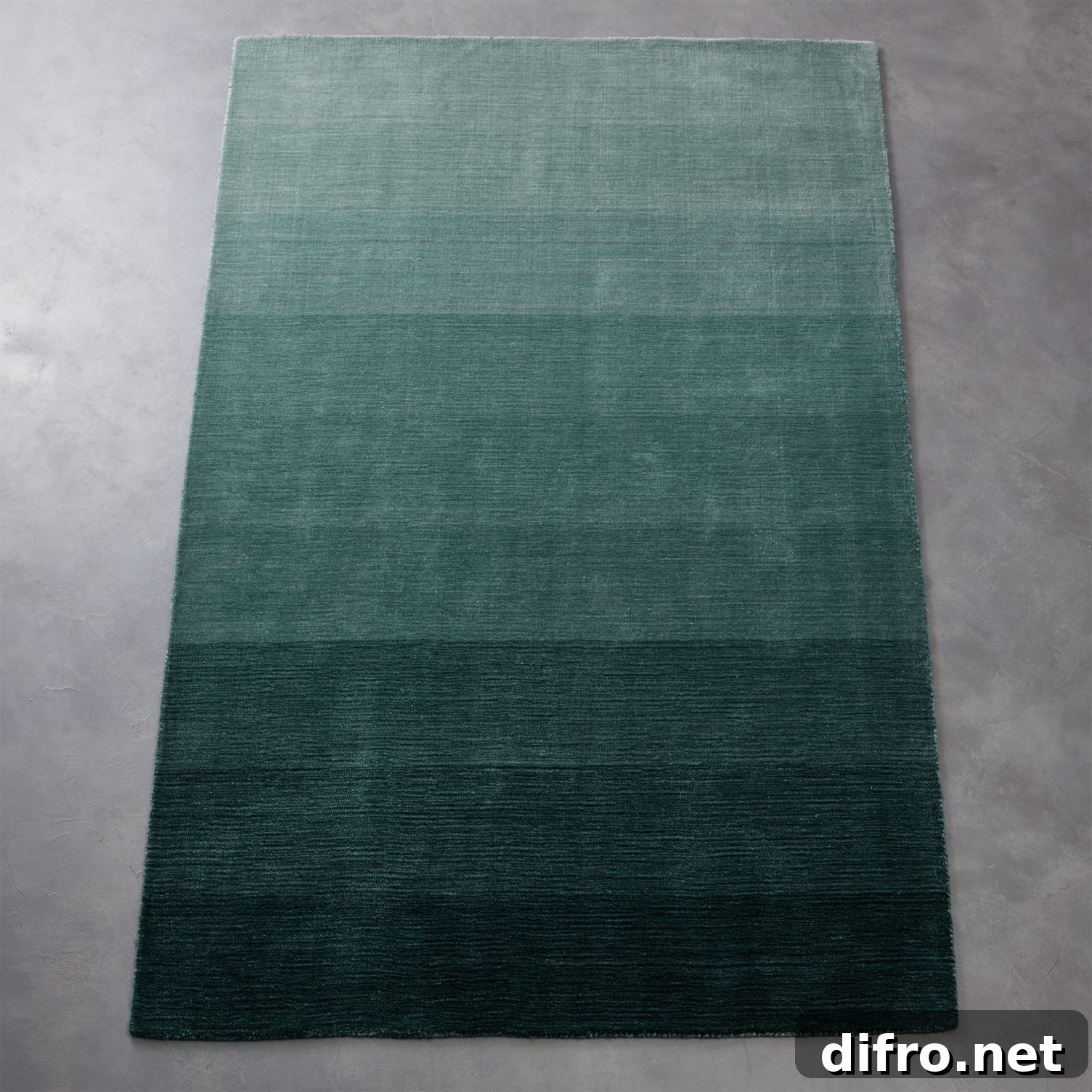
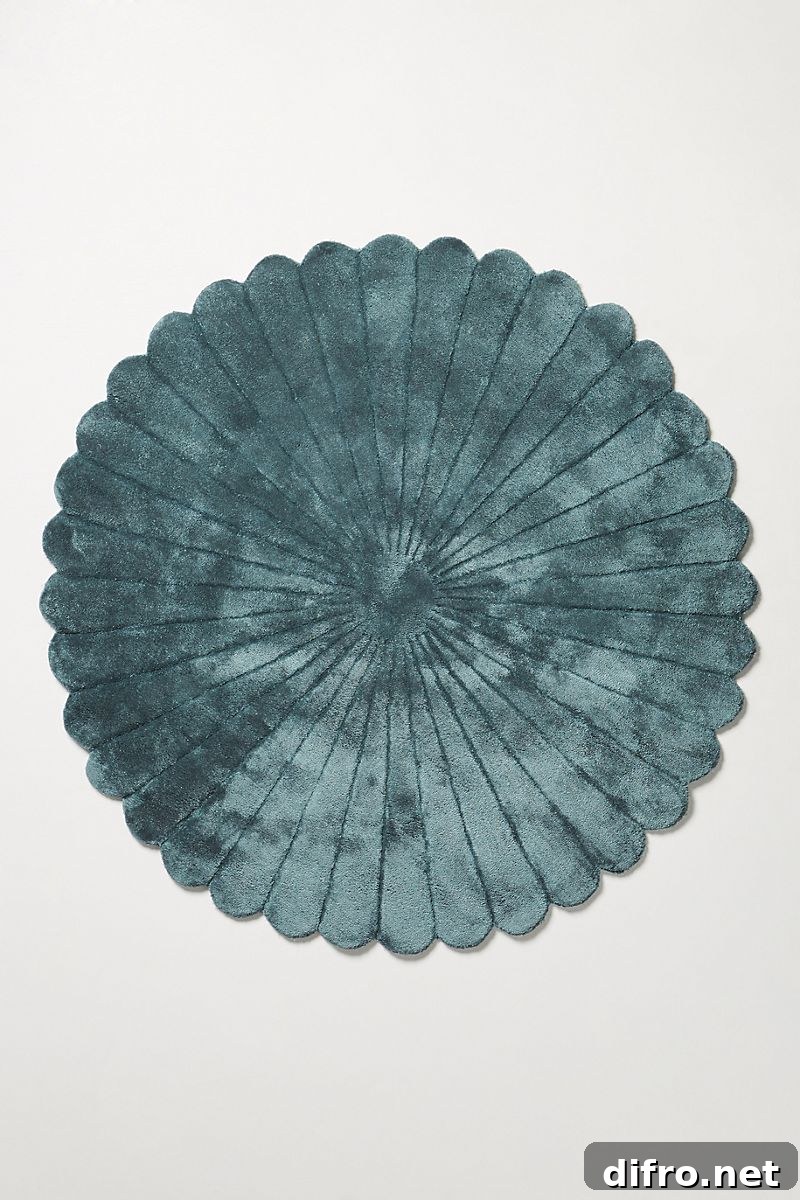
If painting walls isn’t an option, try adding teal on the floor with a textured rug. For example, an ombré deep-teal rug brings depth and a cozy feel, while a scalloped, scallop-edged design in grey-green creates a soft, sculptural focal point. Layering rugs and throws in complementary shades heightens warmth and visual interest.
Teal velvet and brass furniture pieces make bold statements and mix well with other jewel tones or muted pastels. Dining chairs in teal velvet or accent chairs upholstered in similar tones bring sophistication while remaining approachable.
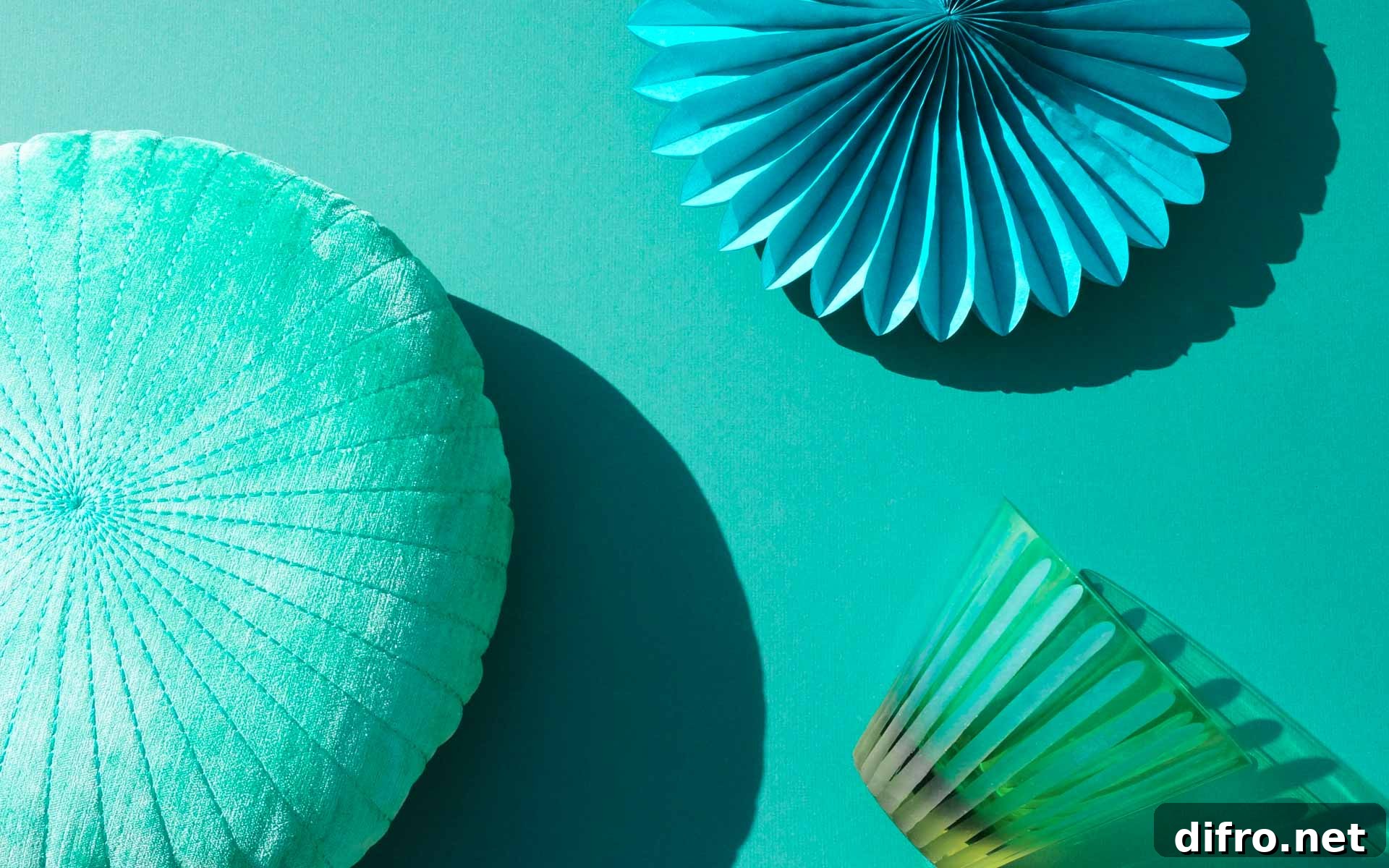
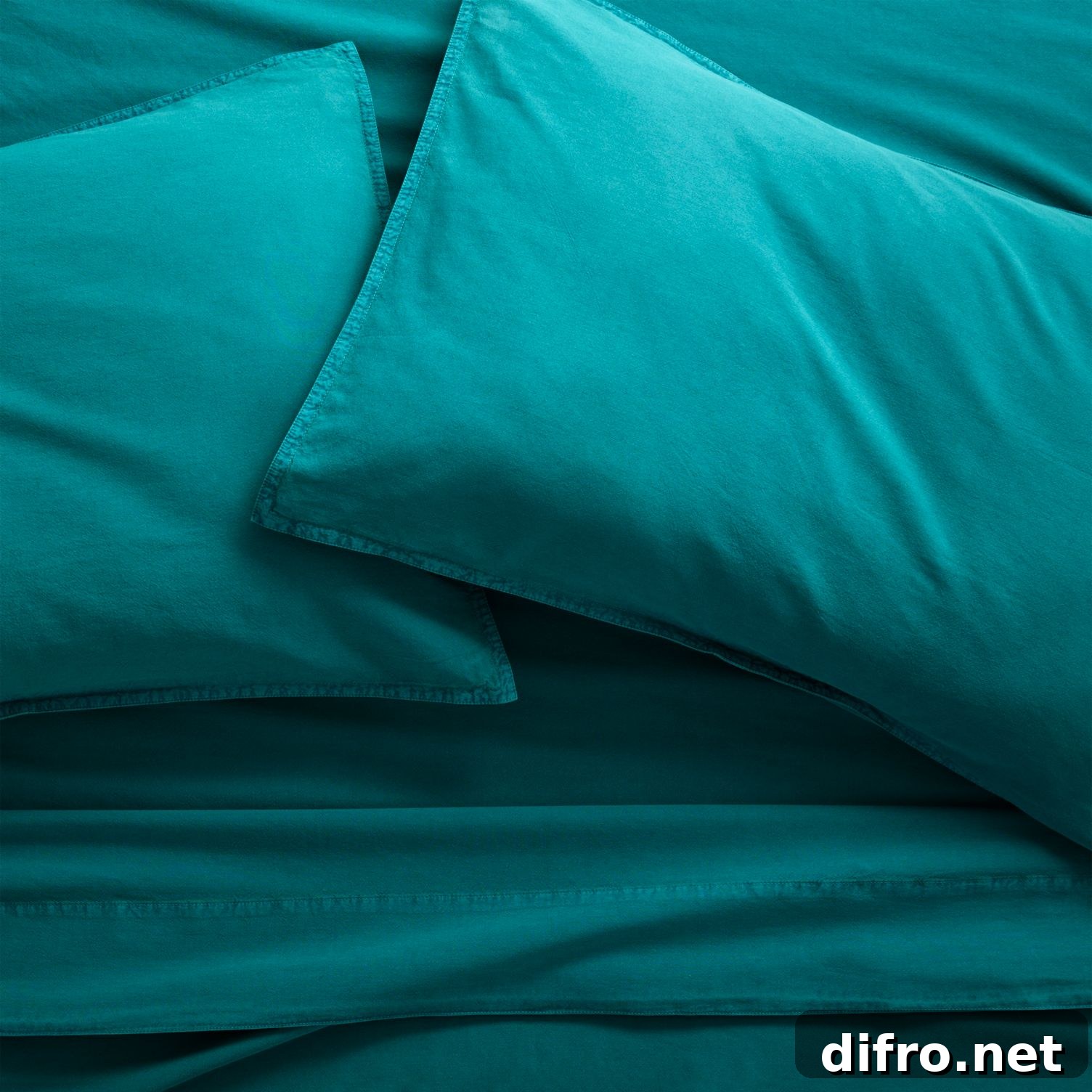
Bedding is an easy way to update a bedroom: garment-washed teal sheets add a soothing, lived-in look and work particularly well layered with textured throws and neutral duvet covers. Small decor objects such as vases and glass tumblers in teal tones offer subtle, elegant accents that can be rotated seasonally.
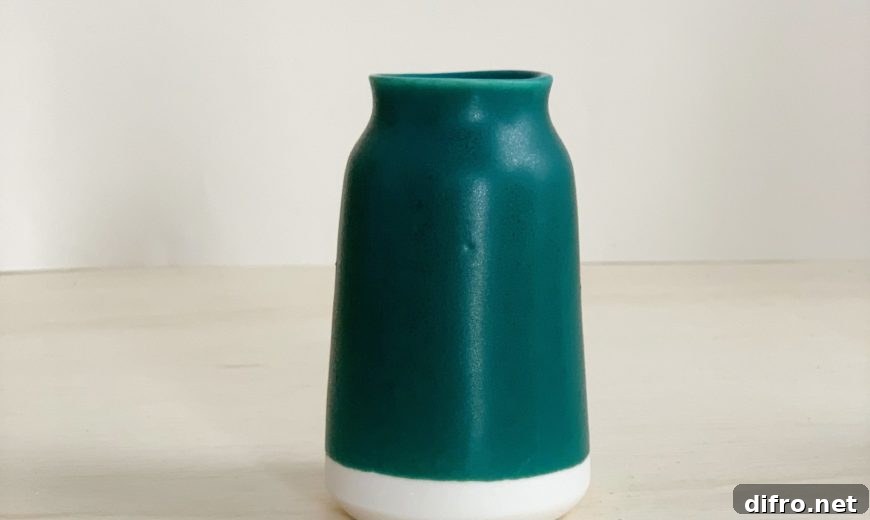
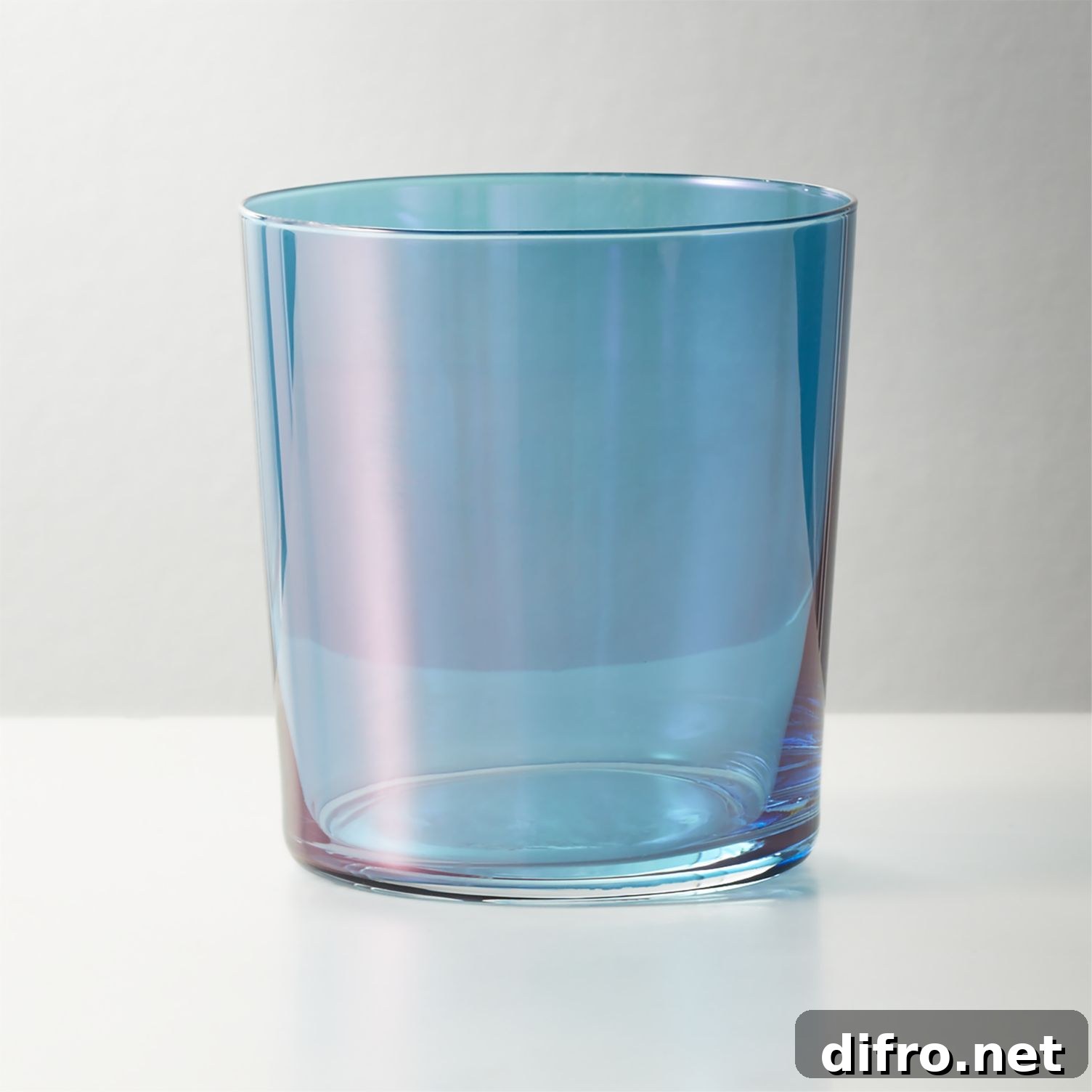
Glassware with a teal luster or delicate forms can elevate everyday dining and bring a coordinated look when mixed with other colored glass. Similarly, ceramic vases in teal offer sculptural function—perfect for small bouquets or solo display.
Whether you prefer a subtle infusion of teal or a more dramatic application, the color’s adaptability means it can be tailored to every room in the home.
Using Teal in Kids’ Rooms
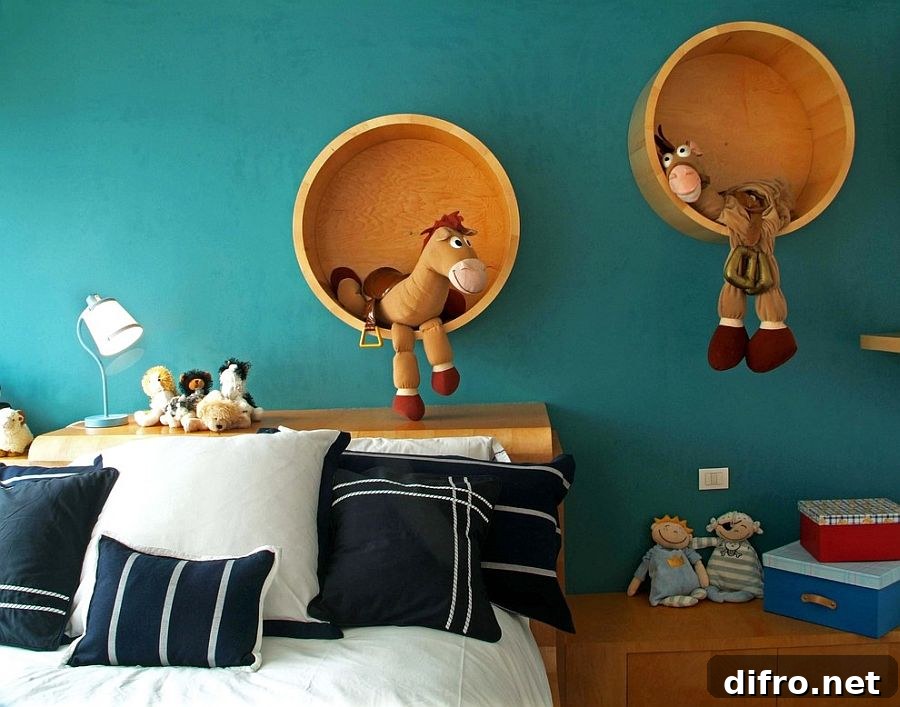
Teal works wonderfully in children’s rooms because it feels both calming and playful. You can use it as an accent—on a feature wall, shelving, or seating—or embrace a bolder approach with larger furniture pieces. Pair teal with creamy neutrals, warm wood, or pops of magenta and mustard to keep the room lively and balanced. [Room by Din Interiorismo]
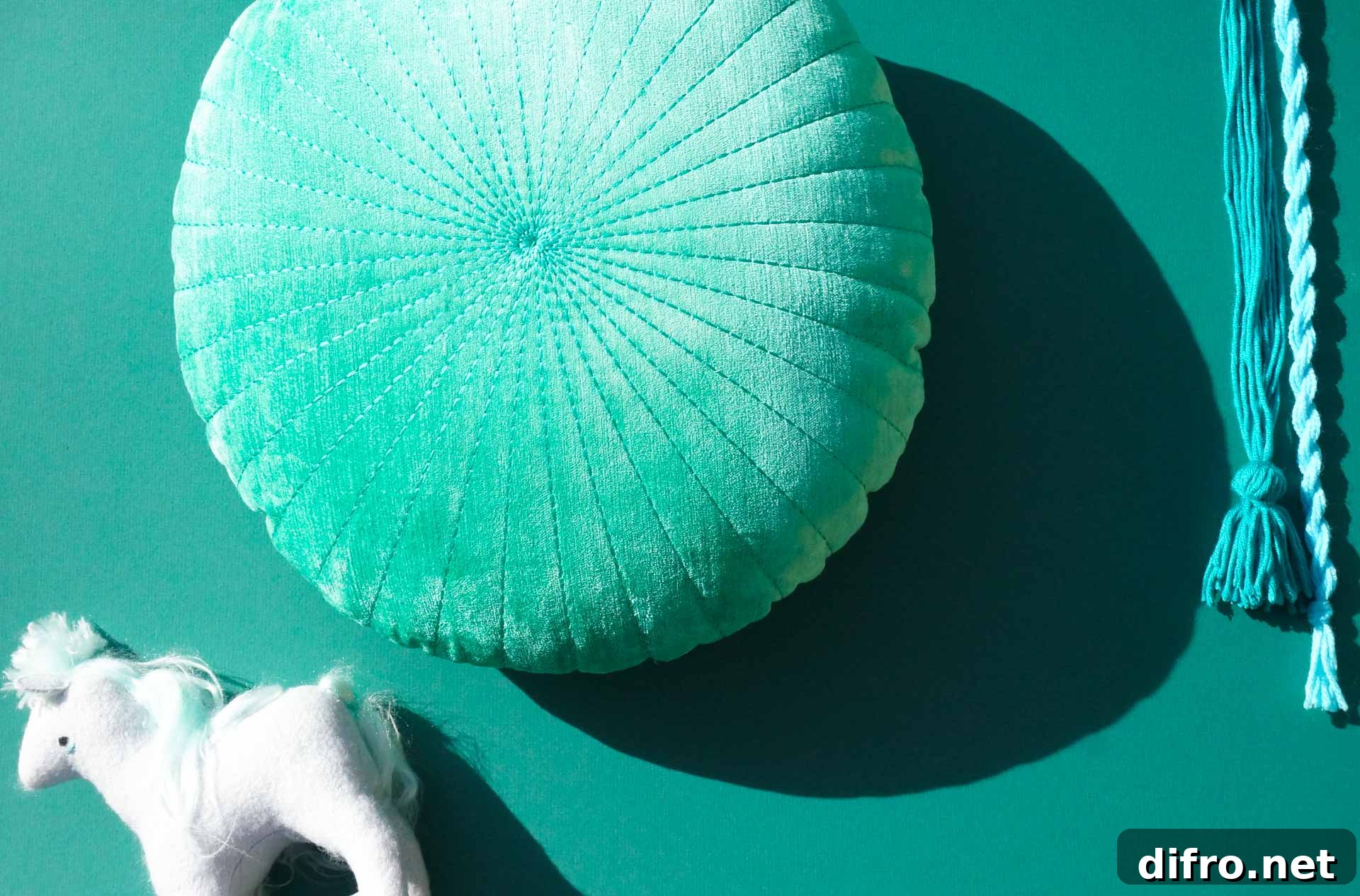
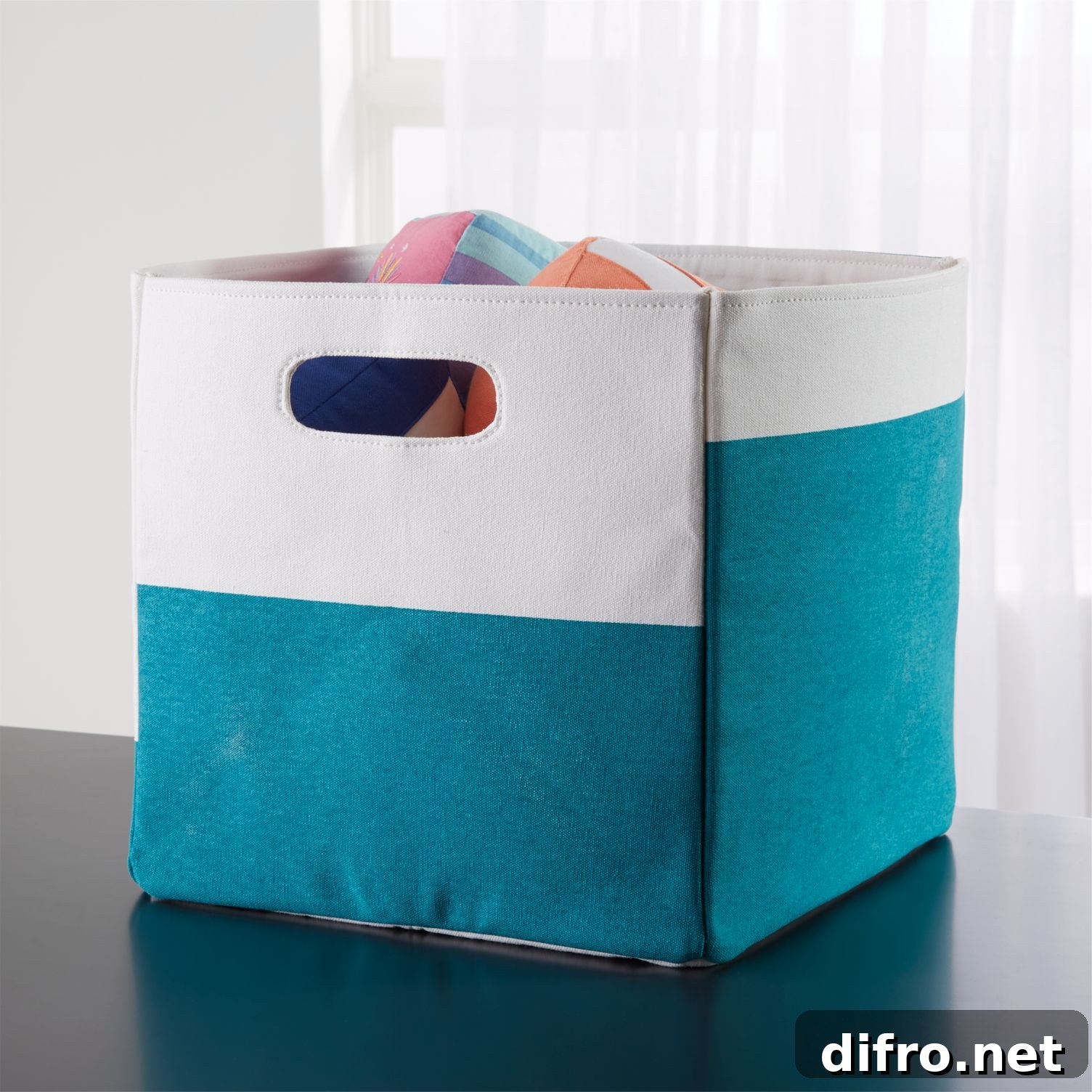
Practical teal pieces—stackable chairs, durable floor cushions, or color-block storage bins—add durability and visual interest in play spaces. A teal cushion or storage cube can anchor a corner and make tidying up more appealing for kids.
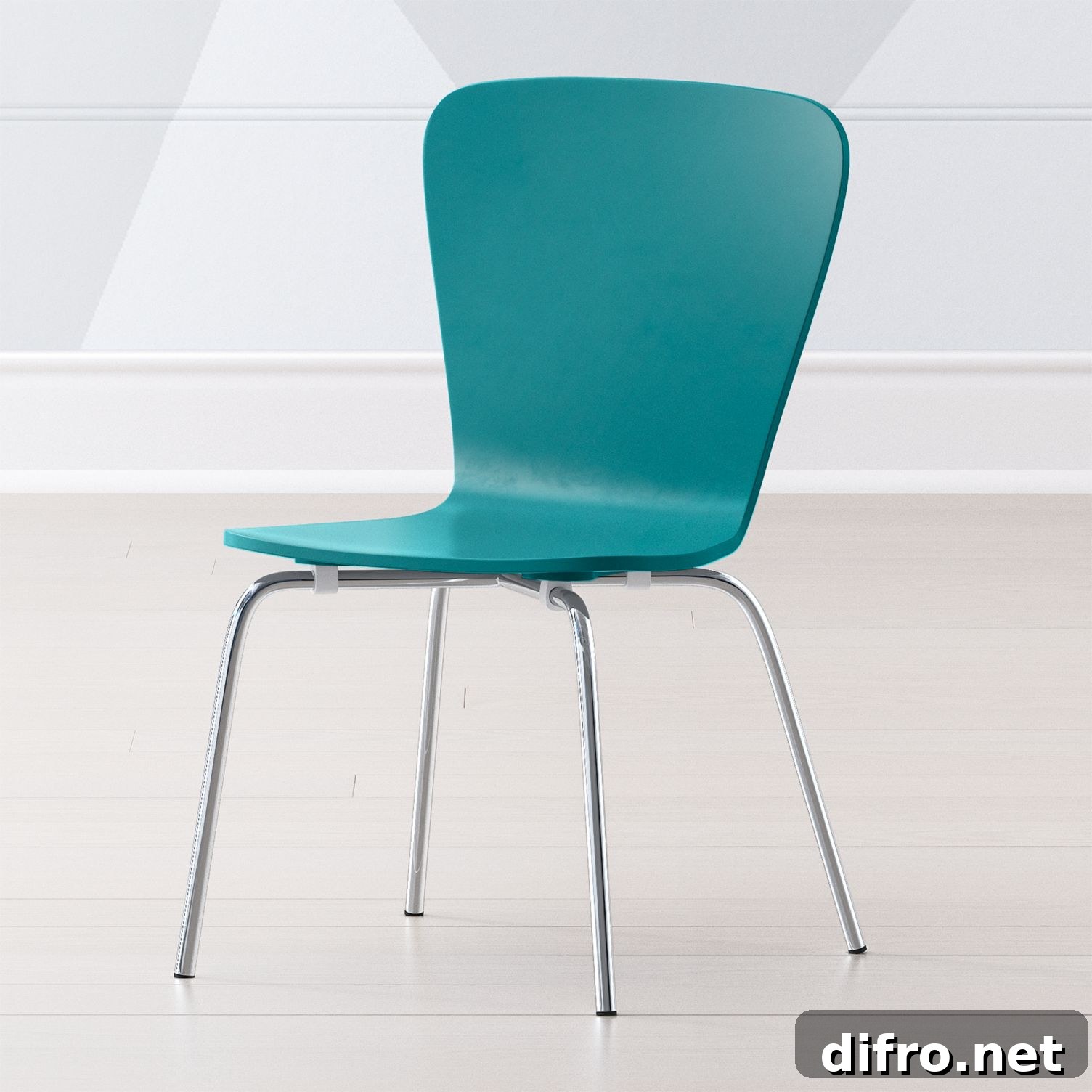
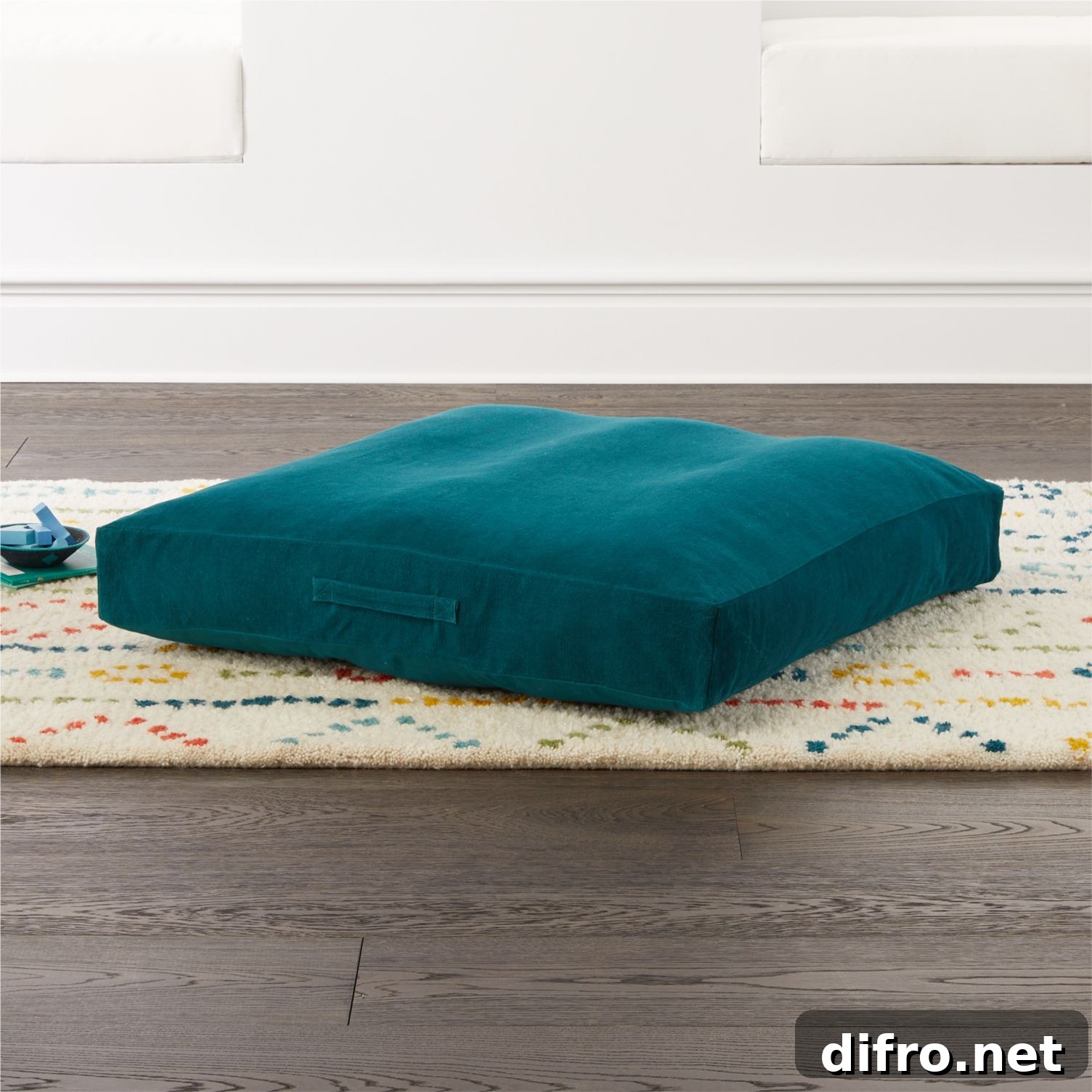
Smart storage in teal keeps toys organized and reinforces the color scheme. Choose pieces that are easy to clean and stackable for longevity, so the room can grow with the child.
Teal Decorations

Teal is also a fresh choice for seasonal decor and celebrations. It provides a modern alternative to primary colors and soft pastels—especially when paired with metallics like brass or warm gold. Paper fans and other simple decorations in teal can create an elegant backdrop for parties and can remain as stylish room accents afterward.
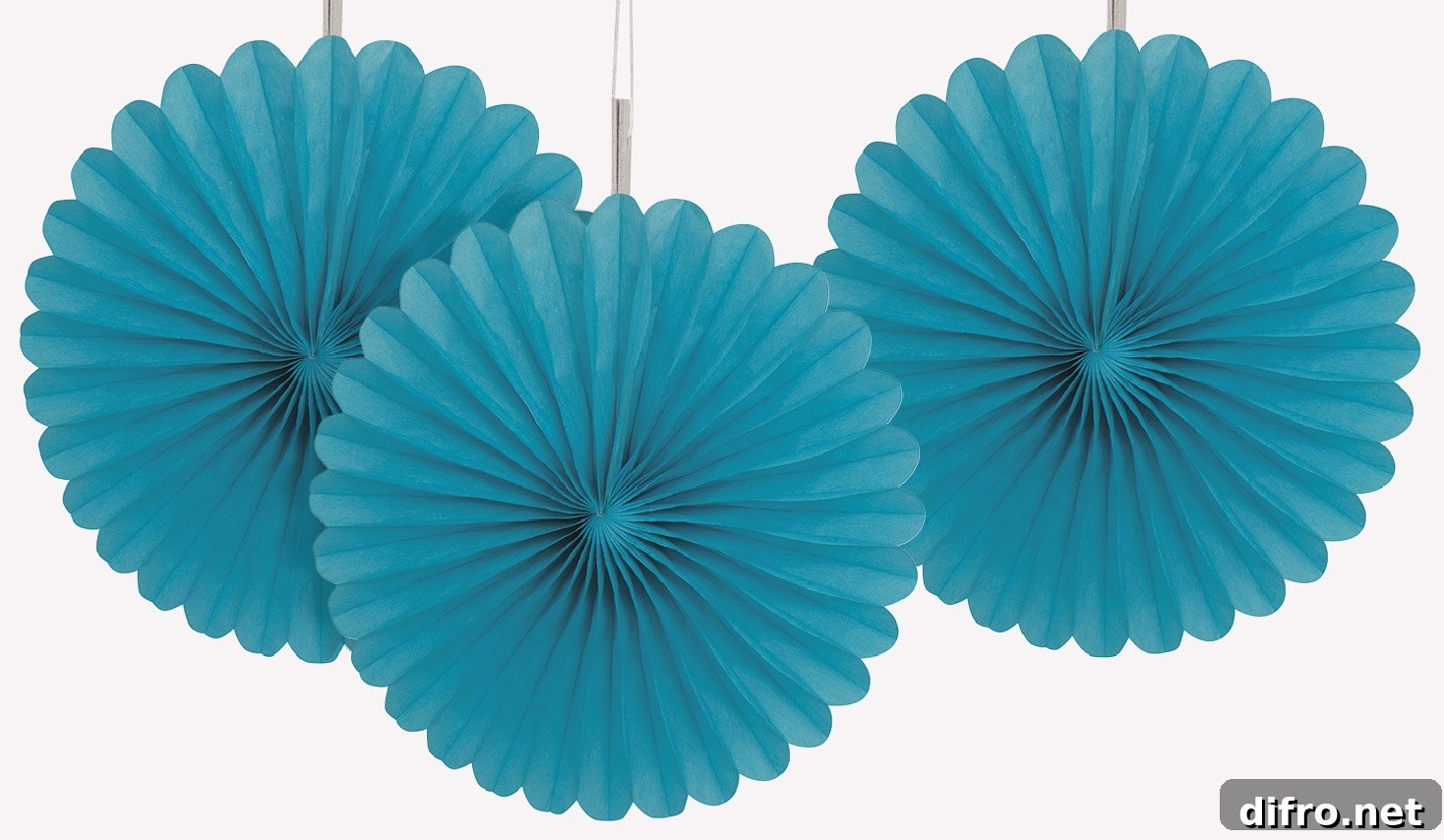
Teal ornaments, especially those with jewel-like finishes or layered glass, add refined color to holiday trees and seasonal vignettes. Mixing teal with off-whites, blush tones, or metallics creates depth and a contemporary, curated look.
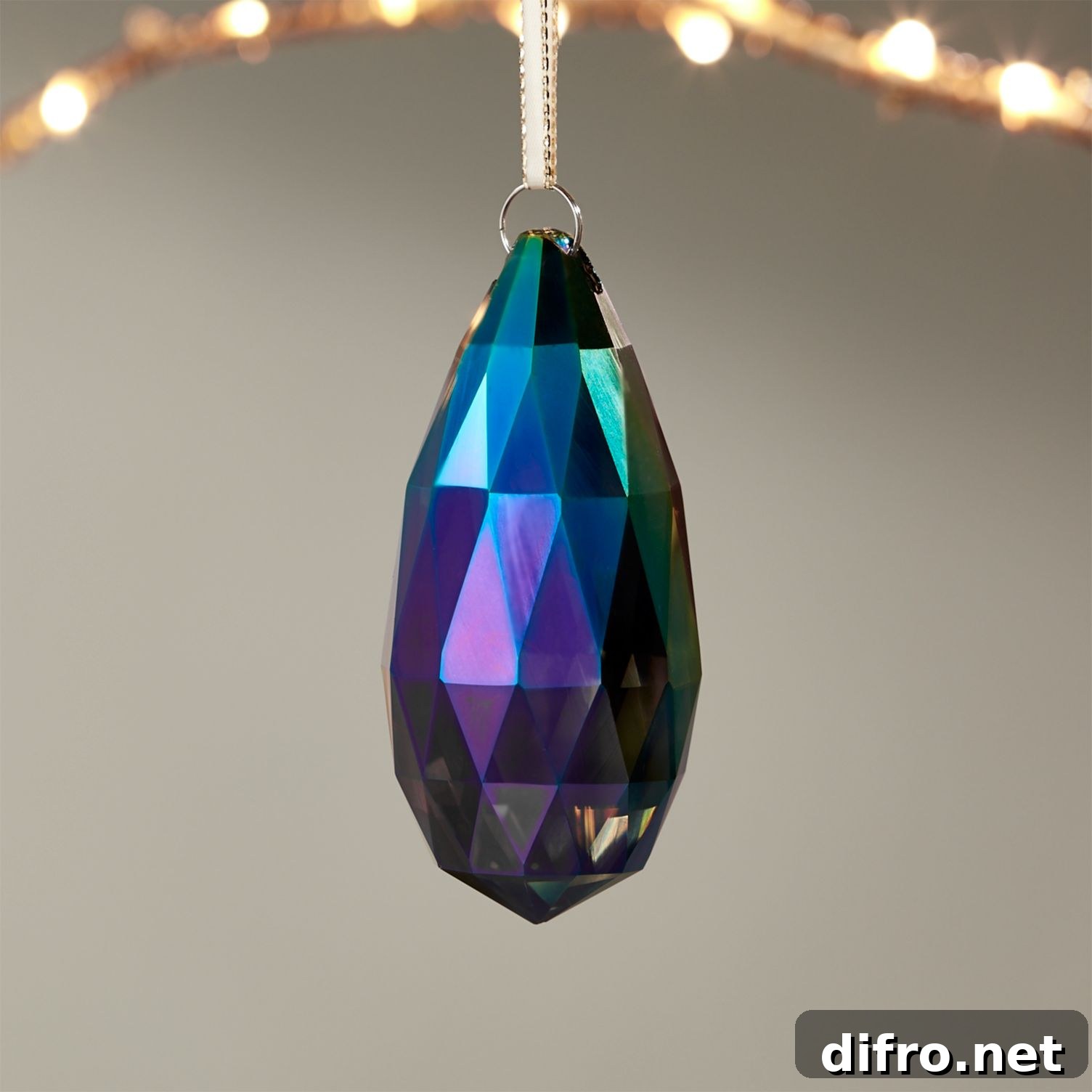
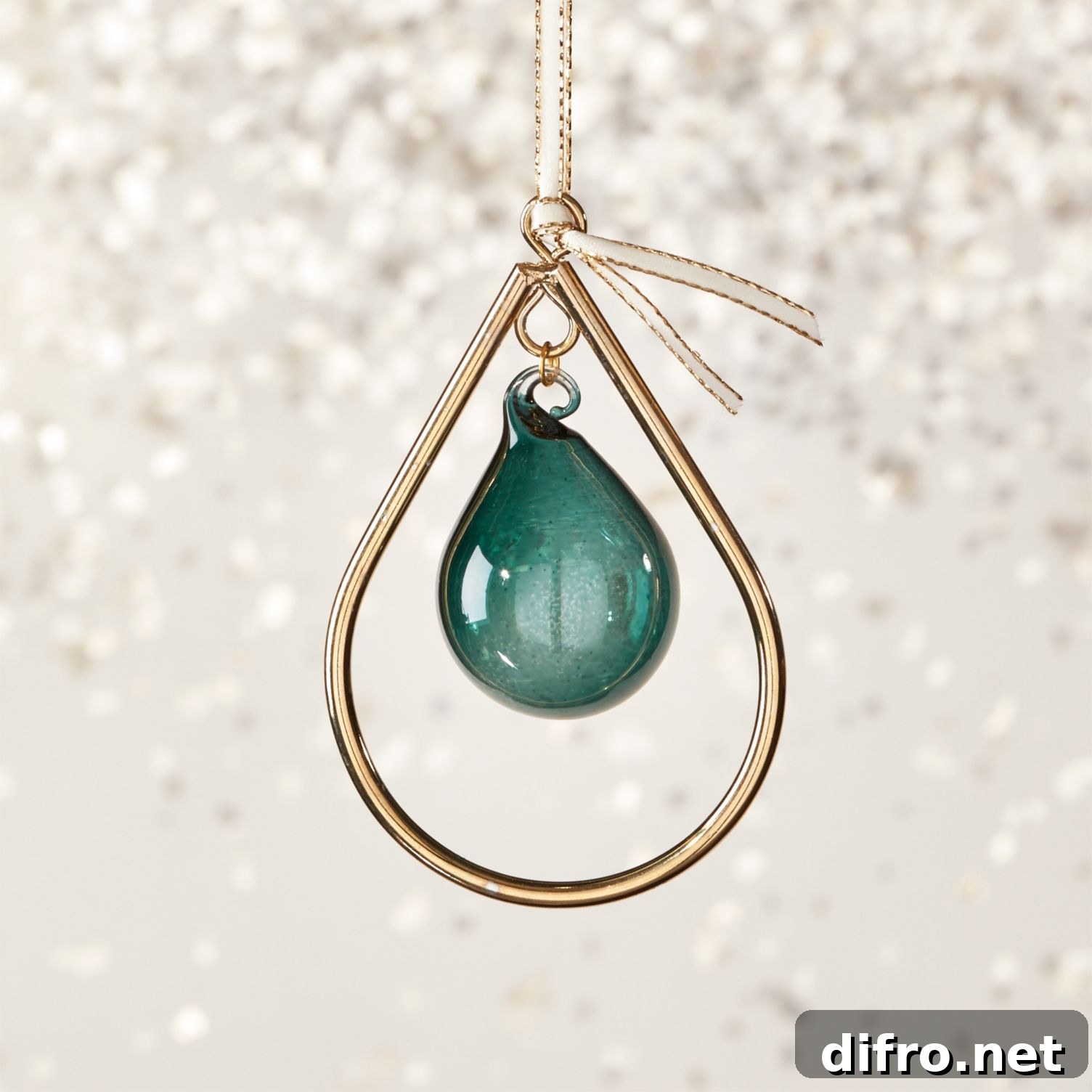
Whether you introduce a few teal accents or commit to wallpaper or paint, this color is both versatile and memorable. Teal’s balance of calm and character makes it an excellent choice for contemporary homes looking for color that feels both classic and current. Consider trying teal in a small dose first—then expand as you discover how it complements your space.