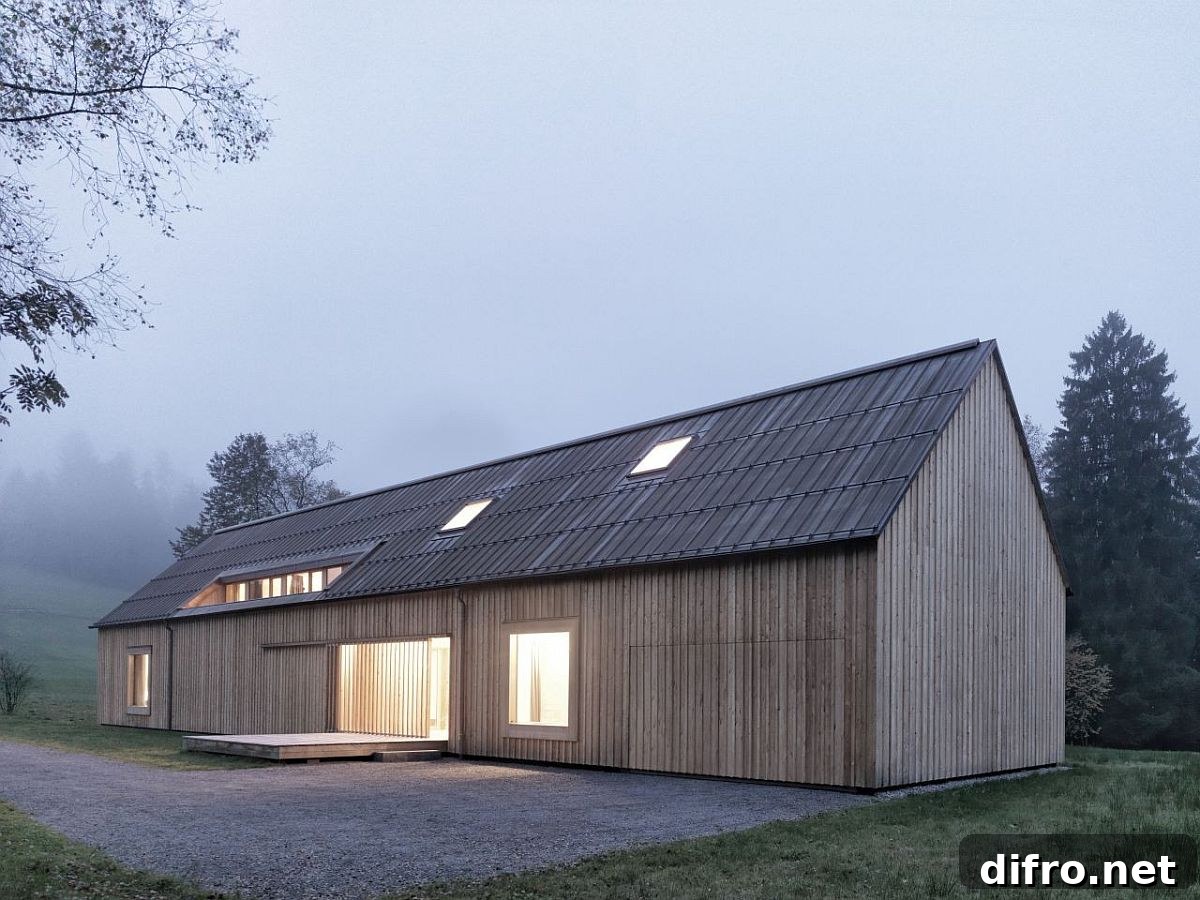
Haus am Moor: Vernacular Charm Meets Modern Living in Austria
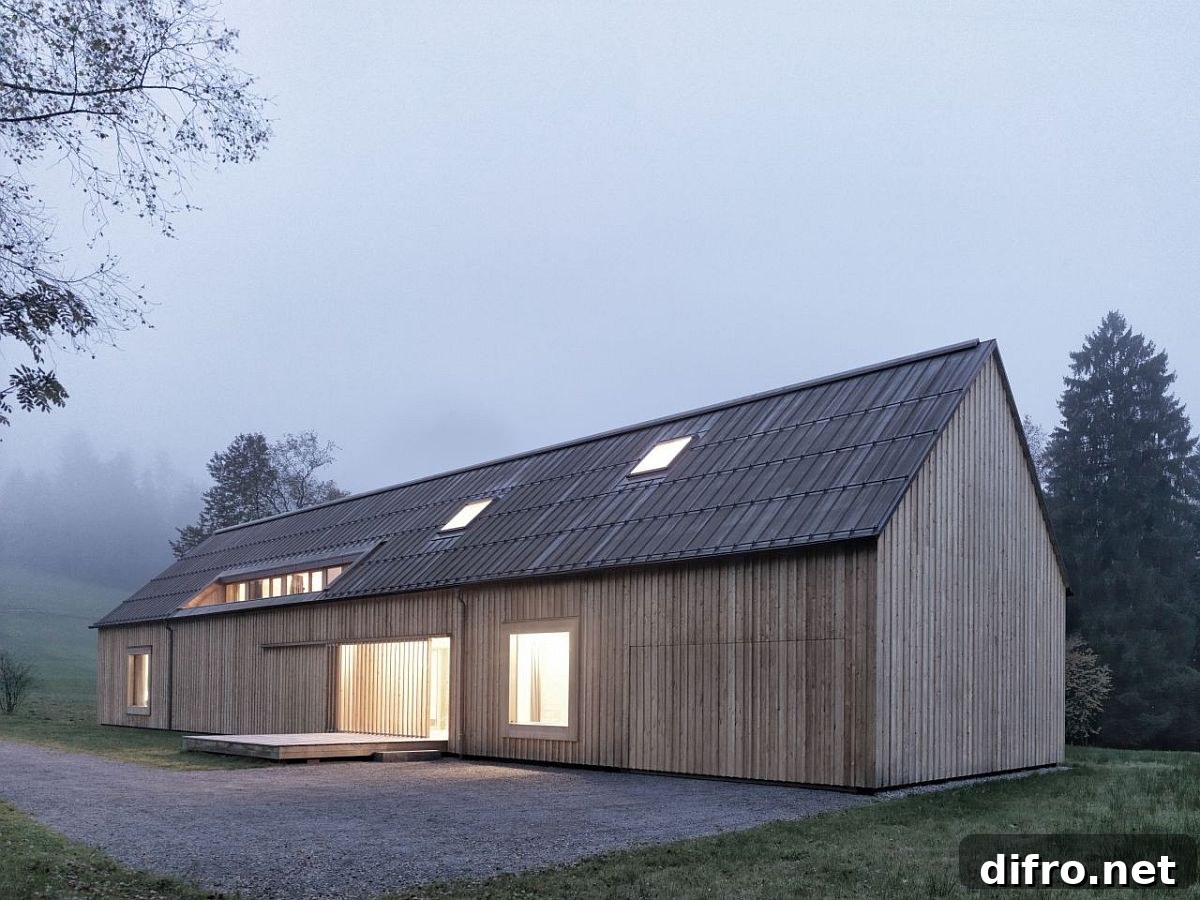
Bringing vernacular design together with contemporary aesthetics and everyday comfort often produces homes that are distinctive, intuitive and well suited to their surroundings. Designed by Bernardo Bader Architekten, Haus am Moor is a notable example where rural Austrian character is blended with thoughtful modern design. From the outside the house reads like a large traditional farmhouse: a simple rectangular base capped by gabled roofs that echo the local building language. Inside, however, the atmosphere shifts toward clean, contemporary lines and a restrained, minimal sensibility.
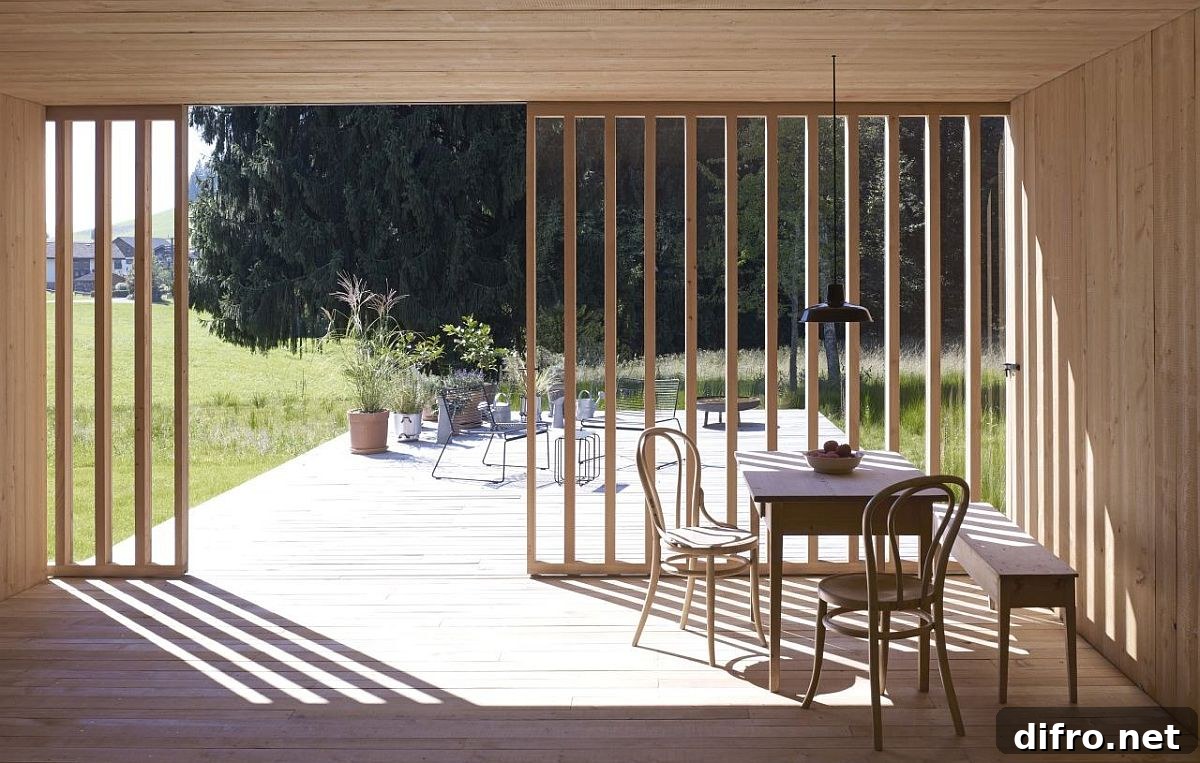
The strong gabled roof plays a defining role in shaping the interior: it creates a generous, well-lit central living space on the lower level that accommodates the kitchen and dining areas. The architects used locally sourced timber in combination with concrete to realize an eco-conscious approach to construction. Exposed wooden surfaces and detailing bring warmth and tactile richness to an otherwise austere exterior, while the concrete provides solidity and a modern counterpoint.
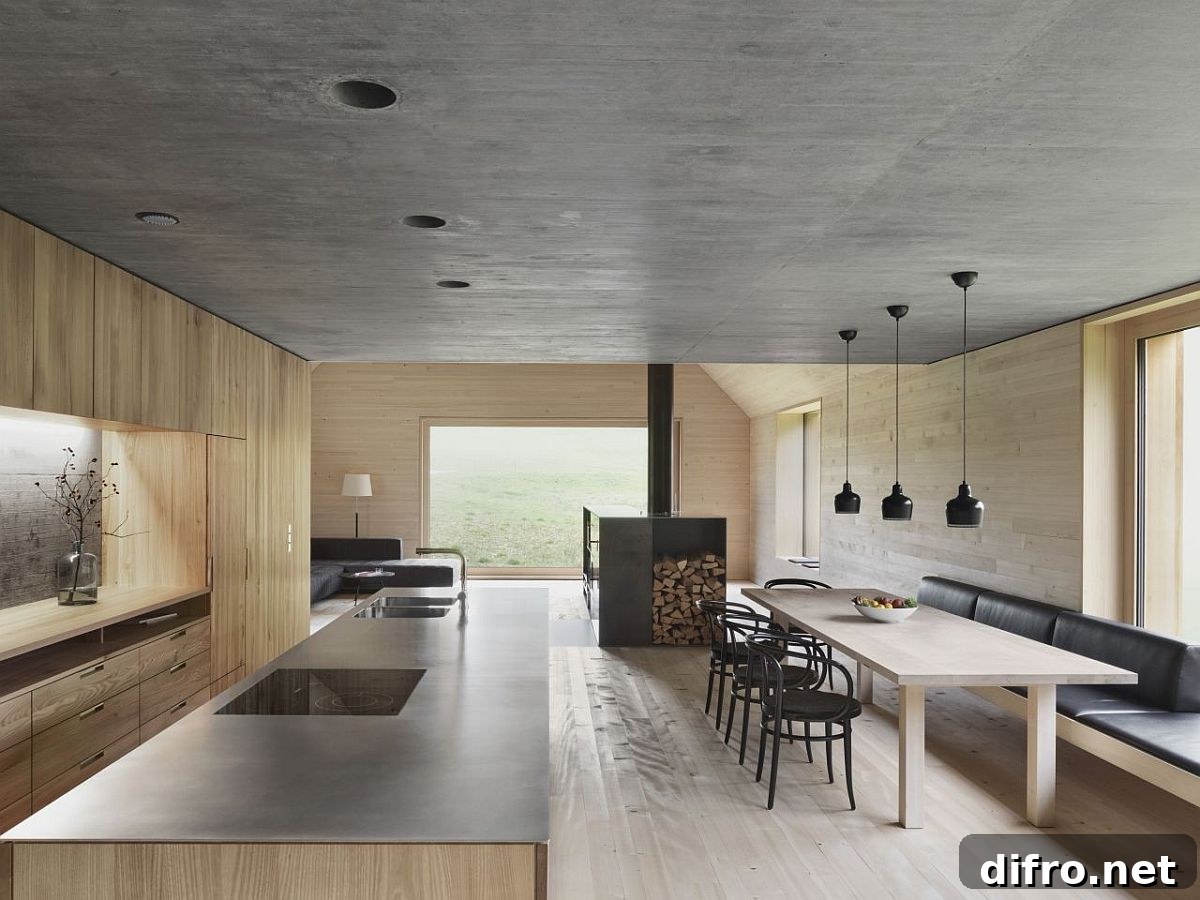
Layout and function are carefully balanced: the lower floor opens as a communal living zone while the upper levels house private spaces such as bedrooms and a home office. Large, strategically positioned windows and skylights invite abundant daylight deep into the plan, reducing the need for artificial illumination during the day and creating lively visual connections to the landscape. After dark, a considered lighting scheme enhances ambiance—warm artificial light complements the natural tones of the timber and highlights key architectural elements.
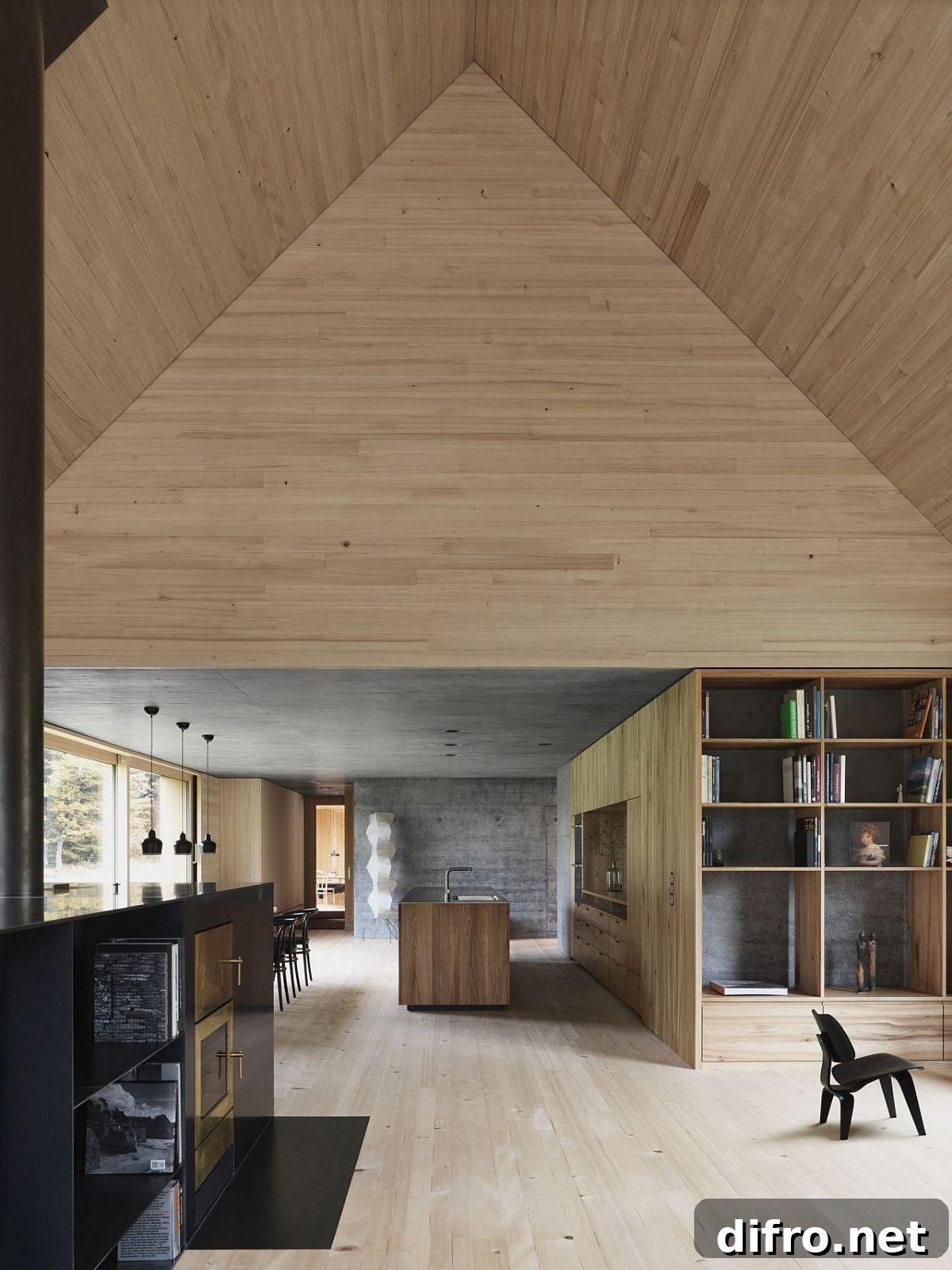
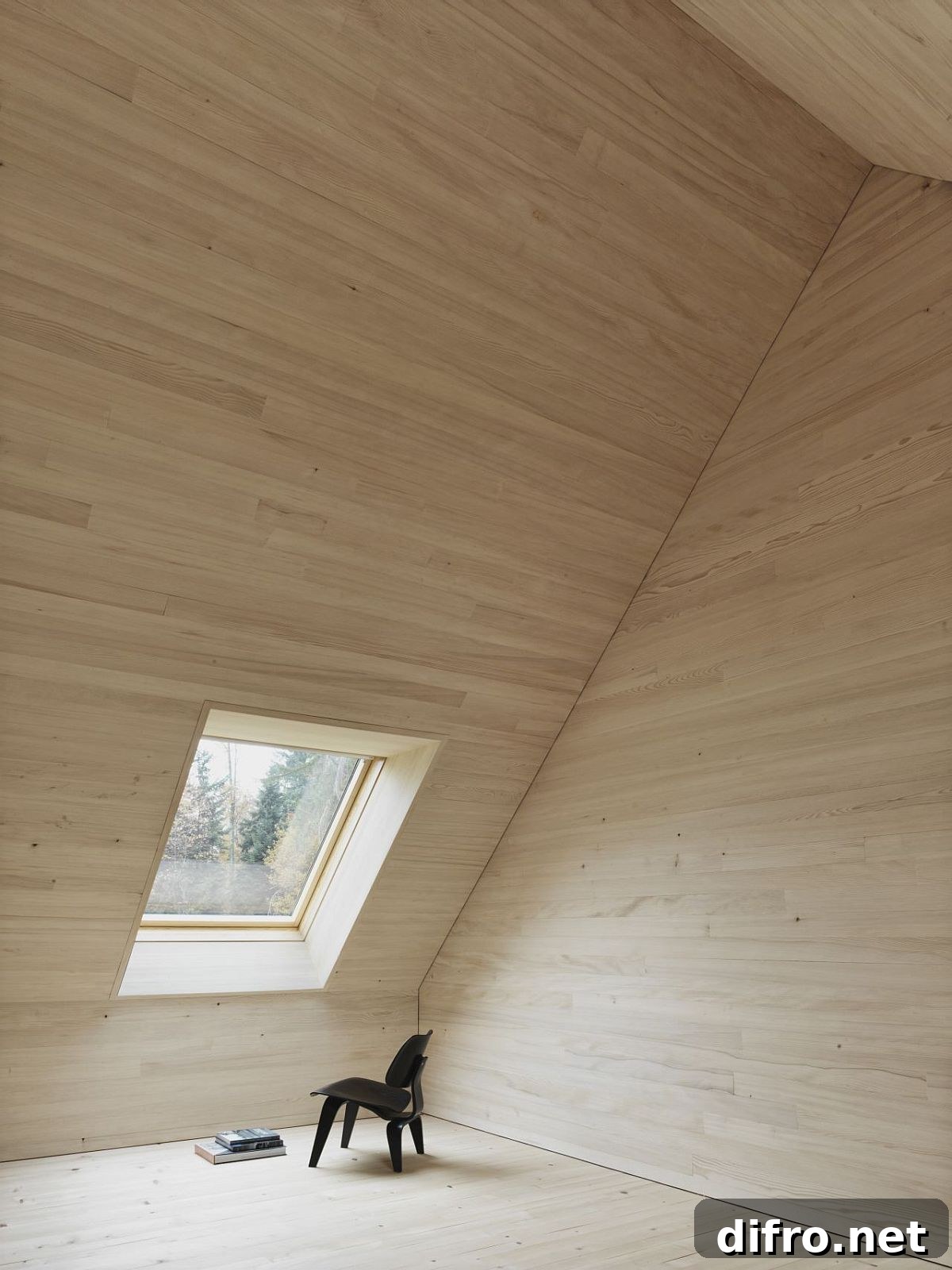
Timber from 60 trees was used in the construction, and the architects emphasized efficient material use so that no timber was wasted in the process. This careful approach to resources reinforces the house’s connection to local forestry traditions and underlines a measured, sustainable attitude to building. The interior composition balances the tactile warmth of wood with the understated permanence of concrete: wood-burning stoves and fireplaces serve as striking focal points in several rooms, offering both warmth and a visual anchor in the living spaces.
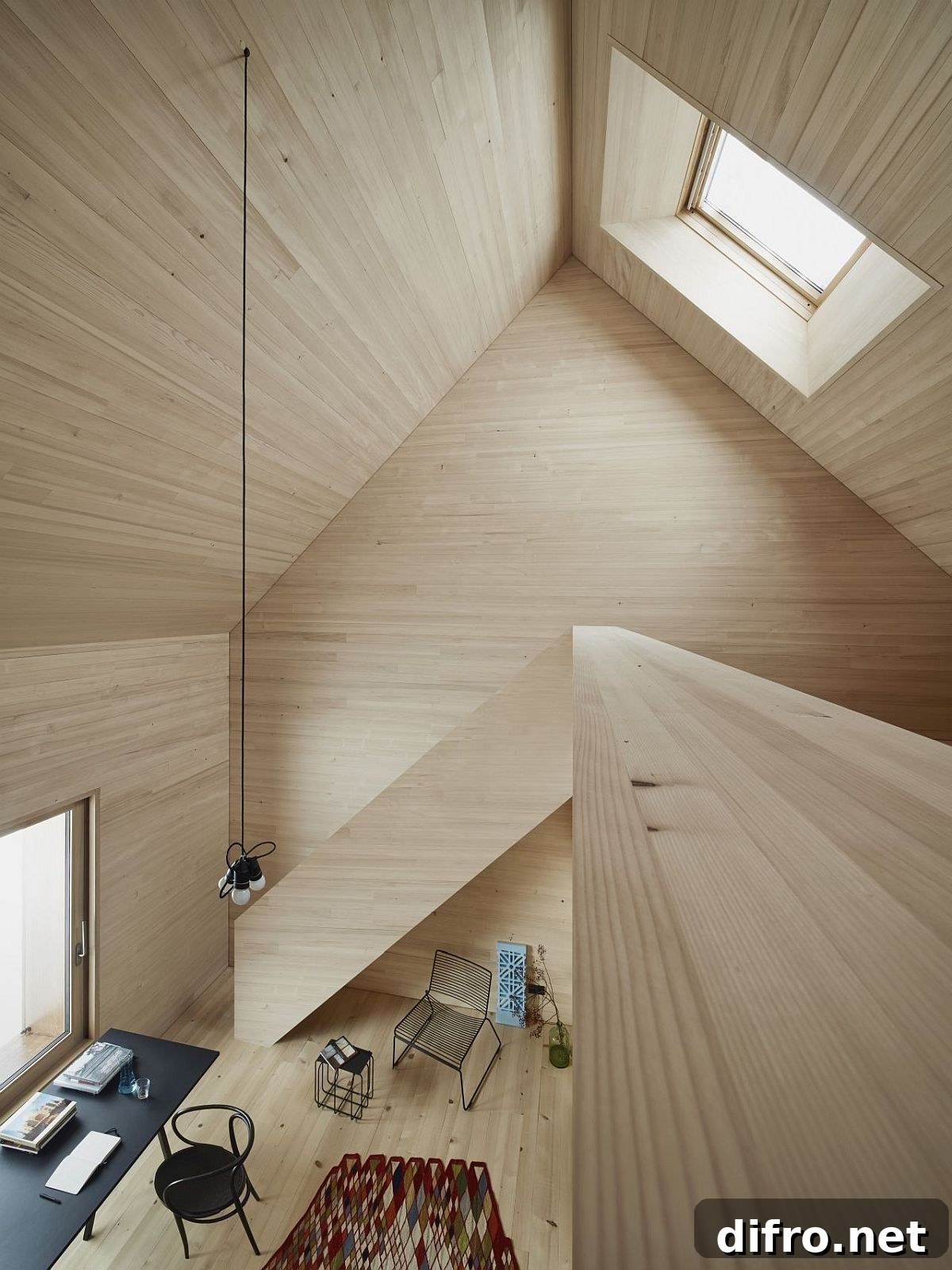
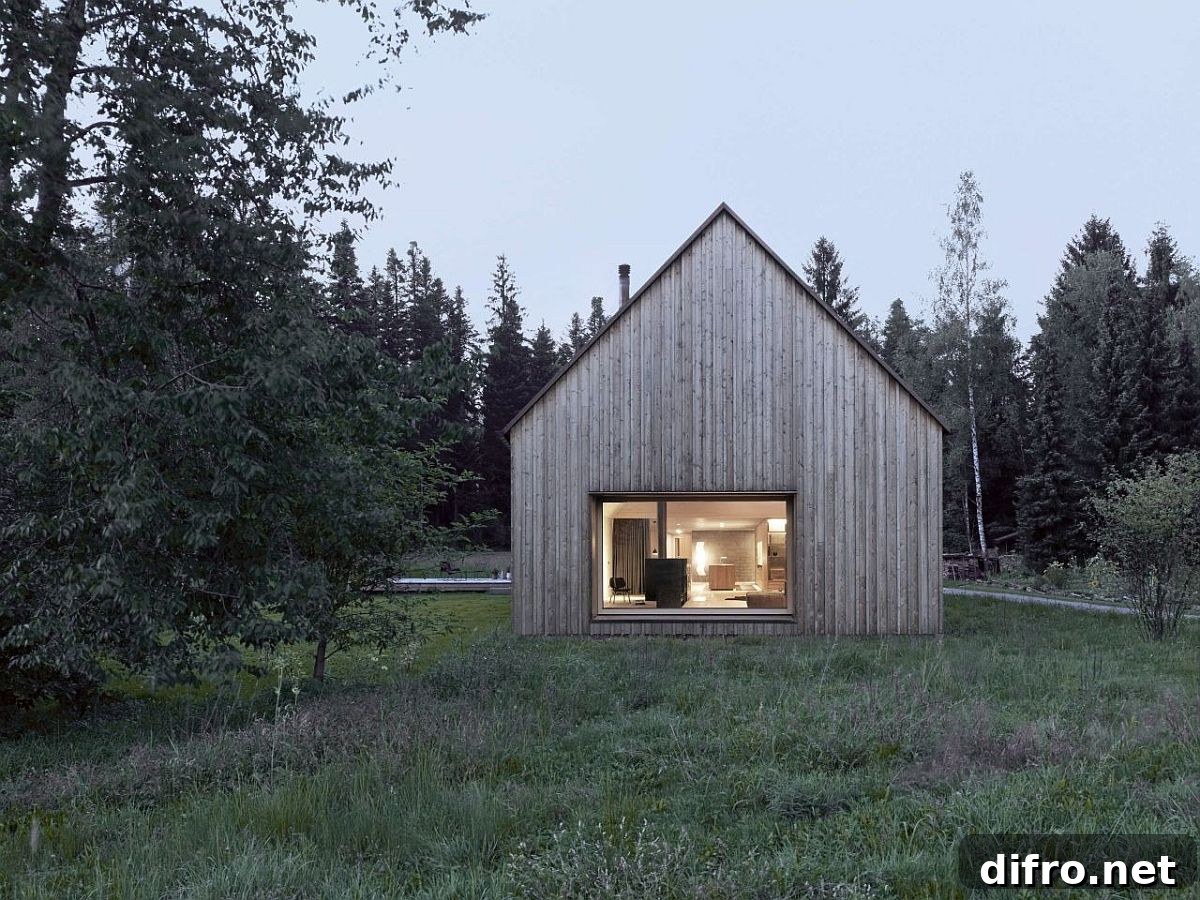
Beyond its aesthetic appeal, Haus am Moor demonstrates thoughtful spatial planning that respects traditional forms while delivering contemporary comfort. The combination of open communal areas and discrete private zones gives the house flexibility for everyday family life as well as remote working. Natural materials and daylighting strategies foster a warm, healthy interior environment, while restrained detailing keeps the design visually calm and functional.
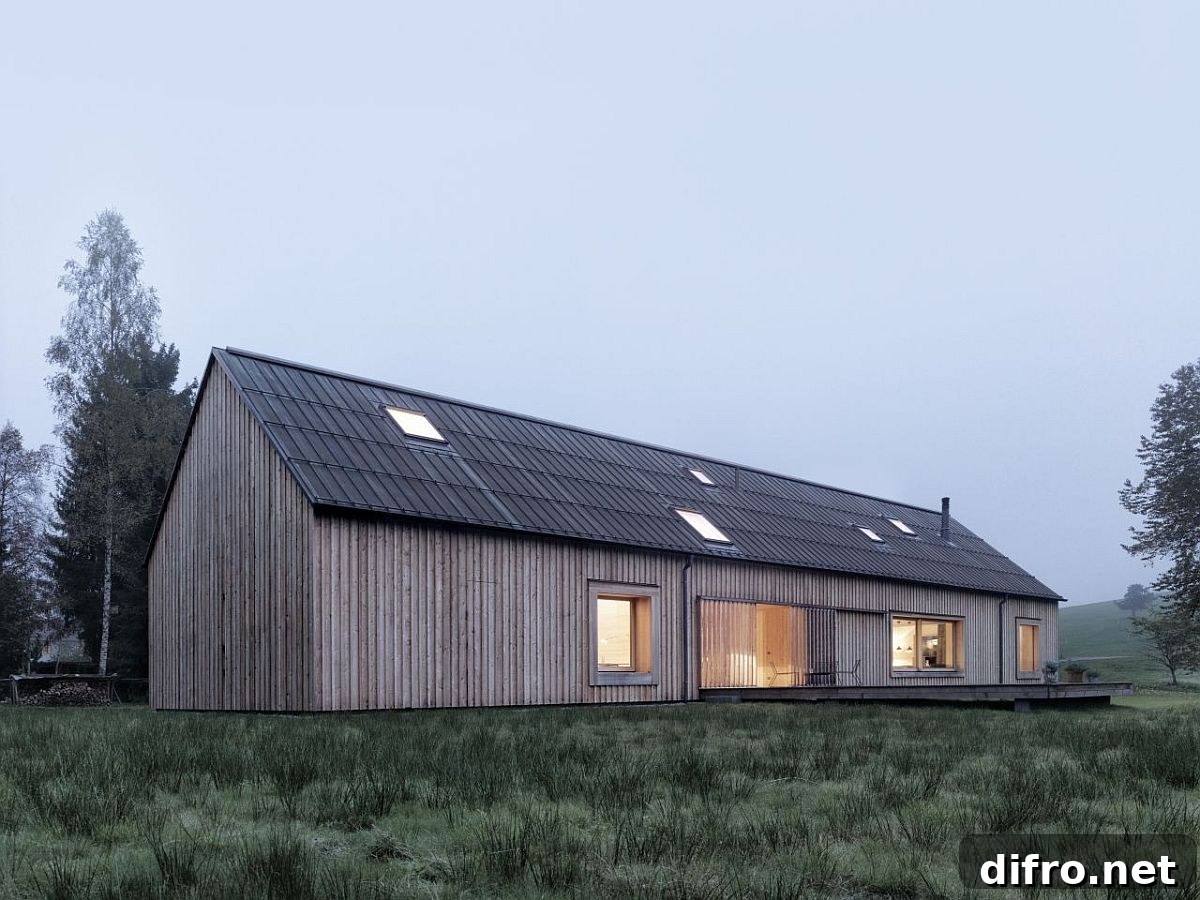
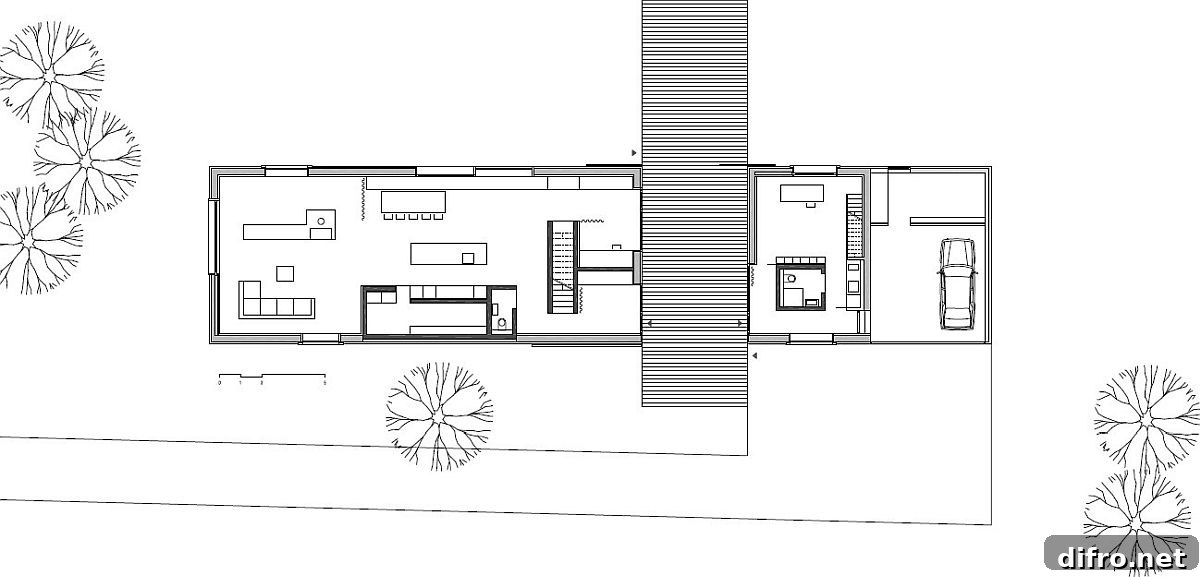
The project also includes a clear floor plan that reflects the simple, efficient geometry of the exterior. The rectangular footprint accommodates an organized circulation pattern and allows the gabled roof to define generous interior volumes. The careful relationship between form and program—traditional silhouette, contemporary interior layout, and responsible material use—makes Haus am Moor a compelling study in how regional building traditions can be reinterpreted for modern living.
Photography: Adolf Bereuter