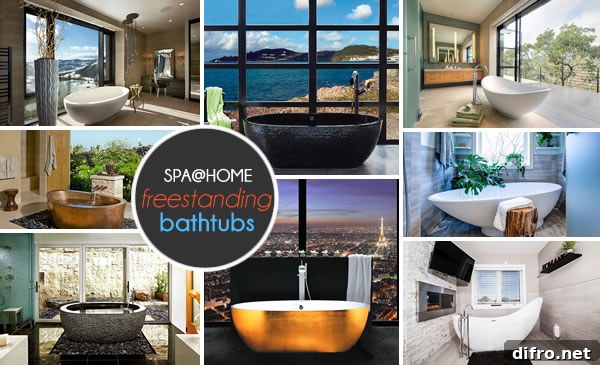
In the opening days of the year, many design conversations focus on color palettes and interior trends for living rooms, bedrooms and kitchens. One striking trend that’s shaping bathrooms now is the return of the freestanding bathtub. Once exclusive and costly, the standalone tub has become more accessible, and architects and homeowners are embracing it as a key way to add luxury and personality to a bathroom.
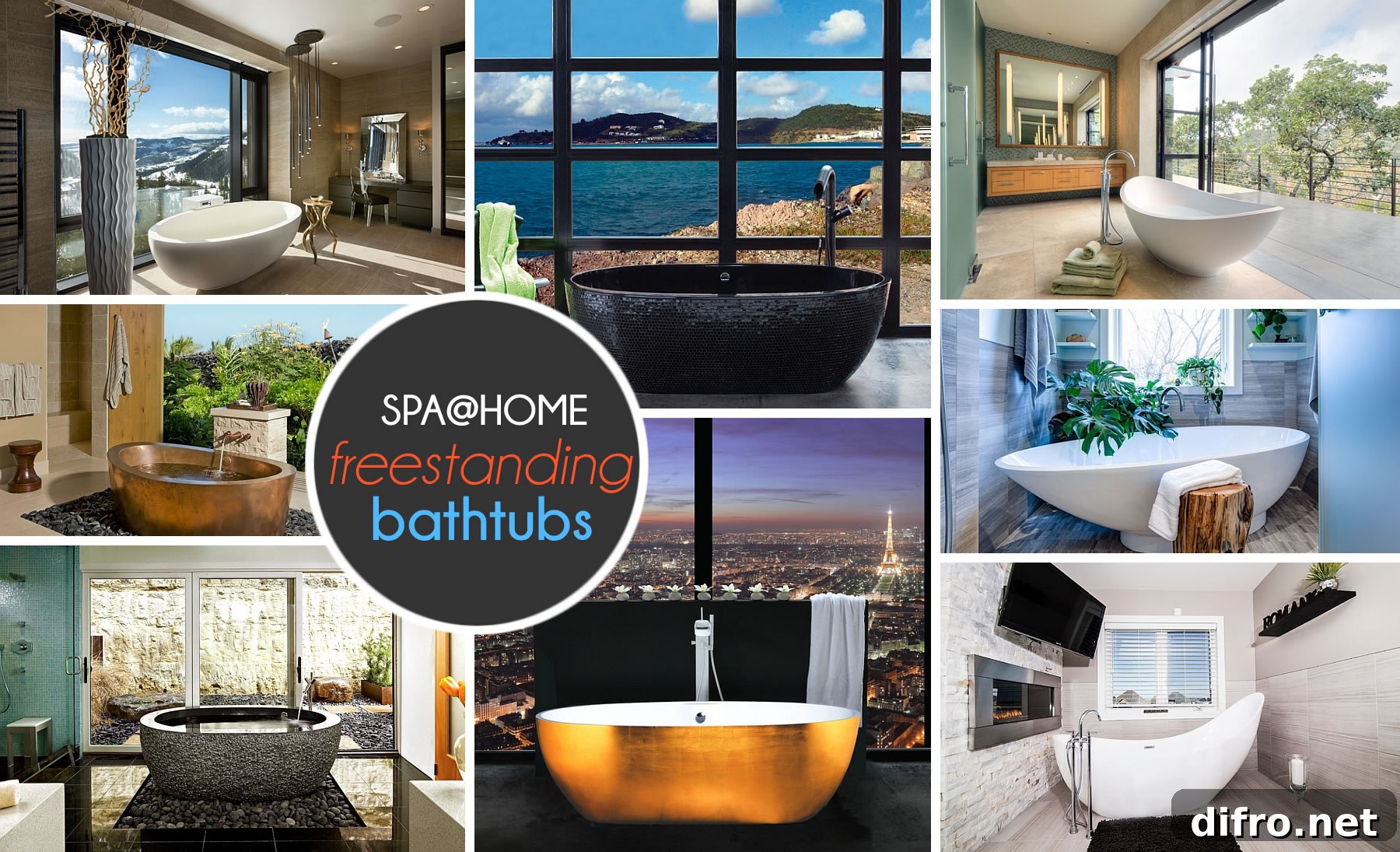
A renewed interest in freestanding tubs has encouraged designers to produce models that are both beautiful and practical. A standalone bathtub instantly elevates a bathroom’s style, offering a sculptural focal point and an indulgent place to soak. Below is a curated selection of ideas and practical considerations to help you choose the right freestanding tub for your home.
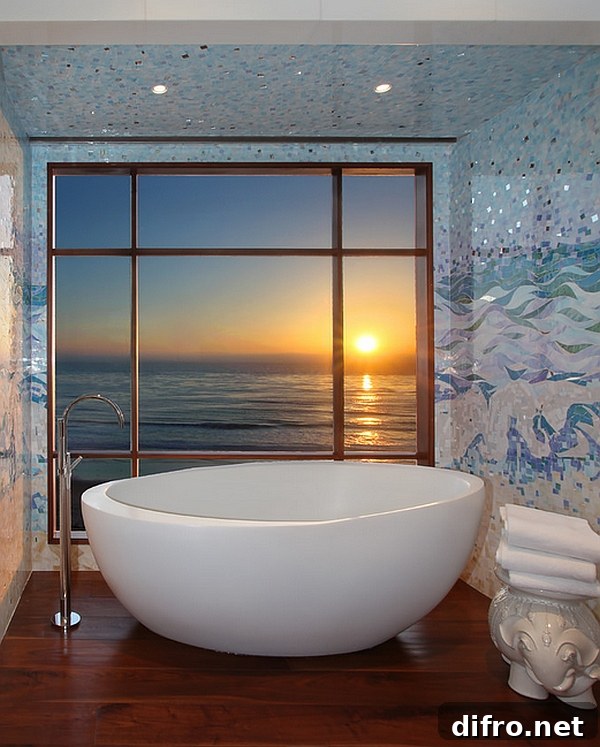
by Jeri Koegel Photographer
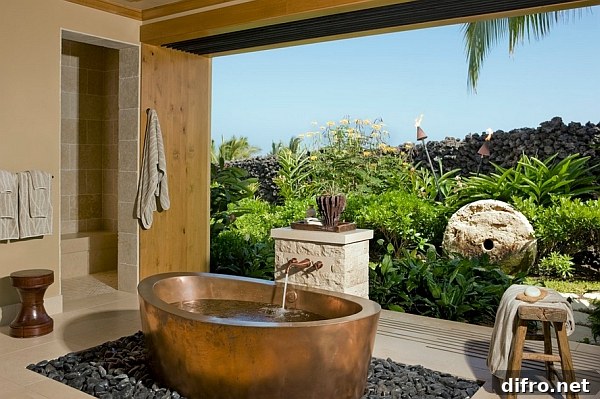
by Saint Dizier Design
by AMI Designs
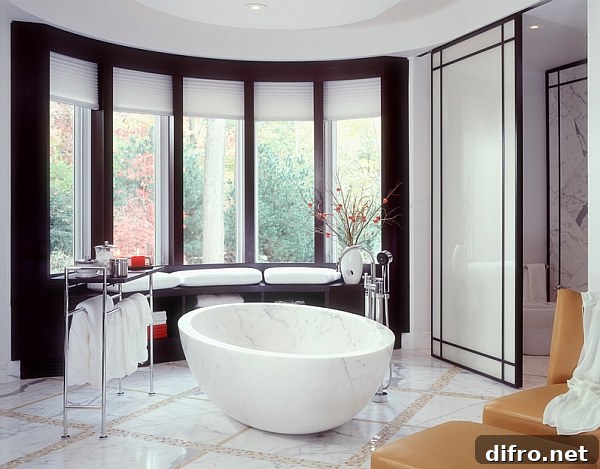
Dip into Dramatic Views!
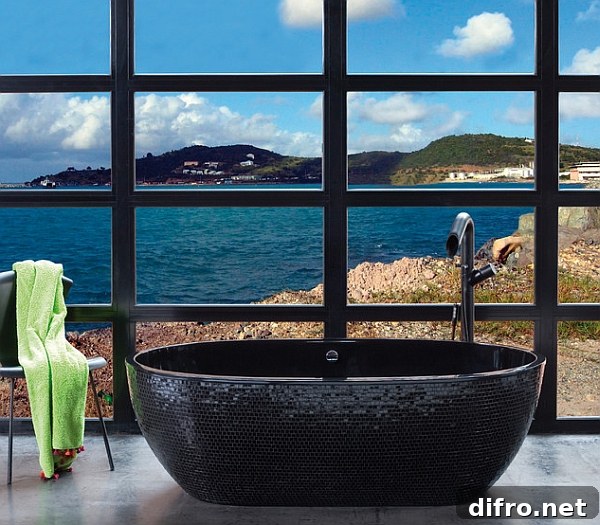
One of the freestanding tub’s greatest advantages is placement flexibility. Freed from the need to sit against a wall, a standalone bathtub can be positioned to frame a sweeping view—next to a floor-to-ceiling window or sliding glass door—to create a private, restorative experience. Whether your outlook is mountains, ocean or garden, placing the tub to take advantage of the scenery turns an ordinary bath into a spa-like ritual that connects you to the outdoors.
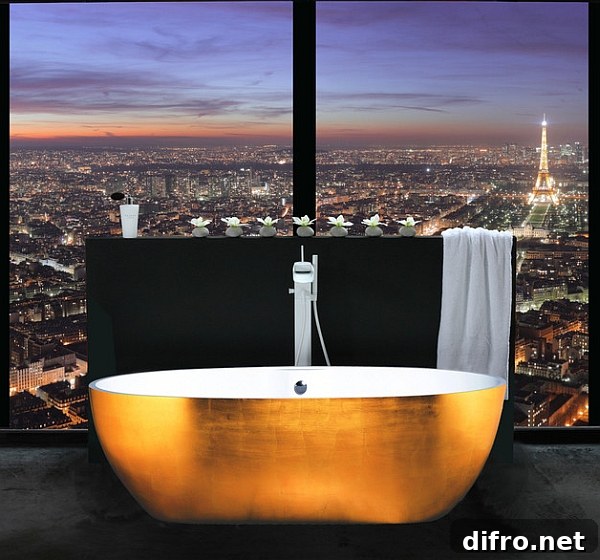
by psc bath
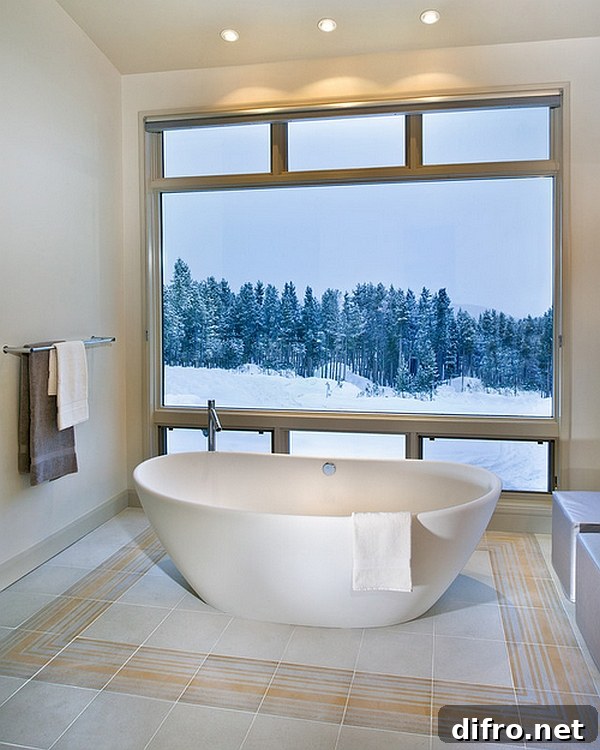
Spectacular views, whether mountain peaks or tropical greenery, are now often integrated into bathroom design. The freestanding tub makes it easy to craft a soak that feels like a retreat: natural light, fresh air and the sounds of nature combine to create a genuine spa atmosphere at home.
by Kathryne Designs
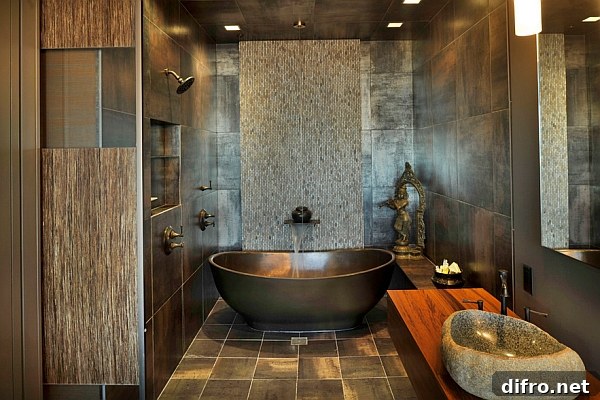
Captivating Textural Brilliance
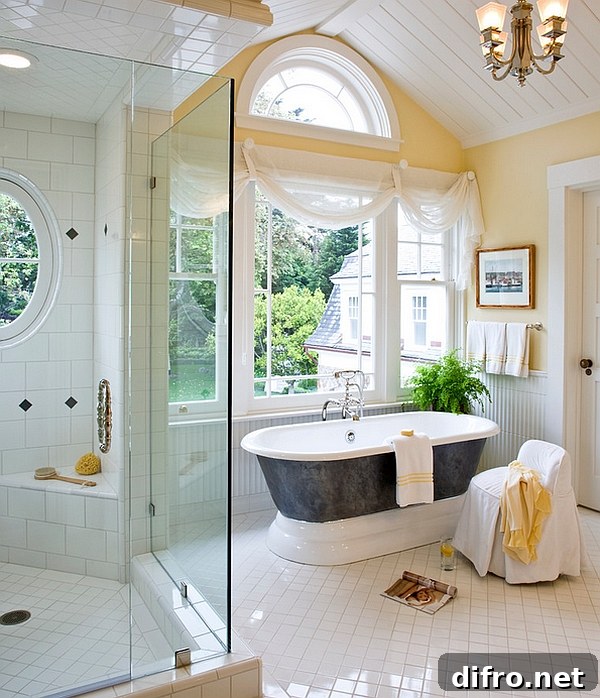
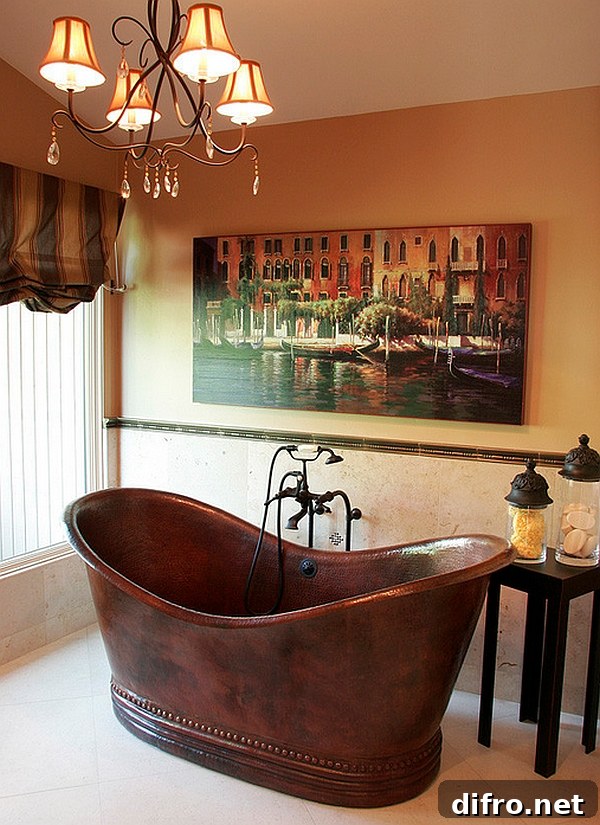
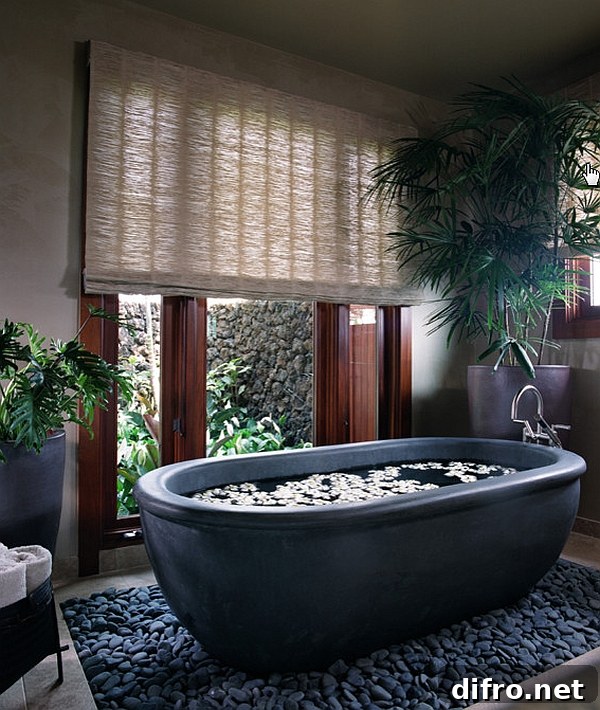
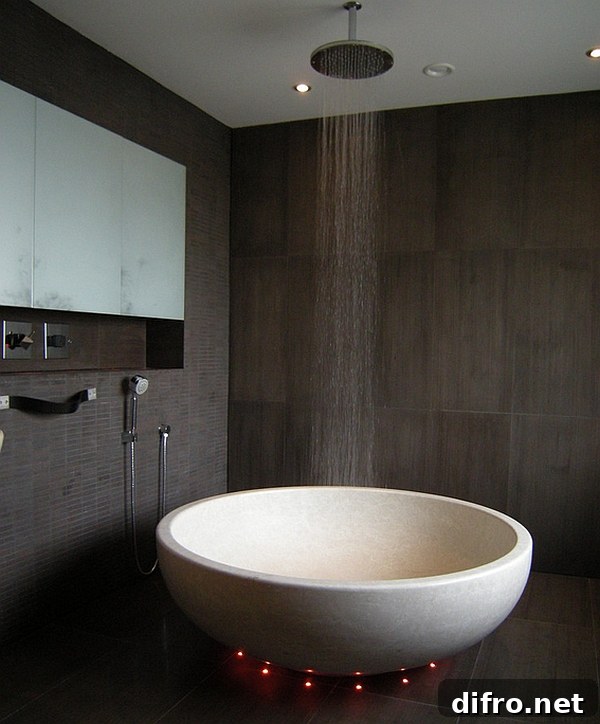
The freestanding tub is an opportunity to add texture and character to a room otherwise dominated by tile, glass and metal. Modern standalone tubs are available in a range of materials—polished stone, hammered copper, nickel-lined metals, handcrafted wood and carved basalt. Metallic tubs add warmth and hold heat longer, making them ideal for a vintage or Hollywood Regency look. Wooden tubs in treated walnut are now durable thanks to advanced finishes, while stone tubs deliver bold, tactile presence.
by Kerrie L. Kelly
When selecting materials, consider maintenance, heat retention and the visual weight of the piece. Metals and stone require more care but make dramatic statements; wood and composite materials offer organic warmth while remaining practical. Choose the finish that best complements your preferred style, from sleek and minimal to richly textured.
Serene Spa-Like Ambiance
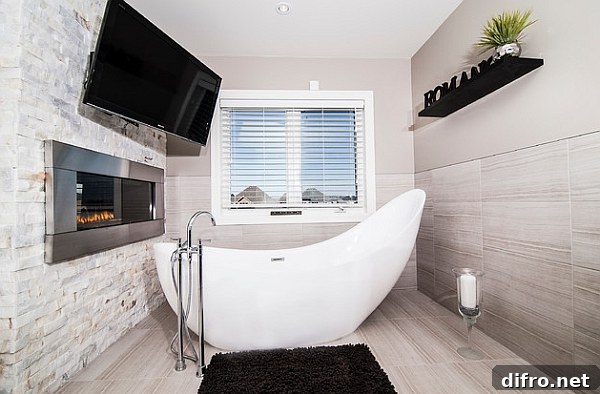
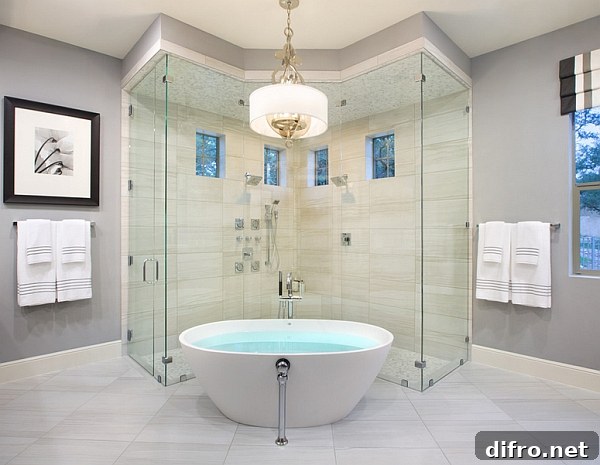
Many homeowners choose freestanding tubs to create an at-home spa sanctuary. A sleek white tub offers a minimalist, calming focal point that echoes professional spa design. Paired with natural materials, soft lighting and simple accessories—candles, plush towels and plants—a standalone tub becomes a centerpiece for relaxation and self-care without leaving home.
by alene workman interior design
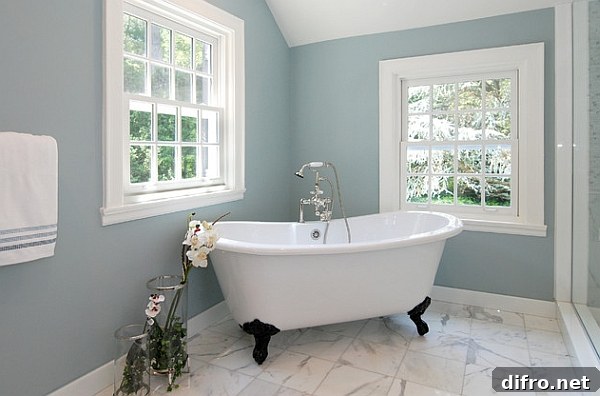
Contemporary freestanding tubs come in many shapes and sizes to suit floor plans and stylistic needs. For tight corners choose compact fixtures with deeper profiles; for roomy baths the elongated oval remains a classic favorite. Pair a freestanding tub with a floor-mounted faucet or an integrated shower area for functionality that doesn’t compromise style.
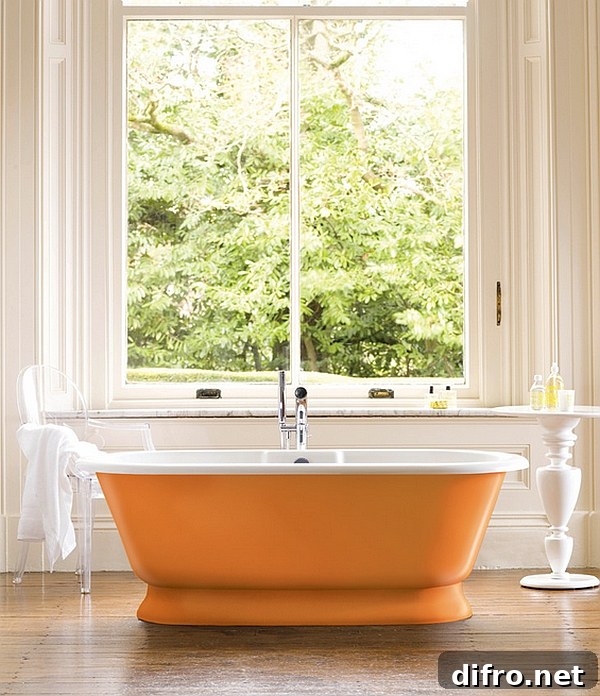
Making a Visual Impact
Whether your goal is subtle elegance or bold drama, a freestanding tub can serve as your room’s focal point. You can add contrast through texture—metal, stone or wood—or introduce color with a tub in a striking shade. A bright orange or a deep grey bathtub can harmonize with or accentuate a bathroom’s palette without overwhelming the space.
In busy urban lives, creating a calm, restorative space at home is more important than ever. Freestanding tubs deliver that combination of practicality, luxury and visual interest. With more styles and price points available today, it’s easier to find a tub that matches both your budget and design ambitions. Are you ready to bring this tranquil and glamorous trend into your bathroom?
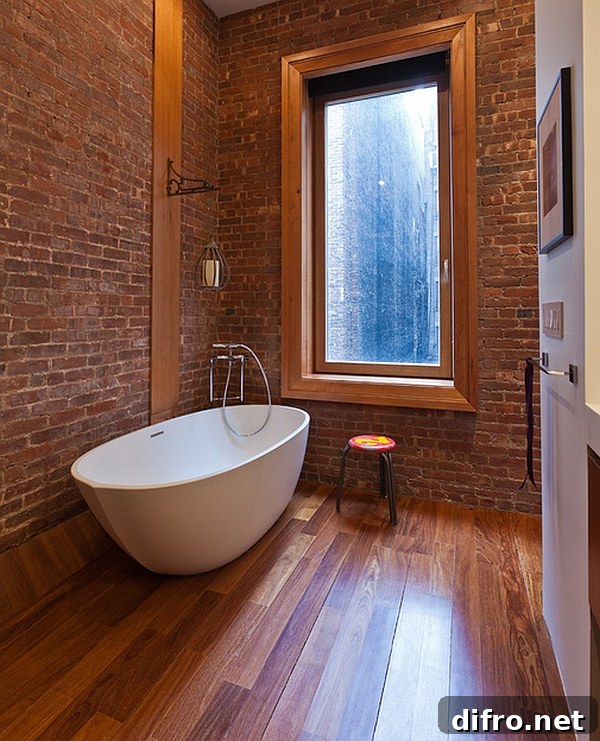
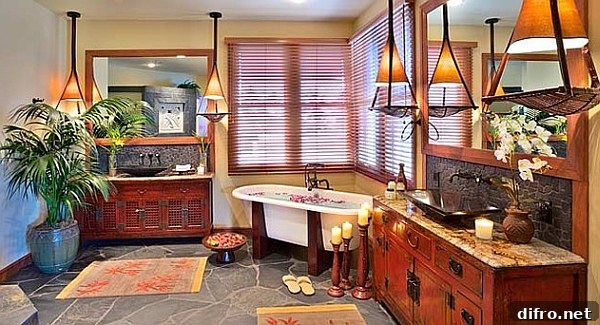
by Long & Associates
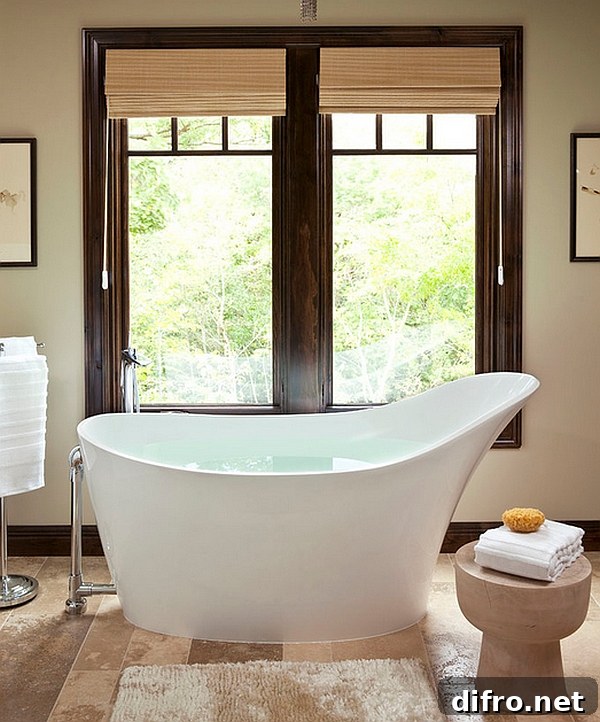
by Martha O’Hara Interiors
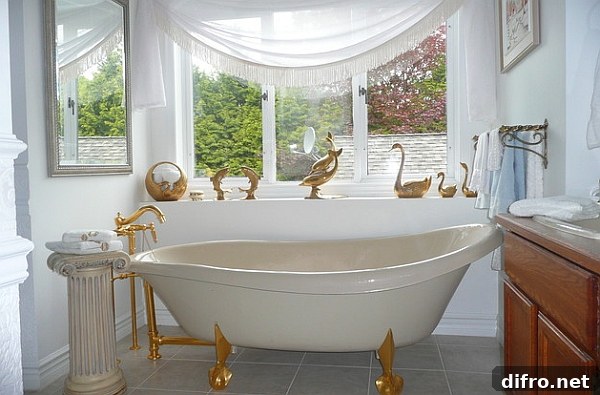
by DMVF Architects