Axum and Lalibella Stools: Colorful, Playful Designs Inspired by Ethiopian-Israeli Life
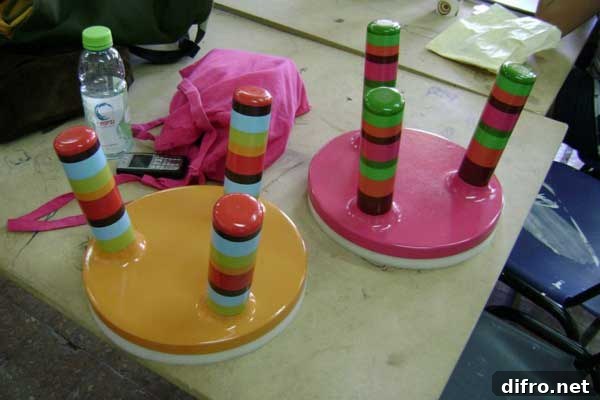
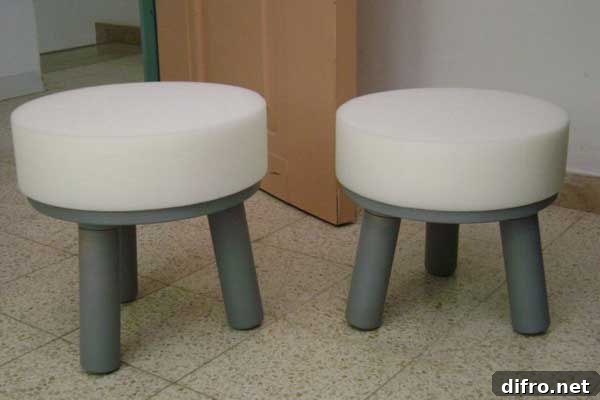
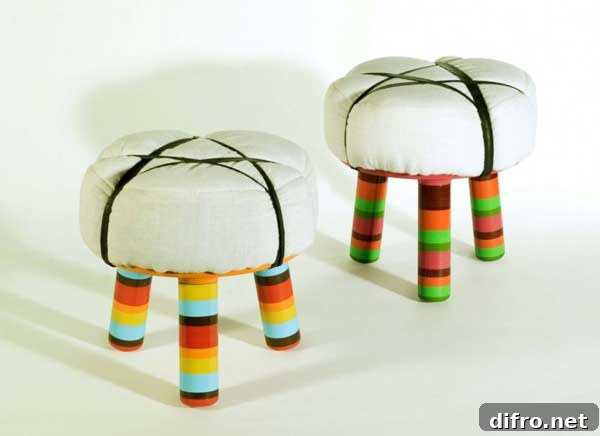
Playful, bright and unmistakably joyful, the Axum and Lalibella stools by Israeli designer David Keller blend whimsical form with cultural resonance. At first glance they look like oversized lollipops or soft confections: cheerful, round seats perched on slender legs. The shapes and colors feel lighthearted, but the design roots run deeper, reflecting a hybrid cultural identity that emerged around the designer’s neighborhood and the Ethiopian community living nearby.
Named Axum and Lalibella—evocative names that reference historic places in Ethiopia—the stools intentionally evoke a sense of place and memory. The designer studied the daily life, traditional textiles and social patterns of the Ethiopian community to translate those elements into an object that sits comfortably in contemporary living spaces. The result is a pair of stools that read equally well as functional seating and as sculptural objects whose bright palette and rounded forms invite interaction.
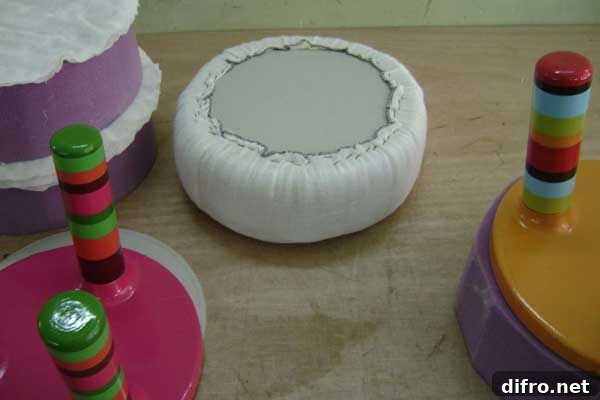
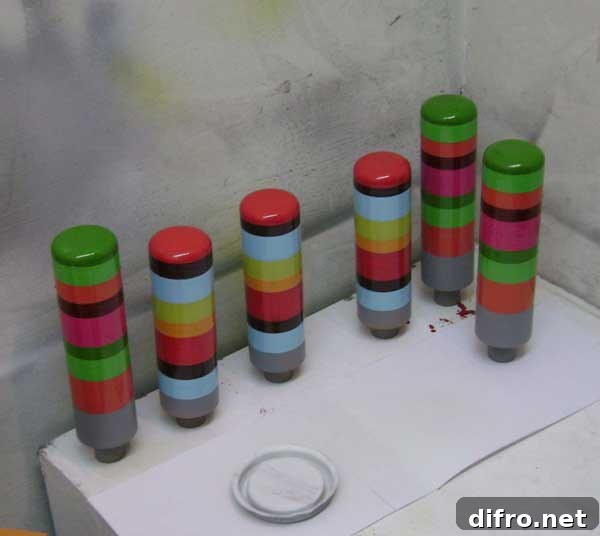
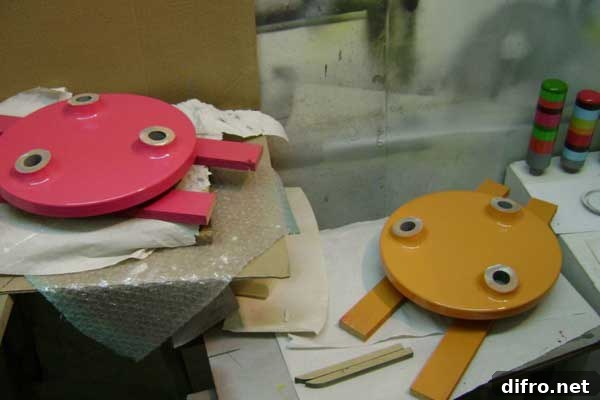
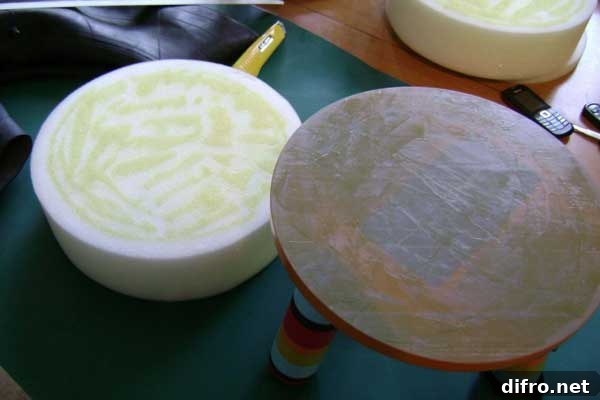
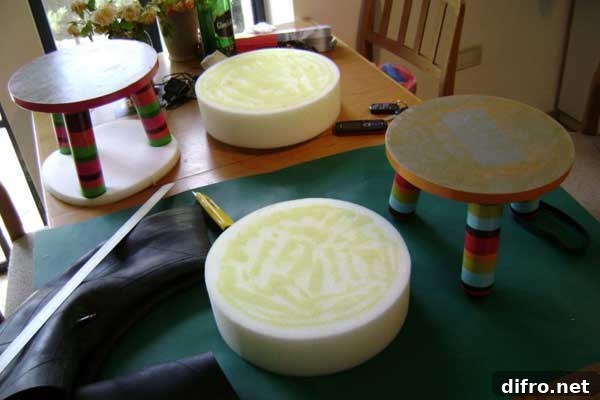
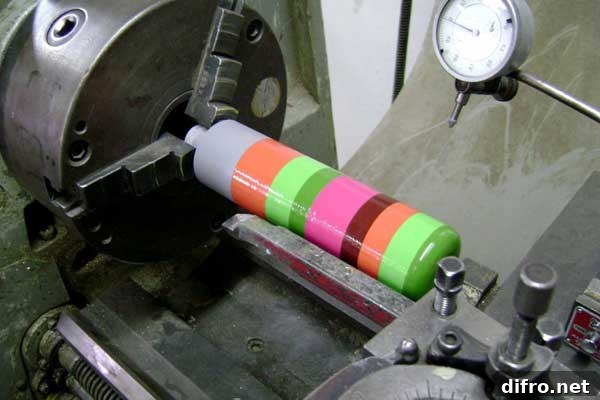
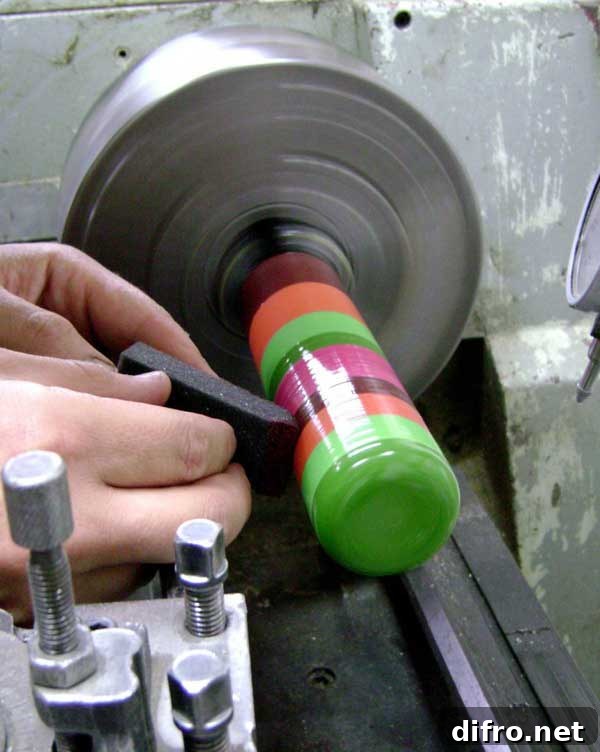
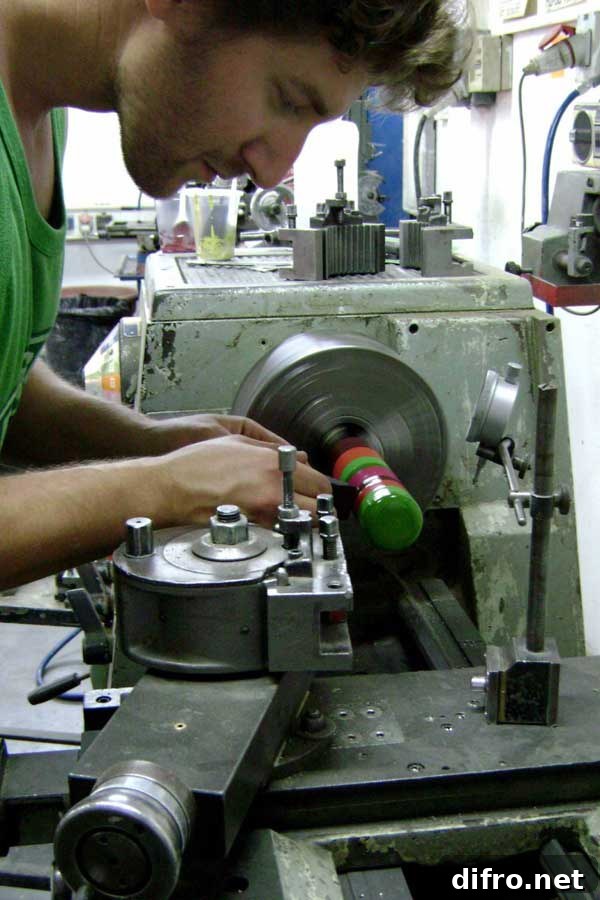
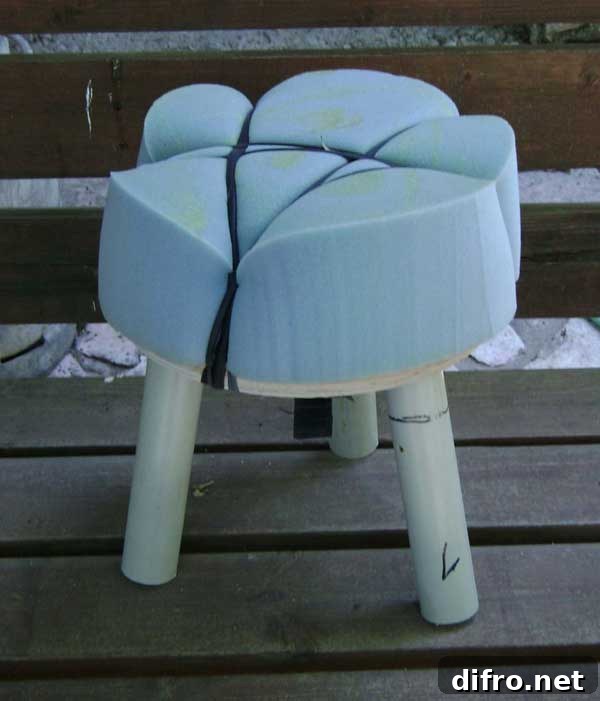
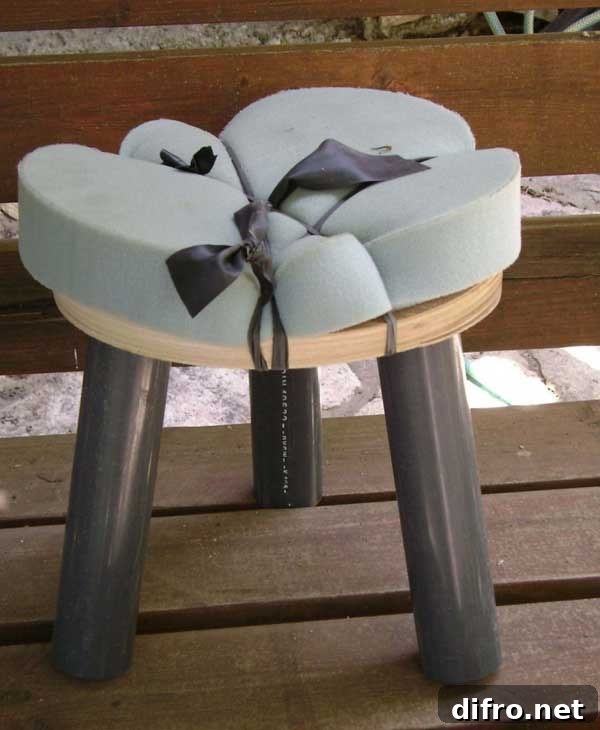
Materials play an important role in expressing the duality at the heart of the project. The seats use Ethiopian fabric to convey texture and heritage, while hard rubber bands and painted, colorful legs bring a modern, industrial contrast. This mix of soft textile and robust, simple structural elements allows the stools to embody both the warmth of tradition and the pragmatic qualities of modern furniture. The visible tension between these materials—soft fabric held by firm bands over a rigid base—gives the pieces a poetic balance that makes them visually arresting and tactilely appealing.
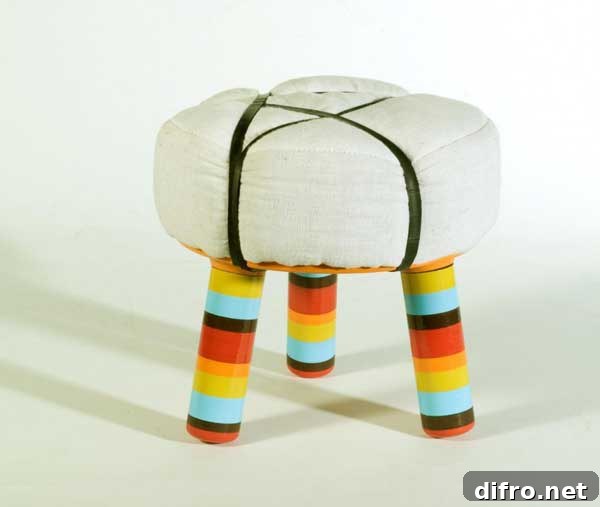
Beyond the visual appeal, these stools are a study in cultural fusion. They celebrate the complex identity of immigrants who keep alive the textures and patterns of their origin while adapting to new contexts. Designing with respect to those traditions, the stools offer a tactile bridge between histories: the fabric signals memory, the bold painted legs speak to contemporary urban life, and the construction—simple, robust and accessible—underscores everyday utility.
In interiors, the Axum and Lalibella stools can act as accent pieces in living rooms, playful seating in a kitchen or thoughtful additions in public spaces such as galleries and cafés where design and story are equally valued. Their compact size makes them versatile: grouped together they form an informal seating cluster; used singly they punctuate a room with color and character. The stools are equally suitable for residential and commercial settings, adding warmth and personality wherever they are placed.
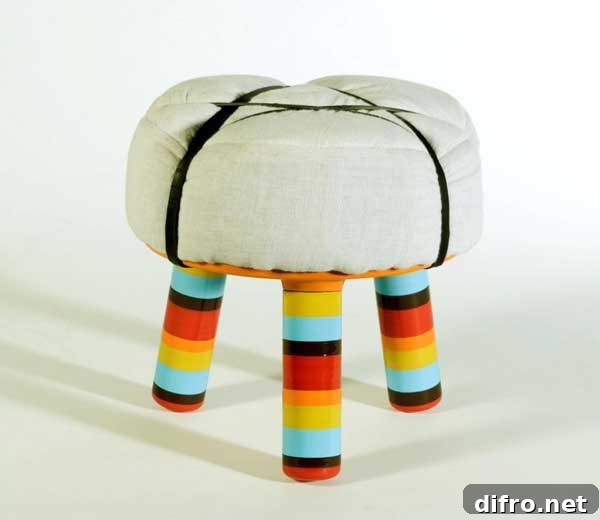
Care and maintenance are straightforward: because the design uses durable rubber and painted wood or metal legs, occasional cleaning with a damp cloth keeps the bases looking fresh. The fabric tops benefit from gentle vacuuming and spot cleaning to preserve colors and texture. Thoughtful handling prolongs the life of the textiles and maintains the visual contrast that defines the pieces.
As objects, Axum and Lalibella go beyond novelty. They are designed artifacts that tell a story about migration, adaptation and the creative possibilities that emerge when cultures meet. Through color, material choices and a playful silhouette, David Keller captures both the light-hearted and reflective aspects of contemporary immigrant life. The stools invite us to sit, to look, and to consider the layers of identity that shape the spaces we inhabit.