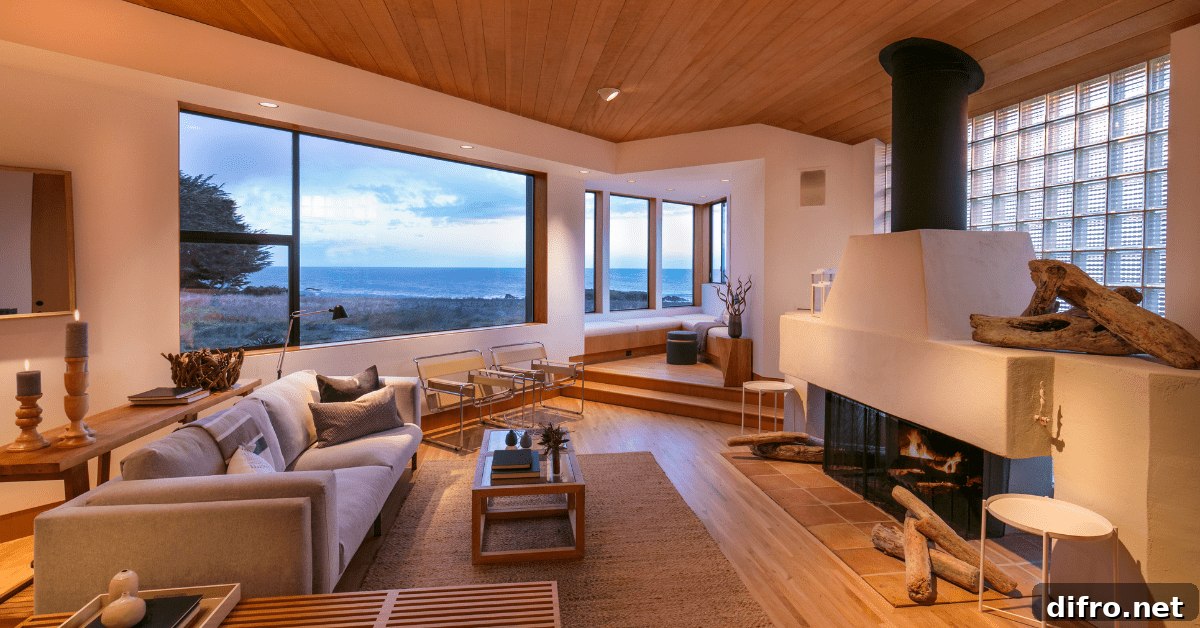
When it comes to decorating with ocean inspiration, nautical and coastal styles are two of the most popular approaches. While both draw from the sea, they offer different moods and visual languages. Understanding the distinctions between nautical and coastal design will help you choose the style that best suits your home and the atmosphere you want to create. Below is a clear, practical guide to the origins, defining features, and decorating tips for both looks.
The Origins and Evolution of Nautical Style
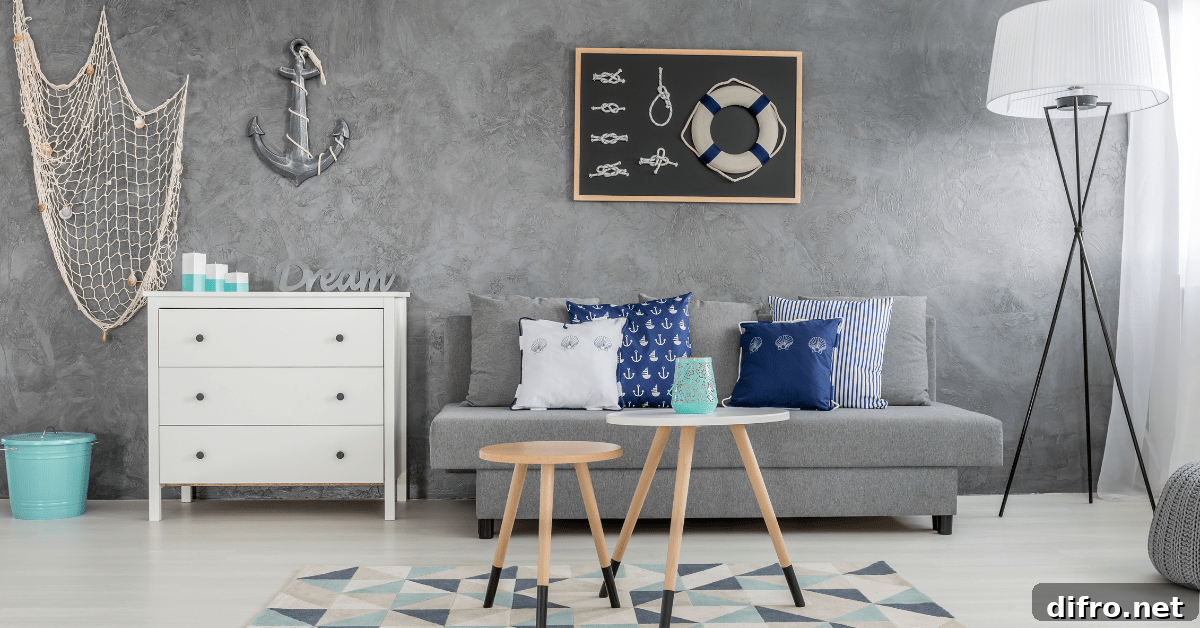
Nautical style traces its roots to 19th-century maritime fashion and naval traditions. It became widely fashionable in England during Queen Victoria’s era when sailor suits for children entered popular culture. The navy-and-white striped shirt soon evolved from a uniform reference into a timeless fashion statement favored by style icons. Over time, these maritime cues moved off the body and into interior design, where homeowners adapted shipboard materials, motifs, and finishes to create spaces that feel connected to life at sea.
Think of nautical design as literal and purposeful: it celebrates the tools, hardware, and visual vocabulary of ships and sailors. The aesthetic often conveys sturdiness and formality, echoing the practical, disciplined world of seafaring.
Key Elements of Nautical Interior Design
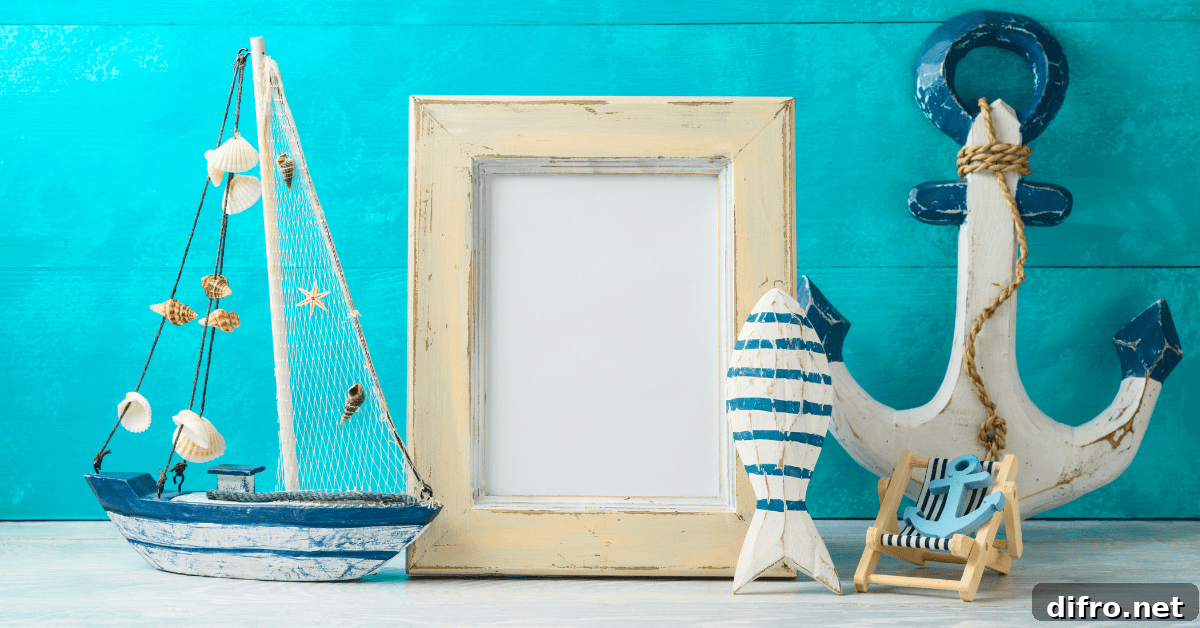
Nautical interiors rely on strong, recognizable details. Key features include:
- Color palette: Dominant navy and crisp white, often highlighted with red accents.
- Materials: Rope, weathered wood, brass, and metal fittings evoke ship hardware.
- Patterns: Bold stripes and geometric prints reinforce a maritime feel.
- Decor: Anchors, ship wheels, charts, and flags serve as clear nautical symbols.
- Furniture: Robust wooden pieces with a rustic or industrial presence.
The result is a confident, structured interior that often reads as traditionally masculine and vessel-focused — as if you stepped aboard a classic sailing ship.
Coastal Style: Bringing the Beach Indoors
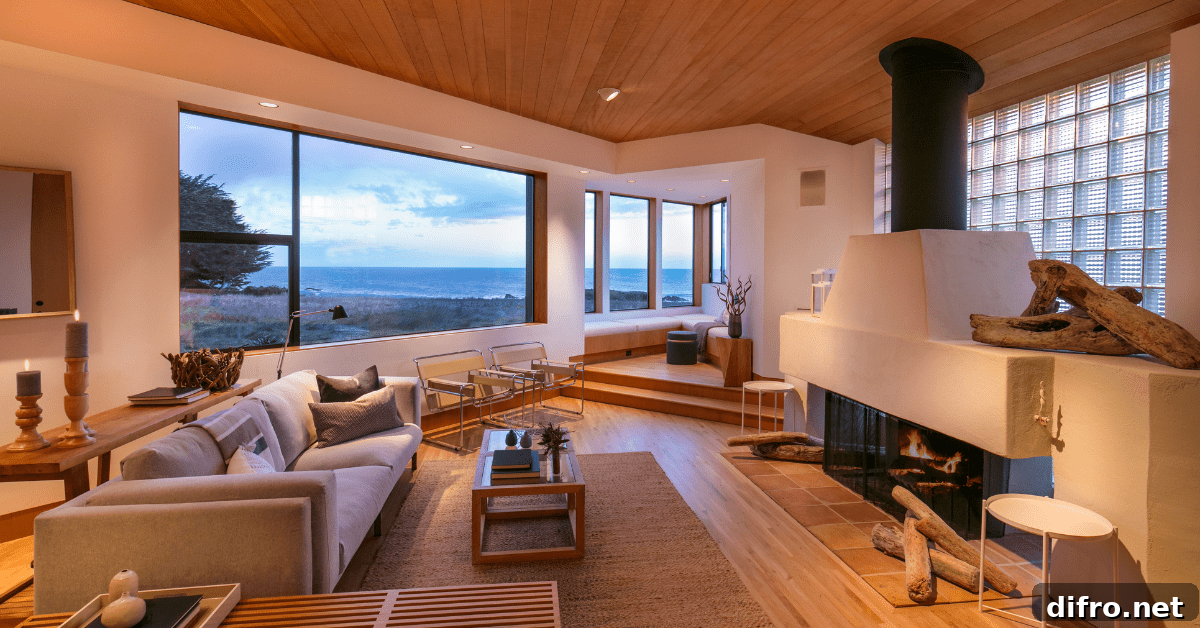
Coastal design interprets seaside living in a more relaxed, lifestyle-driven way. Rather than literal ship references, coastal interiors aim to capture the feeling of the shore: sun, sand, sea breeze, and ease. The aesthetic adapts to regional influences — from Mediterranean and tropical to New England — but consistently emphasizes lightness, natural materials, and an airy, comfortable atmosphere.
Where nautical is about the ship, coastal is about the beach experience: casual, restorative, and rooted in nature.
Hallmarks of Coastal Interior Design
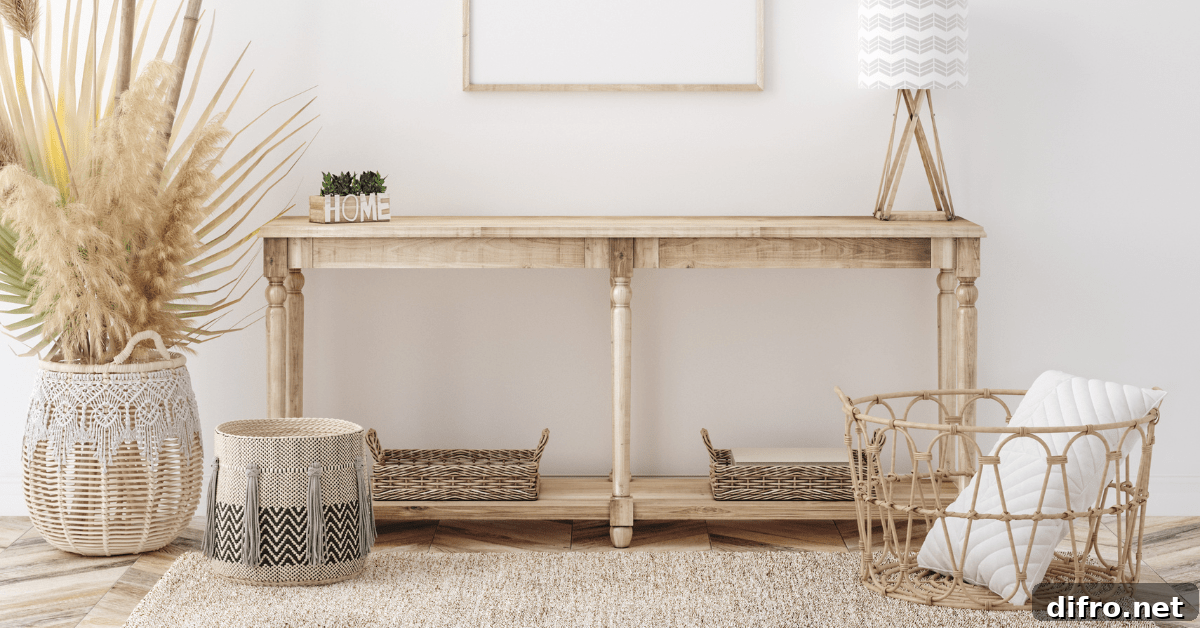
Coastal interiors rely on breathable textures, soft tones, and organic accents. Typical elements include:
- Color palette: Light neutrals and lots of white, accented with different blues — from pale aqua to deeper ocean hues.
- Materials: Natural fibers such as jute and rattan, light woods, and breezy linens and cottons.
- Patterns: Subtle stripes, botanical or organic prints, and nature-inspired motifs.
- Decor: Driftwood, seashells, coral-inspired objects, and relaxed coastal artwork.
- Furniture: Comfortable seating, slipcovered sofas, painted wood, and pieces with a weathered, lived-in feel.
The overall impression is calm, romantic, and restorative — like a peaceful seaside retreat.
Nautical vs Coastal: Key Differences in Aesthetics
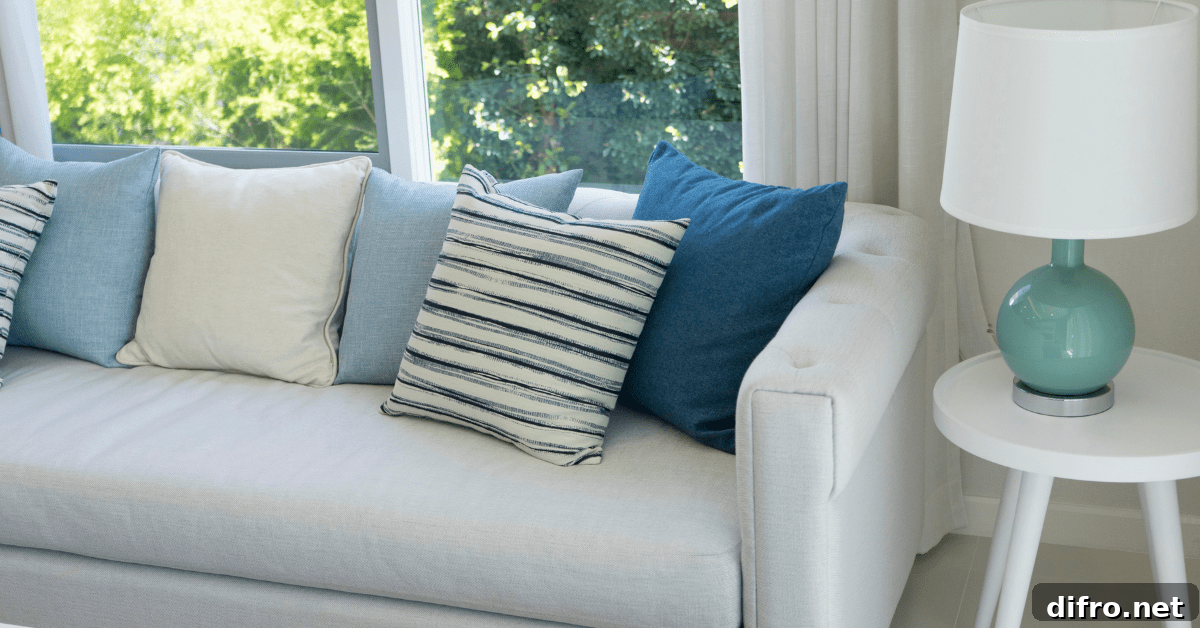
Although both styles are inspired by the sea, their visual language is different. Key contrasts include:
- Nautical uses bold contrast (navy and white) while coastal favors soft, tonal palettes.
- Nautical embraces literal maritime motifs; coastal suggests the shore more abstractly through texture and light.
- Nautical often feels industrial or rugged; coastal is lighter, airier, and more relaxed.
- Nautical leans toward a traditionally masculine energy; coastal tends to feel more feminine and romantic.
- Nautical evokes life on a ship; coastal evokes relaxation on the beach.
These distinctions make it easier to choose a direction: pick nautical for structure and clarity, coastal for ease and serenity.
Choosing Colors for Nautical and Coastal Spaces
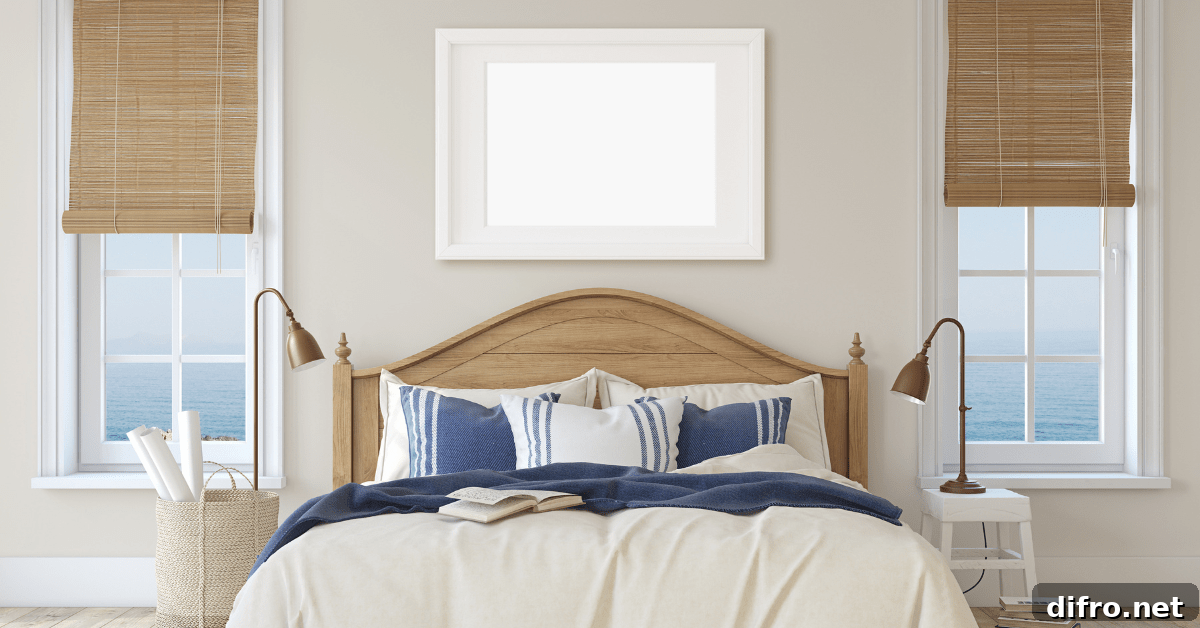
Color sets the mood for both styles. Use these palettes as a starting point:
Nautical:
- Navy and white as anchors
- Bright red or signal colors as accents
- Brass, gold, or weathered wood tones
Coastal:
- Soft whites and creams
- Layered blues from pale aqua to mid-range tones
- Sandy beiges, soft greens, and occasional coral or blush accents
Choose a palette according to the atmosphere you want: high-contrast and energetic (nautical) or soft and restorative (coastal).
Furniture Styles for Nautical and Coastal Rooms
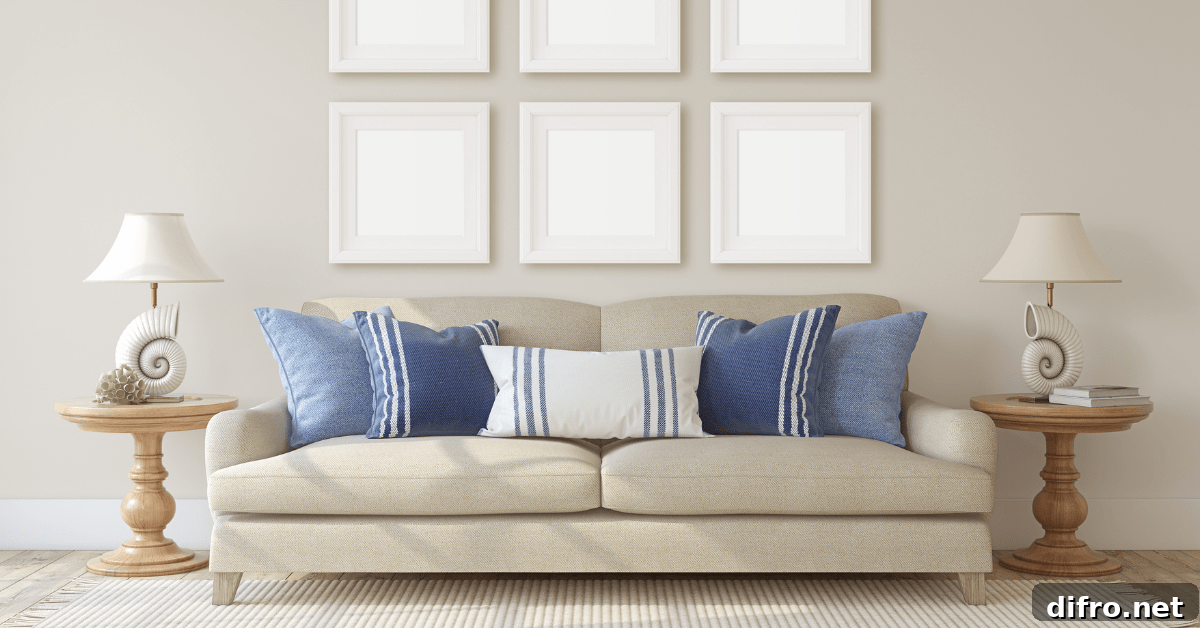
Furniture helps define each style:
Nautical furniture: Sturdier, solid woods; leather club chairs; metal or brass accents; built-in storage or bench seating that nods to cabin design.
Coastal furniture: Comfortable slipcovered sofas; painted or whitewashed wood; rattan and woven pieces; lightweight, casual shapes with relaxed finishes.
Mixing elements from both styles can work, but maintain a consistent color story so the room feels unified.
Accessorizing Nautical and Coastal Spaces

Accessories are where you can fine-tune the theme without overwhelming a space. Use restraint and choose thoughtful accents:
Nautical accents: Anchors, ship wheels, maritime flags, vintage ship instruments, brass fittings, and framed nautical charts.
Coastal accents: Seashells, driftwood art, coral-inspired pieces, beach photography, glass floats, and woven baskets that add texture.
Less is more: select a few statement pieces that reinforce the mood rather than filling every surface with theme-specific objects.
Bringing Nautical or Coastal Style to Life in Your Home
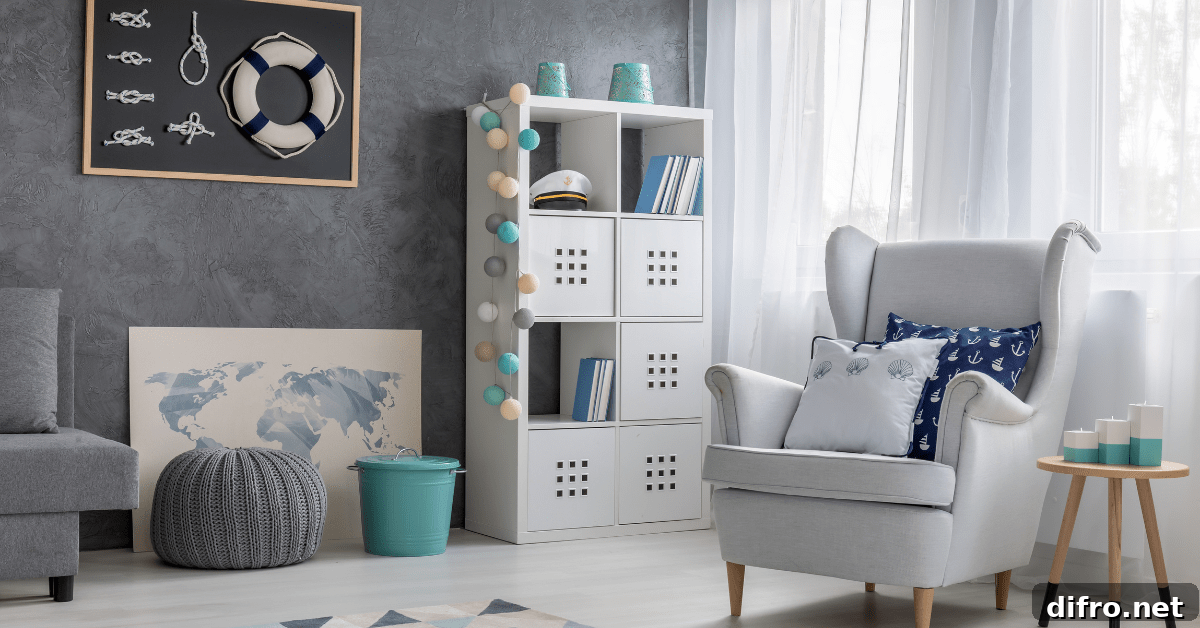
Whether you prefer the structured, ship-inspired look of nautical design or the breezy, relaxed feel of coastal style, both can create inviting, seaside-inspired interiors. Focus on color, texture, and a few well-chosen accents to set the tone. You can commit fully to one style or blend elements from both for a personalized, eclectic coastal home that still feels cohesive. Either way, thoughtful choices will help you capture the peaceful, restorative spirit of the shore.
Notable fashion and cultural references helped popularize nautical motifs in the past; designers and homeowners continue to adapt those maritime cues in fresh, contemporary interiors today.