Your home is likely your largest investment, so it makes sense to focus on improvements that increase its market value and curb appeal. Whether you plan to sell soon or simply want to grow equity, targeted upgrades—ranging from low-cost DIY projects to larger renovations—can deliver strong returns. Below are eight practical strategies to boost your home’s value and make it more attractive to buyers.
1. Professionally Stage Your Home
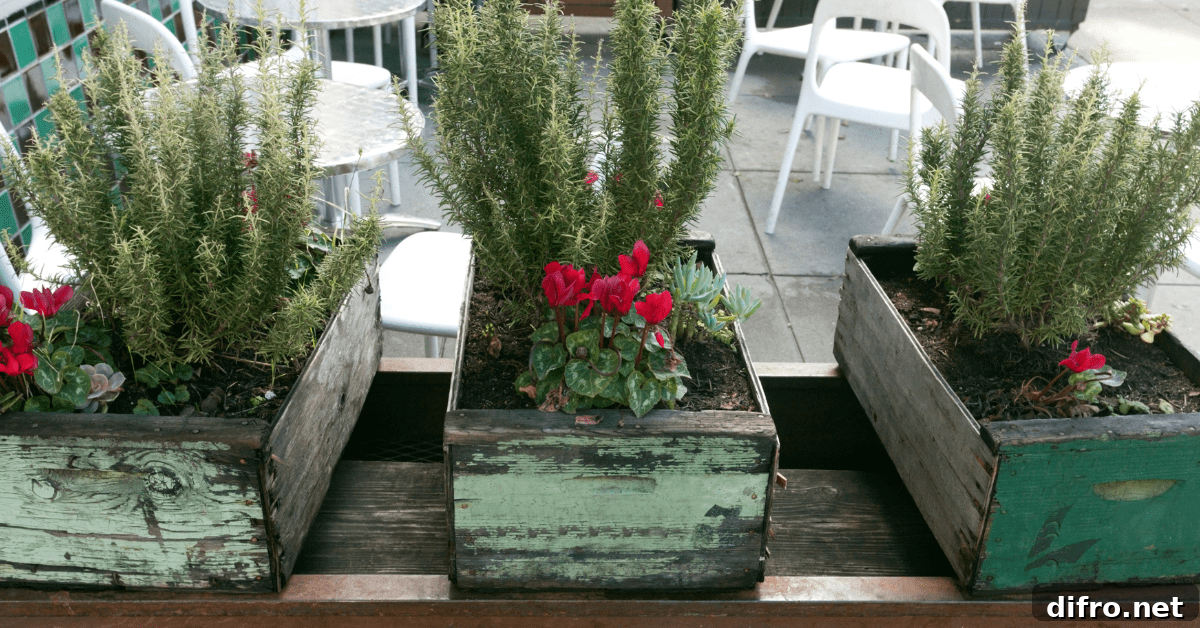
Staging helps buyers visualize living in your space by arranging furniture and decor to emphasize flow, light, and functionality. Costs vary: basic staging often starts around $800–$1,000, while full-service staging for larger homes can reach $2,000–$3,000 or more. Although staging is temporary, it frequently speeds up sales and can result in higher offers compared to similar, unstaged properties.
2. Boost Curb Appeal
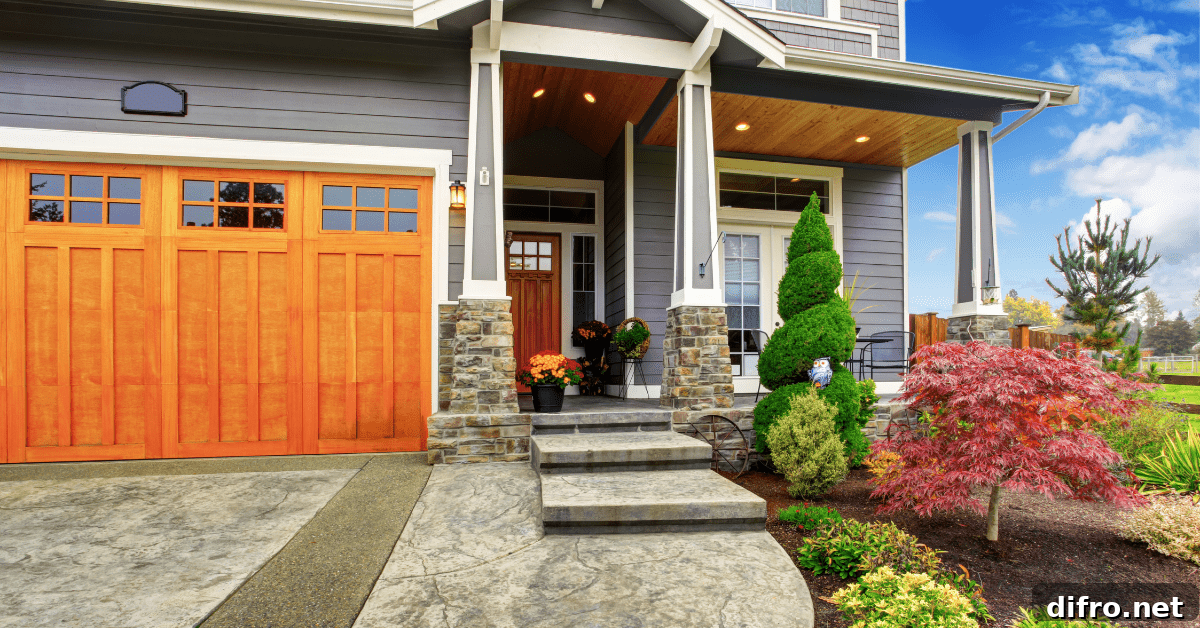
First impressions matter. Simple, low-cost steps like mowing, edging, pruning overgrown shrubs, and pressure-washing driveways and walkways make a noticeable difference. Consider adding colorful plants, updating the mailbox, installing landscape lighting, or refreshing the front door with paint for immediate impact. Larger landscaping projects—such as a paver patio, deck, or outdoor kitchen—carry higher costs but can expand usable outdoor living space and boost value.
3. Upgrade Exterior Doors
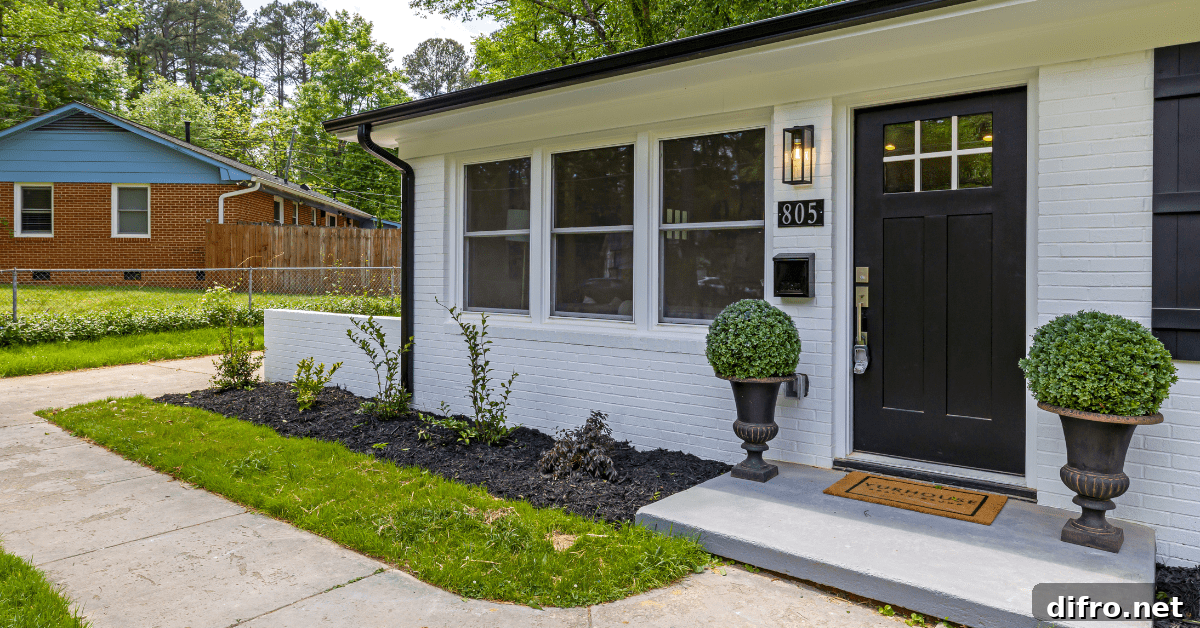
Replacing worn exterior doors improves curb appeal, security, and energy efficiency. A new steel front door can recoup a substantial portion of its cost while offering better insulation. Don’t overlook garage doors—new models often deliver one of the highest returns on investment, improving the home’s visual impact and thermal performance.
4. Fresh Paint Inside and Out
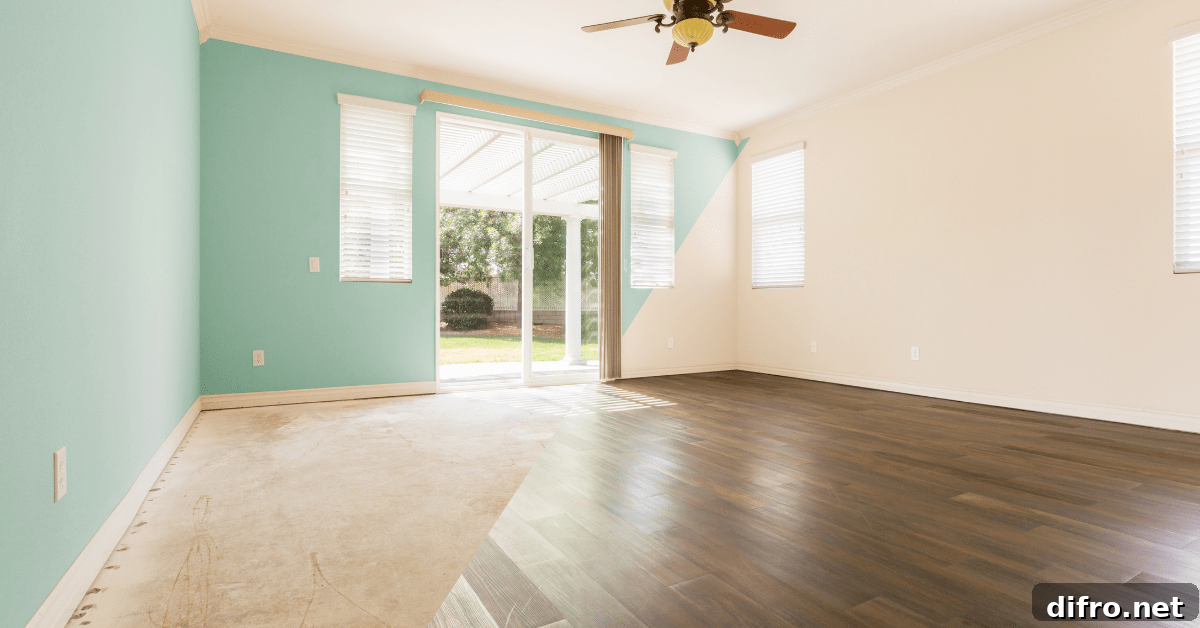
A fresh coat of paint is one of the most cost-effective upgrades. Inside, repaint rooms in neutral tones—soft grays, warm beiges, or bright whites—to appeal to the widest audience. DIY interior painting of a single room can cost under a few hundred dollars, while professional whole-house painting typically ranges from about $1,000 to $3,000. Exterior painting is pricier—often several thousand dollars—but renews curb appeal and protects siding from weather damage.
5. Add Usable Square Footage
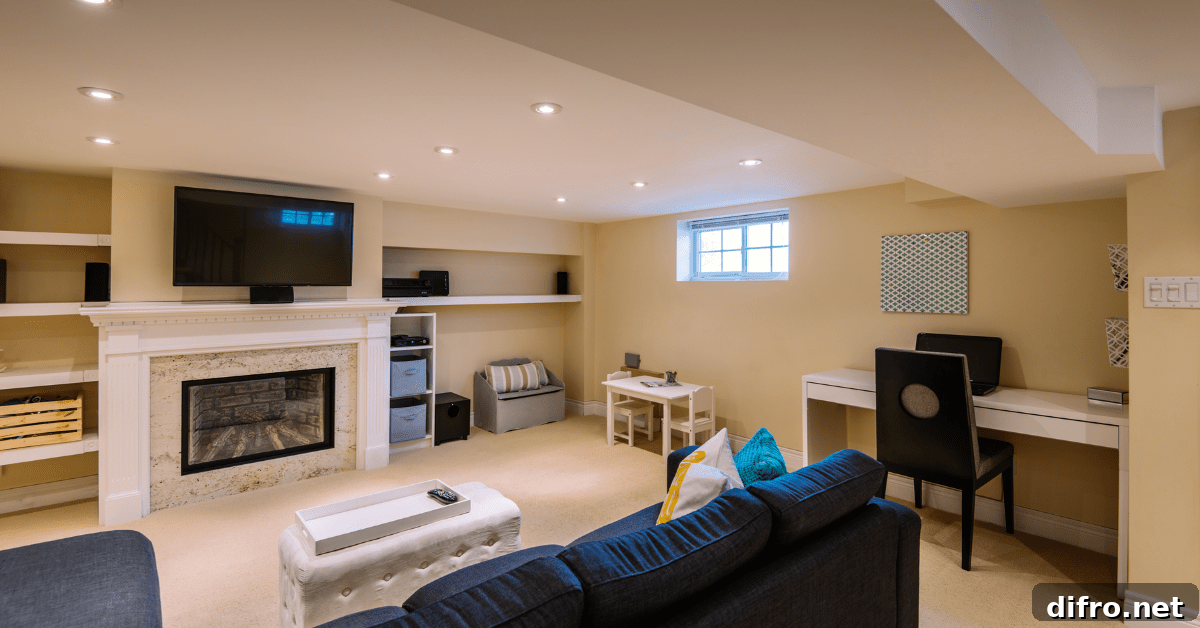
Homes are often valued by livable square footage, so finishing a basement, converting an attic to a bedroom, or adding an extension can raise appraised value. These projects are costlier, but they tend to deliver strong returns: for example, a finished basement might recoup roughly 70–75% of its cost, and an attic conversion may recover about 65–70% at resale. When considering an addition, choose spaces that buyers in your market prioritize—extra bedrooms and bathrooms typically offer excellent ROI.
6. Improve Energy Efficiency
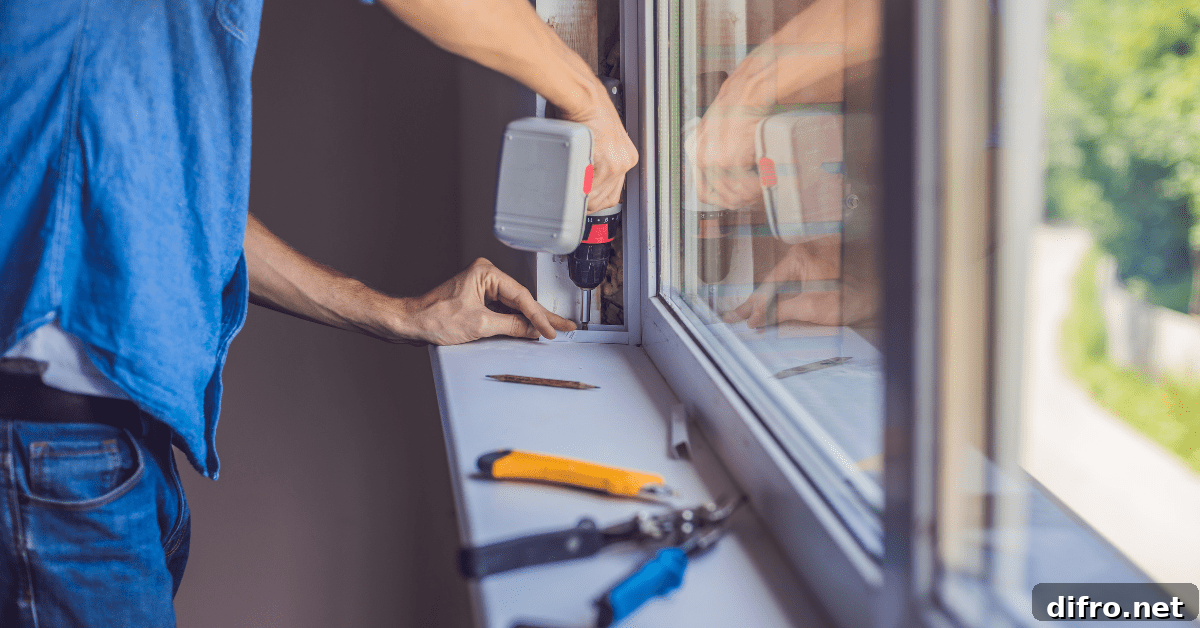
Energy-efficient upgrades reduce operating costs and can be a strong selling point. Start with insulation, sealing air leaks, and installing a programmable thermostat. Consider Energy Star appliances, an energy-efficient HVAC system, or solar panels where they make sense locally. Replacing old windows with efficient models improves comfort, curb appeal, and can recoup a significant portion of the initial expense.
7. Update the Kitchen
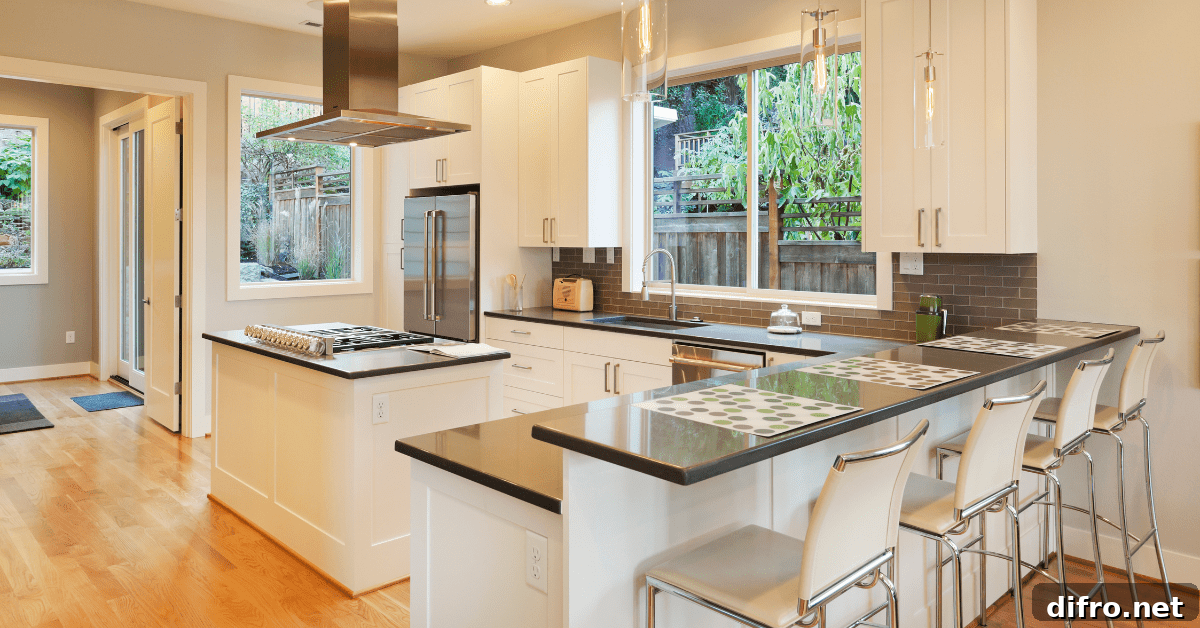
The kitchen plays a major role in buyer decisions. While a full remodel is expensive, small updates often produce big visual returns: paint or reface cabinets, install new hardware, replace dated lighting, add a modern backsplash, or upgrade to energy-efficient appliances. If your budget allows, new countertops in granite or quartz and adding an island can enhance both function and appeal. Even mid-range kitchen projects commonly improve the home’s marketability.
8. Clean and Declutter

A deep clean and thoughtful declutter are low-cost ways to make your home feel larger and better cared for. Clean baseboards, windows, light fixtures, and often-overlooked corners. Clear out excess items from closets and storage areas, and consider temporary off-site storage for belongings during showings. Remove personal photos and distinctive decor so buyers can imagine their own life in the space. Professional cleaning for a larger home is an option, but many owners save money by doing the work themselves.
Why Increasing Your Home’s Value Matters
Raising your home’s value yields benefits beyond a higher sale price: it builds equity you can borrow against, helps protect against market swings, may eliminate private mortgage insurance when you reach a certain equity threshold, and improves your day-to-day enjoyment of the property.
The Bottom Line
Improving your home’s value requires planning and investment, but targeted upgrades can yield meaningful returns. Prioritize projects that enhance both appearance and function, and focus on improvements that buyers in your local market appreciate. Even modest changes—like a fresh coat of paint, updated hardware, or a thorough declutter—can change perceptions and increase offers when the time comes to sell.
Related Article: Think Twice Before Investing in These 8 Renovations
By choosing improvements strategically and maintaining your property, you can maximize value, boost curb appeal, and position your home for a faster sale or greater long-term equity.