An accent wall can instantly change a room from ordinary to remarkable, creating a clear focal point that adds character and visual interest. A DIY accent wall is an approachable, cost-effective way to introduce color, texture, pattern, or personality to any space. Whether you prefer a bold geometric statement, a soothing nature mural, or subtle textural details, these accent wall ideas will inspire you to create a striking feature that complements your home and reflects your style.
1. Geometric Patterns
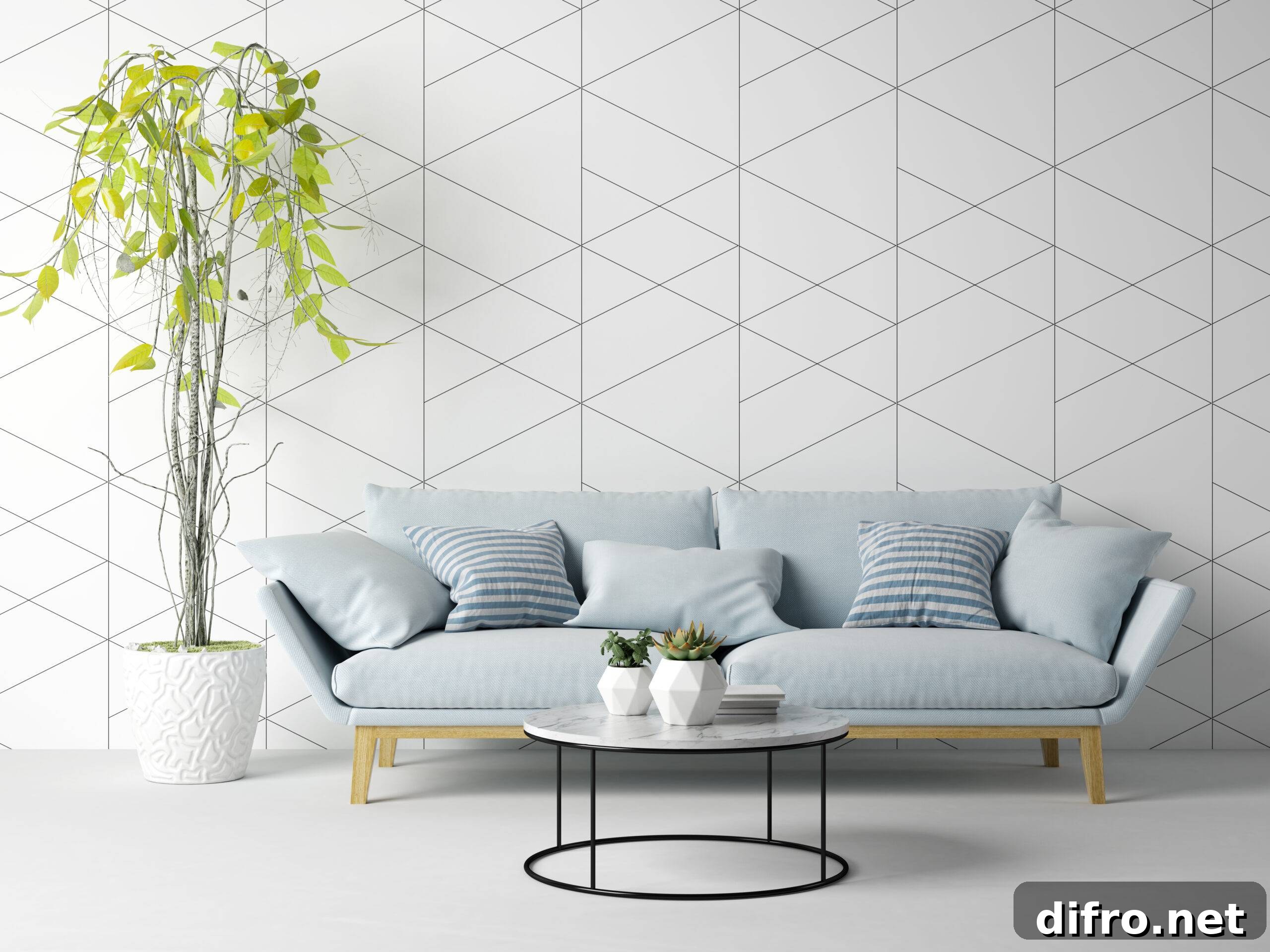
Geometric patterns are a modern and timeless option for an accent wall, offering crisp lines and striking contrast. All you need is painter’s tape, a few complementary paint colors, and a well-planned layout. Sketch your design on paper first, then transfer the plan to the wall by taping the shapes in place. Triangles, hexagons, and chevrons are popular choices, but feel free to design an arrangement that suits your space.
Careful taping and sharp edges are essential for a professional finish. Paint each section, allow the paint to dry fully, and remove the tape to reveal clean lines. A geometric accent wall can add energy to a living room, bedroom, or entryway and works well with minimalist or contemporary décor.
2. Nature-Inspired Murals or Wallpaper
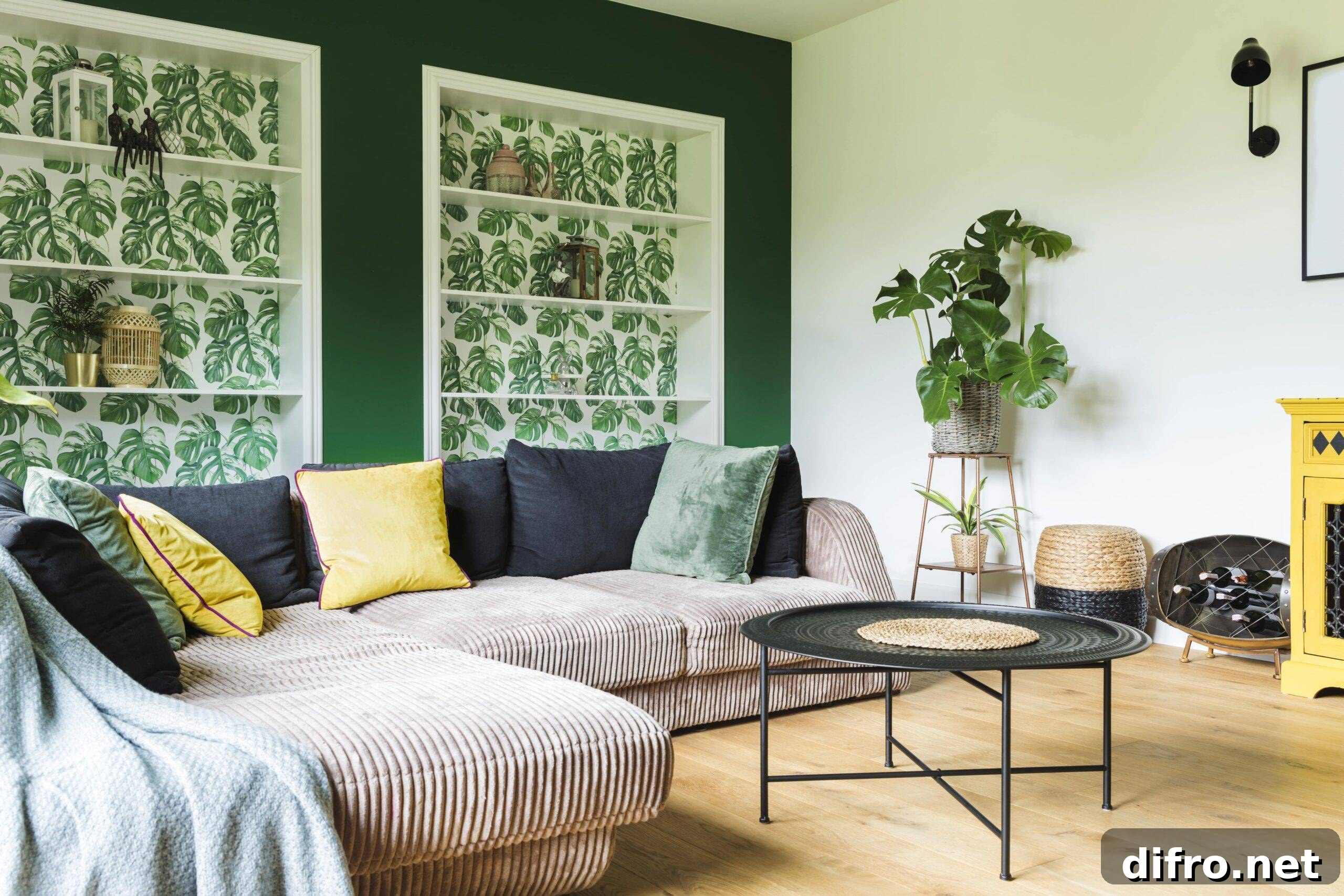
Nature-inspired murals and wallpapers bring a calming, organic quality to a room. Choose a mural that evokes a favorite landscape—a forest, a coastal scene, or a botanical print—or select a wallpaper with floral or leaf motifs to introduce natural texture and movement. These designs work especially well on walls that receive plenty of natural light, which enhances detail and color depth.
Pick tones that harmonize with the rest of the room rather than compete with it. A nature-themed accent wall can create a relaxing atmosphere in a bedroom, living room, or home office, and can visually expand a small space when used thoughtfully.
3. Textured Walls
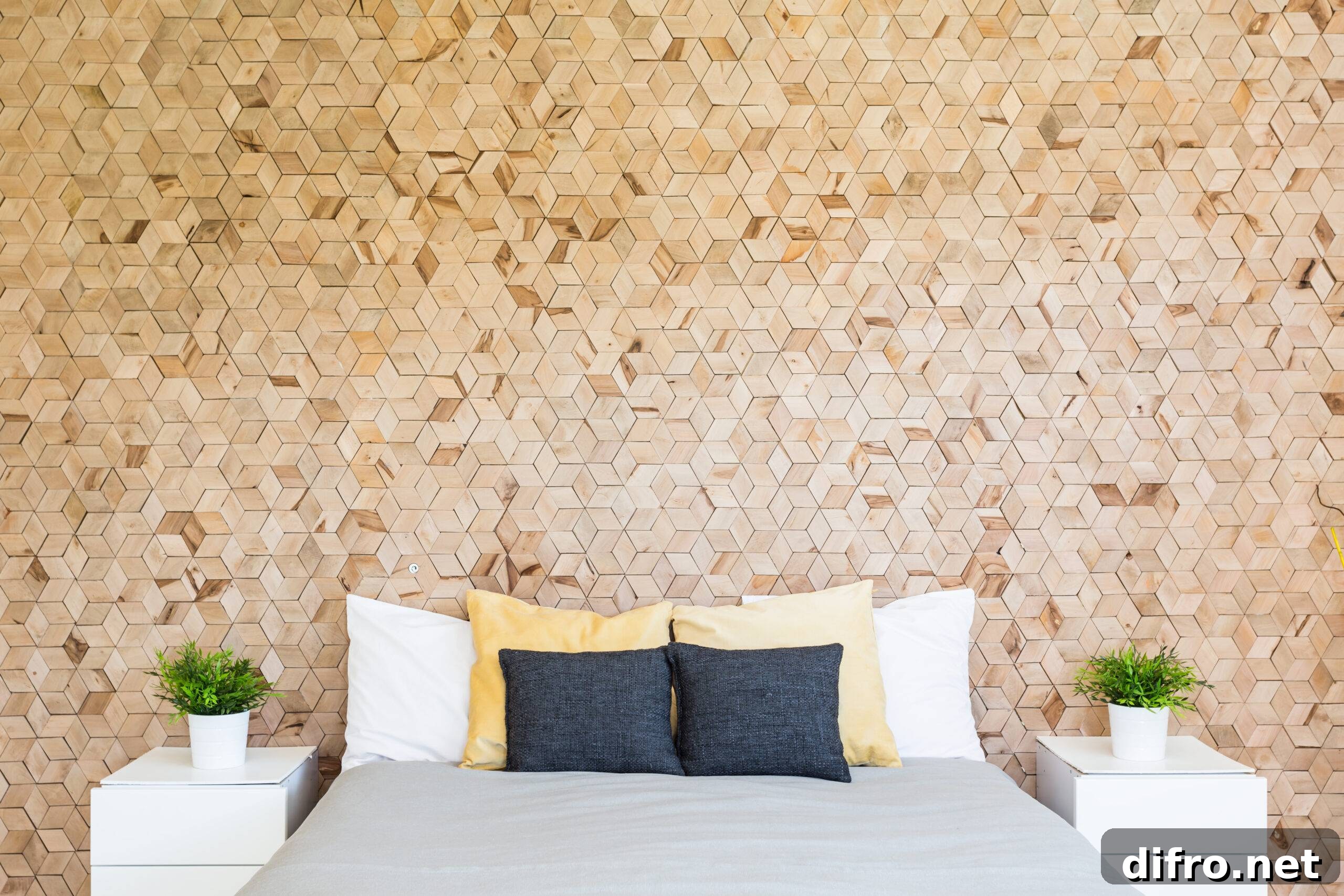
Textured accent walls add depth and a tactile dimension that paint alone can’t achieve. Options range from reclaimed wood and stone veneer to cork panels or fabric-covered sections. Wood planks arranged in herringbone, chevron, or staggered patterns bring warmth and a handcrafted feel. Stone veneer creates a cozy, rustic look that pairs well with fireplaces or media walls. Fabric panels or upholstered sections can provide acoustic benefits and a plush, luxurious appearance.
Choose materials that fit your lifestyle and maintenance preferences. Natural materials like wood and stone require minimal upkeep and age gracefully, while fabrics and cork may need occasional cleaning. A well-executed textured wall becomes a design anchor and elevates the overall atmosphere of a room.
4. Chalkboard Walls
Chalkboard walls are playful, practical, and flexible—ideal for kitchens, playrooms, home offices, or entry halls. A chalkboard surface invites messages, sketches, grocery lists, menus, and reminders, and it can be refreshed or updated whenever you like. To create a chalkboard wall, apply two or three coats of chalkboard paint to a smooth surface, allowing each coat to dry thoroughly before applying the next.
Keep in mind that chalkboard paint is typically very dark, so balance the rest of the room’s palette accordingly. When properly maintained, a chalkboard accent wall can support creativity and family interaction while serving a useful, decorative role.
5. Gallery Walls
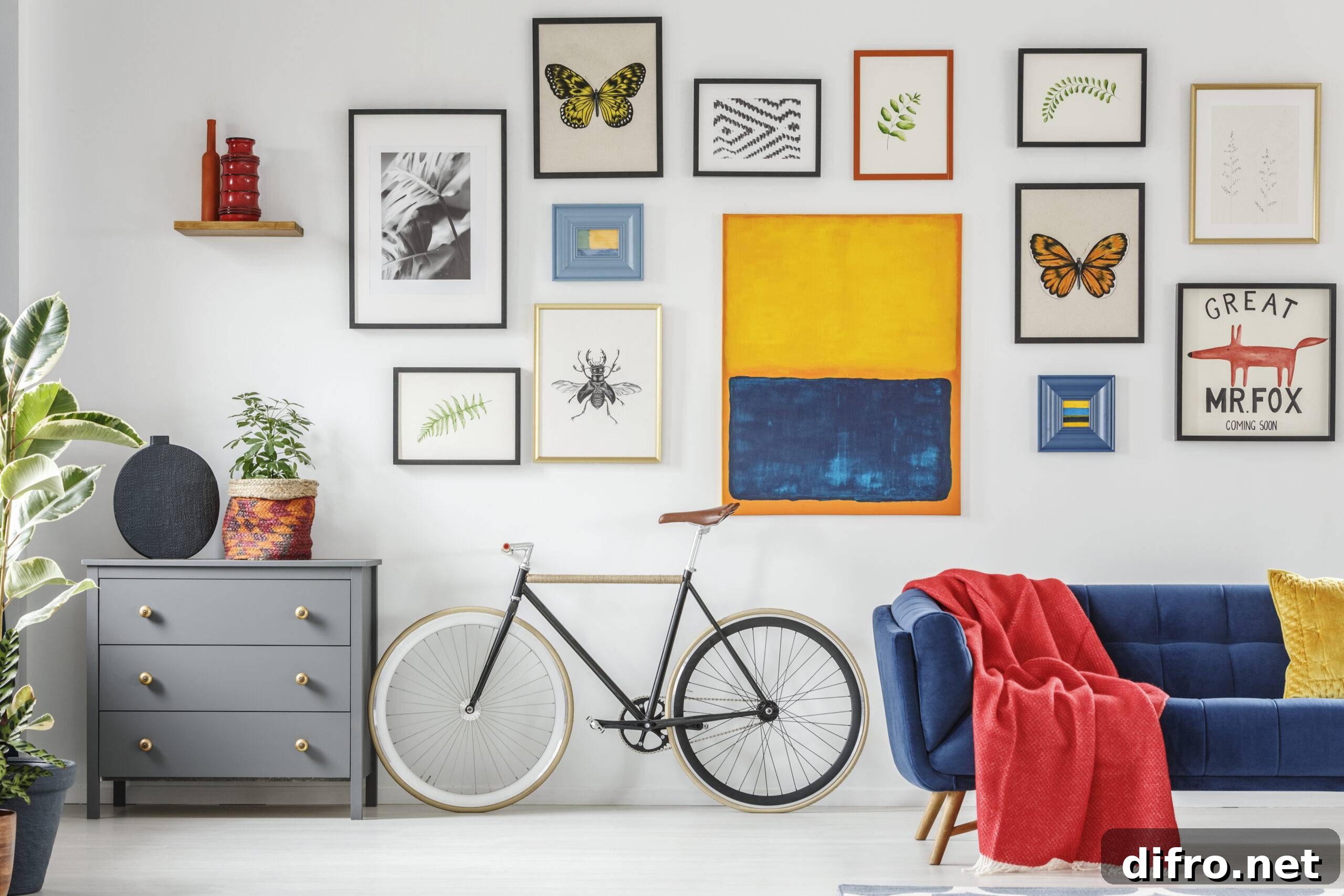
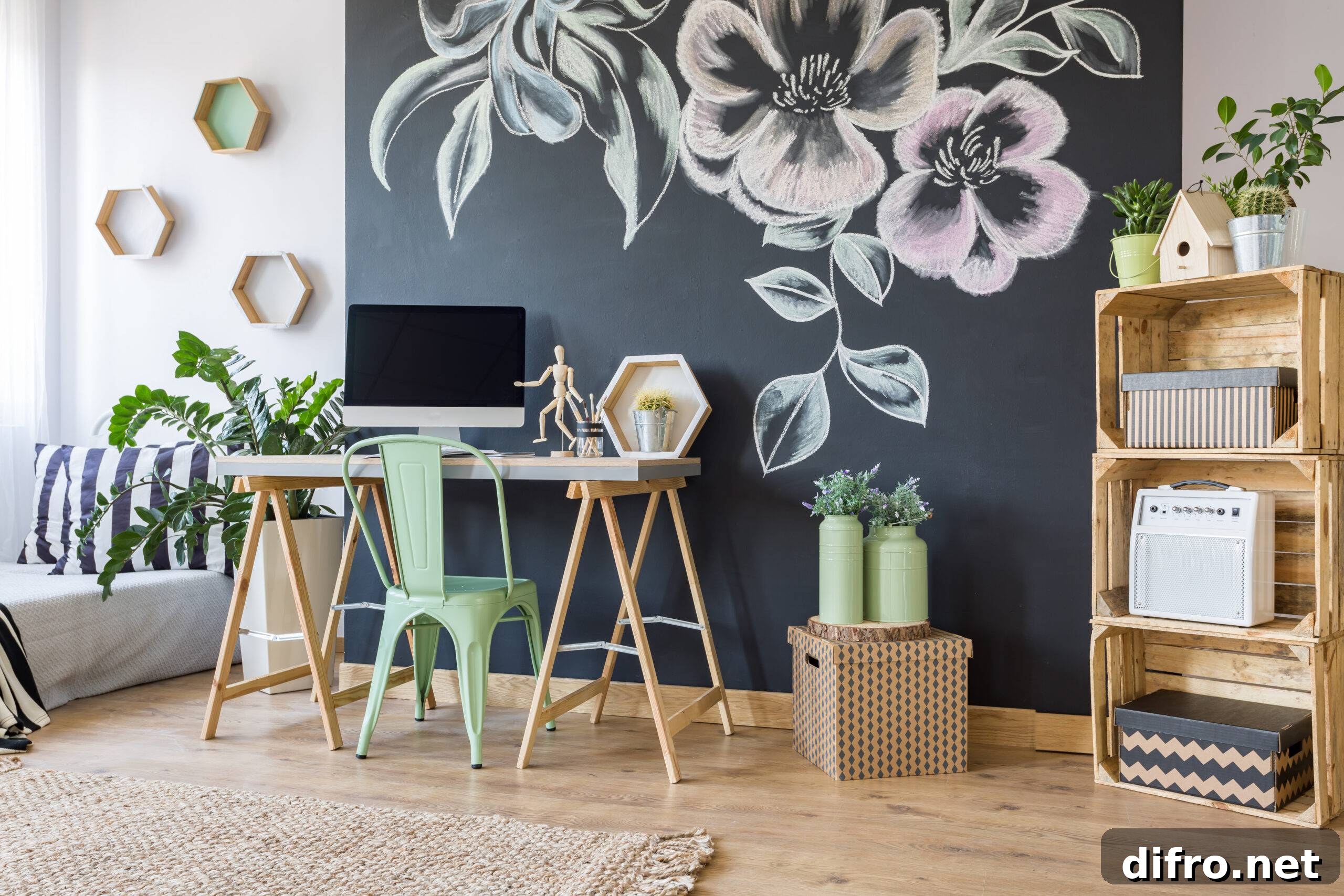
Gallery walls let you tell a visual story by combining artwork, photographs, prints, and small objects into a curated display. Mix frame sizes, shapes, and finishes to create depth and interest. Lay out your arrangement on the floor or use paper templates to visualize spacing before you hang anything. A measured, level installation keeps the group feeling intentional rather than cluttered.
You can personalize gallery walls with mirrors, textile elements, or three-dimensional items such as decorative plates or small sculptural pieces. A thoughtfully arranged gallery wall becomes both a focal point and a reflection of your personal experiences and tastes.
6. Ombre Walls
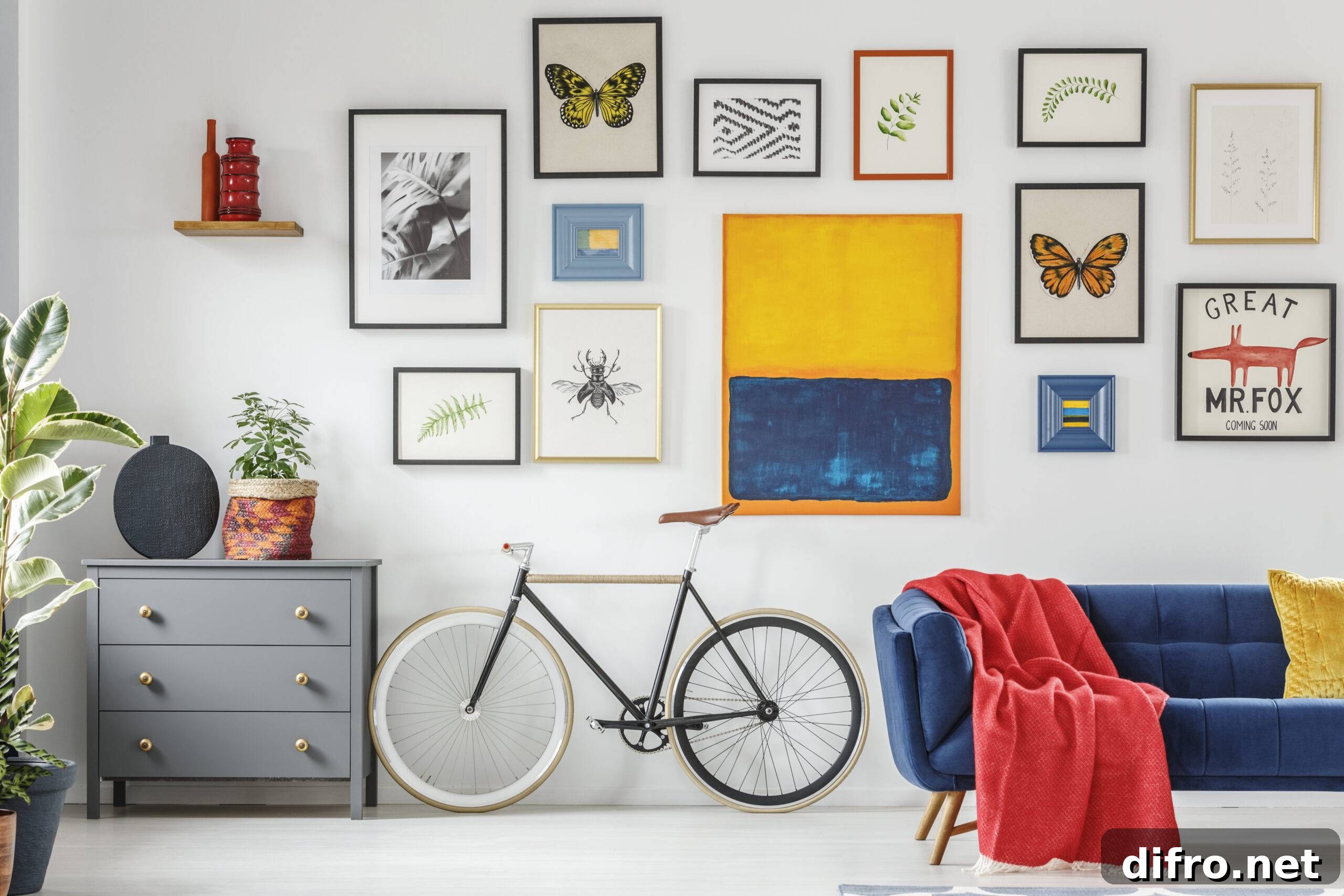
Ombre walls create a gentle, sophisticated gradient that adds movement and subtle drama. Choose a palette with at least three shades from light to dark—staying within one color family usually produces the smoothest transitions. Begin with the lightest color at either the top or bottom and blend progressively into the darker shades. Work quickly while the paint is damp to achieve seamless transitions using rollers or large brushes and a light back-and-forth blending motion.
Ombre effects suit bedrooms, nurseries, and living areas where a soft, artistic touch is desired. They pair well with simple furnishings, as the wall itself becomes a key decorative element.
7. Wallpaper Accents
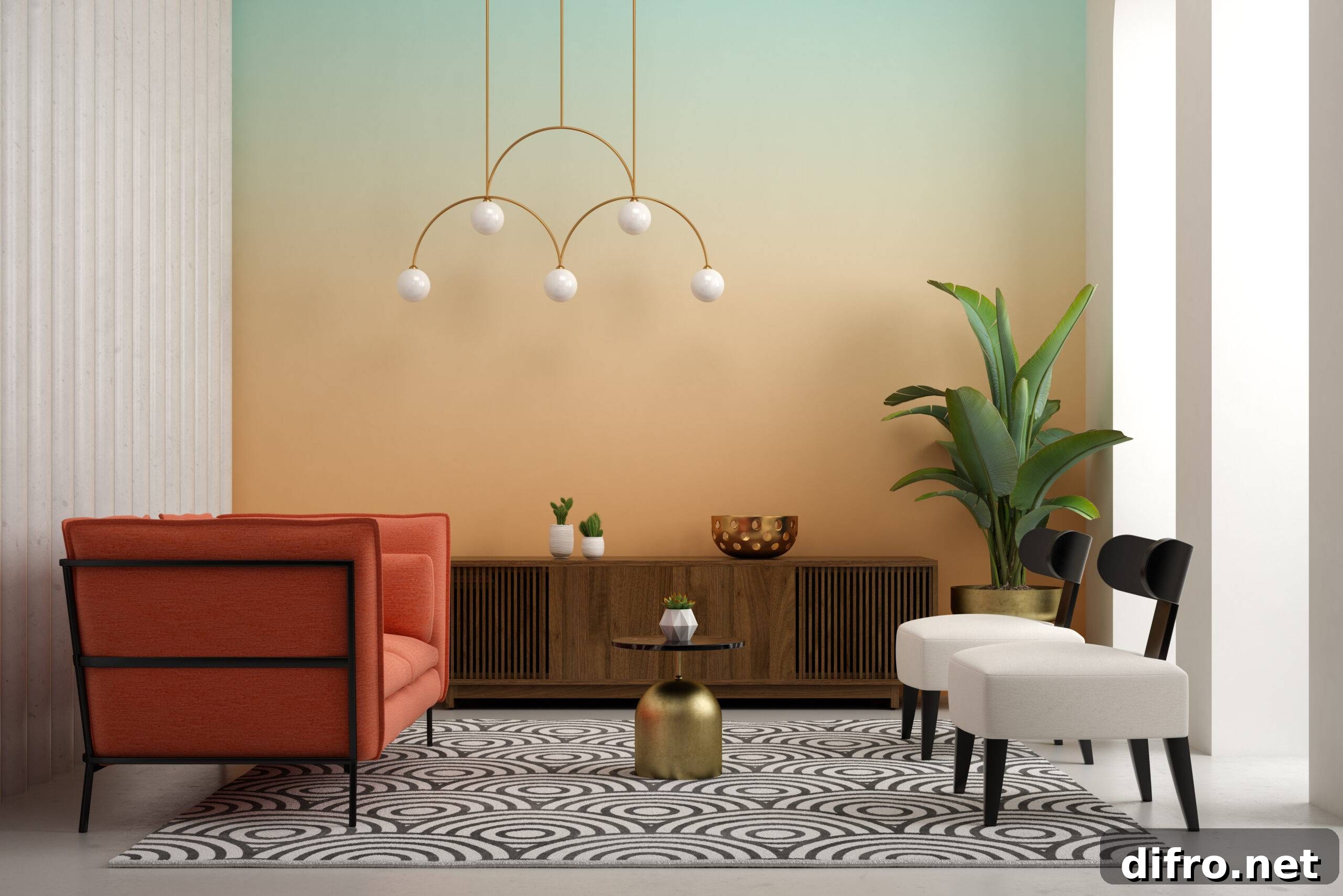
Wallpaper remains one of the fastest ways to transform a space with pattern, color, and texture. From bold, graphic prints to subtle textured grasscloths, wallpaper allows you to experiment freely with scale and style. Measure carefully, cut panels with a small allowance for trimming, and follow the manufacturer’s instructions for paste or peel-and-stick application to ensure a smooth, bubble-free finish.
A well-chosen wallpaper accent can anchor a room, frame a bed or sofa, and introduce a cohesive motif that ties other design elements together. Because wallpaper can be changed, it’s a versatile option for those who like to refresh their décor periodically.
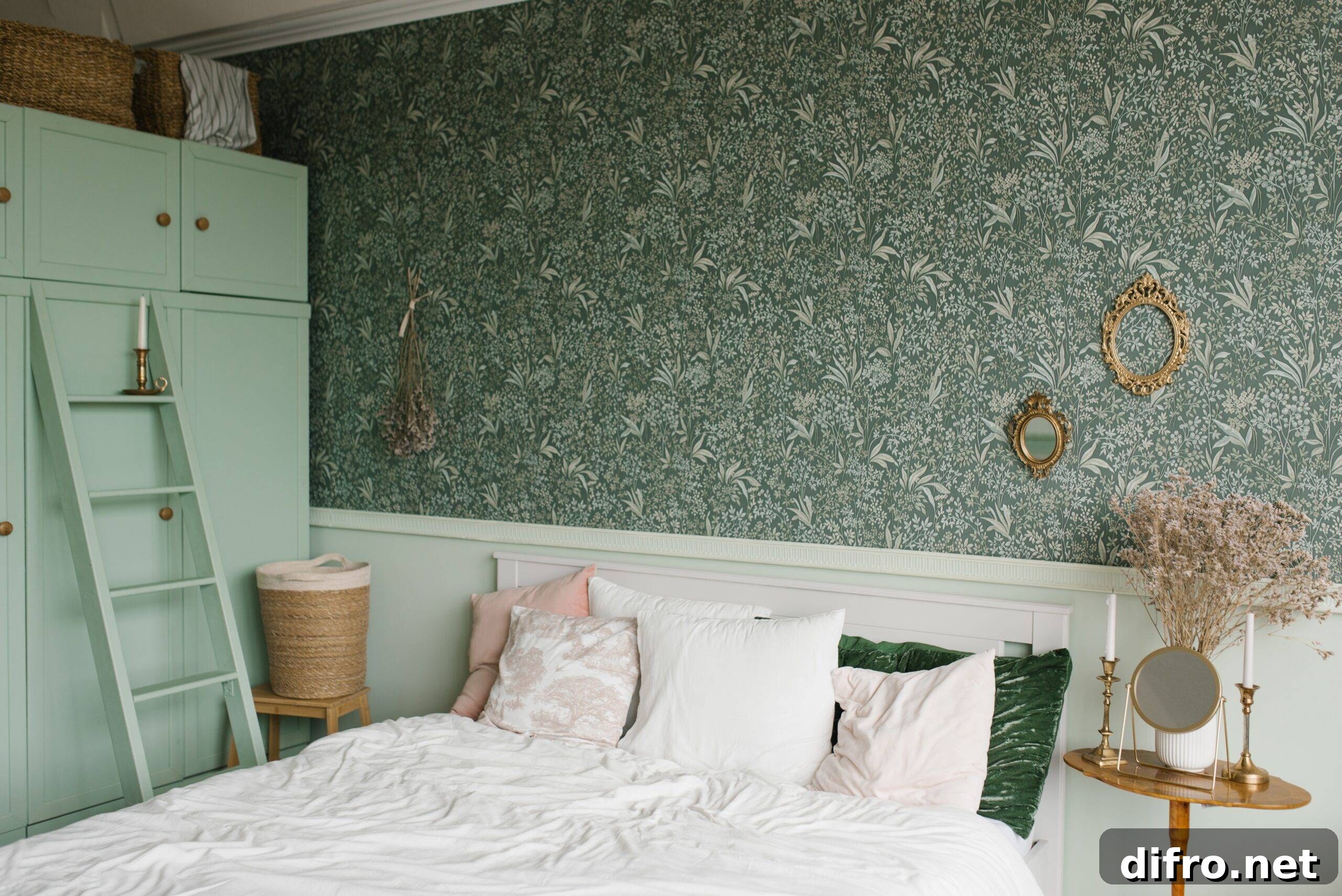
Creating your own accent wall is a rewarding DIY project that can dramatically improve the look and feel of any room. Whether you choose geometric paintwork, a nature mural, textured materials, a functional chalkboard, a curated gallery, a soft ombre, or patterned wallpaper, each approach brings a distinct personality to your home. Plan carefully, choose quality materials, and allow time for preparation and finishing—small details make a big difference. With creativity and attention, your accent wall can become a memorable focal point that elevates your interior design.
If you enjoy interior design inspiration, consider subscribing to a newsletter or following trusted design resources for more DIY tips, project guides, and trend ideas to help you refresh your home.