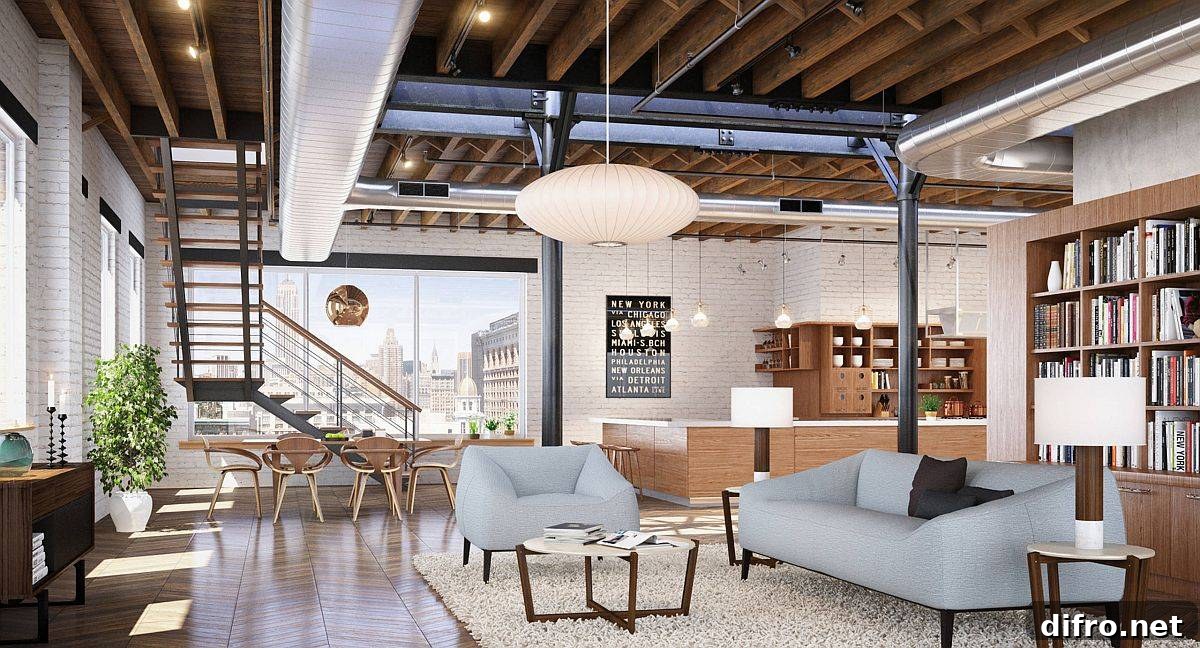
The open-plan layout has become a defining feature of contemporary homes over the past decade. As the rigid partitions common in the 1980s and 1990s gave way around the turn of the millennium, homeowners increasingly embraced open plan living. Today, this approach appears in everything from compact city apartments to sprawling villas. While many of these interiors look effortless, implementing an effective open-plan design in your own home requires careful thought and planning.
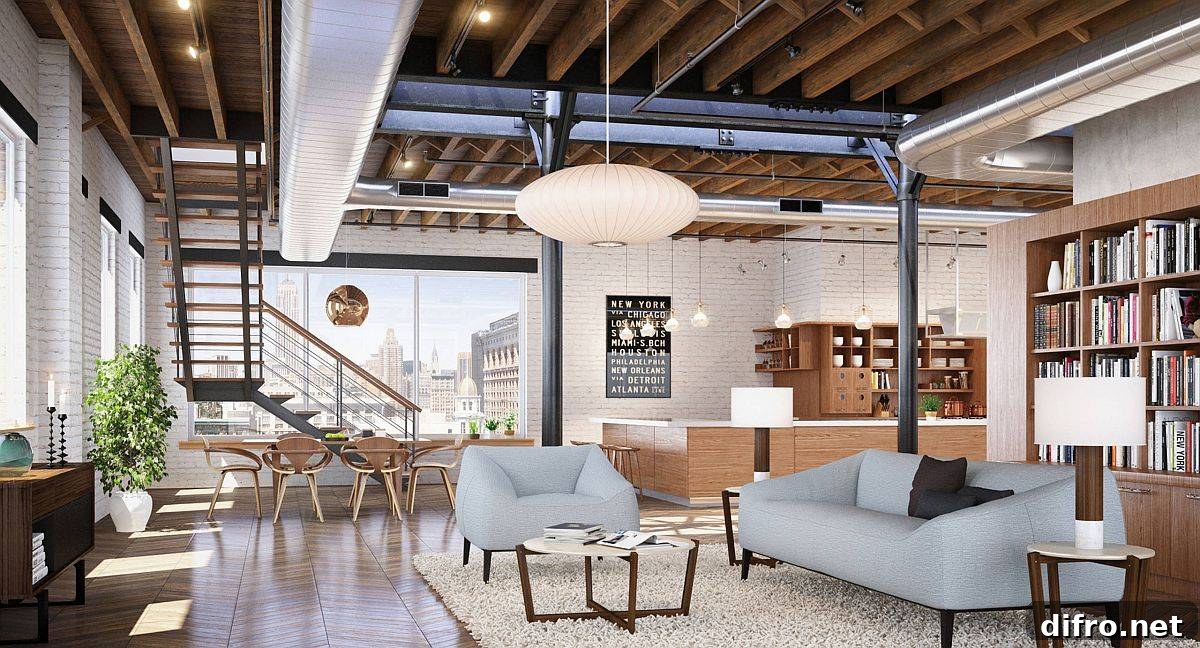
Open plan living is about creating a continuous, social interior where kitchen, dining and living zones flow into one another. Without solid partitions, these spaces feel larger, brighter and more sociable—but that very openness demands visual and functional strategies to define each area. Below are the most common mistakes people make with open-plan designs and practical ways to avoid them.
Use of Too Many Styles
One of the easiest ways to undermine an open-plan interior is mixing too many divergent styles across the connected spaces. Because the areas are visually linked, wildly different design languages will clash and fragment the room. Aim for a cohesive aesthetic—limit yourself to one primary style with complementary accents. Keep the color palette consistent and restrict materials to two or three harmonious finishes. This curated approach reduces visual clutter and reinforces a calm, unified environment that reads as intentional rather than chaotic.
Improper Delineation of Space
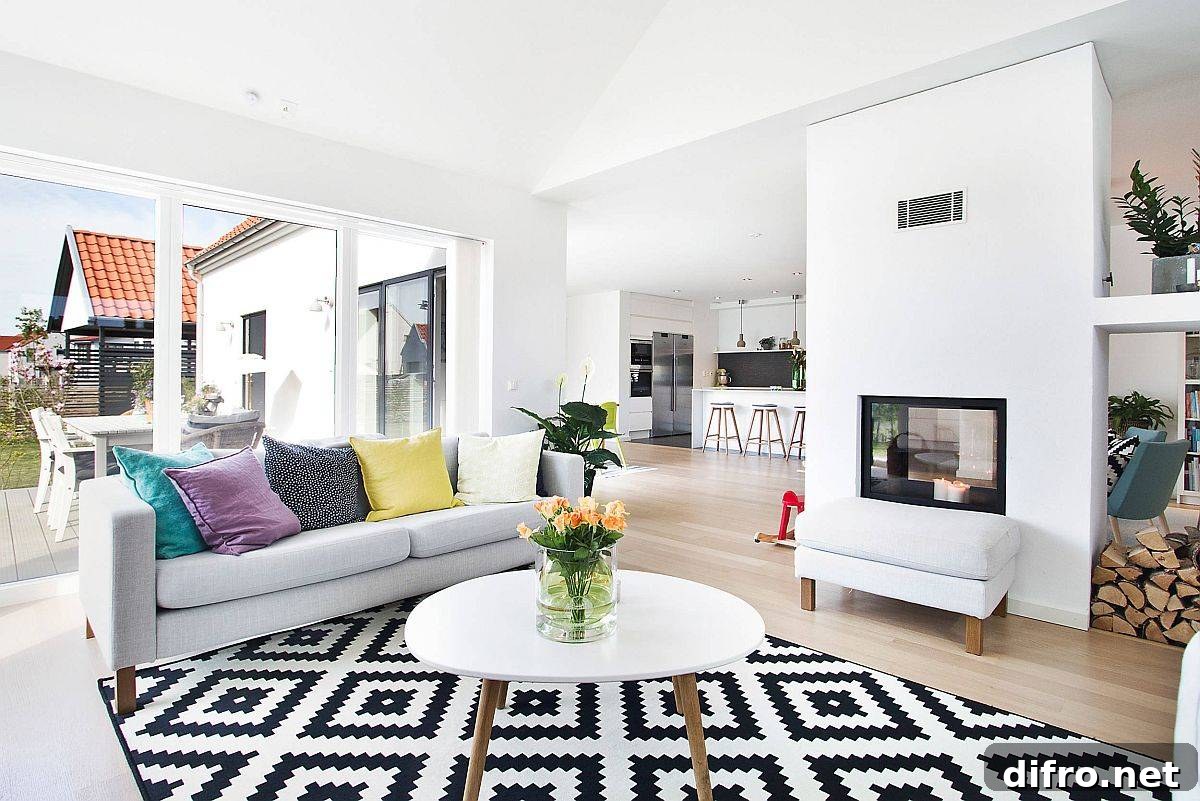
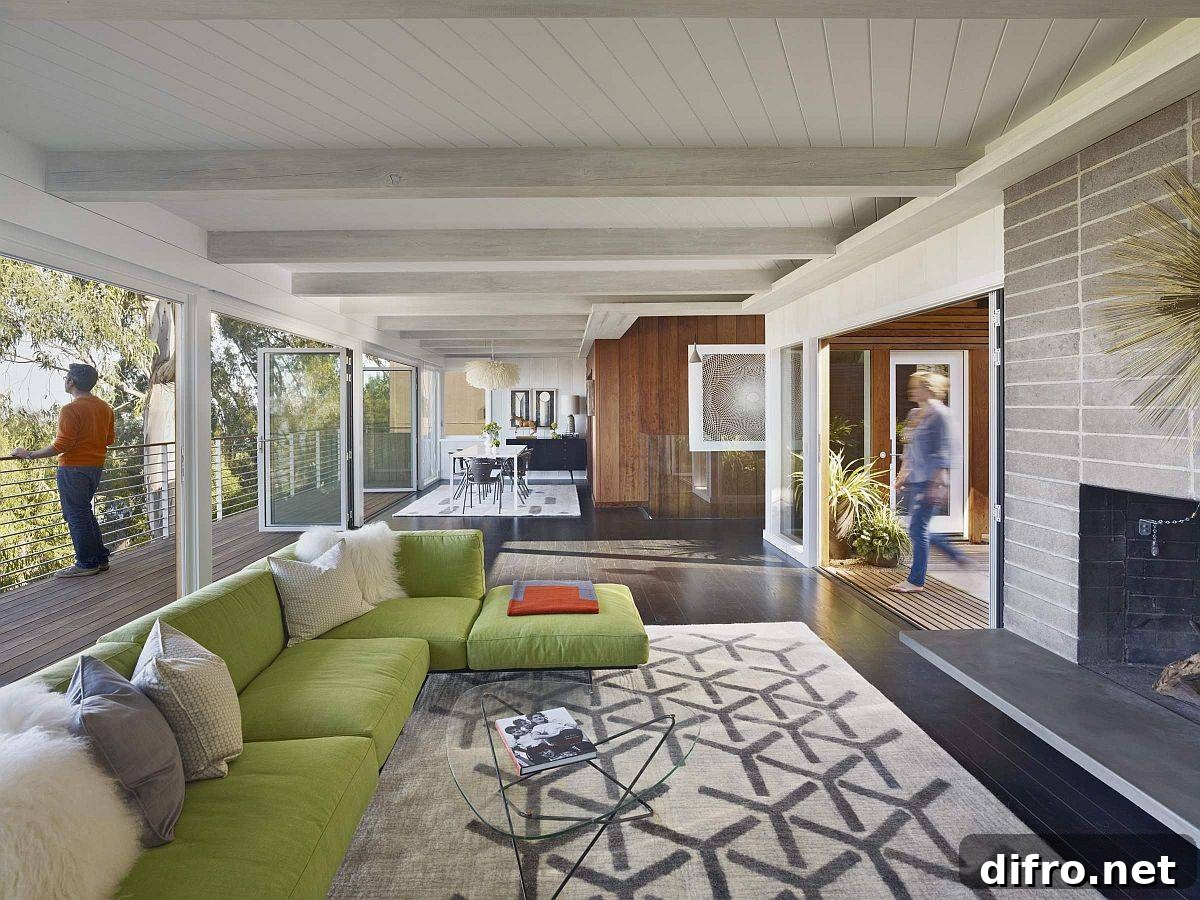
Open-plan doesn’t mean indistinct. Successful layouts use subtle cues to separate zones without full walls. Freestanding bookcases and open shelving create functional screens; area rugs anchor seating or dining groups while adding texture; dropped or coffered ceilings visually lower a living area; small level changes—two or three steps—can create a clear room-within-a-room effect. These techniques maintain openness while giving each zone a defined purpose and visual identity.
Poor Lighting in Different Areas
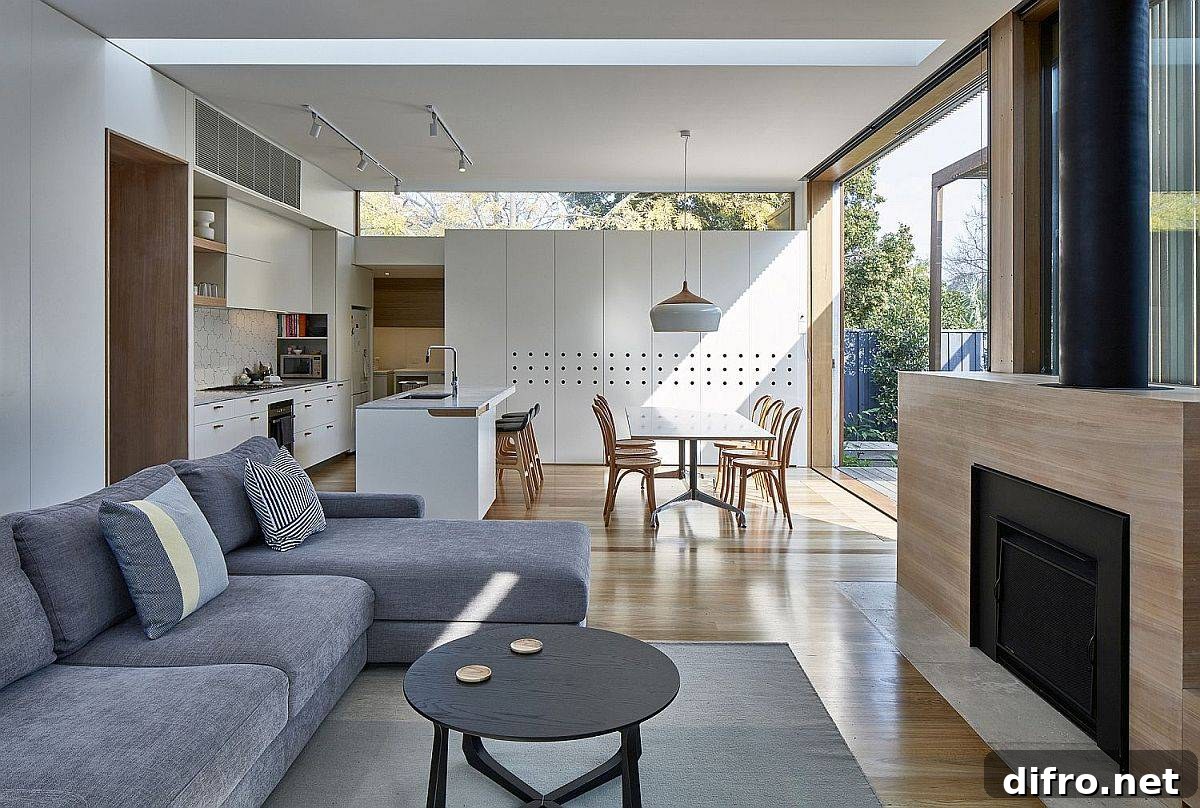
Open-plan interiors often lack the convenient wall divisions where pendant fixtures or recessed cans would normally be installed. A layered lighting plan is essential: ambient lighting to wash the entire space, task lighting for kitchen counters and dining surfaces, and accent lighting to highlight artwork or architectural features. Recessed fixtures, track systems and pendant clusters can be zoned to each functional area, while skylights and large windows provide even, natural illumination. Consider daylight patterns when arranging key work areas like the kitchen to maximize natural light.
Size of Furniture Used
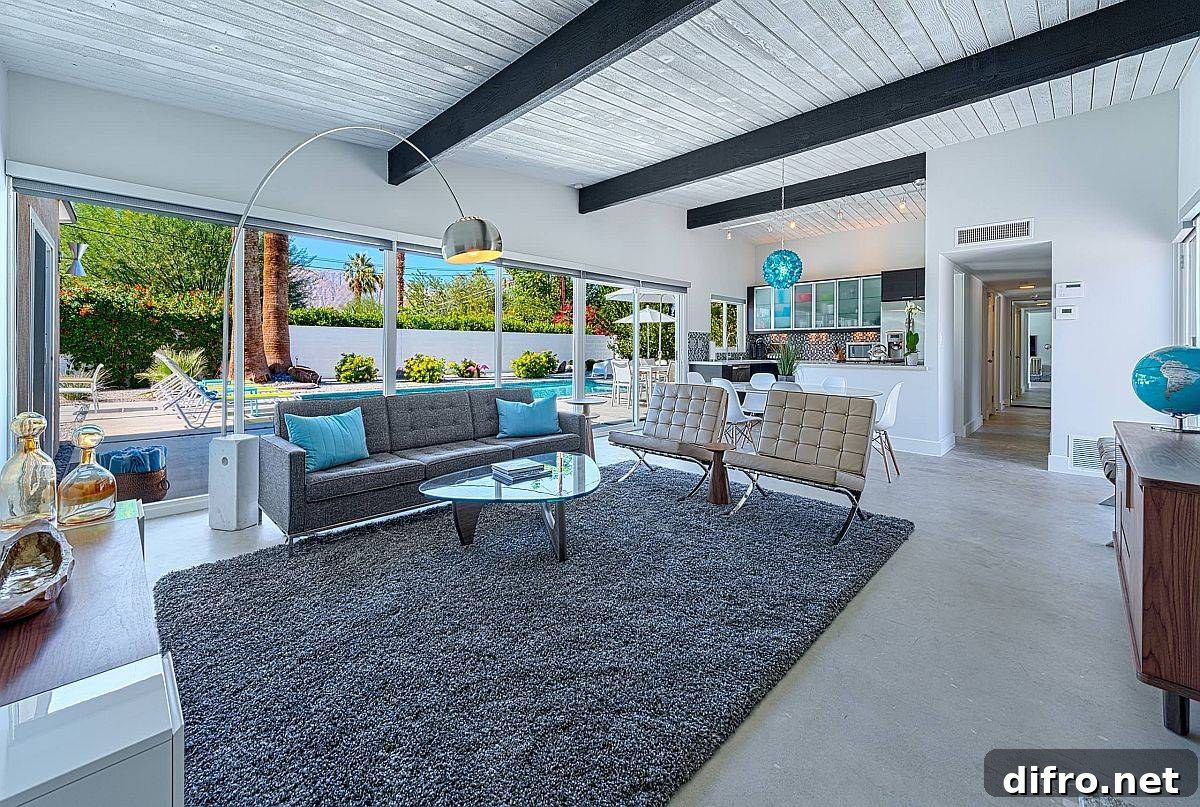
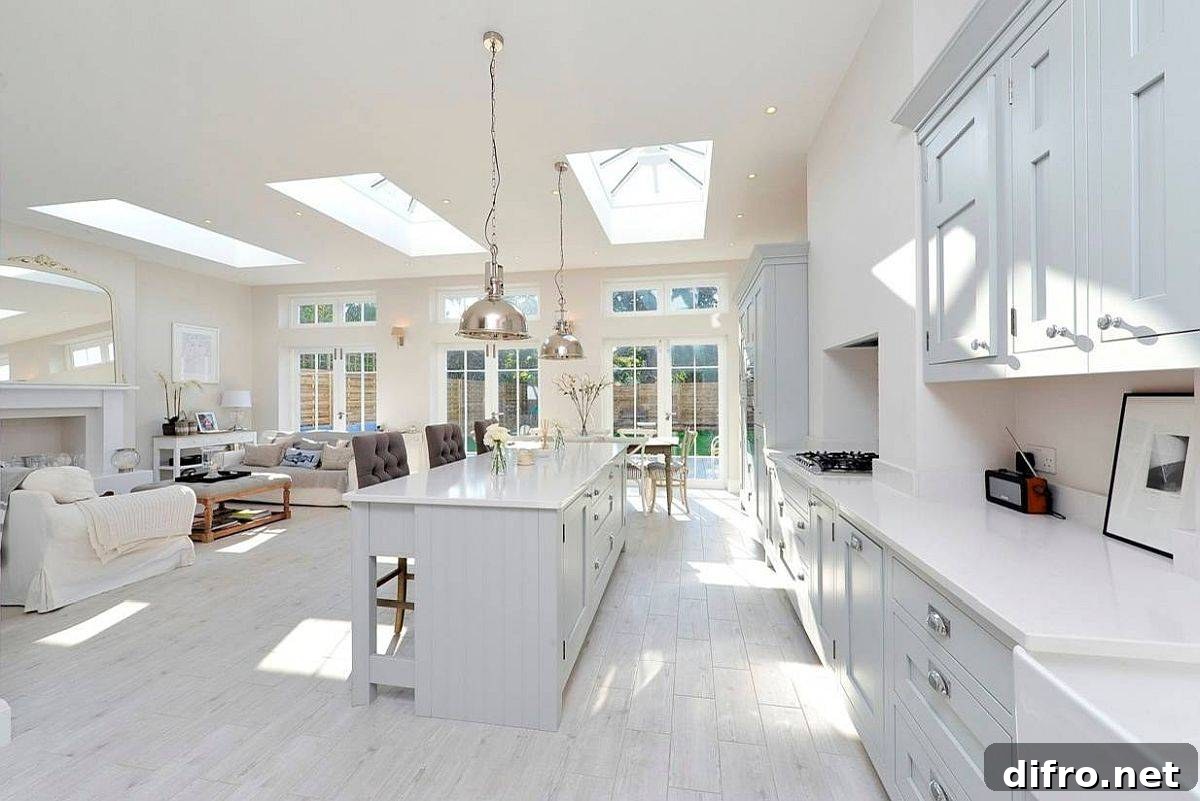
Furniture scale is critical in an open plan. Oversized sofas or oversized dining sets will crowd the space and interrupt visual flow. Conversely, furniture that’s too small can make the area feel sparse and disconnected. Choose pieces scaled to the proportions of each zone and try to coordinate finishes for a cohesive look—matching wood tones or metal accents across seating, tables and storage helps the whole layout read as one considered composition.
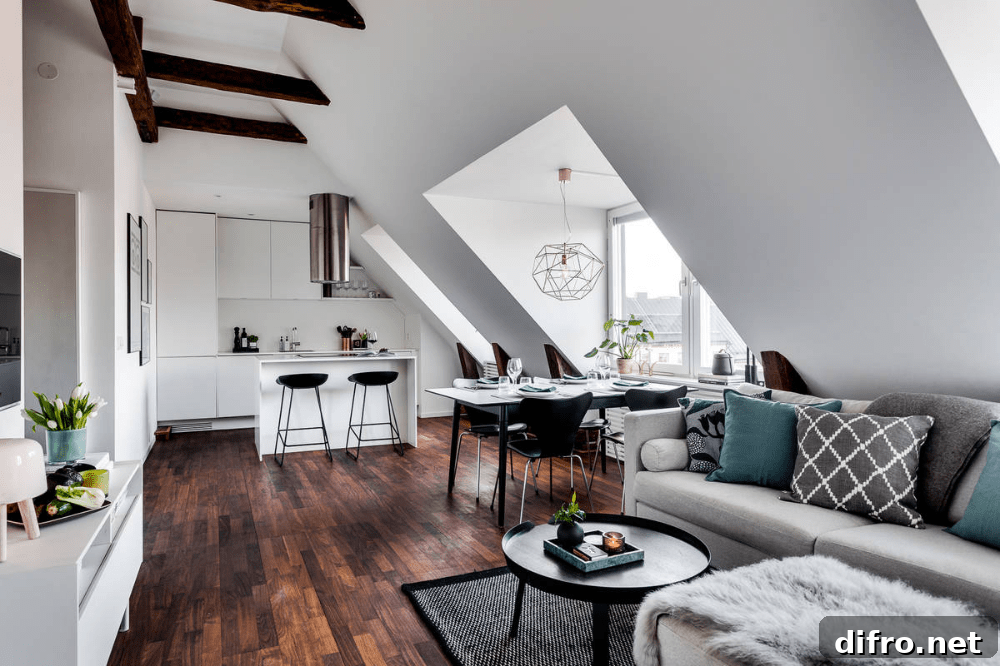
Flow of Movement Between Different Zones
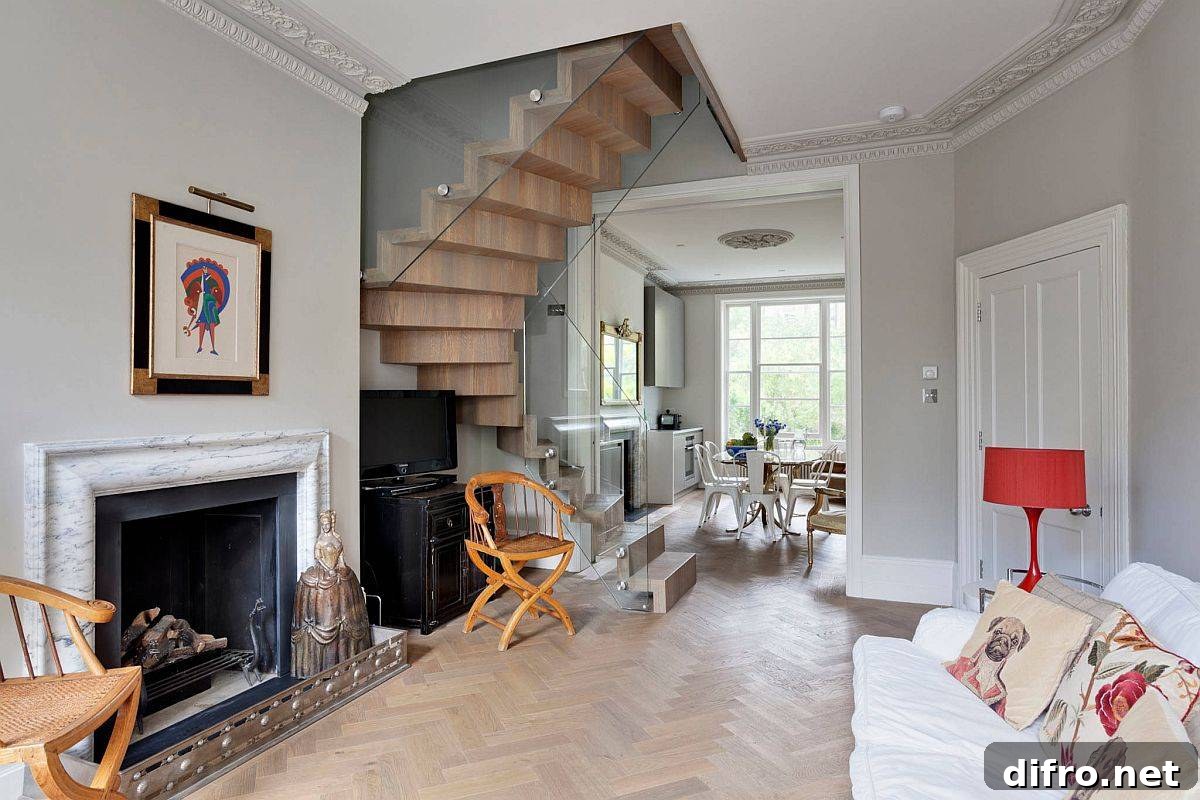
Traffic flow is a practical but often overlooked consideration. Place seating, tables and storage so they don’t block natural walkways between the kitchen, dining and living zones. Ensure there are clear paths that feel intuitive—people should move from one area to another without having to navigate around obstacles. Position entertainment walls, power outlets and lighting with flexibility in mind so the layout can adapt to furniture arrangements without forcing awkward detours.
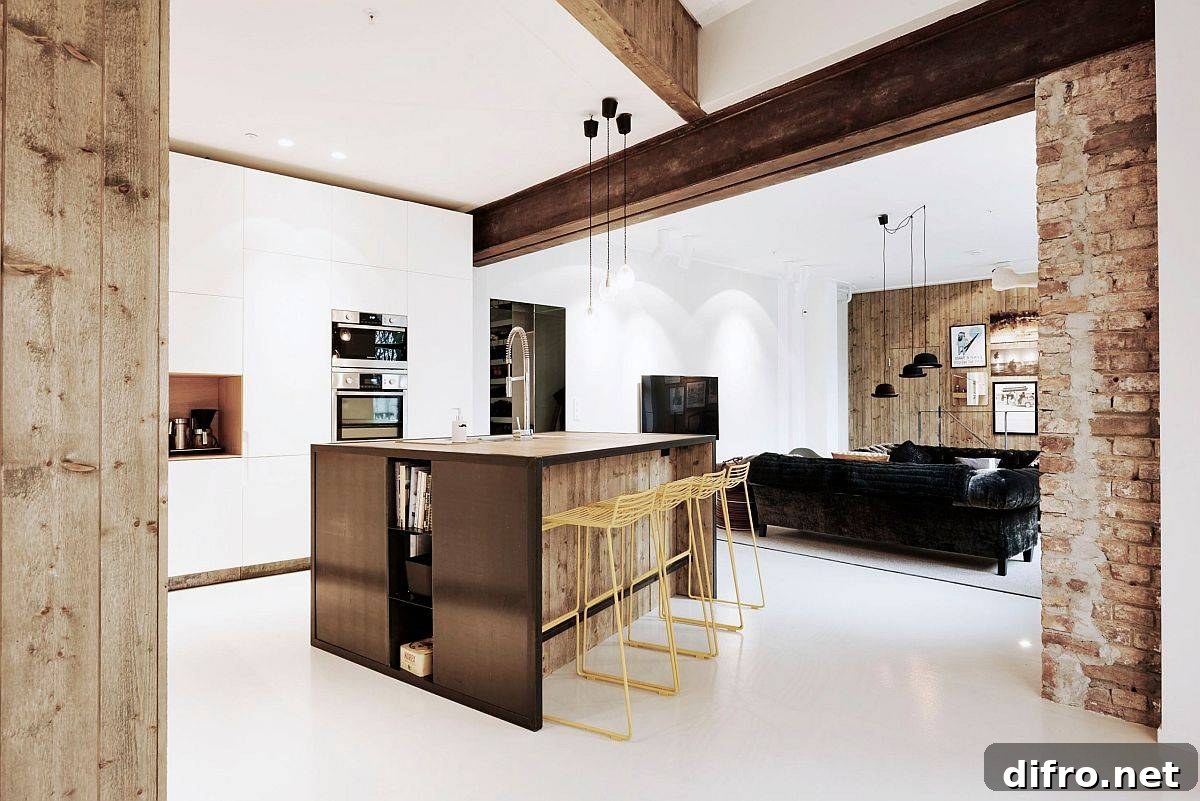
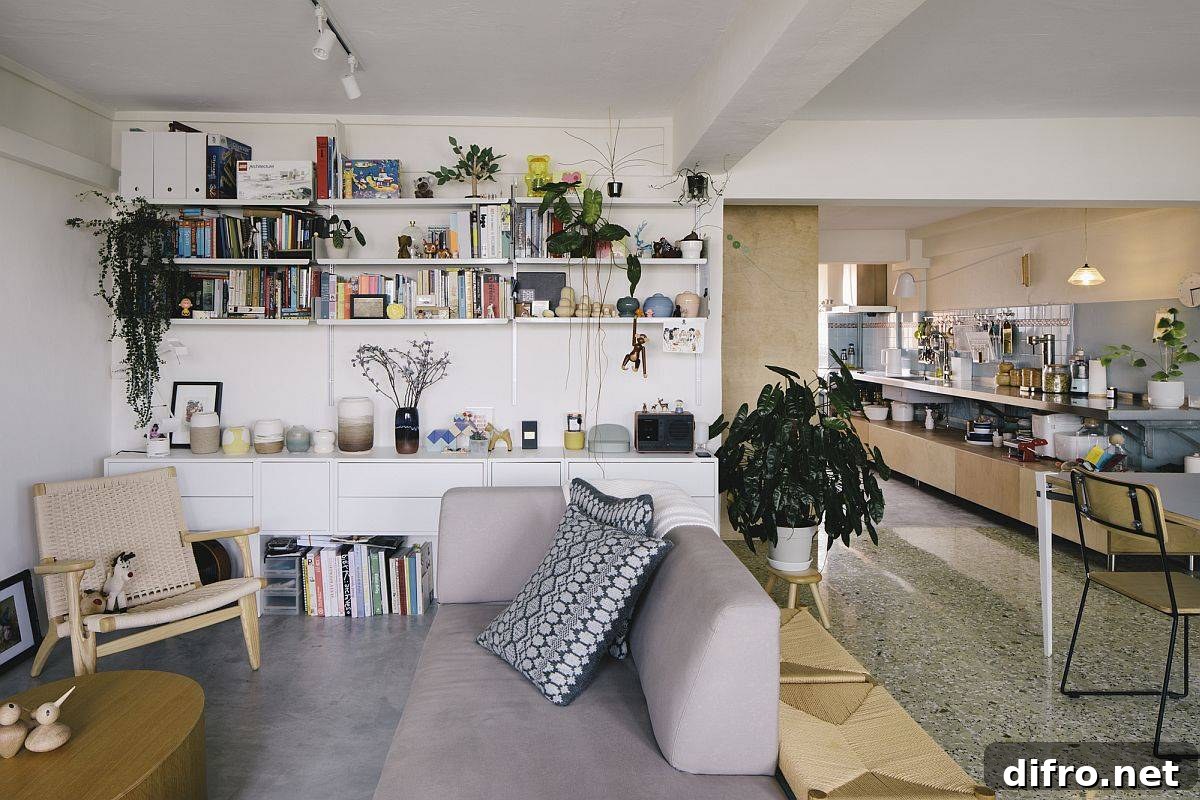
Not Planning for Your Needs
Finally, design with daily life in mind. Think about how you use the kitchen, what storage is essential, where children will play and how entertaining will flow. Small changes in one area often ripple across the entire open plan, so plan for adaptability—modular storage, versatile furniture and clear cable management help future-proof the layout. Resist impulse purchases that clutter the open space; instead, choose multipurpose pieces and leave room for the home to evolve.
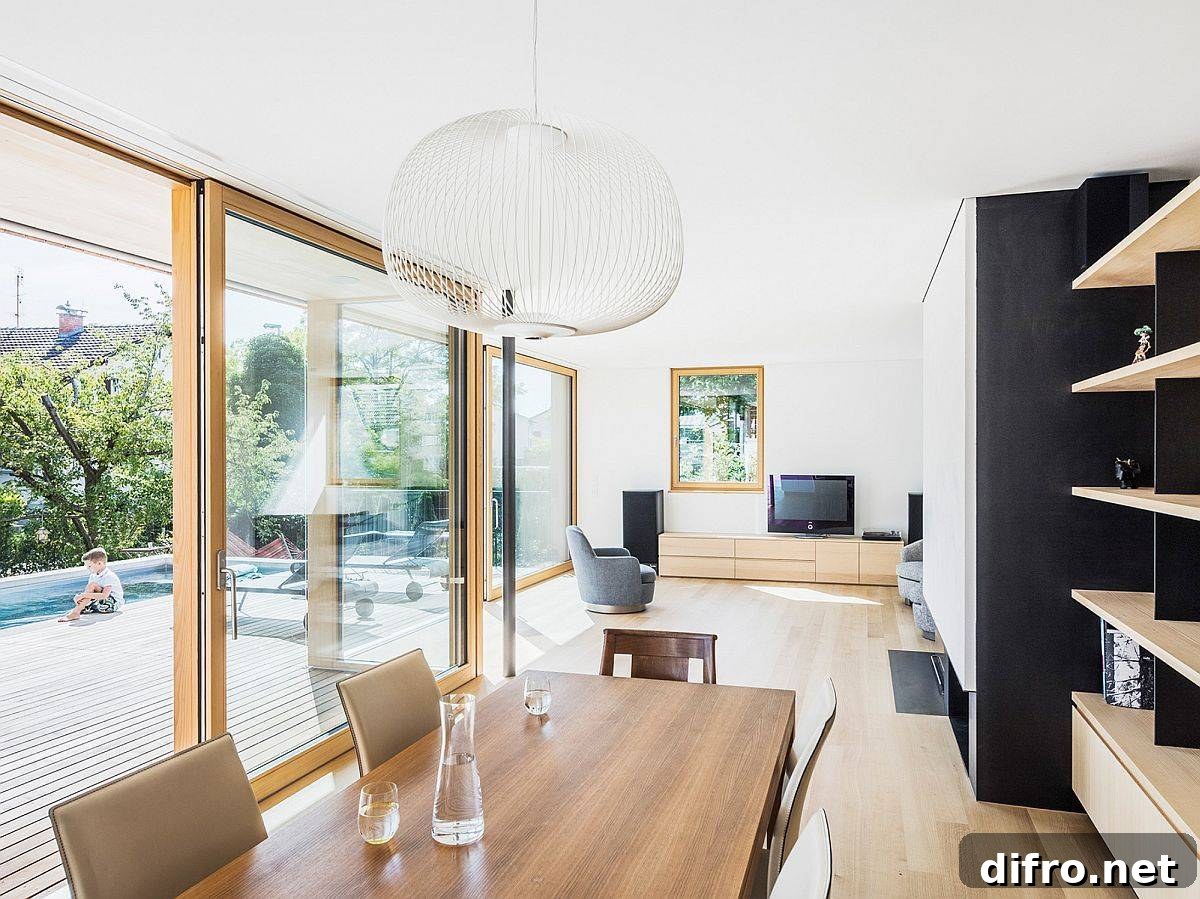
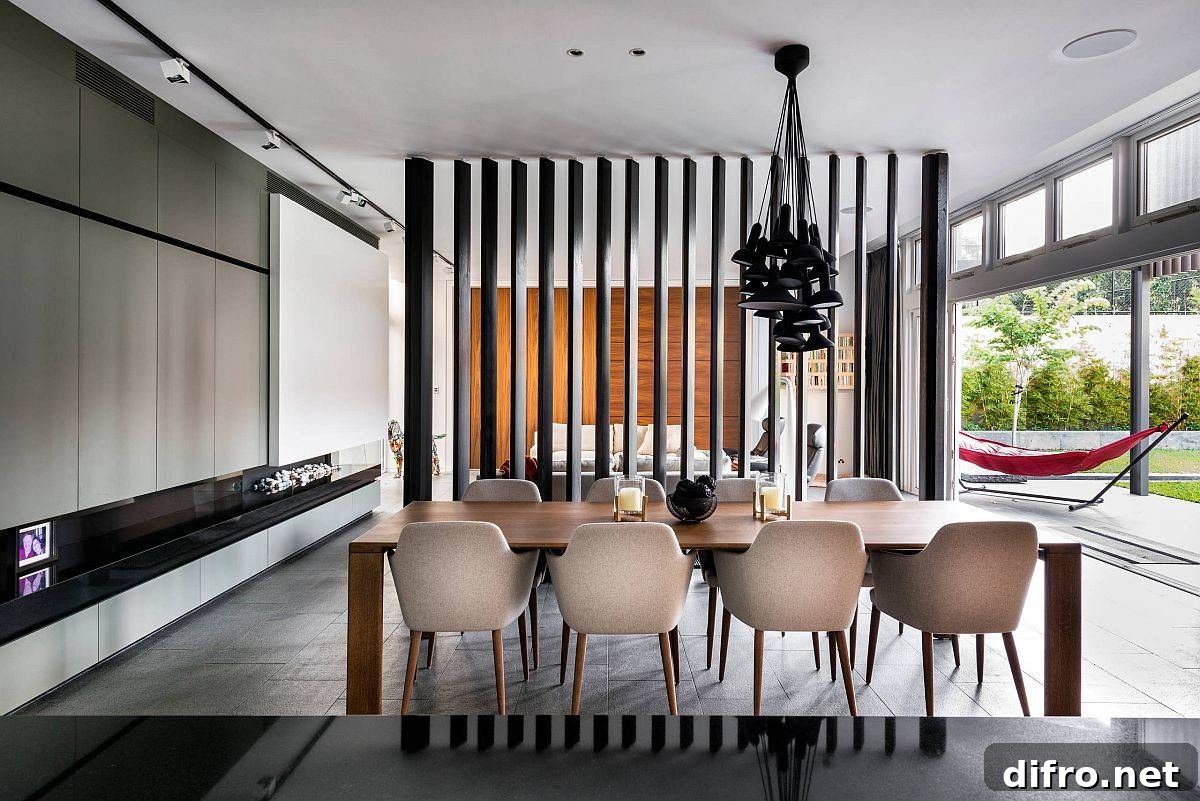
When executed well, an open-plan layout enhances light, sociability and flexibility. Avoid stylistic overload, define zones thoughtfully, plan layered lighting, select furniture at the right scale, preserve clear circulation paths and design for how you live—these core principles will help you create an open-plan home that feels cohesive, functional and welcoming.