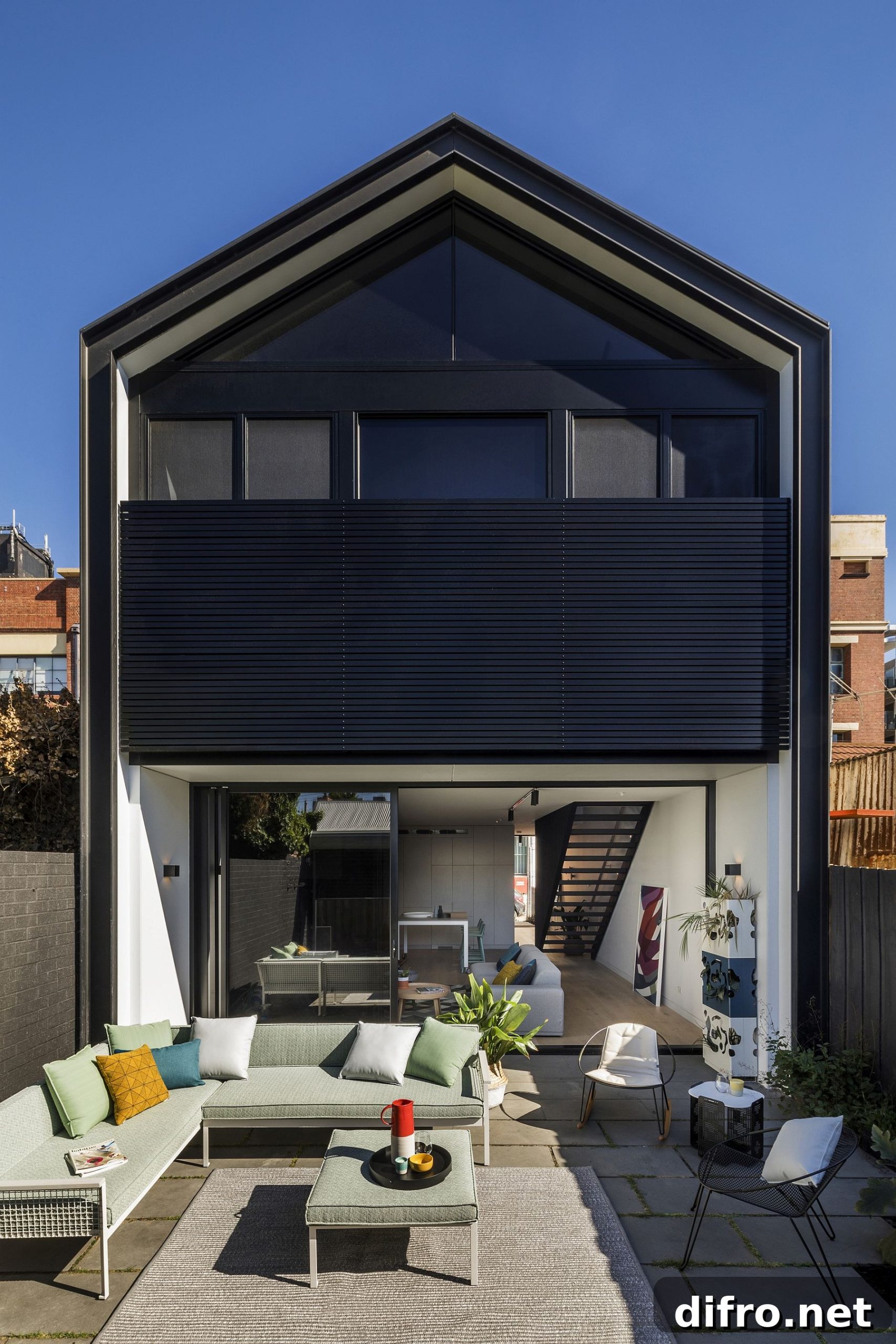
Creating an ideal inner-city family home requires a careful balance of space, privacy and an open, airy atmosphere that encourages natural ventilation. Set on a compact 147-square-meter lot in Richmond, Melbourne, the T2 Residence by fyc architects achieves this balance with a considered design that combines traditional local references, contemporary detailing and generous use of timber. The house borrows cues from the neighborhood’s workers’ cottages and the industrial aesthetic of converted warehouse residences, resulting in a home that feels spacious, refined and occasionally minimalist.
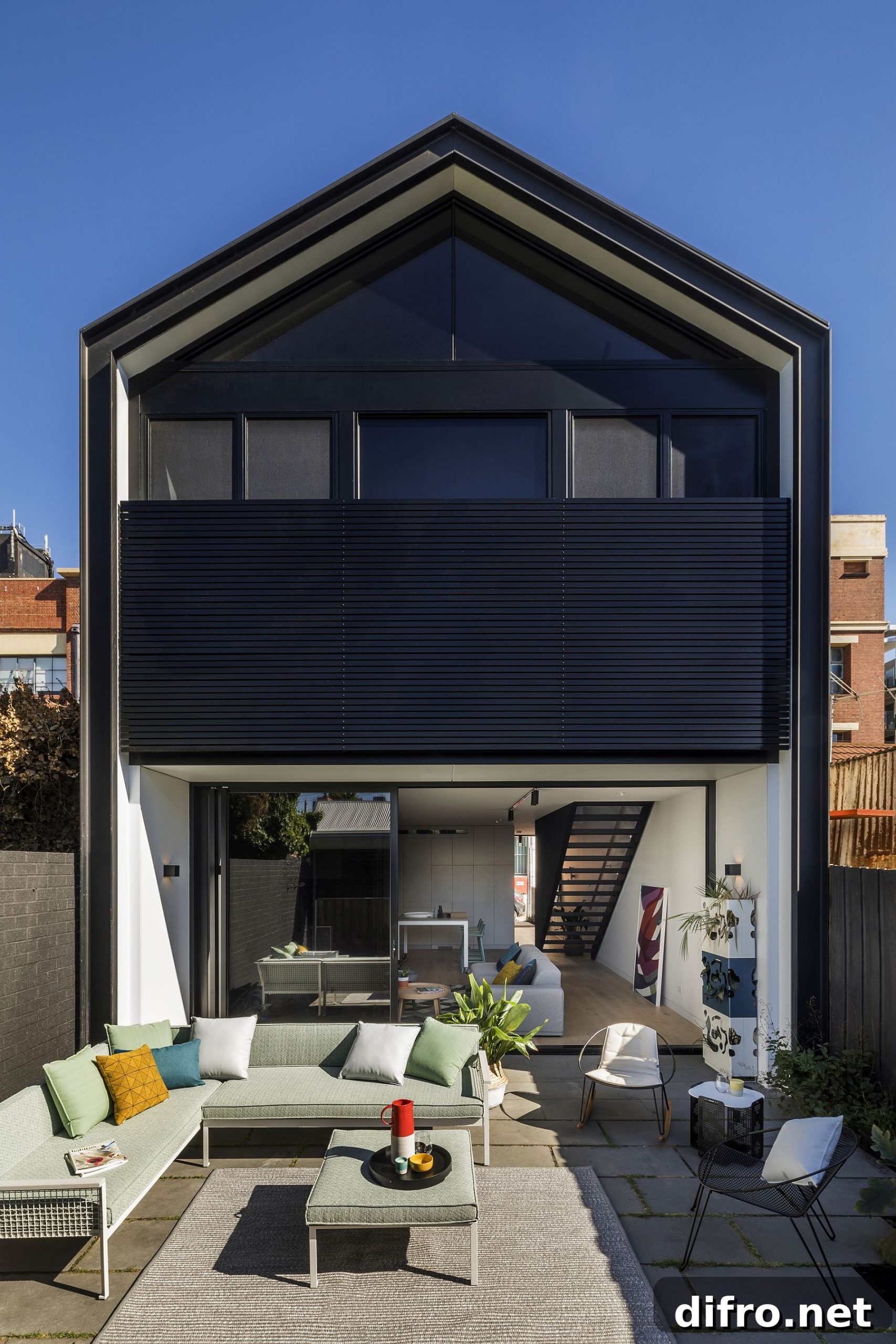
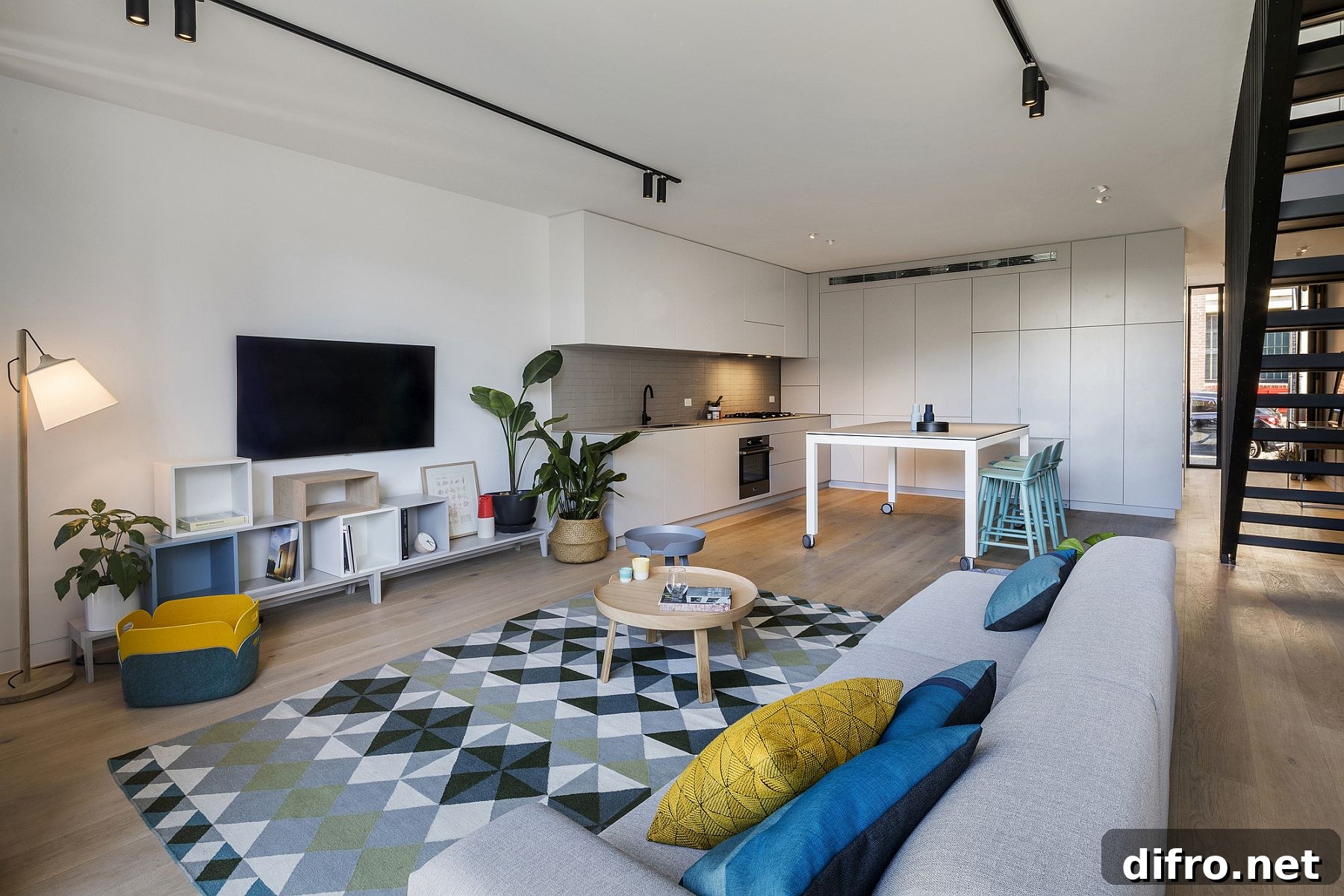
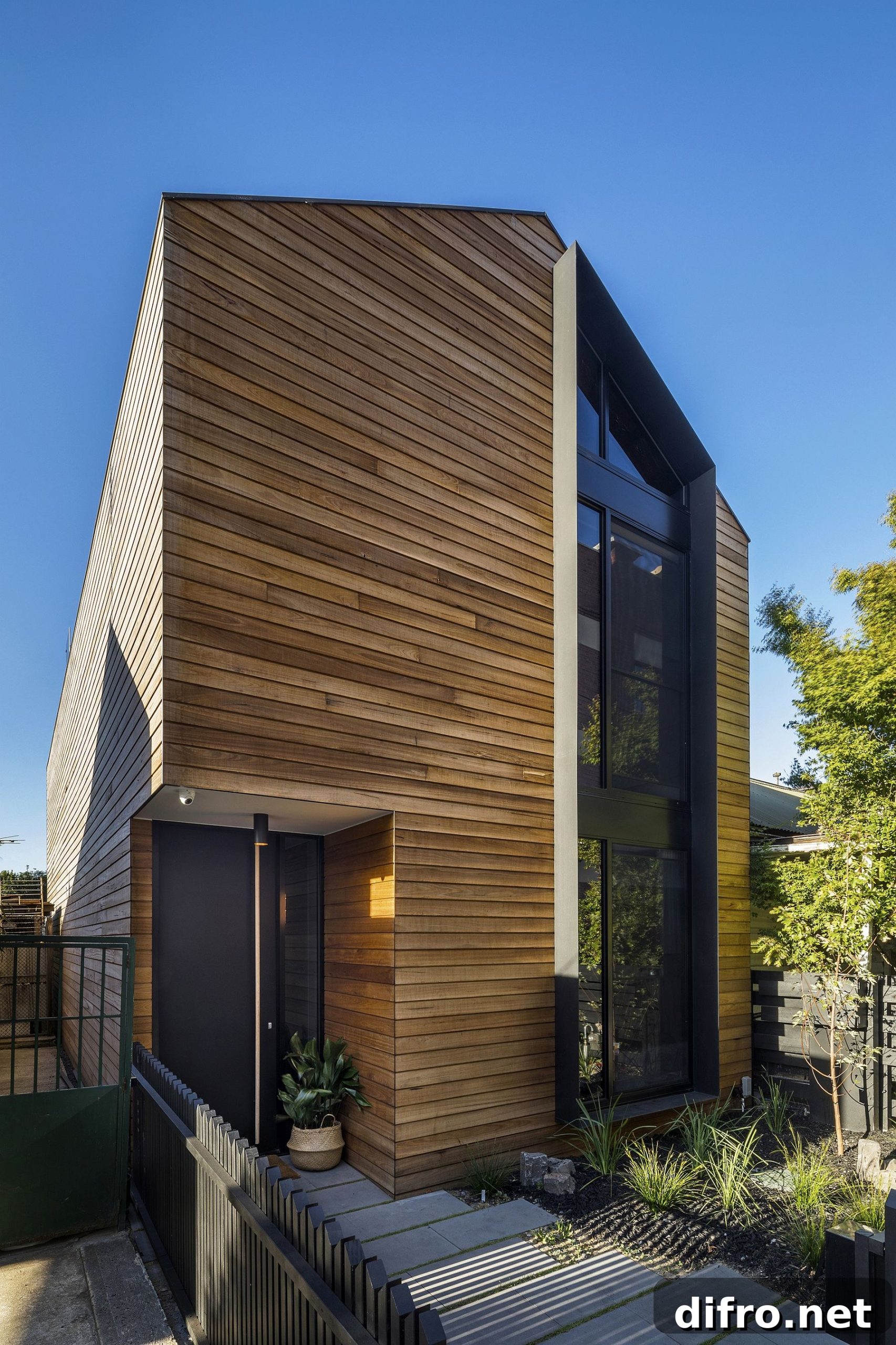
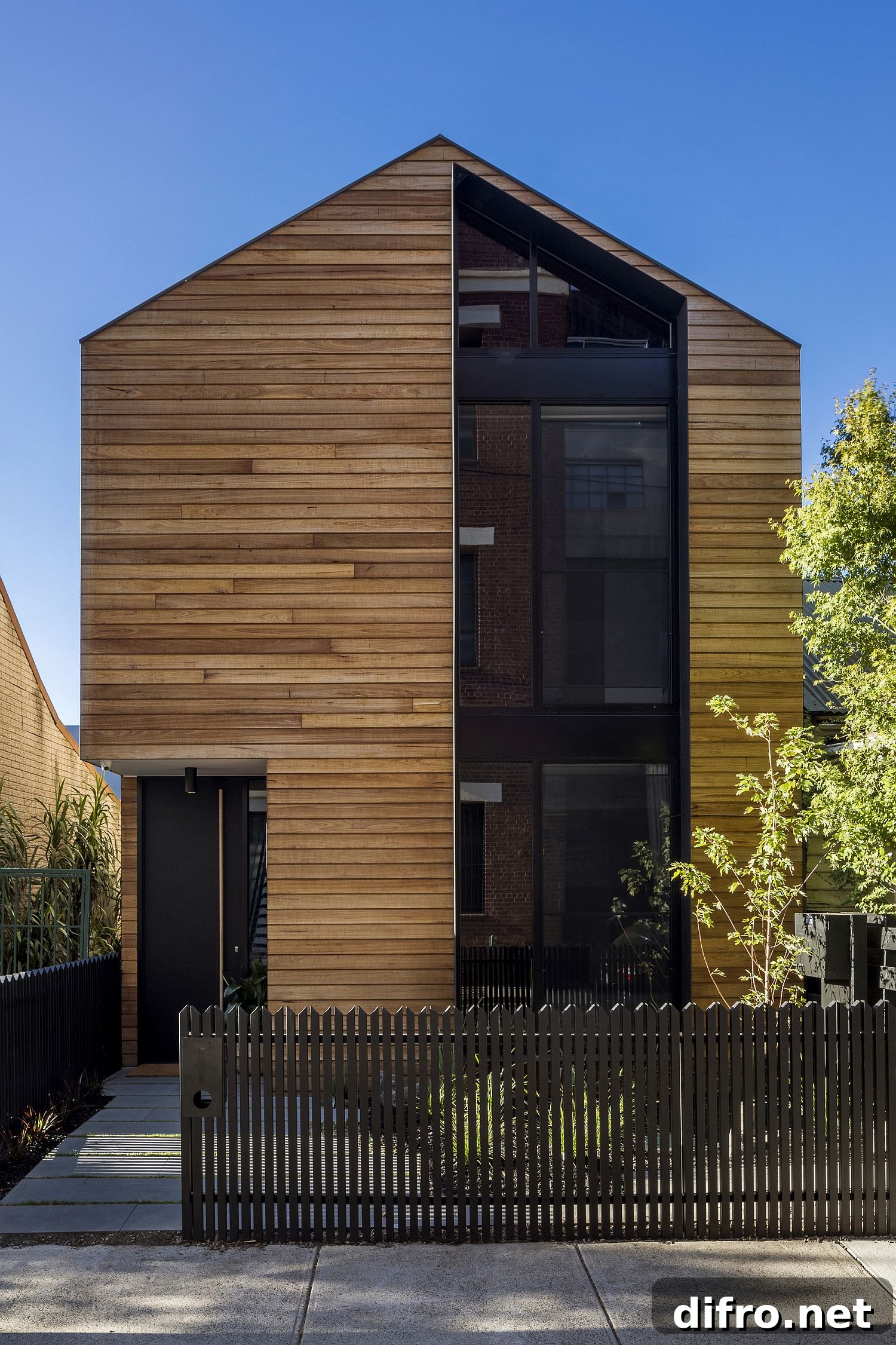
On arrival, the street facade makes a quiet statement through a rhythm of timber slats, metal accents and glass that provides privacy while still engaging with the street. Inside, the palette is restrained: neutral grays and whites form a calm backdrop, while occasional accents of blue and yellow enliven living areas. The material contrasts—warm wooden finishes set against cool black timber battens and steel elements—give the house a distinctive, modern character without feeling overwrought.
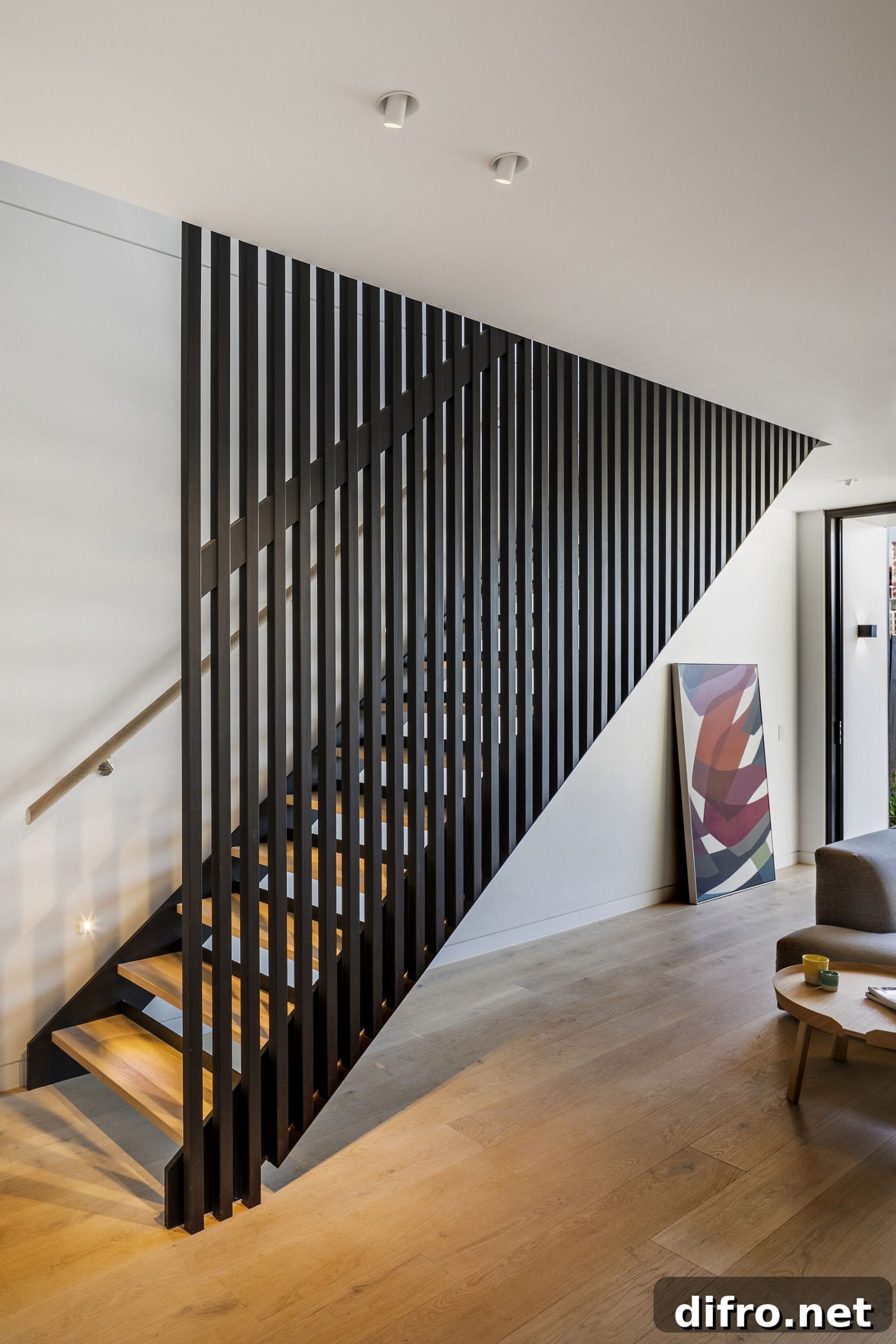
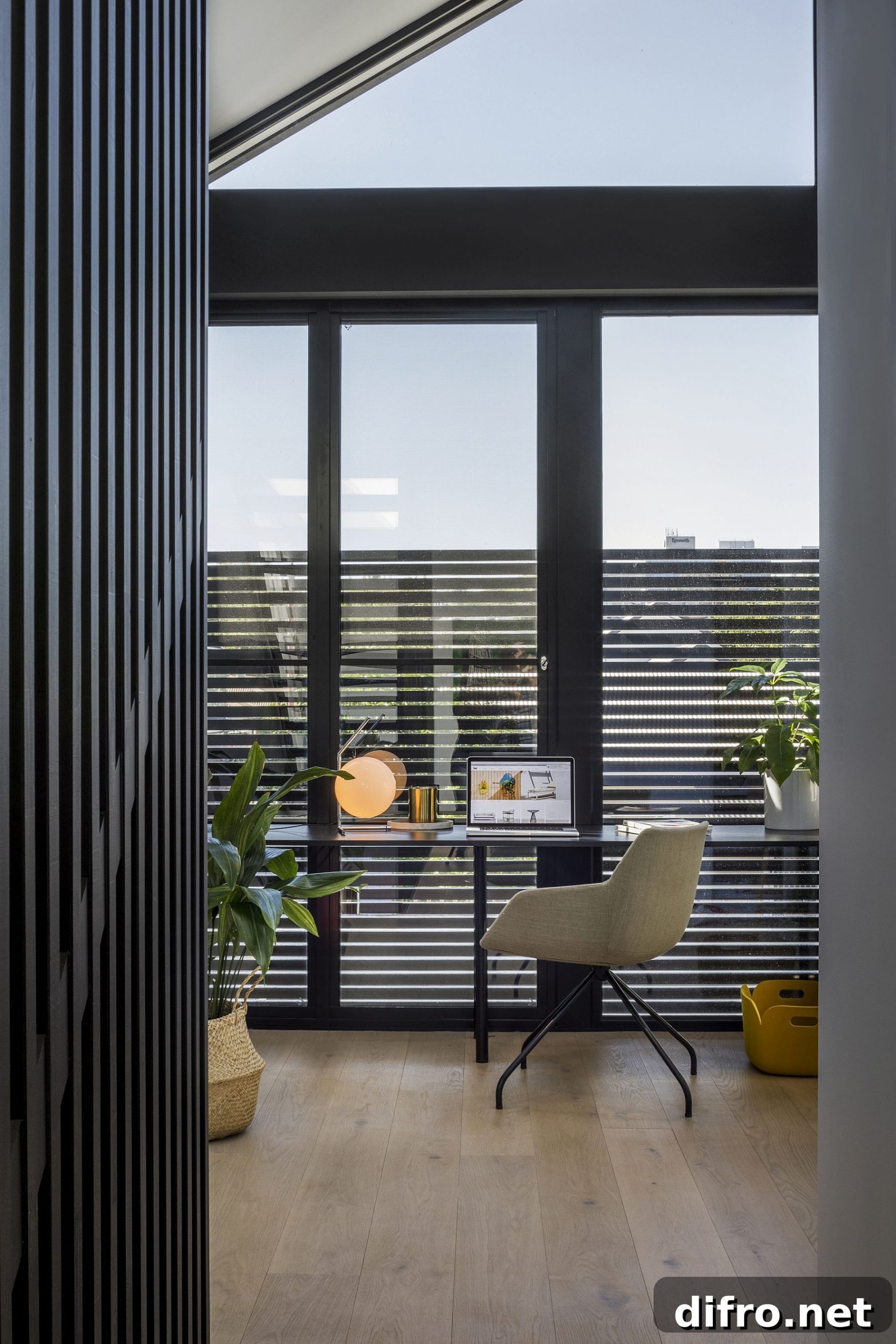
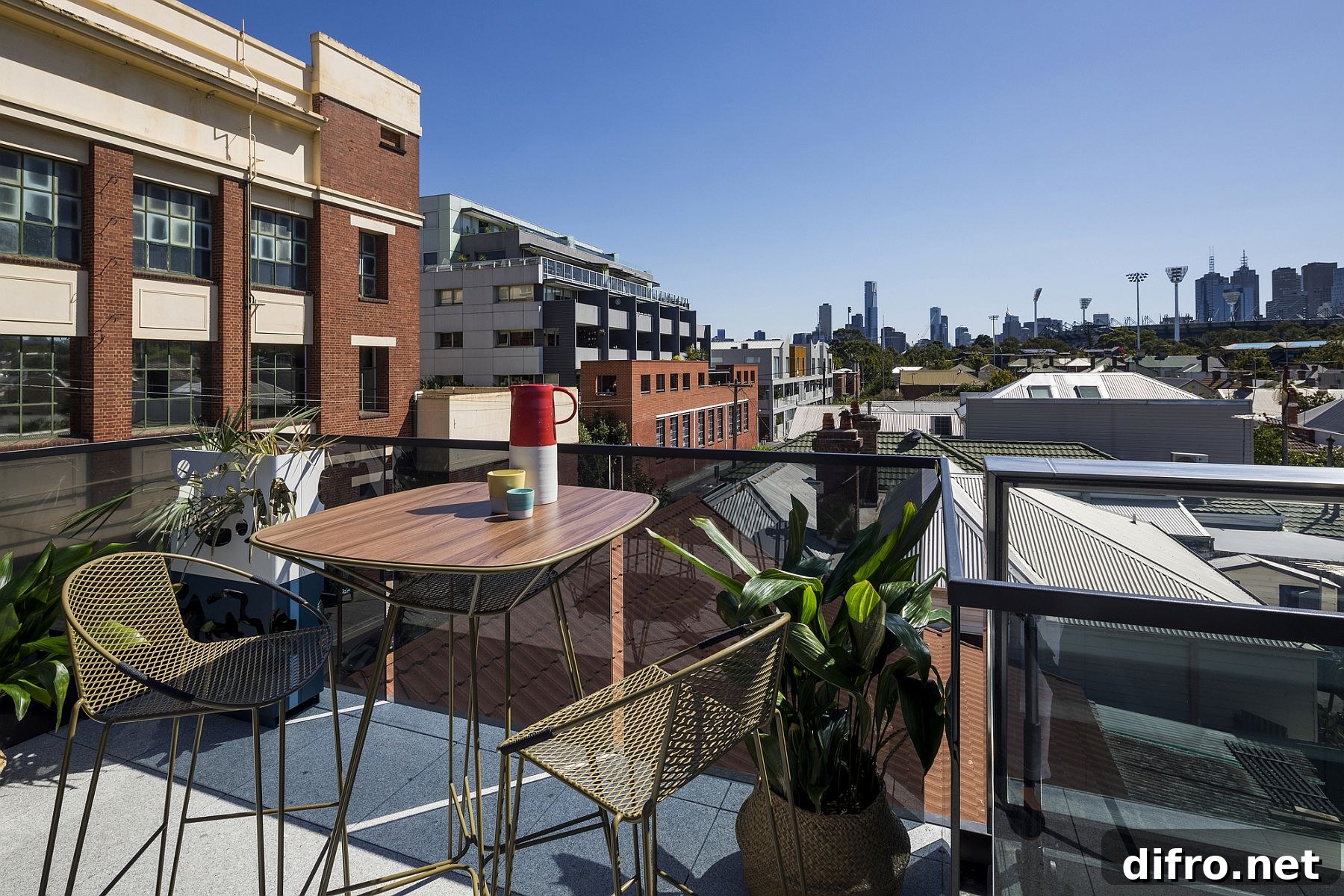
Natural light is a central design priority. A sculptural staircase and carefully placed openings channel daylight through multiple levels, reducing the need for artificial light during the day and enhancing a sense of openness throughout the home. Thoughtful planning allows interior spaces to feel connected to the outdoors: the rear living area opens to a deck, and the rooftop terrace provides an additional outdoor retreat with city views, offering both communal and private outdoor zones for the family.
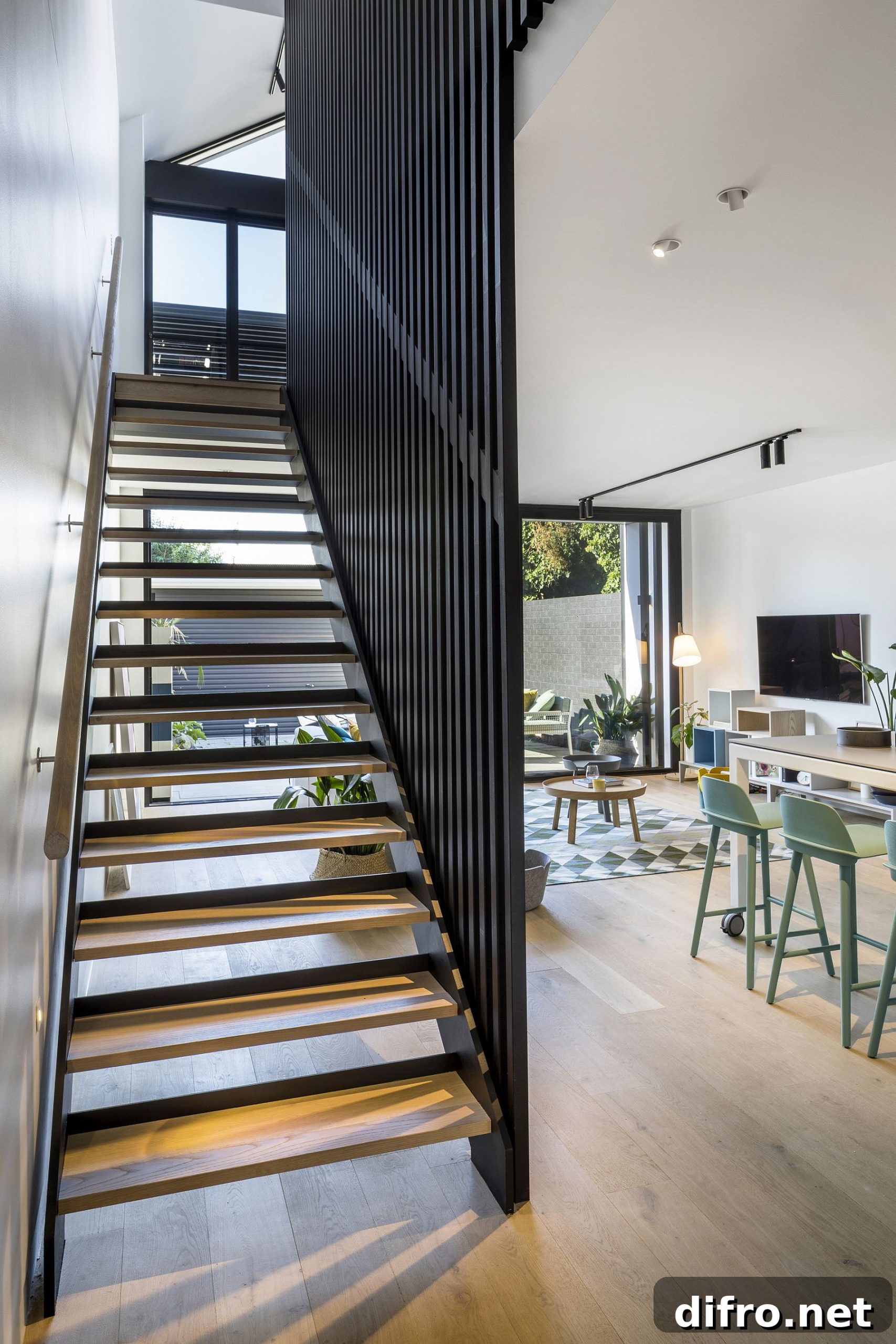
The interior layout emphasizes efficient use of space without sacrificing comfort. Built-in elements and pared-back furnishings maintain uncluttered sightlines and circulation, while tactile finishes—timber floors, textured textiles and matte surfaces—contribute warmth and depth. Black timber battens and steel details provide a graphic edge that complements the softer wooden surfaces, producing a considered contrast between industrial and domestic references.
Privacy and security are carefully addressed: the street-facing facade is shielded with timber louvres and a recessed entry that both references the traditional cottage typology and adapts it to a contemporary urban context. At the same time, internal planning opens toward the protected rear yard and rooftop, creating sheltered outdoor spaces that feel private yet connected to the city beyond.
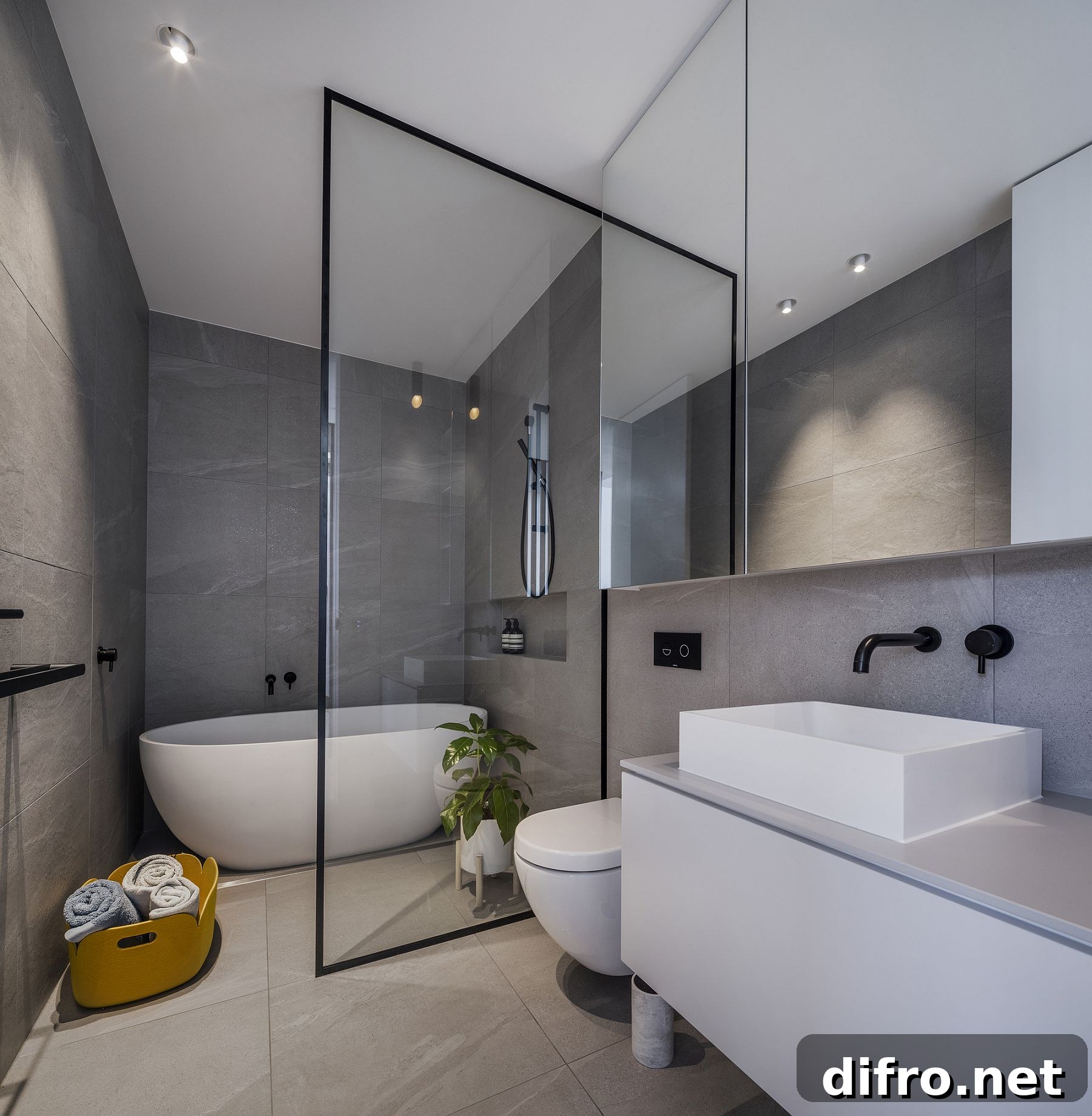
The bathroom and wet areas follow the home’s restrained material strategy: simple, minimalist fittings and a monochrome scheme emphasize cleanliness and calm, while thoughtful detailing keeps these spaces feeling modern and uncluttered. Overall, the T2 Residence demonstrates how a modest urban plot can be transformed into a roomy, light-filled family home through careful composition, material selection and spatial sequencing.
Its facade is a play on the features of the cottage that typified the area and the very cottage that occupied the site. The recessed entry porch contrasts with the more common corrugated‑roof additions, while the traditionally recessive single sash window is elongated and brought forward through a steel plate surround.
Smart, space-conscious and rooted in the character of Richmond, the T2 Residence bridges past and present through its material choices and spatial strategy. It demonstrates how careful architectural interventions—timber screens for privacy, well-sized openings for ventilation and daylight, and compact but generous outdoor spaces—can create a comfortable, modern family home even on a tight inner-city lot. Photography: Rachael Dere.
RELATED: St Kilda East House: Budget Family Home Combines Classic with Contemporary