Bookshelves don’t have to be limited to rows of books. They’re prime real estate for expressing your taste and personality. Thoughtful styling turns a shelf into a layered display that balances color, texture, and scale—making the entire room feel more intentional. Below are practical ideas and styling tips to transform your shelves from storage into a curated focal point.
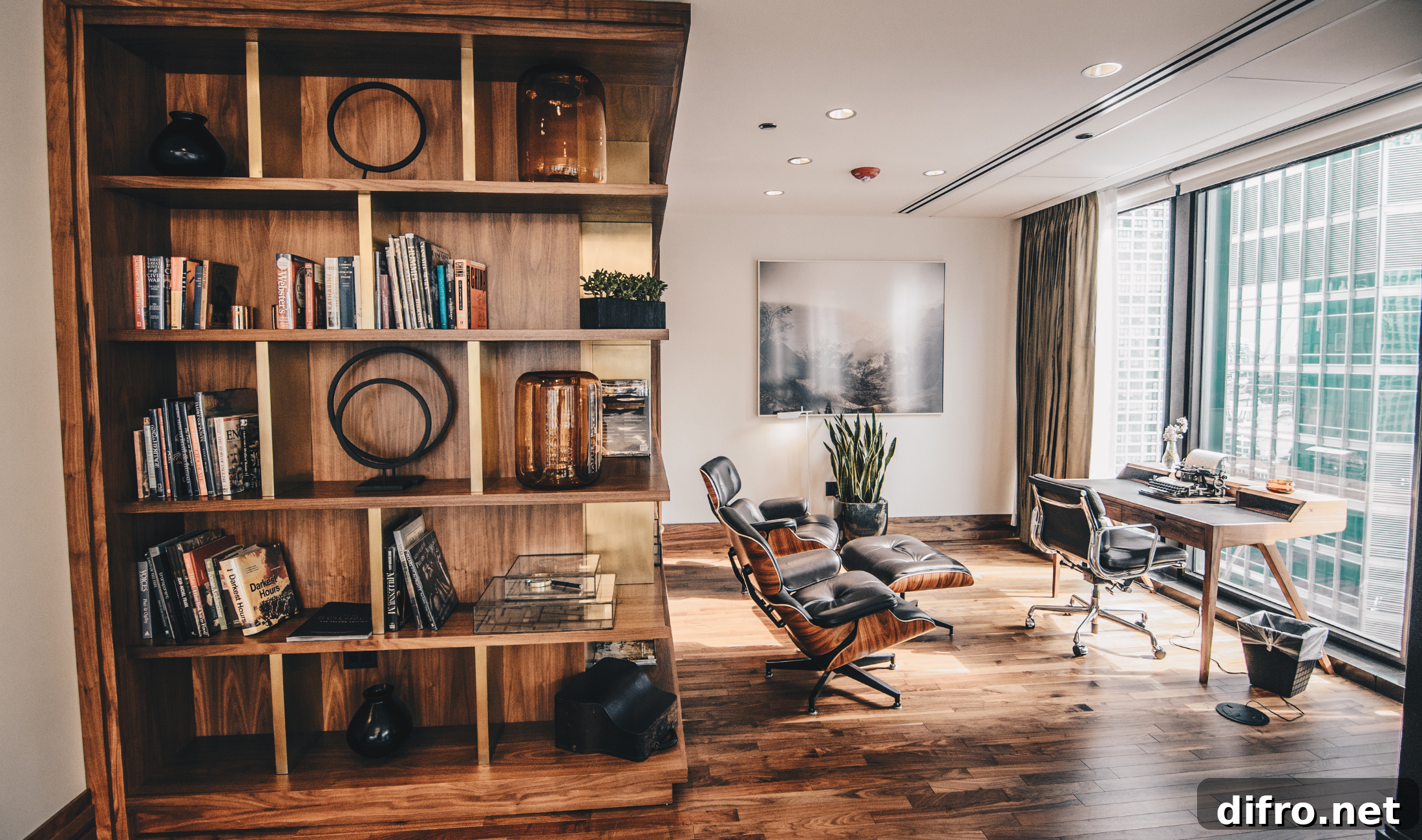
Sculptural Art
Introduce one or two sculptural pieces to add an artistic presence that books alone can’t provide. Choose pieces with interesting silhouettes—ceramic figures, carved wood, stone accents, or small metal sculptures work well. Hand-crafted or artisan items give shelves character and often become conversation starters. Keep the arrangement simple: a single statement object per shelf or a small grouping creates impact without clutter. Think of sculptures as punctuation marks that guide the eye through the display.
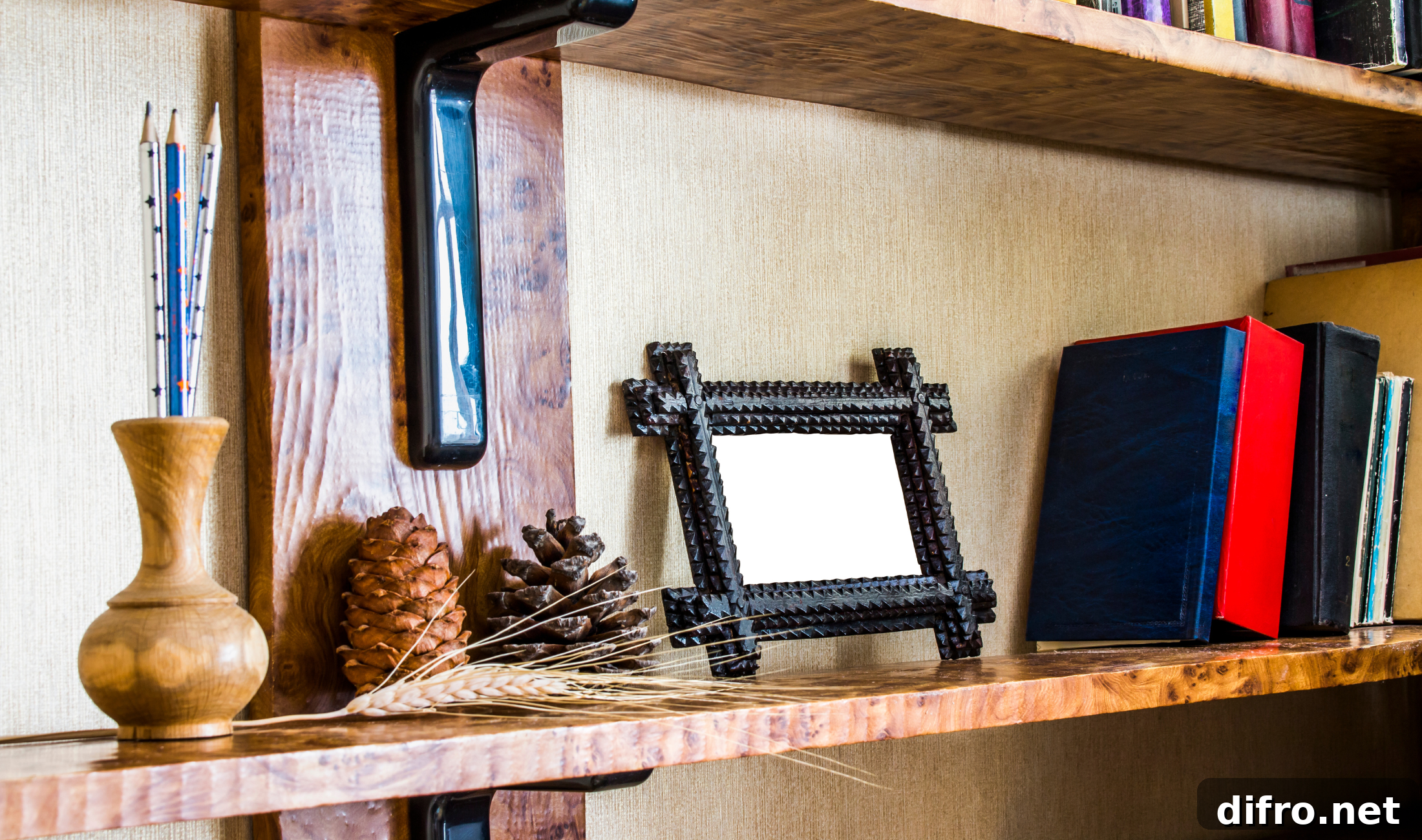
Framed Art and Photographs
Small framed prints and photographs introduce focal points and visual depth. Try leaning frames against the back of a shelf or layering them in front of a stack of books to create dimension. Black-and-white photography offers a timeless, sophisticated vibe, while colorful artwork can inject energy. Mix frame styles for an eclectic, collected look, or use matching frames for a more uniform, gallery-like appearance. Pay attention to scale: oversized frames can overwhelm a shelf, whereas very small pieces may disappear amid other items.
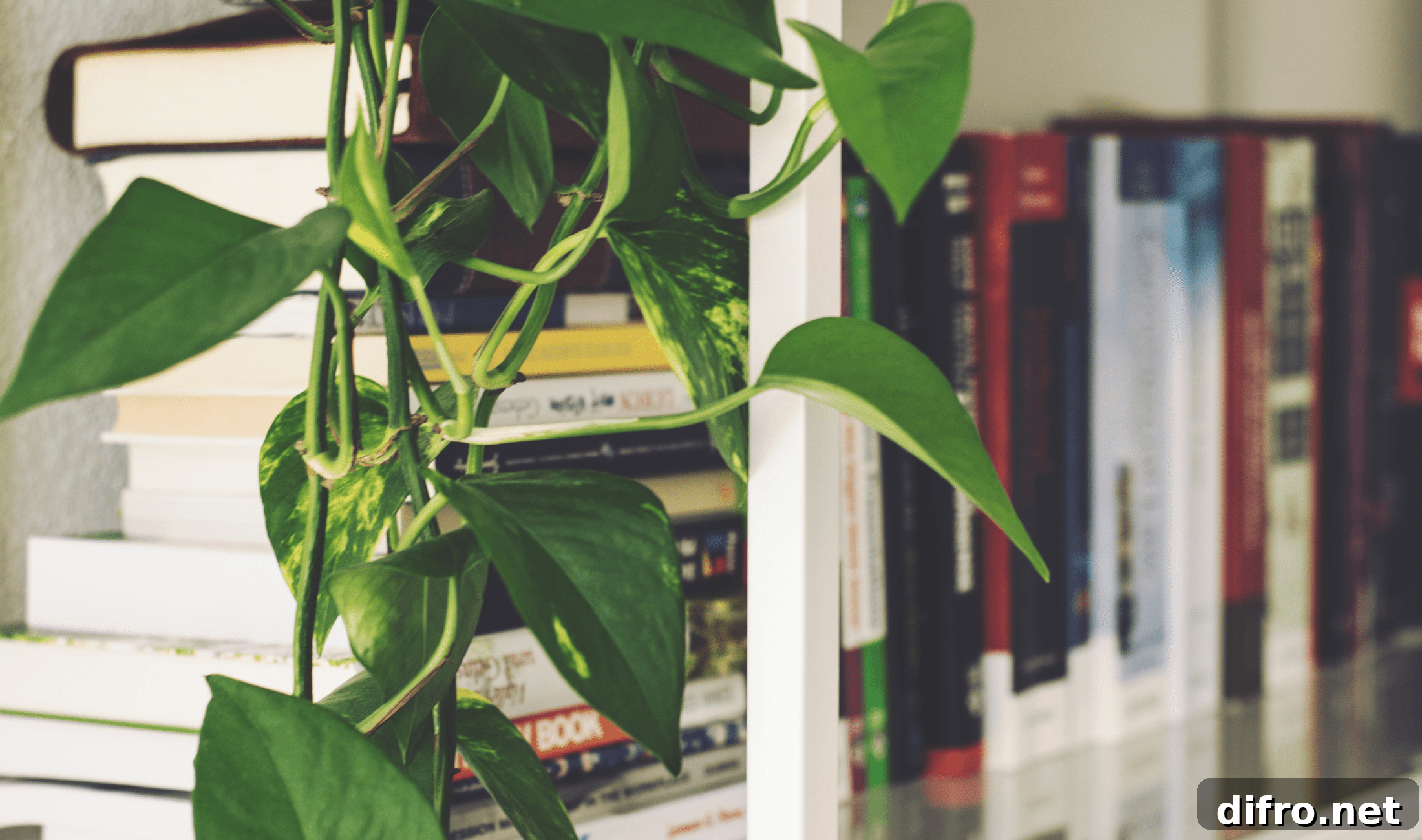
Plants and Other Natural Pieces
Greenery breathes life into shelves and softens the structure of books and boxes. Small potted plants, draping vines, or dried florals introduce color and organic texture. Low-maintenance options such as pothos, succulents, and air plants are ideal for shelves with limited light; if real plants aren’t practical, high-quality faux greenery can achieve a similar look. Natural accents like driftwood, geodes, and shells add tactile contrast and a relaxed, earthy feel. Distribute natural elements across multiple shelves to create cohesion and visual flow.
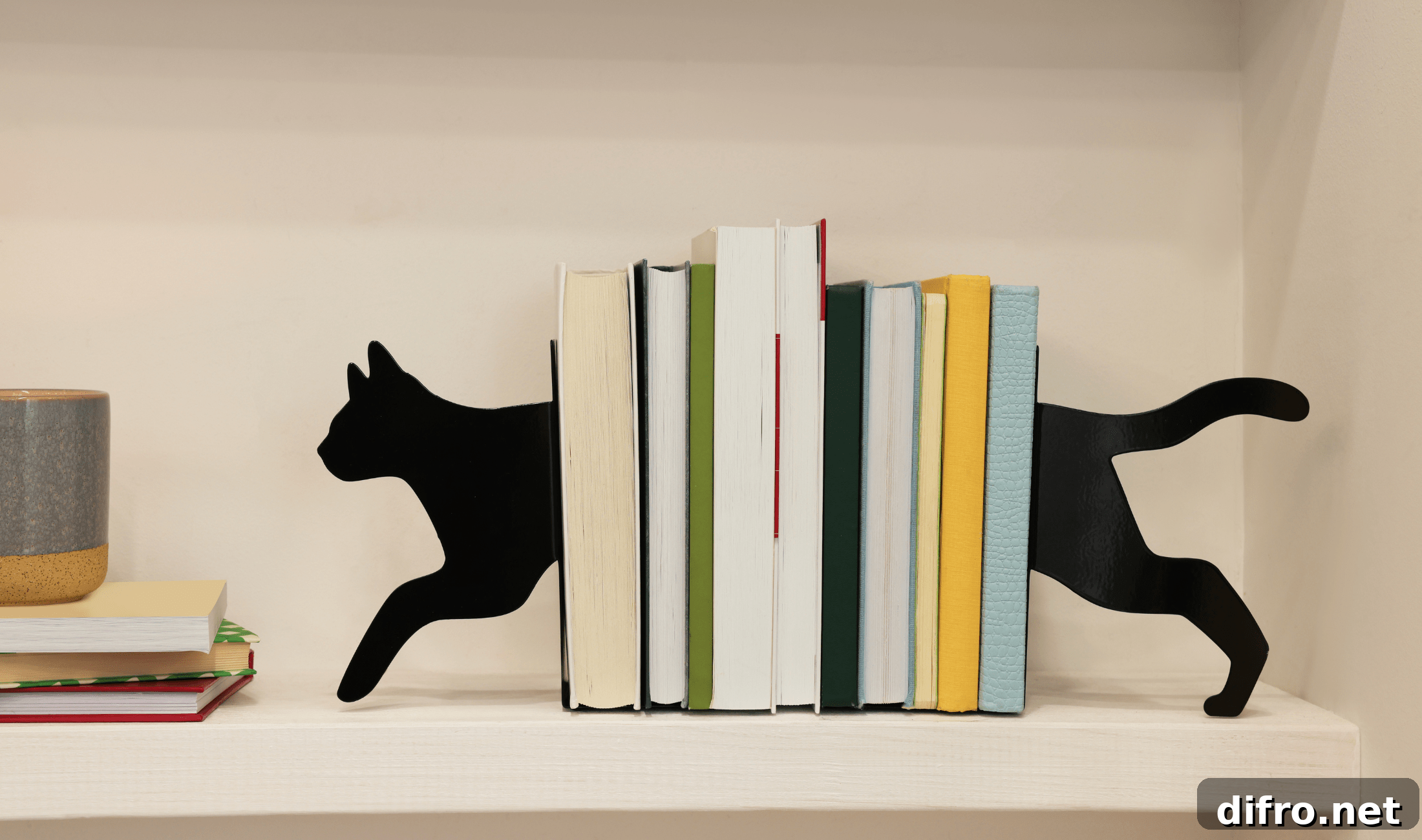
Unusual Bookends
Bookends can double as decorative accents. Swap standard metal holders for sculptural bookends—polished stones, carved wooden figures, vintage corbels, or whimsical shapes all add personality. For modern interiors, geometric or abstract designs work well; for a more traditional space, consider brass or carved wood. Bookends help organize your collection while introducing vertical interest and a finished look to each shelf segment.
Decorative Boxes or Storage Containers
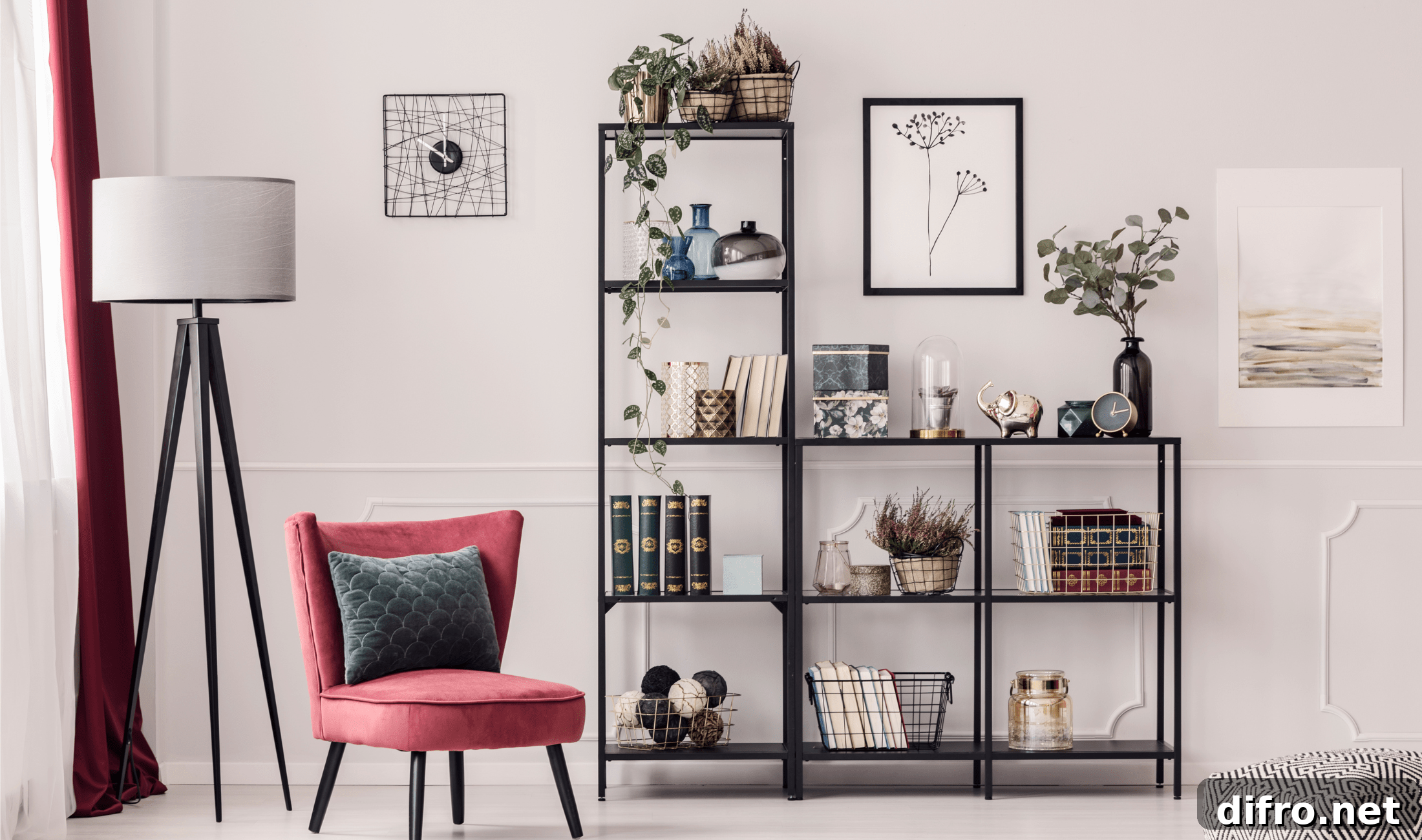
Incorporate decorative boxes and baskets to keep smaller items out of sight while adding texture and structure. Leather-bound boxes bring a classic, refined touch; woven baskets and rattan containers introduce warmth and tactility. Stack boxes of different sizes or mix materials to create visual interest while maintaining practical storage. Place these containers on lower shelves to hide everyday clutter—remote controls, chargers, and small accessories—without disrupting the overall aesthetic.
Collectibles and Souvenirs
Display meaningful mementos to make the shelf uniquely yours. Group similar items together—vintage cameras, travel finds, small sculptures, or heirloom objects—to create zones of interest. Mixing old and new pieces adds depth and helps tell a personal story. Rotating a few items seasonally or as new souvenirs arrive keeps the display fresh and engaging.

Your bookshelf should be both functional and beautiful. Aim for a balance of height, color, and texture across the whole unit: alternate books stacked vertically and horizontally, group objects in odd numbers for a natural look, and leave breathing room so each item can be appreciated. Experiment with arrangements, swap pieces seasonally, and keep a few blank spaces to prevent visual overload. With a mix of sculptures, art, plants, storage, and cherished objects, your shelves will become a curated reflection of your style and interests.