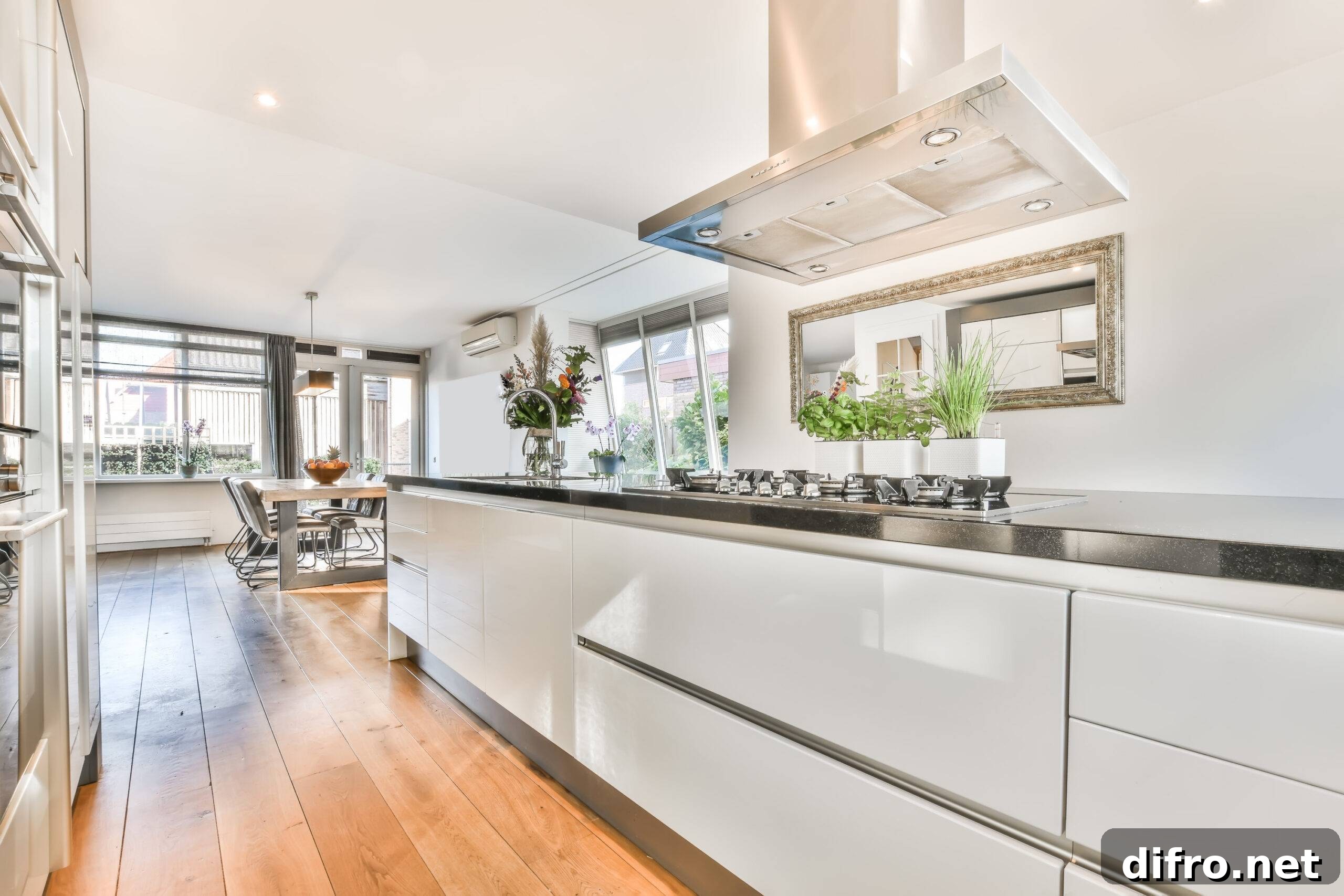
A kitchen is one of the most important spaces in a home. It fuels daily life, hosts family moments and routines, and often sets the tone for morning and evening activity. Beyond its emotional role, the kitchen is a major factor in a property’s market value—buyers frequently focus on the kitchen when evaluating a home. That means certain design choices can hurt resale value. Whether you are renovating or preparing to sell, it helps to understand common kitchen pitfalls so you can create a layout and finish that stay appealing over time.
Closing Off the Kitchen Too Much
Kitchen layouts that are overly closed-off feel dated and can make a home less attractive to modern buyers. Older houses often used separate rooms, but most buyers today prefer more open, connected floor plans where the kitchen flows into living and dining areas. You don’t need to remove every wall, but avoid making the kitchen feel isolated. Consider partial openings, pass-throughs, or wider doorways to maintain structure while improving sightlines and circulation. These changes increase usability and make the space feel friendlier to entertaining and everyday family life.
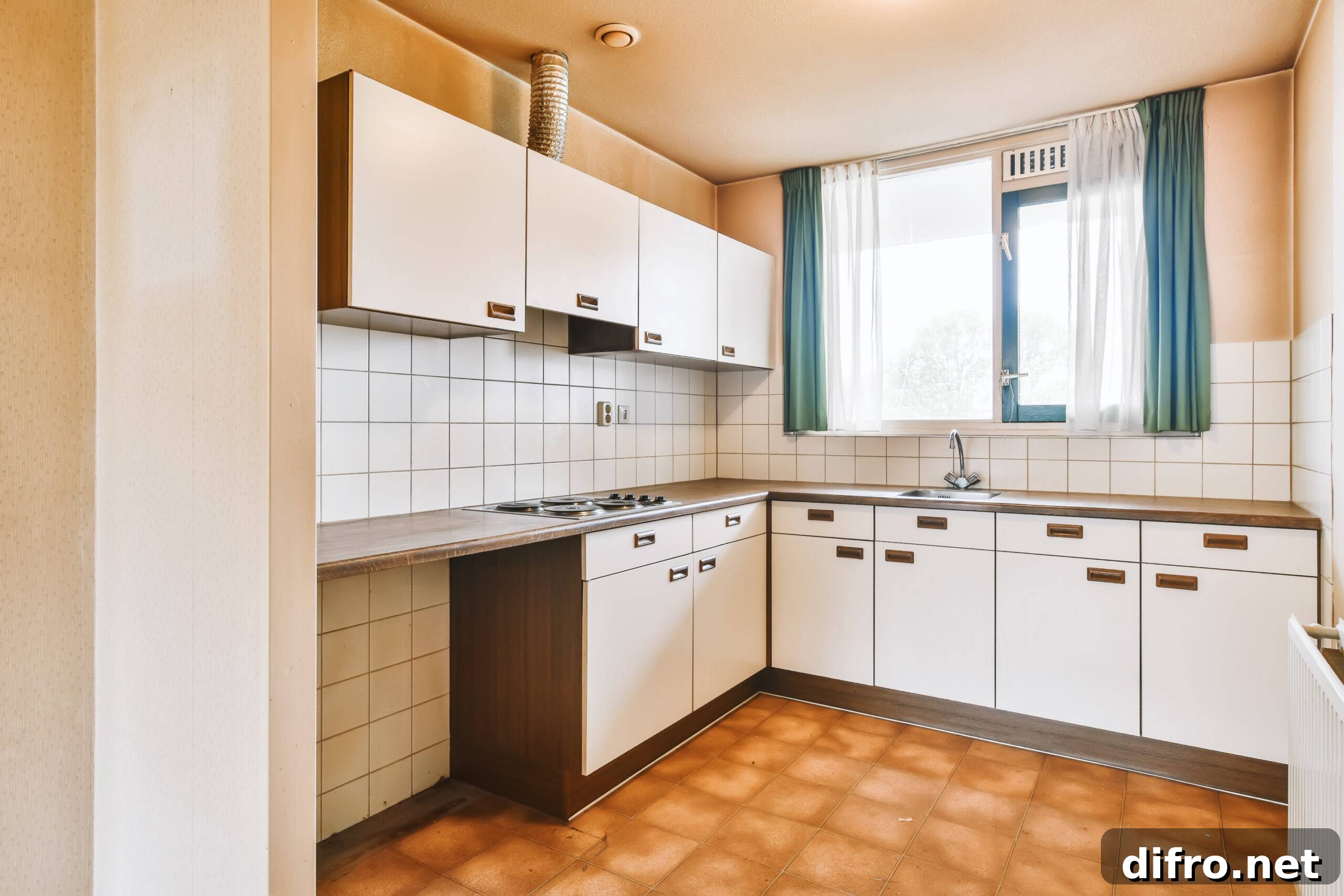
Choosing the Right Island Size
A kitchen island can add storage, seating, and workspace, but its size must suit the room. An oversized island can block movement and disrupt the work triangle, making the kitchen feel cramped and less functional. Conversely, an island that’s too small can look awkward and fail to perform its intended role. Plan for adequate clearance—both for traffic and appliance doors—and match the island’s scale to the overall kitchen footprint. Thoughtful proportions improve flow, increase usable counter space, and make the kitchen feel balanced.
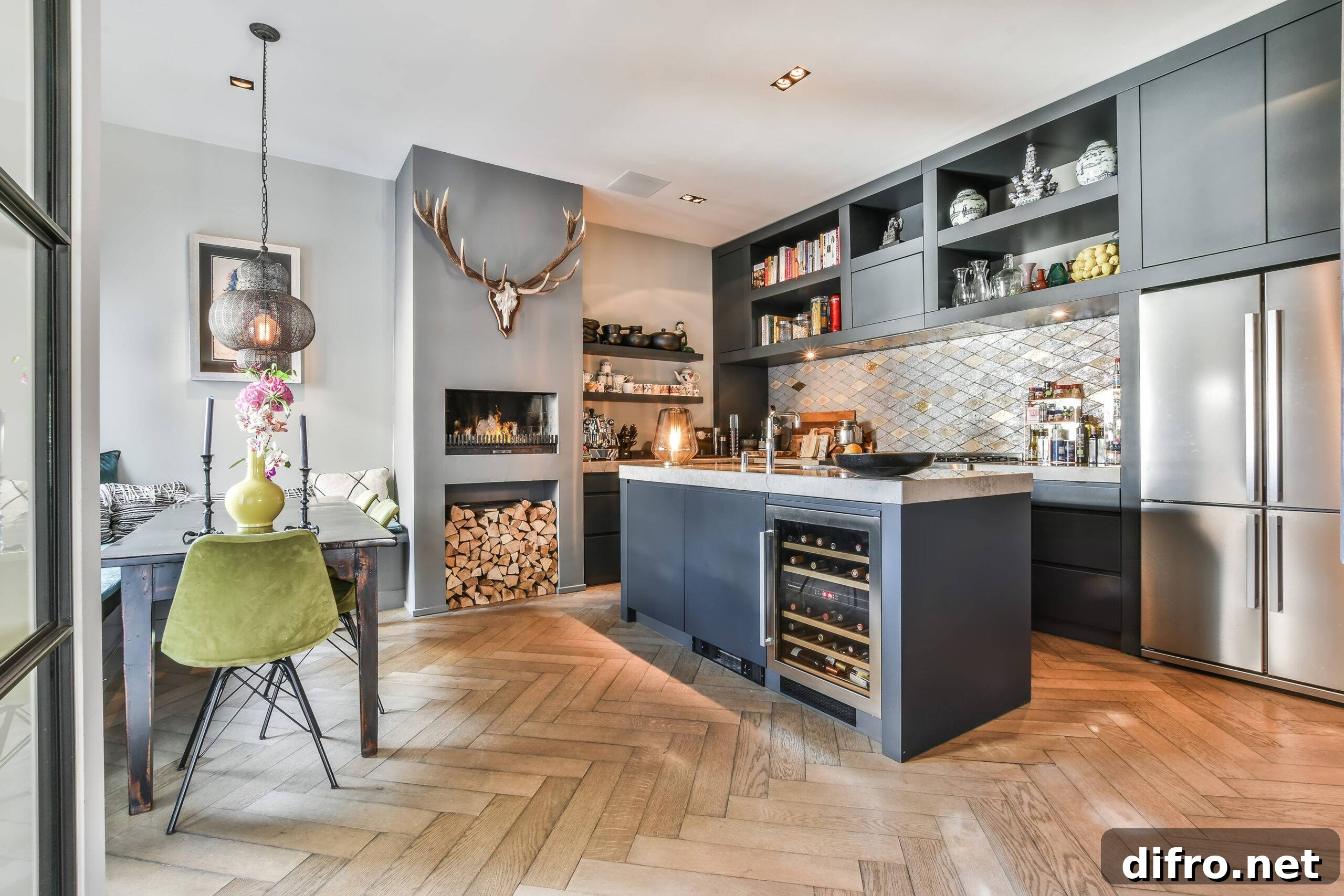
Ignoring Natural Light
Natural light has a major impact on how welcoming a kitchen feels. Small or poorly placed windows, heavy curtains, or blocked openings make the room look smaller and less inviting. Bright, airy kitchens appeal to buyers because they feel cleaner, larger, and more functional. Where possible, prioritize larger windows, a skylight, or glass doors to increase daylight. If structural changes aren’t feasible, lighter window treatments, reflective surfaces, and well-placed task lighting will help bounce light around the room and refresh the atmosphere.
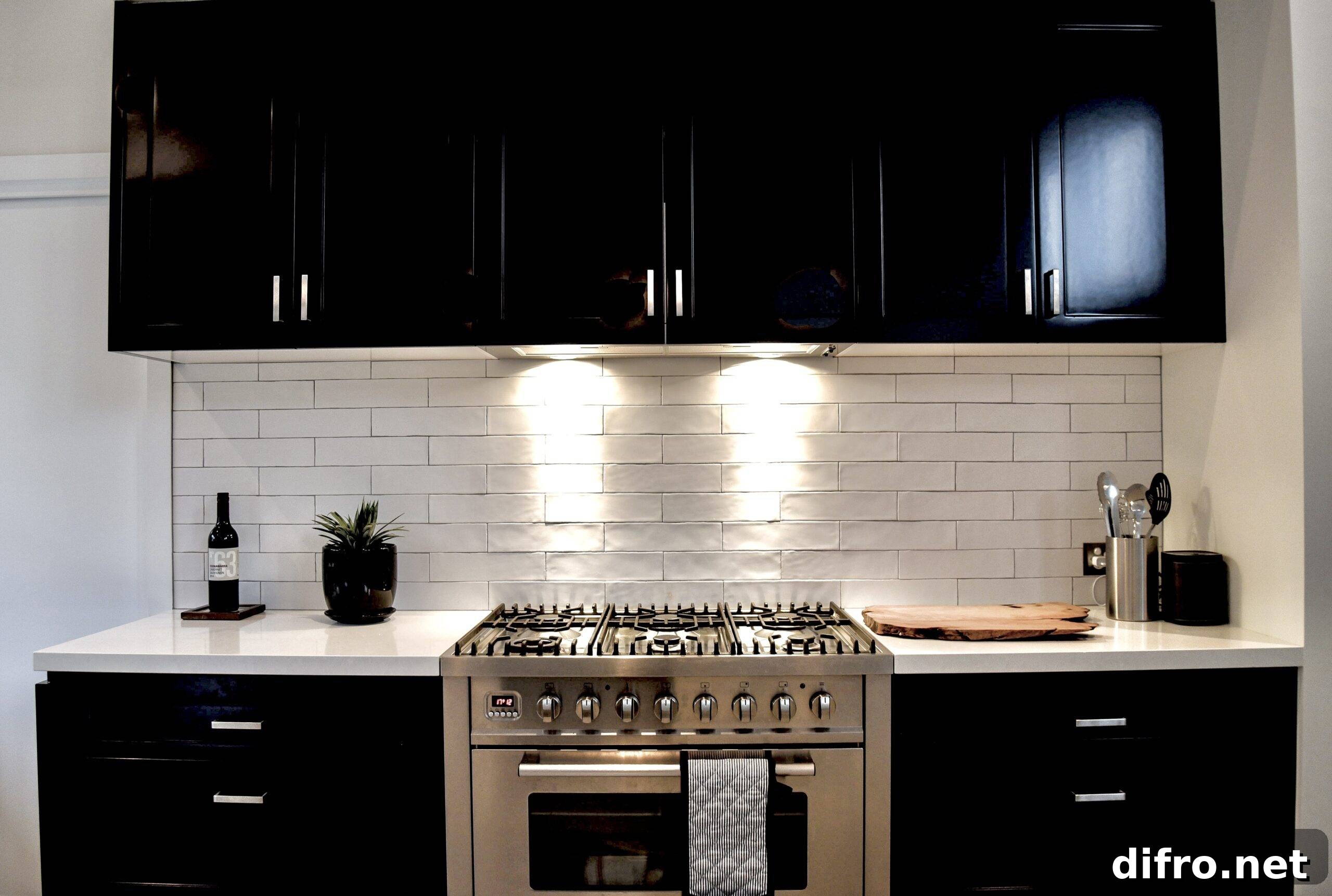
Overcommitting to a Single Style
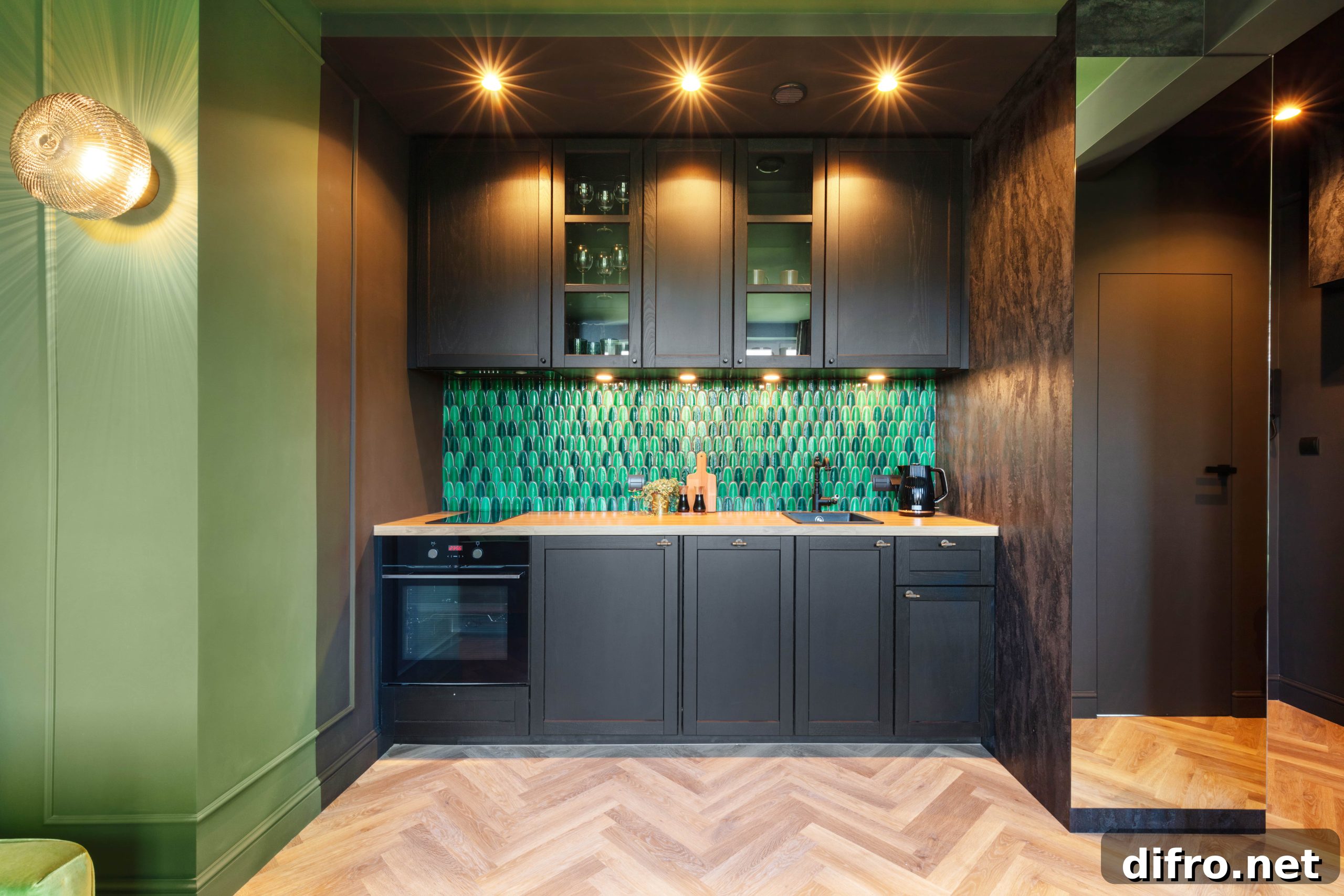
Design consistency matters, but committing too strongly to one style can limit appeal. Extremely themed kitchens—whether aggressively modern, overly rustic, or hyper-traditional—may not suit a wide range of buyers. A more versatile approach blends timeless elements with subtle contemporary touches so the space feels current without being overly specific. Neutral finishes, quality materials, and adaptable fixtures let future owners personalize the room without costly renovations. In short, aim for a design that feels enduring rather than trendy.
Skimping on Ventilation
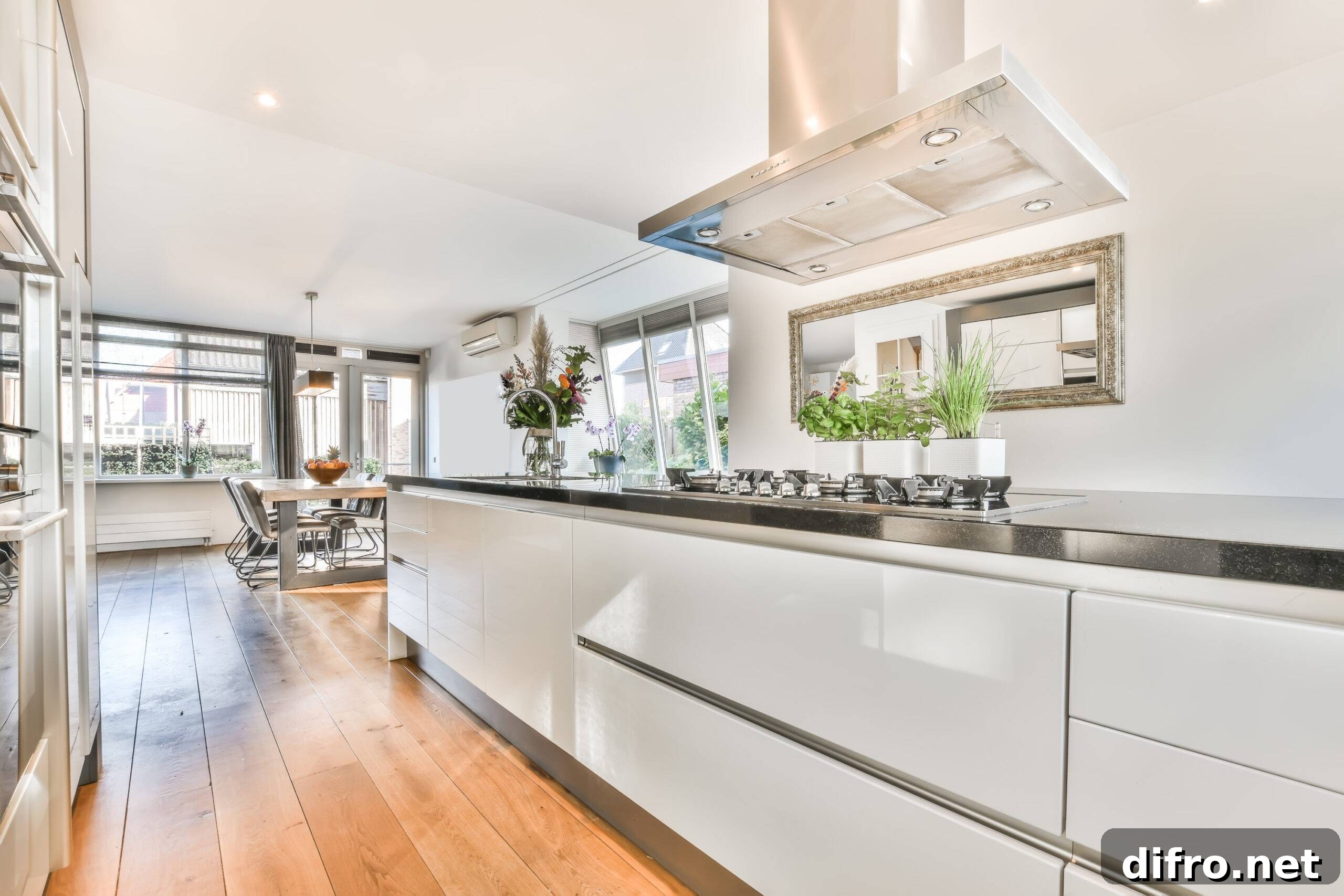
Adequate ventilation is essential to keep the kitchen smelling fresh and to protect surfaces from grease buildup. Poor ventilation allows cooking odors and moisture to linger, sometimes spreading through the rest of the house. Investing in a quality range hood, ensuring proper ducting, and creating effective air circulation will reduce lingering smells and surface residue. Though ventilation is often overlooked, buyers notice when a kitchen feels stuffy or holds persistent odors—so good airflow is both a comfort and a resale benefit.
Ultimately, a kitchen should enhance a home’s value, not diminish it. Many costly mistakes stem from choices that make the space feel closed, awkward, or overly specific. Blocking natural light, creating cramped circulation, neglecting ventilation, or committing too strongly to a narrow aesthetic can all reduce a kitchen’s appeal to future buyers. Focus on balanced layouts, good light and airflow, correctly scaled fixtures like islands, and finishes that feel both current and adaptable. With thoughtful planning you can create a kitchen that is attractive, functional, and a clear asset when it comes time to sell.